
Amazon Music: i Podcast sbarcano in Italia
A partire da oggi anche gli utenti italiani di Amazon Music hanno a disposizione un’opzione in più. Non solo canzoni, ma anche una folta selezione di Podcast, contenuti audio originali realizzati in esclusiva per il servizio fornito dalla nota società di Seattle. La moda lanciata da Clubhouse con le trasmissioni audio e seguita a ruota da altri social network come Facebook e Twitter, ha inevitabilmente dato un ulteriore input al processo, ma Amazon aveva già in progetto da tempo di estendere il proprio servizio a nuovi mercati, come quello italiano.
Hybrid & Remote Work Trends That Will Alter The Future Of B2B Marketing
How is the shift to remote and hybrid work affecting B2B marketers?
Which trends will endure in the post-pandemic marketing landscape?
The dramatic shift to hybrid and remote work that has been brought about by the pandemic is set to forever alter the way B2B marketers and the organizations they work for and with do business.
Let’s take a look at some of these changes, and the trends that are likely to permanently affect B2B marketers, and I’ll offer my own perspective coming from a long-term background in remote work.
Flexibility: Remote & Hybrid Options May Come Permanent
On Monday, March 23, 2007 I started my life of working remotely — a process I wrote about last year as the pandemic first began forcing much of the workforce into unfamiliar remote work situations. In “Day 4,777: Remote Work Tips From 13+ Years As A Distance Marketer,” I looked at how B2B marketers can thrive in the new era of remote work, and offered a variety of tips I’ve picked up during my time as a remote worker.
Since then a great deal has changed in the world. I’m up to 5,106 days of working remotely, and what was once a tiny segment of the workforce has over the past year grown to encompass a massive swath of workers worldwide, including those working in the B2B marketing industry.
Leaders at organizations worldwide have shifted from what had been seen as a temporary emergency move to remote work, to implementing permanent and fundamental changes involving remote and hybrid work variations.
[bctt tweet=”“It’s a very interesting time for the history of work, not even just the history of remote work. I think fundamentally work is going to change, and it’s never going back to the way it was before.” — Liam McIvor Martin @vtamethodman” username=”toprank”]A Convergence of Forces is Driving Remote Worker Relocation Options
This hybrid and remote work sea change has also had far-reaching and sometimes unforeseen implications. Workers in major metropolitan centers have come to realize that they’re no longer necessarily required to be tethered to a particular work location, and not just within their city, as growing numbers of professionals are leaving cities such as San Francisco and New York for locations that are a world away — and not only in size and cost-of-living.
This week CNN’s John D. Sutter explored the phenomenon from a climate change perspective, in “As people flee climate change on the coasts, this Midwest city is trying to become a safe haven,” another factor that has coincided with the pandemic to fuel a new era of remote and hybrid work options.
The safe haven city Sutter’s piece focuses on is Duluth, Minnesota — which happens to be my home of the past 26 years. The city of 86,000, a few hours north of Minneapolis, is where I’ve worked remotely for some 14 years now. My wife Julie and I live next door to Duluth mayor Emily Larson, who shared with Sutter that, “We are known as the San Francisco of the North. I’ll let you decide if you think that’s true.”
Most who visit Duluth do indeed see more than physical similarities with San Francisco — the hills of Duluth line the vast waters of Lake Superior — and I have technology industry friends who have moved here from both San Francisco and New York, thanks to burgeoning remote work opportunities.
The convergence of the pandemic and ongoing climate change create a scenario where more B2B workers than ever now have opportunities to consider living wherever they wish, and as we learn more about the ramifications of widespread remote and hybrid work, many are seeing more positive elements to the shift than negative ones.
B2B marketers and the organizations they work for and with will increasingly need to address these urgent hybrid and remote work changes, whether it’s in attracting and keeping talent, how we communicate with one another, or in the very stories brands are telling in their marketing efforts.
The Ensuing Hybrid Work Disruption
A recent study by one of the world’s biggest employers, Microsoft, has tackled many of these issues, with the March release of “The Next Great Disruption Is Hybrid Work – Are We Ready?”
Some of the fascinating take-aways from the Microsoft report, gathered from data in 31 counties and more than 30,000 people, along with more than a trillion anonymous signals from its Microsoft 365 and LinkedIn* products, include the following:
- 40 percent of the workforce has considered leaving their employer over the past year
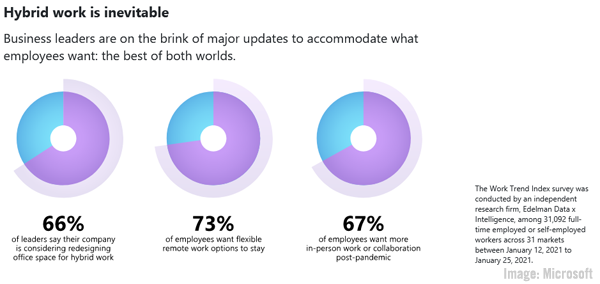
- 73 percent of workers want to continue having flexible remote work options
- 65 percent crave spending additional in-person time with their teams
- 66 percent of business decision makers are considering redesigned physical work-spaces to better suit hybrid work
- 46 percent have said their employer doesn’t provide help with remote work expenses
- 67 percent want more in-person work or collaboration after the pandemic
- Time spent in meetings has more than doubled
- Team chat messaging has increased by 45 percent
- 1 in 5 have met their colleagues’ pets or family members virtually over the past year
- 39 percent say they’re now more likely to be their full and authentic selves at work
- Remote job postings on LinkedIn have climbed by more than five times
- 46 percent of remote workers plan to move to a new location this year
On this last point, Karin Kimbrough, chief economist at LinkedIn, noted in the Microsoft report that, “This shift is likely to stick, and it’s good for democratizing access to opportunity,” Kimbrough said. “Companies in major cities can hire talent from underrepresented groups that may not have the means or desire to move to a big city. And in smaller cities, companies will now have access to talent that may have a different set of skills than they had before,” she added.
B2B Marketers Rethink Hybrid & Remote Work
The shift to hybrid, flexible, and remote work options is an active and ongoing process to be certain, however significant movement has already been made. The genie of rethinking work fundamentals has been set in motion, and can’t ever be put back in its bottle.
New studies highlighting shifting perspectives on remote and hybrid work are publishing frequently, such as a recent WeWork and Workplace Intelligence report which found that 64 percent of employees said they were willing to pay for access to office space to support hybrid work, and that 75 percent would forgo at least one job benefit or perk in order to have the freedom to choose their work environment.
A Gartner survey showed that some 80 percent of business leaders plan to allow remote work once the pandemic has ended.
How B2B marketers react to these changes is likely to be crucial to thriving among increased post-pandemic competition.
We hope that this brief glimpse into a few of the remote and hybrid work changes that are already taking place, and others likely to be implemented in the years to come, will help inform your own marketing efforts.
To dig even deeper into remote work issues, be sure to watch our Break Free B2B Marketing video interview episode featuring Liam McIvor Martin, co-founder of Time Doctor and Staff.com: Break Free B2B Marketing: Liam McIvor Martin of Time Doctor on The Revolutionary Power of Remote Work.
Contact us today to find out why brands from SAP, LinkedIn, and Adobe to IBM, Dell, Cherwell Software, monday.com and more have chosen TopRank Marketing, and also check out our careers page including remote and hybrid positions.
*LinkedIn is a TopRank Marketing client.
The post Hybrid & Remote Work Trends That Will Alter The Future Of B2B Marketing appeared first on B2B Marketing Blog – TopRank®.

Mass Effect Legendary Edition, BioWare illustra i miglioramenti
L’arrivo della trilogia originale di Mass Effect in versione rimasterizzata per PlayStation 4 e Xbox One, con compatibilità futura su PlayStation 5 e Xbox Series X|S, e PC è ormai alle porte (sarà disponibile dal 14 maggio), e BioWare ha deciso di aumentare l’hype dei fan pubblicando un altro nuovo post sul suo blog ufficiale, dove vengono descritti nei dettagli i miglioramenti visivi del gioco e il modo in cui il team è rimasto fedele all’estetica iconica e originale della trilogia, pur rendendo i titoli migliori.
Searching for the way forward
I can’t think of a time when technology has been able to be more helpful to more people, families, communities, companies and countries than today. At the same time, the ways that people are using technology are more dynamic than ever. Technology has been a lifeline in lockdown, and it will be an important catalyst in a sustainable and accelerated recovery that works for everyone.
As we strive to emerge from the narrow canyon of restrictions on our lives into a more familiar world of wider horizons, we’re all keen to understand which changes in habits and behaviors will stay with us. What will stick and what will fade? For businesses, the impact of this crisis has varied enormously. Some have seen acceleration, more have had to fight for survival as physical channels to customers were impacted. Whatever the situation, we’re all searching through a fog of uncertainty for the way forward.
At the beginning of the pandemic, we saw how changes were driving businesses to innovate — with many, like Lynsey Pollard’s Little Box of Books, using digital tools to quickly identify and respond to rising consumer demand — in her case for home education resources, tripling website visits in the very first month of the pandemic.
Now, a year later, we can see three big trends emerging that businesses should address to accelerate recovery.
Three lasting consumer trends, as
companies get ready for what’s next
The pandemic has accelerated existing shifts in behavior.
Firstly, we’ve seen that the pandemic has accelerated behaviors which were already underway. Consumers went digital across all aspects of their lives — searches for “delivery,” “discount codes” and even “how to” grew significantly compared to the previous years. However, it’s worth noting that some behavior changes remain unpredictable. For example, people’s preference for shopping online over shopping in-store has fluctuated fast and often since May of last year.
People need more help than ever navigating choice complexity.
Secondly, we’ve seen the value of being fast and helpful for customers. Consumer decision-making is increasingly complex, with more options and considerations than ever. So consumers need more help than ever in making those decisions, giving businesses a huge opportunity to introduce themselves and be helpful at the right moment.
People want an open and affordable digital world, and that requires relevant ads that respect their privacy.
The increasing importance of technology in our lives has heightened expectations for an open and affordable digital world, underpinned by safety and privacy online. People understand the value of advertising to support that experience and they want to see relevant, timely ads that respect their privacy.
A Google/Euroconsumers study found that nearly 70% of respondents believe the amount of personal data collected online makes it difficult for them to protect their privacy. Search interest for “online privacy” has grown globally by more than 50% year over year.
We all have to build trust every time there’s an interaction. People deserve to know how their data is being used so that they can choose to give informed permission.
More insights and tools for companies to help recovery
So what can we do to help companies face the uncertainty and such dynamic consumer trends? At Google, we’re developing new tools to help businesses understand and respond better to shifting needs.
Firstly, we’re launching the new Insights Page within Google Ads. It is a new destination in Google Ads where marketers can see contextual and automated insights to help them adapt their business faster in a more dynamic world.
For instance, Body&Fit, an Irish company offering sports nutrition, food supplements and dietary products, was affected by a decline in in-store sales and international shipment delays during local lockdowns. By using health and fitness insights across a number of countries, the brand was able to find new opportunities for growth and even expanded into new markets. As a result, by the end of last year, it saw a 90% year-over-year increase in revenue.
Secondly, we’ve been looking at ways for businesses to move faster — by quickly taking action based on recommendations from our real-time insights, powered by machine learning. To achieve this, we’re taking automation one step further, giving marketers an option to “opt-in” to automatically apply certain campaign and performance recommendations. This means that every time our algorithms detect an opportunity to improve a campaign, brands can implement these recommendations instantly, enabling them to be fast and helpful for their consumers and save time.
The Netherlands-based agency Dept has been automatically applying recommendations across its client portfolio, and it’s worked — the agency has saved 20% of the time it previously spent on repetitive tasks, while increasing Google ads optimization scores by 18 points on average. Dept has also seen a positive impact on their clients’ performance — construction company BAM saw a 10% increase in conversion volume and a 20% increase in conversion rate.
Finally, as we have seen a decline in trust in online advertising, we’ve been working with the advertising ecosystem on new privacy-preserving proposals open to the industry within the Privacy Sandbox. We’ve also confirmed that once third-party cookies are phased out, we will not build alternate identifiers to track individuals as they browse across the web, nor will we use them in our products. Now is the time for marketers to focus on building strong first-party relationships and the expertise they need to build trust sustainably.
The insights businesses want, the tools they need, the partnership they deserve
As we search for the way forward, businesses need to be even closer to their consumers and respond to their needs faster than ever before.
Google is here to help turn this challenge into a new opportunity for future growth, by providing the insights businesses want, the tools they need, and the partnership they deserve to help them find the way.

Alla ricerca della strada da seguire

Mentre facciamo il possibile per affrontare questo momento, nella speranza di tornare presto a una vita più simile a quella che conoscevamo, e con orizzonti più ampi, siamo tutti curiosi di osservare quali dei cambiamenti nelle abitudini e nei comportamenti che abbiamo dovuto adottare nell’ultimo anno sono destinati a rimanere. Cosa resterà e cosa scomparirà? Per le imprese, l’impatto di questa crisi è diverso da caso a caso. Alcuni hanno visto un’accelerazione, altri hanno dovuto affrontare enormi difficoltà poiché i canali fisici di vendita e di dialogo coi clienti sono stati fortemente compromessi. Qualunque sia la situazione, stiamo tutti cercando la strada giusta da percorrere per uscire da questa situazione di incertezza.
All’inizio della pandemia, abbiamo notato come i cambiamenti stessero spingendo le aziende a innovare – molte di queste, come l’azienda inglese Little Box of Books di Lynsey Pollard, utilizzavano strumenti digitali per identificare e dare una rapida risposta alla crescente domanda dei consumatori. Nel caso di quest’ultima, che opera nell’ambito dell’educazione domestica, si è assistito a un triplicarsi delle visite sul sito web nel primo mese della pandemia.
Ora, un anno dopo, possiamo vedere emergere tre grandi trend che le aziende dovrebbero tenere in considerazione per accelerare la ripresa.
La pandemia ha accelerato i cambiamenti di comportamento già in essere
Innanzitutto, abbiamo visto che la pandemia ha accelerato comportamenti che erano già in atto. I consumatori hanno scelto il digitale per tutti gli aspetti della loro vita: le ricerche “consegna”, “codici sconto” e persino “come” sono cresciute in modo significativo rispetto agli anni precedenti. Tuttavia, vale la pena notare che alcuni cambiamenti nei comportamenti restano imprevedibili. Ad esempio, da maggio dello scorso anno la preferenza delle persone per gli acquisti online rispetto agli acquisti in negozio ha registrato spesso rapide fluttuazioni.
Le persone necessitano di più aiuto che mai per navigare la complessità di scelta
In secondo luogo, abbiamo notato il valore di essere veloci e funzionali per i propri clienti. Il processo decisionale dei consumatori è, come evidenzia la ricerca Decoding Decisions, sempre più complesso, e ha un numero elevato di opzioni e considerazioni, come mai prima d’ora. Quindi, i consumatori necessitano di più aiuto che mai nel prendere queste decisioni, offrendo alle imprese l’opportunità di presentarsi e di essere utili al momento giusto.
Le persone desiderano un mondo digitale aperto e conveniente e ciò richiede annunci pertinenti che rispettino la loro privacy
La crescente importanza della tecnologia in tutte le nostre vite ha accresciuto le aspettative per un mondo digitale aperto e accessibile, supportato dalla sicurezza e dalla privacy online. Le persone comprendono il valore della pubblicità per supportare tale esperienza e desiderano vedere annunci pertinenti che rispettino la loro privacy.
Uno studio condotto da Google in collaborazione con Euroconsumers ha rilevato che circa il 70% degli intervistati ritiene che la quantità di dati personali raccolti online renda difficile proteggere la propria privacy. L’interesse per la ricerca “privacy online” è cresciuto a livello globale di oltre il 50% anno su anno.
Dobbiamo tutti costruire un rapporto di fiducia ogni volta che avviene un’interazione. Le persone devono sapere come vengono utilizzati i loro dati, in modo che possano scegliere liberamente se dare o meno autorizzazione.
Dunque cosa possiamo fare per aiutare le aziende ad affrontare l’incertezza e trend di consumo così dinamici? In Google stiamo sviluppando nuovi strumenti per aiutare le imprese a comprendere e rispondere al meglio alle mutevoli esigenze.
In primo luogo, stiamo lanciando la nuova Insights Page i all’interno di Google Ads. Si tratta di una nuova destinazione in Google Ads, in cui i professionisti del marketing possono visualizzare informazioni contestuali e automatizzate per aiutarli ad adattare più rapidamente la propria attività in un mondo più dinamico.
In secondo luogo, abbiamo cercato modi per permettere alle aziende di muoversi più velocemente, agendo rapidamente grazie ai consigli derivanti dai nostri insight in tempo reale, basati sul machine learning. Per raggiungere questo obiettivo, stiamo portando l’automazione a una fase successiva offrendo ai marketer un’opzione per scegliere di applicare automaticamente determinate raccomandazioni relative a campagne e performance. Ciò significa che ogni volta che i nostri algoritmi rilevano un’opportunità per migliorare una campagna, i brand possono implementare questi consigli istantaneamente, riuscendo a essere veloci e funzionali per i propri consumatori e risparmiando tempo.
Infine, dal momento che abbiamo assistito a un calo della fiducia nei confronti della pubblicità online, nell’ambito della nostra iniziativa Privacy Sandbox abbiamo lavorato con l’ecosistema pubblicitario su nuove proposte aperte a tutto il settore con l’obiettivo di tutelare la privacy delle persone. Abbiamo anche confermato che una volta eliminati gradualmente i cookie di terze parti, non creeremo identificatori alternativi per monitorare le persone mentre navigano sul web, né li useremo nei nostri prodotti. Ora è il momento per i professionisti del marketing di concentrarsi sulla costruzione di solide relazioni first-party e sull’esperienza di cui hanno bisogno per costruire un rapporto di fiducia sostenibile.
Stiamo cercando la strada da seguire, e allo stesso tempo, le imprese dovranno essere più vicine ai propri clienti e rispondere alle loro esigenze più rapidamente che mai.
Google è qui per contribuire a trasformare questa sfida in una nuova opportunità di crescita futura, fornendo le informazioni che le aziende desiderano, gli strumenti di cui hanno bisogno e la partnership che meritano per aiutarle a trovare la strada più efficace.
Scritto da: Matt Brittin, President, Google Europe, Middle East and Africa
LinkedIn, nuove funzioni e riconoscimento del mestiere di genitore
LinkedIn annuncia il lancio di nuove funzionalità per la sua piattaforma, assieme all’aggiunta del titolo di lavoro “genitore a casa”, che dà il giusto valore a un mestiere estremamente difficile, ovverosia quello di mamma o papà a tempo pieno. Si tratta di caratteristiche inedite che serviranno agli iscritti in cerca di lavoro, a mettersi in contatto con le varie aziende e a mettere in risalto le proprie competenze. Nel dettaglio sono tre le novità principali: nuova storia di copertina, modalità creatore di contenuti e pagina dei servizi.
Clubhouse arriverà su Android entro maggio
Ormai manca davvero poco per lo sbarco di Clubhouse su Android. Il nuovo social network con chat audio dovrebbe arrivare sul sistema operativo mobile più diffuso al mondo entro la fine del mese prossimo, almeno secondo quanto svelato con un tweet dagli stessi sviluppatori. Tuttavia la data è indicativa, e potrebbe dunque subire variazioni.
Samsung, nel prossimo evento presenterà un “potente Galaxy”
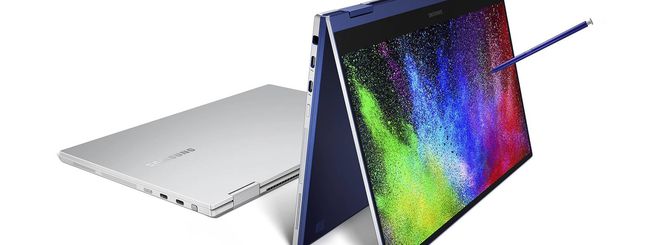
Samsung si prepara per il suo nuovo evento intitolato Galaxy Unpacked, che si terrà il prossimo 28 aprile, e lancia un primo teaser ufficiale dell’avvenimento. Ciò che però risalta nel filmato promozionale è la frase “The most powerful Galaxy is coming”, che lascia ovviamente presagire in maniera piuttosto evidente, l’annuncio di qualche nuovo dispositivo dell’ampia famiglia di prodotti Galaxy.

Finalmente una spada laser con lama luminosa realmente retrattile

La spada laser di Star Wars, con la sua lama di luce solida, è un’arma assolutamente iconica, che rimane impressa sin dalla sua prima apparizione. Averne una è il sogno di ogni nerd. Ma realizzarla concretamente, anche solo come oggetto di scena, non è stato possibile.
Certo, si possono acquistare ottime spade laser dotate di lama rigida luminosa e di sensori che generano il suo classico ronzio usando degli accelerometri e un piccolo altoparlante, e l’effetto è notevole…
… ma la magia finisce quando viene il momento di spegnere o accendere la spada. Infatti queste repliche hanno una “lama” luminosa fissa, e quindi non possono in alcun modo emulare l’effetto di accensione e spegnimento che si vede nei film di Star Wars, che fa “estendere” e “ritrarre” la lama nel manico.
Chi ha una di queste repliche è costretto ad andare in giro con la “lama” sempre sporgente, anche quando è spenta, rovinando l’effetto e impedendo la portabilità che è una caratteristica essenziale delle spade laser: piccole e compatte quando non sono in uso, si possono appendere alla cintura e portare in giro comodamente.
Ma la Disney ha presentato di recente una spada laser con lama luminosa retrattile.
Lo ha fatto, durante una conferenza stampa virtuale, il presidente del reparto parchi a tema della Disney, Josh D’Amaro. Le riprese video erano vietate, per cui abbiamo soltanto le descrizioni di chi c’era, e tutte indicano che questa spada laser si comporta esattamente come quelle nei film. Eccetto, ovviamente, per la capacità di tranciare qualunque cosa come se fosse burro.
Come sarebbe possibile un effetto del genere? I segugi di Internet hanno scoperto questo brevetto del 2018, lo US10065127B1, “Sword device with retractable, internally illuminated blade”. Oltre alla descrizione tecnica, in puro brevettese, il documento include delle figure abbastanza comprensibili, come questa:

L’illusione di scena sarebbe tutto sommato semplice, almeno in termini concettuali: la “lama” è formata da due lamine semitrasparenti avvolgibili, che sono arrotolate all’interno dell’impugnatura e che vengono incurvate a U longitudinalmente quando un motorino le fa uscire dall’impugnatura. Le due curvature sono contrapposte e formano così una struttura tubolare. Se riuscite a immaginare due metri a nastro avvolgibili messi l’uno contro l’altro probabilmente diventa tutto più comprensibile.
Did #Disney invent a real working #lightsaber?
Yes they did.
It won’t melt through metal blast doors, or cut off your hand, but it does feature an illuminated blade that will extend and retract at the push of a button.
This animation shows the concept behind the tech. pic.twitter.com/e7fwP06CxF
— Ben Ridout (@benridout) April 12, 2021
Next, widen the tapes and increase the curve, allowing them to partially wrap around each other and form a complete cylinder. Drive this system with a motor so both reels can be extended and retracted in synch at the push of a button. Now, you’ve got a lightsaber! pic.twitter.com/B3lLMmclDN
— Ben Ridout (@benridout) April 12, 2021
La punta della lama è un tappo semitrasparente che si trascina dietro, durante l’estrazione, una striscia avvolgibile di LED.
Una soluzione semplice ed elegante, per tempi più civilizzati, come direbbe Obi-Wan Kenobi. La voglio.
Questo articolo vi arriva gratuitamente e senza pubblicità grazie alle donazioni dei lettori. Se vi è piaciuto, potete incoraggiarmi a scrivere ancora facendo una donazione anche voi, tramite Paypal (paypal.me/disinformatico), Bitcoin (3AN7DscEZN1x6CLR57e1fSA1LC3yQ387Pv) o altri metodi.
L’artista digitale Pak lancia la piattaforma di masterizzazione NFT e il token: The Block Crypto
L’artista digitale Pak ha lanciato una piattaforma di masterizzazione di token non fungibili (NFT) chiamata burn.art e un token soprannominato ASH. Condividendo la notizia esclusivamente con The Block, un portavoce di Pak e Sotheby’s ha detto a The Block che burn.art consente a qualsiasi proprietario di NFT di bruciare i propri NFT e ottenere ASH in cambio. “Burning” si riferisce al processo di rimozione permanente di un token crittografico dalla circolazione, o, in questo caso,…
L’articolo L’artista digitale Pak lancia la piattaforma di masterizzazione NFT e il token: The Block Crypto scritto da Michele Ficara Manganelli ✿ proviene da Assodigitale.

La campagna pubblicitaria NFT più assurda: la cantina Napa di Yao Ming
Il treno NFT e criptovaluta è arrivato per il mondo del vino della vecchia scuola in quello che potrebbe sembrare un abbinamento insolito: l’azienda vinicola Napa di Yao Ming, star dell’NBA in pensione, sta vendendo bottiglie all’asta questa settimana con NFT. Yao Family Wines sta organizzando l’asta tramite GFT Exchange per il suo Cabernet Sauvignon 2016 chiamato “The Chop”, dal nome del tradizionale sigillo di famiglia cinese. Accanto a una bottiglia di vino, gli acquirenti…
L’articolo La campagna pubblicitaria NFT più assurda: la cantina Napa di Yao Ming scritto da Michele Ficara Manganelli ✿ proviene da Assodigitale.
L’artista olandesi Don Diablo vende il suo film NFT per $ 1,2 milioni
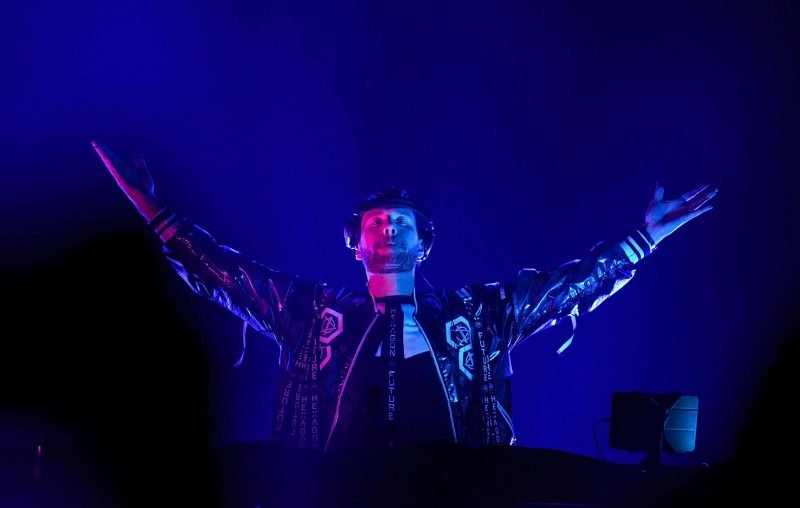
Il DJ e produttore olandese Don Diablo ha venduto il suo film-concerto Destination Hexagonia per 600 ETH, o $ 1.381.074. Questo rende Don Diablo il primo artista a rompere la barriera di $ 1 milione per una vendita primaria sulla rete artistica blockchain SuperRare. Destination Hexagonia è la quinta opera d’arte digitale più preziosa venduta finora, secondo cryptoart.io. L’unica copia del film del concerto è stata venduta su un disco rigido racchiuso in una scatola…
L’articolo L’artista olandesi Don Diablo vende il suo film NFT per $ 1,2 milioni scritto da Michele Ficara Manganelli ✿ proviene da Assodigitale.
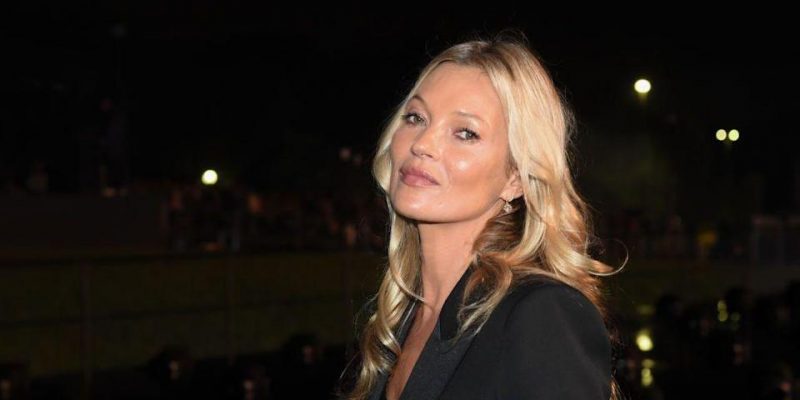
Kate Moss condivide in NFT alcuni dei suoi momenti più intimi
Lascia che sia Kate Moss a guidare la carica dell’industria della moda in una nuova era nell’arte. Alla fine della scorsa settimana, è stato annunciato che la top model si avventurerà nel regno dei token non fungibili, noti come “NFT”, mettendo all’asta la propria serie di opere digitali. Essendo l’ultima forma di criptovaluta a diventare mainstream, NFT è diventato l’argomento di conversazione all’interno di quasi tutte le comunità e all’incrocio tra moda e arte di…
L’articolo Kate Moss condivide in NFT alcuni dei suoi momenti più intimi scritto da Michele Ficara Manganelli ✿ proviene da Assodigitale.

Chi è veramente METAKOVAN il collezionista che ha speso 69 milioni $ per un NFT di Beeple?
L’imprenditore blockchain che ha pagato la cifra record di 69,3 milioni di dollari per un’opera d’arte digitale sembra, a prima vista, chiunque ma meno che meno un ricco collezionista. Il 32enne è vestito casual con una maglietta e pantaloni chino, vive in un normale appartamento di Singapore e non possiede alcuna proprietà o un’auto, con la maggior parte dei suoi investimenti nel mondo virtuale. “Il mio tesoro sarebbe il mio computer. E forse il mio…
L’articolo Chi è veramente METAKOVAN il collezionista che ha speso 69 milioni $ per un NFT di Beeple? scritto da Michele Ficara Manganelli ✿ proviene da Assodigitale.
Sergey Korolëv, il Capo Ingegnere del programma spaziale russo, raccontato dal nipote Andrey Korolëv
Come avevo preannunciato qui, il primo aprile scorso ASIMOF (Associazione Italiana Modelli Fedeli) ha organizzato una serata in diretta Zoom con Andrey Korolëv, nipote di Sergey Korolëv, il Capo Ingegnere artefice dei grandi successi sovietici in campo spaziale, dallo Sputnik alla Vostok di Yuri Gagarin fino al tentativo di raggiungere la Luna con un cosmonauta prima degli Stati Uniti.
La registrazione della serata è ora disponibile online in originale e con la mia traduzione simultanea: