È pronto LibreOffice 7.2, suite libera e gratuita, sempre più interoperabile con i formati Microsoft. Disponibile anche per Apple M1
Ricevo dalla Document Foundation e cito con piacere questo annuncio della disponibilità della nuova major release di LibreOffice, la suite di applicazioni per ufficio che uso ormai da almeno un decennio per tutti i miei lavori più importanti.
LibreOffice 7.2 Community punta sull’interoperabilità
Oltre il 60% dei contributi al codice della nuova versione della suite per ufficio open source sono concentrati sull’interoperabilità con i formati proprietari Microsoft
Berlino, 19 agosto 2021 – LibreOffice 7.2 Community, la nuova major release della suite per ufficio open source per la produttività, supportata da volontari, è disponibile su https://www.libreoffice.org/download. Basata sulla piattaforma LibreOffice Technology per la produttività su desktop, mobile e cloud, fornisce un gran numero di miglioramenti all’interoperabilità con i formati di file proprietari Microsoft.
Inoltre, LibreOffice 7.2 Community offre numerosi miglioramenti delle prestazioni nella gestione di file di grandi dimensioni, nell’apertura di alcuni file DOCX e XLSX, nella gestione della cache dei caratteri e nell’apertura di presentazioni e disegni che contengono immagini di grandi dimensioni. Ci sono anche miglioramenti nella velocità di disegno quando si usa il back-end Skia che è stato introdotto con LibreOffice 7.1.
LibreOffice 7.2 è disponibile anche per Apple Silicon, i processori progettati da Apple basati su architettura ARM. L’applicazione, a causa della limitata esperienza di sviluppo sulla piattaforma, deve essere usata con una certa cautela in ambiente di produzione o in azienda, ma funziona senza problemi. Il software sarà disponibile dalla seguente pagina: https://download.documentfoundation.org/libreoffice/stable/7.2.0/mac/aarch64/.
LibreOffice e l’interoperabilità
LibreOffice 7.2 Community aggiunge un numero significativo di miglioramenti all’interoperabilità con i file DOC legacy e i documenti DOCX, XLSX e PPTX. I file Microsoft sono ancora basati sul formato proprietario deprecato da ISO nell’aprile 2008, e nascondono un gran numero di complessità artificiali. Questo può causare problemi di gestione con LibreOffice, che per default utilizza un vero formato standard aperto come OpenDocument Format.
Grazie all’attività di sviluppo mirata da parte degli sviluppatori, sia volontari che pagati da aziende dell’ecosistema, LibreOffice 7.2 fa un passo avanti significativo in termini di interoperabilità, pur mantenendo i numerosi vantaggi in termini di resilienza, robustezza e conformità agli standard che vanno a beneficio degli utenti aziendali e individuali.
LibreOffice offre il più alto livello di compatibilità nel segmento di mercato delle suite per ufficio, a partire dal supporto nativo per OpenDocument Format (ODF) – che supera i formati proprietari in termini di sicurezza e robustezza – fino all’eccellente supporto per i file DOCX, XLSX e PPTX. Inoltre, LibreOffice fornisce filtri per un gran numero di formati di documenti legacy, per restituire la proprietà e il controllo di questi ultimi agli utenti.
Nuove funzionalità di LibreOffice 7.2 Community
Le nuove caratteristiche di LibreOffice 7.2 Community sono state sviluppate da 171 sviluppatori: il 70% dei contributi proviene dai 51 hacker impiegati dalle tre aziende che siedono nell’Advisory Board TDF – Collabora, Red Hat e allotropia – e da altre aziende e organizzazioni (inclusa The Document Foundation), e il 30% da 120 volontari.
Inoltre, 232 volontari hanno fornito localizzazioni in 151 lingue. LibreOffice 7.2 Community è rilasciato in 119 versioni linguistiche, più di qualsiasi altro software open source o proprietario, e come tale può essere usato nella lingua madre (L1) da oltre 5,4 miliardi di persone nel mondo. Inoltre, oltre 2,3 miliardi di persone parlano una di queste 119 lingue come seconda lingua (L2).
Questo video riassume le principali novità di LibreOffice 7.2 Community:
Le note di rilascio con i dettagli delle novità sono qui. Per chi vuole installare LibreOffice in ambito aziendale, segnalo inoltre queste informazioni aggiuntive:
LibreOffice per le aziende
Per l’installazione nelle aziende, TDF raccomanda una delle applicazioni LibreOffice Enterprise offerte dai partner dell’ecosistema – per desktop, mobile e cloud – con un gran numero di funzionalità a valore aggiunto. Queste includono opzioni di supporto a lungo termine, assistenza professionale, sviluppi personalizzati e altri benefici come gli SLA (Service Level Agreements): https://www.libreoffice.org/download/libreoffice-in-business/.
Nonostante questa raccomandazione, un numero significativo di aziende utilizza la versione supportata dai volontari, invece della versione ottimizzata per le esigenze delle aziende stesse e supportata dall’ecosistema LibreOffice. Nel tempo, questo può rappresentare un problema per la sostenibilità di LibreOffice, perché rischia di rallentare l’evoluzione del progetto. Infatti, il codice sviluppato dalle aziende dell’ecosistema per i clienti aziendali viene sempre condiviso con la comunità sul repository del codice master, e migliora la piattaforma LibreOffice Technology.
I prodotti basati sul LibreOffice Technology sono disponibili per i principali sistemi operativi desktop (Windows, macOS, Linux e Chrome OS), per le piattaforme mobili (Android e iOS), e per il cloud. Un rallentamento dello sviluppo di questa piattaforma può danneggiare gli utenti a tutti i livelli, e si può tradurre – nel lungo periodo – a una stagnazione del progetto LibreOffice.
Migrazioni a LibreOffice
The Document Foundation ha sviluppato un Protocollo di Migrazione per aiutare le aziende che passano dalle suite per ufficio proprietarie a LibreOffice, che si basa sulla distribuzione di una versione LTS dalla famiglia LibreOffice Enterprise, e sui servizi di consulenza e formazione forniti da professionisti certificati, che offrono ai CIO e ai manager IT soluzioni a valore aggiunto in linea con le offerte proprietarie. Riferimento: https://www.libreoffice.org/get-help/professional-support/.
Infatti, LibreOffice – grazie alla maturità del suo codice sorgente, alla ricchezza delle funzionalità, al forte supporto per gli standard aperti, all’eccellente compatibilità e alle opzioni di supporto a lungo termine da parte di partner certificati – è la soluzione ideale per le aziende che vogliono riprendere il controllo dei loro dati e liberarsi dal vendor lock-in.
Disponibilità di LibreOffice 7.2 Community
LibreOffice 7.2 Community è immediatamente disponibile dal seguente link: https://www.libreoffice.org/download/. I requisiti minimi per i sistemi operativi proprietari sono Microsoft Windows 7 SP1 e Apple macOS 10.12.
I prodotti basati su LibreOffice Technology per Android e iOS sono elencati qui: https://www.libreoffice.org/download/android-and-ios/, mentre per i diversi App Store e ChromeOS sono elencati qui: https://www.libreoffice.org/download/libreoffice-from-microsoft-and-mac-app-stores/.
Per gli utenti che hanno come obiettivo principale la produttività, e preferiscono una versione che è stata testata più a lungo, The Document Foundation mantiene la famiglia LibreOffice 7.1, la cui versione attuale è LibreOffice 7.1.5.
The Document Foundation non fornisce supporto tecnico agli utenti, anche se possono ottenerlo dai volontari attraverso le mailing list utenti e sul sito web Ask LibreOffice: https://ask.libreoffice.org. Gli utenti LibreOffice, i sostenitori del software open source e i membri della comunità del software libero possono sostenere The Document Foundation con una donazione su https://www.libreoffice.org/donate. LibreOffice 7.2 è basato sulle librerie di conversione dei formati legacy dei documenti sviluppate dal Document Liberation Project: https://www.documentliberation.org

Intel Arc Alchemist, con Xe-Core e XeSS è sfida a Nvidia e AMD sulle GPU gaming

Intel Alder Lake, ecco come funziona il processore ibrido ad alte prestazioni in arrivo in autunno

Facebook, report svela i contenuti più visti nella sezione News
Il governo di Pechino entra nel CDA del TikTok cinese
WhatsApp, come scoprire chi è la persona con cui chatti di più
La Cina accelera nell’innovazione tecnologica digitale

A World of Difference: alla scoperta di luoghi e culture uniche del nostro pianeta
Angelo Chiacchio solo in .
Il Tramonto sul che Angelo ha incontrato durante il suo viaggio sull’App di Google Arts & Culture per iOS e Android.
Scritto da: Chance Coughenour, Program Manager (Digital Archeologist), Google Arts & Culture

Explore our planet’s most unique places and cultures
Our physical world is changing faster than ever. Climate change and global socio-economic shifts are threatening our magnificent natural landscapes and disrupting small communities. In keeping with this, there is value to be found in confronting and documenting our at-risk environment. For World Photography Day, we invite you to explore A World of Difference, a new online exhibition on Google Arts & Culture offering a perspective of these diverse stories through the lens of Italian photographer Angelo Chiacchio, in collaboration with Art Works for Change. Follow him on his solo journey around the world to capture some of the most fragile landscapes and cultures.
From the resilient women of Namibia’s Himba Tribe to the other-worldly landscape of Venezuela’s Mount Roraima, discover the stories of over 25 locations and communities who call these endangered places home. Explore Tibetan culture in the Himalayas, how life is changing for Tanzanian communities near Mount Kilimanjaro, and how locals are adapting to winds of change in Brazil’s wet desert. Learn what traditions and crafts teach us and how communities are overcoming new challenges to preserve their way of life.
The lessons learned during Angelo’s journey to document the earth’s fragile heritage are those of respect for the natural world and balance in how we live in it. Although the Miccosukee people of Florida’s Everglades mostly live a modern lifestyle, they still find ways to preserve their heritage. The Uro community of Lake Titicaca, who have lived on floating reed-built islands for thousands of years, have found a way to strike a balance with its growing tourism industry and offer an opportunity for their youth to keep their traditions alive by hosting visitors through homestays and sharing their culture first-hand. Across the territories and cultures of this exhibition, Angelo unearths life philosophies that are universal in their application, and utterly breathtaking in this medium.
Explore more stories of the people and ecosystems of Angelo’s journey on the Google Arts & Culture app for iOS and Android.

Disney+, 5 serie originali Star da non perdere

Afghanistan. GWPR Italia risponde all’appello di #InclusioneDonna
GWPR Italia sottoscrive la lettera predisposta da Donne per la Salvezza e dà voce all’appello di #InclusioneDonna rivolto alle nostre Istituzioni per un concreto impegno di solidarietà nei confronti delle donne e delle bambine afghane. Insieme possiamo fare la differenza: facciamo rete,…
L’articolo Afghanistan. GWPR Italia risponde all’appello di #InclusioneDonna scritto da Paolo Brambilla proviene da Assodigitale.

Enjoy hands free help from Google at LEGOLAND hotels
If you’re planning to travel this Fall and enjoy some time off with the family, you’re also doing everything you can to have fun while still protecting your health. To help make guests feel more comfortable and safe, and have a more engaging experience during their hotel stay, we worked with the hospitality industry and Volara last year to introduce a hands-free, voice-first experience with Google Assistant on Nest Hub smart displays.
Our hotel solutions are already available in thousands of hotel rooms in the U.S. and U.K., and is now available in all guest rooms at both LEGOLAND® Hotel and LEGOLAND® Castle Hotel at LEGOLAND® California Resort, and the new LEGOLAND® Hotel at LEGOLAND® New York Resort.
Here are 10 things visitors will be able to do with Google Assistant on Nest Hub smart displays at LEGOLAND® Hotels:
1. Find help right away from hotel staff by asking “Hey Google, call the front desk” or just say “Hey Google, bring me fresh towels.” You can even check out of the room with just your voice. There’s no more need to handle the phone or stand in long lines at front desk.
2. Stay entertained. Nest Hubs come with nice speakers, so you can ask Google to play music or listen to the news.
3. Get park information by saying “Hey Google, what time does LEGOLAND® open?” or “Hey Google, tell me about the theme park.”
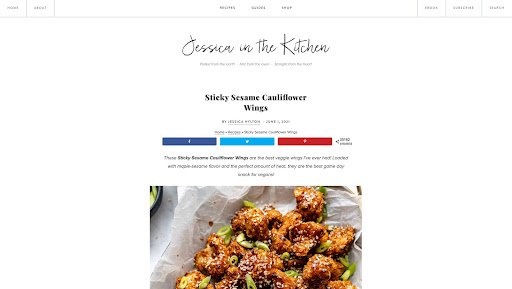
She left law to be a full-time vegan recipe blogger
“My blog is my soul,” says Jessica Hylton-Leckie, founder of Jessica in the Kitchen, a blog featuring hundreds of her easy, vegan comfort food recipes. Jessica puts her heart into every recipe she creates, sometimes taking months to get them just right before sharing them with the world. Along with easy-to-follow instructions, she shares snippets of her life and helpful cooking tips, and elevates every recipe with gorgeous, magazine-worthy photos.
Jessica has always been an entrepreneur. In 2010, while an undergraduate law student, she started a baking business and blog called Jessiker Bakes. At the time, the food blogging world wasn’t the crowded market it is now, but a smaller, tighter-knit community, especially in Jamaica, where Jessica was born and continues to call home today.
As times changed, Jessica changed with them. She stopped her baking business to concentrate on law school, but she kept her blog. When she transitioned to a plant-based diet in 2014, she evolved her site to share more savory, veg-friendly recipes, and renamed it Jessica in the Kitchen to better reflect its new focus. After getting her degree and becoming a practicing lawyer, she had a bout of debilitating, stress-induced health issues that forced her to face that blogging, not law, was her true calling.
“It was months of stress. Really bad, bed-ridden stress,” Jessica says. “It was my dad who was like, hey, I’ve seen that you love [blogging], I think you should try to give it a shot.” And so she quit her corporate law career in 2016 and took up Jessica in the Kitchen full-time.

A crossword puzzle with a big purpose
Before the pandemic, Alicia Chang was working on a new project. “I was experimenting with non-traditional ways to help teach Googlers the AI Principles,” she says. Alicia is a technical writer on the Engineering Education team focused on designing learning experiences to help Googlers learn about our AI Principles and how to apply them in their own work.
The challenge for Alicia would be how many people she needed to educate. “There are so many people spread over different locations, time zones, countries!” But when the world started working from home, she was inspired by the various workarounds people were using to connect virtually.