
Instagram permette di aggiungere i pronomi di genere

ASUS Zenfone 8, un top di gamma davvero compatto! Recensione e confronto con Zenfone 8 Flip’
Coworkers become allies while working from home
When Shammi Quddus joined Google in 2018, she noticed she didn’t run into many other Muslims. “There are so few of us, statistically speaking,” she says. She decided to join the Muslims@Google group, part of the Inter Belief Network run by Googlers to empower employees to voice and practice their beliefs. She was especially impressed by the Muslim Allyship Course the group runs, which explains the basics of the faith, and how non-Muslims can be helpful allies. She soon signed up to be an instructor herself. “Our faith practices, like daily prayers and fasting, intersect with the workplace quite a bit,” Shammi explains.
The course was designed in 2017 by a group of Muslim Googlers, including Sarmad Gilani. “Throughout my life, I’d had bad experiences when people found out I was Muslim,” Sarmad says. That’s why he decided to join Muslims@Google, and help create a space where people could ask questions and learn to be good allies. Demand for the course grew so rapidly instructors could hardly keep up.
The program’s momentum was encouraging, if slightly limited. The Bay Area-based group would meet every month, booking rooms at the Mountain View and Sunnyvale offices for 40 to 60 people for their panels. Every time a session was added, so many people subscribed that they had to create a waitlist. “We were trying to think about how we would start in other hubs like Seattle or New York, but that requires a critical mass of four or five Muslim Googlers to serve as instructors and panelists, and manage other on-site needs,” says Shammi.
While considering their next move, COVID-19 struck. They’d already been interested in livestreaming classes, but the idea of being online-only was nerve-wracking. “We worried people would get bored, or wouldn’t ask any questions,” Shammi says. “What if the Meet call was full of awkward silences?!”
Fortunately, that wasn’t the case — in fact, online sessions and meetings helped classes grow significantly. “Our pool of instructors and attendees has no geographic boundary — we have Googlers from all over the world signing up!” Shammi says. While the group has missed some of the intimacy, safety and connection of in-person meetings, they’re making use of interactive features like polls and questions to engage their online audiences. “Google Meet’s ‘raise hand’ feature is awesome!” Sarmad adds.
Shammi’s noticed more interesting questions being asked, too. “Some folks will ask why I wear the hijab, and I’ll share my journey of wearing it in the U.S. and Bangladesh,” she explains. “And then it gets really interesting when there are other hijabis in the panel who have different motivations and experiences. It just shows how diverse we are.”
Amina Gerrbi joined Muslims@Google after COVID hit. She’s now one of the allyship leads and regularly checks in with participants. “We ask how they feel about certain topics, and even do quizzes sometimes. Engaging an audience for an hour and a half is challenging so having those moments that call for the audience to participate are crucial.”
Sarmad says the best part of online courses is they no longer have to turn anyone away. “That had become an issue with the in-person courses, because we wouldn’t have enough seats.” Since fall 2020, nearly 600 people have registered for online sessions, where the group has helped bring events like their Ramadan Fast-a-Thon, where Googlers can participate in fasting for a day, online. The Fast-a-Thon supports hunger relief efforts and is also an invitation to learn more about Ramadan; this year it’s raised $190,000 and counting.
For Muslims everywhere, and at Google, faith is an important part of their identity, and being able to share this with colleagues all over the world has been a silver lining during the pandemic. “I love getting the chance to share personal authentic stories about growing up as a Muslim American woman and genuinely connecting with our participants,” Amina says. “And at the same time, we’re really working to break stereotypes and bust myths.”

Il 5G va forte nonostante le fake news
Helping newsrooms build new audiences with AI
News 12 Networks, a division of Altice USA, was looking to curate content for a younger audience to grow our brand and reach without adding more work for our digital production team. We wanted to build a content vertical using our existing staff and resources, and figured the best way to do this was to use high-quality, evergreen content the network had already produced — entertainment stories, lists, local guides and lifestyle content. The key would be to surface it in a new and unique way and automate the process. Enter the Google News Initiative.
Without getting too technical, we pitched the GNI on a machine learning project, which means code would be written to distinguish specific categories of news from our existing content and display videos from those categories anywhere we chose. We produce roughly 100 stories and videos per day across our tri-state region, and more than one third of the content is surfaced through the machine learning tool.
News 12 Spark is a curated site, completely automated and powered by the ML solution we built, that offers video content for younger audiences from around the network’s seven regions in the Tri-State Area of New Jersey, New York and Connecticut. You can find News 12 reporting on stories like the need for more bike lanes in New York City and how local sports arenas will welcome back fans.
As part of the process, we put together a how-to playbook that defines our objectives, shares our outcomes so far and lays out a plan for other media companies to learn from our project, including these helpful learning areas:
-
Phases and approach:We broke everything down into three phases so the project was not a burden on existing resources. This helped ease everything from brainstorming to development to total execution.
-
Solutions maps:For the technical folks, these maps give a behind-the-scenes look on how the content categories are mapped with video tags and how they flow from the custom back-end content management system to the front end on the new vertical.
-
Findings and future:We talk about how we came up with the idea and things we learned during and after it was built. We initially only thought about attracting a younger audience, but the possibilities are endless for content verticals because we produce so much content that it can all be automated to various new sites. We could spin up a site about pets, local sports teams or food destinations.
While the News 12 Spark site is only a proof of concept for the Altice project team, we will be looking for opportunities to use what we’ve developed and learned across our other media properties.
We are still in the early stages of measuring this effort’s success, but we’ll be paying attention to how the tool we built helps attract new audiences, bring in additional revenue, increase video views and, ultimately, how it applies to other parts of our news business. In the future, we hope to identify new verticals and deliver content to them through this GNI-supported solution. This partnership has allowed us to innovate in the most efficient way and we look forward to sharing more results soon.

How to Accelerate Reach and Engagement of B2B Content Through Co-Creation
“Look, I made this!”
Sharing things we create is a human compulsion that traces back to childhood. Whether you’re showing your mom a drawing so she can pin it up on the fridge, or linking social media followers to your latest blog post, it’s natural for people of all ages to proudly broadcast their creative output.
Therein lies the power of co-creation for content amplification. “If you want your content reach to be great, ask your community to participate.”
Let’s explore this approach to content collaboration from a B2B marketing perspective.
Why Co-create Content for B2B Marketing?
There are many benefits to collaborative content creation. TopRank Marketing CEO Lee Odden covered several in his writeup last year on winning at B2B influence with the magic of content co-creation. Among them:
- Incorporating the first-hand viewpoints of experts infuses greater authority and credibility to your content.
- Featuring various outside voices makes your content more relatable and accessible to varied audiences.
- Relevant influencers can inspire action and foster trust in unique ways.
These qualities all trace back to a core fundamental advantage of co-creation: it generates better and more resonant content. And that contributes heavily to the more easily-observable benefit we’ll focus on today: co-created content drives greater reach and engagement without needing to rely on paid boosting.
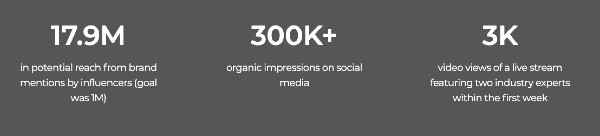
The influencer marketing campaign we partnered with monday.com to develop serves as a prime example. With a diverse team of influencers helping shape the content and sharing it out to their respective networks, the company surpassed its goal for social reach by an astounding 1,790%, driving more than 300,000 organic impressions on social media.
Maximizing Reach & Engagement with B2B Content Co-creation
Of course, content collaborations are not as simple as pushing a button. Taking the right strategic steps before, during, and after your B2B content co-creation initiative will make a vast difference in reach and engagement.
Make the Content Great
There are many tactics and techniques that can be activated to increase reach and engagement, but none are more important than simply creating awesome content that people are genuinely compelled to share.
Instead of asking “How can co-creation partners maximize the reach of this content?” start by asking “How can co-creation partners make this content incredible?” Tap their prime area of passion and expertise so that their distinct strengths are fully reflected.
Get Influencers and Co-creators Invested
If the extent of your co-creation approach is adding someone’s generic and extraneous insight on top of your completed content, solely for the purpose of shoehorning an influencer into the mix, those partners are not likely to feel the level of ownership that inspires them to enthusiastically share and amplify.
Two specific pointers to drive greater investment from influencers:
- Invite them to take part in the planning and shaping of the content, rather than asking for an add-on quote at the very end.
- Avoid the urge to push for product-focused or promotional contributions — people will be more motivated to share content if they feel it advances their reputation as a thought leader, as opposed to shilling a solution. (And audiences will find the content far more authentic.)
Make It Easy (and Valuable) to Share
Consider drafting social messages on behalf of your co-creators to make the process of amplifying as simple and effortless as possible for them. The key nuance here is to know these partners well enough to be able to create social copy that matches their voice, and to center your message on the content’s value to their audience, rather than its value to your company.
For example, if your influencer is Wile E. Coyote, you’ll get better results with the framing, “I recently shared my thoughts on what’s next in the future of trapping technology and desert ecology,” compared to “I joined a podcast to talk about why Acme brand products are great for dealing with pesky roadrunners.” Meep meep.
Involve Influencers that Bring Authority and Credibility by Proxy
One of the underrated motivators for influencers and co-creators to share content is what I like to call “authority by association.” In part this can stem from the brand itself — if you’ve built a respected and buzzworthy reputation, people in your industry will see value in having their names attached to your content — but also from the other co-creators.
Wile E. Coyote will be more inclined to share content he’s involved in if Bugs Bunny and Daffy Duck also contributed. (Maybe not the Road Runner.) Or, to tie things back to real life, there’s the aforementioned monday.com campaign. Our roster of influencers included recognizable big names from the creative world, as well as up-and-comers who were extremely enthused to have their insights appear alongside the likes of Ann Handley and Minda Harts.
As a more personal example, a few years ago I was invited to write the Minnesota Twins chapter in the Baseball Prospectus 2018 annual. And while I was moved to promote the book in large part because it featured my writing and because Baseball Prospectus is a giant name in the realm of baseball media, I was extra-excited to spread the word because Nick Offerman (aka Ron Swanson) wrote the Cubs chapter. How cool is that?!
Plan for Continued, Ongoing Promotion
Given how much effort, time, and resources are often poured into large-scale content projects, it always astounds me how frequently the promotion plan basically entails sharing out a few links when the content goes live, and little else. Brands leave so much reach and utility on the table when they fall victim to Invisible Content Syndrome.
Think about ways you can extend the lifecycle of your content promotion and keep co-creators engaged for weeks rather than days. A few suggestions:
- Make timely updates to the content over time, giving influencers a prompt to re-share and highlight new value for their audience.
- Repurpose the content so they can share their portions in different ways (video, quote snippets, customized visuals, etc.) while linking back to the larger piece or asset, and space them out.
- Keep tagging co-creators on social media whenever you’re promoting the content, so it stays on their radar long after launch.
- Stay committed to mutual value. Continue to invest in your relationships with these influencers and co-creators, and promote their work on your own feeds when relevant to your audience.
Fuel Your B2B Marketing Reach with Influencer Co-creation
Our famous friend Jay Baer has famously stated that “content is fire, and social media is gasoline.” It’s a great way to describe the role that each plays in a marketing strategy, and I think it can easily be applied to co-creation as well. Selecting the right strategic partners to develop awesome content will start the fire, and taking smart steps to encourage promotion and sharing will help those flames rise high enough to be seen from miles around.
Ready to get cooking? Learn more about how TopRank Marketing approaches influencer marketing and how we can help you.
The post How to Accelerate Reach and Engagement of B2B Content Through Co-Creation appeared first on B2B Marketing Blog – TopRank®.

Mobile World Congress 2021: la data e i grandi assenti

Healthcare un nuovo salto in avanti
Si parla sempre più spesso di digitale in molti settori. Inizia ad essere chiaro a tutti che per digitalizzare una qualsiasi azienda bisogna digitalizzare prima il proprio cervello. Il cambiamento della mentalità è fondamentale altrimenti rischiamo di assistere, come molto spesso capita, all’analogizzazione del digitale. In medicina sta accadendo quello che viene definito il salto quantico. Tutti aspettano la medicina personalizzata perché dentro siamo fatti come fuori, siamo tutti diversi. Per avere tutti i dati…
L’articolo Healthcare un nuovo salto in avanti scritto da Sergio d’Arpa proviene da Assodigitale.

TikTok diventa anche un ufficio di collocamento per i giovani

Avvocati.net. Marketing online: attenzione ai dati personali
di Greta V. Galimberti – Trendiest Media – Lo studio legale Avvocati.net ricorda a tutti gli utenti quanto sia importante fare attenzione ai dati personali e spiega come evitare di incorrere in sanzioni. Nel 2020 e in questa prima parte del 2021, la pandemia ha spinto le vendite online e con queste l’intero settore della pubblicità digitale che, però, non sempre è stato rispettoso delle norme in materia di privacy. Importanza ai dati personali: come non incorrere in sanzioni Il disturbo da parte di società…
L’articolo Avvocati.net. Marketing online: attenzione ai dati personali scritto da Paolo Brambilla proviene da Assodigitale.
Spotify, in arrivo nuove opzioni di condivisione

Le tecnologie digital nei casinò Online
Le innovazioni digitali si stanno integrando in ogni parte della nostra vita: nei servizi pubblici, sanità, istruzione e anche nel mondo dello svago e del gaming. I casinò online sono il frutto dell’unione dei classici giochi da casinò (come poker, roulette e slot machine) e il mondo digitale. Questa unione ha completamente travolto il mondo dei casinò, rendendolo accessibile a un numero sempre maggiore di persone, anche a chi non lo aveva mai provato. E…
L’articolo Le tecnologie digital nei casinò Online scritto da YOUR_DIGITAL_VOICE! proviene da Assodigitale.
The Crew 2, disponibile gratis l’episodio The Game
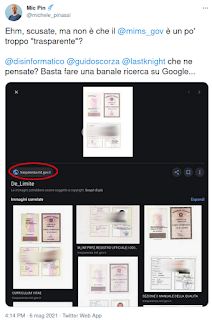
Quanto è difficile trovare scansioni di documenti d’identità online? Non molto. Le offre il governo italiano

Un altro giorno, un’altra collezione di scansioni di documenti d’identità lasciata online, accessibile a chiunque sappia usare Google. Non occorre conoscere password o altro: basta un banalissimo googledork. Il tweet qui accanto contiene tutto quello che serve sapere per trovare questi documenti.
Come è possibile? Molti documenti della pubblica amministrazione italiana hanno in allegato una scansione della carta d’identità: ho trovato registrazioni di liquidazioni di prestazioni, lettere commerciali di affidamento lavori, persino una raccomandata spedita via PEC (ironicamente), tutte con la loro brava scansione a colori, nitidissima, di un documento d’identità, usata come “firma digitale”.
Nomi, cognomi, indirizzi, fotografie, estremi dei documenti, dettagli dei pagamenti effettuati o richiesti, codici IBAN, tutti lasciati online.
Chi è l’irresponsabile che ha messo tutti questi documenti in bella mostra su Internet? Il Ministero delle Infrastrutture e dei Trasporti.
A quanto pare chi ha progettato il sito non ha considerato che esiste Google, e che quindi se un file è accessibile senza dover fare login e digitare una password Google lo troverà e lo indicizzerà, permettendo a chiunque di trovarlo. In questo caso i file sono accessibili perché hanno un URL pubblico del tipo
http://trasparenza.mit.gov.it/moduli/downloadFile.php?file[stringa]/[nome file PDF]

Disastri di privacy come questo sono frequentissimi e sono ovviamente una miniera d’oro per qualunque malintenzionato che voglia procurarsi una scansione di un documento identificativo di qualcuno per impersonarlo, specialmente ora che la scansione viene considerata equivalente a una firma.
La prossima volta che qualcuno propone di depositare online una copia dei documenti d’identità, magari affidandola ai social network, allo scopo di obbligare tutti a identificarsi sui social e quindi proteggersi dai bulli, dai molestatori e dagli odiatori, ricordate questo caso.
Questa è la pubblica amministrazione di uno stato, che ha degli obblighi di legge, e li ha verso i propri cittadini. Figuratevi come può tutelare i vostri documenti personali un’azienda che ha la sede principale all’estero, risponde soltanto alle leggi del suo paese (forse), al posto dei cittadini ha degli utenti e ha come esplicito scopo commerciale la vendita dei dati dei propri utenti.
Register for Google Marketing Livestream
Did you know searches for corsages and boutonnières are one of the top trending categories this month in the U.S.? Meanwhile in Italy, one of the top growing categories of searches this month is charms and pendants. And in Japan, searches in the drawing and painting kits category have grown over 100% in the past month.1
People around the world turn to Google to be inspired, discover new brands and find what they need. Consumer behavior is changing rapidly, so we’ve been busy building products to help you be ready for what’s next.
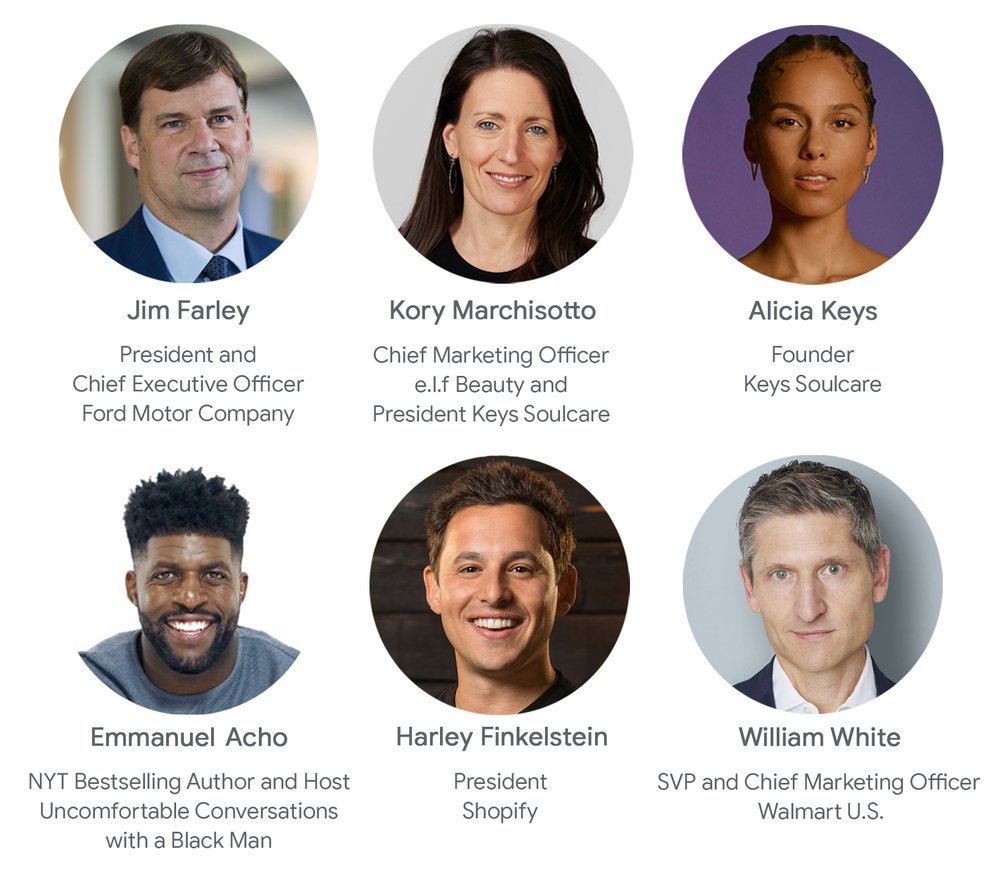
Register now for Google Marketing Livestream on Thursday, May 27 at 8 a.m. PT. You’ll be the first to learn about Google’s new products, the latest trends, and actionable best practices. You’ll also hear from many industry leaders, including: