
Tom Clancy’s Rainbow Six: via alle qualificazioni per la Lega europea
Ubisoft rivela i dettagli delle Qualificazioni online per la nuova European Challenger League di Tom Clancy’s Rainbow Six, garantendo per cinque squadre l’opportunità di qualificarsi per la Stagione 2021 della manifestazione. Le Qualificazioni all’European Challenger League saranno composte da tre qualificazioni aperte che termineranno alla fine dell’estate. Le squadre possono iscriversi fino al 30 aprile alle 16:00 CEST. Dopo la registrazione verrà loro inviato un avviso per informarli su quando dovranno presentarsi al check-in.
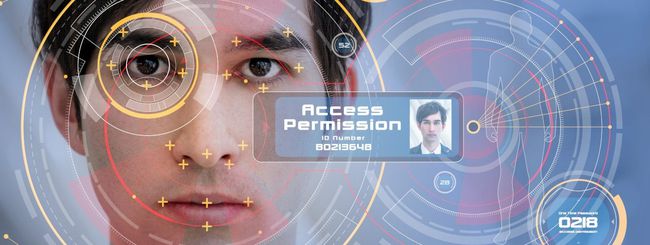
No al riconoscimento facciale: Garante boccia Sari Real Time
Il Garante per la protezione dei dati personali ha bocciato il sistema denominato Sari Real Time, che il Ministero dell’Interno vorrebbe adottare per l’identificazione in tempo reale dei cittadini. Il sistema sottoposto all’esame dell’Autorità permetterebbe infatti alle forze dell’ordine di analizzare in tempo reale i volti dei soggetti ripresi attraverso una serie di telecamere installate in una determinata area geografica, confrontandoli poi immediatamente con una banca dati predefinita, denominata “watch list”, che può contenere fino a 10.000 volti. Tramite un algoritmo di riconoscimento facciale, il sistema analizza i tratti somatici delle persone riprese, e se riscontra una corrispondenza con un volto presente nella watch list, genera un alert per richiamare l’attenzione degli operatori delle forze di Polizia.
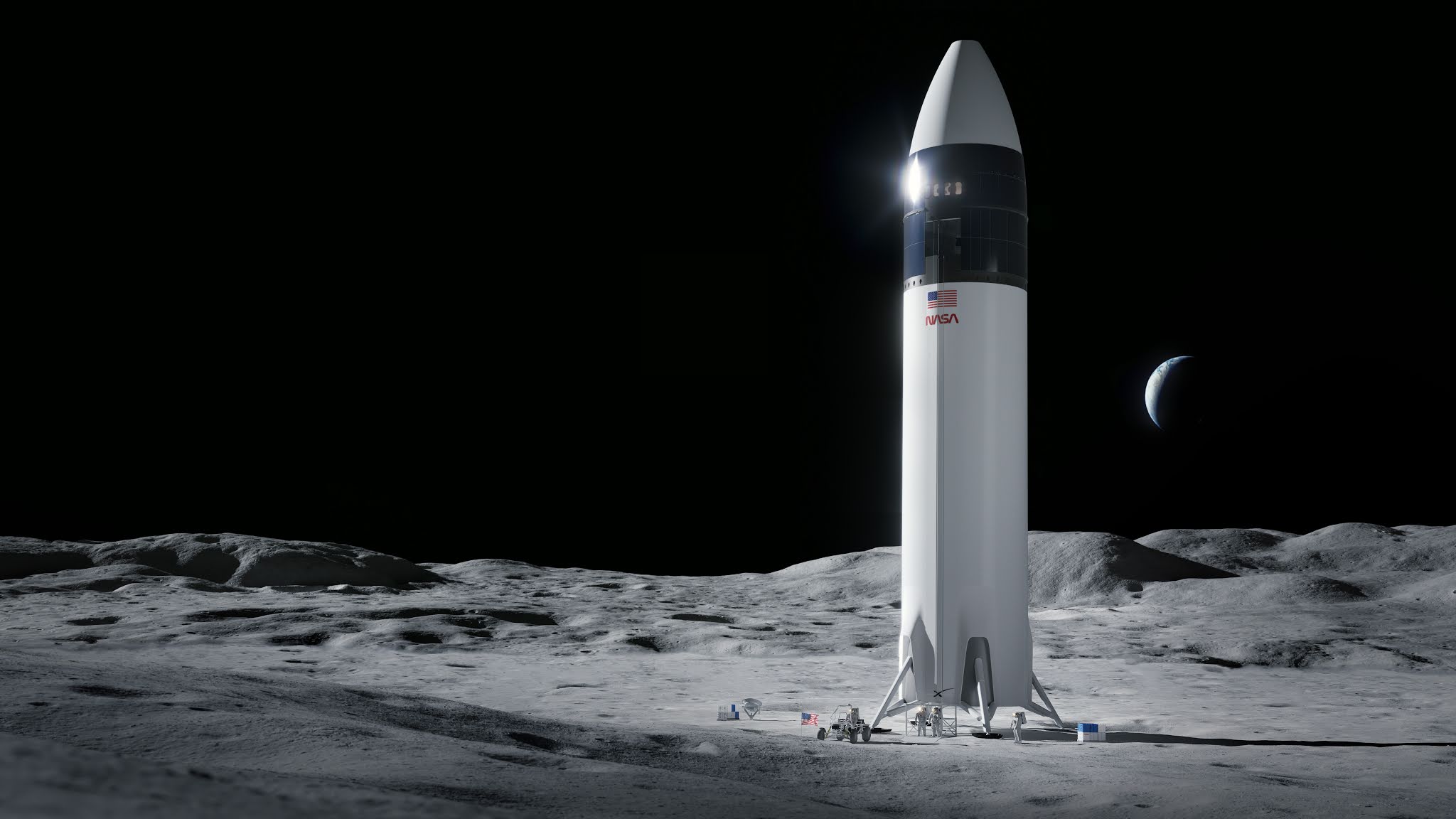
La NASA ha scelto la Starship di SpaceX per il ritorno sulla Luna
Devo ancora riprendermi dalla sorpresa. Circolavano alcune indiscrezioni fra gli addetti ai lavori, ma ora è ufficiale: la NASA ha scelto la Starship di SpaceX come veicolo per il prossimo allunaggio umano. Il PDF della NASA con i dettagli tecnici della selezione è qui.
—
Chiarisco subito un concetto importante: la Starship non sarà il veicolo usato dagli astronauti per andare dalla Terra alla Luna. Sarà solo (si fa per dire) il veicolo che porterà i prossimi esseri umani sulla superficie lunare. Il viaggio dalla Terra fino all’orbita lunare verrà effettuato con una capsula Orion, trasportata da un vettore SLS. Da questa capsula, due dei quattro astronauti si trasferiranno alla Starship, che sarà preposizionata in orbita lunare, e useranno la Starship per scendere fino alla superficie lunare, vicino al polo sud selenico, e ripartirne una settimana più tardi.
La Starship sarà insomma una sorta di scialuppa, con la particolarità che la scialuppa sarà enormemente più grande della nave che fa il grosso del viaggio. Ma è comunque un successo sensazionale per SpaceX, che ha battuto i concorrenti Dynetics e Blue Origin contro i quali era in gara, come avevo descritto ad aprile 2020.

Starship a confronto con i veicoli concorrenti (sì, sono in scala). Credit: John MacNeill.
La NASA darà 2,9 miliardi di dollari a SpaceX per sviluppare la Starship in versione lunare (denominata HLS o Human Landing System) e per fornire due voli: il primo sarà senza equipaggio e il secondo avrà a bordo degli astronauti.
Le date di questi voli non sono ancora state precisate, ma un allunaggio con equipaggio entro il 2024 è ormai impensabile con il budget assegnato alla NASA dal Congresso statunitense (850 milioni contro i 3,3 miliardi necessari per rispettare la scadenza).
—
Se avete familiarità con Starship, vi starete probabilmente chiedendo come mai la NASA ha scelto di far fare il viaggio agli astronauti su un veicolo separato: perché non usare direttamente la Starship, che tanto deve partire comunque dalla Terra?
La ragione è al tempo stesso politica e tecnica: politica perché se SpaceX riesce a far volare Starship fino alla Luna, allora il costosissimo vettore gigante SLS che la NASA sta sviluppando da anni per fare la stessa cosa non è più necessario e quindi si perdono tutti i posti di lavoro (e i conseguenti voti e finanziamenti) sparsi nei vari stati impegnati nella costruzione e nel collaudo di SLS, per cui politicamente è inaccettabile rinunciare all’SLS (che è anche protetto da leggi apposite). Tecnica perché la NASA ritiene (giustamente) che il punto debole della Starship sia la sua necessità di fare rifornimento in orbita, cosa di cui SLS non ha bisogno.
La Starship, infatti, viene portata in orbita terrestre da un vettore gigante Super Heavy, ma per raggiungere la Luna ha bisogno di essere rifornita mentre è in orbita intorno alla Terra da una seconda Starship attrezzata come astronave-cisterna, che ha bisogno a sua volta di un altro vettore Super Heavy. Sincronizzare due lanci di due vettori giganti è già un rischio; travasare grandi quantità di propellente mentre il veicolo è nello spazio è una cosa complicatissima e mai tentata prima.
Lanciando l’equipaggio separatamente si ha il vantaggio che la Starship può essere lanciata e anche rifornita prima che gli astronauti lascino la Terra. Se qualcosa va storto nella complessa coreografia di SpaceX, non ci sono rischi per l’incolumità dell’equipaggio.
—
Va detto che Starship e Super Heavy, come del resto SLS, devono ancora volare e dimostrare di essere affidabili. Ma la scelta di Starship come veicolo di discesa e risalita dalla Luna comporta un salto di prestazioni enorme rispetto alle alternative: Starship può portare sulla Luna decine di tonnellate di cargo con una singola missione (contro gli 850 kg di Blue Origin, per esempio). Questo rende pensabile costruire una base permanente.
Dal documento tecnico della NASA emergono parecchi particolari interessanti sulla Starship lunare:
- dovrebbe avere la capacità di piazzarsi autonomamente in orbita lunare e restarvi per 100 giorni prima dell’arrivo dell’equipaggio (quiescent lunar orbit operations capability): questo offre ampi margini in caso di problemi e rinvii nel lancio degli astronauti dalla Terra.
- Le sue dimensioni consentono di portare sulla Luna carichi pesanti e ingombranti impensabili con i veicoli concorrenti.
- Un suo aspetto critico è che i suoi finestrini e il suo portello di uscita ed entrata saranno a oltre 30 metri dal suolo, mentre i concorrenti li piazzavano a pochi metri.
- Avrà propellente in eccesso che le consentirà di raggiungere l’orbita lunare più rapidamente in caso di ritorno anticipato in emergenza, ed è in grado di operare anche con uno o più motori fuori uso.
- Avrà due airlock (camere stagne per entrare e uscire).
- Potrà ospitare quattro astronauti per soggiorni prolungati senza aver bisogno di risorse esterne.
- È un approccio monolitico e più semplice rispetto alla proposta di Blue Origin, che prevedeva addirittura tre stadi (discesa, salita e trasferimento); quella di Dynetics era anch’essa a stadio singolo, ma molto più piccolo.
- La NASA è ben consapevole di aver scommesso su una Starship i cui prototipi attualmente si schiantano all’atterraggio, ma ha capito che SpaceX sta risolvendo questi problemi nella fase iniziale dello sviluppo invece di doverli affrontare più avanti, con costi maggiori, come dovrebbero fare i concorrenti, che non hanno ancora fatto neanche un volo di test.
- L’ente spaziale statunitense sembra aver scelto SpaceX anche perché la sua proposta era l’unica che rientrasse nel budget assegnato dal Congresso.
La Starship è alta 50 metri, ha un diametro di 9 metri e un peso a vuoto stimato di circa 120 tonnellate (1320 se carica di propellente): un colosso rispetto al Modulo Lunare degli anni Sessanta, che era alto sette metri e pesava a vuoto circa sette tonnellate. La versione lunare della Starship ha inoltre parecchie differenze rispetto alla versione “standard”:
- Non avrà uno scudo termico.
- Sarà priva di ali per la planata atmosferica, dato che opererà esclusivamente nel vuoto dello spazio.
- Avrà dei motori supplementari a metà altezza, usati per la fase finale di allunaggio e per la ripartenza dalla Luna. Questa soluzione consente di ridurre il rischio che i loro getti scaglino polvere e rocce della superficie in direzioni pericolose per il veicolo e per eventuali strutture umane adiacenti.
- Avrà un ascensore esterno per calare gli astronauti e l’equipaggiamento fino alla superficie.
- Sarà dotata di un anello di pannelli fotovoltaici per generare energia elettrica sulla Luna.
Certo che per SpaceX è una bella soddisfazione. Una startup senza alcuna tradizione aerospaziale bagna il naso alle aziende tradizionali del settore due volte. Non solo per questo contratto lunare con la NASA, ma anche perché SpaceX è già adesso il fornitore commerciale attuale dei voli non russi verso la Stazione Spaziale Internazionale, mentre la rivale Starliner di Boeing è ancora in attesa di dimostrare la propria affidabilità.
Fonti aggiuntive: IEEE Spectrum, Technology Review, Ars Technica.
Questo articolo vi arriva gratuitamente e senza pubblicità grazie alle donazioni dei lettori. Se vi è piaciuto, potete incoraggiarmi a scrivere ancora facendo una donazione anche voi, tramite Paypal (paypal.me/disinformatico), Bitcoin (3AN7DscEZN1x6CLR57e1fSA1LC3yQ387Pv) o altri metodi.

Dr. Ivor Horn talks about technology and health equity
Dr. Ivor Horn’s career has spanned medicine, academia and technology. Along the way she’s been focused on one thing: making sure that people get what they need out of the healthcare system and attain their fullest health potential — no matter who they are.
She recently joined Google as the Director of Health Equity & Product Inclusion. We sat down with her to learn more about what health equity looks like, how technology can help and what she’s working on at Google.
Where did your passion for this work come from?
Growing up, I spent a lot of time in hospitals. When I was in the fourth grade, my dad had a head injury and developed a seizure disorder. Being Black in Mississippi, where I grew up, my mom would make sure that we all dressed up when we went to the doctor so they would recognize that my dad was someone who was cared for and who was loved — all that with the hope that we’d get better care. Living through that made me want to go to medical school so I could change the healthcare system. I didn’t want other people to go through what we did.
Once I was a practicing pediatrician, I saw patients in communities that were underserved by health care. I noticed young parents bringing their child and their flip phones into the clinic. They’d pull out their phone to show me things like a photo of their child’s rash that faded overnight. This tool helped them communicate with me more effectively, and I became interested in figuring out how we could use technology like that to improve health care more broadly.
Can you tell us more about health inequity and the pandemic?
It’s important to remember that health inequity is the product of systemic and structural racism, particularly in the U.S. We know that people’s experience with health can be impacted by where they live, how wealthy they are, and their ethnicity or skin color. Before the pandemic, studies showed that people of color had less access to primary care, received a lower quality of treatment in places like emergency departments, and were less likely to be given additional examinations like blood tests.
When you have a broken foundation, those cracks eventually become tremendous fissures — and that’s what we saw with COVID-19. Health inequities surfaced at every level — from the lack of available protective equipment in developing countries to the higher than average death rates and infection of people of color. Health inequity has been an endemic aspect of the pandemic.
How do you even begin to solve that?
We cannot continue to build on something that’s broken. Mending the cracks starts with building technology that helps those who are experiencing what’s most broken about the healthcare system. If you build for that community, it will work for others — then you can transform healthcare.
This week’s news about vaccines is a great example. We’ve created virtual agents so anyone — especially those without access to the internet or people with limited tech skills — can book appointments and get critical vaccine information in whatever way they’re most comfortable with. It’s available in multiple languages and modes of communication — whether that’s over the phone, through text, or on the web. We’ve also made vaccination locations available on Google Maps in the U.S. and other countries. All of this is to help reduce inequities, both in the outcomes and in the distribution of vaccines.
But, technology has its limits; it can facilitate this work, but it’s not the complete solution. That’s why it’s important to partner with community-based organizations to reach people who might not otherwise see mainstream public service announcements or have easy access to vaccinations.
What role does Google play?
When you look at Google through the lens of health equity, so much of what we do touches people along their health journey. Research shows that roughly 7 in 10 people turn to the internet first when they’re looking for health information. We have the chance to build products that guide them to the right resources and find the information they need.
My job is to look across all of our products to make sure we embed health equity into the DNA of everything we do.
When tackling big problems, like health equity, what keeps you motivated?
This generation of young people is fighting for lasting change with an energy that’s contagious. Seeing the things that we’ve worked so hard for, for so long, become the passion of a new generation makes everything I’ve done and continue to do so worth it. If I can help make the structural changes so that they can fly, I’ll count that as a win.
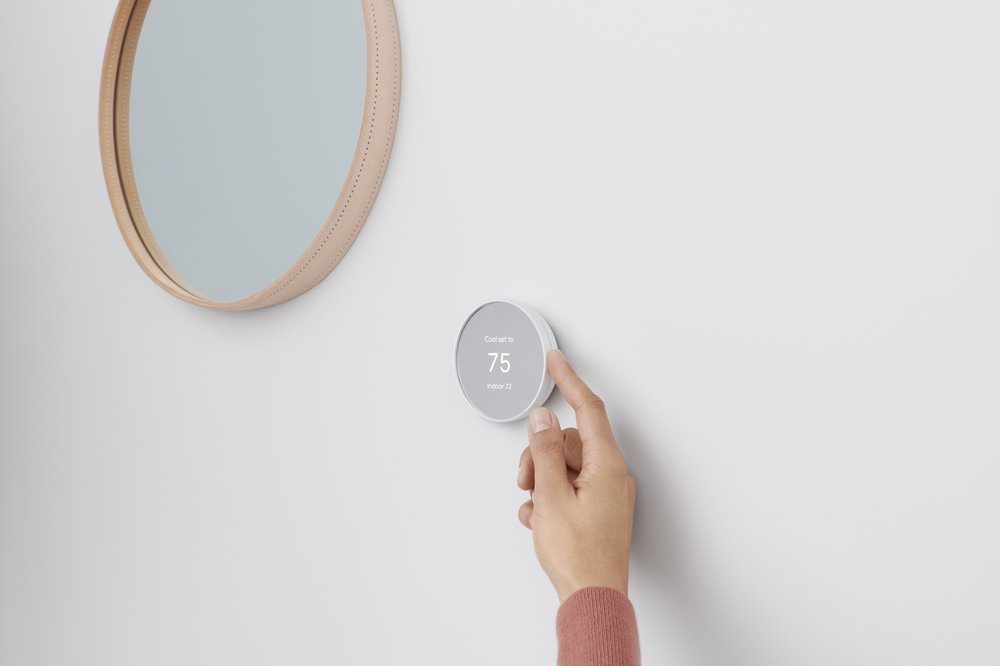
Ask a Techspert: How can we fight energy rush hours?
Editor’s Note: Do you ever feel like a fish out of water? Try being a tech novice and talking to an engineer at a place like Google. Ask a Techspert is a series on the Keyword asking Googler experts to explain complicated technology for the rest of us. This isn’t meant to be comprehensive, but just enough to make you sound smart at a dinner party.
Returning from a weekend trip this past winter, my husband and I watched in real time as our security camera cut to black and our Nest app reported the thermostat had lost power. The entire neighborhood had no electricity…thanks to an ice storm that caused a tree in our very own backyard to fall. We returned to a dark, cold home, which stayed that way for two days until the power company made their way through downed trees and ice to reconnect us.
Suddenly, the lights turned on, the internet came back and best yet, we heard the gentle whir of the heater. We blasted the heat — and I have to imagine the homes around us did, too. That likely created an “energy rush hour,” something the Nest team is working on reducing through its Rush Hour Rewards program, which works with utility companies to reward you for saving energy using your Thermostat. Nest is currently celebrating Earth Day with a discount: You can get the Nest Thermostat for $99, which coupled with utility rebates could make the thermostat free for people in certain areas.
But what exactly creates or constitutes an energy rush hour? And what role do utility companies play?
I turned to Hannah Bascom, head of energy partnerships for Google Nest. Her job is to find ways for Google to partner with energy companies and services…and this week, to also answer my questions.
Let’s start with the basics: Tell me about energy rush hours!
Certain times of the year, especially when it’s very hot or cold, everyone cranks their A/C or heat in addition to all of the usual energy-consuming things we already do, so demand for energy is very high. We call these energy rush hours.
Then my neighborhood definitely created an energy rush hour this winter during the ice storm. So when everyone cranks their heat or A/C, what do the utility companies do?
When demand for energy spikes, utility companies typically turn on additional power plants — which are often very expensive and emit a lot of carbon dioxide. And as more people need increasing amounts of energy in their homes and businesses, energy rush hours happen more frequently. We’ve seen several examples of brownouts recently — utilities didn’t have enough power to supply everyone, so they had to shut off power in certain places. As extreme weather events become more common this could happen more regularly, so utilities are considering building more power plants, which is costly and could increase carbon emissions.
But it doesn’t have to be that way! Utilities can incentivize customers to use less energy.
How? I can’t imagine not blasting my heat when it was so cold.
Nest’s Rush Hour Rewards is one way people automatically lower energy use during energy rush hours without being uncomfortable in their homes. Think about using GPS during a traffic jam: You’re sitting on the highway and it reroutes you to side roads to get around the gridlock. You reach the same destination, you just took a slightly different way. Rush Hour Rewards is like that: Nest reroutes your home’s energy usage during times of grid congestion, but you still reach your destination — which in this case is your comfort level.
When you enroll in the program, your thermostat will use less energy during times of high demand, but you’ll stay comfortable. And you get rewarded by your utility company because they don’t have to fire up additional generators. That reward could come in the form of bill credits or a sent check. You may even be able to get an instant discount on a Nest Thermostat from your utility provider. Just search for your utility and “Nest Thermostat” to find discounts.
How many customers using Rush Hour Rewards does it take to offset a power plant?
It definitely depends on the scenario but here’s one example: There are lots of peaker plants — the kind of power plant a utility would bring online during an energy rush hour — that are 50 megawatts in size, which is equivalent to only 50,000 thermostats participating in an event. Most major sports arenas hold more people than that!
How does the Nest Thermostat know when an energy rush hour is coming up?
Your energy company, or sometimes another entity that manages your electric grid, monitors weather conditions and forecasts electricity demand. When they predict demand will be high, they call a rush hour. Rush hours can also happen during grid emergencies, like when power plants suddenly go offline due to mechanical failure or extreme weather.
Another fun fact is that virtual power plants help balance renewables like solar and wind on the grid.
What’s a virtual power plant?
A virtual power plant is what’s created when a bunch of different sources — like home batteries and smart thermostats — come together to help the grid like a power plant would. Because energy output from these sources varies based on things like cloud cover and wind speed, “mini” energy rush hours occur more frequently when there isn’t quite enough energy supply to meet demand. People who participate in Rush Hour Rewards can help balance the grid demand with energy supply.
How does the Nest thermostat know what temperature is enough to keep me warm or cool but also enough to make a difference during an energy rush hour?
Your Nest thermostat is very smart! It learns from your use what temperatures keep you comfortable and will make slight adjustments to those settings during or even before rush hours. For example, Nest may pre-cool your house a little bit before a rush hour event starts so that it runs less A/C during the rush hour. Same goes for pre-heating.
Right now, only thermostats participate in rush hours, but in the future your electric vehicle or even your whole home may be able to join in.

Blockchain Life Forum 2021 – Cosa sta succedendo?
Meno di un mese all’evento principale del 2021. Si svolge Blockchain Life 2021, il 6 ° forum internazionale su blockchain, criptovalute e mining. Leggi di più. L’innovativo Music Media Dome riunirà più di 4.000 partecipanti, tra cui investitori, imprenditori, proprietari e alti dirigenti delle principali società di criptovaluta e blockchain, sviluppatori e chiunque sia interessato allo sviluppo in uno dei campi più promettenti di oggi. I 70 sponsor ed espositori del forum tra cui le…
L’articolo Blockchain Life Forum 2021 – Cosa sta succedendo? scritto da YOUR_DIGITAL_VOICE! proviene da Assodigitale.

Asus ROG Strix RTX 3060 Gaming OC alla prova: non manca proprio nulla

Google Earth, timelapse mostra come è cambiata la Terra
Gli effetti del cambiamento climatico e il nostro impatto sulla Terra possono essere difficili da notare visivamente. Grazie alle immagini satellitari, siamo stati in grado di avere un’idea migliore di come le nostre azioni possano avere effetto sul nostro pianeta. Per molti, Google Earth ha fornito un punto di vista privilegiato per guardare il mondo quasi in tempo reale dallo spazio. Oggi, Google annuncia il suo più grande aggiornamento al servizio dal 2017, affermando in un post sul blog che “ora sarà possibile vedere il nostro pianeta in una dimensione completamente nuova: il passare del tempo”. Il colosso della ricerca ha dunque deciso di introdurre video 3D timelapse su Google Earth, che chiunque può guardare e scaricare gratuitamente.
B2B Marketing News: B2B Email Study, Marketing Leadership Gaps, Digital Ad Spend Surges, & High-Quality Creative Drives Brand Trust
The Buzz On B2B: Email Is Tops For Both Acquisition And Retention
Half of B2B marketers have seen email click-through rates (CTRs) remain steady during the first quarter of 2021, while 28 percent saw higher CTR than during 2020, according to recently-released survey data, which also showed that by early 2022 some 40 percent of marketers expect to restore their marketing spending to regular levels, with 25 percent doing so in early 2021. MediaPost
Vast Majority of Consumers Associate High-Quality Creative with Brand Trust
85 percent of U.S. adult consumers in a recent survey said that well-designed ads help build brand trust, while 64 percent said that brands with poor creative design were less trsutworthy, according to the Celta survey. MarketingCharts
B2B Content Marketers Get Higher Salaries, Bonuses Than B2C
B2B content editors and marketing professionals have earned more than their counterparts in B2C marketing, and were more likely to be paid cash bonuses, according to newly-published survey data of interest to digital marketers. MediaPost
Google Launches Video Ad Experiments to Help Refine Marketing Approaches
Google has announced a forthcoming feature that will allow brands to try various video ad approaches in its Google Ads program, offering video marketers new ways to experiment and observe how multiple ad variations resonate with their audiences, the search giant recently revealed. Social Media Today
IAB: Digital Ads Grew 29% In Q4 In Pandemic Rebound
Digital advertising spending grew to $45.6 billion during the fourth quarter of 2020, a 29 percent increase year-over-year that represented to top quarter in 20 years, while overall Internet ad spend climbed by 12.2 percent for 2020, reaching $139.8 billion, according to newly-released revenue report data from the Interactive Advertising Bureau. AdExchanger
Facebook Tests Updated Up and Downvoting for Comments in Groups
Facebook has experimented with comment voting, having added Reddit-like up and down rankings in an expanded Facebook group test, the social media giant recently announced. Social Media Today
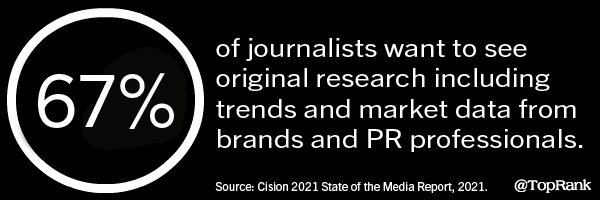
Nearly half of execs expect social marketing budgets to double in next 3 years, study finds
46 percent of business executives have said that the social media marketing budgets at their firms are expected to double within the next three years, while 91 percent said that their social marketing budgets will experience a rise of any level, according to recently-released survey data from The Harris Poll. Marketing Dive
Facebook tests Hotline, a Q&A product that’s a mashup of Clubhouse and Instagram Live
Facebook has tested a mash-up that adds video into the mix for its new Hotline product, combining the functionality of Clubhouse and Instagram Live, the social media firm recently announced. TechCrunch
Google Search Console adds regular expression support and more data filtering to Performance reports
Google has updated its latest Search Console to include more comparison mode filtering options, along with the addition of more powerful regular expression search functionality, the search firm announced recently. Search Engine Land
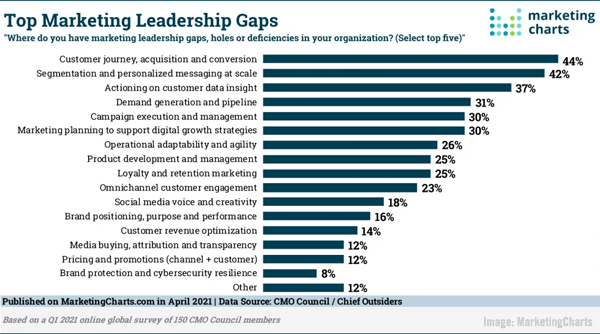
What Are Marketing Leadership’s Biggest Gaps?
The customer journey along with its acquisition and conversion sits atop the list of marketing leadership deficiencies, according to a recently-released survey of chief marketing officers, followed closely by segmentation and personalized messaging at scale, with action on customer data insight occupying the third most frequently noted marketing leadership gap. MarketingCharts
ON THE LIGHTER SIDE:

A lighthearted look at “advertising without cookies” by Marketoonist Tom Fishburne — Marketoonist
These Were the Most Effective Ads of 2020, According to Kantar — Adweek
TOPRANK MARKETING & CLIENTS IN THE NEWS:
- Susan Misukanis — 10 Personal Development Tips to Help You Love Your Small Business Life — Small Business Trends
Have you come across your own favorite B2B marketing story from the past week of industry news? Please let us know in the comments below.
Thanks for joining us for the TopRank Marketing B2B marketing news, and we hope that you’ll return again next Friday for more of the week’s most relevant B2B and digital marketing industry news. In the meantime, you can follow us at @toprank on Twitter for even more timely daily news.
The post B2B Marketing News: B2B Email Study, Marketing Leadership Gaps, Digital Ad Spend Surges, & High-Quality Creative Drives Brand Trust appeared first on B2B Marketing Blog – TopRank®.

Tim: come ottenere 5 euro di bonus
TIM ha lanciato oggi una nuova promozione che consente di ottenere 5 euro di bonus. La promozione è valida da oggi 16 aprile fino al 29 aprile ed è rivolta a tutti i clienti che hanno un piano tariffario prepagato. Per ottenere il bonus di 5 euro occorre effettuare una ricarica di almeno 15 euro tramite l’app MyTim con metodo di pagamento Satispay. L’operatore telefonico specifica che il bonus, una volta ottenuto, non è rimborsabile né trasferibile.

Resident Evil Village, svelata la data della demo e nuovo trailer
Nel corso del nuovo appuntamento con il programma digitale Resident Evil Showcase, andato in onda in streaming la scorsa notte, Capcom ha svelato la data di rilascio della demo di Resident Evil Village, l’atteso nuovo capitolo del popolare franchise di videogiochi survival horror che sarà disponibile il 7 maggio. La dimostrazione sarà disponibile a tempo limitato su tutte le piattaforme il 2 Maggio (CET), mentre i giocatori PlayStation riceveranno l’early access a partire dal 18 aprile (CET).

Podcast del Disinformatico RSI di oggi pronto da scaricare
È disponibile il podcast di oggi de Il Disinformatico della Rete Tre della Radiotelevisione Svizzera, condotto da me insieme a Tiki. Questi sono gli argomenti trattati, con i link ai rispettivi articoli di approfondimento:
- Zoom consente di iniettare marcatori di tracciamento nell’audio delle sessioni. E nelle immagini?
- Finalmente una spada laser con lama luminosa realmente retrattile
- Microsoft insegna a volare facendoti schiantare al suolo: chicca di Flight Simulator
- Un chip nel cervello: stavolta non è un delirio complottista, è una cauta speranza di mobilità
Il podcast di oggi, insieme a quelli delle puntate precedenti, è a vostra disposizione presso www.rsi.ch/ildisinformatico (link diretto) ed è ascoltabile anche tramite feed RSS, iTunes, Google Podcasts e Spotify.
Buon ascolto!
Spotify, la musica è streaming
L’universo legato all’ascolto della musica in streaming è cresciuto in modo esponenziale nel corso degli ultimi anni. Un’evoluzione causata sia dalla sempre più capillare diffusione dei dispositivi mobile (smartphone e tablet) che da quella delle connessioni a Internet, da postazione fissa e in mobilità. Tra le numerose piattaforme offerte agli utenti una in particolare ha conquistato fin da subito un’ottima popolarità: si tratta di Spotify.

Meet your new travel guides
Exploring the hidden sites of a city or learning about fascinating places, people and stories can be fun on your own, but it becomes a whole new experience when having exceptional guides.
In the newest episodes of the Google Arts & Culture video series “Perspectives,” tennis champion and entrepreneur Venus Williams, award winning songwriter, actor and producer actor Lin-Manuel Miranda, South African music artists Busiswa and Muzi, and Olympic Mexican soccer star Daniela Espinosa invite you to go on a one of a kind virtual journey. Follow them for a fresh and personal take on different lands, cities, cultures or stories and get inspired to learn more or even visit yourself on day:
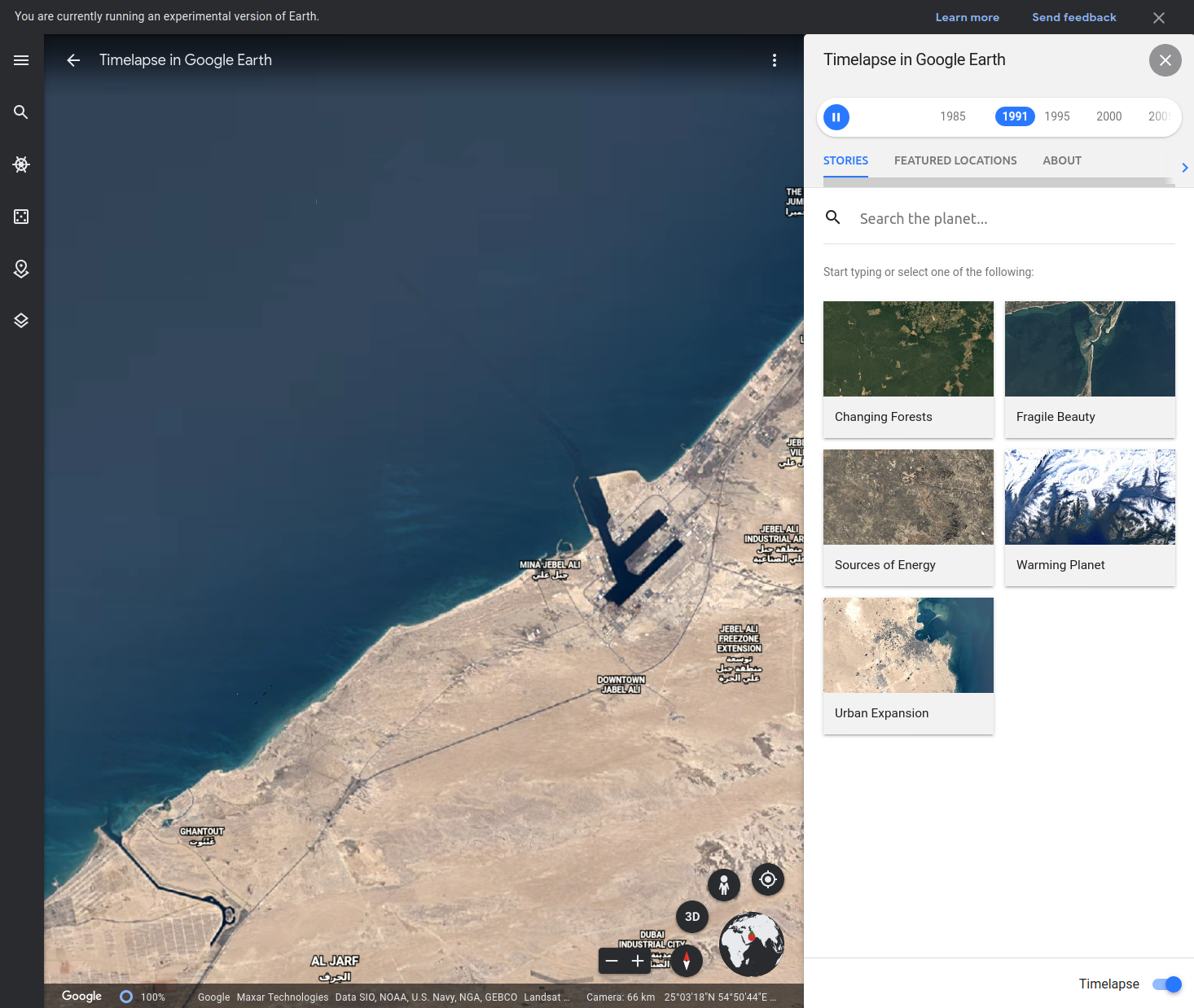
Google Earth offre i timelapse per capire meglio come cambia il mondo
Google ha annunciato un aggiornamento molto importante di Google Earth, la sua mappa mondiale 3D: ora è possibile esplorare un luogo anche nel tempo. L’azienda ha elaborato 24 milioni di fotografie satellitari scattate nel corso di quasi quattro decenni e le ha rese accessibili presso http://goo.gle/timelapse o https://g.co/timelapse.
Questo modo di vedere i dati rende chiarissima l’evoluzione del pianeta nel corso degli ultimi quarant’anni: urbanizzazione, deforestazione, prosciugamento di grandi laghi, cambiamenti nei corsi dei fiumi, ma anche riconquiste di porzioni di deserto.
C’è anche una collezione di circa 800 video che mostrano la trasformazione, positiva o negativa, di vari luoghi del pianeta. È particolarmente impressionante l’evoluzione del lago d’Aral situato fra Kazakistan e Uzbekistan: quando ero ragazzino lo si studiava in geografia come quarto lago al mondo, con una superficie di 68.000 chilometri quadrati (più dell’intera Svizzera, che occupa 41.285 kmq, o della Pianura Padana, che ne occupa 47.820); oggi è praticamente scomparso a causa dell’eccessivo sfruttamento delle sue acque.
L’interfaccia è piuttosto semplice: si digita il nome del luogo d’interesse nella casella di ricerca e poi si aspetta che venga caricata la sequenza d’immagini del timelapse. Come con il normale Google Earth, anche qui è possibile sorvolare virtualmente in 3D le località e vederle da varie quote e angolazioni.

Chi spera di vedere dettagli specifici dell’evoluzione della propria località, come la costruzione della propria casa o di un quartiere, potrebbe restare deluso, perché le immagini satellitari pubblicamente disponibili che risalgono agli anni Ottanta non hanno questo tipo di risoluzione in buona parte del pianeta. Ma la trasformazione delle grandi aree urbane è quasi sempre esaminabile e sicuramente questa risorsa informatica offrirà tanti spunti di riflessione. Buon viaggio, nel tempo e nello spazio.