
OPPO Italia lancia oggi OPPO Store e OPPO Community

PlayStation Plus, l’abbonamento annuale scende del 33% per il Black Friday

Amazon vieterà le carte di credito Visa nel Regno Unito

Podcast del Disinformatico RSI 2021/11/19 – Il punitore di cheater: chi bara ai videogiochi diventa pagliaccio

È disponibile subito il podcast di oggi de Il Disinformatico della Radiotelevisione Svizzera, condotto dal sottoscritto: lo trovate presso www.rsi.ch/ildisinformatico (link diretto). Questa è la versione Story, dedicata all’approfondimento di un singolo argomento.
I podcast del Disinformatico di Rete Tre sono ascoltabili anche tramite feed RSS, iTunes, Google Podcasts e Spotify.
Buon ascolto, e se vi interessano il testo e i link alle fonti della storia di oggi, sono qui sotto!
—
[CLIP: Giocatore indignato che protesta]
Siamo nel bel mezzo di una sessione del gioco Counter-Strike: Global Offensive. Il personaggio comandato da un giocatore è impazzito e ha cominciato a sparare agli altri personaggi suoi alleati. Ovviamente gli altri giocatori non la prendono bene e protestano.
Quello che questi altri giocatori non sanno è che il personaggio impazzito è comandato da un cheater, un giocatore disonesto che ha installato un software, denominato cheat, che gli dovrebbe consentire di barare e vincere più facilmente con dei trucchi ma che in realtà in questo caso altera il funzionamento del gioco in senso opposto, facendo compiere al disonesto azioni assurde tipo buttare via tutte le proprie armi o lanciarsi una granata sui piedi. L’effetto comico è garantito e il baro viene prontamente punito.
Questa è la storia di un punitore di cheater, che adesca chi non vuole giocare onestamente nei videogiochi e poi pubblica i risultati dell’adescamento su YouTube, e di come fa a ottenere questa dolce, comica vendetta.
[SIGLA]
I cheater sono una piaga dei videogiochi online: sono giocatori che installano software speciali che danno poteri maggiori rispetto agli altri giocatori. Per esempio, fanno diventare invulnerabili, aumentano le munizioni, migliorano la mira (sono i cosiddetti aimbot o triggerbot), permettono di vedere attraverso i muri oppure rallentano gli avversari.
Giocare a un videogame multiplayer quando ci sono i cheater è una pena totale: rovina il piacere della competizione. Comportamenti di questo genere sono vietati da quasi tutte le piattaforme di gioco, che sorvegliano la regolarità delle sessioni usando i cosiddetti programmi anti-cheat che rilevano situazioni anomale o successi sospetti. Fare il cheater significa rischiare di essere bannati, ossia buttati permanentemente fuori dal gioco. Ma i disonesti sono tanti e c’è sempre qualcuno che ci prova.
C’è però qualcun altro, una persona che si fa chiamare su Internet ScriptKid, che ha intrapreso una battaglia personale contro questi cheater e li punisce sfruttando la loro disonestà.
Nel 2019 ScriptKid ha creato una falsa cheat per Playerunknown’s Battlegrounds, o PUBG come lo chiamano comunemente i gamer, l’ha messa online presentandola come se fosse un’app di potenziamento e ha aspettato che i giocatori disonesti la scaricassero e installassero.
I risultati non sono fatti attendere. I video delle sessioni di gioco in cui i bari pensano di stravincere e invece si lanciano inesplicabilmente fuori dalle auto in corsa, carambolando comicamente, o si buttano nel vuoto dagli edifici terminando la sessione di gioco e lasciando in pace i giocatori onesti hanno accumulato milioni di visualizzazioni su YouTube.
ScriptKid ha deciso così di dedicarsi anche a Counter-Strike: Global Offensive, un gioco sparatutto non nuovissimo ma ancora molto popolare. Ha scritto due finte cheat, CSGOReaper e RageMaker, che fanno fare cose assurdamente comiche a chi le installa sperando di acquisire superpoteri, poi le ha messe online pubblicizzandole tramite le inserzioni di Google per farle comparire nei risultati di ricerca di chi cerca soluzioni per barare ai giochi, e ha aspettato che i cheater di tutto il mondo le scaricassero.
Non ha dovuto aspettare a lungo neanche stavolta. Ciliegina sulla torta, le sue finte cheat registrano le figuracce dei bari e le mandano a lui. ScriptKid così pesca le migliori scene e le pubblica su YouTube, così tutti possono assistere per esempio a BurningMan, dove il baro si molla una granata sui piedi invece di lanciarla e poi sta fermo ad attendere che esploda; oppure a NoSpray4U, dove il cheater butta via tutte le proprie armi invece di azionarle a raffica; oppure a InvertMouseADS, che inverte i comandi del mouse quando si aziona il mirino, peggiorando catastroficamente la mira che il baro voleva invece migliorare disonestamente.
Le reazioni dei cheater quando vedono il loro personaggio ballare una sorta di tarantella o scagliare il fucile, venendo poi prontamente eliminato dagli altri giocatori invece di stravincere, sono imperdibili.
E poi c’è la penitenza finale: con BloodBrothers, ScriptKid modifica il gioco in modo che quando il mirino del baro passa sopra un compagno di squadra, il baro gli spara. Un autogol al quale gli altri giocatori rispondono subito facendo una kick, un’espulsione, del giocatore disonesto.
Lo spettacolo di questi personaggi super-macho che fanno cadere le proprie armi come dei dilettanti e rimangono impietriti a chiedersi cosa stia succedendo è irresistibilmente ridicolo. Ma come fa ScriptKid a mostrarci quello che è successo in una sessione di videogioco?
C’è un trucco nel trucco: le condizioni d’uso della falsa cheat creata da ScriptKid dicono esplicitamente che i replay, le registrazioni delle sessioni di gioco di chi installa quella cheat, gli verranno inviate. Solo che i disonesti cliccano sull’accettazione di queste condizioni senza leggerle e quindi non si rendono conto che non solo verranno sbeffeggiati pubblicamente ma hanno anche dato il consenso per farlo a ScriptKid.
Con questa tecnica il vendicatore comico ha accumulato quasi quattrocentomila iscritti sul proprio canale YouTube e sta cominciando a crescere anche su Discord e Twitch. Ha scritto delle false cheat per burlarsi anche dei bari in Minecraft. E cominciano ad arrivare le prime sponsorizzazioni. ScriptKid ha trovato il modo di far diventare remunerativo il mestiere di moderatore di videogiochi, sia pure con una tecnica piuttosto drastica.
Ovviamente il lavoro di ScriptKid non è stato accolto con entusiasmo dai bari, che lo odiano, per cui di lui si sa poco o nulla: non si fa vedere in viso e non si sa dove abiti o quanti anni abbia. Dall’accento si capisce solo che l’inglese non è la sua lingua madre. Ho cercato di intervistarlo per questo podcast, ma finora non ha risposto al mio invito.
[2021/11/19 10:45. ScriptKid mi ha risposto, dandomi alcune informazioni molto limitate su di sé, ma non mi ha ancora dato il permesso di pubblicarle]
Questo tipo di contrasto alla piaga dei cheater che rovinano tanti giochi può sembrare una forma di vigilantismo, ma la vena comica e la relativa innocuità della punizione hanno il sopravvento sulle preoccupazioni per eventuali abusi, e sapere che le cheat che si scaricano da Internet potrebbero avere effetti disastrosi può magari indurre qualche aspirante baro a stare sulla retta via e restare aspirante.
In ogni caso, le disonestà via software nei videogame sono un problema molto serio: alcuni paesi, come la Corea del Sud e la Cina, hanno reso legalmente punibile la vendita o l’uso di cheat, e non mancano le azioni legali anche in altri paesi. Per esempio, nel 2017 in California una sentenza ha condannato una ditta tedesca che distribuiva cheat a pagare 8 milioni e mezzo di dollari alla Blizzard, l’azienda creatrice di titoli popolarissimi come World of Warcraft e Overwatch.
La ragione di questo accanimento è molto semplice: la presenza dei cheater nei giochi online allontana i giocatori onesti e riduce gli incassi delle aziende che producono videogiochi.
Le vendette digitali di ScriptKid, quindi, sono tutto sommato poca cosa rispetto alle punizioni inflitte dalle aziende produttrici di videogame: in alcuni casi il giocatore o la giocatrice che bara non solo si vede bannare l’account, ma si vede disabilitare direttamente la CD Key (la chiave unica e personale del gioco acquistato), per cui deve comprarne una nuova copia se vuole continuare a giocare. A volte i giochi intercettano anche i numeri seriali dei dischi rigidi o altri dati identificativi della console di gioco o del computer, per cui il giocatore disonesto che volesse rientrare nel gioco dovrebbe sostituire integralmente questi dispositivi.
Insomma, il gaming è una cosa seria: è un’industria che avrà ricavi, nel 2021, per circa 180 miliardi di dollari, ossia quasi il doppio di quelli dell’industria cinematografica mondiale, e che continua a crescere. Pensateci, la prossima volta che giocate. E se vedete qualcuno che ha una bravura sovrumana in un videogame, consolatevi e non sentitevi imbranati: magari è solo un cheater che non è ancora stato scoperto.

Prime Video, 5 film da (ri)vedere a Natale 2021

microSD SanDisk: sconti fino al 72% sul prezzo di listino

Black Friday, Sconti su Pendrive e SSD SanDisk

Amazon, comincia ora la Settimana del Black Friday

5 smartphone economici in offerta per il Black Friday di Amazon

I migliori hard disk esterni di Western Digital in offerta per il Black Friday
Community and mentorship help women entrepreneurs thrive
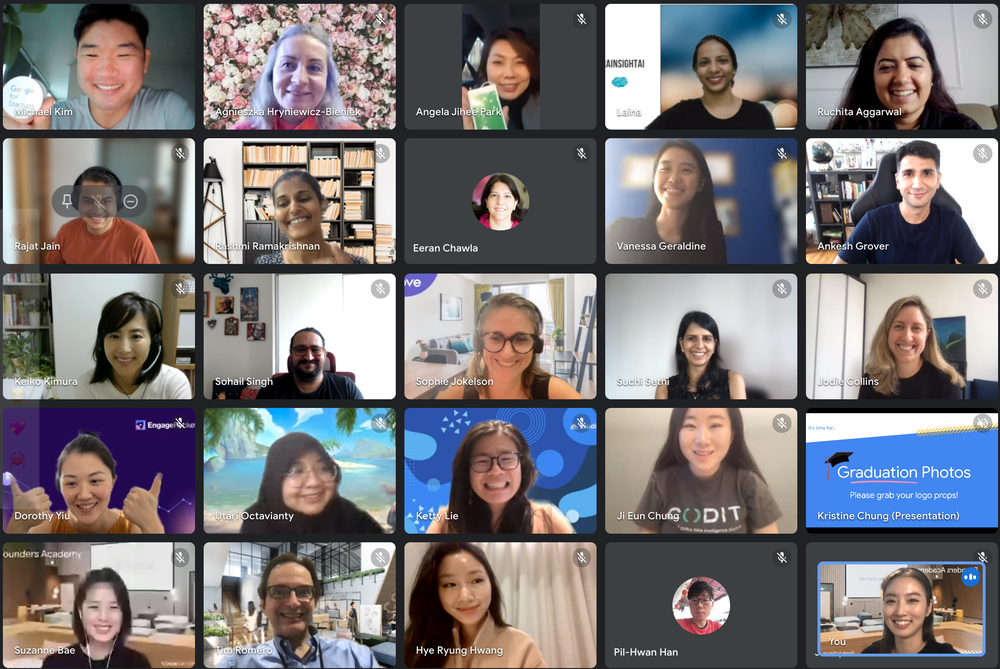
EngageRocket co-founder Dorothy Yiu and her husband were eagerly expecting the arrival of their first baby. But as Dorothy was preparing to start her maternity leave, she found herself battling feelings of guilt. She was hesitant to step away from her work responsibilities, her team and the company that she had been pouring her heart into.
EngageRocket — a Singaporean company that helps companies improve their employees’ experiences at work — recently celebrated its fifth anniversary. Dorothy, now pregnant with her second child, says those years have been a time of growth and self discovery for her. Not only has she learned to focus on important things and get rid of her self-inflicted feelings of inadequacy, she has also come to realize how important it is to initiate open conversations about the stigma, insecurity and imposter syndrome so many working women are struggling to overcome.
Today, on Women’s Entrepreneurship Day, stories like Dorothy’s are important reminders that there is still much more work to be done to empower women and girls so they can become confident entrepreneurs and equal participants in business. Promoting diversity and equal opportunities isn’t just the right thing to do – it also has a positive financial impact. Women Will research by Grow with Google notes that closing the entrepreneurial gender gap could boost the global economy by up to $5 trillion.
The Women Founders Academy cohort of 2021 recently celebrated their graduation
EngageRocket is one of 10 recent graduates from the APAC Women Founders Academy Program by Google for Startups. During this 12-week program, the founders received training and mentoring from Googlers across the region to help sharpen their leadership skills and address their unique growth needs, including funding. All the participants highlighted the important role of communities and mentors in helping them gain knowledge, overcome mental barriers and build confidence.
Many of them noted that to build true equity, it’s important to look past gender divides and recognise people’s achievements as entrepreneurs and professionals, not only as women. Dorothy wholeheartedly agrees. Today, 50% of EngageRocket’s senior management team are women, all of them working mothers. As a leader, she is determined to build an open, flexible company culture that empowers everyone to balance their priorities – both at work and in their personal lives.
At Google, we’re committed to helping more women like Dorothy grow and thrive in business. We know it’s one of the most powerful steps we can take to create new jobs and opportunities, advance equality, and contribute to an inclusive economic recovery that will benefit us all.
Celebrating news partners in the Asia Pacific
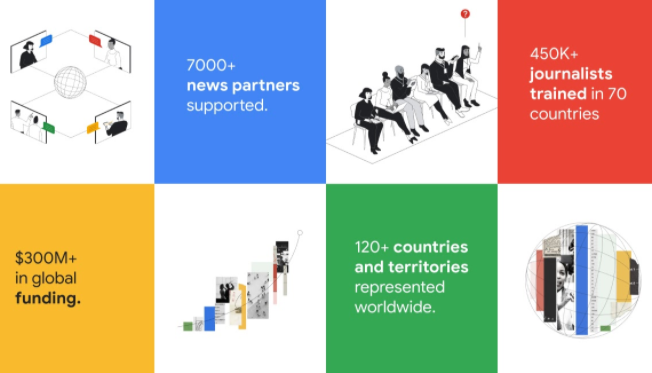
One of the best parts of my role is seeing the great examples of news publishers embracing technology to grow new audiences and build sustainable business models in the Asia-Pacific region.
This week, we heard from news partners at the Google News Initiative (GNI) Global Summit, along with local events in Australia, India, Korea, Japan and Southeast Asia, on the impactful work they are doing.
Supporting a more sustainable, diverse and innovative news ecosystem
Our GNI Impact Report (released during the Summit) features stories from publishers in the Asia-Pacific, including one of our partners DataLEADS, who we worked with to provide verification training for thousands of reporters across India.
We also heard from Indonesia’s Warta Ekonomi on how they improved their website and user experience, and developed their monetization strategy after taking part in the GNILocal News Foundry.
Highlighting APAC leaders in innovation
The GNI Innovation Challenge program launched in the Asia Pacific three years ago with a call for applications looking at new ideas to generate reader revenue. Since then, GNI Innovation Challenges have supported more than 200 news organizations around the world — and we heard some of their stories at the Summit.
Kumparan, a media organization in Indonesia, received funding from the GNI Innovation Challenge to help create kumparanDerma, a tool that streamlines the donation process for readers to provide aid during disasters and emergencies.
In India, The News Minute used GNI funding to identify a new, sustainable revenue stream that supplemented their existing advertising model. They used data and insights to launch a membership program and about a year and a half after the project began, they hit 3,000 subscribers. This project helped TNM continue to serve their audience with independent journalism.
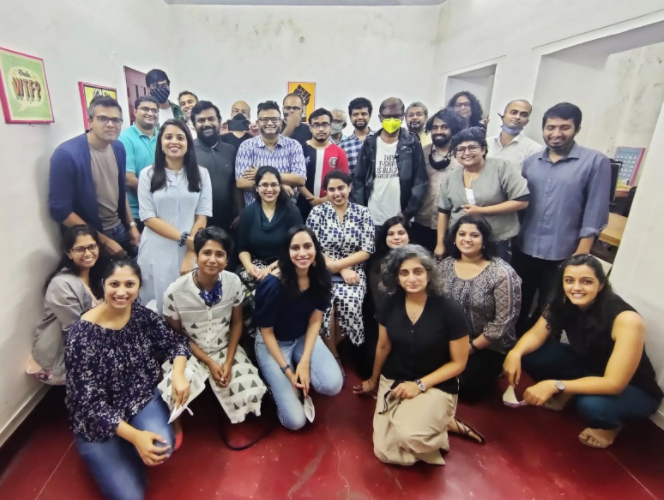
The News Minute team
In Korea, Busan Daily used funding from the Innovation Challenge to improve the way they used data to understand their audience. These are just a few of the great examples we heard on how this program has helped publishers.
Continuing our support for news with new products and tools
The GNI Global Summit featured an update on Google News Showcase, our new product experience and licensing program for news, which aims to help publishers engage more deeply with their readers and to help readers find, follow and support news organizations. Since it launched in October 2020, we’ve signed deals with more than 1,000 news publications around the world, including in India, Japan and Australia.
We also announced new features coming to Google Search that help readers find content from local publishers even more easily than before. We’re expanding a feature that we initially launched for COVID searches, so readers will soon see a carousel of local news stories when Google finds local news coverage relevant to their query. This carousel will be available globally.
There are so many great stories from publishers around the world, as well as updates on our ongoing support for the new ecosystem, in the GNI blog collection.

Fabio Goméz. Esce oggi il nuovo singolo e videoclip “LET ME BE”
Dal 19 novembre in radio e nei digital store “LET ME BE” Il nuovo singolo e videoclip di FABIO GOMEZ Esce oggi “Let Me Be”, il nuovo singolo con cui…
L’articolo Fabio Goméz. Esce oggi il nuovo singolo e videoclip “LET ME BE” scritto da Paolo Brambilla proviene da Assodigitale.

Power your holiday strategy with helpful insights
This year’s holiday shopping season is shaping up to be one of the biggest yet. In fact, 53% of consumers plan to shop online more this year compared to last year.
The Holiday 100 is a great way to help you understand what people are shopping for. The Insights page in Google Ads was designed to keep businesses up to date on similar trends and insights, which is especially useful during the holiday season. In the coming weeks, you’ll see four new features roll out on the Insights page globally to help you drive results this holiday season and beyond.
Demand forecasts (beta): Previously, the Insights page focused on historical performance — trends that explained why your ads performed the way they did. Now, you’ll see more forward-looking trends with demand forecasts (beta). By combining machine learning technology with past seasonal search trends, these forecasts predict emerging search interest over the next six months. These insights are personalized to your business, meaning that you’ll see trends based on the categories where you advertise.
For example, let’s say you’re a beauty retailer. You might see a prediction that search interest in “perfumes & fragrances” will start to trend in the middle of November with an increase of 27%. Interest then peaks to 93% on Black Friday and tapers off in the following weeks. To help you understand this forecast, you’ll see trendlines for predicted search interest, actual search interest, and your clicks (the amount of traffic you’ve already received from this trend).
On the right side of the page, you can view trend details to see the specific searches that are predicted to increase — like “clean perfume” or “sandalwood.” These insights help you better prepare your budgeting, marketing and merchandising plans to meet the rise in consumer demand.
Our clients find strategic value in demand forecasts, especially as we approach Black Friday and Cyber Monday. Some of our clients are even using this data to help inform inventory and product development.
Consumer interest insights (beta): Are you interested in learning how people search for your business? Consumer interest insights (beta) aggregate and anonymize the top-performing search query themes that drive performance in your campaigns. You’ll see the number of people who searched for each theme, its growth, and how it performed in your account.
As that beauty retailer, you might see that the top themes in the “perfumes” category are “affordable” and “floral,” and that your overall impressions for the theme increased by 12%. These themes can be found in the search themes section of the page, and can help you update your marketing and product feed copy to include similar words and phrases.

Audience insights (beta): With audience insights (beta), you can understand more about the interests and affinities of your customers, including what creative resonates the most with them. As the beauty retailer, for example, you might discover that people interested in beauty products prefer the headline “10 must-buy winter fragrances” — and that the audience took part in 57% of the conversions in your campaign.

Change history insights and auction insights (beta): Now, you can find both change history insights and auction insights throughout the Insights page. This can help you understand how shifts in auction competition or changes you made in your account impacted performance.
Many businesses are already using the Insights page to drive growth. Etsy saw an increase in searches for “Sweatshirts & Hoodies” on the Insights page and used that information to help inform their website merchandising, content strategy and ad copy. This contributed to a 49% lift in sales for Google Search and Shopping campaigns in that sub-category.
These updates will launch in the coming weeks at both the campaign and account level. In the meantime, visit the Insights page on Google Ads to check out the latest trends for your business.