Helping fashion brands make more sustainable decisions
The fashion industry is one of the largest contributors to the global climate and ecological crisis — accounting for up to 8% of global greenhouse gas emissions. Much of this impact occurs at the raw materials stage of the supply chain, like when cotton is farmed or trees are cut down to create viscose. But when brands source these materials, they often have little to no visibility on the environmental impact of them.
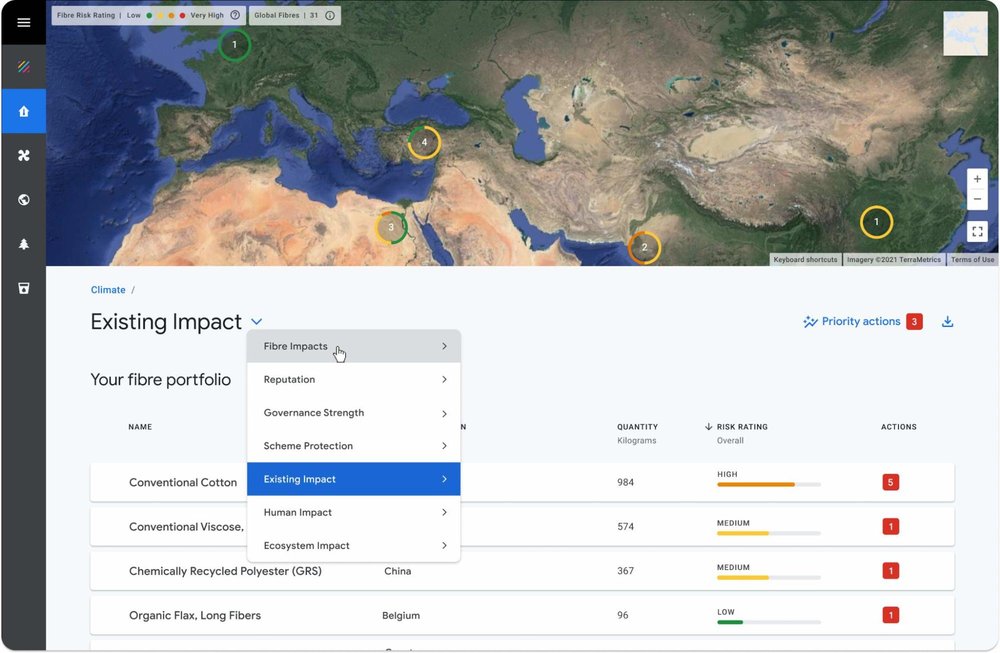
In 2019, we set out to create a tool that would give companies the data they need to make more responsible sourcing decisions. Today we’re announcing the first version of the Global Fibre Impact Explorer (GFIE), and we’re inviting other brands to get involved. The tool, which is built on Google Earth Engine and uses Google Cloud computing, assesses the environmental risk of different fibers across regions as it relates to environmental factors such as air pollution, biodiversity, climate and greenhouse gasses, forestry and water use.
With this tool, brands will easily be able to identify environmental risks across more than 20 fiber types — including natural, cellulosic and synthetics materials.The tool will also provide brands with recommendations for targeted and regionally specific risk reduction activities including opportunities to work with farmers, producers and communities, such as investing in regenerative agriculture practices
The GFIE dashboard where brands can upload their fiber portfolio data and get recommendations to reduce risk across key environmental categories.
Spooling it all together: Working with fashion brands and conservation experts
We worked with Stella McCartney, a luxury fashion brand and leader in sustainability, to understand the industry’s needs and to test the platform. Using the tool alongside their existing sustainability efforts, Stella McCartney’s team was able to identify cotton sources in Turkey that were facing increased water and climate risks. This affirms the need for investing in local farming communities that focus on regenerative practices, such as water management and soil regeneration. Other brands and retailers — including Adidas, Allbirds, H&M Group and VF Corporation — have helped test and refine the tool to make sure it can be useful to everyone in the industry. And an external council of global experts have reviewed the GFIE methodology and data.
The GFIE was born out of a partnership between Google and the WWF, and is built to complement existing tools focused on industry impact and risk analysis. With the initial development phase complete, Google and WWF are now transitioning GFIE to Textile Exchange, a global non-profit focused on positively impacting climate through accelerating the use of preferred fibers across the global textile industry. As the official host of the GFIE, Textile Exchange will continue the development of the tool, onboard new brands and work towards an industry launch in 2022.
If you’re a part of a fashion brand or industry group and want access to this tool, please register your interest at globalfibreimpact.com.

10 ways Google Assistant can help you during the holidays
As fun as the holidays can be, they’re also filled with lots of to-do lists, preparation and planning. Before the hustle and bustle of the season begins, we wanted to share a few ways you can use Google Assistant to stay on top of things and do what matters most — spending quality time with family and friends.
- Get together over a good meal made easy with hands-free help in the kitchen. Surprise your family and friends with a new dish or dessert or find inspiration by saying, “Hey Google, find me Thanksgiving recipes.”
- …And if you happen to come across a few new favorites, tap on that recipe and ask your Assistant to save it for you by saying “Hey Google, add to my cookbook.” Then when it comes time for a holiday feast, all your recent recipes will be waiting for you on your Smart Display and will show up when you say “Hey Google, show me my cookbook.” Once you’ve gathered your ingredients, select the recipe you want to cook and say “Hey Google, start cooking” to get step-by-step instructions on your Smart Display.
3. When the food is prepared and the table is set, let everyone know dinner is ready withBroadcast. Just say, “Hey Google, broadcast ‘dinner is ready.’”
4. How early is too early for festive music? The limit does not exist! And even if you don’t have something queued up, you can just say“Hey Google, play Christmas music.”
5. Want to avoid scrolling endlessly for gifts? Android users can use Assistant to browse shopping apps like Walmart with just their voice. If you have the Walmart app installed on your Android phone, try saying“Hey Google, search Walmart for bicycles.”
6. Avoid spending hours waiting on hold when you call to adjust travel plans or return a gift. Pixel users can take advantage of Hold For Me, where Google Assistant will wait on the line for you and let you know when a real person is ready to take your call.
7. Connect and feel close from anywhere with video calling. Make a group call with Duo supporting up to 32 people on your Nest Hub Max — or send a “happy holidays!” message using one of the fun AR effects on mobile devices. To start a Duo call, just say, “Hey Google, make a video call.”
8. Keep your family’s busy holiday schedule on track with Family Bell from Google. Say “Hey Google, set up a Family Bell” to be reminded with delightful sounds on your speakers or smart displays when it’s time to tackle important moments of your day, like holiday meals or volunteering at the local gift drive. And for routines that require a little extra work — like getting the kids to bed after a get together — create a Family Bell checklist on your Smart Display with get ready bells that remind them of key tasks to complete, like brushing their teeth and putting on pajamas.
9. Have some fun and create new memories with a hands-free family game night. Put your game face on and say, “Hey Google, let’s play a game.”
10. Spark some holiday magic with a story from Google. We’ve added a new interactive story from Grabbit, a twist on the classic fairytale, “Hansel and Gretel.” Play the story from either the perspective of Hansel and Gretel or the Witch, and decide how the story unfolds. Just say “Hey Google, talk to Twisted Hansel and Gretel” and let the adventure begin! More interactive stories from Grabbit like “Jungle Book,” “Alice in Wonderland” and “Sherlock Holmes” will soon be available on your Google Nest smart display devices between now and the new year.

Two professors are leveling the field in computing research
Editor’s note: This guest post is by Professors Maria Gini and Shana Watters from the University of Minnesota.
Research is about opening up new worlds and systematically answering questions about their possibilities. But access to research opportunities, including computer science (CS) research, is not equitable: In Canada and the United States in 2020, resident students who identified as Black, Indigenous, Latino, women and intersections of these identities made up only 12.1% of CS Ph.D. enrollments. As educators, we felt compelled to address this inequity. We learned about Google’s exploreCSR program in 2018, and it’s helped us make important progress in the University of Minnesota’s Department of Computer Science and Engineering.
exploreCSR provides faculty with funding, community, evaluation and connections to Google researchers in order to introduce students to the world of CS research. We used our first two years of exploreCSR funding to create content for an undergraduate research course and pilot it in weekend workshops. We started with the belief that all students are capable of executing research, but needed guidance on how to get started. But once we began the workshops, we realized that we needed to first establish a foundation of what research is and how it’s done. That way, students could move from sheer curiosity to hands-on practice. We also saw a need to recognize their commitment to this work through official academic credit.
Based on our learnings from the workshops, we offered a one-credit class in 2021 called “Introduction to Undergraduate Research in Computer Science.” The course helped students develop research skills like identifying and formulating research problems, reading research papers and analyzing data. Faculty mentors from a variety of backgrounds discussed their research, and mentors from Google engaged with the students through talks, panels and mock interviews. At the end of the semester, students understood how to network, present their knowledge and develop game plans to reach their computing research goals.
Our inaugural class included 45 students with a diverse range of identities, some of whom are now doing research with faculty, receiving undergraduate research funds and completing research internships. Our students reflected that having access to researchers in both academia and the tech industry opened up new ways of thinking about research. “Learning that it’s okay to change your academic and career plans really calmed some of the worries I have,” one student shared. Another learned the value of taking risks: “If you get stuck on a problem, try to jump out of the box to view it, and you might find brand new solutions which you had never imagined.”
Our goal from the start was to prepare the next generation of researchers, including many students historically marginalized in computing. And we’re still making progress. The support we received from exploreCSR and the program’s mentors helped make our first class a rewarding learning experience for both the students and instructors. Moving forward, we will work towards improving the course based on student feedback, and developing strong partnerships with local companies. And we’re proud that the University of Minnesota’s Department of Computer Science and Engineering has committed to offer “Introduction to Undergraduate Research in Computer Science” as an annual course.
As the scientist Carl Sagan said, “Somewhere, something incredible is waiting to be known.” Our students are going to explore those incredible “somethings” with purpose and direction. We look forward to their accomplishments!
Visit our websiteto learn more about exploreCSR and meet the 35 institutionsin our 2021 cycle.
Sign Me Up: How B2B Marketers Will Create Top-Notch Newsletters In 2022
What do B2B marketers need to know about crafting a successful email newsletter strategy in 2022 and beyond?
What’s changed with newsletter creation during the pandemic, and which fundamental qualities will endure the shifts of time as B2B marketing — and most importantly — the people who build and read newsletters, evolve?
While 47 percent of B2B marketers see email as a productive avenue for driving revenue (ANA), digital newsletters typically offer even greater effectiveness, especially as dark social, disappearing web browser cookie data, and an increase in the number of folks using ad-blocking technology are on the rise — a topic we recently explored in “Traffic’s Black Hole: What B2B Marketers Need To Know About Dark Social.”
Email newsletters offer a fantastic way to meet some of these challenges head on, while also solidifying the human connections that help drive B2B marketing success.
Let’s open up the digital newsletter engine and take a look at what gears, cogs, wheels, and other content apparatus are needed to build a successful email newsletter in today’s B2B landscape.
Expert Email Newsletter Insight From Ann Handley
Ann Handley, chief content officer at MarketingProfs, is set to soon reach issue number 100 of her long-running, delightfully informative Total Annarchy bi-monthly newsletter, having grown from around two thousand subscribers when it began at the beginning of 2018 to over 41,000 today.
Ann’s latest newsletter, “How I Grew This Newsletter: What Worked, What Didn’t, Weird Metrics I Use,” is filled with helpful tips and tactics she’s learning from the growth of her newsletter, such as:
- Building what you wish existed
- Using purpose to define goals
- Building newsletter reading momentum
- Focusing on the on-boarding process
- Creating something unique
Ann explores these and more in her latest newsletter, including the suggestion to focus on email open rates and not so much on click-through rates.
Devoting special effort to building relationships with subscribers and influencers is another recommendation Ann has gleaned and shared from the widespread success of Total Annarchy.
“I’m more interested in the quality of the list than the size of the list,” Ann shared in her most recent newsletter.
Ann has also pointed to the importance of paying particular attention to that very first communication new newsletter subscribers get once they sign up, and to making sure that it reflects your particular tone and shares expectations for what will be arriving via email each month as a subscriber.
The power of asking your existing subscribers to share your newsletter in a soft-handed way with others who might benefit from the content of your newsletter was another recent tip Ann shared.
When it comes to sharing the news of your latest newsletter publishing on social media, Ann suggests highlighting the primary topic covered in the newsletter rather than a generic cookie-cutter message mentioning only that a new issue has been released.
Before the pandemic, Ann spoke in person at the Social Media Marketing World event, and we published a collection of her insights on the nuances of successful online newsletter creation, in “Dear Friend: Secrets to Creating a Newsletter People Want to Read From Ann Handley.”
In it, Ann shared more of her newsletter writing and promotion wisdom — ideas that are every bit as relevant now as we heard towards 2022. Here are just a few examples:
- Consider the newsletters you read and interact with, and pinpoint what drives your own engagement with them
- Take advantage of email being one of the few places left were people still have control more than algorithms
- Hone in less on the news portion and more on the letter element
- Keep newsletters simple and accessible
Learning From Missteps & 26 Years Of Email Spam
Sometimes when looking for what works for email and newsletter marketing, it’s helpful to also see examples of what should be avoided at all costs, and in my “Don’t Do That: Email Marketing Lessons From My 26 Year Spam Archive,” I explored five email marketing take-aways for empathizing, providing unique value, respecting your audience, using character and passion, and seeking out new connection and test opportunities, all framed with examples from some of the craziest examples of email spam.
Empathizing with your audience is an important element used by successful newsletters, as understanding the concerns and hopes of the people you’re connecting with is vital for providing the information your email audience is seeking.
Some things to ask yourself as you seek to empathize with your existing newsletter audience include:
- Why have they signed up for our newsletter?
- What are the traits common to our readers?
- If I were the recipient and not the sender, what would I change?
Another key factor to keep in mind is respecting the fact that whether you have a smallish mailing list or one numbering in the millions, maintaining your email and newsletter audience’s trust is key for long-term success, as our senior content strategist Nick Nelson explored in “Return to Sender: Email Marketing Is NOT Dead, But It Needs Rejuvenation.”
[bctt tweet=”It’s better to write for 10 people who truly want to receive your messages than 100 who are ambivalent or worse. @NickNelsonMN #NewsletterMarketing” username=”toprank”]The Marketing Message’s Medium Takes Many Forms
When it comes down to it, your marketing message and how it drives your readers to action or even enlightenment is paramount to success, and not particularly the medium or format in which it’s delivered.
By using the clear and helpful tips and examples we’re explored here, from Ann Handley and others, you’ll have a head-start as you plan how to make your newsletter better than ever in 2022 and well into the future.
Keep up to date with the latest B2B marketing industry news and subscribe to our own TopRank Marketing monthly newsletter, which has provided top-notch marketing insight for over 11 years and more than 132 editions.
No matter how well you’re able to implement newsletter content, crafting award-winning B2B marketing takes considerable time and effort, which is why an increasing number of firms are choosing to work with a top digital marketing agency such as TopRank Marketing. Reach out to us today to learn how we can help, as we’ve done for over 20 years for businesses ranging from LinkedIn, Dell and 3M to Adobe, Oracle, monday.com and others.
The post Sign Me Up: How B2B Marketers Will Create Top-Notch Newsletters In 2022 appeared first on B2B Marketing Blog – TopRank®.
Customer Experience: Cosa Non Piace Ai Clienti Degli Ecommerce

Il Centro Studi Italia-Canada partecipa al Business Forum sull’Intelligenza Artificiale della ICCC
L’Intelligenza Artificiale (IA) e le sfide dello sviluppo sostenibile saranno al centro della terza edizione del Business Forum sull’Intelligenza Artificiale organizzato, per il prossimo 18 e 19 novembre, dalla Camera di…
L’articolo Il Centro Studi Italia-Canada partecipa al Business Forum sull’Intelligenza Artificiale della ICCC scritto da MercurPress proviene da Assodigitale.

NETGEAR anticipa il Black Friday: offerte sullo Store ufficiale

Google, nuove funzioni a sostegno del giornalismo locale
The new Indigenous Americas hub on Google Arts & Culture
In the month of November and beyond, we celebrate the incredible contributions Native Americans have made to contemporary American culture. Today, there are 574 federally-recognized American Indian tribes in the United States alone; a testament to the resilience and fortitude of these nations. As tribes build towards the future of their communities, they are also drawing from their rich histories and cultures to inspire new generations.
On the occasion of Native American Heritage Month in the United States, we are proud to be collaborating with Google Arts & Culture and over 40 other cultural institutions to bring online 90+ stories to the new Indigenous Americas hub: a collection of Indigenous art and culture that spans beyond the U.S. and across the Americas to make these stories available to anyone, anywhere in the world.
Since its inception in 1998, the Harvard Project’s Honoring Nations has awarded 148 tribal programs that represent the very best in local self-governance, and serve as models of inspiration, innovation, and achievement. We invite you to dive into the stories of the Ohero:kon Youth Rites of Passage Program that supports Haudenosaunee (Iroquois) teens reconnect with their roots, the Miami Tribe of Oklahoma Language Revitalization that builds pathways for their people to maintain cultural identity through learning their native language, the Chickasaw Nation Sick Child Care Program that supports working families and improves community health, the Joint Tribal-State Jurisdiction which focuses on rehabilitation through the justice system, or the Tulalip Tribal Court AlterNative Sentencing Program to better understand the new standards of a culturally appropriate justice system to create safer communities.
These highlights from Honoring Nations are part of the the 90+ stories now available in one place for the first iteration of the Indigenous Americas hub on Google Arts & Culture, building on our work with long-standing Google Arts & Culture partners including the Smithsonian National Museum of the American Indian and Indian Arts and Crafts Board at the US Department of the Interior, among others.
On this new hub, dive into new and existing content from partners across the Americas – from the historic work of the Native American Code Talkers in the U.S. to the masters of the Totonac Spiritual Cuisine in Mexico – and celebrate the past and present of Indigenous cultures with a tour of the dizzying dwellings at Mesa Verde National Park and a look at contemporary Inuit ceramics.
We’re hoping this will inspire you to start your journey of learning more about Indigenous cultures in the Americas, and that you’ll come back regularly as we work with cultural institutions to tell more Indigenous stories.
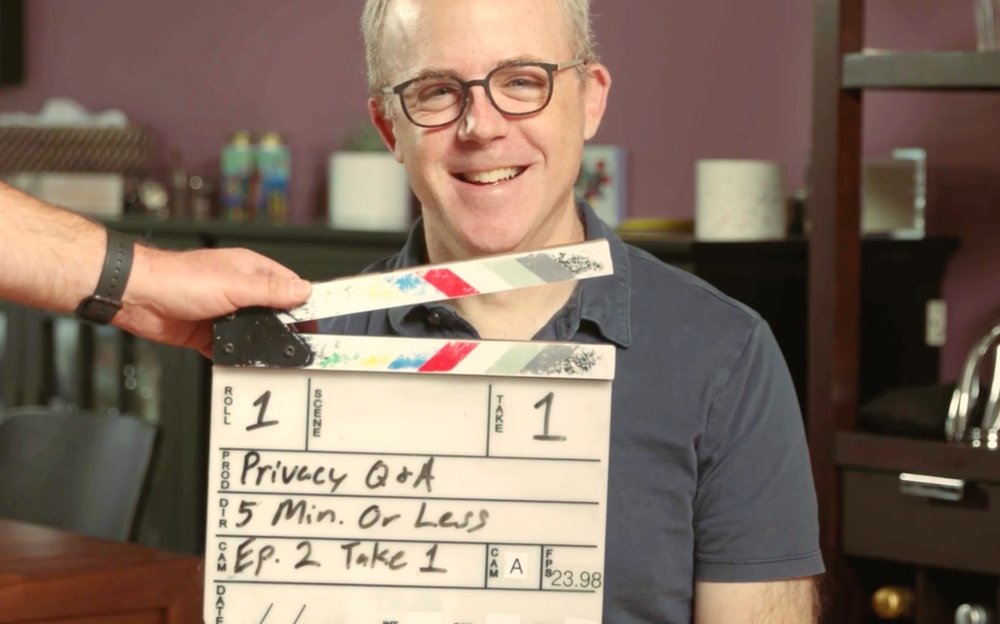
Behind ads privacy: our latest Publisher Privacy Q&A
Curious how the Privacy Sandbox will keep people’s data private?
In the second episode of our Publisher Privacy Q&A video series, we simplify how the technology behind the Privacy Sandbox works and how its solutions incorporate tested privacy practices into online advertising. We also explore how Chrome is designing new capabilities to help advertisers reach their audiences in more privacy-forward ways, and why we believe these solutions will last for the long term.
Questions covered in episode 2:
- How will the Privacy Sandbox solutions keep people’s data private?
- How will the Privacy Sandbox impact my advertisers?
- Will Privacy Sandbox solutions last?
Stay tuned for the third Publisher Privacy Q&A episode coming in January 2022. In the meantime, check out episode 1 of this series, and the Privacy Sandbox website for more information and the latest timeline on solution development, testing and releases.
How early-stage news publishers achieve sustainability
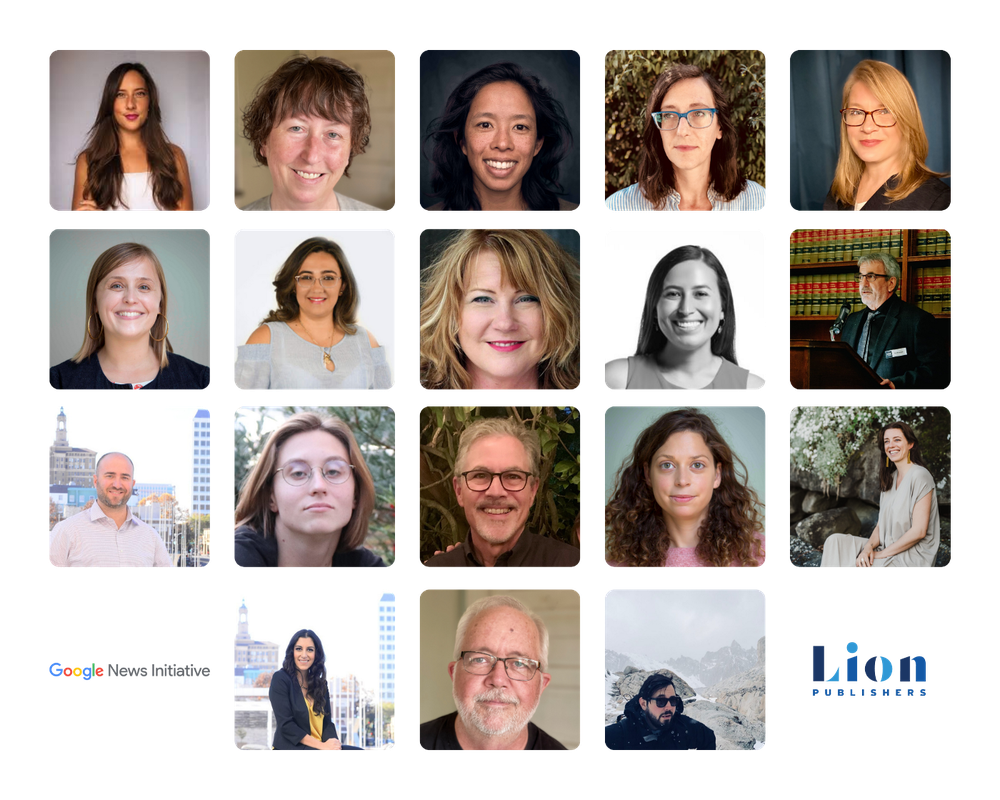
In December 2020, the Google News Initiative and LION Publishers launched the first-ever GNI Startups Lab in North America. By March 2021, 10 early-stage publishers had been selected to partake in an intensive, six-month accelerator program, during which they received coaching and financial support to help their businesses become more sustainable.
Today, we’re sharing a comprehensive report on this cohort of the GNI Startups Lab which documents everything that we learned during our time together, including the new strategies that digital publishers are using to build their businesses and connect with their communities.
Over the course of the Lab, it became clear that sustainability for independent news businesses lies at the nexus of financial health, journalistic impact and operational resilience. Many of the participants made terrific strides in making their businesses more resilient for the long-term:
- Amy Duncan is the founder and publisher of the Indianola Independent Advocate (IAA) in Central Iowa. A former Des Moines Register executive, Amy focused on improving her bandwidth as a founder, which meant learning how to develop operational workflows so that she can expand her team. Taking the advice of her dedicated Startups Lab coach, Amy added two part-time employees to IAA’s payroll. Expanding her team freed up more of Amy’s time to make crucial improvements to IAA’s digital advertising system and to explore adding programmatic ads to the website. “Before this program I didn’t realize, or accept, how much time I need to be spending on the business side. We’d been getting by on running subscription and revenue efforts when I felt like it, but I now know that I need to spend a large percentage of my time focused squarely on the business side.”
- Kara Meyberg Guzman has always been passionate about local news, even selling her car to help launch Santa Cruz Local in 2019. But it was not until recently that Kara realized the need to measure success beyond revenue and membership growth. Each team member now tracks their mental and emotional health and discusses the results at a weekly meeting. Measuring staff health led Santa Cruz Local to redistribute work among their team members and to implement a company retirement plan for full-time employees. “Through the GNI Startups Lab, I’ve learned that operational resilience — an ability for our team to work together to achieve shared goals, without burnout — is equally important,” Kara said. The Lab also helped Santa Cruz Local cultivate an experimentation mindset across all aspects of the organization, including implementing quarterly OKRs. “We learned how to divide tasks, build staff capacity, set measurable goals, track our progress, make room for small experiments, and say no to things that distract us from our purpose. Our team is so much stronger than we were a year ago.”
- Wausau Pilot & Review founder Shereen Siewert was concerned about the lack of news produced for and consumed by the large Hmong community in Wausau, Wisconsin. With support from her coach, Shereen developed an outreach strategy to help Wausau’s journalists to connect with the local Hmong community, including distributing surveys and in-person booths at local community events. Wausau grew their monthly non-English speaking audience by more than 20% during the Lab, and is building deeper connections with this historically underserved community. “Participating in the GNI Startups Lab was a game-changer for us. We left the program feeling much more confident about our sustainability and learned so much from our colleagues along the way.”
We are grateful to the 10 participating publishers of the North American GNI Startups Lab, both for their deep engagement with the program and for so generously sharing their learnings with the wider digital news ecosystem. This body of knowledge is already helping to power ongoing GNI Startups Labs in Europe, Hispanoamérica and India, and we look forward to announcing additional installments of the program in 2022.
GNI Startups Lab’s founder teams
In addition to the Lab Report, today we’re also sharing the results from the GNI’s inaugural GNI Startups Pitchfest, in which graduates from the North American cohorts of our Startups Lab and Boot Camp were invited to compete for additional funding. Nine Startups pitched a new experiment or initiative that could make their businesses more sustainable to a jury comprised of GNI and industry leadership. Congratulations to our winners:
- Annelise Pierce, Shasta Scout: Launching an innovative community engagement project to build trust, deepen coverage, and broaden readership
- Travers Johnson, Queerency: Creating a video ambassador program for content creators to produce smart, engaging, and viral-focused videos
- Megan Raposa, Sioux Falls Simplified: Developing a “Welcome Guide” to introduce new readers to the publication along with helpful content about local government, schools, resources and culture.
TikTok in campo contro le challenge estreme e pericolose

Netflix, 5 film di Natale 2021 da non perdere
The media platform helping Indonesians donate for good
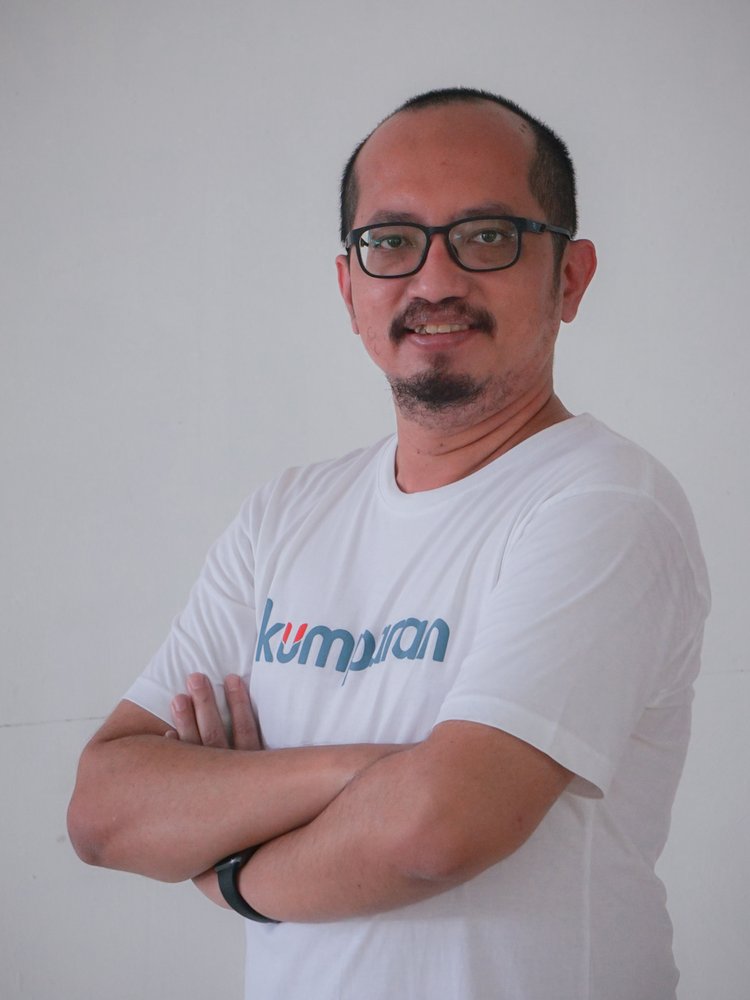
Editor’s note from Ludovic Blecher, Head of Google News Initiative Innovation: The GNI Innovation Challengeprogram is designed to stimulate forward-thinking ideas for the news industry. The story below by Andrias Ekoyuono, Chief of Corporate Strategy at kumparan, is part of an innovator seriessharing inspiring stories and lessons from funded projects.
As an avid news reader, I would read stories in the media every day about social problems and natural disasters, which made me want to help by donating to those in need. However, it was difficult to find a way to donate because I had to search for other websites that could channel the funds. I would also have to ensure that the donation was channeled by a credible party. My main takeaway became this: the experience of giving donations after reading the news should be easier.
Enter kumparan, one of the most widely respected online media organizations in Indonesia. Launched in 2017, it consists of 130 journalists and a media network across 34 provinces which helps media startups grow. It serves as a key resource, giving local media the opportunity to disseminate information and voice concerns at the forefront of Indonesia’s national consciousness. Its establishment has helped the general public to understand and empathize with the problems facing their neighbors every day.
In 2020, kumparan received funding from the Google News Initiative Innovation Challenge to help create kumparanDerma, a tool that shortens and streamlines the donation process to provide aid during disasters and emergencies.
The platform allows news consumers to have direct social impact, as they can read articles and give to causes that matter to them in a one-step process through available payment options. There have been ten donation campaigns across Indonesia, including in Riau, East Nusa Tenggara, North Sulawesi, Kalimantan, East Java, and West Java, resulting in over 1,400 transactions with a total readership of roughly 600,000 article views.
These campaigns have raised money for a host of different causes, including support for people whose homes had been destroyed by an earthquake and funding for a child in a remote area who needed a mobile phone to access online school classes during the pandemic.
Andrias Ekoyuono, Chief of Corporate Strategy at kumparan
One of the fundraising campaigns was “Blurred Portrait of Sikka Children, Struggling with Pain Amid Limitations.” Two children in Sikka (East Nusa Tenggara) had been suffering from malnutrition and hydrocephalus for years. Both had received treatment from local health facilities in the past, but were unable to receive treatment for a period of five months because of the cost of transportation to obtain their medicines. As a result, kumparanDerma opened donations to support these children’s daily needs. While one of the boys sadly died, the money raised was eventually enough to help the surviving child and three others in similar circumstances.
kumparanDerma — with GNI’s support — has helped facilitate change through news readers’ donations, ensuring their generosity and compassion reach people across Indonesia. As we continue to expand kumparanDerma, we hope that building out donation processes through news platforms is just the beginning of the social impact we can make together.
Google News Showcase, one year in
A little over a year ago we announced Google News Showcase, our new product experience and licensing program for news, to readers and publishers all around the world. Our goal is to help publishers more deeply engage with their readers and to help readers find, follow and support the news organizations covering the issues that matter to them. One year in, we continue to learn, update and expand the product, and we’ve seen strong, steady numbers both in terms of the number of publishers signing on for the product and how readers are interacting with the content.
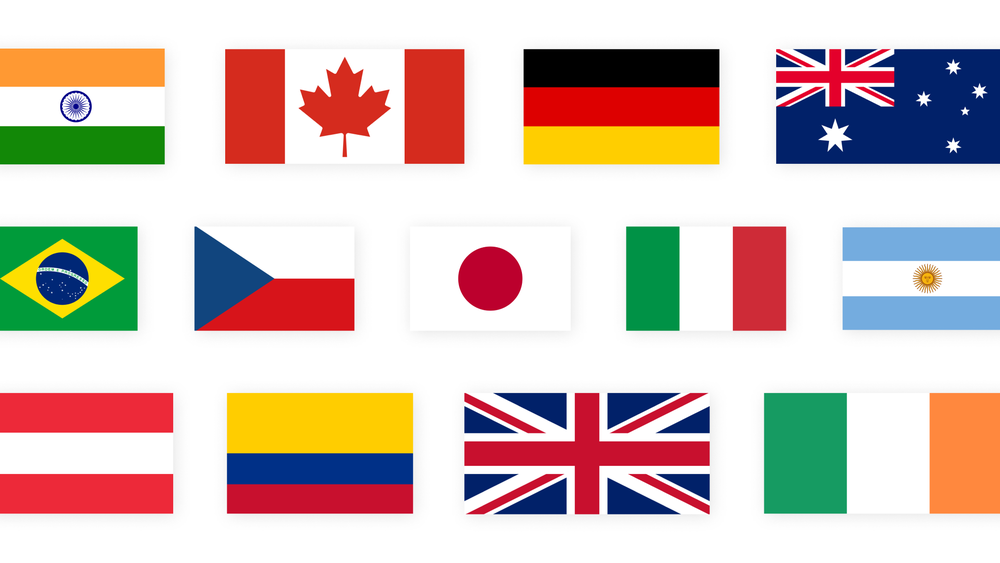
Since News Showcase launched in October 2020, we’ve signed deals with more than 1,000 news publications around the world and have launched in more than a dozen countries: India, Japan, Germany, Brazil, Austria, the U.K., Australia, Czechia, Italy, Colombia, Argentina, and just a few weeks ago we launched in Canada and Ireland. More than 90% of the publications that are part of News Showcase represent local or community news. Local news is an essential way for readers to connect to their communities and ensure they get the news that impacts their day-to-day lives.
Flags of the countries where News Showcase has been launched so far
We know how hard it can be to keep on top of the news. With News Showcase, readers see what stories key publications think are worth highlighting and get more insight directly from those publishers through curated panels. We give publishers a variety of News Showcase panel templates to use so they can give additional context to stories, add related articles, timelines and more. The panels give news publishers more direct control of their presentation and branding, helping them be more visible to their dedicated readers and to those who are just discovering them.
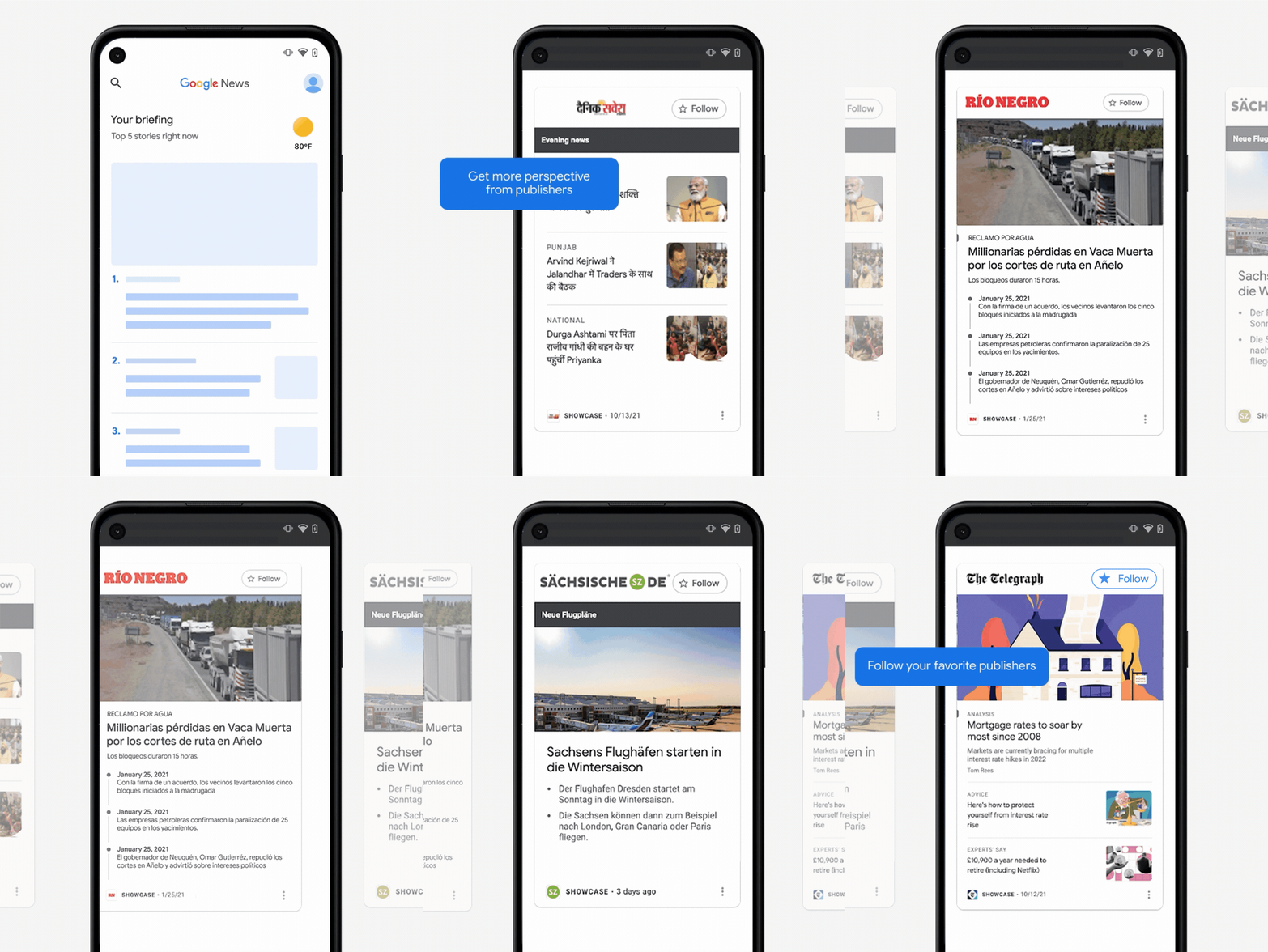
Examples of how some of our News Showcase partners around the world will appear in the product
News Showcase panels can appear across Google, currently on News and Discover, and direct readers to the full articles on publishers’ websites, helping them deepen their relationships with readers. In addition to the revenue that comes directly from these more-engaged readers, participating publishers will receive monthly licensing payments from Google.
“As a regional publisher in south and east Germany, a key objective for us is to expand our digital presence and reach to audiences,” says Daniel Torka, member of the executive board of NPG (Südwest Presse), a daily regional newspaper. “Using News Showcase has allowed us to more deeply engage our readers on important stories and give us more opportunities to tell stories differently.”
“I always work to increase the number of our users, to reach a wider audience,” says Clara Inés Araújo, editor in chief of El Pilón, a regional newspaper in Colombia. “For this, Google News Showcase has been a strategic ally. With nice designs, readers feel closer to our stories. We provide them with organized information about what is happening in our region and the country. The future is about working together, and Google News Showcase is a great example.”
“Local newspapers create essential reporting for their communities,” says Kobe Shimbun, a local newspaper in Japan that covers Hyogo Prefecture. “However, in the digital era, we need to build more touch points for us to be discovered by those readers. Google News Showcase provides us a new way for readers to find the articles they need, and enables us to strengthen our relationships with them.”
“Le Devoir is a proud partner of Google News Showcase. Google’s assistance and tools are critical in Le Devoir’s strategy to build a digital audience,” says Brian Myles, editor of Le Devoir, a Quebec-based independent news publisher. “We rely mainly on digital subscriptions and our business model is sustainable. In this regard, Google News Showcase fits perfectly with our current efforts to build a larger community of readers. This partnership will bring us a step forward in our digital transformation, while delivering our trusted and fact-based brand of independent journalism to a wider audience.”
One year in, we’re seeing robust numbers from News Showcase that indicate both publishers and readers are getting value from the quality curated content found in the product.
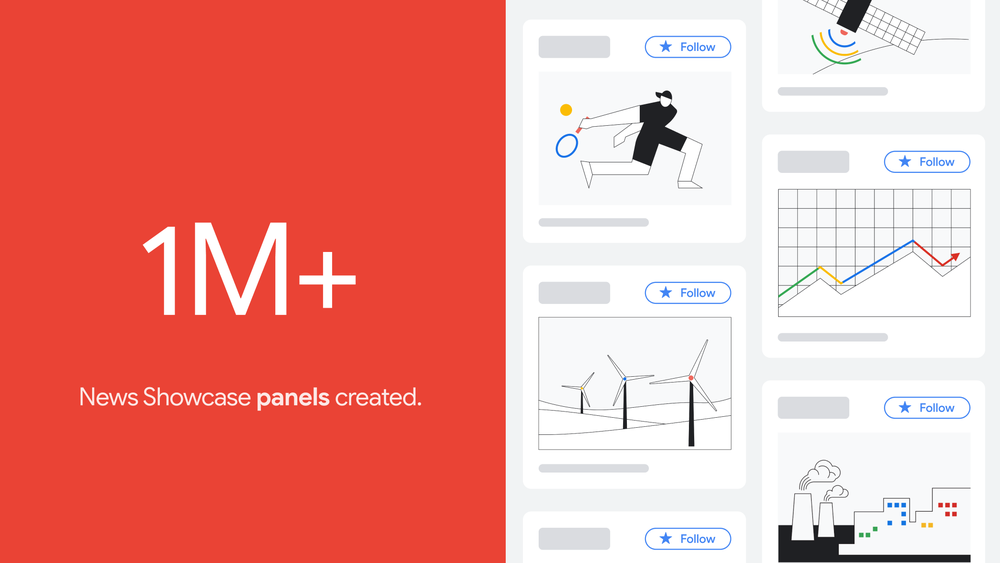
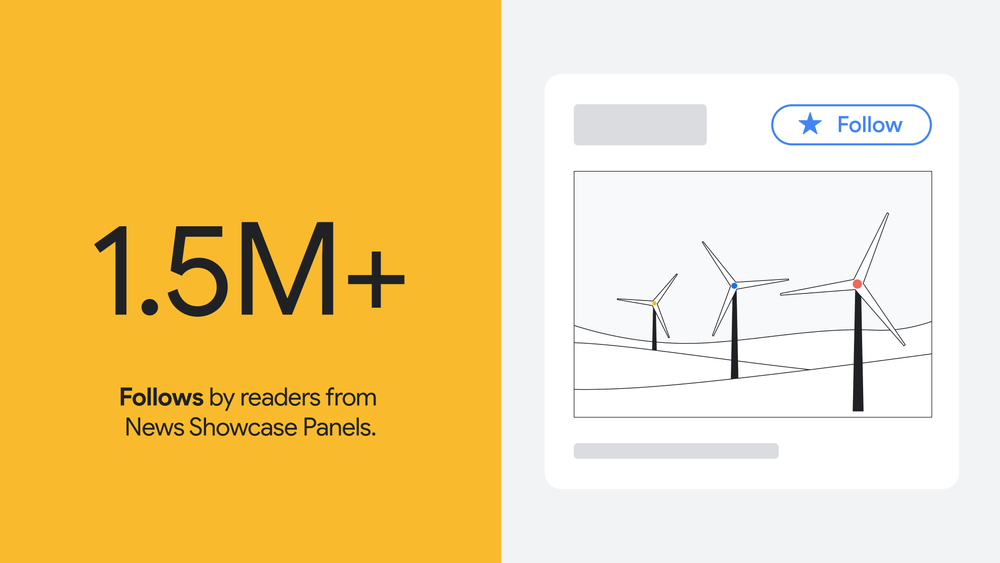
To start, participating publishers have created over one million News Showcase panels to date. And readers clearly like what they see. People have tapped the Follow button on News Showcase panels over 1.5 million times, showing they’re looking for more content from their favorite publishers or ones they have just discovered. By following a news organization on News Showcase, readers are ensuring that they get to see regular updates from these publishers every time they open Google News.
To further strengthen these relationships, we offer News Showcase readers the ability to read expanded access to select content from publishers. This feature means readers will have the opportunity to read more of a publisher’s articles, encouraging them to learn more about the publication — and potentially subscribe. Combined together, these features and numbers show that the product is supporting news organizations’ mission of reaching readers and helping to bring a deeper engagement.
We’re continuing to work with news organizations to learn more about how people engage with News Showcase to ensure we’re delivering on our long-term goal of strengthening the relationship between readers and publishers.
News Showcase is just one of our investments in our ongoing commitment to support journalism around the world. Through both our services and direct funding of news organizations, Google is one of the world’s biggest financial supporters of news. With the Google News Initiative, we offer training in digital skills and capabilities, programs like GNI Startups Lab and the GNI Digital Growth Program to accelerate small and mid-sized news organizations’ business growth, and products like News Consumer Insights and Subscribe with Google to help publishers understand their audiences and grow reader revenue. Since we launched the GNI in 2018, we’ve worked with more than 7,000 news partners in over 120 countries and territories and trained more than 450,000 journalists in 70 countries. More details on our GNI work over the past three years is available in our impact report.
Alongside governments, other companies and civic society, we’re dedicated to continuing to find ways to engage readers with journalism that matters to them and supporting the sustainability of the news industry around the world.