Extending our voluntary return to office
Our CEO, Sundar Pichai, sent the following email to Google employees earlier this morning. The email has been edited to remove internal links.
Hi Googlers,
The COVID-19 pandemic has been a humbling challenge for all of us and I continue to be impressed by the way our teams are navigating through it. In spite of these challenges, I’m happy to say that a large number of offices globally are already open for business, and we are welcoming back tens of thousands of Googlers on a voluntary basis. Given that conditions around the world are still highly variable, I wanted to share how we’re planning to approach the next few months:
-
First, as offices continue to reopen, we hope to see more teams coming together where possible, whether it be for regular team meetings, brainstorming sessions around a whiteboard, or outdoor socials. For some locations, conditions are starting to improve, yet in many parts of the world the pandemic continues to create uncertainty. Acknowledging that, we’ll extend our global voluntary return-to-office policy through January 10, 2022 to give more Googlers flexibility and choice as they ramp back.
-
Beyond January 10, we will enable countries and locations to make determinations on when to end voluntary work-from-home based on local conditions, which vary greatly across our offices. To make sure everyone has ample time to plan, you’ll have a 30-day heads-up before you’re expected back in the office.
-
Finally, encouraging Googlers to rest and recharge during this time remains a big priority so we will plan two more global reset days next quarter: Oct 22 and Dec 17.
The road ahead may be a little longer and bumpier than we hoped, yet I remain optimistic that we will get through it together. It’s heartening to see Googlers starting to come back to more offices globally. The ability to reconnect in person has been re-energizing for many of us, and will make us even more effective in the weeks and months ahead. Thanks for all the great work thus far; look forward to a busy Q4 as we continue to find new ways to be helpful to people everywhere.
-Sundar
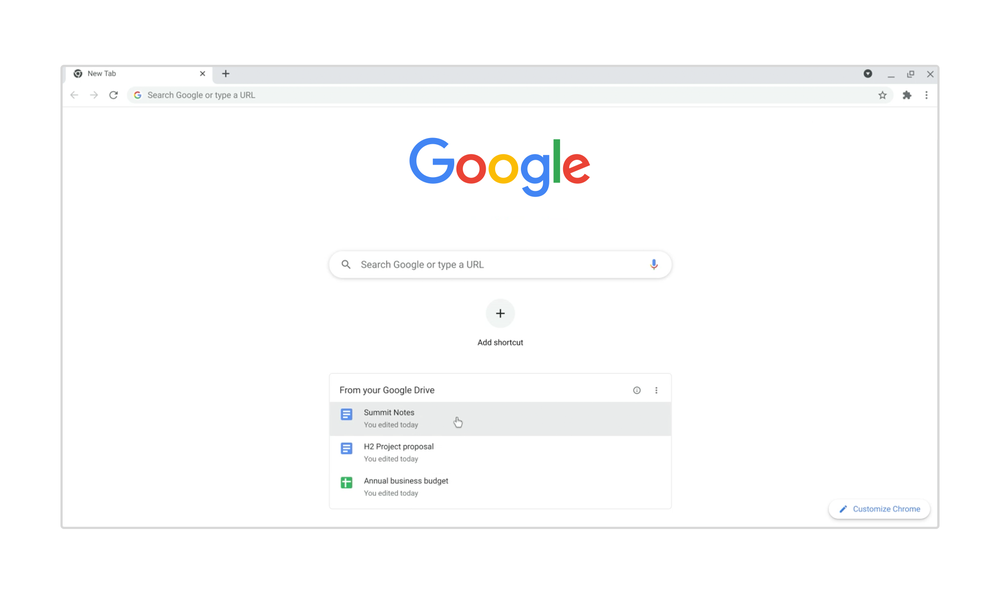
Testing new ways to explore and share through Chrome
When we work on new features for Chrome, we rely on feedback from the millions of people who use it every day. Hearing from people helps us build better features for them. And test builds, like Beta channel of Chrome, are some of the best ways for us to get input on new features, so we can fine-tune them before they are released.
Flags and experiments in Chrome Beta let you choose which in-development features you want to test out before they hit the main stage. With our latest Chrome Beta release, you can try out some upcoming features that can help you more easily explore, keep track of, and share the things you find on the web.
Get things done faster with cards on the New Tab Page
Looking for that taxes spreadsheet you opened yesterday, but don’t want to spend time searching through your history? We’re starting to roll out cards on the New Tab Page that help you pick up where you left off based on your browsing history if you are signed into Chrome. The cards make it easy to revisit past activities or tasks, like planning a meal, shopping for a gift or working on a document in Google Drive. Try the feature by enabling the #ntp-modules flag on your computer. Here are a few ways they’ll show up:
- Recipes (#ntp-recipe-tasks-module): Find recently-visited and related recipes when you open a new tab, so you can rediscover that delicious-looking marinara recipe, and others like it.
- Shopping Cart (#ntp-chrome-cart-module): Don’t lose that deal — pick up on your shopping right where you left off. When you step away or browse on other sites, you can jump back into your open carts just by opening a new tab.
- Docs (#ntp-drive-module): Cards on the New Tab Page can help you find your way back to recent documents you’ve opened in Google Drive. They can also help you find relevant docs recently edited by collaborators, so it’s easy to cross things off your to-do list.

Preventing overdose: Google parents share their stories
Note – this blog post includes stories of loss, and may be upsetting for some readers.
Google is committed to improving the lives of as many people as possible. This includes promoting awareness to prevent drug-related overdoses and deaths, and highlighting recovery support services for people in or seeking recovery from addiction. For parents like us who’ve lost children to drugs, this mission to help and heal families is deeply personal.
We’ve chosen to share our stories today, which is International Overdose Awareness Day, a global event to bring attention to the issue of drug overdoses and to reduce the stigma associated with both drug-related deaths and non-fatal overdoses. The Centers for Disease Control and Prevention (CDC) reported overdose deaths in the U.S. accelerated during the COVID-19 crisis, as people struggling with depression, anxiety and substance use disorders experienced increased isolation, fear, desperation and hopelessness.
More than 93,000 people died of a drug overdose in the U.S. in 2020 ー the highest number of overdose deaths ever recorded in a 12-month period. As Google employees and fathers who recently lost our own sons to overdoses, these numbers are more than just statistics to us. They are our children’s lives cut short, their futures stolen. We’re sharing our stories here in hopes of helping others gain the knowledge and find the resources to prevent future overdose deaths.
Jan’s story: Remembering Linus

Il nuovo iPhone 13 potrebbe supportare connessioni satellitari 5G

Arriva in Italia Xbox All Access, nuovo abbonamento tutto incluso

Telegram supera il suo primo miliardo di download

A blueprint for clean energy in Europe
Imagine a world where you could decarbonize your business just by asking your energy provider to do so. That’s exactly what we’re setting out to do at Google: to show it can be done, but more importantly, to make it easier for others to do the same.
Today’s agreement with ENGIE, a large European utility, is helping us do just this. As part of our broader announcement that, between now (2021) and 2030, Google will be investing approximately 1 billion euros in digital infrastructure and clean energy in Germany, Google has signed a first-of-its-kind agreement in Europe to purchase the clean energy that will help ensure that our operations in Germany will operate at nearly 80% carbon-free energy on an hourly basis beginning in 2022. In line with our 2030 commitment to operate on carbon-free energy 24/7 at all our campuses and data centers worldwide, we will continue to work to increase this percentage to 100%.
Beyond our own goals, this agreement establishes a roadmap for other companies to follow as we work together to decarbonize electricity use and support Europe’s green recovery.
A new way to buy and sell clean energy
Sourcing carbon-free energy every hour of the day is an incredibly difficult task and will require innovative technological and contractual solutions. In 2010, Google became an early pioneer of purchasing carbon-free energy through individual Power Purchase Agreements (PPAs), complex arrangements that not all energy customers are able to use. Companies can also purchase clean energy via unbundled Energy Attribute Certificates (EACs), which historically have a limited impact on driving clean energy deployment, though we are working to change that. To completely decarbonize our operations — and to make it easier for other organizations to do the same — we are working with our partners to rethink how we buy carbon-free electricity.
Under the terms of the agreement we are announcing today, ENGIE will assemble and develop a carbon-free energy portfolio on Google’s behalf that has the ability to flex and grow as our needs change in the region.
Jointly with ENGIE, Google will purchase electricity from 23 renewable energy projects in five German states. Some will be newly-built from scratch. Others (such as existing onshore wind projects that will no longer receive national subsidy support) will see their life extended, so they continue to produce clean electricity instead of being dismantled. By working with our energy suppliers to transform the way clean energy is delivered to customers, Google is supporting Germany’s decarbonization goals.
A greener cloud for Germany and beyond
Together with today’s announcements of a new cloud region in Berlin-Brandenburg and the expansion of our existing cloud region in Frankfurt, we are pleased to continue delivering one of the cleanest clouds in the industry to our customers. More and more companies are incorporating environmental, social and governance targetsinto their technology strategies. We’re committed to help IT organizations, and our users, take action today to lower the carbon emissions of their cloud applications. Because of this agreement, European customers will have another low-carbon option where they can run their cloud workloads.
We are excited to add more projects like this in the coming years and continue to work on solutions to reach Google’s ambition to operate on carbon-free energy every hour of every day by 2030, all while supporting Europe’s green transition. Already today, two thirds (67%) of our energy needs are met with locally sourced clean energy on an hourly basis. We will continue to report on our progress, and to share tools and best practices with the wider industry to advance decarbonization on a global scale.

Antibufala: l’iPhone 13 comunicherà via satellite!
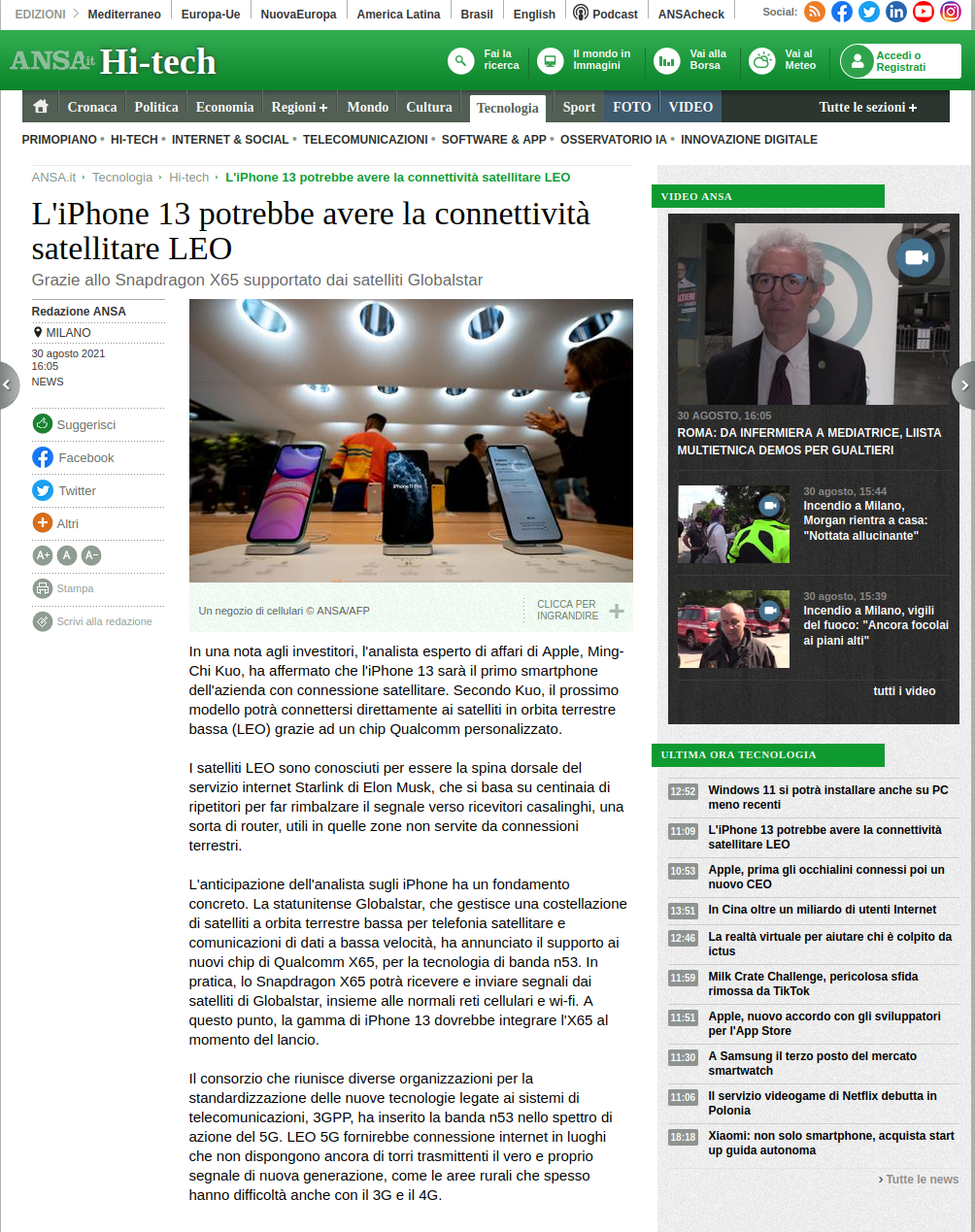
Da qualche giorno impazza non solo tra gli appassionati e gli specialisti ma anche nei media di massa una notizia secondo la quale il prossimo iPhone, il 13, sarà dotato della capacità di telefonare via satellite.
ANSA, per esempio, parla di “connettività satellitare LEO”, dove LEO sta per Low Earth Orbit (orbita terrestre bassa), e precisa che si tratterebbe di “connessione internet” da fornire “in luoghi che non dispongono ancora di torri trasmittenti”, quindi di un sistema satellitare bidirezionale. Ne parlano anche Punto Informatico, Engadget, Gizmodo, HDBlog, Business Insider, The Verge, CNBC, Slashdot e tanti altri.
La notizia, però, si basa esclusivamente sulle dichiarazioni di un singolo “analista esperto di affari di Apple, Ming-Chi Kuo”, che a loro volta si basano su una sua deduzione riguardante la presenza di uno specifico componente nei futuri iPhone. Questo componente, secondo lui, rivelerebbe l’intenzione di Apple di usare le reti satellitari per i propri telefoni.
Ma c’è un fatto tecnico che indica che si tratti molto probabilmente di una bufala generata da un equivoco, a meno che Apple abbia realizzato almeno un paio di miracoli tecnologici.
Il fatto tecnico è che un telefonino che faccia comunicazione satellitare bidirezionale ha bisogno di un’antenna piuttosto ingombrante, che non può essere miniaturizzata più di tanto.
I telefonini satellitari attuali, quelli capaci di fare e ricevere telefonate e connettersi a Internet collegandosi a satelliti, hanno antenne come questa:

Ci sono anche dispositivi satellitari con antenne meno mastodontiche, ma non consentono di fare chiamate o di connettersi a Internet: sono i cercapersone satellitari, come questo di Garmin, che consentono di inviare e ricevere brevi messaggi di testo, e sono i dispositivi di localizzazione di emergenza via satellite (PLB o Personal Locator Beacon), come questo o addirittura integrati in orologi da polso, che non possono mandare neanche messaggi ma si limitano a inviare ai satelliti di localizzazione un semplice segnale radio che dice soltanto “io sono qui”.

Sono estremamente compatti, ma hanno comunque un’antenna cospicua e sporgente, che va estratta per usarli. Riuscite a immaginare un iPhone con un bozzo antiestetico del genere? O due fili penzolanti? No, vero?
A scanso di equivoci, aggiungo che è vero che gli attuali iPhone comunicano con i satelliti GPS, ma è una comunicazione unidirezionale, non bidirezionale. Per usare il GPS i telefonini si limitano a ricevere segnali dai satelliti, ma non ne trasmettono (cosa che richiederebbe appunto un’antenna piuttosto ingombrante). Qui la diceria parla di trasmettere e ricevere. Addirittura di fare chiamate a voce.
—
Ci sono varie ipotesi sulla genesi di questa storia: una è spiegata qui da Sascha Segan. In ogni caso, sembra che tutto sia iniziato dal fatto che un chip presente a bordo dell’iPhone 13 sarebbe in grado di usare la banda di trasmissione denominata b52/n53 (a 2,4 GHz), che Globalstar vuole adoperare per potenziare le comunicazioni cellulari, e siccome Globalstar è nota per le comunicazioni satellitari qualcuno ha immaginato che questo volesse dire che l’iPhone 13 potrà fare telefonate via satellite.
Un’altra ipotesi è che, come segnala Mark Gurman su Bloomberg sulla base di indiscrezioni, Apple stia lavorando all’idea di offrire funzioni di sola messaggistica satellitare nelle versioni future dell’iPhone, non nella versione 13 (“the features are unlikely to be ready before next year […] The features could also change or be scrapped before they’re released”). Questo potrebbe aver portato al malinteso.
Sapremo come stanno realmente le cose tra un paio di settimane, alla presentazione dell’iPhone 13, che intanto grazie a questa diceria ha ricevuto montagne di pubblicità gratuita.

Rainbow Six Siege nella PlayStation Tournaments Open Series

Corre il Superbonus. Oltre 30.000 i lavori autorizzati
Corre il Superbonus : determinante l’effetto semplificazioni che introduce la CILA semplificata, che riduce parecchio gli adempimenti di progettisti, amministratori, uffici tecnici comunali e condomini. Senza nulla togliere, il potere…
L’articolo Corre il Superbonus. Oltre 30.000 i lavori autorizzati scritto da Paolo Brambilla proviene da Assodigitale.

Lenovo ThinkPad X1 Nano: piccolo, sottile ma completo

Cyberbullismo: online una guida di facile consulto su tutele

How to Elevate Post Pandemic B2B Marketing with Always-On Influence
As we collect data for the new State of B2B Influencer Marketing Report, it remains to be seen whether last year’s 96% of B2B marketers feeling confident about influencer marketing will come out, especially after the effects of the pandemic. With the shift in B2B go to market models towards digital first, influencer engagement has increased for many marketers as an alternative to spending on field marketing, real-world events and trade shows.
As B2B buyers increasingly rely on digital sources of information, stats like 74% of B2B marketers say influencer marketing impacts customer and prospect experience, become even more important. While that confidence before and since the pandemic has opened doors to many more B2B brands experimenting with, piloting and becoming more familiar with influencer engagement, that increase in activity has increased competition. So how can B2B brands raise the bar on their influencer marketing efforts?
Here’s a pretty compelling statistic from the State of B2B Influencer Marketing Research Report:
12X more B2B marketers are very successful running Always-On influencer programs vs. those who engage periodically.
Always-On Influencer Marketing is the practice of ongoing relationship building, engagement and activation of a specified group of influencers to build community, content and brand advocacy. The importance of Always-On influence is more important than ever in a customer centric world of B2B Marketing. As Brian Solis, Global Innovation Evangelist at Salesforce says,
“Always-On thought leadership and influence are more important now than ever because the customer never turns off.” @briansolis
In our research and survey of hundreds of B2B marketers, we found some key benefits of an Always-On approach to working with B2B influencers:
- 75% Increased views of brand content
- 70% Improved credibility of brand content
- 60% Increased share of voice
- 55% Increased media mentions of brand
- 50% Increased brand advocacy
Always-On Influence Builds Momentum in B2B Marketing
The great irony of how many B2B brands work with influencers and an Always-On approach is that many marketers see influencer marketing the same as buying advertising on-demand. They want to work with influencers only when they need them to amplify content for a campaign. That’s just not how it works – engaging with influencers only when you need them to do something for you.
Influencers are people and Influencer Marketing is a relationship business. An Always-On approach to working with influencers still involves campaign level activations, but also a planned and persistent effort to intelligently using insights to monitor, engage and advance mutual goals between the brand and influencers. Smart B2B marketers apply Always-On best practices like ongoing nurturing, repurposing of influencer content, micro-activations, public and private influencer engagement, development of an influencer community and inspiring organic advocacy.
What does Always-On B2B Influencer Marketing look like in action?
LinkedIn has built relationships with a 75+ strong sales and marketing influencer community of industry professionals using an Always-On approach to influencer engagement.
Starting with an Always-On focused approach in the influencer marketing strategy, influencers were researched according to criteria, qualified and engaged. Then rather than activate them all for a short term campaign, those influencers were nurtured and activated on an ongoing basis through varying types of content tactics ranging from simple social interactions to contributions to content and eventually building up (for some) to be featured in marketing assets on the LinkedIn platform itself.
LinkedIn Always-On Influencer activations:
- Social First Influencer Content on LinkedIn
- Influencer Interviews
- eBook Contributions
- In-Person Event to Co-Create Content
- Conference Mixers
- Ongoing Social Nurturing
Results from an Always-On approach over a small slice of time include:
- 2,000+ brand mentions by influencers & networks
- 84 Million in social reach through influencer shares
- 200-450% above benchmark social engagement
LinkedIn is very much in tune with how they want to be known in the industry and what that reputation, thought leadership and credibility means in combination with the importance of authenticity and trust. Developing relationships with the people who are actively driving conversations, opinions and actions in the industry empowers both LinkedIn with an on-demand community of advocates as well as the influencers who gain even greater credibility through association with the LinkedIn brand and the quality of the content collaborations.
“An Always-On approach means the relationship ceases to be “transactional”. Because of this foundation, we’ve been able to immediately activate influencers for external, public-facing advocacy and amplification.” Garnor Morantes, Group Marketing Manager, LinkedIn
Using an Always-On approach to engaging B2B influencers can help marketers achieve some important outcomes, especially with a digital first focus by customers on where they discover, consume and engage with credible information to make purchase decisions:
- Strengthen brand awareness
- Improve industry credibility
- Warm the market for biz dev & sales
- Drive demand & lead gen with content
- Inspire word of mouth advocacy
- Build trust for the brand & solutions
- Become the best answer for the brand’s areas of expertise
To learn more about Always-On Influencer Marketing check out our influencer marketing series of posts or talk to one of our experts at TopRank Marketing where we’ve worked with numerous mid-market and enterprise B2B brands to create marketing experiences that inspire.
“TopRank Marketing is the Gold Standard when it comes to B2B Influencer Marketing.”
@BrianSolis, Global Innovation Evangelist at Salesforce
The post How to Elevate Post Pandemic B2B Marketing with Always-On Influence appeared first on B2B Marketing Blog – TopRank®.
Celebrating five years of Google for Startups in Brazil
An inspiring song here in Brazil goes: “Um passo à frente e você não está mais no mesmo lugar”— a step forward, and you’re not in the same place anymore. While singer Chico Science passed away before the tech boom, his words predicted the rapid transformation of the Brazilian startup world over the past half-decade.
When we opened Google for Startups Campus Sao Paulo in 2016, Brazil was in a deep recession. Only slightly more than half of the population had access to the Internet, let alone used it daily. International funds were skeptical of the growth of our mere 5,000 startups, none of which were “unicorns” (companies valued at over $1 billion).
Just five years later, there are now 141.6 million internet users in Brazil, now the world’sfifth-largest online population. The 250+ startups in our network have created more than 15,000 jobs and raised more than BRL 35 billion (USD $7 billion). Google for Startups Brazil has trained more than 30,000 entrepreneurs at more than 1,500 in-person and virtual events. The local startup ecosystem is growing so rapidly that in the three months since we finalized our five-year impact report the number of Brazilian unicorn startups has grown from 15 to 17, including six companies that graduated from Google for Startups programs.
The story of Google in Brazil is deeply connected to this tech transformation. Our presence in the country kickstarted with theacquisition of local search engine startup Akwan. Ever since, Google for Startups’ mission has been very intentional: to help founders solve Brazil’s biggest challenges. Startups like fintech giant Nubank, which became the biggest digital bank in the worldby offering underbanked Brazilians fee-free credit cards; health-tech gamechangers like Vittude, which is making mental health care accessible to all; resources likeContabilizei that empower Brazilians to tackle bureaucracy; and digital platforms like Trakto that have reignited regional economies by helping local entrepreneurs learn digital skills.
And who becomes a founder is changing, too. 88% of the startups in our network have women in leadership positions, 53% have a leader who identifies as LGBTQIA+, and 58% counted at least one Black leader. While these are steps in the right direction, we still have a long way to go to level the playing field for aspiring entrepreneurs of all backgrounds. Over 56% of Brazilians self-identify as Black, but one-third of Black entrepreneurs in Brazil report being denied funding. So last year we launched the Google for Startups Black Founders Fund—the first of its kind in Brazil—to not only boost racial diversity in the startup ecosystem but also create economic opportunity for all Brazilians by supporting high-growth, Black-led companies.
The past year also brought unprecedented devastation — and digital transformation — across our country. There have been more than 20 million cases of COVID-19 and over 570,000 deaths in Brazil, and unemployment hit an all-time high in March. Startups from the Campus Sao Paulo community fueled economic recovery by creating 2,000 jobs in 2020, a 33% increase over 2019. “The Google brand helped us forge relationships of trust,” said Lincoln Ando, CEO of idwall, a security tech startup that graduated from Google for Startups Residency and Accelerator programs and raised $38M during the pandemic. “We still have a lot to achieve in Brazil, but we see a big opportunity to take our mission even further.”
Each step forward presents new challenges, but reinventing the day-to-day is what startups do best. While I am incredibly proud of what Google for Startups has accomplished over the past five years, the real privilege is helping founders start, build, and grow the companies that will take Brazil—and the world—into the future.