
Fuel Your Passion for B2B Marketing with These Famous Baseball Quotes
A few weeks ago, Major League Baseball enjoyed a historic moment with its Field of Dreams Game, played at the cornfield-surrounded site in Iowa where the legendary movie was based.
Naturally, this event brought on waves of nostalgia among those who cherish the 1989 classic and its many memorable quotes.
“If you build it, he will come.”
“Hey dad, you wanna have a catch?”
“This field, this game: it’s a part of our past, Ray. It reminds us of all that once was good and it could be again.”
Baseball is a complex and strategically sophisticated game that has evoked many wise and thought-provoking words over the years — often with applicability beyond the ballpark. I’ve noted in the past baseball’s parallels to marketing: methodical and rhythmic pursuits driven by patience, sequencing, and learning from failure.
As the MLB season enters its stretch run and the summer fades away, I thought it might be fun to run through some of my all-time favorite baseball quotes and extract insights about the current world of B2B marketing.
7 Baseball Quotes that Offer Sage B2B Marketing Insight
“The key to winning baseball games is pitching, fundamentals, and three-run homers.” — Earl Weaver
This is one of my favorite baseball quotes, courtesy of an iconic manager and Hall of Famer. Weaver is essentially speaking to the underlying randomness of baseball — the juxtaposition of controllable and uncontrollable factors.
You can develop good pitching. You can teach good fundamentals. You can even build a lineup full of sluggers. But that game-changing three-run homer (or better yet, grand slam) is ultimately a matter of chance and timely circumstance. Which is not to say you can’t improve your odds by taking good at-bats, getting on base consistently, and doing the little things well.
In our world, a fitting corollary for Weaver’s quote might be, “The key to winning in B2B marketing is engagement, trust, and landing a multi-million deal.”
“There may be people that have more talent than you, but there is no excuse for anyone to work harder than you do.” — Derek Jeter
Swap out “talent” for “budget” and you’ve got a good guiding mantra for any small business or lean marketing team. It is a plain reality that certain organizations and teams are equipped with fewer resources than the big fish, but that doesn’t mean they can’t compete on the same field. They just need to work hard, think outside the box, and create their own advantages.
“You can observe a lot by watching.” — Yogi Berra
Yogi was the king of quintessential quotes, so it was difficult to pick just one from him. This selection, like many from Mr. Berra, is a seemingly benign and obvious remark that is actually rather insightful.
Baseball fans and players alike know how much more can be perceived and understood with a keenly attentive eye: the outfielder playing too shallow, the pitcher tipping his changeup, or flags in the stadium indicating a favorable wind channel.
The same could be said for tracking marketing activities or gathering customer insight. Marketers can observe a lot by closely watching their campaign metrics, their audience behaviors, and the many other data points pertaining to their activities.
“No matter how good you are, you’re going to lose one-third of your games. No matter how bad you are, you’re going to win one-third of your games. It’s the other third that makes the difference.” — Tommy Lasorda
This quote from another Hall of Fame manager in Lasorda, who sadly just passed earlier this year, offers great perspective on the big-picture mentality needed for a marathon baseball season. No team is ever going to go 162-0 and no marketer is ever going to convert 100% of potential prospects. Some will find their own way to your product or service, others will never even seriously consider it. It’s what we do with that third bucket — the customers who might be interested but haven’t discovered your brand, or the ones who are weighing options but undecided — where marketing makes an impact and shows its indispensable value.
“Every strike brings me closer to the next home run.” — Babe Ruth
To be successful in baseball, one needs to accept and even embrace failure, as the Bambino exemplifies here. You can record an out in seven of every 10 at-bats and still be a great hitter. Ruth himself made more than 5,000 outs over the course of his career. But he didn’t let that get him down, or stop him from achieving incredible feats that easily overshadowed the negative outcomes.
Marketers are wise to adopt a similar mindset. The average clickthrough rate for a Google Ad is less than 2%. Even the highest-performing landing pages have conversion rates around 10%. Not every piece of content is going to hit home or drive direct revenue. But if you’re taking the right approach, and optimizing continually as you go, every failure will bring you closer to your next big success.
“To not look at the data is foolish, but to look at the data as having all the answers is even more foolish. It is a collision of new-school statistics and statisticians against old-school managers, coaches, and instructors. Neither side is right, neither is wrong; there is so much to be gained from listening to both sides.” — Tim Kurkjian
An analytical revolution is taking place in baseball, and as the seasoned ESPN baseball analyst Kurkjian alludes to here, it can be divisive.
No one can deny that completely ignoring data capable of informing and improving your performance is irresponsible, especially with the abundance of insight now at our fingertips. At the same time, there’s still a place for intuition, instinct, and experience to play an important role.
Compared to our B2C counterparts, B2B marketers can be especially susceptible to getting caught up in the cold, calculated, rational dimensions of decision making and strategy. But at the end of the day, we’re humans, and so are our customers. Data should always support our efforts but creativity, emotion, and empathy must lead the way.
“It’s unbelievable how much you don’t know about the game you’ve been playing your whole life.” — Mickey Mantle
In my mind, the greatest marketers are defined by their endless curiosity, and ability to challenge what they think they know. Even if they’ve been in the game for decades.
In fact, that’s more or less a requisite for success in this field. There’s always something new to learn, or a false assumption to dismantle. What works today might not work tomorrow. The changing sentiments of customers and the ever-shifting mechanisms of commerce keep us on our toes. It’s one of the foremost challenges of our discipline, and also one of the biggest thrills.
Cover Your B2B Marketing Bases
Unlike baseball, B2B marketing has no offseason. Our learning and growth takes place year-round. Along this journey, it’s always helpful to absorb nuggets of wisdom and enlightenment wherever we can find them — be it a respected influencer, an inspiring colleague, or a Hall of Fame baseball player.
Looking for more quotes that can alter your perspective and energize your marketing efforts? Check out Lane Ellis’ post from last year highlighting 10 wise quotes to inspire your influencer marketing.
The post Fuel Your Passion for B2B Marketing with These Famous Baseball Quotes appeared first on B2B Marketing Blog – TopRank®.

South African Googlers get moving for good
Throughout the pandemic, many of us have spent too much time on the sofa — but Artwell Nwaila changed that for himself and some of his colleagues. Artwell is the Head of Creative and co-lead on Google’s Disability Alliance in South Africa. This week The Keyword spoke to Artwell about getting Googlers moving for a great cause — the Nappy Run — over the next few months. For those looking to inspire their own organizations with creative, competitive ways to fundraise, do try this at home.
First, what’s the Nappy Run?
The National Council for People with Disabilities (NCPD) based in South Africa hosts a few major initiatives in the country to promote and protect equalization of opportunities and realization of human rights for people with disabilities. One of the main annual events they host is the Nappy Run, an initiative to raise money and ongoing awareness for children with disabilities who are in need of essential nappies — known elsewhere in the world as diapers. When the world was open, people would gather in November to run, walk, wheel or stroll to raise funds. This year will look different — with a virtual event — but we’re hoping to give them a big head start with Googlers running through September and October to raise money for stacks of good quality nappies.
How did you get involved?
I sit on Google’s Disability Alliance in South Africa with my co-lead Stephan Schoeman, and came across the Nappy Run last year. There are many ways to give back at Google but this was an area where I really wanted to have an impact. We chose to work with NCPD to get their guidance in the area and make sure we were respectful to what people actually need and where we can meaningfully help. The Nappy Run resonated with me — not least because I have kids and can’t imagine them in a situation where they didn’t have access to nappies. This is the initiative we are working hardest to get attention for. We pitched them the idea of our group holding an internal event, using their name and getting together enough money so that by the time they start the Nappy Run, they have a good baseline to fire things up.
How are you raising the money?
From September 1 to the end of October we’re asking Googlers to rack up kilometers traveled, with a suggested donation of $16 or 250 rand per 10 kilometers. That’s the cost of a good pack of nappies in South Africa so it’s a nice way to understand how much they have contributed. We’re using the Strava app, so people will join the group, wrack up their kilometers and see how everyone else is doing. One of our Googlers is an ultramarathon runner so there’s no way we are pushing the competition element too hard. For those who can’t do something active, they can just donate directly and Google is going to match the donations dollar for dollar.
What’s next for the Disability Alliance in Sub-Saharan Africa?
After our first sign language class last year, we’re now working on a series of sign language classes for Googlers to make our region more inclusive. We’re partnering with an organization in the U.S. to find region-specific teachers, since sign language differs in Kenya versus South Africa for example. And Google is paying for employees’ classes for employees. It’s a six class course to get an entry level amount, with the option to proceed to advanced levels afterwards, which I’m hoping some will do!

Amazon Prime Wardrobe: 7 giorni per provare gratis gli abiti. Ecco come funziona

Stasera a Forlì parlo di gabinetti nello spazio

In occasione della scuola di preparazione alle competizioni delle Olimpiadi della Fisica, sono stato incautamente invitato a tenere stasera alle 21.15 una conferenza-spettacolo presso l’Aula 1 del Teaching Hub del Campus di Forlì.
Il tema è la fisica e la tecnologia dei gabinetti spaziali, in versione aggiornata per tenere conto delle recenti novità nel settore introdotte da SpaceX e dalla NASA per realizzare questo elemento indispensabile dell’equipaggiamento spaziale. Senza una toilette funzionante, su Marte non si va, in tutti i sensi.
Ovviamente l’argomento è serio ma non troppo, per cui la conferenza è indicata anche per i bambini, che di solito si divertono quanto e più dei grandi.
Per tutte le informazioni, potete rivolgervi a info.fisicaescuola@gmail.com, ma al momento i posti sono completamente esauriti, stando alla pagina di prenotazione.

Stretta del governo cinese sui videogiochi online per i minori

Motorola RAZR 5G in offerta con ben 600 euro di sconto!

Instagram, da oggi data di nascita obbligatoria nel profilo

TAG Bulletin: Q3 2021
This bulletin includes coordinated influence operation campaigns terminated on our platforms in Q3 2021. It was last updated on August 31, 2021.
July
- We terminated 7 YouTube channels as part of our investigation into coordinated influence operations linked to Ukraine. This campaign uploaded content in Ukrainian and Russian that was supportive of Russia’s government and critical of the Ukrainian military. We received leads from FireEye that supported us in this investigation.
- We blocked 10 domains from eligibility to appear on Google News surfaces and Discover as part of our investigation into coordinated influence operations linked to Russia. This campaign uploaded content in Russian that was critical of Ukraine’s government and supportive of Russia.
- We terminated 2 YouTube channels as part of our investigation into coordinated influence operations linked to Iraq. This campaign uploaded content in Arabic that was supportive of Iran-backed militias and critical of the U.S. and its allies. Our findings are similar to findings reported by Facebook.
- We terminated 7 YouTube channels as part of our investigation into coordinated influence operations linked to Jordan. This campaign uploaded content in Arabic that was supportive of the Jordanian government and critical of its opposition. Our findings are similar to findings reported by Facebook.
- We terminated 15 YouTube channels as part of our investigation into coordinated influence operations linked to Algeria. This campaign uploaded content in Arabic that was supportive of the Algerian government and its military. Our findings are similar to findings reported by Facebook. We received leads from Graphika that supported us in this investigation.
- We terminated 6 YouTube channels as part of our investigation into coordinated influence operations linked to Mexico. This campaign uploaded content in Spanish that was critical of certain local politicians in Campeche, Mexico. Our findings are similar to findings reported by Facebook.
- We terminated 4 YouTube channels as part of our investigation into coordinated influence operations linked to Mexico. This campaign uploaded content in Spanish that was supportive of a member of the National Action Party). Our findings are similar to findings reported by Facebook.
- We terminated 16 YouTube channels and 1 ads account as part of our investigation into coordinated influence operations linked to Sudan. This campaign uploaded content in Arabic that was supportive of the Muslim Brotherhood and critical of the current Sudanese government. Our findings are similar to findings reported by Facebook.
- We terminated 850 YouTube channels as part of our ongoing investigation into coordinated influence operations linked to China. These channels mostly uploaded spammy content in Chinese about music, entertainment, and lifestyle. A very small subset uploaded content in Chinese and English about China’s COVID-19 vaccine efforts and social issues in the U.S. These findings are consistent with our previous reports.

I controlli di sicurezza di Instagram si beffano con 60 dollari: il ban-as-a-service
| Credit: Motherboard. |
Motherboard ha pubblicato un’indagine sul fenomeno del ban-as-a-service: l’attività criminale di far bandire (o bannare) qualcuno da un social network usando l’inganno per indurre i gestori del social network a chiudergli l’account.
Nei bassifondi di Internet, infatti, esistono varie organizzazioni criminali che offrono questo servizio dietro pagamento. La tariffa è variabile e dipende dal numero dei follower del bersaglio, ma raramente supera i 60 dollari. E Instagram, uno dei mercati più fiorenti, spesso non protegge a sufficienza i propri utenti da questi attacchi, effettuati per dispetto, ripicca, rivalità, concorrenza, vendetta o estorsione.
Il ban-as-a-service opera in questo modo: il criminale crea un profilo identico a quello del bersaglio, copiandone la foto della bio e la descrizione. Ma crea questo profilo-clone usando un profilo verificato (uno di quelli con il bollino blu), che magari ha rubato a qualcuno.
Fatto questo, il criminale segnala a Instagram l’account della vittima, accusandola di essere un impostore. Instagram, invece di controllare come stanno le cose (per esempio guardando quale dei due account è stato creato prima o ha caricato di colpo tante foto e cambiato quelle preesistenti), banna l’account della vittima.
Non è l’unica tecnica: le altre sono descritte nell’articolo di Motherboard. Ma la cattiveria dei truffatori non si esaurisce qui. Infatti capita spesso che le vittime del ban vengano contattate prontamente da qualcuno che si offre di rimettere tutto a posto, ovviamente dietro compenso. E stavolta le cifre in gioco sono decisamente più alte: dai 3500 dollari in su.
Se la vittima usa il proprio account Instagram per lavoro, trovarselo bannato è un danno economico notevolissimo, per cui capita spesso che le cifre richieste vengano pagate. Guarda caso, chi si offre di ripristinare a pagamento è in combutta con chi ha effettuato il ban.
In casi come questi, non c’è password o autenticazione a due fattori che tenga, perché questo non è un furto di account, e spetta a Instagram investigare per capire come sono andate le cose e chi è il vero impostore. Non sempre lo fa, stando all’indagine di Motherboard. Se vi capita un problema di questo genere, non vi resta che consultare il Centro assistenza di Instagram, che ha una pagina apposita per il ripristino degli account disabilitati.

A new place for Black women in tech to tell their stories
During the summer of 2020, people all over the world demanded an end to police brutality against Black people and for action to be taken in the way Black people are seen and treated. This was accompanied by an awakening in the tech industry as well: A recognition that the tech community should play a major role in addressing racial bias and equity.
This is part of why Google’s Women Techmakers decided to launch our Black Women In Tech storytelling campaign.
Black women are underrepresented in the tech industry, and their contributions are not widely acknowledged and celebrated. The Black Women In Tech campaign will highlight the stories, experiences, and expertise of Black women in the American tech industry through things like community stories shared by Black women within and outside of Google.
We built this campaign by teaming up with Black illustrator Rachelle Baker, and Black stock photography company TONL. We also wanted to start a conversation about what “being in tech” means – and debunk the narrative that it only means you’re a developer if you live in Silicon Valley. On the Black Women In Tech website, you’ll find stories about program manager Yolanda Washington, a Bronx native, and Women Techmaker Madona Wambua based in Alabama.
We also wanted to make sure that Black women interested in learning new skills could find the resources they needed. So we added a comprehensive list of the training resources Google provides for developers and founders.
Ultimately, we hope the campaign is an inspiration to the next generation of Black women considering a career in tech, and that Black women in the industry see themselves in these stories.
We know what equity should look like, but it takes the effort of everyone every day and at every step to achieve sustainable equity in the workplace.
To read the stories, discover the resources, and keep up with the campaign, visit the Black Women In Tech website.
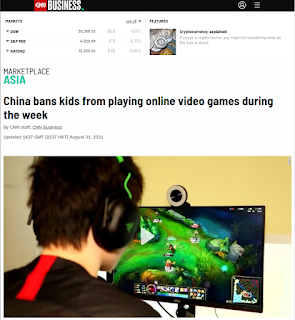
Videogioco permesso ai minori solo nel fine settimana: succede in Cina. Ma come avviene il controllo?

Dalla Cina arriva una notizia che forse farà piacere ai genitori esasperati dai figli che secondo loro passano troppo tempo immersi nei videogiochi: a partire da questa settimana, nel paese i minori di diciotto anni potranno giocare al massimo un’ora al giorno, e soltanto il venerdì, il sabato, la domenica e negli altri giorni festivi, e potranno farlo soltanto dalle 20 alle 21. Lo riferisce CNN citando le autorità cinesi di monitoraggio dei media.
Esistevano già delle restrizioni, imposte nel 2019, ma consentivano ai minori 90 minuti di gioco durante la settimana e tre ore durante i fine settimana. Queste nuove regole sono decisamente più limitanti.
La motivazione, stando alle autorità cinesi, è che sta iniziando il nuovo semestre scolastico e occorre prevenire la dipendenza da videogiochi online, lamentata da molti genitori, “per proteggere la sana crescita dei minori”.
È un esperimento interessante, visto che contrappone i giovani gamer, da sempre ricchi di inventiva nell’eludere controlli e limiti, e lo stato cinese, che esercita un controllo molto rigido su qualunque attività online.
In pratica, come sarà possibile verificare il rispetto di queste restrizioni? La chiave tecnica sta nella precisazione online: da tempo in Cina vige l’obbligo di registrarsi come giocatori usando il proprio vero nome e cognome, e le aziende che offrono qualunque tipo di gioco online hanno il divieto di fornire accesso ai giochi a chiunque non si colleghi usando le proprie generalità autentiche. In altre parole, il maggiorenne che condivide il proprio account di gioco con un minore commette un illecito.
Il controllo, insomma, spetta alle aziende del settore, che hanno tutto il necessario per esercitarlo. Ovviamente sarà quasi impossibile controllare i videogiochi offline, ammesso che qualcuno li usi ancora, e sarà del tutto impraticabile controllare i giochi tradizionali, per esempio i giochi da tavolo. Quelli che richiedono il coinvolgimento di quei genitori che magari erano contenti di parcheggiare i figli davanti allo smartphone o alla console e adesso si rendono conto che le restrizioni invocate li obbligheranno a passare più tempo ad accudire quei figli.
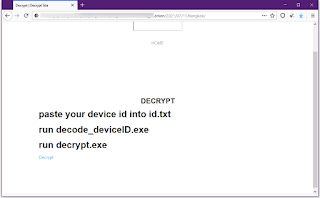
Ben tre bande di ransomware chiudono e rilasciano un decrittatore gratuito. Perché?
 |
| Credit: The Record. |
Sta succedendo qualcosa di insolito nel mondo del ransomware, una delle attività criminali più lucrative di questo periodo: bande criminali che hanno attaccato con successo moltissime grandi aziende in tutto il mondo, bloccando i loro dati con una cifratura di cui solo loro conoscevano la chiave e incassando lautissimi riscatti, stanno chiudendo di colpo, senza spiegazioni, e stanno dando gratuitamente alle proprie vittime le chiavi per recuperare i propri dati.
Il giornalista specializzato in sicurezza informatica Catalin Cimpanu segnala, su The Record, che la banda denominata Ragnarok (o Asnarök) ha cessato la propria attività online il 26 agosto scorso e ha rilasciato una utility gratuita di decrittazione che contiene la chiave master, una sorta di passepartout o chiave universale, che decifra tutti i dati bloccati dagli attacchi passati della banda, operativa sin dalla fine del 2019.
L’utility di decrittazione è oggetto di verifiche da parte degli esperti e verrà riconfezionata e ripulita prima di essere messa pubblicamente a disposizione presso il portale NoMoreRansom.org di Europol insieme agli altri strumenti di decrittazione già disponibili per altri ransomware.
Il 12 agosto scorso è successa esattamente la stessa cosa con la banda denominata SynAck. Il programma di decrittazione è disponibile qui su Emsisoft.
A giugno scorso era stato il turno del gruppo criminale che gestiva il ransomware Avaddon: da allora gli attacchi sono cessati e la banda ha rilasciato un programma di decrittazione (disponibile qui su NoMoreRansom e qui presso Emsisoft).
La domanda, a questo punto, è perché dei criminali che sono in piena attività decidono di “redimersi”, per così dire.
C’è un dettaglio interessante che potrebbe suggerire una possibile spiegazione: i ransomware gestiti da tutte queste bande evitavano di prendere di mira Russia e/o Cina (basandosi per esempio sul language ID del sistema infettato); è una caratteristica molto comune nei ransomware. Si teorizza quindi che le bande operino da questi paesi (più probabilmente Russia) e che qualche persona o organizzazione influente del posto sia intervenuto quando il ransomware ha colpito qualche bersaglio che non doveva colpire. Ma si tratta, per ora, di pura congettura.
How retailers can stand out this holiday season
The holiday season is just around the corner and consumers are already ramping up their shopping. For example, U.S. searches for “holiday gift ideas” in August have already surpassed 2020 levels. As of June, 58% of U.S. holiday shoppers said they will shop online more this season than in previous years and 59% said they will shop earlier to avoid an item being out of stock.1
Consumers are leaning into the blended online and in-store shopping experience, with digital-first behaviors like curbside pickup and buy-online-pick-up-in-store likely to continue as we head into the holidays. As of mid-August, 70% of U.S. shoppers are buying the majority of the items they need in stores, compared to 61% in June.2 For more holiday insights to help you prepare for your busiest season, tune in later today for Think Retail on Air at 10 a.m. PDT.
Get ready to meet customers wherever they like to shop! Here’s a checklist to help you maximize success during the most important shopping season of the year.
1. Highlight your differentiated fulfillment options
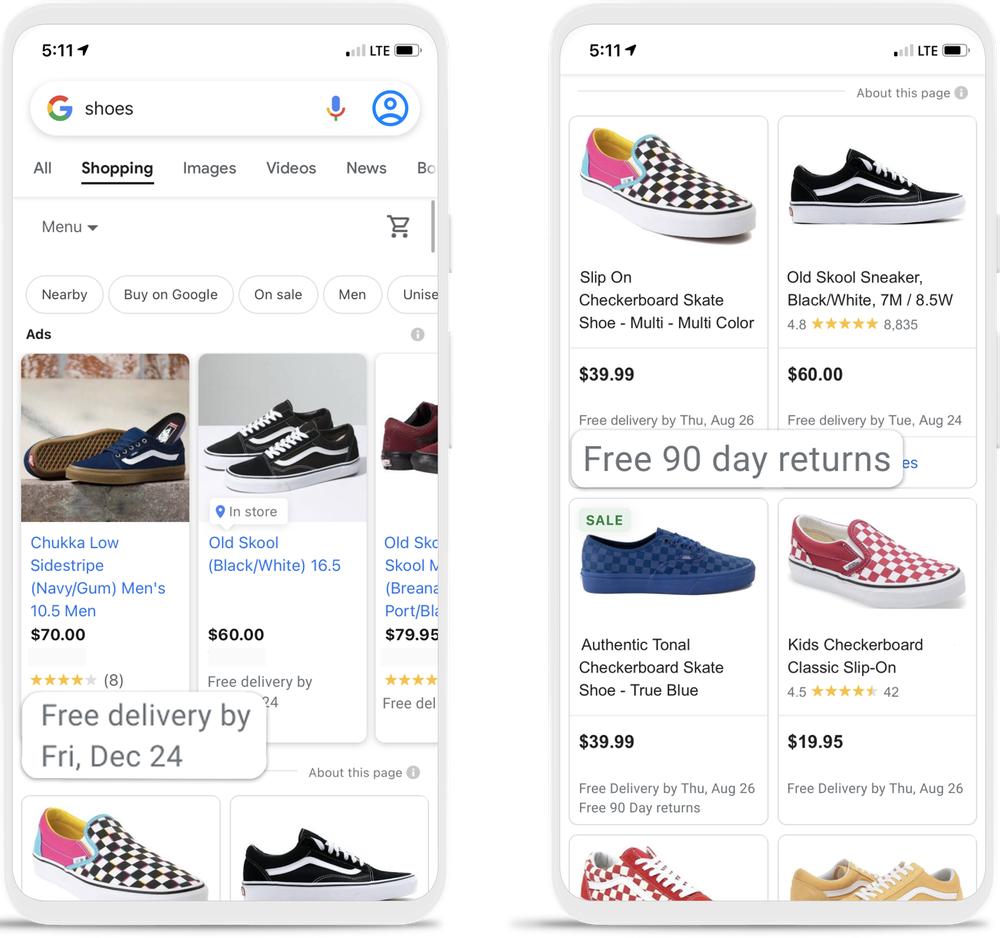
Quick shipping and easy returns are top-of-mind for shoppers this year; 78% of U.S. holiday shoppers say they will shop at stores that offer free shipping.3 Today, we are announcing new shipping and return annotations in Google Search and Shopping results – across free and paid listings. Shoppers can now see when their orders will arrive, with shipping annotations like “Free delivery by Fri, Dec 24,” “Get it by Dec 24” and “Free X-day” for products that ship for free in five business days or less.
To give shoppers more confidence in their purchases, you can now indicate extended holiday return windows with return annotations like “Free 90 day returns” or “Free returns until Jan 31.”

YouTube’s approach to copyright
EU member states are in the process of implementing the European Copyright Directive into national law. These changes include the incorporation of Article 15, which introduced a new copyright for press publishers, and Article 17, which introduced new rules for certain content-sharing services like YouTube. Here’s a little more on what YouTube in particular is doing.
Developing our compliance plans
YouTube supports updating copyright rules for the digital age and has been working closely with policymakers across Europe on Article 17’s implementation and on a means of compliance that best meets the needs of our partners’ growing businesses, while also continuing to contribute to the economy. For example, YouTube’s creative ecosystem contributed approximately €775 million to Germany’s GDP in 2019, supporting the equivalent of 25,000 full time equivalent jobs, according to Oxford Economics. As we develop our compliance plans, it’s important to us that the fundamental rights of rightsholders, including media companies, creators, artists and users, are protected. At the same time, supporting the creative industries such as the YouTube creators who are building next generation media companies that impact the economy’s overall success, is a priority to us.
Implementing Content ID for better creative control
YouTube has long believed that effective rightsholder management is key to a healthy business and flourishing creativity. This is why we created a set of copyright management tools, for example, investing over 100 million U.S. dollars to develop our Content ID technology which allows rightsholders to manage their content across the platform in a highly nuanced and sophisticated way. YouTube has worked with rightsholders such as record companies, labels, music collecting societies and film and television creators and producers for many years. In fact, Content ID enables rightsholders to control and manage their content on YouTube, while also gaining a new source of income. More than 95% of the time when rightsholders claim content through Content ID, they choose to allow the content to remain on the platform and earn money generated by ads and subscriptions, rather than block the content. This has resulted in an entirely new revenue stream. Over the last three years alone, YouTube paid $30B to media companies, creators and artists, and in the last twelve months, YouTube paid over $4B dollars to the music industry, 30% of which came from user-generated content monetized through Content ID.
Copyright Match Tool
We are also expanding access to more copyright tools for more creators. For example, we recently expanded our Copyright Match Tool so that any rightsholder who successfully submits a copyright removal — whether they host their content on our platform or not — can have access to our matching technology and are able to manage their copyrighted material in a powerful, efficient and user-friendly way. We also allow rightsholders who submit copyright takedown notices to request that YouTube prevent copies of the same content from being uploaded in the future. Additionally, we will be hosting a webform in our help center to enable interested parties to reach out to us for licensing discussions.
We continue to find new ways to help creators and rightsholders manage their rights on YouTube while growing the amounts we pay to the creative industries and will continue to work with policymakers, rights owners, partners and creators across the region to ensure an effective implementation of the new copyright laws.

Watch our new privacy video series for publishers
Every day, our global teams field questions from publishers seeking to learn more about privacy topics like the end of support for third-party cookies and the Privacy Sandbox.
To help partners stay current on these topics and more, we’ve created a new publisher privacy video series that addresses questions we hear most often. Each episode will be brief – five minutes or less – and will be released every few months to keep partners informed about new developments.
The first episode of the series is designed to provide a base level of understanding around ads privacy before we dive into deeper or more timely topics.
Questions answered in episode 1:
Stay tuned for the second Publisher Privacy Q&A episode coming in October. In episode 2 we’ll take a much closer look at how the Privacy Sandbox protects user privacy and what publishers and advertisers will be able to do with it.