
GTA V e GTA Online sbarcano su PS5 e Xbox Series X

A cosa servono gli occhiali smart di Facebook e Ray-Ban?
Collaborating with the UN to accelerate crisis response
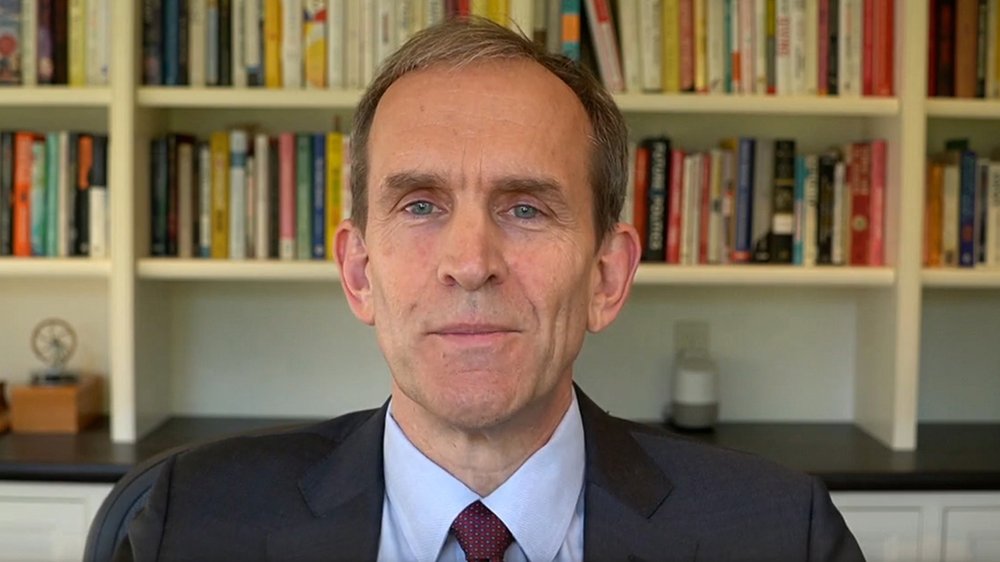
In remarks to the UN’s High-Level Humanitarian Event on Anticipatory Action, Google SVP for Global Affairs, Kent Walker, discusses collaboration to accelerate crisis preparedness and predict crises before they happen. Read the full remarks below.
Mr. Secretary General, your excellencies, ladies and gentlemen – it’s an honor to join you as we come together to discuss these critical humanitarian issues.
As you know, technology is already raising living standards around the world—leveraging science to double life spans over the last 100 years, helping a billion people emerge from poverty in the last 30 years alone. And innovation will help drive environmental sustainability, raise living standards, improve healthcare, and enhance crisis response.
But addressing global needs in a meaningful way requires strong collaborations between technologists, governments, humanitarian organizations, and those most directly affected.
That’s why we are pleased to announce a $1.5 million commitment to OCHA’s Center for Humanitarian Data. Over the next two years, Google.org will support the Center in scaling up the use of forecasts and predictive models to anticipate humanitarian crises and trigger the release of funds before conditions escalate.
From the earliest days of efforts like Hans Rosling’s GapMinder, it’s been a dream that rather than waiting for a crisis to occur, data and technology could help predict events like droughts or food shortages weeks ahead of time, allowing agencies to provide alerts and deliver supplies to avert the crisis. That technology exists now, today—and we need to put it to work.
With the signs of climate change all around us, it’s essential that we improve our collective preparedness, and protect our most vulnerable populations.
Google is honored to support the critical work led by OCHA and the Center for Humanitarian Data, and we’re committed to combining funding, innovation, and technical expertise to support underserved communities and expand opportunity for everyone.
We hope others will join us in the important work of getting ahead of crises before they happen.
Thank you.
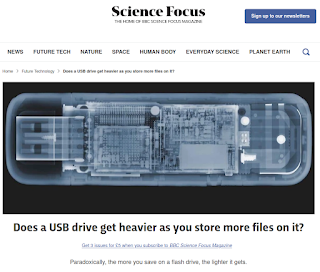
Pesa di più una chiavetta USB piena di dati o una vuota?

Sembra una domanda trabocchetto, ma in realtà c’è un fondo di realtà: una chiavetta USB varia di peso a seconda di quanti dati contiene. Come è possibile?
Secondo BBC Science Focus, una chiavetta USB che usa memoria Flash pesa di più quando è vuota.
I dati vengono infatti registrati nei transistor della memoria sotto forma di valori 0 e 1 nel sistema binario, e ogni transistor contiene uno di questi due valori.
Quando il transistor contiene uno 0 binario, il suo floating gate (porta flottante) viene caricato aggiungendogli degli elettroni. Quando invece il transistor contiene un valore 1 binario, vengono tolti gli elettroni.
Di conseguenza, una chiavetta USB vuota (che quindi contiene principalmente zeri, e perciò è carica con tanti elettroni) pesa di più di una chiavetta piena di dati (che contiene un miscuglio di 0 e 1 e quindi meno elettroni di quella vuota).
Tuttavia, spiega l’informatico Peter Bentley che scrive su Science Focus, la massa di un elettrone è 0,00000000000000000000000000091 grammi, per cui la differenza di peso fra chiavetta piena e vuota è impercettibile. Anzi, neppure tutte le chiavette USB del mondo messe insieme permetterebbero di rilevare facilmente la differenza.
Fisici e informatici, che ne pensate? I conti sono giusti?
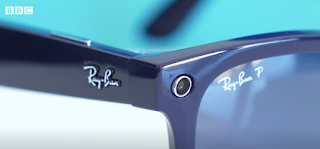
Arrivano gli occhiali “smart” di Facebook. Ma non chiamateli così. Anzi, non nominate Facebook

Formalmente si chiamano Ray-Ban Stories, ma sono gli occhiali “smart” di Facebook. Sono stati presentati oggi (9 settembre) e ne parlano un po’ tutti, per cui la faccio breve: non sono occhiali a realtà aumentata. Non mostrano immagini sulle lenti.
Sono semplicemente degli occhiali che hanno due fotocamere, altoparlanti, tre microfoni e una batteria che dura circa sei ore e si collegano senza fili allo smartphone. Fanno foto e video (massimo 30 secondi) e possono riprodurre musica o l’audio di una telefonata. Costano circa 330 euro.
Tecnologicamente sono un capolavoro di miniaturizzazione, visto che hanno l’aspetto di normali occhiali con frontale e astine leggermente spesse (sono molto più eleganti e discreti dei primi Spectacles di SnapChat di cinque anni fa), ma la domanda che viene spontanea a molti è se il loro aspetto così normale non li renda un nuovo modo per fare i ficcanaso.
In fin dei conti, se oggi una persona vuole fotografare qualcuno deve prendere in mano il telefonino (o la fotocamera, per chi ancora la usa) e puntarla verso il soggetto, con un gesto abbastanza vistoso. Se la fotocamera è integrata negli occhiali, fare una foto o un video di nascosto diventa molto più facile.
Facebook dice di aver pensato a questo problema limitando la durata dei video e obbligando gli utenti a fare un gesto piuttosto visibile anche per azionare gli occhiali: per scattare una foto o registrare un video bisogna infatti toccare una delle astine o dare un comando vocale. Inoltre sul frontale ci sono due piccoli LED bianchi che si accendono durante le riprese. Infine le foto e i video non vengono pubblicati direttamente su Facebook: restano sul dispositivo e spetta all’utente decidere se pubblicarli o no.
Tuttavia questi LED sono poco visibili e facilissimi da coprire, e lo stesso vale per le due telecamerine, per cui è facile non accorgersi che qualcuno vicino a noi ha due fotocamere sulla faccia. Buzzfeed nota che secondo Facebook coprire i LED è una violazione delle condizioni d’uso (sì, viviamo in un’epoca in cui gli occhiali hanno un regolamento di utilizzo). Questo sicuramente impedirà a chiunque di coprire le due lucette.
È presto per dire se avranno successo come gadget realmente utile o se verranno bocciati come accessori per molestatori: notate che Facebook, che già ha i suoi problemi con la privacy e le molestie, ha preso le distanze dal prodotto già nel nome. In effetti ci sono delle situazioni nelle quali può essere utile poter rispondere a una telefonata o scattare una foto immediatamente senza frugare nella borsa per trovare il telefonino e senza perdere l’attimo fuggente.
Resta anche la questione della legalità di portare occhiali con telecamera e microfono in ambienti privati, per esempio a scuola o in altri luoghi nei quali normalmente c’è il divieto di portare dispositivi di ripresa, e della difficoltà dei controlli per evitare violazioni e abusi.
Staremo a vedere, e soprattutto impareremo a guardare chi ci sta vicino non solo negli occhi, ma anche negli occhiali.
Fonti aggiuntive: Punto Informatico, BBC, ANSA, Facebook.
Allora, i messaggi di WhatsApp sono cifrati e privati o no? Panico da ProPublica

Una recente indagine di ProPublica ha scatenato un putiferio di preoccupazioni sulla effettiva riservatezza dei messaggi di WhatsApp.
“WhatsApp legge i messaggi delle chat”, ha titolato ANSA. Un titolo che fa sembrare che WhatsApp legga, o possa leggere, tutti i messaggi che circolano sulla sua piattaforma. Ma non è così, e l’indagine di ProPublica non dice nulla del genere.
Cominciamo dai concetti di base. Le comunicazioni effettuate tramite WhatsApp sono cifrate con crittografia end-to-end. Questo vuol dire che sono cifrate da un capo all’altro della conversazione, ossia da quando escono dal dispositivo del mittente fino a quando arrivano sul dispositivo del destinatario. Di conseguenza, i contenuti di queste comunicazioni non sono intercettabili in transito, né da Facebook, proprietaria di WhatsApp dal 2014, né dalle forze dell’ordine.
Questo fa pensare a molti utenti che le comunicazioni fatte con WhatsApp siano assolutamente private, ma è sbagliato. Infatti l’indagine di ProPublica spiega che WhatsApp ha circa un migliaio di “moderatori” incaricati di valutare i messaggi che violano le regole di WhatsApp.
Ma qui sta l’equivoco: parecchi media hanno frainteso, pensando che l’esistenza dei moderatori implichi che queste persone possano leggere tutti i messaggi. Non è così: i moderatori possono leggere soltanto i messaggi che vengono segnalati dagli utenti.
Infatti se segnalate un messaggio, un gruppo o qualcuno su WhatsApp, “WhatsApp riceve i messaggi più recenti che ti sono stati inviati da un contatto o un gruppo segnalati, nonché informazioni sulle tue recenti interazioni con l’utente segnalato”. È scritto chiaro e tondo nelle pagine informative di WhatsApp. Secondo Ars Technica, WhatsApp riceve specificamente gli ultimi quattro messaggi precedenti nel thread oltre al messaggio segnalato.
WhatsApp riceve questi messaggi più recenti senza crittografia: è come se faceste uno screenshot ai messaggi in questione e lo mandaste a WhatsApp. Deve poterli leggere, altrimenti non li può valutare.
In altre parole, su questo punto ProPublica ha scoperto l’acqua calda. Il fatto che i moderatori di WhatsApp possano leggere i messaggi segnalati (e solo quelli) è noto e documentato da tempo.
—
C’è però anche un altro modo in cui i messaggi di WhatsApp non sono privati, e stavolta riguarda tutti i messaggi ed è stato ribadito correttamente da ProPublica. Facebook non può leggere i contenuti dei messaggi, ma può attingere ai loro metadati, ossia a tutte le informazioni di contorno di qualunque comunicazione effettuata tramite WhatsApp: chi ha parlato con chi, a che ora, per quanto tempo, se si sono scambiati foto o video, in quale gruppo è avvenuta la comunicazione, chi sono i partecipanti al gruppo, eccetera. Questo è sufficiente per la maggior parte delle indagini delle forze di polizia, come nota Ars Technica citando vari procedimenti legali negli Stati Uniti e in Brasile.
Per esempio, bastano i metadati per dimostrare che avete comunicato via WhatsApp con una persona sospettata di reato: spetterà poi a voi spiegare come mai avete comunicato e di cosa avete parlato. E a quel punto il vostro telefonino potrà probabilmente essere esaminato dagli inquirenti, che ne estrarranno tutte le conversazioni di WhatsApp (e non solo) con programmi come UFED o Oxygen.
In sintesi: se volete davvero comunicare in modo assolutamente privato, non usate WhatsApp, Telegram o qualunque altra applicazione di messaggistica commerciale. Threema, Signal e Wickr danno qualche garanzia in più, ma la sicurezza e la privacy sono un processo, non un prodotto. È inutile avere app ultraprotette se poi lasciate in giro tracce di altro genere.

Amazon annuncia la linea di televisori Fire TV Omni

Attacchi informatici usando documenti Office, l’allerta di Microsoft

Il 7 settembre scorso Microsoft ha pubblicato un advisory che mette in guardia contro documenti Microsoft Office alterati per trasformarli in vettori di attacchi informatici. Questa tecnica di attacco viene già sfruttata attivamente dai criminali informatici per colpire gli utenti Windows.
La vulnerabilità in questione, la CVE-2021-40444, si basa su un difetto presente in MSHTML/Trident, il motore di rendering usato dall’obsoleto Internet Explorer e oggi utilizzato da Office per visualizzare i contenuti Web nei documenti Word, Excel e PowerPoint.
Se si apre con Microsoft Office su Windows un documento Office alterato in questo modo (includendovi un controllo ActiveX), l’aggressore che ha inviato il documento può prendere il controllo del computer della vittima, perché il motore di rendering esegue il codice ActiveX con gli stessi privilegi dell’utente. Il codice ActiveX usa questo potere per scaricare e installare un malware scelto dall’aggressore.
La vulnerabilità è insomma potenzialmente molto seria, ma va detto che se Microsoft Office viene usato con le sue impostazioni predefinite l’attacco non va a segno perché i documenti scaricati da Internet vengono aperti in Visualizzazione protetta o in Application Guard e quindi non possono accedere alle risorse trusted del computer attaccato. L’attacco non ha effetto su chi usa Microsoft Office su Mac ma riguarda tutte le versioni di Windows dalla 8.1 alla 10.
Defender, l’antivirus di Microsoft, già riconosce i documenti-trappola che sfruttano questa vulnerabilità, e lo stesso fanno i principali antivirus di altre marche, se li aggiornate.
Dovrebbe uscire a breve un aggiornamento di sicurezza che correggerà la falla, ma nel frattempo Microsoft consiglia a tutti non solo di aggiornare il proprio antivirus ma di disabilitare l’installazione di tutti i controlli ActiveX in Internet Explorer (nel modo spiegato nell’advisory) per contenere i danni di un eventuale attacco. Un altro consiglio è non usare un account Windows che abbia privilegi di amministratore, non disattivare la Visualizzazione protetta per nessun motivo e non aprire documenti Office inattesi, ricevuti via mail o scaricati da siti Internet non fidati.
Tutte cose ovvie, in linea di principio, ma purtroppo molti utenti non rispettano questi principi e poi finiscono per essere scottati.
Fonti aggiuntive: The Hacker News, Cybersecurity360.it, Sophos, Tripwire.

Amazon presenta la nuova Fire TV Stick 4K Max

OPPO svela la nuova OPPO Reno6 Series: tutti i dettagli
Microsoft Start è il nuovo aggregatore news di Microsoft

Rivelati gli artisti NFT che celebreranno la storia della famiglia Lamborghini
Una serie di opere d’arte su blockchain saranno messi in vendita dal prossimo 25 settembre su Elysium Bridge Emanuele Dascanio, Maciej Kuciara, Matteo Mauro e Giovanni Motta sono i nomi…
L’articolo Rivelati gli artisti NFT che celebreranno la storia della famiglia Lamborghini scritto da YOUR_DIGITAL_VOICE! proviene da Assodigitale.
Our commitment to water stewardship
I grew up in Muir Beach, California, and was fortunate to spend my childhood exploring its beautiful forests and streams. Today, these delicate ecosystems are threatened as the entire west coast of the U.S. is experiencing one of the worst droughts in recorded history. Unfortunately, this problem extends beyond the stretch of coastline I call home. Climate change is exacerbating water scarcity challenges around the world as places suffer from diminished rainfall — from Brazil’s semi-arid region to Sub-saharan Africa. At the same time, we’ve seen strong storms bring devastating floods to places like the eastern U.S., central China, and western Germany.
Last September, we announced our third and most ambitious decade of climate action and laid out our plan toward a carbon-free future. Building on this commitment, we are pledging to a water stewardship target to replenish more water than we consume by 2030 and support water security in communities where we operate. This means Google will replenish 120% of the water we consume, on average, across our offices and data centers. We’re focusing on three areas: enhancing our stewardship of water resources across Google office campuses and data centers, replenishing our water use and improving watershed health and ecosystems in water-stressed communities; sharing technology and tools that help everyone predict, prevent and recover from water stress.
Managing the water we use responsibly
We use water to cool the data centers that make products like Gmail, YouTube, Google Maps and Search possible. Over the years, we’ve taken steps to address and improve our operational water sustainability. For example, we deployed technology that uses reclaimed wastewater to cool our data center in Douglas County, Georgia. At our office campuses in the San Francisco Bay Area, we worked with ecologists and landscape architects to develop an ecological design strategy and habitat guidelines to improve the resiliency of landscapes and nearby watershed health. This included implementing drip irrigation, using watering systems that adjust to local weather conditions, and fostering diverse landscapes on our campuses that can withstand the stresses of climate change.
Our water stewardship journey will involve continuously enhancing our water use and consumption. At our data centers, we’ll identify opportunities to use freshwater alternatives where possible — whether that’s seawater or reclaimed wastewater. When it comes to our office campuses, we’re looking to use more on-site water sources — such as collected stormwater and treated wastewater — to meet our non-potable water needs like landscape irrigation, cooling and toilet flushing.
Investing in community water security and healthy ecosystems
Water security is an issue that goes beyond our operations, and it’s not something we can solve alone. In partnership with others, we’ll invest in community projects that replenish 120% of the water we consume, on average, across all Google offices and data centers, and that improve the health of the local watersheds where our office campuses and data centers are located.
Typically, the water we all use every day comes from local watersheds — areas of land where local precipitation collects and drains off into a common outlet, such as a river, bay or other receiving body of water. There are several ways to determine whether a watershed is sustainable including measuring water quality and availability and community access to the water.
We’ll focus on solutions that address local water and watershed challenges. For example, we’re working with the Colorado River Indian Tribes project to reduce the amount of water that is withdrawn from Lake Mead reservoir on the Colorado River in Nevada and Arizona. In Dublin, Ireland, we’re installing rainwater harvesting systems to reduce stormwater flows to improve water quality in the River Liffey and the Dublin Bay. And in Los Angeles, we’re investing in efforts to remove water-thirsty invasive species to help the nearby ecosystem in the San Gabriel mountains.
Using data tools to predict and prevent water stress
Communities, policymakers and planners all need tools to measure and predict water availability and water needs. We’re dedicated to working with partners to make those tools and technologies universally accessible. To that end, we’ve recently worked with others on these water management efforts:
-
Partnered with the United Nations Environment Programme and the European Commission’s Joint Research Centre (JRC) to create the Freshwater Ecosystems Explorer. This tool tracks surface water changes over time on a national and local scale.
-
Co-developed the web application OpenET with academic and government researchers to make satellite-based data that shows how and where water moves when it evaporates available to farmers, landowners and water managers.
-
Provided Google.org funding for Global Water Watch and Windward Fund’s BlueConduit. Global Water Watch provides real-time indicators for current and future water management needs, and was built in partnership with Google.org, WRI, WWF and Deltares. BlueConduit quantifies and maps hazardous lead service lines, making it easier to replace water infrastructure in vulnerable communities.
When it comes to protecting the future of our planet and the resources we rely on, there’s a lot to be done. We’ll keep looking for ways we can use our products and expertise to be good water stewards and partner with others to address these critical and shared water challenges.
Twitter testa Communities, nuova funzione stile Gruppi Facebook

A new training programme to help small businesses reduce their carbon emissions
The climate crisis is an urgent issue for everyone. The UK government has set an ambitious target to reach net zero by 2050 and all businesses of all sizes need to play a part if we’re to reach those goals.
This is not just about doing the right thing — today’s consumers expect action: according to research from Edelman, 80% of people want brands to solve society’s problems.
Small businesses make up 99% of the UK’s business community so they’ll play a crucial role in reaching net zero. Yet, understandably, small businesses don’t always have the time, resources or expertise to dedicate to this — especially as they focus on recovery from the pandemic. A study from the British Chambers of Commerce and O2 found that only one in 10 small businesses are measuring their carbon footprint, and a fifth of small businesses don’t fully understand the term “net zero”. Cost, and an ability to understand, measure and report emissions are cited as two of the main barriers to change.
Sustainability training for small businesses
To help small businesses overcome these obstacles, we’re announcing a new free, simple and actionable training programme to help SMEs reduce their emissions. We developed the training in partnership with leading sustainability and net zero certification group, Planet Mark, as part of the UK Government’s Together for our Planet Business Climate Leaders campaign, which encourages small businesses to commit to cutting their emissions in half by 2030 and to net zero by 2050.
Our training is designed for small businesses starting their journey towards sustainability, with an emphasis on how a sustainability strategy can help drive business performance. It sets out the business case and imperative for cutting emissions, and explains practical, digitally-focused ways to decarbonize — from using paperless billing and Cloud-enabled technology, to renewable energy sourcing and supply chains. Since we know how much consumers care about this, it also covers how small businesses can use their sustainability credentials to differentiate.
One business already doing this successfully is catering company, Fooditude. They made tangible changes to their business, like limiting their food waste, going paperless with admin systems and swapping to local suppliers, and reduced their emissions by over 30% per meal. Dean Kennett, Fooditude’s Managing Director, attributes £3 million in new revenue to their new sustainability credentials, as well as their ability to hire staff who share their values, and a shared purpose among employees.