
Just NFT Fund lancia il primo Picasso certificato NFT al mondo
Justin Sun, il fondatore di TRON e CEO di BitTorrent, ha recentemente annunciato che il fondo JUST NFT ha lanciato ufficialmente l’NFT per “The First Collections”, comprese le opere di Picasso. La proprietà delle collezioni è stata mappata alla catena TRON attraverso lo standard TRC-721. È memorizzato in modo permanente sulla catena pubblica TRON e BTFS (sistema di archiviazione decentralizzato), che segna il “primo spettacolo” nella storia dei lavori di Picasso sulla blockchain. Gli NFT…
L’articolo Just NFT Fund lancia il primo Picasso certificato NFT al mondo scritto da Michele Ficara Manganelli ✿ proviene da Assodigitale.
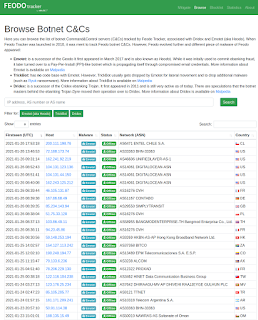
Bye bye, Emotet

A gennaio scorso avevo segnalato che un intervento coordinato di varie forze dell’ordine in numerosi paesi aveva messo fuori uso Emotet, uno dei malware più diffusi, che da solo era responsabile di circa il 30% di tutti gli attacchi informatici.
La tecnica era classica: un documento Word, che molti utenti ritengono innocuo, conteneva il malware, che veniva lanciato se la vittima apriva il documento e attivava le macro in Microsoft Word.
Ora è arrivata la conclusione dell’intervento di polizia: il 25 aprile scorso i computer che erano stati infettati da Emotet hanno cancellato il malware. Questo è stato possibile perché le forze di polizia avevano preso il controllo degli aggiornamenti di Emotet e ne avevano diffuso uno autodistruttivo.
Alla scadenza impostata, appunto il 25 aprile, è scattata l’autodistruzione. Il portale dedicato ad Emotet presso Abuse.ch indica ora zero computer infetti, che è un risultato notevolissimo, considerato che Emotet aveva preso il controllo di oltre un milione di computer in tutto il mondo, generando incassi illegali per oltre 2 miliardi di dollari.
Va notato che in un intervento come questo le forze di polizia in sostanza aggiornano forzatamente i computer infettati, senza chiedere il consenso dei rispettivi proprietari, ponendo interrogativi sulla legalità di questa tecnica, indubbiamente efficace ma potenzialmente pericolosa. Ovviamente in questo caso nessun protesta, però è formalmente un’intrusione.
Anche l’FBI di recente ha usato lo stesso approccio per ripulire a forza i server Microsoft Exchange infettati da una serie di attacchi denominati Hafnium, visto che i legittimi proprietari di questi server si ostinavano a non aggiornarli.
Aggiornate macOS alla versione 11.3, tura una falla molto grave già in uso (e una sessantina di altre meno gravi)

Se avete un Mac, non aspettate ad aggiornarlo: la versione 11.3 di macOS corregge una vulnerabilità davvero grossa, che consente di scavalcare Gatekeeper, ossia il controllo di sicurezza del sistema operativo che in teoria dovrebbe rendere impossibile eseguire software proveniente da fonti non attendibili.
In realtà, spiegano i ricercatori di sicurezza, era possibile confezionare un malware che non veniva affatto verificato da Gatekeeper e che poteva infettare il computer della vittima semplicemente con un doppio clic sull’icona del’app.
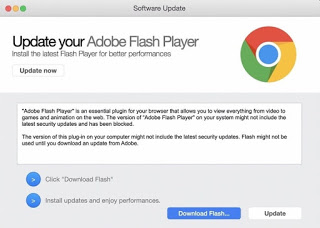
Questa tecnica era nota ai criminali almeno da gennaio 2021: veniva usata, per esempio, per diffondere Shlayer, un falso aggiornamento di Flash Player che tempestava il Mac di pubblicità (un adware, insomma, mostrato qui sopra). Gli utenti si fidavano del fatto che Gatekeeper non protestava se si tentava di eseguire il programma non verificato e quindi lo eseguivano, scatenando l’infezione.
Esisteva anche un altro modo per eludere Gatekeeper: era sufficiente confezionare il programma ostile all’interno di un file ZIP appositamente confezionato. Anche questo problema è stato risolto dall’aggiornamento del Mac, insieme a una sessantina di altre vulnerabilità.
Fonti aggiuntive: JAMF, Ars Technica, Graham Cluley, Cybersecurity360.it.
When artists and machine intelligence come together
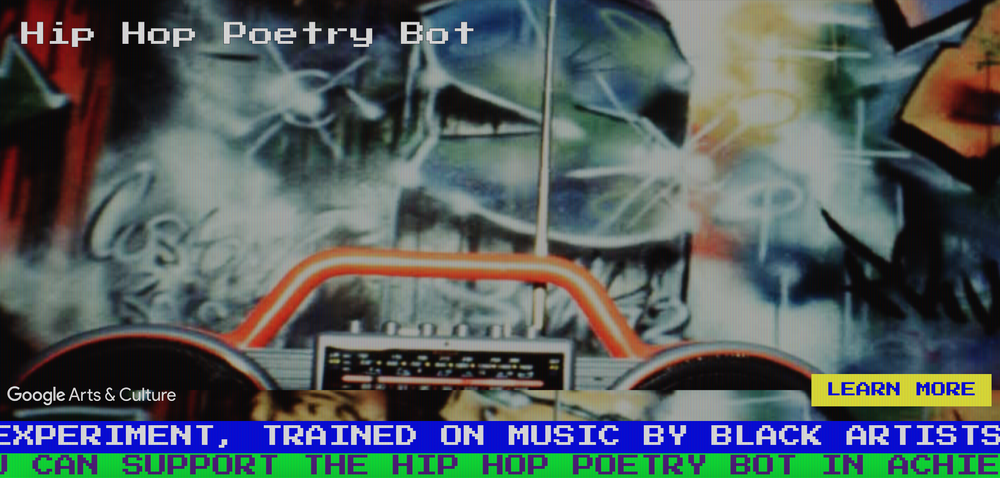
Throughout history, from photography to video to hypertext, artists have pushed the expressive limits of new technologies, and artificial intelligence is no exception. At I/O 2019, Google Research and Google Arts & Culture launched the Artists + Machine Intelligence Grants, providing a range of support and technical mentorship to six artists from around the globe following an open call for proposals. The inaugural grant program sought to expand the field of artists working with Machine Learning (ML) and, through supporting pioneering artists, creatively push at the boundaries of generative ML and natural language processing.
Today, we are publishing the outcomes of the grants. The projects draw from many disciplines, including rap and hip hop, screenwriting, early cinema, phonetics, Spanish language poetry, and Indian pre-modern sound. What they all have in common is an ability to challenge our assumptions about AI’s creative potential.
Apple rende visibile il tracciamento pubblicitario: Facebook teme di perdere così metà del proprio fatturato

Con l’aggiornamento alla versione 14.5 di iOS e iPadOS gli utenti di iPhone e iPad possono disattivare facilmente il tracciamento pubblicitario da parte delle app.
La cosa ha mandato su tutte le furie molti siti che vivono vendendo i dati acquisiti con questo tracciamento, come Facebook, Alibaba e altri.
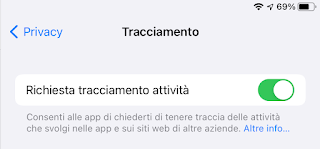
Per disattivare il tracciamento su iOS o iPadOS da parte di una singola app si va in Impostazioni, si tocca l’app e si disattiva Consenti tracciamento. Si può anche andare in Impostazioni – Privacy – Tracciamento e disattivare globalmente il tracciamento disattivando Richiesta tracciamento attività.
La Electronic Frontier Foundation, da sempre in prima linea nella difesa dei diritti digitali, ha lodato l’iniziativa di Apple descrivendola come “un passo nella direzione giusta”.
La funzione antitracciamento si chiama formalmente AppTrackingTransparency e in sintesi comporta il fatto che le app ora devono chiedervi il permesso se vogliono tracciare le vostre attività nelle altre app.
Questo tracciamento è spesso molto invasivo e finora è stato praticamente invisibile e accettato passivamente: geolocalizzazione, siti visitati, informazioni sulla salute e moltissimi altri dati personali venivano raccolti dalle app senza che gli utenti ne fossero avvisati, come spiega il video promozionale di Apple. Ora invece tutto diventa ben visibile, le app devono chiedere esplicitamente il permesso di tracciare e l’utente può decidere facilmente se concederlo o no.

Il timore delle aziende che vivono di tracciamento è che questa nuova visibilità del loro operato spinga gli utenti a rendersi conto di come stanno le cose e rifiutare di lasciarsi tracciare.
Facebook dice che durante i test ha “rilevato un calo di oltre il 50% dei ricavi degli editori con Audience Network dopo la rimozione della personalizzazione dalle campagne con inserzioni per promuovere l’installazione di un’app mobile. In realtà, è possibile che l’impatto su Audience Network su iOS 14 sia molto maggiore.” Notate l’uso del termine “editori”, che maschera il fatto che si tratta di società che campano tracciando, profilando, schedando e catalogando le persone. E che Facebook a sua volta campa su queste società. Nel 2019 ha incassato 71 miliardi di dollari.
Gli Ad ID sono molto diversi dai cookie, con i quali vengono spesso paragonati: i cookie hanno molte funzioni utili per gli utenti, come per esempio ricordarsi le preferenze di lingua quando si visita un sito, conservare i dati presenti in un carrello della spesa online se ci si scollega, oppure evitare di doversi identificare ogni volta che si accede a un sito protetto da login e password. Gli Ad ID, invece, servono soltanto per consentire alle aziende pubblicitarie di tracciare i singoli utenti.
La AppTrackingTransparency non è perfetta, spiega la EFF: non agisce sul tracciamento fatto da un’app per monitorare come l’utente usa quell’app. Inoltre c’è il rischio che l’utente, tartassato da tante richieste di decidere se accettare tracciamenti da parte di tante app, finisca per stufarsi e accettare senza pensarci.
Ma è, appunto, un primo passo, ed è più di quello che sta facendo Google per Android. Cioè nulla, visto che gli Ad ID sono ancora saldi al loro posto.
Fonti: The Register, Protocol, Punto Informatico, Ars Technica, Apple, Associated Press/Snopes, Gizmodo.

Michael Collins, l’astronauta poeta, ci ha lasciato
È giunta poco fa la notizia della morte di Michael Collins, protagonista della missione Apollo 11 che nel 1969 portò i suoi due compagni, Neil Armstrong e Buzz Aldrin, a camminare sulla Luna per la prima volta nella storia, mentre lui li attendeva da solo in orbita intorno a quella Luna sulla quale non avrebbe mai posato piede.
La sua autobiografia è una delle più belle e poetiche fra le tante scritte dagli astronauti di tutto il mondo. Ho tentato per due anni, finora invano, di ottenerne i diritti di traduzione in italiano, ma la casa editrice americana non ha ancora dato una risposta definitiva, nonostante io abbia offerto un anticipo molto ragguardevole usando tutti i canali ufficiali e professionali. Non è detta l’ultima parola. Spero che almeno la facciano tradurre e la pubblichino anche in italiano, una delle poche lingue al mondo nella quale Carrying the Fire non è stato tradotto, nonostante Collins sia nato a Roma. La poesia di Collins merita di essere conosciuta anche in Italia.
Family Statement on Passing of Astronaut Michael Collins pic.twitter.com/6OAw7CzFaz
— Michael Collins (@AstroMCollins) April 28, 2021

Zoom: come fare videochiamate più reali con Immersive View
Zoom annuncia tramite il proprio blog ufficiale una nuova funzionalità che porterà fino a 25 colleghi nello stesso ufficio, seppur virtualmente. Si chiama Immersive View e come anticipato dalla stessa azienda consente di inserire fino a 25 partecipanti in una videochiamata la cui ambientazione richiamerà uffici e scuole, proprio per ricreare confronti in lontananza ma in maniera più realistica. La pandemia, purtroppo, ha aumentato le distanze tra le persone, anche in ambito lavorativo ed educativo, ma con la nuova funzione di Zoom si fa un passo avanti verso una maggiore “umanità” del virtuale.

Samsung svela la nuova serie Galaxy Book Pro e Galaxy Book
Samsung ha presentato oggi i nuovi Galaxy Book Pro e Galaxy Book Pro 360, la nuova generazione di PC ultraportatili che combinano le prestazioni di un notebook con il DNA mobile degli smartphone Samsung Galaxy, e il nuovo Galaxy Book, il PC ad alte performance dal design premium e ultrasottile, pensato per un utilizzo confortevole e dotato delle ultime tecnologie per garantire prestazioni potenti.

OSDIA Business Meeting di Aprile con l’Avvocato internazionale Paolo Zagami
Il Capitolo di Roma dell’Ordine dei Figli d’Italia in America (OSDIA), organizza a cadenza mensile un Business Meeting invitando una personalità del mondo dell’impresa e/o delle professioni a tenere uno speech su un tema di attualità. Giovedì 29 Aprile,dalle ore 19 sulla piattaforma Zoom, si terrà un keynote speech, a cura dell’Avv. Paolo Zagami, sul tema degli scambi commerciali tra l’Italia e gli Stati Uniti d’America con particolare riferimento alle novità introdotte dall’Amministrazione Biden. Lo speech sarà…
L’articolo OSDIA Business Meeting di Aprile con l’Avvocato internazionale Paolo Zagami scritto da MercurPress proviene da Assodigitale.
Google Translate: One billion installs, one billion stories
When my wife and I were flying home from a trip to France a few years ago, our seatmate had just spent a few months exploring the French countryside and staying in small inns. When he learned that I worked on Google Translate, he got excited. He told me Translate’s conversation mode helped him chat with his hosts about family, politics, culture and more. Thanks to Translate, he said, he connected more deeply with people around him while in France.
The passenger I met isn’t alone. Google Translate on Android hit one billion installs from the Google Play Store this March, and each one represents a story of people being able to better connect with one another. By understanding 109 languages (and counting!), Translate enables conversation and communication between millions of people which otherwise would have been impossible. And Translate itself has gone through countless changes on the path to one billion installs. Here’s how it has evolved so far.
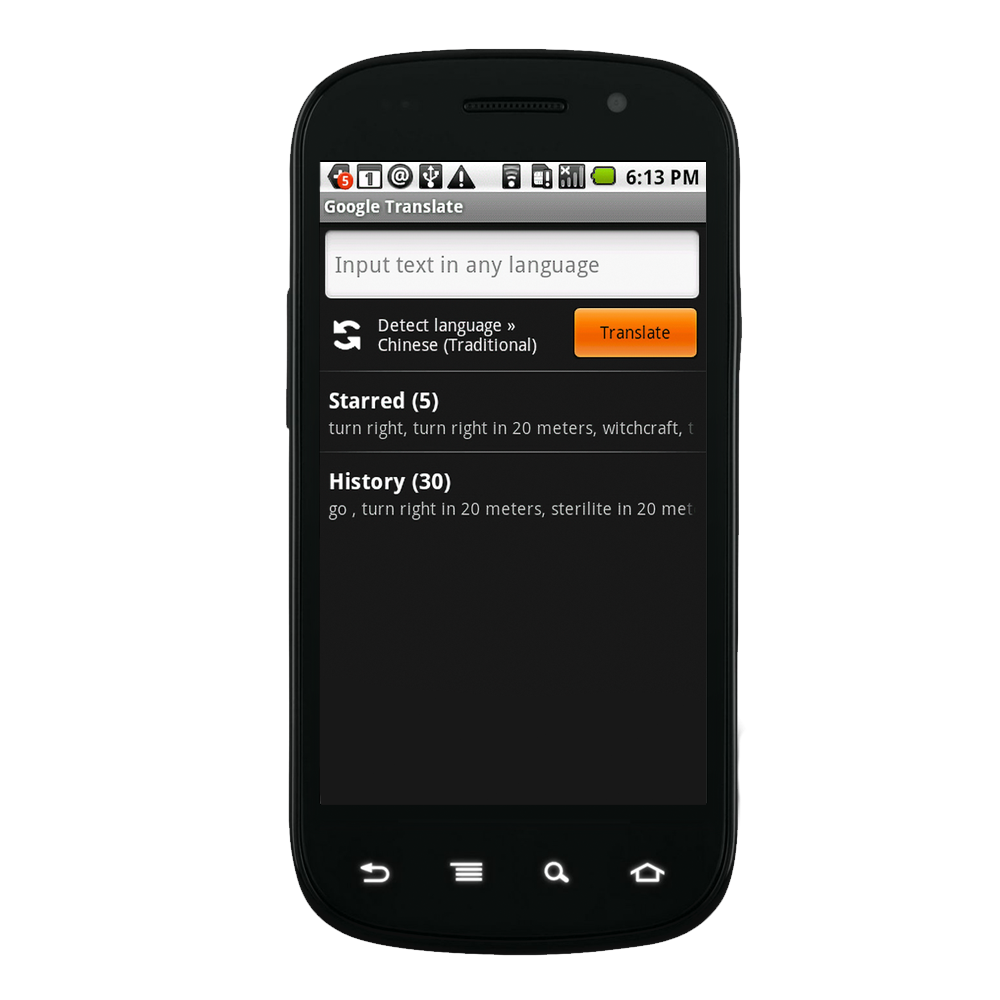
One of the earliest versions of the Google Translate app for Android.
January 2010: App launches
We released our Android app in January 2010, just over a year after the first commercial Android device was launched. As people started using the new Translate app over the next few years, we added a number of features to improve their experience, including early versions of conversation mode, offline translation and translating handwritten or printed text.
January 2014: 100+ million
Our Android app crossed 100 million installs exactly four years after we first launched it. In 2014, Google acquired QuestVisual, the maker of WordLens. Together with the WordLens team, Translate’s goal was to introduce an advanced visual translation experience in our app. Within eight months, the team delivered the ability to instantly translate text using a phone camera, just as the app reached 200 million installs.

November 2015: 300+ million
As it approached 300 million installs, Translate improved in two major ways. First, revamping Translate’s conversation mode enabled two people to converse with each other despite speaking different languages, helping people in their everyday lives, as featured in the video From Syria to Canada.

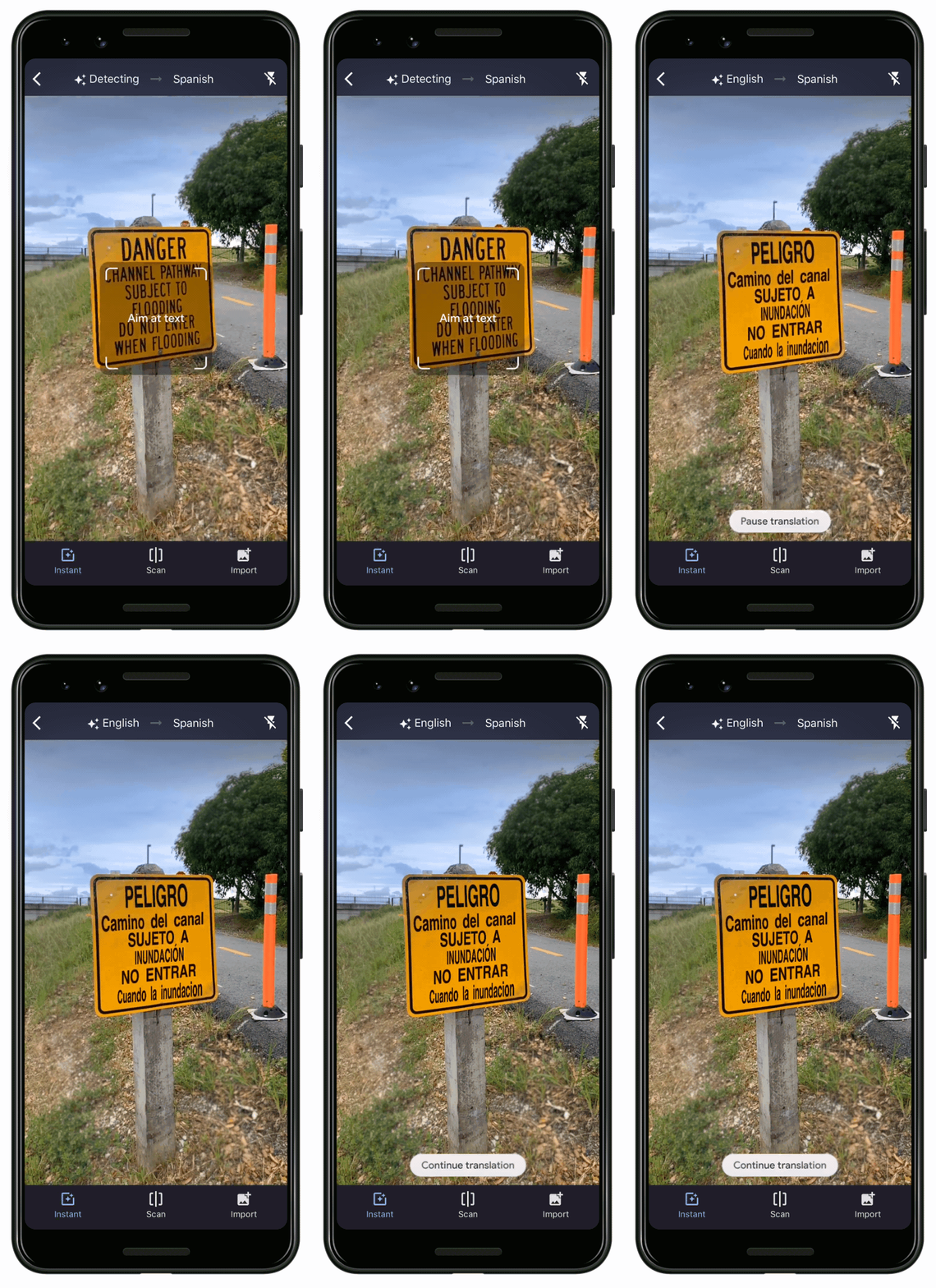
Second, Google Translate’s rollout of Neural Machine Translation, well underway when the app reached 500 million installs, greatly improved the fluency of our translations across text, speech and visual translation. As the installs continued to grow, we compressed those advanced models down to a size that can run on a phone. Offline translations made these high-quality translations available to anyone even when there is no network or connectivity is poor.
June 2019: 750+ million
At 750 million installs, four years after Word Lens integrated into Translate, we launched a major revamp of the instant camera translation experience. This upgrade allowed us to visually translate 88 languages into more than 100 languages.
February 2020: 850+ million
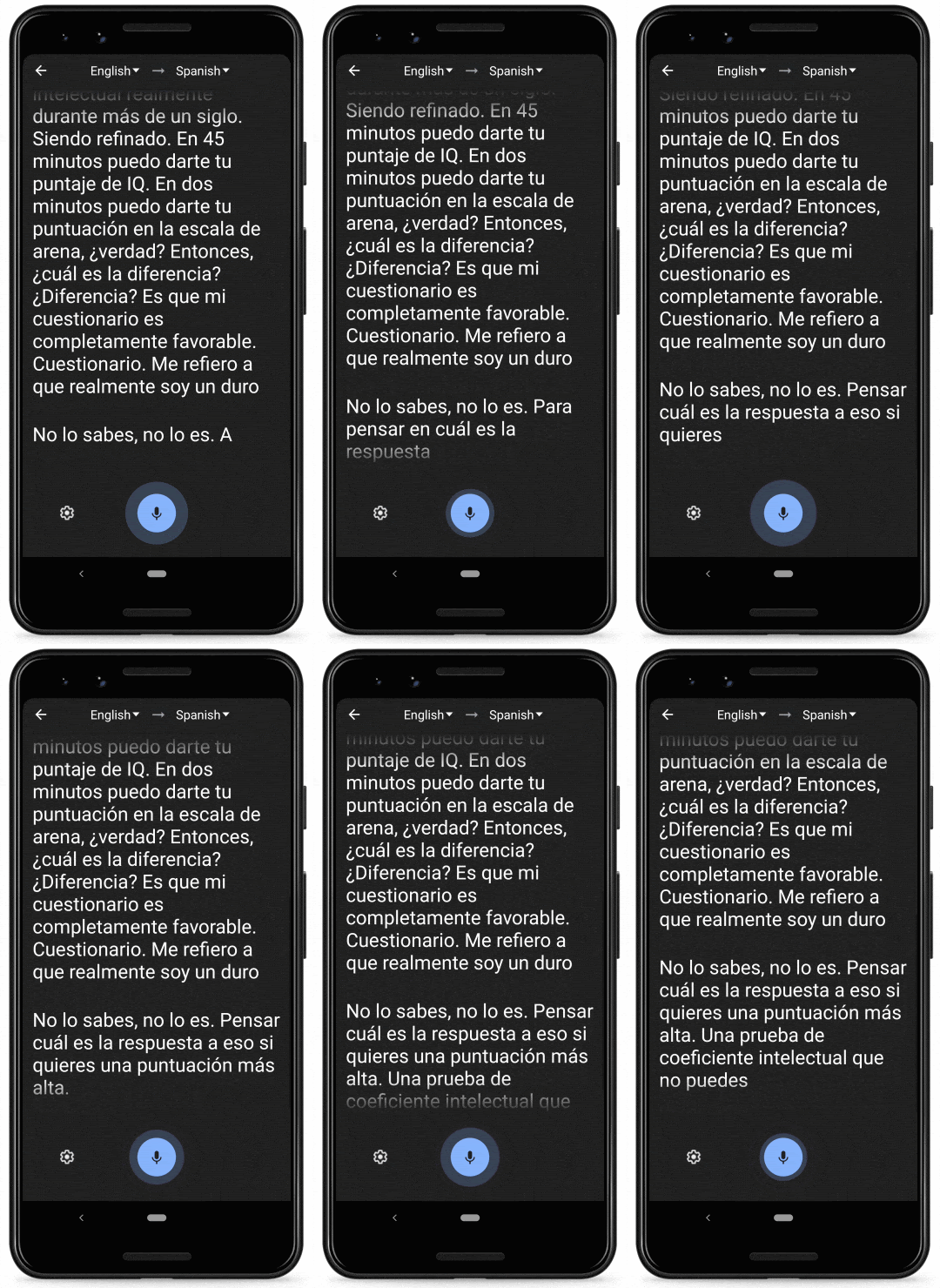
Transcribe, our long-form speech translation feature, launched when we reached 850 million installs. We partnered with the Pixel Buds team to offer streaming speech translations on top of our Transcribe feature, for more natural conversations between people speaking different languages. During this time, we improved the accuracy and increased the number of supported languages for offline translation.
March 2021: 1 billion — and beyond
Aside from these features, our engineering team has spent countless hours on bringing our users a simple-to-use experience on a stable app, keeping up with platform needs and rigorously testing changes before they launch. As we celebrate this milestone and all our users whose experiences make the work meaningful, we also celebrate our engineers who build with care, our designers who fret over every pixel and our product team who bring focus.
Our mission is to enable everyone, everywhere to understand the world and express themselves across languages. Looking beyond one billion installs, we’re looking forward to continually improving translation quality and user experiences, supporting more languages and helping everyone communicate, every day.
AI assists doctors in interpreting skin conditions
Globally, skin conditions affect about 2 billion people. Diagnosing and treating these skin conditions is a complex process that involves specialized training. Due to a shortage of dermatologists and long wait times to see one, most patients first seek care from non-specialists.
Typically, a clinician examines the affected areas and the patient’s medical history before arriving at a list of potential diagnoses, sometimes known as a “differential diagnosis”. They then use this information to decide on the next step such as a test, observation or treatment.
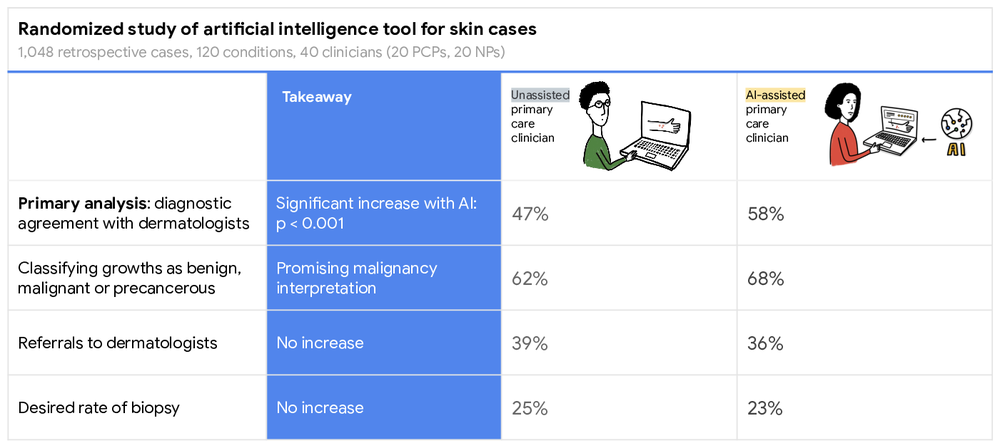
To see if artificial intelligence (AI) could improve the process, we conducted a randomized retrospective study that was published today in JAMA Network Open. The study examined if a research tool we developed could help non-specialists clinicians — such as primary care physicians and nurse practitioners — more accurately interpret skin conditions. The tool uses Google’s deep learning system (that you can learn more about in Nature Medicine) to interpret de-identified images and medical history and provide a list of matching skin conditions.
In the study, 40 non-specialist clinicians interpreted de-identified images of patients’ skin conditions from a telemedicine dermatology service, identified the condition, and made recommendations such as biopsy or referral to a dermatologist. Each clinician examined over 1,000 cases — clinicians used the AI-powered tool for half of the cases and didn’t have access to the assistive AI tool in the other half.

Introducing Android Earthquake Alerts outside the U.S.
In a natural disaster or emergency, every second counts. For example, when it comes to earthquakes, studies show that more than 50% of injuries can be prevented if users receive an early warning, and have the critical seconds needed to get to safety. That’s why last year, we launched the Android Earthquake Alerts System, which uses sensors in Android smartphones to detect earthquakes around the world. The free system provides near-instant information to Google Search about local seismic events when you search “Earthquake near me.”
Today we’re announcing an expansion of the Android Earthquake Alerts System that uses both the detection and alerts capabilities, bringing these alerts to Android users in countries that don’t have early warning alert systems. We’re introducing the Android Earthquake Alerts System in Greece and New Zealand, where Android users will receive automatic early warning alerts when there is an earthquake in their area. Users who do not wish to receive these alerts can turn this off in device settings.
We launched alerting in August 2020, in partnership with the United States Geological Survey (USGS) and powered by ShakeAlert®, which made alerts available for Android users in California. This feature recently expanded to users in Oregon and will be rolling out in Washington this May.
Early warning alerts in New Zealand and Greece work by using the accelerometers built into most Android smartphones to detect seismic waves that indicate an earthquake might be happening. If the phone detects shaking that it thinks may be an earthquake, it sends a signal to our earthquake detection server, along with a coarse location of where the shaking occurred. The server then takes this information from many phones to figure out if an earthquake is happening, where it is and what its magnitude is.
New Zealand and Greece will be the first countries to take advantage of both the detection and alert capabilities of the Android Earthquake Alerts System. Through this system, we hope to provide people with the advance notice they need to stay safe.
Loud and clear: AI is improving Assistant conversations
To get things done with the Google Assistant, it needs to understand you – it has to both recognize the words you’re saying, and also know what you mean. It should adapt to your way of talking, not require you to say exactly the right words in the right order.
Understanding spoken language is difficult because it’s so contextual, and varies so much from person to person. And names can bring up other language hiccups — for instance, some names that are spelled the same are pronounced differently. It’s this kind of complexity that makes perfectly understanding the way we speak so difficult. This is something we’re working on with Assistant, and we have a few new improvements to share.
Teach Google to recognize unique names
Names matter, and it’s frustrating when you’re trying to send a text or make a call and Google Assistant mispronounces or simply doesn’t recognize a contact. We want Assistant to accurately recognize and pronounce people’s names as often as possible, especially those that are less common.
Starting over the next few days, you can teach Google Assistant to enunciate and recognize names of your contacts the way you pronounce them. Assistant will listen to your pronunciation and remember it, without keeping a recording of your voice. This means Assistant will be able to better understand you when you say those names, and also be able to pronounce them correctly. The feature will be available in English and we hope to expand to more languages soon.
A good conversation is all about context
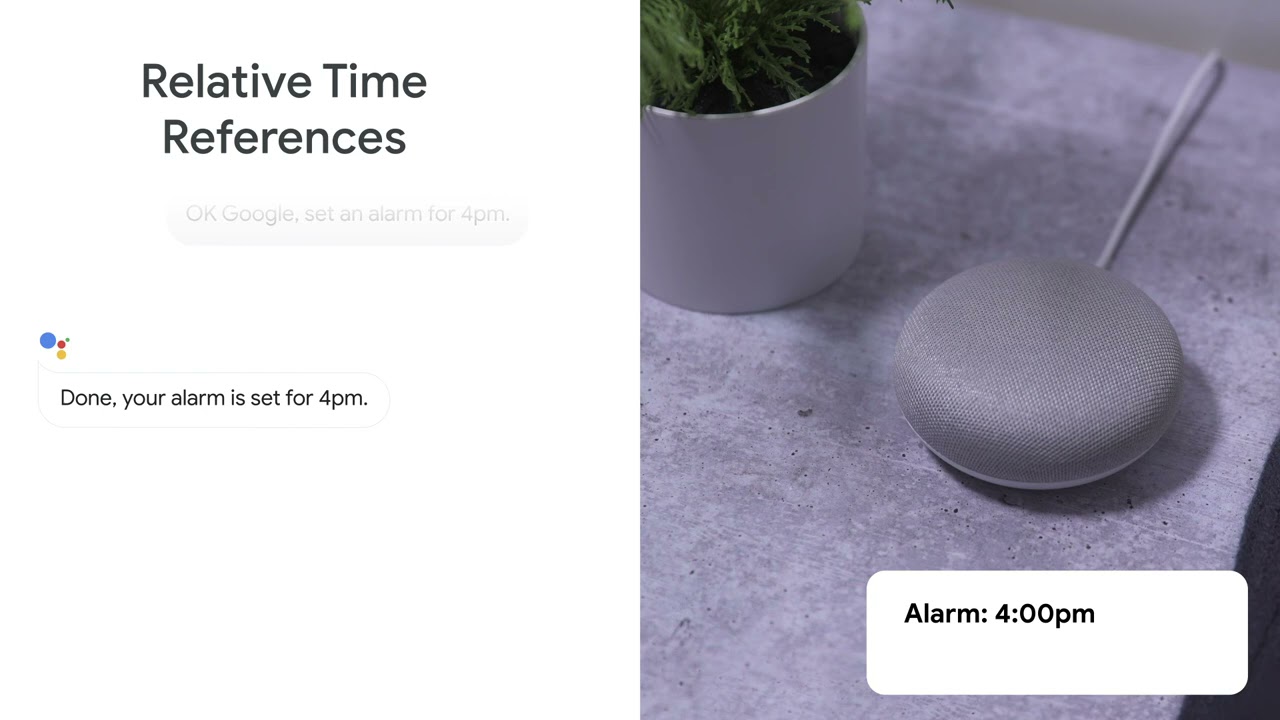
Assistant’s timers are a popular tool, and plenty of us set more than one of them at the same time. Maybe you’ve got a 10-minute timer for dinner going at the same time as another to remind the kids to start their homework in 20 minutes. You might fumble and stop mid sentence to correct how long the timer should be set for, or maybe you don’t use the exact same phrase to cancel it as you did to create it. Like in any conversation, context matters and Assistant needs to be flexible enough to understand what you’re referring to when you ask for help.
To help with these kinds of conversational complexities, we fully rebuilt Assistant’s NLU models so it can now more accurately understand context while also improving its “reference resolution” — meaning it knows exactly what you’re trying to do with a command. This upgrade uses machine learning technology powered by state-of-the-art BERT, a technology we invented in 2018 and first brought to Search that makes it possible to process words in relation to all the other words in a sentence, rather than one-by-one in order. Because of these improvements, Assistant can now respond nearly 100 percent accurately to alarms and timer tasks. And over time, we’ll bring this capability to other use cases, so Assistant can learn to better understand you.
Tips and shortcuts for a more productive spring
In my previous life as a startup entrepreneur, I found that life was more manageable when I was able to stay organized — a task that’s easier said than done. At Google Registry, we’ve been keeping an eye out for productivity and organization tools, and we’re sharing a few of our favorites with you today, just in time for spring cleaning.
.new shortcuts to save you time
Since launching .new shortcuts last year, we’ve seen a range of companies use .new domains to help their users get things done faster on their websites.
-
If your digital workspace looks anything like mine, you’ll love these shortcuts: action.new creates a new Workona workspace to organize your Chrome tabs, and task.new helps keep track of your to-dos and projects in Asana.
-
Bringing together notes and ideas can make it easier to get work done: coda.new creates a new Coda document to collect all your team’s thoughts, and jam.new starts a new collaborative Google Jamboard session.
-
Spring cleaning wouldn’t be complete without a tidy cupboard: With sell.new you can create an eBay listing in minutes and free up some closet space. And if you own or manage a business, stay on top of your orders and keep services flowing by giving the shortcut — invoice.new — a try.
Visit whats.new to browse all the .new shortcuts, including our Spring Spotlights section.
Six startups helping you increase productivity
We recently sat down with six startups to learn how they’re helping their clients be more productive. From interviewing and hiring, to managing teamwork, calendars and meetings, check out these videos to learn how you can make the most of your time:
Arc.dev connects developers with companies hiring remotely, helping them find their next opportunity.
The founders of byteboard.dev, who came through Area 120, Google’s in-house incubator for experimental projects, thought that technical interviews were inefficient. So they redesigned them from the ground up to be more fair and relevant to real-world jobs.
To run more efficient meetings, try fellow.app. Streamlining agendas, note taking, action items and decision recording can help your team build great meeting habits.
Friday.app helps you organize your day so you can stay focused while sharing and collaborating with remote teammates.
Manage your time productively using inmotion.app, a browser extension that puts your time on auto-pilot.
No time to take your pet to the groomers? Find a groomer who will come to you and treat your pet to an in-home grooming session with pawsh.app.
Whether you’re a pet parent, a busy professional or just looking to sell your clutter online, we hope these tools help you organize and save time this season.

Marketer’s Toolkit: 10+ New Tools To Enhance Your B2B Marketing Stack
How can B2B marketers improve their content in refreshing new ways, and also add to their stack of marketing skills?
In 2021 most B2B marketers are busier than ever due to the pandemic, the challenges of remote work, and increased expectations to show results.
This makes finding the time to research and locate useful new marketing-related software tools and services a challenge.
Don’t worry, however, as we’ve got 10+ new or updated tools that can enhance your B2B marketing stack, from digital imaging and video to data insights and more.
We’ll take a look at some of these helpful tools for today’s busy marketers, to help refine and augment your B2B marketing strategy now and into our post-pandemic future.
Sorting through vast lists of seemingly endless marketing tools and platforms can be frustrating, as well as a hit and miss proposition, so we’ve put this collection together so that you can skip the search and get right into tools you can use today to help create memorable B2B marketing stories.
Let’s start right in with our collection of 10+ handy tools to augment your marketing stack.
1 — MindMeister
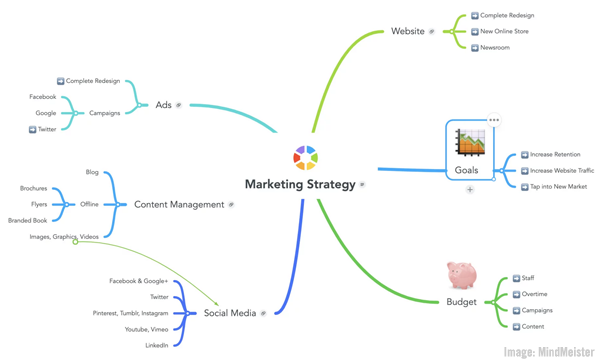
With MindMeister, a mind mapping tool from MeisterLabs, marketers can visually organize and diagram all manner of information and uncover fascinating connections that might otherwise remain hidden.
Brainstorm new ideas, map out project plans in a variety of ways, mark up information, all in a collaborative and sharing online environment — these are all areas where MindMeister can prove helpful in many B2B marketing efforts.
MindMeister offers a free basic version that lets you create three mind maps, along with subscription plans suited for anywhere from personal to enterprise uses. Find @MindMeister on Twitter.
2 — Google Stack
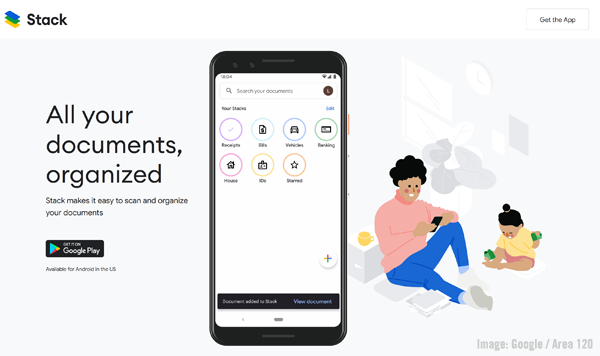
Area 120 is Google’s in-house project incubator, which recently released Stack — an experimental document digitization and organization app that uses artificial intelligence (AI) to analyze all scanned content.
For B2B organizations that have found the move to paperless less of a paradise and more of a digital abyss, Google’s Stack and it’s AI technology — along with easy and secure integration with Google Drive — will be a welcome addition to the organization category.
Conversion to PDF is done by taking snapshots of documents, and presently the app is available only for Android devices. Read Google’s Stack announcement on the Area 120 blog.
3 — CoSchedule’s Subject Line Tester Tool
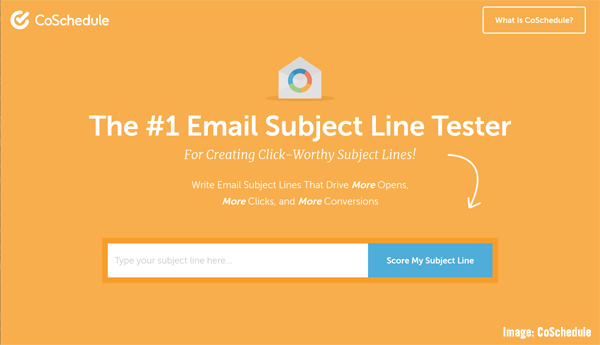
Marketers looking for a fresh take on potential new email campaign or newsletter subject lines can try CoSchedule’s Subject Line Tester tool.
This tool offers numerous recommendations, visual previews, and ratings for potential subject line choices, including sentiment and length analysis and keyword insight. It also offers a word balance feature showing a particular subject line’s emotional power and whether it is particularly common or on the rare side, in addition to other helpful analysis.
Similar subject line analysis tools exist, and for those who haven’t yet tried CoSchedule’s implementation, running a test may point out new considerations for improving and optimizing your next email campaign. The tool is just one of CoSchedule’s sizable array of marketing organization features. Find @CoSchedule on Twitter.
4 — Keyword Insights
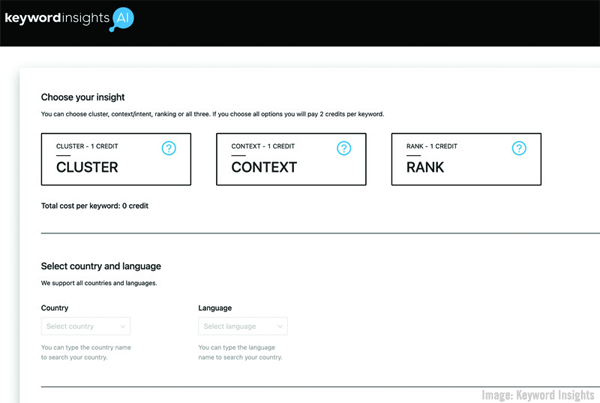
Keyword Insights is a combination keyword clustering, intent, context, and ranking tool presently in beta test status, providing a new glimpse into data that can help create a more informed content marketing strategy.
Features offered by Keyword Insights include unique topic cluster reports and keyword search intent data, allowing marketers to import their keywords in nearly any format and see numerous data-backed suggestions.
The tool can also show rank-tracked output with such information as search volume, suggestions on additional keywords to target, and which URLs may perform better if they were split into separate pages. Find @KeywordInsights on Twitter.
5 — Monster Mash
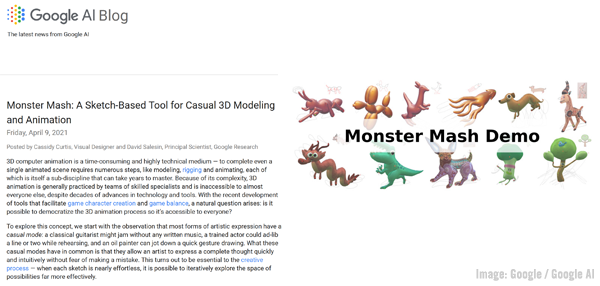
Google AI recently released Monster Mash, a tool that allows marketers to turn basic sketches into 3D animations without the involvement of designers or developers, creating an element which can add more visual excitement to top-notch marketing content.
An online example of what the new Google AI tool can accomplish lets users draw online and then inflate and animate their two-dimensional sketches into moving 3D works. Find @GoogleAI on Twitter.
6 — WebVitals Cumulative Layout Shift Debugger (CLS)
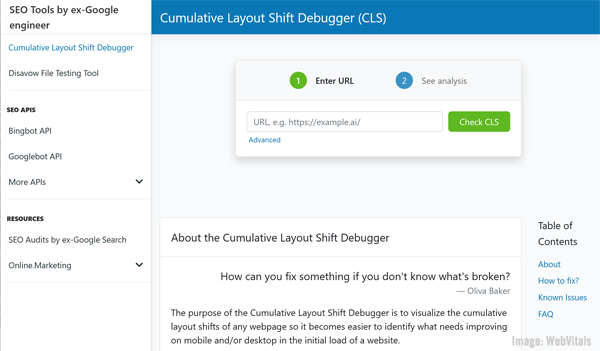
WebVitals Cumulative Layout Shift Debugger (CLS) is a free tool built by former Google engineer Fili Wiese, allowing marketers to examine and find where to improve on Google’s CLS user-centric metric for webpage layouts.
“The Cumulative Layout Shift Debugger uses the Layout Instability API in Chromium to detect and measure the layout shifts in the viewport between when a web page starts loading and when it finishes loading and calculates its cumulative layout shift score,” the utility’s instructions note, and the tool presents this information visually using squares.
CLS is a key part of Google’s Core Web Vitals measurements, and brands can use WebVitals Cumulative Layout Shift Debugger to optimize existing mobile and desktop page layouts, or test new ones.
7 — Grammarly

Grammarly, while not necessarily a new tool, has continually refined and added to its online writing assistance product, which comes in plans ranging from free to those tailored to teams of up to 149 users.
Going far beyond spelling grammar, and punctuation suggestions into areas including mobile writing tone detection, warnings to avoid overused language, and optimal formatting suggestions, the Grammarly of 2021 offers many new and helpful features for B2B marketers looking to take their writing to the next level. Find @Grammarly on Twitter.
We’re also looking out for you on that front, and recently published “B2B Content Marketing: 10 Tips to Level Up Your Writing Skills,” by our senior content marketing manager Joshua Nite.
8 — Ryte’s Keyword Cannibalisation Report
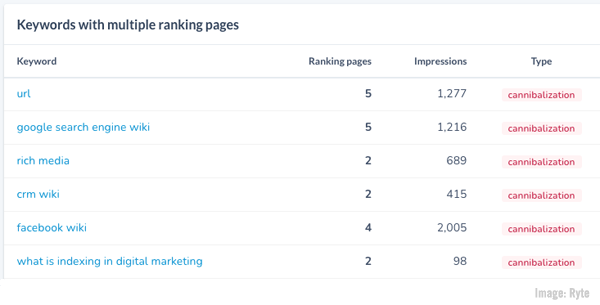
Ryte’s Keyword Cannibalisation Report helps marketers track down multiple web pages that may be ranked by Google for the same keyword and which could potentially be digitally cannibalizing your own site, and instead allowing the pages to implement changes that avoid the issue.
The Keyword Cannibalisation Report helps pinpoint situations including poor internal linking practices, similar or duplicate content, title or description markup, inconsistent anchor text use, and more. Find @Ryte_EN on Twitter.
A similar free alternative Cannibalisation Explorer tool, using Google Data Studio and Google Search Console data, has been made available by SEO consultant Hannah Rampton, offering another take on this often-valuable data.
9 — Loom
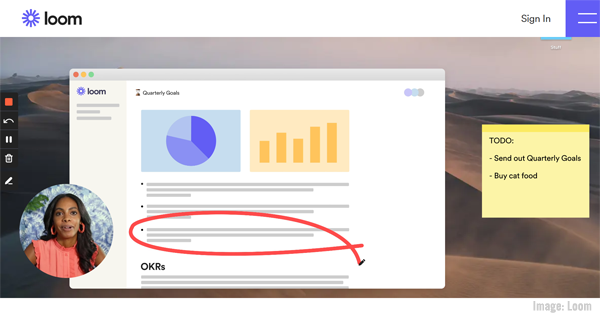
Loom’s powerful video messaging tools have also been updated, especially during the pandemic, which has seen a massive increase in the use of online video communication.
Recently passing the ten million user threshold, Loom has updated its cloud-based video editing capabilities, utilizing a real-time video transformation layer to make even the longest videos editable online.
Loom has also continued to build integrations with other tools such as Miro and Pitch, creating new levels of dynamic collaboration opportunities for marketers who use the platforms. Find @Loom on Twitter.
10 — Agorapulse Power Reports
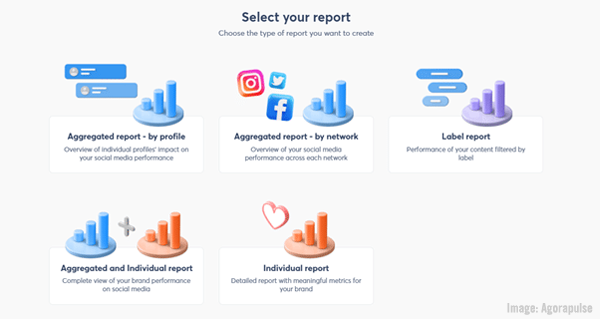
Agorapulse has added new premium Power Reports, advanced tools for handling multiple social media accounts, adding to the social media management system’s fine existing collection of helpful inbox, publishing, reporting, monitoring and team collaboration tools.
The new Agorapulse Power Reports options allow marketers to report on up to 10 social media profiles, with scheduled reporting, problem area identification, content ideas and suggestions, customized comparison and demographic data, and more. Find @Agorapulse on Twitter.
Build Your Own B2B Marketing Super Stack Of Helpful Tools
It’s not the marketing tools alone that make for enchanting customer experiences. Skilled and creative use of the vast digital palette we’re all fortunate to have at our fingertips requires dedication, time, and a healthy dose of vision.
B2B marketers can create great content by combining existing tools in new ways, building digital assets that sing a unique song that will help brands weave stories that truly stand out.
We hope you’ve found our look at a handful of new and updated marketing tools helpful as you build new campaigns throughout 2021, and that they’ll also contribute to your own team’s knowledge and inspiration.
Need more useful marketing tools? Here are several articles we’ve written exploring additional tools for B2B marketers:
- 5 More Handy Tools For 2021’s Busy B2B Marketers
- Inside Influence 11: Marshall Kirkpatrick from Sprinklr on Elevating B2B Content with Influencers
- Inside Influence 7: Pierre-Loïc Assayag from Traackr on Influencer Marketing Technology
- Inside Influence 13: Tim Williams from Onalytica on Optimizing B2B Influencer Experiences
- 5 Unheralded SEO Tools for Content Marketers
- 10 Fresh Social Media Marketing Tools To Boost Brand Storytelling
- 31 DIY Marketing Tools To Create Remarkable Experiences
- 10 Smart Question Research Tools for B2B Marketers
- How B2B Marketers Can Make the Most of Interactive Content Tools
- The Content Marketer’s Toolbox: 3 ‘Real-Life’ Tools for Gaining Insight, Inspiration, & Amplification
The post Marketer’s Toolkit: 10+ New Tools To Enhance Your B2B Marketing Stack appeared first on B2B Marketing Blog – TopRank®.