
Android App: nuove policy sui linguaggi interpretati

Cheer on the finalists of our Indie Games Festival
On September 4, we’re celebrating some of the best indie talent on Google Play during the Indie Games Festival finals for Europe, Japan and South Korea. This year the three festivals are virtual, so you can join us to discover the games, meet the developers who created them, cheer them on and be the first to hear who the winners are.
In June we kicked off the Indie Games Festival – a competition to celebrate the innovation and creativity that indie developers bring to Google Play. We received thousands of submissions, showing our judges how unique and diverse our games developer community is.
The panel of judges have now selected 20 games in each region – listed below – to go forward to the finals on September 4. Each finalist receives exclusive promotions and prizes that give their games the recognition they deserve.
So, don’t miss out. Expect plenty of fun and some very special surprises. Sign up now to virtually attend the festivals for Europe, Japan and South Korea. The events are free to attend and will all take place in the same space, so sign up to one and you will be able to teleport to all events!

Google Tensor debuts on the new Pixel 6 this fall
In 2016, we launched the first Pixel. Our goal was to give people a more helpful, smarter phone. Over the years, we introduced features like HDR+ andNight Sight, which used artificial intelligence (AI) to create beautiful images with computational photography. In later years, we applied powerful speech recognition models to build Recorder, which can record, transcribe and search for audio clips, all on device.
AI is the future of our innovation work, but the problem is we’ve run into computing limitations that prevented us from fully pursuing our mission. So we set about building a technology platform built for mobile that enabled us to bring our most innovative AI and machine learning (ML) to our Pixel users. We set out to make our own System on a Chip (SoC) to power Pixel 6. And now, years later, it’s almost here.
Tensor is our first custom-built SoC specifically for Pixel phones, and it will power the Pixel 6 and Pixel 6 Pro later this fall.

7 Questions B2B Marketers Need to Answer About Influencer Marketing
Diminishing organic social reach, distrust of brand marketing and information overload makes reaching and engaging today’s B2B buyer harder than ever. On top of that, the major changes brought by the pandemic have created new challenges and opportunities for B2B companies to better attract and engage customers in meaningful ways.
Out of the pandemic and the shift to digital first go-to-market approaches for B2B companies, Influencer Marketing has emerged as one of the most effective ways to connect with customers to create better experiences. Despite substantial growth in the discipline from best practices to software, many B2B brands are still experimenting or simply don’t know how to identify, engage and activate influencers.
As I’ve talked with prospective clients and my own team, many B2B marketers see the value in working with influencers to drive credible conversations and content about topics that customers care about. They simply don’t have enough information or experience to execute.
Evolving from this tentative stage to one of driving profitable marketing requires answers to several important questions:
How do you identify the right influencers?
Capturing the value of working with influencers doesn’t start by picking the most popular people in your industry to work with. There has to be a reason for them to do so and that purpose comes from a solid marketing strategy that identifies the topics, narratives and hooks that the marketing will use to engage customers. Those same marketing campaign elements will be used to then identify the people that have influence about the topics your customers care about.
Once topics of influence have been determined, there are a mix of ways to practically identify influencers from interviewing your key executives and customers to leveraging influencer marketing software which acts like an influencer search engine.
The important thing to understand about influencer identification in B2B is that not everyone who influences your customers thinks of themselves as an influencer. In turn, not everyone that identifies as a B2B influencer actually has influence. They might be better at creating engaging media and promotion than getting customers to buy.
The key is that there is tremendous value in working with both ends of the B2B influencer spectrum by matching them to the right kinds of content collaboration and activations.
How can you engage influencers and bring them onboard?
Many B2B marketers want to hit the ground running with influencers as if it were an advertising campaign and for the most part, that is simply not how influencer engagement works. More so than in B2C, B2B influencer marketing is a relationship business. Relationships take time to develop – you don’t simply “turn them on” by asking influencers to join your campaign or even to pay them to create content.
Most great relationships start with some romance where there are efforts to understand what’s important to the influencer and create value before getting any in return. Paying influencers to create content off the bat will get you a content deliverable, but it won’t make the influencer care about your brand. But if they do care, they will share and evangelize your brand, products and people organically.
Once you understand what motivates an influencer (sometimes you simply have to ask them) then you have context to invite them to participate in your marketing effort. Whether they are focused on advocating and growing a certain discipline in the industry or they are already a fan of your brand, you can put together the right kind of invitation to work with your brand to create mutual value and achieve mutual goals.
How do you engage with paid influencers vs organically?
Paying influencers for content deliverables or services has increased substantially in the past 2-3 years. And that is a good thing because it represents a growth in the number of professional influencers in B2B industries that understand how their role as an influencer can contribute to helping brands achieve marketing and business goals.
Typically, B2B influencers are paid for specific deliverables or for a commitment to deliver content over a defined period of time to specifications.
Organic influencer engagement is more about inspiring the influencer to be a part of the movement the brand is advocating. The purpose of the engagement is to join forces to achieve mutual goals and the influencer receives value in the exposure from being a part of the program, access to information, people and/or experiences from the brand.
Most mature B2B influencer marketing programs use a combination of organic engagement and paid. Always-On influencer engagement would typically be relationship building and organic. Asking 10 influencers to create 2 blog posts each or 2 videos each about defined topics to certain criteria would be something the brand would pay for.
Which collaboration efforts have a significant impact?
While content format trends in B2B are definitely leaning towards video, the best B2B influencer collaborations are those that align with customer content preferences. Once you understand how your customers prefer to consume content – most likely a mix of formats – then the task is to find influencers with specific skills or talents using those media formats.
In some cases the influencer can be a turnkey solution and produce content whether it’s a research report, webinar, podcast or video and deliver it to the brand for publishing. In other cases, the influencer is better as “on air talent” and can be the personality representing the brand engaging with internal and external influential voices – on a podcast, video series, webinar or a virtual / in-person event.
How can you integrate influencers with content marketing?
The topics of influence mentioned earlier help B2B brands match the people who are most influential about topics that drive the marketing narrative. Those same topics help guide the actual content influencers provide to the brand for use in content marketing.
Influencer content can be used to “optimize” brand content to be more credible, as in the use of influencer quotes in articles, research reports or as participants in webinars and events. Whatever topic the influencer is most credible about is matched with the corresponding content marketing asset.
Virtually any content marketing effort can benefit from including internal or external expert citations or contributions to give expertise and credibility to the messages intended for customers. Additionally, influencers that have the attention of customers that the brand is trying to reach can assist in promoting the content and reaching those customers.
How do you measure influencer effectiveness?
Marketing measurement has everything to do with the goals for the marketing so thought leadership is measured differently than a lead generation campaign. The same goes for influencer marketing.
When content is involved with an influencer marketing effort, all of the same KPIs are involved as with any other content marketing program. Is the content attracting the right audience, are they engaging with the content and is it converting?
With influencers it’s also important to measure the effectiveness of the influencers using tracking URLs to see how well their content resonates with audiences on delivering the above KPIs.
If a defined group of industry experts are engaged then it’s important to measure things like the brand’s share of voice within that group of influencers.
If the brand could get the most influential people in the industry talking about their brand in a positive way, that could have a significant warming effect if not direct impact on the marketing consideration of their products/services. Mentions and advocacy can be measured from benchmark to ongoing progress.
The trend in those influencer mentions can be overlaid with analytics tracking changes in more direct marketing KPIs to see if there is a correlation between increased influencer brand advocacy and lift in commercial content consumption, brand interest, leads and sales.
How does influencer marketing software help optimize marketing?
The influencer martech industry has grown substantially over the past 9 years TopRank Marketing has been involved with B2B influencer marketing. There are a variety of tools from specialty applications that are only used to identify Twitter influencers to enterprise level platforms that can handle everything from influencer identification to CRM to program measurement.
Picking influencers should be a data informed decision and influencer marketing software can comb through vast amounts of data to identify those individuals with the right mix of relevance, resonance and reach for your marketing program.
Communicating with influencers from initial social engagement to invitations to collaborate to contract management and deliverables management are all essential and best handled by software.
Monitoring your influencers and surfacing activation opportunities is essential for an Always-On program.
Measuring campaign performance as well as the share of voice and sentiment a group of influencers has about your brand is most effectively handled by influencer marketing software.
Influencer Marketing programs that work with 10, 20 or 100 different influencers simply cannot scale with any quality using a spreadsheet. Influencer Marketing software helps add both quality and efficiency to a program. That means more relevant influencers are identified, communications are more timely and effective and the performance measurement that you need is there for program optimization.
I will be digging into the details of each of these questions during a 3 hour workshop at the Pubcon conference tomorrow: How to Develop a B2B Influencer Marketing Program That Actually Works. Of course if you have any questions of your own, feel free to connect with our team at TopRank Marketing.
The post 7 Questions B2B Marketers Need to Answer About Influencer Marketing appeared first on B2B Marketing Blog – TopRank®.

Attacco hacker alla Regione Lazio: chiesto un riscatto?

Green Pass: il Ministero attiva funzione recupero dell’Authcode

Fino al 58% di sconto sui prodotti audio di JBL su Amazon

Port Royale 4 su PS5 e Xbox Series X|S il 10 settembre

New program helps regional journalists develop digital skills
Today, we’re pleased to announce an initiative that helps support regional news publishers by providing vital digital skills training and new opportunities for young journalists.
Introducing the Digital News Academy
The Digital News Academy is a new program created by Google and News Corp Australia that will provide training in the latest digital skills to 750 local and regional news professionals from a range of outlets across the country, including Australian Community Media and several others.
The program, run over three years, will provide comprehensive tuition in skills including digital journalism, video and audio production, data journalism, audience measurement, reader revenue, digital business models and marketing.
In addition to enabling crucial digital capabilities, the Digital News Academy will also create opportunities for young journalists, funding 60 new 12-month journalism traineeships in regional Australia over the next three years.
This is a significant investment in training and skills for local news in Australia, and builds on the work we’ve been doing for years in support of regional publishers. We’ve long partnered with the news industry in Australia, and this new initiative will benefit and support hundreds of journalists from across the Australian news industry.

Fly Free AirWays: prosegue l’aumento di capitale
In corso un aumento di capitale di grande interesse per la compagnia aerea Fly Free AirWays ha 4 focus: Business Travel Management, Turismo Esperienziale, Cargo e Officina di Manutenzione Aerea.…
L’articolo Fly Free AirWays: prosegue l’aumento di capitale scritto da Paolo Brambilla proviene da Assodigitale.

Restauri e recuperi digitali delle foto di 50 anni fa sulla Luna
Cinquant’anni fa, sulla Luna c’erano due uomini che esploravano la superficie selenica viaggiando su un’auto elettrica. Ora, nel 2021, il fotorestauratore Andy Saunders ha elaborato digitalmente con maestria le fotografie e le riprese cinematografiche originali di quella missione, Apollo 15, per recuperare le foto sottoesposte e creare panoramiche assemblando le fotografie e le riprese fatte con una cinepresa 16mm su pellicola a colori.
Il risultato è notevolissimo:

Sapevate che il Modulo Lunare di questa missione atterrò storto e danneggiò l’ugello del suo motore di discesa? Per fortuna ne usava uno separato per la risalita. Ora possiamo vedere bene il danno.
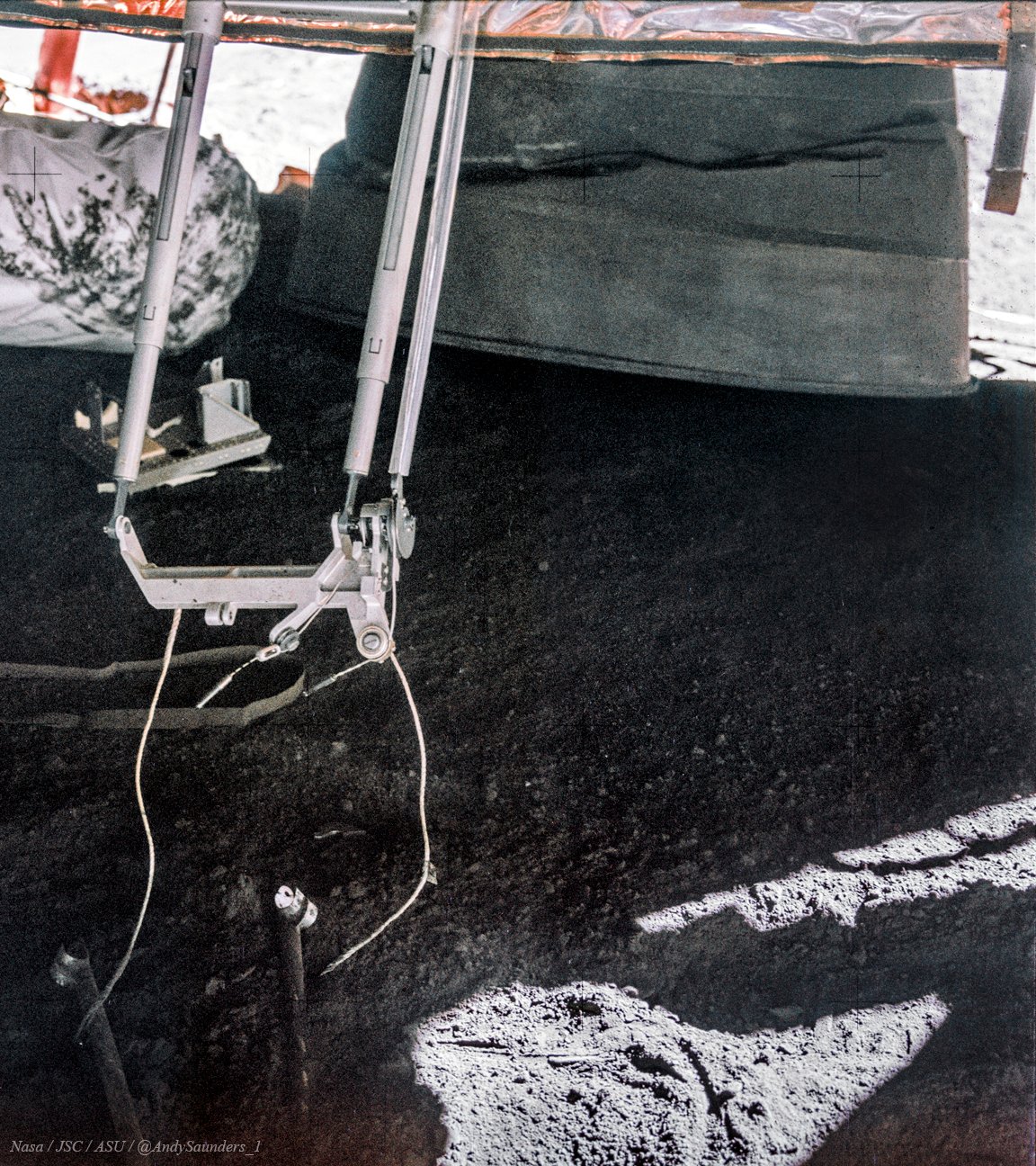



Inoltre le immagini della sonda Lunar Reconnaissance Orbiter sono state rielaborate per ottenere un modello 3D digitale della zona di allunaggio di Apollo 15, con indicati i principali luoghi interessati dall’esplorazione da parte degli astronauti.
Two hours after #Apollo15 landed on the Moon, astronaut Dave Scott stood up in the lunar lander’s open-top hatch to get a 360-degree view of the surrounding landscape. It’s like peeking up through the sun roof of your car! https://t.co/aur7OQQYcl pic.twitter.com/VyaCmoKmq8
— NASA Moon (@NASAMoon) July 30, 2021
Trovate maggiori dettagli in questo mio articolo su Apollo 15 Timeline.
Questo articolo vi arriva gratuitamente e senza pubblicità grazie alle donazioni dei lettori. Se vi è piaciuto, potete incoraggiarmi a scrivere ancora facendo una donazione anche voi, tramite Paypal (paypal.me/disinformatico) o altri metodi.

Doctor Who e le lamentele sulla cultura “woke”
Questo non è un articolo vero e proprio: sono solo appunti sparsi, che pubblico perché sento che questa questione sarà importante, per gli appassionati di Doctor Who e di fantascienza in generale, ma non solo, nei mesi e negli anni che verranno.
C’è una lamentela, da parte di alcuni media ultraconservatori britannici molto popolari (che hanno i loro corrispettivi anche in altri paesi), secondo la quale le nuove serie TV e i film recenti avrebbero troppi personaggi femminili e storie troppo incentrate sui temi sociali come la discriminazione, i cambiamenti climatici e il consumismo. Questo presunto eccesso viene definito sommariamente e sprezzantemente “cultura woke”.
L’autore di fantascienza Charlie Stross ha segnalato una serie di tweet di Alan McWhan che risponde con citazioni precise a questa critica. Doctor Who, come Star Trek e tanta altra fantascienza, non è improvvisamente woke: non è diventato attento adesso ai grandi temi. Lo è sempre stato.
Riporto qui i tweet originali: se non conoscete la serie o non sapete della polemica, ignoratela pure. Scusatemi se non mi fermo a spiegarla, ma richiederebbe pagine su pagine di premesse.
“#DoctorWho has gone woke!” What, the Doctor Who whose very first story literally said “we’re all stronger if we work together”?
The Doctor Who whose second story literally said “pacifism is a wonderful ideal… but you’ve gotta keep punching Nazis to get there”?
The #DoctorWho whose MVP for the first two seasons was a female, middle aged History teacher at a bog standard British school, who absolutely irrefutably taught The Doctor we know today the moral code by which the character lives?
The Doctor Who that was railing against profiteering business interests that were destroying the planet by the time its second season started, in 1964?
The #DoctorWho that was giving a disproportionate number of roles to French, German, Belgian, and other non-British characters by 1967, including some of the first speaking parts for non-white actors in the history of British television?
The #DoctorWho that was putting feminism and equality front and centre by the time it introduced astrophysicist Zoe Herriot by 1969, multiple degree holding Cambridge graduate Liz Shaw by 1970, and gutsy investigative journalist Sarah-Jane Smith by 1974?
The Doctor Who that was raising the issue of global warming by 1968?
The Doctor Who that was warning about non-biodegradable plastics before most people were even aware of the existence of plastics?
THAT Doctor Who has “gone woke”?!
Behave.
Doctor Who had already taught me about global warming, corporate greed, over-zealous tax regimes, sexism, fascism and SO much more by the time I left primary school in 1982 that any accusations of “wokism” by card-carrying right wing arseholes like Kelvin MacKenzie 40 years later result in little more than a roll of the eyes and a disparaging, “Have you ever actually WATCHED #DoctorWho?”
Questo articolo vi arriva gratuitamente e senza pubblicità grazie alle donazioni dei lettori. Se vi è piaciuto, potete incoraggiarmi a scrivere ancora facendo una donazione anche voi, tramite Paypal (paypal.me/disinformatico) o altri metodi.

Microsoft distribuisce la prima beta di Windows 11

Tecnologia e finanza: la blockchain il presente e futuro?
La blockchain è una tecnologia che sta vivendo ancora una fase di ricerca e sviluppo che, potenzialmente, può portarla a cambiare in modo determinante il modo in cui interagiamo con…
L’articolo Tecnologia e finanza: la blockchain il presente e futuro? scritto da YOUR_DIGITAL_VOICE! proviene da Assodigitale.