What 5 Recent Search Marketing Changes Mean For B2B Marketers
How can B2B marketers adapt to the latest changes in search engine marketing?
Google, Bing, and other search engines have continued to refine their services, bringing changes that B2B marketers need to be aware of.
Holding the dual roles of the world’s most popular search engine and its biggest search advertising provider, Google and its parent company Alphabet saw an especially strong 70 percent increase in advertising revenue during the second quarter of 2021, the firms recently disclosed. That equates to some $560 million is advertising revenue per day during the quarter, and a year-over-year increase of 62 percent, rebounding from the firm’s only revenue decline a year ago due to the global health crisis.
Search advertising revenue alone rose by 68 percent and accounted for some $38.8 billion during the reporting period, making it as clear as ever that paid search ads continue to be used as an important part of the marketing strategies of both B2C and B2B firms.
The recently-released 2020-2021 edition of the ACSI (American Customer Satisfaction Index) shows some of the reasons why Google’s search remains essentially a de-facto element in marketing efforts, and reinforces Google’s continuing dominance, topping the customer experience list with a score of 76 out of 100.
Microsoft’s Bing wasn’t far behind Google in the index rating, however, with a customer experience score of 71.
Let’s take a look at five of the most recent changes among Google and Bing that are likely to affect B2B marketers, and how they may play out as we push ahead towards 2022.
1 — Google’s “About This Result” & Feedback Features
Google recently introduced a new search feature that now shows some of the reasons why it ranked a specific search result in the position it was discovered, via the three dot additional options section to the right of most search results.
This new list of certain factors taken into account by Google for individual search results launched in late July, and reveals information that can include:
- Matching Keywords
- Related Terms
- Looking-at Links
- Local Relevance
Not all search engine result page (SERP) entries contain data from all four categories, however each piece of information shown can certainly help B2B marketers determine some of the factors Google has considered in relation to a particular search result, such as this example:
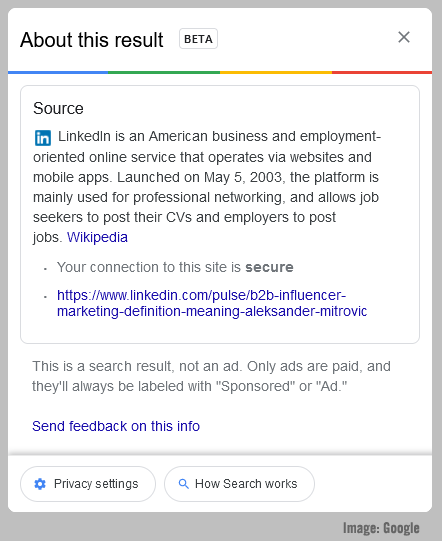
The “looking at links” information shows, according to Google, “When other pages link to a page using similar words as your query, that page might be relevant to your search. It can also be a helpful indicator of whether online content creators tend to regard the page as useful for that topic.”
The option to send feedback to Google on a particular SERP entry may also offer B2B marketers a route to providing additional insight about an indexed page — or perhaps even on competitor pages, as was discussed on the WebmasterWorld message forums.
Some search results shown through the new panel also include the ability to perform a similar results search, offering more insight on which pages Google’s search index and algorithms consider as holding similar value or information.
Other results include underlined words that can be hovered over to show a selection of search tips meant to refine a particular search — another potentially helpful feature for marketers.
While offering only limited information to marketers, what is available can still be used to refine and improve existing page search engine optimization (SEO) efforts.
2 — Display & Video 360 Bring New Google Data Insights
Google has also recently added an array of new visual overview data to its Display & Video 360 enterprise advertising and analytics platform, in a change that is set to smooth the job of marketers using the product across various channels.
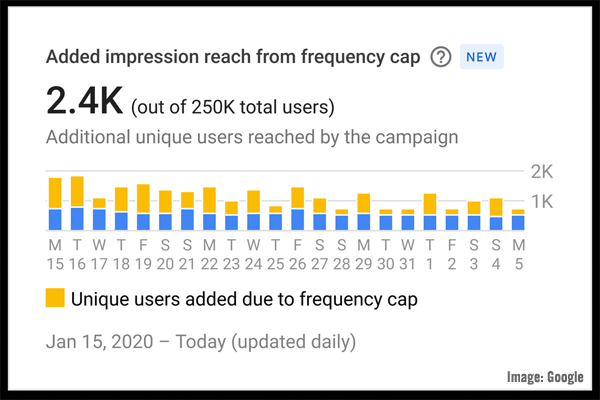
The new views offer a real-time glimpse of reach — gleaned partially from DV360’s log data — when it comes to a campaign’s performance, and should also make it easier to find the highest performing programmatic advertising campaigns, including video.
Video has only become more important to B2B brands during the global health crisis, and recent Hubspot data shows that 72 percent of customers prefer to learn about a product or service from video content.
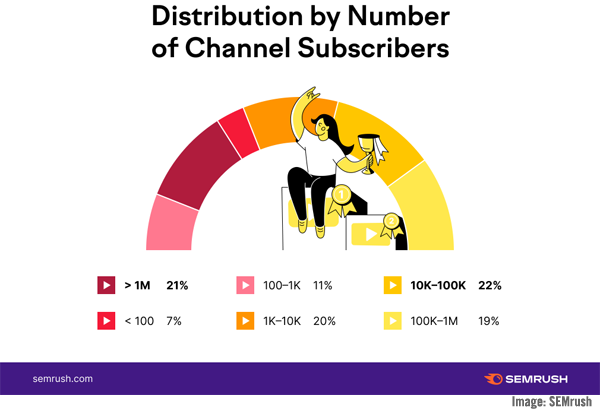
The functionality of Google’s YouTube as a search engine for both B2C and B2B queries is also an important part of today’s marketing considerations, with recently-released study data from SEMrush showing that even smaller YouTube channels can still produce content that places among the top search results on the platform.
3 — Learning More With Google Discover
As more B2B brands than ever fall into today’s expanding publisher category, some marketers are increasingly turning to more niche and specialized Google products for fine-tuning their SEO efforts.
One of these is Google Discover, the search giant’s personalized Android-only mobile offering, has been tricky to specifically target with optimization efforts, however recent insight has come from several marketers and SEO professionals, including Lily Ray and her “Google Discover: 10 Characteristics of Top-Performing Content” study.
Perhaps currently overlooked by the majority of B2B marketers, devoting SEO efforts to Google Discover can nonetheless be worthwhile, Ray noted.
“Performing well in Google Discover will likely stem from a content strategy mimicking that used on other social platforms, rather than a keyword-research-driven, E-A-T focused SEO strategy,” Ray said.
Ray was one of the 12 top industry experts featured in our annual trends and predictions article, “12 Top B2B SEO Trends & Predictions for 2021.”
[bctt tweet=”The biggest overarching trend in SEO in recent years which will undoubtedly continue in 2021 is the focus on E-A-T: expertise, authoritativeness, and trustworthiness. — Lily Ray @lilyraynyc” username=”toprank”]4 — Google TensorFlow Ranking Updates
Despite its well-entrenched position as the world’s leading search engine and search advertising provider, Google has developed framework adjustments that aim to allow it to more quickly implement any manner of algorithmic and search ranking improvements.
Front and center of this push are Google’s recent TensorFlow Ranking changes, that affect how swiftly new search technology is able to be tested and rolled out to the public.
Long-time search industry professional Roger Montti — another of the subject matter experts featured in our annual SEO predictions article — examines many of the technical details surrounding Google’s latest TensorFlow Ranking features in “Google’s New Technology Helps Create Powerful Ranking-Algorithms.”
These types of changes that allow Google to quickly try out new things can represent an underutilized opportunity for savvy B2B marketers looking for detail-oriented advantages that more slowly-moving brands may not be able to react fast enough to take part in and learn from.
[bctt tweet=”SEO is so consumed with SEO rituals, optimizing for Google, that it forgets that the end game to all of these shenanigans is increasing sales. — Roger Montti @martinibuster” username=”toprank”]5 — Bing’s New Chat & Related Image Features
Microsoft’s Bing search engine also continues to innovate and implement a variety of new features as it has evolved over the years.
One experimental new change has been the introduction of artificial intelligence (AI) backed interactive chat features within Bing’s search results, bringing a new level of interactivity to SERP content that could also offer future optimization opportunities for B2B marketers.
While currently only a limited test, Bing’s chatbot feature represents a shift that’s been happening over the past five years, to content that’s more interactive. 33 percent of members of the global CMO Coucil recently said that they plan to upgrade digital interactive marketing efforts during 2021, as we reported.
Bing has also recently rolled out a search feature that makes it easier to view images related to particular search results, offering a pop-up that displays an array of additional images from the site hosting the SERP entry.
Visual search optimization has grown in importance, and changes such as Bing’s recent carousel of related images from the site of origin highlight some of the lesser-known gains that B2B marketers can achieve in the area.
Ratchet Up Your B2B Search Marketing
B2B marketing doesn’t have to be a conveyor belt of boring content efforts when you spice up your efforts by incorporating the latest search marketing news, tactics, and tips from Google and Bing that we’ve explored here.
By implementing the items we’ve dug into, from Google’s “About This Result” and feedback features to its new Display & Video 360 data insights, Google Discover, TensorFlow ranking updates, and Bing SERP chatbot and related-image features, we hope you’ll come away with new ideas and inspiration as we make the drive ahead towards successful B2B marketing efforts in 2022 and beyond.
Crafting award-winning digital search experiences featuring elements such as these takes significant time, resources, and effort, which is why many of the world’s top B2B brands choose to partner with a leading B2B marketing agency. Contact us today and learn why for more than 20 years brands from LinkedIn and 3M to Dell and Adobe have chosen to work with TopRank Marketing.
The post What 5 Recent Search Marketing Changes Mean For B2B Marketers appeared first on B2B Marketing Blog – TopRank®.

WhatsApp, da oggi foto e video scompaiono dopo la visione

OPPO risolve il problema della fotocamera frontale sotto lo schermo?
Due parole sull’attacco informatico “terroristico” alla Regione Lazio
Ho aspettato un po’ a scrivere di questa vicenda per lasciare che si depositasse il polverone delle dichiarazioni politiche e cominciassero a emergere i fatti tecnici. I fatti sono ancora pochi, comunque, ed è piuttosto evidente a questo punto che non c’è alcuna intenzione delle autorità di fare piena chiarezza sulla vicenda. Prendete quindi queste poche righe con beneficio d’inventario.
Quello che si sa per certo, finora, è che i servizi informatici della Regione Lazio sono offline da domenica 1 agosto. Secondo la ricostruzione de Il Post (anche qui), un ransomware ha colpito il centro elaborazione dati (CED) che gestisce tutta la struttura informatica regionale e i tecnici hanno pertanto disattivato il CED.
Questo ha portato quasi alla paralisi tutti i servizi regionali che dipendono dal CED, fra i quali spicca il servizio di vaccinazione contro il Covid (che sta procedendo lentamente usando un sistema cartaceo ma ha le prenotazioni bloccate).
Il presidente della Regione Lazio, Nicola Zingaretti, ha parlato di difesa contro “attacchi criminali o di stampo terroristico” (sottolineo “o”), ma ANSA ha inventato un virgolettato che gli ha messo in bocca una certezza sullo stampo terroristico che di fatto Zingaretti non ha espresso (perlomeno nello spezzone video riportato nel tweet di ANSA):
Zingaretti: ‘Gli attacchi hacker sono di stampo terroristico. Stiamo difendendo la nostra comunità. E’ l’offensiva criminosa più grave mai avvenuta’ #ANSA pic.twitter.com/jSkQfCPnZ5
— Agenzia ANSA (@Agenzia_Ansa) August 2, 2021
I giornali generalisti italiani si sono lanciati in narrazioni che per pietà mi limito a definire fantasiose, per cui non è opportuno considerare affidabile qualunque affermazione informatica scritta da queste testate e conviene rivolgersi solo a fonti tecniche qualificate.
Per quello che è dato sapere fin qui, non c’è nessuna evidenza di un attacco di stampo terroristico: sembra invece trattarsi di un classico attacco criminale, effettuato a scopo di estorsione. Un tipico ransomware, insomma, di quelli che colpiscono tutti i giorni tante aziende: i dati vengono cifrati dai criminali, che poi chiedono il pagamento di un riscatto per avere la chiave di decifrazione. Stavolta il bersaglio è un po’ più grosso e il danno è molto più visibile.
L’ipotesi del terrorismo informatico è altamente improbabile perché un attacco a fini terroristici avrebbe semplicemente cancellato i dati invece di cifrarli, come ha giustamente fatto notare Stefano Zanero, professore associato di Computer Security al Politecnico di Milano.
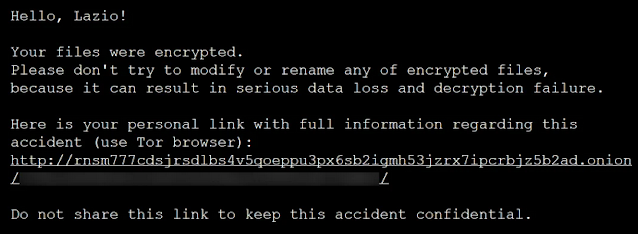
Ieri è stato diffuso uno screenshot, parzialmente oscurato, che mostrerebbe l’avviso del ransomware, con un link a una pagina del dark web da usare per la trattativa con gli esecutori dell’attacco:

Secondo BleepingComputer, il link alla pagina è collegato a un gruppo di criminali informatici noto come RansomEXX, che ha già preso di mira grandi aziende in vari paesi del mondo, e la tecnica di attacco del gruppo consiste nel violare le difese di una rete aziendale usando delle vulnerabilità o delle credenziali rubate, per poi scorrazzare nella rete rubando o cifrando file e prendere il controllo del domain controller Windows per diffondere il software di cifratura su tutta la rete.
Gli attacchi di ransomware di solito agiscono su due fronti fondamentali di monetizzazione: la minaccia di bloccare l’attività della vittima e la minaccia di disseminare i dati custoditi vittima (con conseguenti disagi e danni). Zingaretti ha dichiarato che “nessun dato sanitario è stato rubato e i dati finanziari e del bilancio non sono stati toccati” (Il Post), ma è decisamente troppo presto per essere così categorici.
Per ora, quindi, le domande superano ampiamente le risposte.
—
Come è stato possibile un attacco del genere? Secondo le informazioni pubblicate da Open, l’attacco sarebbe iniziato prendendo di mira un PC di un dipendente di Lazio Crea, “società controllata dalla Regione, in smartworking a Frosinone. Per entrare nel sistema, come hanno spiegato fonti della polizia postale a Repubblica, i pirati hanno bucato Engineering SPA, la società specializzata in servizi informatici che lavora con molte amministrazioni pubbliche […] Da lì hanno ottenuto le credenziali dell’impiegato di Lazio Crea, che aveva i privilegi di amministratore. Hanno inserito il ransomware nel sistema informatico ed è partita la copia dei file.” Uno schema assolutamente classico, insomma.
Non si possono ripristinare i dati da un backup? Non è così semplice. Come regola generale, prima di tutto bisogna assicurarsi che la rete informatica sulla quale si va a ripristinarli sia pulita e non contenga ancora il ransomware, altrimenti è tempo sprecato. Occore quindi ripulire la rete oppure crearne una nuova vergine (cosa non facile per sistemi informatici grandi e complessi come un CED regionale). Poi bisogna avere un backup, e questo backup deve essere recente e pulito. Ma a quanto risulta dalle dichiarazioni di un assessore della Regione Lazio, almeno parte dei backup era tenuta in linea e quindi sarebbe anch’essa cifrata. Un altro errore classico. Tenere offline un backup integrale di grandi database non è semplice, certo, ma non farlo è una negligenza imperdonabile.
Come si possono evitare disastri del genere? Anche questo non è facile, ma i passi da compiere per ridurre la possibilità che accadano sono ben conosciuti:
- ridurre la superficie di attacco, per esempio togliendo gli accessi privilegiati a chi non ne ha strettamente bisogno (in smart working o meno) e dandoli soltanto a chi ha macchine molto protette e non usate in modo promiscuo (no, il PC del dirigente sul quale il figlio guarda YouPorn non deve avere accesso privilegiato alla rete aziendale);
- predisporre una procedura di backup (che va collaudata e testata) che offra il massimo isolamento fisico possibile;
- predisporre un piano di disaster management per sapere cosa fare se (anzi quando) un attacco va a segno e in base a quanto va a segno;
- avere un piano di comunicazione chiaro e trasparente.
Fra queste soluzioni, noterete, è vistosamente assente qualunque accenno a grandiosi piani di “cloud nazionale”. Perché “cloud nazionale” in politichese si traduce “pioggia di soldi per gli amici”, ma in informatica si traduce “single point of failure”. E se qualcuno ha bisogno che gli si traducano queste parole inglesi, tenetelo lontano da qualunque decisione informatica.
Questo articolo vi arriva gratuitamente e senza pubblicità grazie alle donazioni dei lettori. Se vi è piaciuto, potete incoraggiarmi a scrivere ancora facendo una donazione anche voi, tramite Paypal (paypal.me/disinformatico) o altri metodi.

Amazon Kindle al prezzo più basso soltanto per oggi!

Twitter, la beta include l’accesso con account Google e Apple
Pixel 6 e 6 Pro, Google rivoluzionerà il mercato smartphone?

Huawei MateView GT: un ottimo debutto fra i monitor gaming

Attacco alla Regione Lazio: le imprecisioni dei media e dei politici
Articolo a cura di Daniele Umberto Spano Ceo Kruzer SPA Brescia Ormai la notizia è diffusa a livello globale: la Regione Lazio è stata vittima di un attacco informatico e…
L’articolo Attacco alla Regione Lazio: le imprecisioni dei media e dei politici scritto da YOUR_DIGITAL_VOICE! proviene da Assodigitale.
Transit trends: the road ahead for commuters
I’ve lived in major cities around the world, from Johannesburg to Shanghai to the San Francisco Bay Area. That means public transportation has played a big role in my daily life.
That changed last spring, when, like many people, I traded in my daily commute on the public bus for a much shorter trip to my dining room table. I wasn’t the only one transforming my kitchen into an office — transit ridership plummeted across the globe.
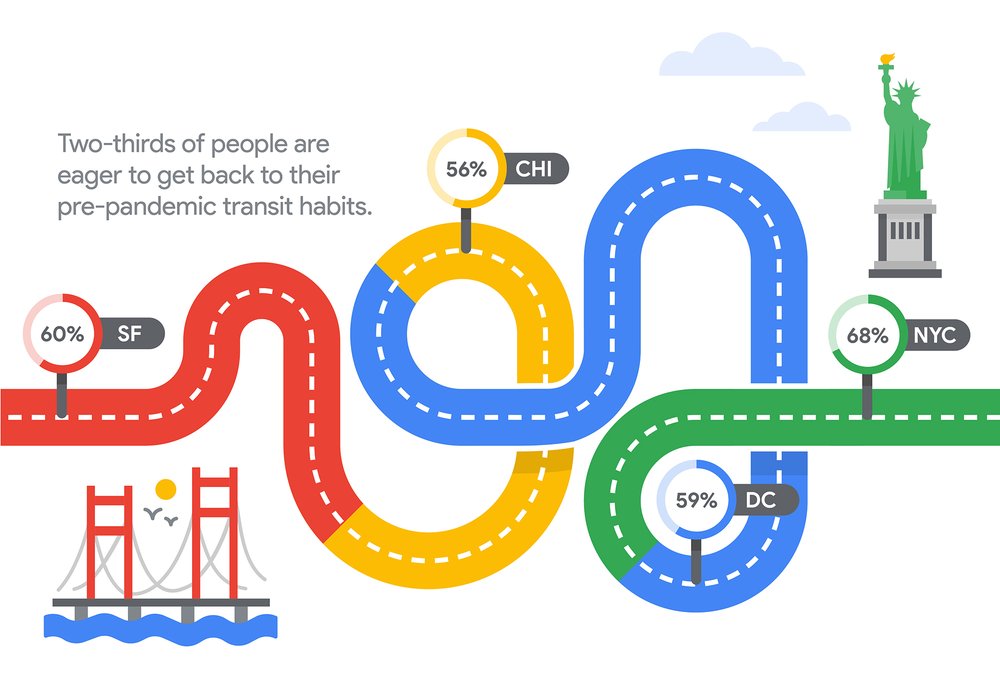
While we are still far from a return to normal, we wanted to understand how people feel about returning to public transit. So we surveyed 2,000 commuters across New York City, San Francisco, Washington, D.C. and Chicago to find out. Here’s what we learned:

5 Olympic Lessons for Marketing Project Managers
Shattered world records. Nail-biting competition. Limitless sportsmanship. The Olympic Games are a sight to behold.
While we had to wait a little longer for the 2020 Tokyo Olympics, they’re still captivating audiences with competition that pushes the limits of athletes and of humans.
As a long-time spectator of the games, however, I’ve found that some of the most memorable Olympic moments hold real-life lessons and even happen outside of the competition floor. Already at these Olympic Games, I’ve taken note of several moments that are unforgettable in life and in work. Especially as a marketing project manager, where we often have to coach our team members, I’ve learned several lessons from the first week of competition. To learn what those lessons are and how they can impact your marketing projects, read on.
Lesson #1 — It’s okay to say, “no.”
Simone Biles, the GOAT ?, shocked the world when she pulled out of the women’s artistic gymnastics team final. And shocked us again when she pulled out of the women’s individual all around.
But when you learn the reason why, wanting to avoid personal injury due to the “twisties” and to focus on her mental health, it’s easy to see why she withdrew. In fact, it makes complete sense. There are times where saying, “no” is the best, most brave thing you can do.
In marketing, business, and even in life, it’s really hard to say, “no.” When clients or execs come to you with requests, it’s only natural to want to say yes. We want to please and delight those that we work with. But there are times where saying, “yes” could lead your team to become stretched too thin, stressed, and overworked. “No” can be a powerful term in those situations and can help safeguard your team against unnecessary crunch. I would also advise that “but” can be a very useful word here as well. “Yes, we can service your request, but it means your other deliverables may be delayed.” With a small “but,” you’re able to make room for the new request while still safeguarding your team.
Lesson #2 – Celebrate the victories, big and small.
When Australia’s Ariarne Titmus won the gold in the women’s 400 meter freestyle, I don’t think anyone was more excited than her coach, Dean Boxall:
It was an epic celebration that went viral shortly after. It’s hard to watch that and not feel the excitement, the hype.
Energy like that is infectious. As a marketing project manager, you want that energy among your team. You want morale to be high so team members are engaged in the work and motivated to achieve success. And this Olympic moment is a good reminder to celebrate your project’s success, both big and small. Those wins can do wonders for your team morale and energy.
Lesson #3 – Persevere.
This Olympics, Hidilyn Diaz won the first ever gold medal for the Philippines. And it came in women’s weightlifting.
View this post on Instagram
But what I find so inspiring about Hidilyn’s story is when you look at her history in this sport. In 2008 in Beijing at the age of 17, she finished second to last. In London in 2012, she missed all of her clean and jerk attempts, resulting in a DNF (did not finish). But she shook it off and persevered. In Rio in 2016, she took home the silver medal becoming the first Filipino woman to win an Olympic medal. And even then she wasn’t satisfied, competing and training for another five years to compete in Tokyo, where she took home the gold and made history yet again. That’s amazing dedication, determination, and perseverance.
Perseverance is a great quality to have as a marketing project manager, and Hidilyn’s story is a great reminder of that. It’s not uncommon for marketing projects — or any projects or work for that matter — to experience setbacks. But it’s important that when setbacks happen, we forge ahead. We pivot. We adapt. And who knows, if we persevere long enough, we may break records and barriers not unlike Hidilyn.
Lesson #4 – Experience isn’t everything.
Watching the women’s skateboarding street finals was a trip! I could not believe the ages of these young athletes. The gold and silver medalists were both just 13 years old and the bronze medalist wasn’t much older at the age of 16.
View this post on Instagram
And in watching them perform, I couldn’t help but be reminded that age is just a number. In work environments, it can be easy to judge someone based on their age or level of experience. After all, reviewing one’s experience is how we determine one’s role on the team and the work they can make the greatest impact on. These skateboarders just go to show that excellence can come from anywhere and anyone. All we need to do as project managers is give individuals the tools and resources to get there. Experience isn’t the end-all be-all we sometimes think it is.
Lesson #5 – Diversity breeds success.
206 countries. Over 11,000 athletes. 309 medals up for grabs in 33 sports. It’s the most diverse gathering of athletes in terms of sport, race, and nationality. I also think it’s the perfect case study for why diversity drives excellence and innovation.
Just take a look at the current medal count and imagine if only certain countries could compete. While those countries would go home with more medals, it might be a hollow victory. An athlete that might not have been on the podium or even in the final heat, is suddenly a medal winner. Current Olympic and world records might stand when they would have been shattered otherwise. It’s the wide range of international competition that continues to push athletes to their limits.
When it comes to forming the teams for your marketing projects, make sure they are diverse ones. The more perspectives you have, the better your project will be in the long run and the more success you’ll find.
Take Your Team to Olympic Heights
Project management and people management are one in the same. For our projects to be successful, we have to effectively manage people in the process. Watching the Olympics, it’s clear to me that there are a lot of people management lessons we can learn from Olympians, their coaches, and their actions.
For your own marketing projects, use the advice above to keep the people on your teams motivated, happy, and successful. In need of more marketing project management advice? Learn about the common barriers to marketing project management and how to overcome them.
The post 5 Olympic Lessons for Marketing Project Managers appeared first on B2B Marketing Blog – TopRank®.

Google svela in anteprima Pixel 6 e Pixel 6 Pro

Telegram si aggiorna con videochiamate fino a mille utenti

FIFA 22, le differenze tra la Standard e la Ultimate Edition