Facebook, Mark Zuckerberg poco amato dai suoi dipendenti
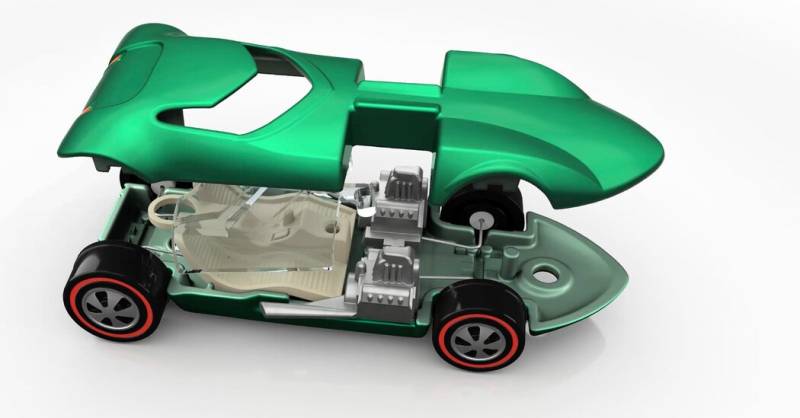
Mattel si unisce alla frenesia NFT con Hot Wheels
Spostati, Nyan Cat . Mattel è l’ultimo creatore a saltare sulla mania più calda della criptovaluta mettendo in vendita la sua prima arte digitale con i suoi veicoli Hot Wheels.…
L’articolo Mattel si unisce alla frenesia NFT con Hot Wheels scritto da Michele Ficara Manganelli ✿ proviene da Assodigitale.
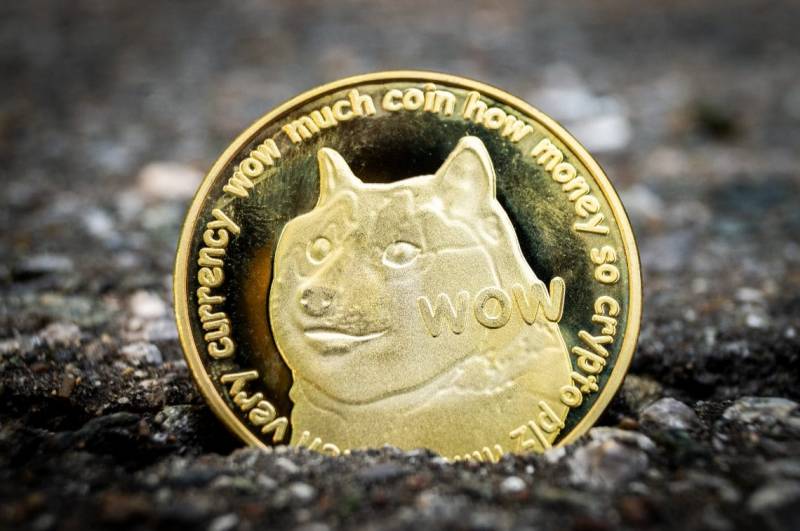
Il meme doge record NFT venduto per più di $ 4 milioni
Un NFT (token non fungibile) di “Doge”, la gioiosa e onnipresente immagine di Shiba Inu che è stato uno dei meme più famosi di Internet, ha fatto la storia dopo…
L’articolo Il meme doge record NFT venduto per più di $ 4 milioni scritto da Michele Ficara Manganelli ✿ proviene da Assodigitale.
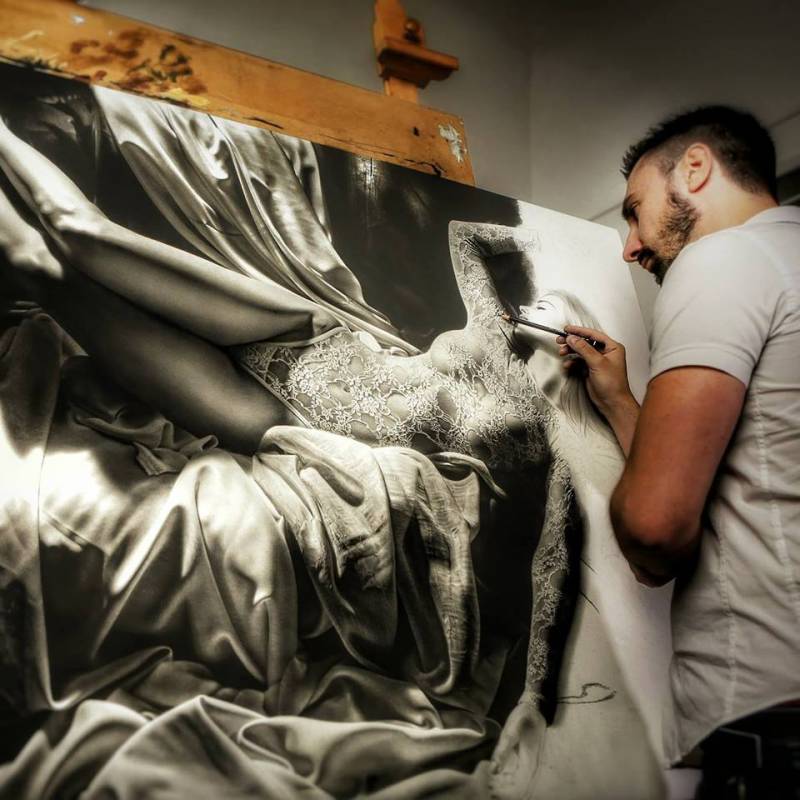
Emanuele Dascanio, l’artista iperrealista di fama internazionale lancia il suo primo NFT su SuperRare
Emanuele Dascanio, artista iperrealista italiano selezionato tra i 100 creators di Binance, ha finalmente comunicato la data del suo primo drop di NFT: oggi, 18 giugno 2021. Questo suo primo…
L’articolo Emanuele Dascanio, l’artista iperrealista di fama internazionale lancia il suo primo NFT su SuperRare scritto da YOUR_DIGITAL_VOICE! proviene da Assodigitale.
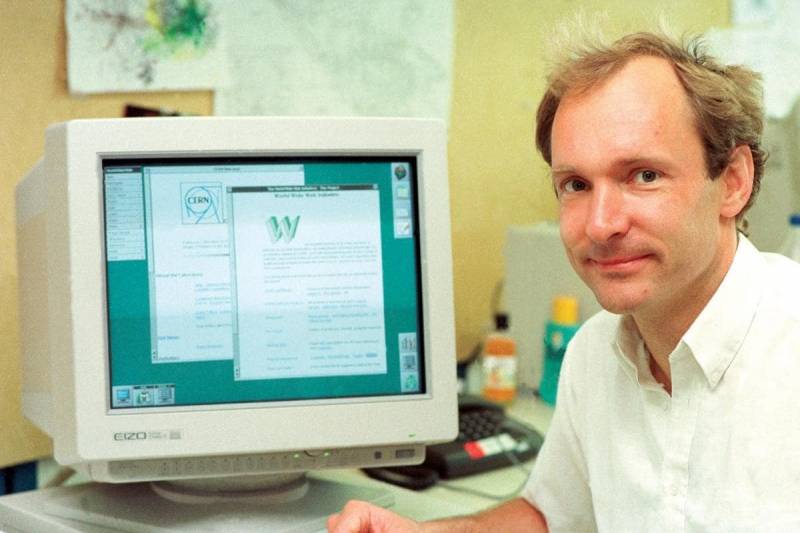
Il creatore del World Wide Web sta vendendo il codice sorgente come NFT
Il codice sorgente originale per il World Wide Web che è stato scritto dal suo inventore Tim Berners-Lee è in vendita da Sotheby’s come parte di un token non fungibile,…
L’articolo Il creatore del World Wide Web sta vendendo il codice sorgente come NFT scritto da Michele Ficara Manganelli ✿ proviene da Assodigitale.
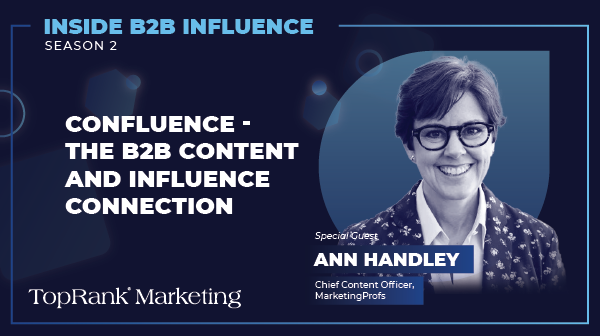
Inside B2B Influence 14: Ann Handley of MarketingProfs on the Content and Influence Connection
Inside B2B Influence is a show that goes behind the scenes of B2B influencer marketing and showcases conversations with insiders from the world of B2B influencer marketing. We connect with influential practitioners at B2B brands of all kinds and sizes to answer the rising number of questions about working with influencers in a business context.
In this first episode of the second season of Inside B2B Influence, I was able to catch up with the incredibly popular, talented and beloved Chief Content Officer at MarketingProfs, Ann Handley. I’ve known Ann for well over 10 years and she’s been a great friend, client and source of inspiration to me about more meaningful content marketing.
Ann talks with me about a variety of topics ranging from the nature of influence in B2B, demand for B2B influencers during the pandemic and our mutually favorite “dogfluencer”, August – the most dashing Cavalier King Charles Spaniel you may ever meet.
Highlights of this episode of Inside B2B Influence with Ann Handley include:
- Does everybody have influence? Yes and no
- How the change to digital first B2B marketing has affected demand for influencers
- The importance of a relationship driven approach
- Trends in B2B influencer content collaboration
- Growing emphasis on executive thought leadership and influence
- Worst practices influencer engagement
- How to integrate influencers with your newsletter
- What B2B marketers should do to improve their influencer marketing
- Some of Ann’s favorite B2B industry influencers
Listen to episode 14 (Confluence: The B2B Content and Influence Connection) of the Inside B2B Influence podcast here:
You wrote the best selling book, Everybody Writes. Do you think everybody has influence?
Ann: That’s such an interesting question because at first pass it’s like, well of course. But then on the other hand it’s kind of an existential question, isn’t it? I really had to think about that for a second. I mean, yes, I do think that everybody has influence, but not everybody has credibility, right? Yes, we all have influence, but not in all topics. Like for example, I really like sushi, but that doesn’t mean that I’m a fish influencer. Is that a thing fishfluencer? I think we all have our spheres of expertise and we are influential within those spheres of expertise. But I don’t think that people are influencers across all things.
Everybody has influence, but not everybody has credibility. @annhandley
I also think that, especially in B2B, that the notion of influencers is even more narrowly defined than it is in, in B2C. Because the expertise that I have in marketing is, you know, it’s content, it’s writing. It’s very specific. I don’t think you would come to me if you were looking for somebody to talk about analytics. Like you would go to Chris Penn for that. He’s an influencer in marketing analytics. So I think, especially in B2B, that that it is absolutely true that the credibility I have as an influencer is very specific and narrow. And I think that’s true of any, any B2B influencer.
The pandemic accelerated digital transformation in B2B impacting all aspects of doing business including marketing. What impact has an emphasis on digital first in B2B marketing had on the demand for influencers like yourself?
Ann: I have definitely seen more of those opportunities come my way because I think, just to your point, all of the traditional B2B tactics of field marketing and in person trade shows and other moments to experience the brands face to face, all of that went away in the past 15 months or so since the pandemic. So what takes its place? That’s been what’s fueling a lot of that digital transformation happening at B2B companies.
Influencer marketing is very much part of that because, how do you build that sort of trust with your audience if you don’t have the ability to meet them in person, to sit down, to have a conversation with them? So I think influencers have become a proxy and a conduit for that.
We’re going to see more companies start to embrace the opportunity to form relationships with influencers versus straight up transactional. @annhandley
What’s interesting and what I see straight up from an influencer standpoint, is that more of those companies seek to have those relationships with me. They’re seeking to build those relationships with me in much less of a transactional way. You and I have talked about this Lee, I remember saying to you that this is like the future of B2B influencer marketing. We’re going to see more companies start to embrace the opportunity to form relationships with influencers versus, you know, straight up transactional – make it less of an advertising / transactional play. Like here, I’ll pay you X amount of dollars if you share my thing, you know? That’s more of a B2C model.
I think in B2B what we’re seeing, and this has been fueled by the pandemic, is that we are seeing those relationships start to happen between brands and influencers like me where they’re reaching out to me proactively and saying, “Hey, we don’t have a thing right now, but we want to work with you. Can we sort of get to know each other?”
And so I think we’re seeing an increasing impetus toward an approach that I feel, has more sustainability long-term and it’s the way that I like to work personally. So yeah, I think we’re seeing a whole lot more of that.
What are some of the content collaboration opportunities between B2B brands and influencers that you’re seeing more of in 2021?
Ann: There are yeah. I want to caveat this by saying that I’m speaking from my personal experience versus, you know, I haven’t necessarily polled B2B marketers. So you probably have a better perspective on this too and whether what I’m talking about is actually reflected in the broader B2B community.
What I see is more brands looking to have a longterm relationship. Not just, come speak at our webinar, but, can we actually think about this over like a fiscal year? What can we do together in Q1 and Q2 and Q3, so that it becomes much more of a, not quite ambassador, but at least more of a brand alignment, right? So that I’m saying, “I believe in what you do” and and you’re saying that you trust me as well.
More long-term engagements and less transactional is honestly the foundation of a successful B2B influencer marketing program. @annhandley
I think longer-term engagement with a trust foundation to it is definitely something that I’m seeing. I’m also seeing these situations where even if it is about providing a quote for this, or for example, I’ll put something in my newsletter that’s sort of sponsored but for me, it’s not anything that you can buy. It’s something where I read the paper and I believe in it. I have a relationship with the company and so therefore I will share it with my audience. So yes, it’s sponsored, but it’s like, it’s sponsored with my whole self. I guess I’m a little bit goofy, but you know what I mean, with integrity, I should say.
That is a situation where it’ll be over several months, so it’s not just like a one and done. But can you help us promote this and here’s what’s in it for you and here’s what we want to give to you and your audience, that kind of thing. I guess to sum up, much more long-term engagements and less transactional, which I think is honestly the foundation of a successful B2B influencer marketing program anyway. But you probably have more perspective on that than I do.
It’s been really interesting what’s happened not just in terms of content creation and the thought leadership through partnerships between executives and external influencers, but also the relationships that are being facilitated.
Ann: Yeah, that’s really interesting. I think it makes total sense, right? Because in the past 15 months of the pandemic, I think that the brands who have really demonstrated that we’re all in this together, have actually had to show up in a real human genuine way and to be there for their audiences. I think that’s in part what’s driving the kind of collaboration that you’re talking about.
Brands realize that to trust somebody, you’ve got to know them. And how can you trust a B2B brand unless you sort of see the faces of the people behind the brand? @annhandley
Because I do think brands realize that to trust somebody, you’ve got to know them. And how can you trust a B2B brand unless you sort of see the faces of the people behind the brand? I think that cascades throughout B2B marketing as well as influencer marketing. I think that’s clearly one area where we are seeing where that comes to life,
Along with best practices there are also bad practices. I’m curious if there are any bad behaviors in terms of how people reach out or engage with you?
Ann: I think there’s been a few situations where I just, I tend not to engage basically. That’s a situation where a big agency will reach out and it’s clear that I’m one of many. Like I’m like part of a stable of influencers that they’re looking to. And they ask me to respond and fill out this Google form about the size of my audience. I’m not going to do any of that. That’s not what I want and that’s not who I am. It’s not what my brand is all about. That’s just not what I’m going to do.
It doesn’t matter to me how much money is on the table, because damage to my brand, reputation and my credibility far outweighs anything else. @annhandley
So it doesn’t matter to me how much money is on the table, because damage to my brand, reputation and my credibility far outweighs anything else. That’s a situation where I just wouldn’t engage. I can’t even say that it’s a bad practice but it’s de-motivating. When those come in we just sort of delete it immediately.
Or they come at it from a tactic standpoint. I get this a lot. For example, my email newsletter. I’ve talked a lot about it the past couple of years, it’s grown pretty significantly and it has really healthy, open rates. The list is just over 50,000 now. So it’s a good, robust list. I get a lot of people who say, will you share this in your newsletter? And I don’t know them. I don’t have a relationship with you. So if the onus is on me to do the legwork and figure out who you are, what your solution is all about or what your piece of content is all about, then I’m not going to do it.
Also, that’s not the role of the newsletter. If you know me, and if you’re on the list, then you know that, right? So, if you want to get something in my newsletter, then that’s not the first step. The first step is engaging me on social, get to know me. All the things that, you know, you do to start a relationship. All the best practices around that. Not. “Will you share this in your newsletter?” That’s all the stuff that just ends up being deleted immediately.
What are some ways you can imagine someone incorporating influencer content in a newsletter?
Ann: If you’re a marketer and you’re publishing your own newsletter and you want to work with influencers, trying to figure out a way to highlight them in that environment could be something simple, like highlighting some of their content or highlighting them as an individual. Or it could be something more like inviting them to be like a guest editor depending on the relationship.
I think there’s lots of opportunity there to influence the influencer as part of your brand and not just thinking that your relationship with the influencer is only in the social space. Because I think an email newsletter is just such a rich opportunity to communicate directly with your audience. The degree to which you can invite influencers into that relationship is going to solidify your relationship with the influencer as well.
Who are some of your favorite influencers, you know, that would, you know, that operate in the B2B world in some way, whether it’s marketing or tech or somewhere else?
Ann: Avinash Kaushik at Google. I don’t even know if he would consider himself an influencer, but he is. I think mostly because his brain functions so differently. I’m on his newsletter list. I love to read his perspective and his point of view, and follow him on social for the same reasons.
Chris Penn is somebody else who you know, again, has a very different approach. But if you took Chris Penn’s brain and took my brain and sort of put them together, you’d get like this whole body marketer, you know? I think I come at it very much from the art and high touch perspective and he comes at it very much from a science and analytics standpoint. I appreciate his message so much because he helps me elevate in what I do just by paying attention to what he’s doing.
I love what April Dunford talks about around positioning. I think she offers some really valuable advice and I always love seeing what she has to say and hearing her point of view on things.
You certainly. I think you, and I know it’s like your show so I probably shouldn’t, but like the work you’ve done around influencer marketing, I think you absolutely are helping to push the industry forward in terms of like how to do it right. And, and how to create programs that actually do sustain themselves long-term and deliver value for your organization.
Thanks Ann! You are a great source of inspiration to B2B marketers all over the world and a wonderful human being!
You can also watch the full video interview with Ann Handley here:
For more B2B marketing insights, you can subscribe to Ann’s amazing Total ANNARCHY newsletter here and connect with her on Twitter and LinkedIn. Also, don’t miss out on the MarketingPros B2B Forum coming up October 13-14 this year.
Be sure to stay tuned to TopRank Marketing’s B2B Marketing Blog for our next episode of Inside B2B Influence where we’ll be answering the B2B marketing industry’s most pressing questions about the role of influence in business marketing.
The post Inside B2B Influence 14: Ann Handley of MarketingProfs on the Content and Influence Connection appeared first on B2B Marketing Blog – TopRank®.
Here to help more small businesses succeed
Sashee Chandran, founder of tea company Tea Drops, noticed in 2020 that there were spikes on Google Search for terms like “boba” and “boba shop.” So she created a boba kit, and grew her revenue by 350%. Fat Witch Bakery, founded in 1991 with only one brownie recipe, relied on their storefront for 50% of their revenue. After their store closed due to the pandemic, they doubled down on Google Ads to sell more than 30 types of brownies, and over the last few months their online orders have doubled. They aren’t only surviving — they’re thriving.
As more businesses and communities reopen and recover, I’m inspired by the countless number of stories like these. We know using digital tools makes a meaningful difference — during the pandemic, revenue performance was 50% better for digitally advanced small businesses versus those that are less savvy. We also know that consumers want to support small businesses — Google searches for “support local businesses” grew by over 20,000% since last year.
Ahead of the United Nations’ Micro-, Small, and Medium-Sized Enterprises Day, Google is dedicating a full week to celebrating and supporting small businesses during our second annual International Small Business Week. As part of the week’s celebrations, consumers who shop at a small business through July 4 will receive $10 cashback when they pay with Google Pay on their Pixel phones. We’re also looking forward to sharing our very first YouTube Small Biz Day on Thursday, June 24: Tune in for Grow with Google workshops, panels and a live shopping event. All across Google we’ve been working on a variety of new initiatives to make it even simpler for small businesses to use digital tools to succeed. Here are some recent updates that can help as you transition your business to a post pandemic world.
Show customers what you offer
You’ve asked for easier ways to manage your business presence on Google. Over the past year, we’ve been rolling out new ways for businesses to edit details on their Business Profile directly from Google Search and Maps — including how to update basic business information, message customers and see detailed performance insights. Now, we’re adding more features to Search and Maps that enable retailers, food and local services businesses, like personal care, to adjust how they show up and connect with customers on Google — from adding specific services, such as beard trimming, to sharing menu and accepting food orders.
Get discovered across Google
We’re also making it easier for e-commerce businesses to be discovered and connect directly with customers. Businesses on Shopify, WooCommerce, GoDaddy and Squarewill now be able to show their products across Google for free. This means businesses will have even more ways to get discovered across Google, and shoppers will have more choices.
Add products to your Business Profile
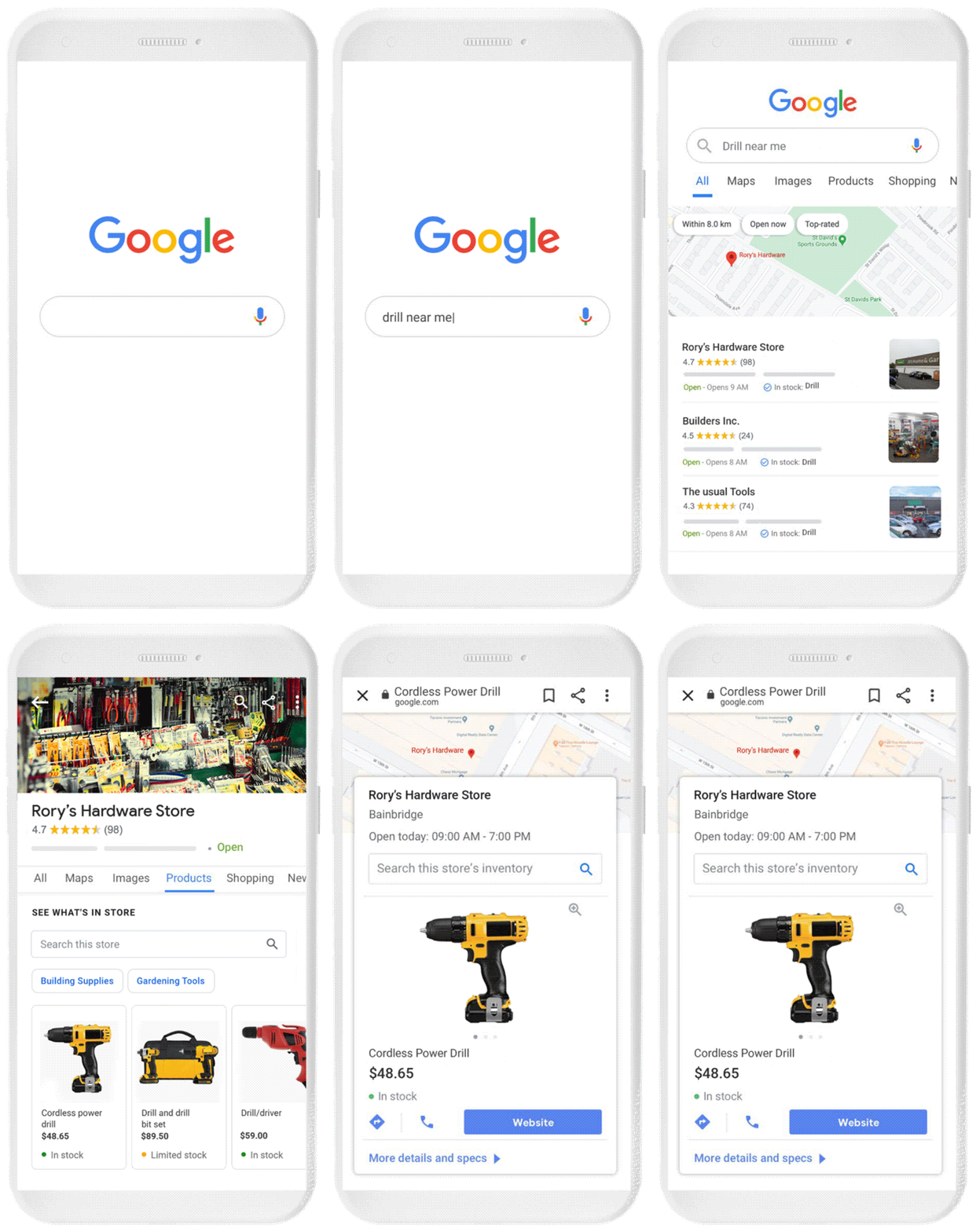
Shoppers are increasingly looking for products online before they head to the store. In fact, Google Searches for “who has” + “in stock” have grown by more than 8,000% year over year. If you’re a retailer, manually adding your product information can be a hassle. Pointy from Google creates a connection between your physical store and your Business Profile on Search and Maps so you can drive more traffic to your store. As you scan barcodes on the items to be sold, Pointy automatically adds the product to your profile so that customers can see what’s in stock. Eligible retailers can now get Pointy for free through September 30, 2021. Pointy box supplies are limited and shipping may be delayed; the offer excludes ads.
Seeking journalists who want to start something new
Megan Raposa felt torn.
She enjoyed the routine of her reporting beat at the local paper. But she wanted to build something new — a news startup that would better serve her neighbors in Sioux Falls, South Dakota. Raposa was ready to become a journalism founder. She just wasn’t sure how to start.
Megan applied and was accepted to the Google News Initiative’s Startups Boot Camp, which provided her with the training, support and funding she needed to launch her email-focused digital startup, Sioux Falls Simplified. Five months later, Sioux Falls Simplified has continually grown its audience, earned local advertising revenue and even converted new members who support its mission.
Applications are officially openfor the 2021 GNI Startups Boot Camp. We’re looking for our next group of aspiring journalism entrepreneurs to mentor every step of the way as they turn their ideas into real businesses.
During Megan’s eight-week stint in the 2020 GNI Boot Camp, my team and I supported her journey as a founder through a real-world practical curriculum, relevant case studies, weekly one-on-one coaching, and support from peers working toward similar goals.
“[Through the Bootcamp,] I learned that there is an appetite for another news option in my community, and I can be the person to provide that,” Megan says. “I don’t have to sit and ride out the sinking ship of the local newspaper, watching desks empty year after year.”
Megan isn’t the only success story among the 24 teams in the program, of course. Bria Felicien’s newsletter, The Black Sportswomen, has grown the newsletter’s subscriber base to a size that results in a steady stream of people choosing to support the project financially. Annelise Pierce’s project, Shasta Scout, has brokenimportant local stories and recently incorporated as a non-profit newsroom. Luke Baumgarten launched RANGE to cover local issues and has already grown past 1,000 email newsletter subscribers, 100 of which are paying. And Camille Padilla Dalmau’s publication, 9 Millones, recently raised a five-figure sum in less than 48 hours from readers. The list goes on.
If you’re a journalist who’s ready to start a new project, we’re here to help. Your launch team includes experienced coaches, the entire LION Publishers staff and LION News Entrepreneurs community, as well as the team at the Google News Initiative. When you join the Bootcamp, you benefit from the collective experience and wisdom of founders who have very likely faced the challenges you’re about to face yourself. You’ll also benefit from a curriculum based on the GNI Startups Playbook, published in partnership with some of the leading practitioners and thinkers in the entrepreneurial news space, as well as an official LION Publishers membership.
The first step, however, is to apply.
Applications are now open to U.S. residents for the fall 2021 Boot Camp. The U.S. program will run from September 7 to November 5, 2021 (with a one week break) and aims to accept 24 projects. The application window opens today and closes Sunday, August 1 at 11 p.m. PT. To get a better idea of the types of projects we think are a good fit,read our detailed FAQs and join one of our upcoming live Q&A sessions.
Later this year, we’ll also open applications for our first Startups boot camp dedicated exclusively to Canadian founders. The Canadian boot camp will be custom-designed to address the realities of starting a business or non-profit journalism project in Canada, addressing country-specific questions like tax status, business registration, legal preparedness, and the Qualified Canadian Journalism Organization Designation. We will also look at ways to strengthen Canada’s media ecosystem by tackling issues like diversity and how to increase support for Canadian communities currently under-served by news.
As someone born in Toronto General Hospital, who spent childhood summers with family in Quebec and Nova Scotia, and later working for a startup newsroom in Vancouver, the opportunity to bring the Boot Camp to Canada is a real honour.
Un “pianetino” sta per attraversare il Sistema Solare. No, Nibiru non c’entra

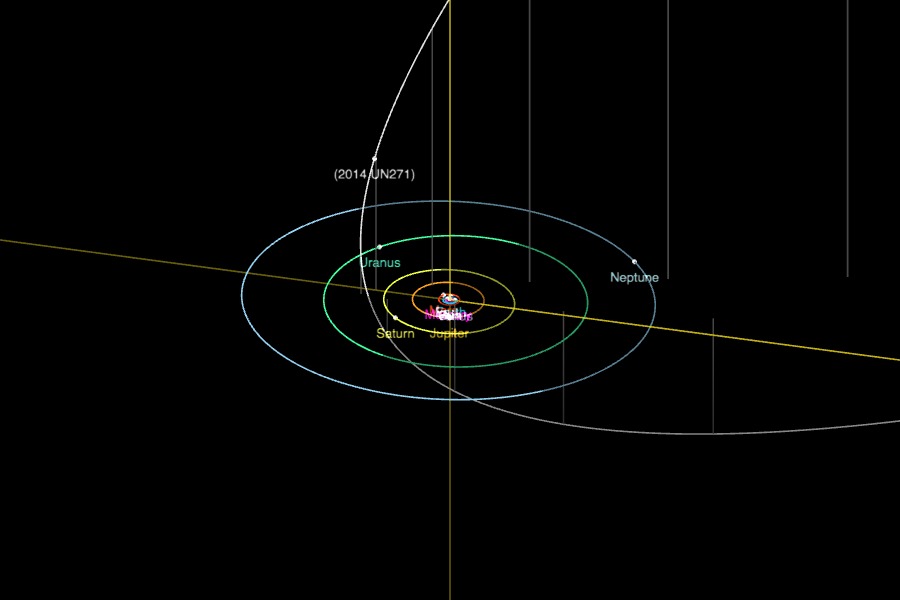
Un corpo celeste di almeno 100 km di diametro attraverserà il Sistema Solare nei prossimi anni, passando fra l’orbita di Saturno e quella di Urano nel suo momento di massimo avvicinamento al Sole (perielio) intorno al 28 gennaio 2031. Non c’è alcun pericolo di collisione o di altri effetti, a parte uno spiccato interesse da parte degli astronomi per un oggetto transnettuniano, ossia proveniente da ben oltre l’orbita di Nettuno e quindi prezioso testimone che conserva tracce delle condizioni primitive del Sistema Solare.
L’oggetto, denominato 2014 UN271, attraverserà il piano dell’eclittica grosso modo l’8 agosto 2033, con un’inclinazione di 95,5°. Ha un periodo orbitale di 398.692 anni. Al perielio starà viaggiando a 12,7 km/s: troppo veloce per qualunque sonda spaziale che vi possa atterrare, ma forse un passaggio ravvicinato (fly-by) sarebbe possibile.
La scoperta, effettuata usando i dati raccolti dall’osservatorio di Cerro Tololo, nelle Ande, con lo strumento DECam accoppiato al telescopio Blanco da 4 metri, è stata annunciata dall’astrofisico Pedro Bernardinelli, che lavora al progetto Dark Energy Survey, e da G. Bernstein.
La natura di questo corpo celeste è ancora da chiarire, da quel che ho capito: potrebbe trattarsi di una cometa molto grande o di un pianeta molto piccolo. C’è ancora parecchia incertezza sulle sue dimensioni, che potrebbero essere fra 130 e 370 km.
I dati del JPL Small-Body Database riguardanti 2014 UN271 sono qui (basta immettere il nome nella casella di ricerca) insieme a un grafico interattivo tridimensionale della traiettoria. I dati del Minor Planet Center della NASA sono invece qui.
Come si nota dal nome, l’oggetto è stato annunciato solo ora ma è presente in osservazioni risalenti agli anni scorsi, analizzate impiegando oltre 15 milioni di ore-CPU. Questa analisi ha rilevato oltre 800 oggetti transnettuniani.
Ma se, solo per ipotesi, fosse in rotta di collisione?
Visto che i calcoli escludono con grandissimo margine qualunque possibilità di collisione con la Terra o con altri pianeti, possiamo esplorare, per pura curiosità, che cosa succederebbe se un oggetto di 100 km di diametro colpisse la Terra a 12,7 km/s. Visto che cominciamo a scoprire che gli oggetti di questo genere sono numerosi e arrivano con poco preavviso (una decina d’anni, in questo caso, insufficienti per qualunque tentativo di deviazione con gli attuali mezzi spaziali), forse vale la pena di ragionarci su anche abbastanza seriamente.
Possiamo ipotizzare gli effetti dell’impatto usando il sito di simulazione dell’Imperial College di Londra: se cadesse sulla terraferma a 90°, produrrebbe un cratere transitorio di 263 km di diametro, profondo 93 km, che poi si assesterebbe a un diametro di 546 km e una profondità di 2 km. Ci sarebbe un sisma di magnitudo 11.3 della scala Richter (più forte di qualunque terremoto mai registrato). Verrebbero fusi o vaporizzati 376.000 chilometri cubi di roccia, producendo un “inverno nucleare” per oscuramento del Sole, che bloccherebbe la crescita di tutte le piante e causerebbe un crollo delle temperature planetarie.
Anche stando a 5000 km di distanza dal punto d’impatto, quattro ore e spiccioli dopo l’impatto si verrebbe investiti da un’onda d’urto atmosferica a 700 km/h, con un’intensità sonora di 101 decibel. Persino a quella distanza, crollerebbero gli edifici e si sfonderebbero i vetri, generando una nuvola di proiettili taglienti. Fino al 90% degli alberi verrebbe abbattuto. Ci sarebbe giusto il tempo di assistere all’impatto in TV e dire per bene addio ai propri cari.
In sintesi: sarebbe un evento difficilmente sopravvivibile, e i sopravvissuti probabilmente non sarebbero entusiasti del mondo nel quale si ritroverebbero. Forse è il caso di pensare alla prevenzione. Ma questa è un’altra storia.
Fonti aggiuntive: Emily Lakdawalla.
Questo articolo vi arriva gratuitamente e senza pubblicità grazie alle donazioni dei lettori. Se vi è piaciuto, potete incoraggiarmi a scrivere ancora facendo una donazione anche voi, tramite Paypal (paypal.me/disinformatico) o altri metodi.
McLaren Racing Partner di Tezos
Tezos è stato selezionato da McLaren Racing per una partnership tecnica pluriennale tra Formula 1, IndyCar ed eSport. Tezos, la blockchain più avanzata al mondo, è il partner ufficiale della…
L’articolo McLaren Racing Partner di Tezos scritto da Michele Ficara Manganelli ✿ proviene da Assodigitale.

Enjin collabora con Virtual Worlds per le piramidi egiziane in NFT
Enjin, la piattaforma leader per la creazione di mondi virtuali abilitati per token non fungibili (NFT), ha annunciato una nuova partnership con Virtual Worlds, un’azienda con oltre 20 anni di…
L’articolo Enjin collabora con Virtual Worlds per le piramidi egiziane in NFT scritto da Michele Ficara Manganelli ✿ proviene da Assodigitale.
Metro Exodus, con la Complete Edition arriva l’upgrade next-gen
Exhibits and experiments that are music to your ears
Today is World Music Day, also known as “Fête de la musique.” It’s an annual celebration of music that encourages amateur and professional musicians to play and perform outside in parks or in the streets. At Google Arts & Culture we took the name “Fête de la musique,” which translates to “music party,” literally, and made sure the internet also will celebrate, with music created by you.
Our artists in residence at the Google Arts & Culture lab created two new experiments, “Paint with Music” and “Assisted Melody,” to offer you an easy and fun way to get creative with sound.
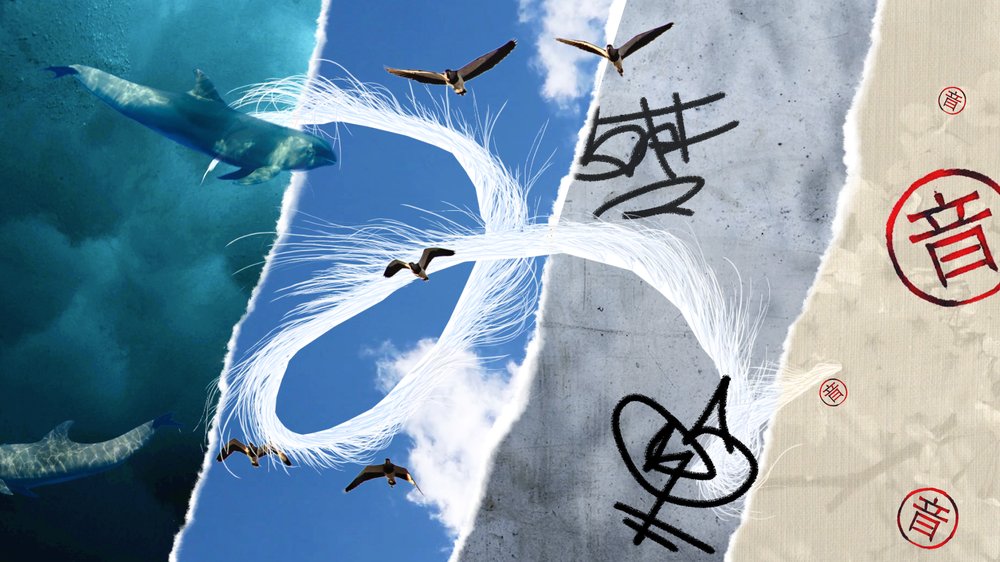
Paint with Music is an interactive experience that connects two major forms of artistic expression: painting and musical composition. That means – with the help of machine learning – you can turn a paintbrush into a musical instrument that translates the movement of your brushstrokes into musical notes performed by an instrument of your choice. A wide range of canvases, from the sky to the ocean, are ready to take your composition to the next level by incorporating special sound effects unique to each setting. Try it now on your desktop or Android device.
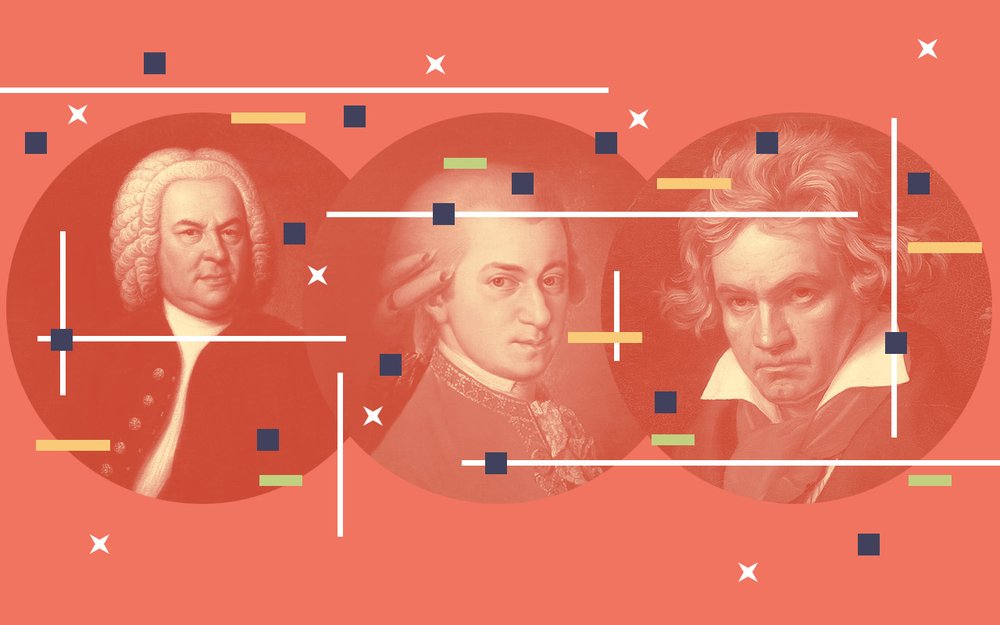
Over a year ago we launched Assisted Melody, an experiment that helped you compose your own tune on a virtual sheet of music, and with the click of a button make it sound like Bach. For World Music Day, a new version of Assisted Melody invites you to play classical music and compose your own melody in the signature style of the maestros Mozart and Beethoven. Not only will you be able to compose directly on each maestro’s favorite instrument (Mozart’s harpsichord, for example), but also you can hear your stylized output on a wide range of modern instruments, from the flute to the synthesizer.
And while you transform your melodies, you can also check out some fun facts about each maestro or dive deeper into the rich music-themed stories and online exhibitions our newest partners are also launching today on Google Arts & Culture.
MILA, a French association fostering the local scene, steps into the stories of a true Parisian gem, the “Rue de la Musique” – the street of music. Nestled in Paris’ Montmartre district, independent music makers, record labels and record shops have transformed an entire neighborhood into an effervescent music scene. One example: Record Makers, one of the most influential French Touch labels, settled in an old bakery where French pop legend Joe Dassin used to buy his croissants.
In Pune, India, the Baithak Foundation publishes its collection of rare archival interviews and recordings of Indian classical music. They’re also launching new stories about Indian ragas and the correct time to sing them, and exhibits on maestros like Pandit Vijay Sardeshmukh or Ustad Amir Khan, founder of Indore gharana.
Banglanatak is showcasing folk musicians from western Rajasthan (like Langas and Manganiyars), theirunique instruments and their informal and organic way of training the next generation. And last but not least, the Salar Jung Museum is launching an exhibit on theragamala paintings from their collection, which are visual representations of Indian ragas.
Got into the groove? Check out our Performing Arts collection online and via our free app for iOS or Android, or try some of our most recent experiments such as AR Synth or Blob Opera.
Web tax, l’Irlanda si ribella: chieste modifiche al piano del G7