Tracking data to advance health equity
Last year, I saw COVID-19 impact the lives of some of the strongest people I know because of their race, class and zip code — especially in my hard-hit hometown of Detroit. But I wasn’t the only one who witnessed this. We’ve all heard how the pandemic has affected vulnerable communities across the country due to structural and long-standing health inequities. Even so, there was no central resource to help consolidate, visualize and understand the data on a national scale.
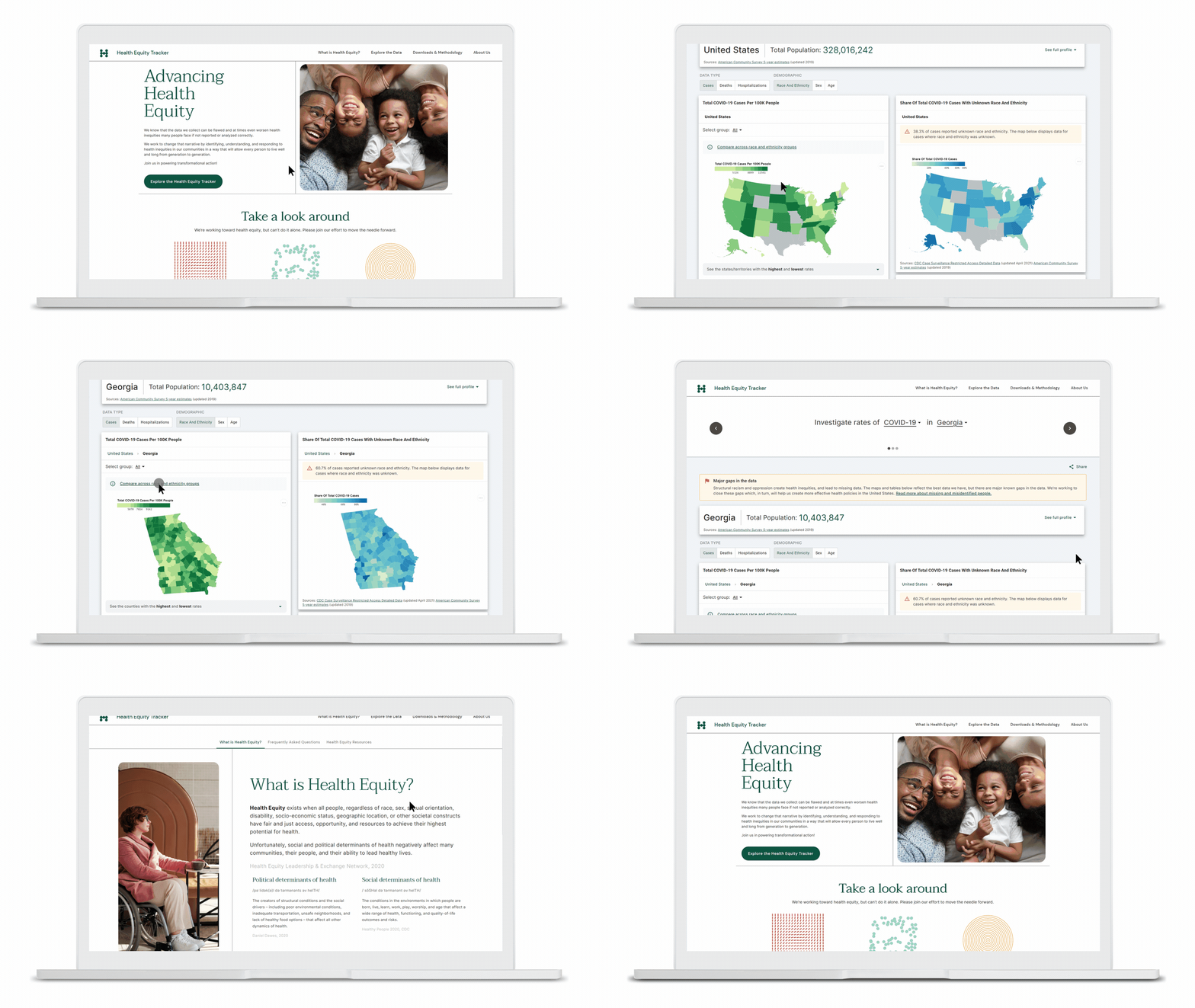
Over the past year a team of Google.org Fellows and I worked with the Satcher Health Leadership Institute at Morehouse School of Medicine and a multi-disciplinary Health Equity Taskforce to understand COVID-19 health inequities. Today, we released The Health Equity Tracker (HET), a publicly available data platform that visually displays and contextualizes the health disparities facing communities of color throughout the U.S.
With $1.5 million of Google.org grant funding and over 15,000 pro bono hours donated from 18 Google.org Fellows, the HET parses through a mountain of public health data to record COVID-19 cases, deaths and hospitalizations nationwide across race and ethnicity, sex and age, as well as state and county. The tracker also measures social and systemic factors — like poverty and lack of health insurance — that exacerbate these inequities and have resulted in higher COVID-19 death rates for people of color, especially Black and Latinx communities.

Palo Alto Networks: la cybersecurity è una questione di processi

Nasce Green Software Foundation: sviluppo e sostenibilità
Instagram testa la nuova durata dei Reel a 60 secondi

In arrivo in Italia i corsi online di Google Career Certificates
Plan and find your way in stations with new, accessible Maps tools
Train stations are often busy, bustling places. Whether you’re reaching your final stop or catching a connection, finding your way through a complex or crowded station can be daunting. And for people traveling with wheelchairs, luggage, prams or crutches, there are even more factors to juggle.
In 2018, we brought wheelchair accessible routes to Sydney and other cities around the world. To build on this, we’ve been working with Transport for NSW to help people map out each stage of the journey inside the station.
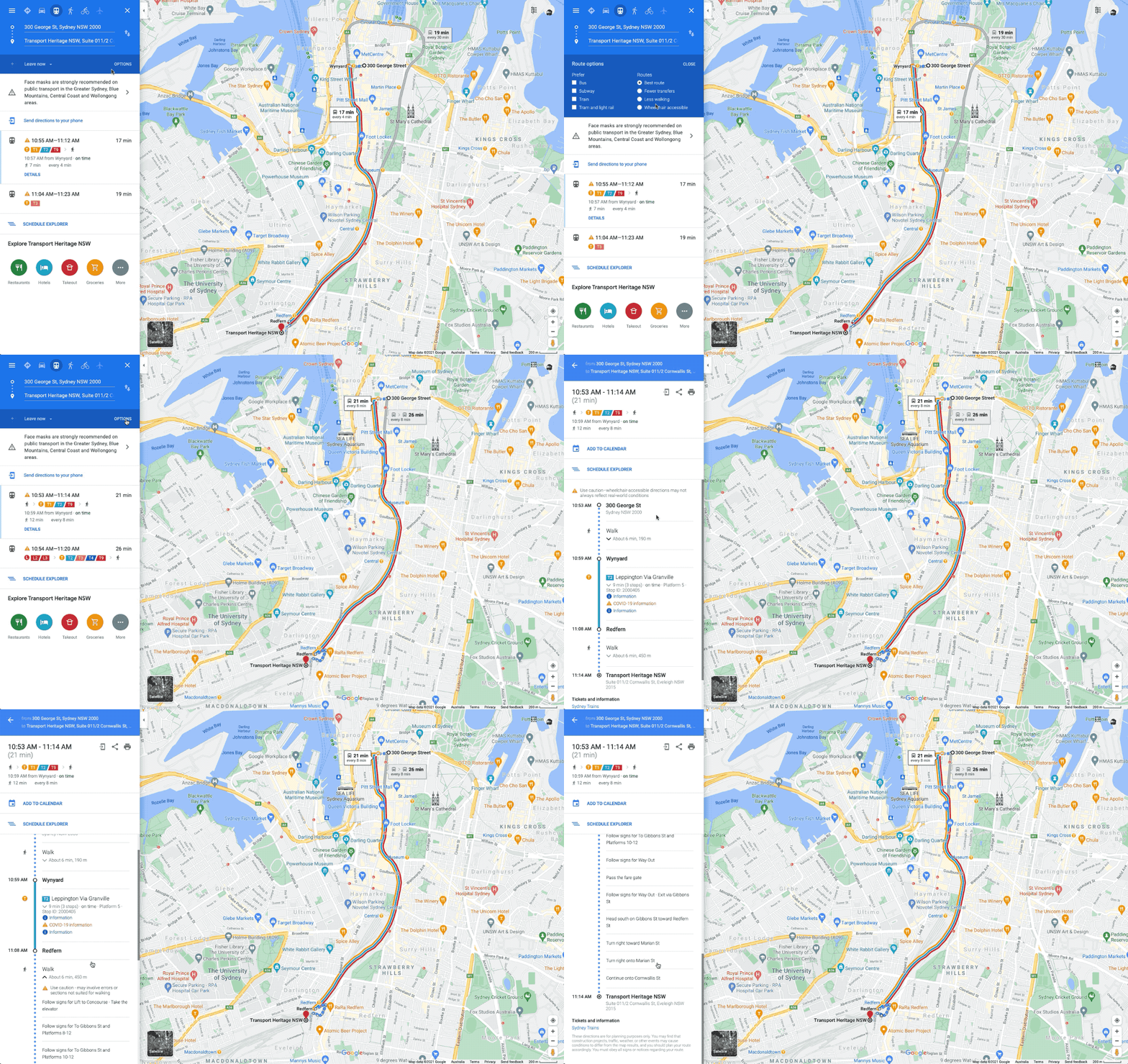
To help people map out their journeys ahead of time, we’re launching indoor Street View imagery for 130 train stations and a dozen metro stations in Sydney. Starting today, you’ll be able to virtually navigate interactive, panoramic imagery inside Sydney stations, so you’ll know your way when you get there. You can also enjoy the rich history and beauty of many stations, from heritage listed St James Station, to the stunning views of Circular Quay and Milsons Point – and the thriving hub of Parramatta.
For the first time in Australia, we’re also bringing detailed navigation directions for accessible routes across 70 complex train and metro stations across Sydney to Google Maps. These tools allow people to find the best and most accessible entrances, exits, signage and paths within the station and better anticipate in-transit travel times along these pathways.

Come Impostare Una Strategia Marketing Su TikTok
Google lancia in Italia i Google Career Certificates, programmi di formazione professionale pensati per sviluppare le competenze in ambito digitale

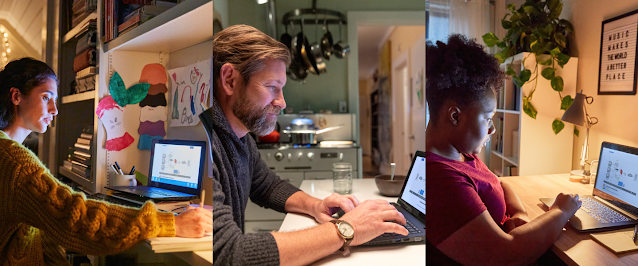
I Google Career Certificates, disponibili in lingua inglese, sono stati presentati in occasione di un momento di confronto sul ruolo che le competenze digitali svolgono per le persone nel nostro Paese, per trovare una nuova occupazione e crescere nella propria carriera lavorativa. I corsi creati da Google entrano a far parte anche dell’offerta di Giovani 2030, il portale del Dipartimento delle Politiche Giovanili che raccoglie opportunità per i giovani. All’annuncio ha partecipato la Ministra per le Politiche Giovanili, Fabiana Dadone.
“Dobbiamo aiutare i giovani a dotarsi delle competenze per il futuro, spendibili sul mercato del lavoro, prime fra tutte quelle digitali” ha dichiarato la Ministra Fabiana Dadone “per questo motivo pochi giorni fa abbiamo lanciato, assieme al Ministro Colao, il Servizio civile digitale finalizzato non solo alla produzione di un grande impatto sociale supportando la transazione digitale del Paese, ma anche al miglioramento della occupabilità delle ragazze e dei ragazzi. In questo senso, ho invitato i giovani ad ‘appropriarsi’ del Portale Giovani2030.it proprio per sfruttare tutte le opportunità che possono aiutarli nella ricerca di un lavoro o, più in generale, sulla strada dell’emancipazione, tra cui questa ottima possibilità formativa messa a disposizione da Google”.
Questo annuncio si inserisce in un contesto in cui le competenze digitali sono una risorsa fondamentale per le persone, utili per crescere professionalmente, trovare lavoro, rilanciare la propria attività; se le competenze digitali erano importanti prima della pandemia, la situazione attuale le ha rese ancor più necessarie. I Google Career Certificates sono pensati infatti per soddisfare la sempre crescente domanda di corsi di formazione online per poter sviluppare o accrescere nuove competenze in ambito digitale e tecnologico. Una ricerca condotta da Google e McKinsey mostra come, già prima del diffondersi della pandemia, più di 90 milioni di lavoratori in Europa avessero la necessità di sviluppare nuove competenze utili per la propria professione. Sempre secondo questa ricerca, si ipotizzava come circa 21 milioni di persone rischiassero di perdere il proprio posto di lavoro in settori in difficoltà come l’agricoltura o la vendita al dettaglio. La crisi sanitaria globale ha accelerato molte di queste previsioni: secondo McKinsey ci sarà un incremento del 25% nel numero di persone che avrà necessità di trovare un nuovo lavoro dopo la pandemia. Molti lavoratori inoltre avranno bisogno di acquisire nuove competenze, poiché la crescita della domanda di manodopera riguarderà principalmente quei lavori che richiedono un livello maggiore di specializzazione professionale.
“La vocazione degli ITS è lo sguardo rivolto al futuro e all’innovazione: la partnership con Google conferma che rappresentano la frontiera del mondo dell’educazione. I Google Career Certificates portano gli allievi nel mondo tecnologico con una certificazione che supera i limiti del “pezzo di carta”, qualificando competenze riconosciute dal sistema del lavoro. La trasversalità di queste competenze le rende interessanti per tutti i settori economici e, quindi, una vera opportunità per tutte le 109 Fondazioni ITS,” ha dichiarato Alessandro Mele, Presidente Rete Fondazioni ITS Italia
“Siamo convinti che la tecnologia debba aiutare tutte le persone, senza distinzioni, per questo da anni ci impegniamo in progetti di formazione sulle competenze digitali. Se queste competenze erano importanti prima della pandemia, oggi sono imprescindibili per avviare la ripresa economica del nostro Paese” conclude Fabio Vaccarono, Vice President di Google e Managing Director di Google per l’Italia “Lo scorso anno abbiamo avviato Italia in Digitale, un piano per supportare questa trasformazione attraverso nuovi strumenti, attività formative e partnership. Oggi siamo felici di presentare i Google Career Certificates insieme ai nostri partner, per offrire alle persone nuove opportunità di crescita professionale grazie alla tecnologia.”

È possibile rivedere l’evento “Competenze digitali per la ripresa: i Google Career Certificates” cliccando qui.
Celebrate Africa Day through culture and music
Africa is home to more than 1.5 billion people, and each country, community and person has an incredible story to tell. Through the power of technology, artists and cultural institutions are using online platforms to share their stories and engage with new audiences.
This year, we’re hosting the Africa Day Benefit Concert in collaboration with MTV Base Africa and Idris Elba. We invite you to tune in at 7 PM CAT this evening to experience a musical homage to this amazing continent, and its next generation of pop stars making headlines across the world.
The concert is the culmination of Africa Month, which we’ve celebrated through YouTube Music and Google Arts & Culture. We’ve hosted a live performance by Sauti Sol, a talk on theLeading Women in Music, and the launch of the projectÈkó for Show: Explore Lagos. Music unites Africa, and we hope the concert tonight will bring Africans and people from other parts of the world together to celebrate the continent’s roots, rhythms and records.
As we celebrate Africa Day today, we invite you to explore the continent’s rich cultural heritage through curated online experiences on YouTube and Google Arts & Culture. We hope Africans and people from all over the world will be inspired by these activities that bring together the continent’s roots and rhythms.

Folding@Home: milioni di computer per combattere il COVID-19

Recensione Jabra Evolve2 30: le cuffie per lo smart working che supportano Microsoft Teams
What B2B Marketers Can Learn from Stand-Up Comedy
Stand-up comedians need to make a connection with their audience. It starts with getting attention, then stoking interest, developing a rapport, and ultimately provoking a reaction.
To do it right, you need empathy, knowledge of your audience, creativity…oh, and a spark that makes you unique.
B2B marketers: Does any of the above sound familiar? I’ve been a professional marketer and an amateur comedian for over a decade, and it’s surprising how much the two inform each other.
Here are just a few lessons that B2B marketers can learn from standup.
Keep It Real
In the early 19th century, standup comedy depended on wordplay and absurdism. For example: “Take my wife…please!” or “The other night I shot an elephant in my pajamas… how he got into my pajamas, I’ll never know.”
As the art form of standup has evolved, however, personal observations with a unique point of view (more on that later) have become more popular. Here’s a classic bit from Ellen Degeneres as she dissects the minutiae of her life:
For marketers, keeping it real means being honest and sincere with your audience. It could even mean not being afraid to show flaws or own up to mistakes. Look for ways to bring the audience behind the scenes to meet the people behind the brand.
I like the way Stacey Marx from AT&T Business brings her personal life into her content, as in this post, “Gold Medal Advice: SMB Lessons from a World-Class Coach.” The personal touch elevates the content and makes it unique.
Adjust to Your Audience
Telling a marketer to know their audience is like telling a comedian to… well… know their audience. It’s not a radical new technique; it’s part of the toolkit. At the same time, it’s easy to think of your own culture, background and thought processes as universal. That’s one of the reasons comedy can be so hard to translate.
One famous example is when Jimmy Carter told a joke to break the ice at a college in Japan. He was gratified when, after a brief translation from his interpreter, the crowd erupted in laughter! It wasn’t until later that the interpreter confessed that what he said was, “The president has told a funny story. Please laugh.”
For marketers and comedians alike, the only way to truly get in your audience’s head is to do the research. Putting out the same message for audiences with different cultural backgrounds is a path fraught with peril.
This Jerry Seinfeld bit — a superbly clever American Express commercial — illustrates the point precisely:
Alternate Storytelling with Quick Jabs
John Mulaney and Mitch Hedberg are two of my favorite comedians, and for wildly different reasons. John is the master at telling longer stories, taking a few minutes to set the scene, not rushing to a punchline. Here’s an example (with some strong language, be warned):
On the other side of the spectrum, Mitch Hedberg is the undisputed master of the one-liner. “I don’t have a girlfriend. But I do know a woman who’d be mad at me for saying that.” Or, slightly longer, “One time, this guy handed me a picture, he said ‘Here’s a picture of me when I was younger.’ Every picture is of you when you were younger! ‘Here’s a picture of me when I’m older.’ Woah, lemme see that camera.”
Just as there’s room in comedy for the Mulaneys and Hedbergs, there’s room in marketing for both long-form narratives and short, punchy taglines. Invest the same energy into each one, and you’ll resonate with a wider audience.
Develop a Unique Voice
In the ’80s, there was a brief stand-up fad of weird, extreme voices. For example…
Thankfully, it was a short-lived trend, but it does illustrate how memorable a unique voice can be. Anyone who has heard Bobcat Goldthwait, Gilbert Gottfried, Judy Tenuta or Sam Kinison will never mistake them for someone else. On the flip side, the junkyard of comedy is strewn with the careers of bland comedians who were indistinguishable from each other.
In marketing, it’s easy to slide into a kind of homogeneous, safe, “professional-sounding” corporate speak. Don’t make waves, use — I mean, utilize — the right jargon, and you can avoid offending anyone. The problem is, you’re also unlikely to avoid affecting anyone, too. Make your brand voice personable, lively and unique, and you will have something no competitor can copy.
Serious Business Can Be Funny
All of the above can help you as a marketer address, connect with, and affect your audience. But there’s one other thing that comedians do that marketers should do more often: Be funny. There’s plenty of room in B2B marketing for actual comedy, and those who do it well tend to be rewarded. And hey, if Intel can do it, so can you.
Want more B2B marketing tips? Check out our report on the State of B2B Influencer Marketing.
The post What B2B Marketers Can Learn from Stand-Up Comedy appeared first on B2B Marketing Blog – TopRank®.

Samsung amplia la sua gamma di Smart Monitor

Ayos HCS: un Home Connectivity Server per gestire il proprio network