
L’iconico HONOR Band 5 Fitness tuo a soli 24€
HUAWEI nova 8i, lo smartphone con la super ricarica è in SCONTO su Amazon (-150€)
LibreOffice 7.3.3: la nuova minor release introduce diverse patch e bugfix

Xiaomi Mi Band 6 NFC, il wearable numero 1 del momento a prezzo WOW

Hai sviluppato gli anticorpi contro il Covid? Scoprilo con questo semplice ed economico test (6€)

Amazfit Band 5, appena 29€ per l’incredibile smartband con Alexa

Fedora 36: la nuova versione stabile è dotata di GNOME 42 e Linux 5.17

SSD interno da 1 TB a prezzo SHOCK su Amazon (-25%)
100 things we announced at I/O
And that’s a wrap on I/O 2022! We returned to our live keynote event, packed in more than a few product surprises, showed off some experimental projects and… actually, let’s just dive right in. Here are 100 things we announced at I/O 2022.
Gear news galore
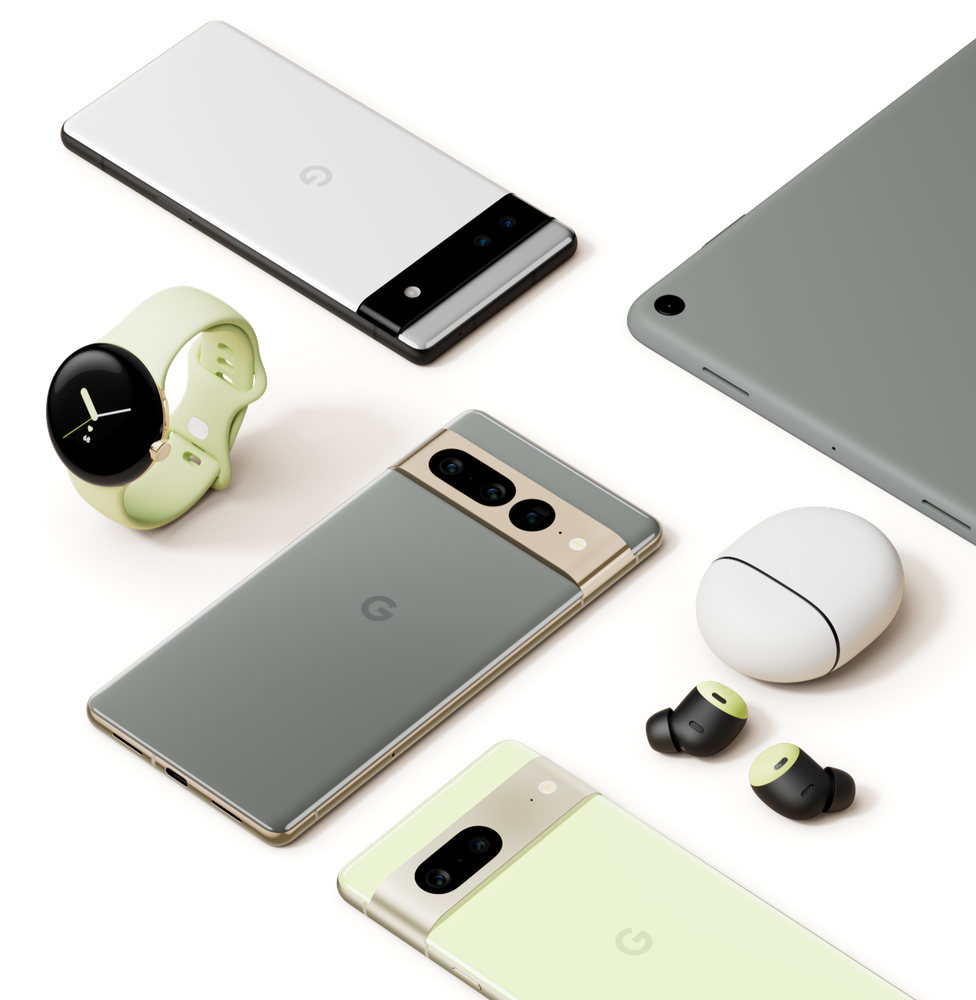
- Let’s start at the very beginning — with some previews. We showed off a first look at the upcoming Pixel 7 and Pixel 7 Pro
[2b696f] , powered by the next version of Google Tensor - We showed off an early look at Google Pixel Watch! It’s our first-ever all-Google built watch: 80% recycled stainless steel
[cae333] , Wear OS, Fitbit integration, Assistant access…and it’s coming this fall. - Fitbit
[2b696f] is coming to Wear OS. More experiences built for your wrist are coming later this year from apps like Deezer and Soundcloud. - Later this year, you’ll start to see more devices powered with Wear OS from Samsung, Fossil Group, Montblanc and others.
- Google Assistant is coming soon to the Samsung Galaxy Watch 4 series.
- The new Pixel Buds Pro use Active Noise Cancellation (ANC), a feature powered by a custom 6-core audio chip and Google algorithms to put the focus on your music — and nothing else.
- Silent Seal™ helps Pixel Buds Pro adapt to the shape of your ear, for better sound. Later this year, Pixel Buds Pro will also support spatial audio to put you in the middle of the action when watching a movie or TV show with a compatible device and supported content.
- They also come in new colors: Charcoal, Fog, Coral and Lemongrass. Ahem, multiple colors — the Pixel Buds Pro have a two-tone design.
- With Multipoint connectivity, Pixel Buds Pro can automatically switch between your previously paired Bluetooth devices — including compatible laptops, tablets, TVs, and Android and iOS phones.
- Plus, the earbuds and their case are water-resistant
[0b80e9] . - …And you can preorder them on July 21.
- Then there’s the brand new Pixel 6a, which comes with the full Material You experience.
- The new Pixel 6a has the same Google Tensor processor and hardware security architecture with Titan M2 as the Pixel 6 and Pixel 6 Pro.
- It also has two dual rear cameras — main and ultrawide lenses.
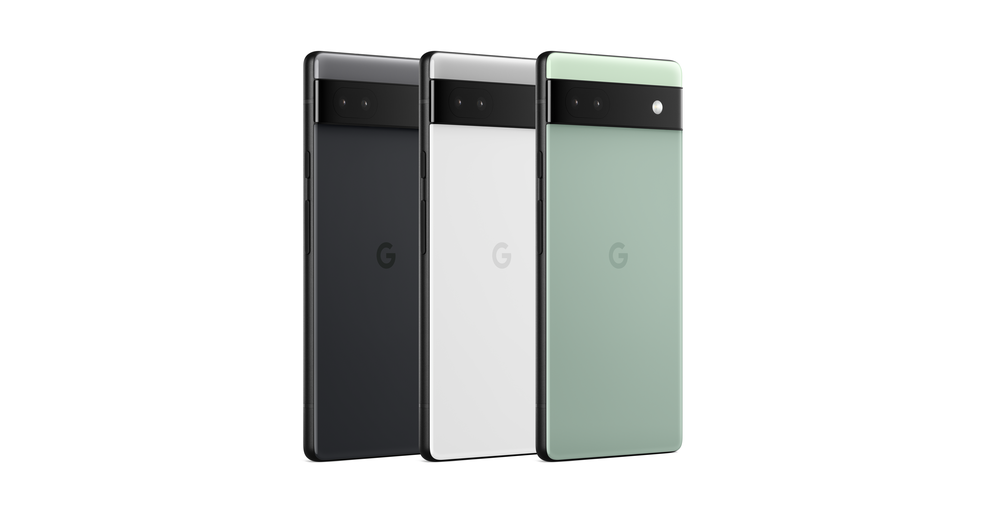
- You’ve got three Pixel 6a color options: Chalk, Charcoal and Sage. The options keep going if you pair it with one of the new translucent cases.
- It costs $449 and will be available for pre-order on July 21.
We also showed off an early look at the upcoming Pixel tablet
Android updates
18. In the last year, over 1 billion new Android phones have been activated.
19. You’ll no longer need to grant location to apps to enable Wi-Fi scanning in Android 13.
20. Android 13 will automatically delete your clipboard history after a short time to preemptively block apps from seeing old copied information
21. Android 13’s new photo picker lets you select the exact photos or videos you want to grant access to, without needing to share your entire media library with an app.
22. You’ll soon be able to copy a URL or picture from your phone, and paste it on your tablet in Android 13.
23. Android 13 allows you to select different language preferences for different apps.
24. The latest Android OS will also require apps to get your permission before sending you notifications.
25. And later this year, you’ll see a new Security & Privacy settings page with Android 13.
26. Google’s Messages app already has half a billion monthly active users with RCS, a new standard that enables you to share high-quality photos, see type indicators, message over Wi-Fi and get a better group messaging experience.
27. Messages is getting a public beta of end-to-end encryption for group conversations.
28. Early earthquake warnings are coming to more high-risk regions around the world.
29. On select headphones, you’ll soon be able to automatically switch audio between the devices you’re listening on with Android.
30. Stream and use messaging apps from your Android phone to laptop with Chromebook’s Phone Hub, and you won’t even have to install any apps.
31. Google Wallet is here! It’s a new home for things like your student ID, transit tickets, vaccine card, credit cards, debits cards.
32. You can even use Google Wallet to hold your Walt Disney World park pass.
33. Google Wallet is coming to Wear OS, too.
34. Improved app experiences are coming for Android tablets: YouTube Music, Google Maps and Messages will take advantage of the extra screen space, and more apps coming soon include TikTok, Zoom, Facebook, Canva and many others.
Developer deep dive
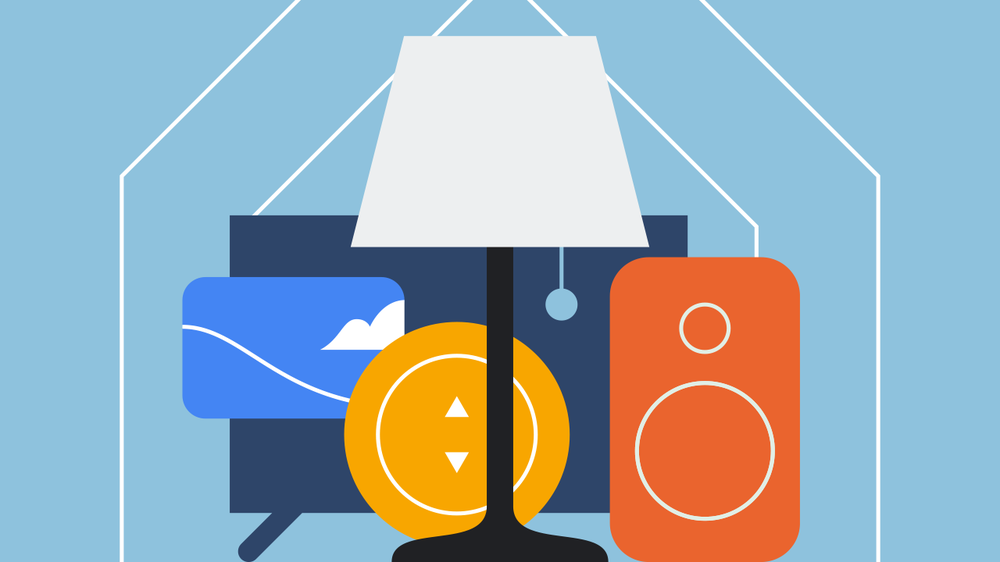
35. The Google Home and Google Home Mobile software developer kit (SDK) for Matter will be launching in June as developer previews.
36. The Google Home SDK introduces Intelligence Clusters, which make intelligence features like Home and Away, available to developers.
37. Developers can even create QR codes for Google Wallet to create their own passes for any use case they’d like.
38. Matter support is coming to the Nest Thermostat.
39. The Google Home Developer Center has lots of updates to check out.
40. There’s now built-in support for Matter on Android, so you can use Fast Pair to quickly connect Matter-enabled smart home devices to your network, Google Home and other accompanying apps in just a few taps.
41. The ARCore Geospatial API makes Google Maps’ Live View technology available to developers for free. Companies like Lime are using it to help people find parking spots for their scooters and save time.
42. DOCOMO and Curiosity are using the ARCore Geospatial API to build a new game that lets you fend off virtual dragons with robot companions in front of iconic Tokyo landmarks, like the Tokyo Tower.
43. AlloyDB is a new, fully-managed PostgreSQL-compatible database service designed to help developers manage enterprise database workloads — in our performance tests, it’s more than four times faster for transactional workloads and up to 100 times faster for analytical queries than standard PostgreSQL.
44. AlloyDB uses the same infrastructure building blocks that power large-scale products like YouTube, Search, Maps and Gmail.
45. Google Cloud’s machine learning cluster powered by Cloud TPU v4 Pods is super powerful — in fact, we believe it’s the world’s largest publicly available machine learning hub in terms of compute power…
46. …and it operates at 90% carbon-free energy.
47. We also announced a preview of Cloud Run jobs, which reduces the time developers spend running administrative tasks like database migration or batch data transformation.
48. We announced Flutter 3.0, which will enable developers to publish production-ready apps to six platforms at once, from one code base (Android, iOS, Desktop Web, Linux, Desktop Windows and MacOS).
49. To help developers build beautiful Wear apps, we announced the beta of Jetpack Compose for Wear OS.
50. We’re making it faster and easier for developers to build modern, high-quality apps with new Live edit features in Android Studio.
Help for the home

51. Many Nest Devices will become Matter controllers, which means they can serve as central hubs to control Matter-enabled devices both locally and remotely from the Google Home app.
52. Works with Hey Google is now Works for Google Home.
53. The new home.google is your new hub for finding out everything you can do with your Google Home system.
54. Nest Hub Max is getting Look and Talk, where you can simply look at your device to ask a question without saying “Hey Google.”
55. Look and Talk works when Voice Match and Face Match recognize that it’s you.
56. And video from Look and Talk interactions is processed entirely on-device, so it isn’t shared with Google or anyone else.
57. Look and Talk is opt-in. Oh, and FYI, you can still say “Hey Google” whenever you want!
58. Want to learn more about it? Just say “Hey Google, what is Look and Talk?” or “Hey Google, how do you enable Look and Talk?”
59. We’re also expanding quick phrases to Nest Hub Max, so you can skip saying “Hey Google” for some of your most common daily tasks – things like “set a timer for 10 minutes” or “turn off the living room lights.”
60. You can choose the quick phrases you want to turn on.
61. Your quick phrases will work when Voice Match recognizes it’s you .
62. And looking ahead, Assistant will be able to better understand the imperfections of human speech without getting tripped up — including the pauses, “umms” and interruptions — making your interactions feel much closer to a natural conversation.
Taking care of business
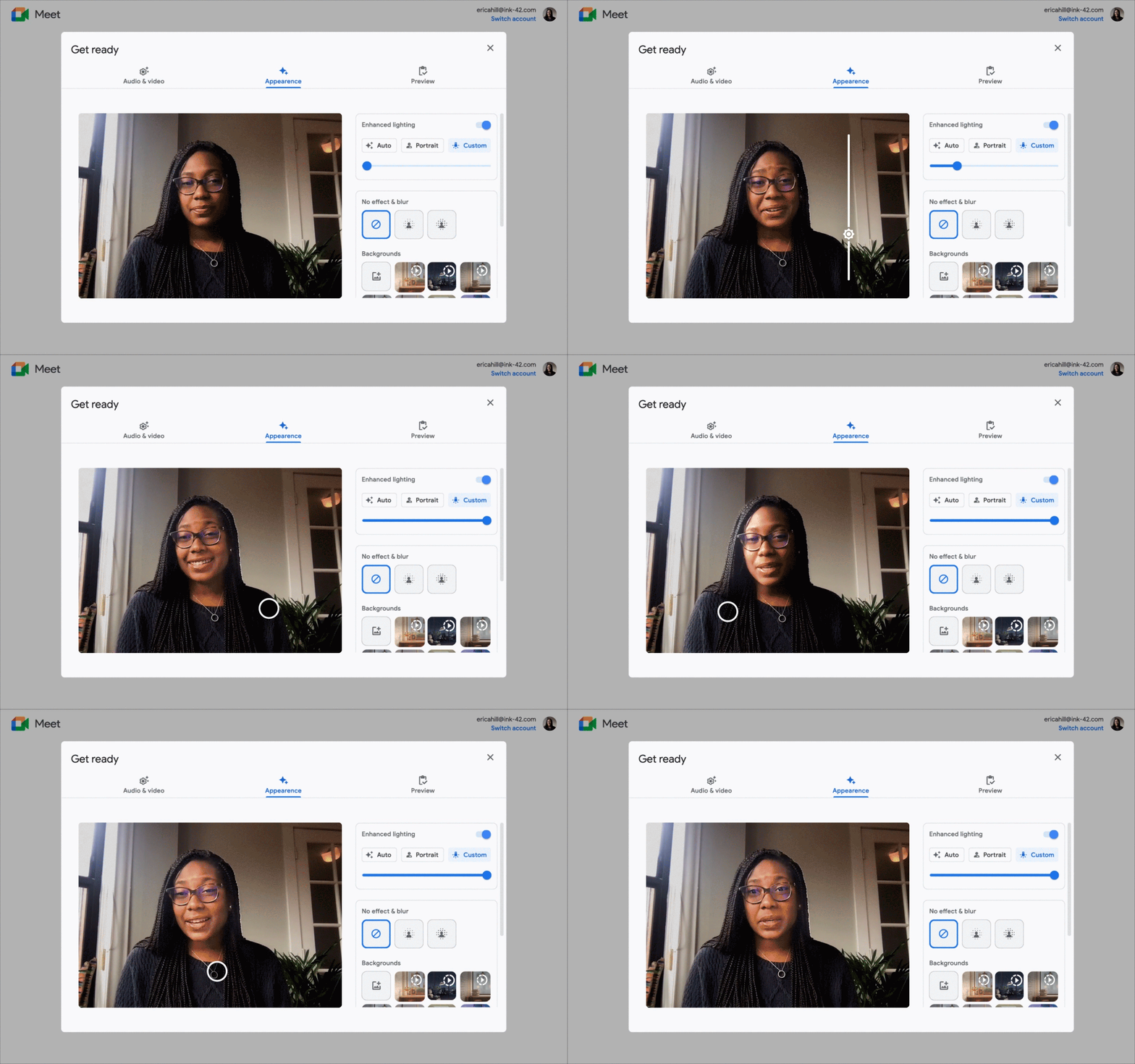
63. Google Meet video calls will now look better thanks to portrait restore and portrait light, which use AI and machine learning to improve quality and lighting on video calls.
64. Later this year we’re scaling the phishing and malware protections that guard Gmail to Google Docs, Sheets and Slides.
65. Live sharing is coming to Google Meet, meaning users will be able to share controls and interact directly within the meeting, whether it’s watching an icebreaker video from YouTube or sharing a playlist.
66. Automated built-in summaries are coming to Spaces so you can get a helpful digest of conversations to catch up quickly.
67. De-reverberation for Google Meet will filter out echoes in spaces with hard surfaces, giving you conference-room audio quality whether you’re in a basement, a kitchen, or a big empty room.
68. Later this year, we’re bringing automated transcriptions of Google Meet meetings to Google Workspace, so people can catch up quickly on meetings they couldn’t attend.
Apps for on-the-go

69. Google Wallet users will be able to check the balance of transit passes and top up within Google Maps.
70. Google Translate added 24 new languages.
71. As part of this update, Indigenous languages of the Americas (Quechua, Guarani and Aymara) and an English dialect (Sierra Leonean Krio) have also been added to Translate for the first time.
72. Google Translate now supports a total of 133 languages used around the globe.
73. These are the first languages we’ve added using Zero-resource Machine Translation, where a machine learning model only sees monolingual text — meaning, it learns to translate into another language without ever seeing an example.
74. Google Maps’ new immersive view is a whole new way to explore so you can see what an area truly looks and feels like.
75. Immersive view will work on nearly any phone or tablet; you don’t need the fanciest or newest device.
76. Immersive view will first be available in L.A., London, New York, San Francisco and Tokyo — with more places coming soon.
77. Last year we launched eco-friendly routing in the U.S. and Canada. Since then, people have used it to travel 86 billion miles, which saved more than half a million metric tons of carbon emissions — that’s like taking 100,000 cars off the road.
78. And we’re expanding eco-friendly routing to more places, like Europe.
All in on AI

The 10 shades of the Monk Skin Tone Scale.
79. A team at Google Research partnered with Harvard’s Dr. Ellis Monk to openly release the Monk Skin Tone Scale, a new tool for measuring skin tone that can help build more inclusive products.
80. Google Search will use the Monk Skin Tone Scale to make it easier to find more relevant results — for instance, if you search for “bridal makeup,” you’ll see an option to filter by skin tone so you can refine to results that meet your needs.
81. Oh, and the Monk Skin Tone Scale was used to evaluate a new set of Real Tone filters for Photos that are designed to work well across skin tones. These filters were created and tested in partnership with artists like Kennedi Carter and Joshua Kissi.
82. We’re releasing LaMDA 2, as a part of the AI Test Kitchen, a new space to learn, improve, and innovate responsibly on this technology together.
83. PaLM is a new language model that can solve complex math word problems, and even explain its thought process, step-by-step.
84. Nest Hub Max’s new Look and Talk feature uses six machine learning models to process more than 100 signals in real time to detect whether you’re intending to make eye contact with your device so you can talk to Google Assistant and not just giving it a passing glance.
85. We recently launched multisearch in the Google app, which lets you search by taking a photo and asking a question at the same time. At I/O, we announced that later this year, you’ll be able to take a picture or screenshot and add “near me” to get local results from restaurants, retailers and more.
86. We introduced you to an advancement called “scene exploration,” where in the future, you’ll be able to use multisearch to pan your camera and instantly glean insights about multiple objects in a wider scene.
Privacy, security and information

87. We’ve expanded our support for Project Shield to protect the websites of 200+ Ukrainian government agencies, news outlets and more.
88. Account Safety Status will add a simple yellow alert icon to flag actions you should take to secure your Google Account.
89. Phishing protections in Google Workspace are expanding to Docs, Slides and Sheets.
90. My Ad Center is now giving you even more control over the ads you see on YouTube, Search, and your Discover feed.
91. Virtual cards are coming to Chrome and Android this summer, adding an additional layer of security and eliminating the need to enter certain card details at checkout.
92. In the coming months, you’ll be able to request removal of Google Search results that have your contact info with an easy-to-use tool.
93. Protected Computing, a toolkit that helps minimize your data footprint, de-identifies your data and restricts access to your sensitive data.
94. On-device encryption is now available for Google Password Manager.
95. We’re continuing to auto enroll people in 2-Step Verification to reduce phishing risks.
What else?!
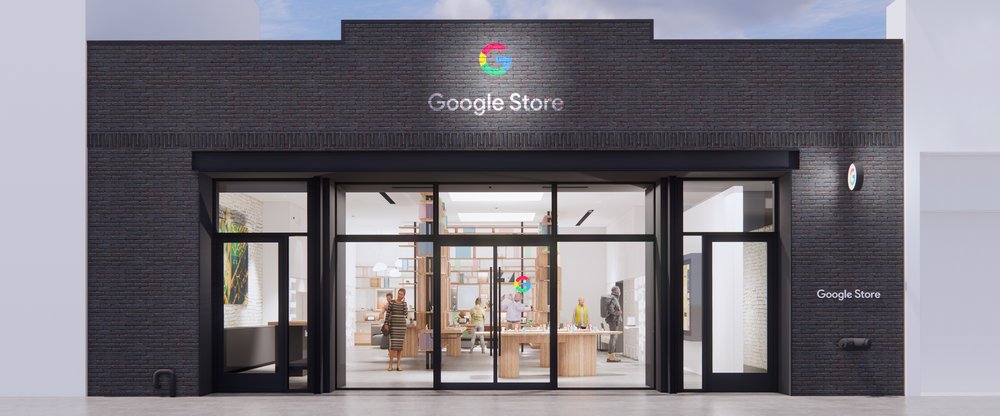
96. A new Google Store is opening in Williamsburg.
97. This is our first “neighborhood store” — it’s in a more intimate setting that highlights the community. You can find it at 134 N 6th St., opening on June 16.
98. The store will feature an installation by Brooklyn-based artist Olalekan Jeyifous.
99. Visitors there can picture everyday life with Google products through interactive displays that show how our hardware and services work together, and even get hands-on help with devices from Google experts.
100. We showed a prototype of what happens when we bring technologies like transcription and translation to your line of sight.

Make connections that Matter in Google Home
We’re entering a new era of the smart home built on openness and collaboration — one where you should have no problem using devices from different smart home brands to turn on your lights, warm up your living room and set your morning alarm. All of them should work together in harmony.
Matter, the new smart home industry standard we developed with other leading technology companies, is making this possible. Whether you’re shopping for or building your own smart home devices, let’s take a closer look at how Matter can help you make more connections with Google products and beyond when it launches later this year.
Connect your favorite smart home brands
When you buy a Matter-enabled device, the set-up process will be quick and consistent. In just a few taps, you can easily link it to your home network, another smart home ecosystem and your favorite apps. Support for Matter through Fast Pair on Android makes it as easy as connecting a new pair of headphones. And because Matter devices connect and communicate locally over Wi-Fi and Thread, a wireless mesh networking technology, they’re more reliable and responsive — reducing lag and potential connection interruptions.
To help you get ready for Matter, we’ll update many Google Nest devices to be Matter controllers. This will let you connect all your Matter-enabled devices to Google Home, and control them both locally and remotely with the Google Home app, smart home controls on your Android phone or Google Assistant. Matter controllers will include the original Google Home speaker, Google Mini, Nest Mini, Nest Hub (1st and 2nd gen), Nest Hub Max, Nest Audio and Nest Wifi.
Meanwhile, Nest Wifi, Nest Hub Max and Nest Hub (2nd gen) will also serve as Thread border routers, allowing you to connect devices built with Thread — like backyard lights that need long-range connectivity — to your home network.
We’ve also rolled out a new Google Home site to help you explore everything you can do with your Google Home in one spot. You can discover thousands of smart home devices that work with Google Home and learn how to get the most out of your helpful home — including automated routines to make everyday life easier, safer and more convenient.
To make it easier to find products that work great with Google Home, we’re updating our “Works with” partner program. Works with Hey Google is now Works with Google Home. Partner devices that carry this badge have gone the extra mile to build high-quality experiences with Google using Matter or our existing integrations. It’ll take some time for all our partners to start using the new badge — but if you spot either of these badges on a smart home product, you’ll know they easily connect with Google and our home control features like routines, voice control through Google Assistant devices and Android home controls.
Build more connected smart home devices
Developers, take note: With Matter, there’s no need to build multiple versions of a smart home device to work across different ecosystems. You’ll only have to build once, and that device will work right away with Google Home and other smart home brands. This means you can spend less time building multiple connectivity paths, and more time innovating and delivering devices and features.
To help you do that, we’ve launched a new Google Home Developer Center that brings together all our resources for developers and businesses. You can start learning today how to build smart home devices and Android apps with Matter, discover new features to integrate into your devices and explore marketing resources to help grow your business. You’ll also find new community support tools for device makers building with Google Home.
On June 30, we’ll launch the Google Home Developer Console, including two new software development kits (SDKs) to make it easy to build Matter devices and apps. The Google Home Device SDK is the fastest way to start building Matter devices. This SDK will also introduce Intelligence Clusters, which will share Google Intelligence — starting with Home & Away Routines — with developers who meet certain security and privacy requirements.
The new Google Home Mobile SDK will make it easy to build apps that connect directly with Matter devices using new built-in connectivity support in Android. This makes the set-up process simpler, more consistent and reliable for Android users. And with connectivity taken care of, developers can spend more time building unique features and experiences.
We can’t wait to see how you use Matter, Thread and Google Home to build and create the smart home experience that best suits you. Check out home.google.com and developers.home.google.com to learn more and sign up for future updates.

Russi saccheggiano trattori ucraini, che vengono brickati da remoto. Ma c’è poco da ridere

Nel torrente di notizie sulla guerra in Ucraina è affiorata una piccola storia che però ha dei risvolti informatici importanti e inaspettati. Inaspettati perché è una storia che riguarda i trattori ucraini, che a prima vista non sembrano un argomento informatico, e importanti perché quello che è successo a questi trattori ci riguarda tutti da vicino.
Secondo quanto riportato dalla CNN, dei soldati russi hanno aiutato a depredare un concessionario ucraino della John Deere a Melitopol, portando via una trentina di macchine agricole, principalmente trattori, che sono stati poi spediti in Cecenia. I veicoli hanno un valore complessivo di circa cinque milioni di dollari.
Ma al loro arrivo in Cecenia i saccheggiatori hanno scoperto che i trattori erano stati bloccati da remoto ed erano quindi inservibili e impossibili da smerciare. Erano stati, come si dice in gergo informatico, brickati. Si tratta infatti di macchine agricole sofisticate, dotate di sensori, di GPS e di un sistema di controllo remoto via Internet, installato in tutti i mezzi di questo tipo della John Deere.
I ladri, insomma, sono stati beffati, ma questa non è una storia a lieto fine.
L’informatico, scrittore e attivista Cory Doctorow ha infatti fatto notare che il controllo remoto di quei trattori non è stato introdotto per scoraggiare ladri o saccheggiatori, ma per ostacolare gli agricoltori. Quelli che comprano a caro prezzo questi trattori ma finiscono per non esserne realmente proprietari, perché John Deere installa in questi veicoli del software che li gestisce, e questo software è sotto copyright dell’azienda per 90 anni ed è concesso soltanto in licenza temporanea. Così, perlomeno, ha dichiarato formalmente l’azienda, insieme a molte case automobilistiche, al Copyright Office statunitense nel 2015 (con l’eccezione di Tesla, come segnalato da Wired).
In questo modo gli agricoltori non possono riparare i propri veicoli, nemmeno con ricambi originali, senza ricevere un apposito codice di sblocco dal concessionario. Concessionario che in molti casi è a decine di chilometri di distanza e non può accorrere subito, con tutti i ritardi e danni che ne conseguono.
La giustificazione dell’azienda è che la riparazione non ufficiale potrebbe causare danni, ma di fatto questo crea un controllo monopolistico sulle riparazioni, e in molti paesi eludere questo controllo, per esempio usando del software modificato che ignori il codice di sblocco oppure lo generi senza l’autorizzazione del fabbricante, è punito dalla legge: dal Digital Millennium Copyright Act negli Stati Uniti e dalla Direttiva sul Copyright nell’Unione Europea, nota Cory Doctorow. Va detto che dal 2015 al 2018 il Copyright Office statunitense ha concesso un’eccezione temporanea, oggi scaduta. In Svizzera, la Legge federale sul diritto d’autore prevede degli analoghi divieti di elusione, sia pure con alcune eccezioni delicate.
La presenza di questi controlli remoti o kill switch nei veicoli agricoli, insieme al sostanziale monopolio del mercato da parte delle poche aziende che fabbricano questi veicoli dedicati all’agricoltura di precisione, ha una conseguenza cruciale: chiunque riuscisse a compromettere la sicurezza di questi sistemi di controllo remoto metterebbe a serio rischio le forniture alimentari del mondo brickando ovunque le macchine agricole.
Non è uno scenario ipotetico: il 5 maggio scorso AGCO, una multinazionale del settore delle macchine agricole che possiede marchi come Challenger, Fendt, Massey Ferguson e Valtra, ha dichiarato di aver subìto un attacco informatico di tipo ransomware che ha sostanzialmente paralizzato gli stabilimenti in Germania e Francia.
Anche John Deere sembra avere grossi problemi di sicurezza informatica, come ha dimostrato il gruppo di informatici SickCodes ad aprile del 2021, riuscendo in poco tempo a trovare il modo di trasmettere dati a questi trattori superconnessi.
SickCodes ha avvisato le autorità e l’azienda ha chiuso le falle segnalate, ma il problema rimane: fabbricare veicoli e macchinari intenzionalmente bloccabili da remoto, invece di farli robusti e resilienti, manutenibili e riparabili anche quando le normali filiere di fornitura e assistenza sono bloccate, come per esempio in guerra, è una pessima scelta strategica di sicurezza. Lo ha messo nero su bianco il Dipartimento per la Sicurezza Interna statunitense in un rapporto del 2018, scrivendo che “l’adozione di tecnologie agricole di precisione avanzate e di sistemi di gestione delle informazioni degli allevamenti [nei rispettivi settori] sta introducendo nuove vulnerabilità in un’industria che prima era altamente meccanica” [“adoption of advanced precision agriculture technology and farm information management systems in the crop and livestock sectors is introducing new vulnerabilities into an industry which had previously been highly mechanical in nature.”]
Non a caso, uno dei principali esportatori di software alternativo per i mezzi agricoli della John Deere, illegale ma ben più adatto alle esigenze pratiche degli agricoltori, è l’Ucraina.

Visual Studio 2022: Microsoft rilascia la Preview 17.2
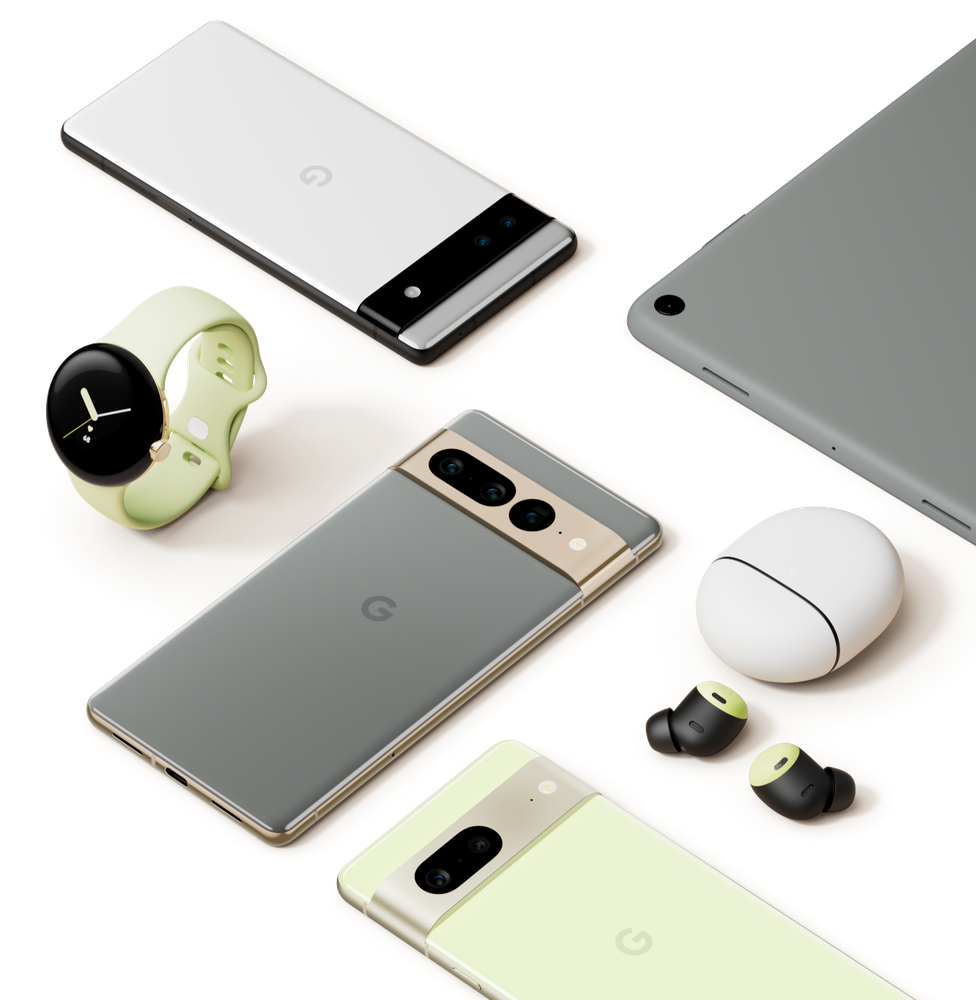
Take a look at our new Pixel portfolio, made to be helpful
From phones and smartwatches to tablets and laptops — our day-to-day lives can be filled with so many devices, and dealing with them should be easy. This is why we’re focused on building hardware and software that work together to anticipate and react to your requests, so you don’t have to spend time fussing with technology.
To bring this vision to life, we’ve spent years focusing on ambient computing and how it can help us build technology that fades into the background, while being more useful than ever. Today at I/O, I shared several important updates to our hardware portfolio that lay the groundwork for creating a family of devices that not only work better together, but work together for you.
Meet the new Pixel portfolio
We’ve thoughtfully designed the Pixel portfolio so the helpfulness and intelligence of Google can adapt to you in a non-intrusive way. This is all possible thanks to multi-device work from the Android team combined with our work to layer cutting-edge AI research and helpful software and services onto our devices. And of course, we always tightly integrate powerful data security directly into our hardware.
Last year we launched Google Tensor, our first custom-designed mobile system on a chip (SoC), to create a common platform for our Pixel phones. The first Pixels built with Tensor, Pixel 6 and Pixel 6 Pro, are the fastest selling Pixel phones to date. And today we introduced the new Pixel 6a, which has the same Tensor processor and industry-leading security from our Titan M2 chip.
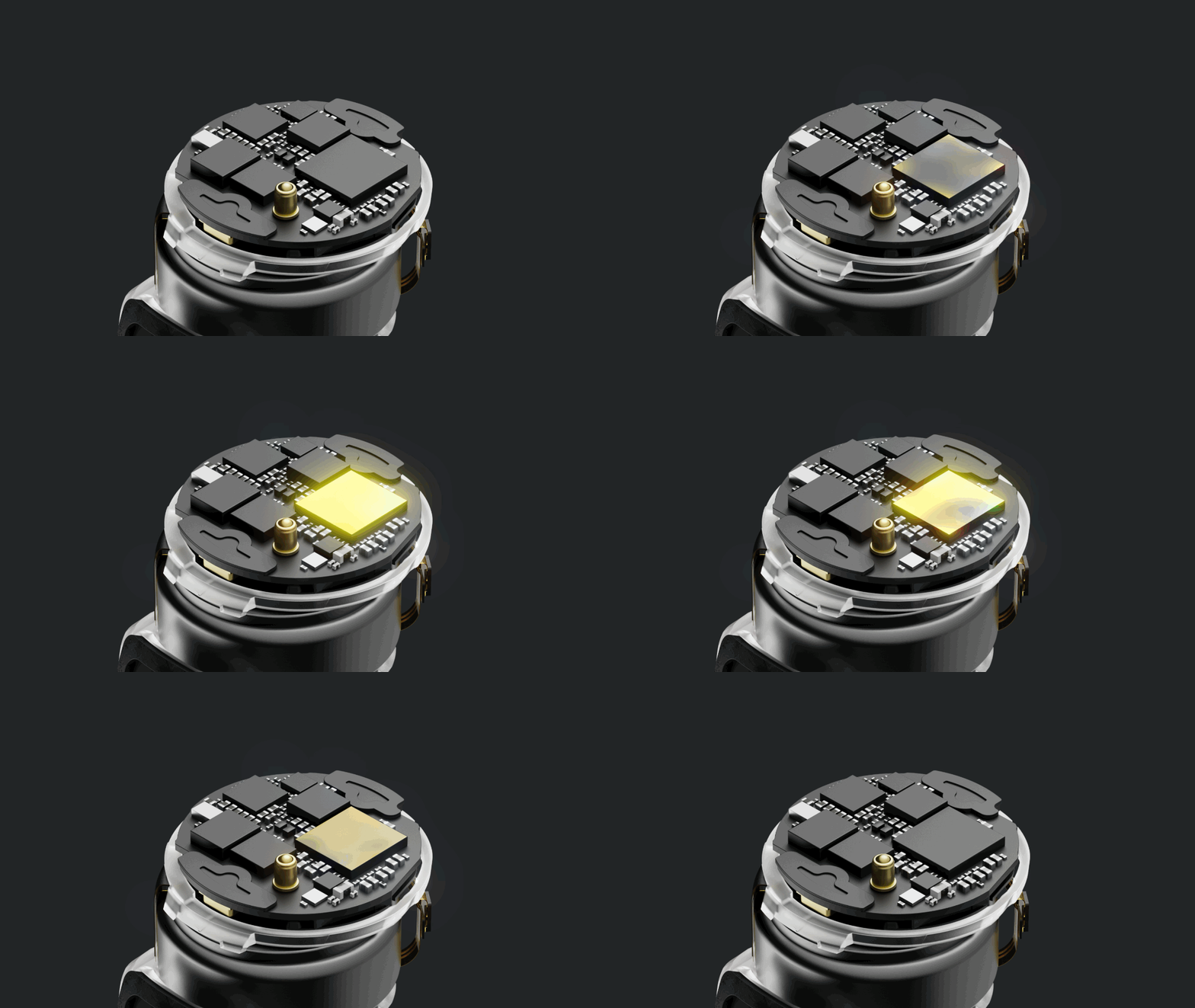
Our Pixel Buds are designed to perfectly complement your Pixel phone, and we’re excited to expand the earbuds offerings with Pixel Buds Pro. These premium earbuds include a new, custom 6-core audio chip that runs Google-developed algorithms — all tuned by our in-house audio engineering team.
A sneak peek of what’s to come
Building on our ambient computing vision, we’re focused on how Pixel devices can be even more helpful to you — now and in the future. Today, we gave a preview of our new Google Pixel Watch — the first watch we’ve built inside and out. It has a bold circular, domed design, a tactile crown, recycled stainless steel and customizable bands that easily attach. With this watch, you’ll get the new Wear OS by Google experience and Fitbit’s industry-leading health and fitness tools — right on your wrist. Google Pixel Watch is a natural extension of the Pixel family, providing help whenever and wherever you need it. It will be available this fall, and we’ll share more details in the coming months.

We also previewed our Pixel 7 phones, coming this fall.
And finally, we shared an early look at our Android tablet, powered by Google Tensor.
We’re building out the Pixel portfolio to give you more options for varying budgets and needs. I can’t wait for everyone to see for themselves how helpful these devices and technology can be — from wearables, phones and tablets to audio and smart home technology. And if you’re headed to the New York area, you can see these devices in action at our second Google Store that’s opening this summer in Brooklyn.
Loud and clear, Pixel Buds Pro are here
Have you heard? Google Pixel Buds Pro are here. These premium wireless earbuds with Active Noise Cancellation bring you full, immersive sound — now that’s music to our ears. Pixel Bud Pros are built to work great across our full Pixel portfolio and with other Android phones, and they’re packed with all the helpfulness and smarts you expect from Google.
Immersive sound that adapts to you
Great art starts with a blank canvas, and it’s no different with sound. To set the foundation for your music to shine without distractions, Pixel Buds Pro use Active Noise Cancellation (ANC). We built our ANC with a custom 6-core audio chip that runs Google-developed algorithms — all tuned by our in-house audio engineering team — and custom speakers.
Everyone’s ears are unique, so it’s not always possible for the eartips to create a perfect seal that prevents sound from leaking in from the outside. Pixel Buds Pro use Silent Seal™ to adapt to your ear, to help maximize the amount of noise that’s canceled. And built-in sensors will measure the pressure in your ear canal to make sure you’re comfortable even during long listening sessions. Say goodbye to that annoying plugged ear feeling!
Once you’re listening to your music or podcast, Volume EQ will adjust the tuning as you turn the volume up or down — so highs, mids and lows consistently sound balanced. Later this year, Pixel Buds Pro will also support spatial audio. So when you watch a spatial audio-supported movie or TV show on compatible Pixel phones, you’ll feel like you’re in the middle of the action.
As versatile as you are
Pixel Buds Pro adapt throughout your day by anticipating your next move. If you end a video call on your laptop to head out on a walk and listen to music, you won’t need to fumble around with Bluetooth menus. With Multipoint connectivity, Pixel Buds Pro can automatically switch between your previously paired Bluetooth devices — including laptops, tablets, TVs, and Android and iOS phones.
Once you’re on that walk, Pixel Buds Pro will help you place clear calls even if it’s loud and windy outside. And of course, Google Assistant is there to give you hands-free help. Just say “Hey Google,” and ask the Assistant for whatever you need — like walking directions or even real-time translation in 40 languages.
Want to stay aware of your surroundings? Transparency mode lets ambient noise in so you can hear what’s going on around you — perfect for crossing a busy street, waiting for your order at a cafe or walking around town.

And if you’re sweating through an intense workout or jogging in light rain, your new Pixel Buds Pro have you covered. The earbuds have IPX4 water resistance, and the case is IPX2 water resistant.
Designed to look good and last throughout your day
Pixel Buds Pro are built to suit your lifestyle and look just as good as they sound. They come in a soft matte finish and a two-tone design. Pick from four color options: Coral, Lemongrass, Fog and Charcoal.

No matter what you’re doing, you can trust they’ll get you through your day. Pixel Buds Pro charge wirelessly and give you up to 11 hours of listening time or up to 7 hours with Active Noise Cancellation turned on, so rest assured you can tune out the noise on that long flight.
Pre-order your Pixel Buds Pro on July 21. You can also check out what countries Pixel Buds Pro will be available in and sign up for product updates.
Pixel 6a: More of what you want for less than you expect
Our latest A-series phone, Google Pixel 6a, gives you more of what you want — for less than you’d expect. Pixel 6a is packed with the same powerful brains, Google Tensor, and many of the must-have features as our premium phones Pixel 6 and Pixel 6 Pro — at a lower price of $449.
Designed with you in mind
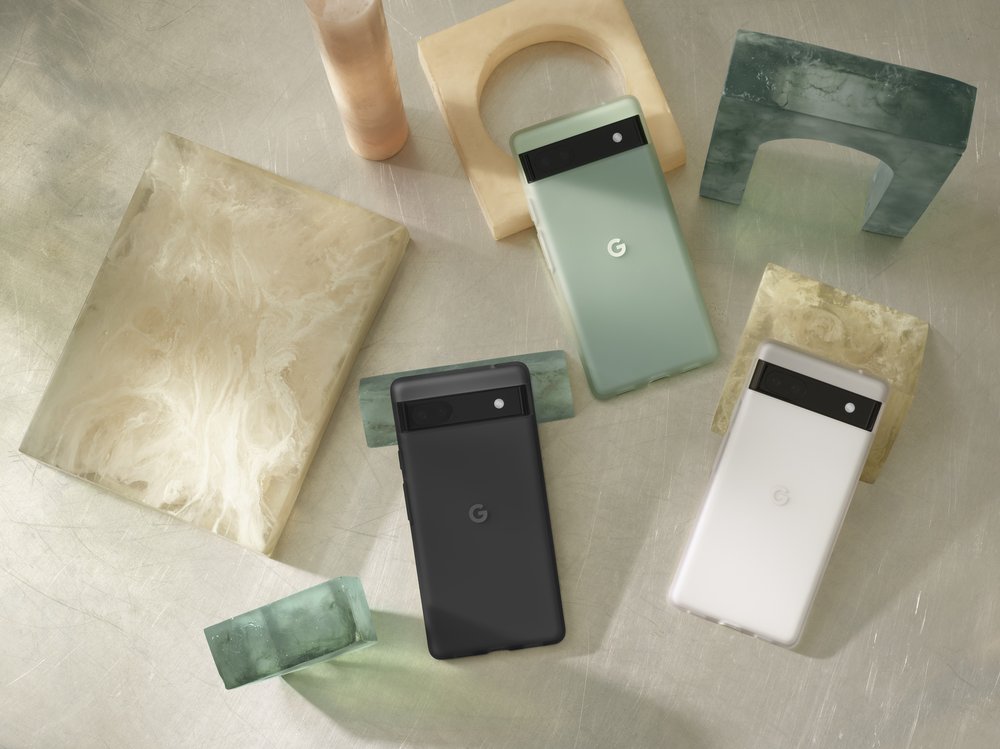
Pixel 6a borrows many of the same design elements from Pixel 6 — including the iconic camera bar — along with a metal frame that is durable by design. You’ll also get the updated Material You design UX that lets you personalize the look and feel of your phone, making it truly yours. Show off your colorful side and coordinate your aesthetic with one of three phone colors: Chalk, Charcoal and Sage.
For added protection and even more color options, pick out one of the cases made specifically for Pixel 6a — they’re translucent and can be mixed and matched to create unique color combos. You’ll also have your choice of cases from our Made for Google partners.
Fully loaded with the features you love
From exceptional camera features to speech recognition to security you can trust, many of your favorite features from Pixel 6 and Pixel 6 Pro will be joining the party — thanks to Google Tensor. Here’s a look at some of them.
Pixel 6a helps capture your most important moments with a Camera Bar that includes dual rear cameras: a main lens and an ultrawide lens. So rest assured you can capture the whole scene. As for the selfie camera on Pixel 6a, it’s the same great camera as Pixel 6.
The Pixel Camera is built to be versatile and adapt to your needs, and you’ll see some of those features and technologies on Pixel 6a — from Real Tone, which authentically represents all skin tones, to Night Sight, which makes low-light photography a breeze, to Magic Eraser in Google Photos, which makes distractions disappear. And good news, we’ve enhanced Magic Eraser so you can also change the color of distracting objects in your photo. In just a few taps, the object’s colors and shading blend in naturally. So the focus is on the subjects — where it should be.
Pixel 6a comes with the same highly accurate speech recognition as Pixel 6 Pro. That includes features like Recorder, Live Caption and Live Translate.
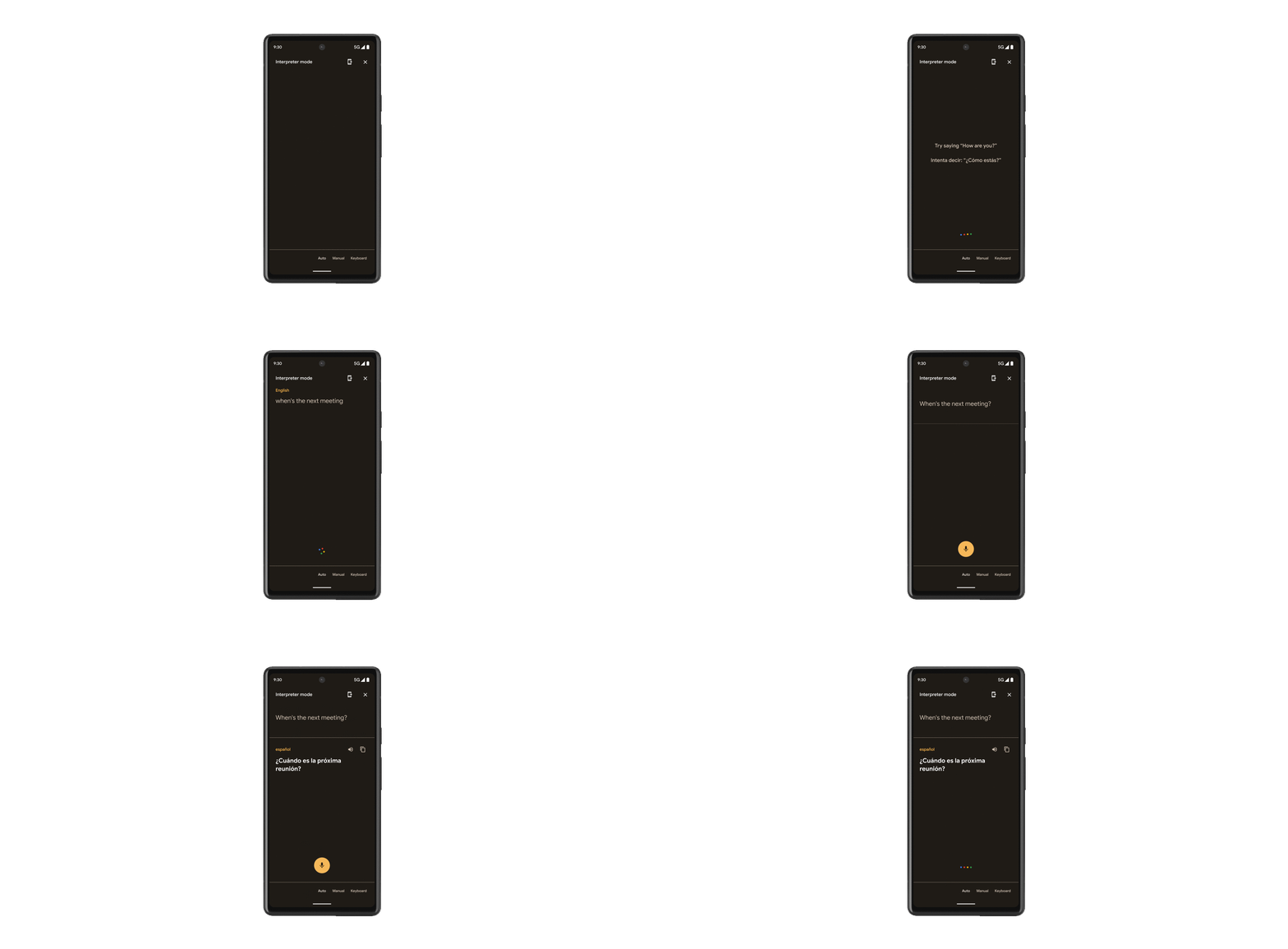
With Live Translate, you’ll have a personal translator wherever you go! Find more details and availability here.
The power and safety of Google Tensor
You’ll get the full hardware and software experience you’d expect with Google Tensor without compromising on battery life. Pixel 6a comes with an all-day battery that can last up to 72 hours when in the Extreme Battery Saver mode — a first for Pixel phones.
With this common hardware platform across our latest phones, Pixel 6a will receive five years of security updates from when the device first becomes available on GoogleStore.com in the U.S., just like Pixel 6 and Pixel 6 Pro. Plus, Pixel 6a comes with Feature Drops so you get the latest and greatest features and updates. And as with other Pixel devices, Pixel 6a will be among the first Android devices to receive the upcoming Android 13 update.
Pixel 6a will be available for pre-order starting at $449 on July 21 and on shelves on July 28. Find out what countries Pixel 6a will be available in, and sign up for product updates.