
Spider-Man: una scena cancellata apre al ritorno degli altri Peter Parker?

LOL: Chi ride è fuori, annunciata la terza stagione

Saud bin ‘Abd al-Rahman Al-Thani. L’astro nascente del Qatar
Diplomazia, innovazione, sport: Saud bin ‘Abd al-Rahman Al-Thani è considerato il secondo uomo più potente del Qatar dopo l’emiro Saud bin ‘Abd al-Rahman Al-Thani può vantare numerosi successi nello sport,…
L’articolo Saud bin ‘Abd al-Rahman Al-Thani. L’astro nascente del Qatar scritto da Paolo Brambilla proviene da Assodigitale.

Google.org Fellows help small businesses fight climate change
Helping small and medium-sized enterprises (SMEs) cut down their carbon emissions is a vital step towards tackling climate change. 90% of emissions from large corporations can be traced to SMEs that play key roles in the creation of products and services.
However, most SMEs do not have the resources to measure and manage their emissions. In a recent survey by the SME Climate Hub, 63% of respondents said they did not feel they have the right skills to take the appropriate climate action.
Normative, a company based in Sweden who has developed the world’s first carbon accounting engine, has been taking on this challenge by helping businesses calculate their climate footprints. Over the past 6 months, a team of 12 Google.org Fellows, comprising software engineers, UX designers and product managers from different Google offices across the globe came together with Normative to help build a carbon calculator for SMEs.
The Business Carbon Calculator will be available for free, from today, to businesses through the UN-backed SME Climate Hub.
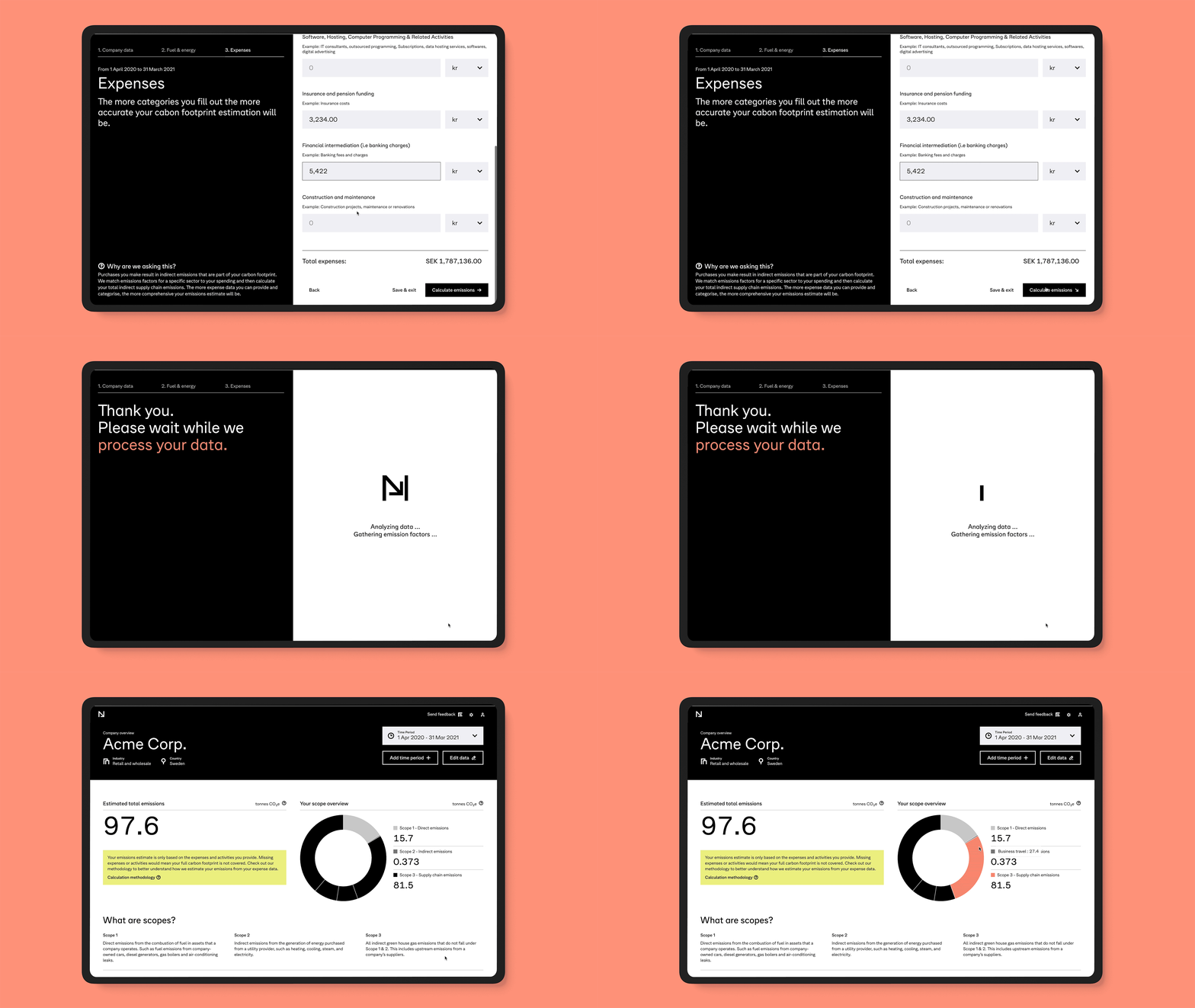
With this tool, SMEs will be able to measure their carbon footprint and identify emission hotspots, including direct and indirect emissions. This data will give SMEs a great starting point to define their own sustainability plans and map appropriate actions to cut down on their emissions.
Prior to the official launch of the tool, 123 organizations have used the tool during a 2-week long beta program and tracked a total of 54,000 tons of CO2 equivalent. This is comparable to CO2 emissions from burning 26 tons of coal.
We first supported Normative’s work through a €1M euro Google.org Impact Challenge on Climate. The team and vision were so impressive that we decided to deepen this relationship by bringing our people alongside our philanthropy through a Google.org Fellowship — it felt like a natural next step.
And so a team of Googlers worked full-time on an area they were extremely passionate about. Gabriella Araújo, a Product Marketing Manager in London, shared,
“It was fantastic to work on climate tech. I had been involved in sustainability projects at Google on the side. And working full time on climate was an incredible opportunity. I worked across different areas of the launch- I was close to product development and loved thinking about different ways to bring a carbon accounting tool to SMEs. I’m very proud of what we’ve built and I know this will add real value for small businesses on their race to zero.”
The challenge of slowing down climate change is a large one. We hope that the carbon calculator, along with the resources on the SME Climate Hub, will encourage SMEs all over the world to start their journey towards making their businesses more sustainable and resilient.

Matt Brittin on data, ethics, and privacy by design
The following is adapted from remarks delivered by Matt Brittin, President, Google EMEA, at UBA Trends Dayin Brussels, on data, ethics, and privacy by design.
I first accessed the internet in 1989 — the same year Tim Berners-Lee invented the World Wide Web.
Bright text on dark backgrounds listing links to other pages of text listing more links. Thirty years later, it’s something many of us take for granted. Half of humanity is online, using tools that we could never have dreamed of. It’s open, affordable and would have seemed magical to me as a student.
But, we’re running it all on a rule book that’s twenty years out of date; delight with the magic is tempered by concerns about how our data is used; and fears of technology being used for ill rather than for good.
A century of advertising
It’s often helpful to make sense of the future by understanding the past. Throughout history, advertising has helped make all kinds of media content affordable and accessible.
About a century ago, as the global middle class was growing, modern business could reach potential customers at an undreamed of scale. But reaching all those people — without knowing how many of them might be interested in your product — was expensive and inefficient.
Modern newspapers came up with ‘the bundle’ — ad space sold in specific sections like ‘Auto’ or ‘Fashion’. So that car companies could communicate directly to readers interested in cars; and coat sellers to readers interested in fashion.
Mass-market magazines created ways to target diverse interest sets — creating magazines or sections specifically for gardeners, those interested in the natural world, or science fiction.
And Broadcasting developed increasingly differentiated ‘genre entertainment’ — a novel form that helped advertisers segment and reach viewers based on assumptions about who was watching.
All of these inventions benefited our everyday lives — bringing us our favorite magazines, TV shows or newspapers. And with measurement and data, advertisers were reassured that they were getting value from the exercise too. Ads have long funded our favorite content, and they’ve always been targeted.
Preparing for the future
That’s what made Google Search possible. It’s free to use not because we target based on knowing anything about you — just that you are searching for cycling shoes in Brussels right now. It gives you advertising that’s relevant and useful — and privacy safe.
The web has brought an explosion of content and choice. And the chance to show a different ad to people reading the same article, or watching the same show.
But the question for the web in 2022 is whether this model of advertising is good enough. With more people managing more of their lives online than ever before, the web is going through a fundamental shift. Citizens want more online privacy and control — and for the services they use to earn, and be worthy of, their trust.
That means preparing for a future without third party cookies — by working with the industry to build and test new solutions in the Privacy Sandbox, like our latest proposal, the Topics API. Proposals that make advertising on the web more private and transparent — without needing to compromise on quality or content.
The importance of distributed computing
Now, reform also means regulation — clear tools and rules. We’re grateful to be getting a steer from regulators on a full range of issues, from cookies to online ads — and for the concern it shows for user privacy.
Of course, with increased regulation comes intense engagement. Today, some are questioning whether services like Google Analytics can be properly used in Europe under the GDPR. The concern is that because it’s run by an America-based company, Google Analytics can’t totally remove the possibility that the US government could demand access to user data.
This is a strictly hypothetical situation — because over the past 15 years, Google Analytics has never received a request of the kind speculated about in this case. While legal cases on this have only covered a few specific websites and their unique circumstances, there are others who are concerned that the same logic could be applied to any US-based provider or website — and indeed any EU-US data transfers.
Talk to anyone in the technical or security communities, and they will tell you that scaled cloud computing of the kind supporting these services makes data more secure, not less. Scale makes it easier to fight hackers, scammers and thieves — by expanding the signals needed to detect them. It’s how platforms can offer customers the greatest possible security and redundancy.
Today, Project Shield is a great example of that. It’s an advanced security technology that helps keep organizations safe from cyber attacks — particularly those designed to overwhelm small organizations with a flood of fake traffic.
We use Project Shield to protect at-risk organizations across the world, like news sites, human rights organizations or election monitors. Including in countries like Ukraine, where over 150 government and news websites are currently being kept safe and online by Project Shield and in surrounding countries affected by the war — so that they can continue to provide valuable information and services to people on the ground.
Here’s the kicker: like Google Analytics, the infrastructure that enables Project Shield relies on transatlantic data flows. We’re able to absorb massive attacks against individual websites by diffusing the traffic across a global network.
The very processes that enable Project Shield — a service that is protecting news and human rights organizations across Europe — are themselves considered suspect because they don’t adequately protect European users from the United States.
Towards a more responsible foundation
Of course, we understand that there are concerns about U.S. surveillance overreach — and we share them. Google has lobbied many years for U.S. government transparency, lawful processes, and surveillance reform — and continues to fight for protections for digital citizens outside the U.S.
We’ve done so while continuing in our belief that it is possible to advance international cooperation towards shared goals and against shared threats — and to build a future based on interests and values shared by democracies on both sides of the Atlantic.
For users, advertisers and tech, this shift towards a privacy-first internet will be a good thing.
Our studies have found that when users know that their privacy is respected, they respond with increased trust and interest. Users who feel they have control over their data are two times more likely to find content relevant; and three times more likely to react positively to advertising.
For online advertising, and the internet as a whole, this is a page-turning moment. We’re getting tools and rules. Legal clarity. Codes of practice. And a regulatory dialogue. A new future of advertising is coming: one that puts privacy front and center.

Ubuntu 22.04: ecco tutte le nuove feature in arrivo

Antibufala micro: “La verità sta nel mezzo”
In qualunque conversazione che presenta opinioni contrastanti arriva sempre il genio della situazione che sentenzia orgoglioso che “la verità sta nel mezzo”. È una stronzata, e mi sono stufato di sentirla, per cui pubblico qui questo spiegone che siete liberi di usare o linkare tutte le volte che arriva il sapientone di turno e la rigurgita. L’ho suddivisa in paragrafi di lunghezza tweetabile.
Primo, il modo di dire è “LA VIRTÙ sta nel mezzo”. Deriva dal latino in medio stat virtus. La verità non c’entra un fico secco. Dire “la verità sta nel mezzo” è stupido come dire “gallina vecchia onor di capitano”.
Secondo, la verità non sta mai nel mezzo. Sta dove stanno i fatti. Non è che se Maria dice “due più due fa quattro” e Piero dice “No, due più due fa sei” allora dobbiamo dedurre che la verità è che due più due fa cinque.
Dire “la verità sta nel mezzo” è semplicemente usare una frasetta banale, che non vuol dire nulla ma che fa sentire saggi e intelligenti, quando in realtà è solo una brutta foglia di fico per nascondere il fatto che non si vuole prendere posizione.
Basta con questa stronzata ipocrita. Per favore.
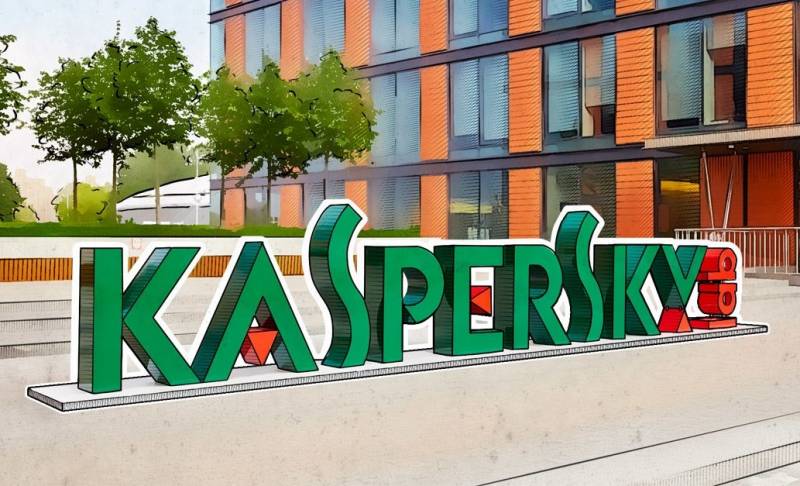
Kaspersky, uno dei migliori antivirus sul mercato, a rischio sanzioni
Il conflitto Russia-Ucraina colpisce ingiustamente un software che non ha più niente a che fare con la Russia Ieri a Palazzo Chigi si sono riuniti sul tema “sicurezza informatica” il…
L’articolo Kaspersky, uno dei migliori antivirus sul mercato, a rischio sanzioni scritto da Paolo Brambilla proviene da Assodigitale.


Mini decoder TV con WiFi: con 29€ risolvi i problemi di segnale

Una striscia LED per cambiare la tua casa, questa è tua a 13€

Il presidente ucraino firma la legge per legalizzare le criptovalute

Botnet Linux si diffonde utilizzando il difetto Log4Shell

Mi arrivano surreali minacce personali dal direttore del programma spaziale russo
Fra le esperienze che pensavo di vivere quest’anno non c’erano di certo le minacce personali mandatemi via Twitter da Dmitri Rogozin, attuale direttore dell’agenzia spaziale russa Roscosmos.
Ieri Rogozin (o qualcuno che usa il suo account Twitter ufficiale autenticato) ha pubblicato questo tweet, decisamente slegato dalle attività spaziali: “Ucraina ed Europa? “Rifugiato” dall’Ucraina spiega agli italiani chi è il capo della casa. Probabilmente i fascisti ucraini vieteranno presto agli italiani in Italia di parlare italiano. L’Europa ora l’Ucraina!“
Ucraina ed Europa?
“Rifugiato” dall’Ucraina spiega agli italiani chi è il capo della casa. Probabilmente i fascisti ucraini vieteranno presto agli italiani in Italia di parlare italiano.
L’Europa ora l’Ucraina! pic.twitter.com/z6zPtksLbV
— РОГОЗИН (@Rogozin) March 16, 2022
Mi sono limitato a farne un retweet commentandolo con queste parole: “Questo è quello che pubblica il direttore dell’agenzia spaziale russa. Ditemi se è il caso di dare credito a una persona del genere.“
Questo è quello che pubblica il direttore dell’agenzia spaziale russa.
Ditemi se è il caso di dare credito a una persona del genere. https://t.co/wGJm5X7RLX
— Paolo Attivissimo (@disinformatico) March 16, 2022
Rogozin ha risposto così: “Voglio solo avvisarti di quello che ti succederà presto. Questi fascisti ucraini a cui dai il benvenuto rovineranno la tua vita e quella dei tuoi figli.”
Voglio solo avvisarti di quello che ti succederà presto. Questi fascisti ucraini a cui dai il benvenuto rovineranno la tua vita e quella dei tuoi figli.
— РОГОЗИН (@Rogozin) March 16, 2022
Ho retweetato queste parole di Rogozin commentandole come segue: “Wow, persino i messaggi personalizzati. La propaganda russa ha rubli da spendere.” Ho salvato copia permanente dei tweet di Rogozin qui e qui. Ho poi chiesto a Rogozin come mai, se l’Ucraina è così piena di fascisti come dice, la Russia ha così tanta voglia di annetterla: “Please explain: if Ukraine is so full of fascists as you claim, why is Russia so eager to absorb Ukraine?”
Molti lettori hanno scovato l’origine del video citato da Rogozin: si tratta di una storia avvenuta a Roma e risalente al novembre del 2018 (lo si nota dalla totale assenza di mascherine), come documentato a suo tempo da Corriere e askanews.
Mi sono limitato a rispondere a Rogozin“Sir, the video you posted is from 2018 [link al video] I hope that this is not how you want to be remembered by history.”
Qualcuno potrebbe essere tentato di pensare che questo episodio dimostri una mia ipotetica importanza di cui forse dovrei vantarmi, ma non sono d’accordo: credo piuttosto che dimostri la capillarità, ma anche la disperazione, della propaganda russa.
Certo che dopo i comportamenti di Rogozin in questa circostanza e nei giorni scorsi, con i suoi tweet di minaccia alla stabilità della Stazione Spaziale Internazionale, sarà molto difficile che la collaborazione spaziale con la Russia possa riprendere senza che ci sia un radicale cambiamento nel governo del paese e nell’amministrazione della sua agenzia spaziale.
A $4 million fund for Europe’s Black founders
Black founders have long been playing a key role in Europe’s economy by solving challenges with agility, resilience and innovative technology. But we’ve known for a long time that Black founders do not have the same opportunities and support as many others. Less than 0.5 percent of venture capital (VC) funding goes to Black-led startups, despite the fact that 77% of Black-led tech startups generate revenue and create an average of 5.4 jobs each.
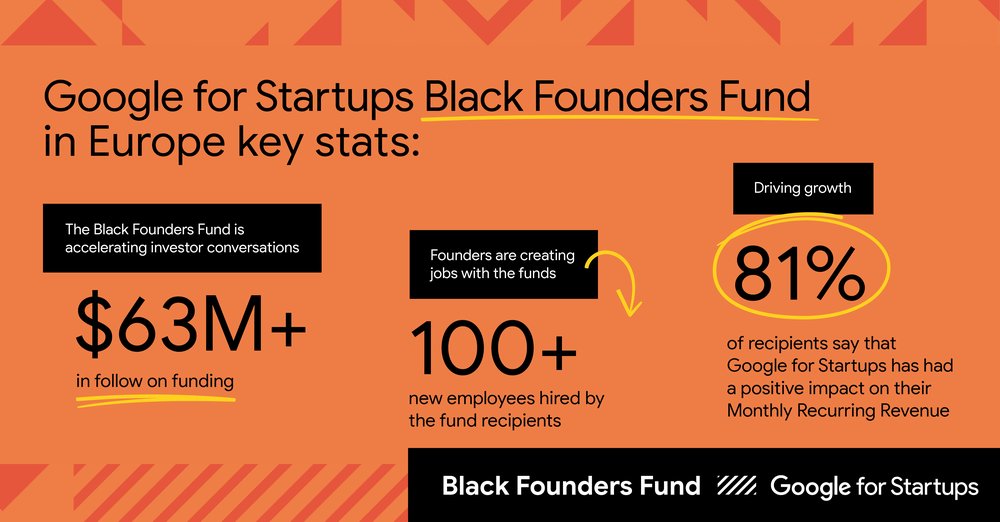
When we opened applications for the first $2 million Google for Startups Black Founders Fund in Europe last year, we were blown away by demand. Almost 800 people applied from across Europe, and 30 startups were selected across fintech, healthcare, beauty, gaming, healthcare and commerce. These startups have gone on to raise over $63 million collectively in funding, and hired more than 100 people, since the program began. When given the right opportunities, Black founders thrive.
Since receiving capital from Google in 20201, founders have gone on to raise funding, hire new employees and grow.
That’s why today, we’re launching a second round of investments in the Google for Startups Black Founders Fund in Europe, a $4 million fund for Black-led tech startups in the region. With double the funding from our inaugural fund, we hope to help even more startups succeed this year.
Established in 2020, the Google for Startups Black Founders Fund provides cash awards — without giving up equity in return — and hands-on support to help Black entrepreneurs build and grow their businesses. The Black Founders Fund has awarded more than $16 million in Europe, Brazil, Africa and the U.S. toward making a resounding impact to help Black-led startups secure funding, strengthen communities and create generational change.
In addition to up to $100,000 (approximately 89,000 Euros) in non-dilutive cash awards, Black Founders Fund recipients receive ongoing Google mentorship and product support to help them navigate every stage of their startup process—including up to $200,000 (approximately 179,000 Euros) in Google Cloud credits.
Founders will also be introduced to each other and the global Google for Startups community of experts for leadership, growth and technical support. This includes partnerships with leading firms to provide specialist support ranging from marketing support from WPP; advice on raising capital from Tier 1 venture capitalists; to donated media campaigns and creative support from national broadcasters like ITV.
Last year’s Black Founders Fund recipients have seen tangible growth and success in the nine months since first receiving the awards. That includes AudioMob, a UK-based startup transforming how game developers are monetizing their games, who recently raised another $14 million; Berlin-based Kwara, which digitizes financial cooperatives to give their members an easier way to manage money and build a credit history, whichraised $4 million in follow-on funding; and Playbrush, a startup based in Vienna, Austria, making oral health care fun by connecting toothbrushes to phones and tablets, which was acquired by Sunstar in September. We can’t wait to see what this year’s cohort will achieve.
Applications for the Google for Startups Black Founders Fund in Europe are open from today. Black-led startups with a live product in market and early traction are encouraged to apply. Applications will close on April 17th.
To find out more about the program, and to apply, visit this link: https://www.campus.co/europe/black-founders-fund/