

Tip Jar, ecco come gli utenti possono monetizzare su Twitter
Twitter è in fase di rinnovamento costante e Tip Jar è soltanto l’ultima funzionalità appena arrivata. Negli ultimi mesi sono state tantissime le novità introdotta sul social network di microblogging, alcune ispirate alla concorrenza e altre più funzionali ad espandere lo scopo principale di Twitter ben oltre il semplice sfogo a ruota libera.

La Riforma Fiscale. Un webinar per capirla
“La Riforma Fiscale come volano per la ripartenza del Paese e del suo sviluppo economico”. Martedì 11 maggio, alle ore 18,30 sulla pagina Facebook del Partito Democratico Milano Metropolitana. Il Dipartimento Banche, Fisco e Finanza del PD Milano Metropolitana torna a discutere sul tema della nuova Riforma Fiscale, su cui si sta concentrando il lavoro del Governo guidato da Mario Draghi. Il Dipartimento coordinato da Alessia Potecchi organizza nella serata di martedì 11 maggio, alle…
L’articolo La Riforma Fiscale. Un webinar per capirla scritto da Paolo Brambilla proviene da Assodigitale.

Resident Evil Village, da oggi disponibile in tutto il mondo
L’attesissimo gioco survival horror di Capcom, Resident Evil Village, è ora disponibile in tutto il mondo per PlayStation 5, PlayStation 4, Xbox Series X|S, Xbox One, Steam e Stadia. Il gioco continua la storia di Ethan Winters, già protagonista dell’acclamato Resident Evil 7 biohazard, questa volta impegnato a salvare sua figlia, in un’intensa campagna fatta di storie e corroborata da un gameplay robusto e in grado di suscitare tensione nel giocatore.
Microsoft, i dati europei saranno archiviati e processati nell’UE
Microsoft ha annunciato un nuovo impegno per l’Unione Europea, ovvero l’EU Data Boundary for Microsoft Cloud, piano in base al quale i dati delle organizzazioni e le Pubbliche Amministrazioni europee clienti Microsoft saranno processati e archiviati in EU. Questo impegno si applicherà a tutti i principali servizi cloud di Microsoft: Azure, Microsoft 365 e Dynamics 365. Microsoft sta già iniziando a lavorare a questo piano con l’obiettivo di terminare le attività legate a questo piano entro la fine del prossimo anno.

ENVG-B, i nuovi visori notturni “alieni” dell’esercito americano
C’erano una volta gli occhiali per la visione notturna, quelli che indossati trasformavano agli occhi di chi li inforcava il buio pesto della notte in uno scenario luminoso colorato di verde, che aiutava a migliorare la visibilità. Oggi questo tipo di tecnologia è ampiamente superata, almeno a giudicare dai nuovi modelli di visori utilizzati dalla Lancer Brigade della Joint Base Lewis-McChord di Tacoma, nello stato di Washington. I militari americani che fanno parte di questa unità, infatti, stanno testando dei dispositivi che sembrano appena usciti da un laboratorio di ricerche alieno o da un film di fantascienza.

Blue Origin, all’asta biglietto per il primo viaggio turistico spaziale
Blue Origin, la compagnia missilistica del miliardario Jeff Bezos e dell’ingegnere aerospaziale Rob Meyerson, ha comunicato che il 20 luglio di quest’anno compirà il suo primo viaggio turistico suborbitale.
Helping protect people from financial fraud in the U.K.
Over the last few years, people in the U.K. have been targeted by increasingly sophisticated scammers on and offline. According to UK Finance, in 2020, total fraud loss was £1.26 billion. Criminal gangs are using multiple malicious methods, including phishing emails, spoof phone calls and texts, shopping scams and impersonation scams, as well as scam advertising on social media and search engines.
Joining efforts to collaborate across industries
Tackling the scale of this problem requires collaboration across government, the financial services industry, the telecommunications industry, the tech industry and law enforcement. To play our part in this effort, we have become the first major technology company to join Stop Scams UK and will develop and share best practices with existing members from financial services and telecoms industries.
We also understand the importance of ensuring people are informed about how to spot the tactics of scammers and avoid falling victim to fraud, which is why we have pledged $5 million in advertising credits to support public awareness campaigns. The ads credits will be offered to cross-industry organisations already campaigning on this issue, as well as government bodies undertaking awareness campaigns.
Strengthening measures to protect U.K. consumers
As well as better equipping people to spot a scam, we know how vital it is to protect people from fraud. Over the next few months we will be developing and rolling out further restrictions to financial services advertising in the UK to protect consumers and legitimate advertisers.
The new measures build on significant work we have done to date to help stop financial scammers in the U.K., working closely with the FCA (Financial Conduct Authority):
- In early 2020, we worked with the FCA to receive notifications when additions are made to the FCA warning list. There are more than 4,000 websites on the warning list.
- Over the past year, we introduced several verification processes to learn more about the advertisers and their business operations. During the verification period, we pause advertiser accounts if their advertising or business practices are suspected of causing harm. We are currently requiring all UK financial services advertisers to complete these programs in order to run ads.
- We updated our unreliable claims policy to restrict the rates of return a firm can advertise and ban the use of terms that make unrealistic promises of large financial return with minimal risk, effort or investment.
- We recently undertook a review of user experiences that tend to be targeted in the UK by bad actors and have introduced further restrictions, preventing ads from showing on those searches.
Globally, Google has also introduced new advertiser identity verification and rolled this out across the U.K. beginning earlier this year. Advertisers now need to submit personal legal identification, business incorporation documents or other information that proves who they are and the country in which they operate. This means Google can more effectively determine bad actors in the ecosystem from the start.
Ready to respond to evolving scammer tactics
At Google, thousands of people work around the clock to deliver a safe experience for users, creators, publishers and advertisers. Our teams use a mix of technology, including sophisticated machine learning, and human review to enforce our policies. This combination of technology and talent means policy violations can be spotted and action can be taken to remove bad ads.
Our teams are working hard on this issue because we all want U.K. consumers to feel safe and protected when they are managing their finances. Even as attempts by scammers evolve, we will continue to take strong action and work in partnership with others to help keep consumers safe.

CHIAMARSI BOMBER SBARCA SU THE NEMESIS CON IL SUO “SUMMER VIRTUAL VILLAGE”
Chiamarsi Bomber, la storica community social di calcio nata nel 2010 e con oltre 3 milioni di followers, sceglie The Nemesis per creare il suo Metaverso virtuale ed offrire alla community un’esperienza incredibilmente immersiva! Milano 6 Maggio 2021, Lo spirito innovativo del team di Chiamarsi Bomber e le potenzialità di The Nemesis regalano alla community un’esperienza che diventerà presto il “Must have” per molti brand, community e influencer! Cos’è The Nemesis? Una piattaforma innovativa che…
L’articolo CHIAMARSI BOMBER SBARCA SU THE NEMESIS CON IL SUO “SUMMER VIRTUAL VILLAGE” scritto da YOUR_DIGITAL_VOICE! proviene da Assodigitale.

Nuovi aggiornamenti urgenti per smartphone, tablet e computer Apple
 |
| Credit: Pinspiry.com. |
Pochi giorni fa è uscito un aggiornamento massiccio per vari prodotti Apple, come ho segnalato qui, ma è già ora di installarne un altro.
È infatti disponibile la versione 14.5.1 di iOS e iPadOS, che risolve due falle che forse vengono già utilizzate dai criminali informatici: si tratta dei bug identificati come CVE-2021-30663 e -30665, descritti qui da Apple in italiano, che possono essere sfruttati semplicemente convincendo l’utente a visitare un sito web appositamente confezionato.
L’aggiornamento è disponibile per “iPhone 6s e modelli successivi, iPad Pro (tutti i modelli), iPad Air 2 e modelli successivi, iPad 5a generazione e modelli successivi, iPad mini 4 e modelli successivi e iPod touch (7a generazione)”.
Oltre a eliminare questo rischio di attacco, l’aggiornamento corregge anche delle magagne nel suo sistema App Tracking Transparency che limita il tracciamento pubblicitario.
C’è un aggiornamento di sicurezza apposito anche per chi è rimasto al vecchio iOS 12, che inoltre risolve una falla separata e porta iOS 12 alla versione 12.5.3.
Anche macOS va aggiornato alla versione 11.3.1 allo scopo di correggere questi stessi bug. Fatelo. I malviventi online contano sul fatto che non lo farete.
Fonte aggiuntiva: Ars Technica.

Plan a perfect weekend with new Google Assistant features
Moms everywhere can likely agree that this year (and then some) has had us working overtime. As a mom of two who’s working at home, I know that’s how I’ve felt. Maybe that’s why I’m extra excited for Mother’s Day this year. And just in time, there are a few new Google Assistant features my family and I will be using to schedule the perfect weekend.
First, I’ll Broadcast from my morning run
We’re extending one of our most popular Assistant features, Broadcast, so you can reach your family wherever they are, and they can respond from any device including from their phones. With Family Broadcast, when I get home from my Saturday morning run, I can broadcast to my newly created Google Family Group, “Hey Google, tell my family, how about lunch at noon?” across all our smart speakers and displays. The message will even reach my husband on his iPhone (or Android device) while he’s on the way home, letting him reply by voice or by tapping the “reply” button, “Hey Google, reply sounds good, stopping by grandma’s house. See you in 15 minutes.”
When it comes to mental health, what are we searching for?
You know that exhaustion you’re feeling — the one that no amount of espresso shots or power naps can remedy? Well, it turns out you’re not alone.
Last month in the U.S. we saw spikes in fatigue-related Google searches, and the question “why do I feel bad?” reached a record high. There’s a collective feeling of exhaustion, and we’re all looking for ways to cope with it. Over the past year, we’ve seen an increase in searches related to meditation, virtual therapy, walking and digital detoxes.
Since this week marks the beginning of Mental Health Awareness Month in the U.S., we chatted with two of Google’s experts on the topic: Dr. David Feinberg, a psychiatrist by training and head of Google Health, and Dr. Jessica DiVento, a licensed clinical psychologist and the Chief Mental Health Advisor for YouTube. David and Jessica talk about why we’re feeling this way and what we can do about it.
What’s going on with our collective wellbeing at this moment in time?
Jessica: Our body’s threat detection system is working in overdrive. We’re constantly making sense of what’s happening so we know what’s causing us stress and can react to it. People don’t realize how much mental energy that takes. Even though you might not be doing much physically, it makes sense to feel fatigued.
In the U.S., more people are getting vaccinated and guidelines are changing. Adjusting to this new routine takes a lot of cognitive processing.
David:It’s a hard transition. Our bodies are good at achieving homeostasis. I’ve become comfortable working from home, eating outside and socializing within my pod — these are abnormal things that I’ve incorporated as normal. In parts of the world, you’re telling me to go back to my old ways. Things that used to require minimal thinking — like meeting a friend for dinner — now require so much processing.
How do you expect people’s emotions to change over the coming months?
David:Fear is when you open the door and a bear is there. Anxiety is when there’s no bear and you don’t know why you’re feeling that way. We’ve been in a constant state of both with the pandemic. Already, I’ve felt a bit of these heavy feelings lift. When I got my first shot of the vaccine at CVS I felt some of the anxiety and fear I was carrying release — it was almost a spiritual experience.
This is a dramatic life experience. It will be part of our narrative and change how we respond to things. When a vase falls and it breaks, you glue it back together. When it falls again it usually breaks in the same spot. When there are triggers — like seeing spikes in India — it brings back emotions from this collective trauma.
Jessica:As a global society, there’s a long way to go. Some of us going through the reconstruction phase will ask, “Why am I not feeling better yet?” Transitioning out of this will take time.
What have you both done to maintain your own mental health?
Jessica:We know all the things to do to minimize stress and anxiety: eat well, exercise, sleep and so on. We also know what doesn’t help. For me, that’s the overconsumption of technology. Digital wellbeing features, like Pixel’s Flip to Shhh and app timers, help me stop scrolling so I can be more present.
David:I’ve focused on my sleep. Dreams are a way to consolidate new information. I’ve measured my sleep with my Fitbit smartwatch and now with Sleep Sensing on my new Nest Hub, and have learned that eating or working out late at night negatively affects my sleep. So I’ve made adjustments.
As more people search for ways to cope, what are Google and YouTube doing to help?
David:Part of coping with anxiety is researching and taking action on the things you can control. I love seeing Google connect people to actionable information through things like our mental health self-assessments, information on vaccination and testing locations, and authoritative data about things like symptoms and guidelines to stay safe.
Jessica:The rise in searches for mental health content shows that it’s becoming okay to say that you’re not okay. The more conversations we spark and the more places we share content about mental health, the less stigma there will be. At YouTube, we work closely with experts in the mental health space to make sure there are credible and engaging videos out there. When someone searches specifically for anxiety or depression resources, we’ll show information about symptoms, treatment resources and self-assessments. And for searches that may indicate someone in crisis, we’re committed to connecting them with free 24/7 crisis support resources. Also, Fitbit recently teamed up with Deepak Chopra to create an exclusive wellness collection for its Premium members, making it easier for them to create a mindfulness practice. Things like that help make sure anyone can take care of their mental health and wellbeing. I hope that lives on past this moment.
What questions do you hope the world is searching for in the next six months?
Jessica: I think we’ll see people searching for ways they can help others — looking at careers in counseling and epidemiology — and how they can keep leaning into wellbeing.
David:I hope people are searching “Am I in love?” and “Why do I feel great?”
News Brief: April Updates from the Google News Initiative
Last month, we heard from industry experts who are thinking through new ways to support and engage with hyperlocal news. We’re learning how we can help ensure newsrooms are more reflective of the communities they cover. And we’re thinking about how these new technologies and news formats can translate to increased revenue for publishers. Keep reading for April updates.
Elevating the voices of underrepresented journalists
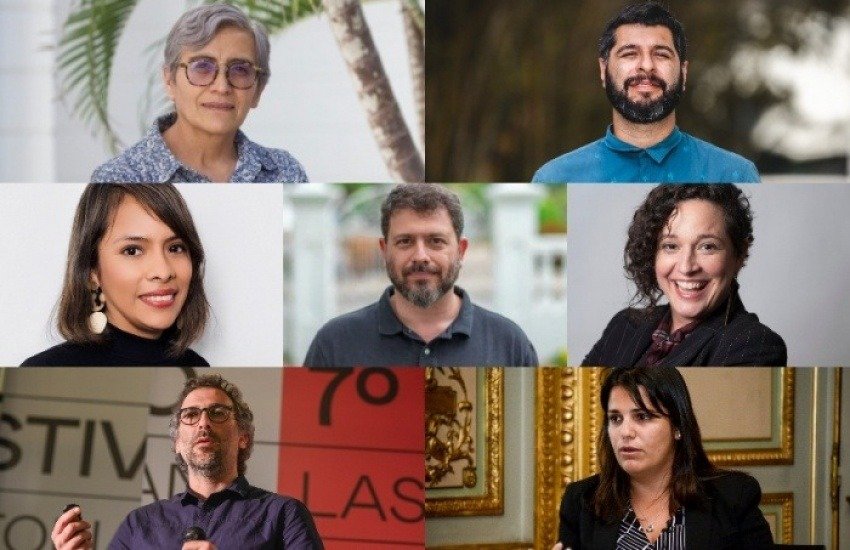
To align with our goal of raising authoritative news and diverse voices on the platform, YouTube partnered with the Maynard Institute to help create a training program to elevate the voices of journalists from underrepresented backgrounds. The group of 14 journalists will participate in monthly training sessions with the goal of using their journalistic expertise to build successful YouTube channels, expanding their audiences and developing their brands.
Supporting diversity in European newsrooms
In collaboration with the European Journalism Centre, we’re providing 30 paid newsroom summer placements for journalism students across 14 countries. Participating publishers will be provided with resources to ensure a diverse and inclusive selection process. On April 21, they participated in a dedicated workshop moderated by media consultant Naomi Goldsmith.
Training the next generation of hyperlocal publishers across Spanish-speaking Latin America

Three steps for turning a video into a Web Story
If you run a website, YouTube channel or blog, chances are you’ve produced a video for it. And you can easily reuse that content by converting it into a Web Story, which offers a few key advantages. As a Web Story, your video can be consumed at the viewers’ own pace, page by page, and they can navigate forward and backward. This makes it ideal for content like recipes or other instructional materials. Web Stories are also more flexible than videos because they can include links, quizzes and other interactive elements. In addition, Web Stories may appear in a carousel on Google Discover which can help you reach a new audience.
In the video below, I share how to convert a video into a Web Story in three steps. This process is also useful for turning text-based content like blogs into Web Stories.

Green Pass Italiano, cos’è e come ottenerlo
L’arrivo del Green Pass Italiano è stato annunciato nei giorni scorsi dal presidente del consiglio Mario Draghi: ma di cosa si tratta di preciso, e come si ottiene? In sostanza, sarebbe la versione nostrana dei certificati verdi digitali dell’UE e si prefigge l’obiettivo di favorire gli spostamenti e il turismo nel Bel Paese.