
Control gratis per PC: come scaricarlo

Windows 11 avrà un nuovo suono di avvio? Ecco l’indizio

Meet Barbara Hepworth, her art and life with Google Arts & Culture
Barbara Hepworth was one of the most important artists of the 20th century,and on this day in 1964 she unveiled her iconic sculpture Single Form at the United Nations in New York City. The piece is a dedication to her friend, UN Secretary General, Dag Hammarskjöld. To mark the decade since the opening of her namesake gallery — the Hepworth Wakefield — Google Arts & Culture’s latest collaboration brings thelargest retrospective of Hepworth’s work online, for audiences everywhere to explore.
Perhaps what one wants to say is formed in childhood and the rest of one’s life is spent in trying to say it.
Born and raised in the Yorkshire town of Wakefield, Hepworth worked at the forefront of contemporary art during her lifetime. Learn about Hepworth’s relationship with Yorkshire, and see how its influences can be seen throughout her career. The exhibition emphasizes how her work spanned across disciplines including space exploration, music, dance, politics and religion, while also reflecting her personal experiences.
Seminal sculptures such as Mother and Child, Springand Single Form have been captured in ultra high resolution using the latest technology, to allow viewers to get up close with the texture of the materials and see the carefully created marks Hepworth made during creation. Audiences can also discover more about the artist’s lesser-known artworks including her printmaking and designs for theaters.
And if you aren’t able to make it to Yorkshire, art fans everywhere cantake a virtual walk around the stunning exhibition using Google Street View. A selection of Hepworth’s iconic sculptures can also be experienced using Augmented Reality to see them up close in your own space with the Google Arts & Culture app.
For a more contemporary fix, discover the newly commissioned works by Tacita Dean and Veronica Ryan, made especially for the anniversary exhibition. Or, if you are feeling creative, perhaps you could have a go at creating a Hepworth-inspired artwork yourself. There are activities for all agesand interests available, with videos, quizzes and more.
Visit g.co/BarbaraHepworth to explore more, and discover the incredible exhibition online. The Google Arts & Culture app is free and available online for iOS and Android.
Our commitments for the Privacy Sandbox
We all expect a more private and secure web. The Privacy Sandbox initiative aims to help build it by developing new digital advertising tools to protect people’s privacy and prevent covert tracking, while supporting a thriving ad-funded web. From the start of this project, we have been developing these tools in the open, and sought feedback at every step to ensure that they work for everyone, not just Google. As many publishers and advertisers rely on online advertising to fund their websites, getting this balance right is key to keeping the web open and accessible to everyone.
So when the United Kingdom’s Competition and Markets Authority (CMA) announced its formal investigation of the Privacy Sandbox in January, we welcomed the opportunity to engage with a regulator with the mandate to promote competition for the benefit of consumers.
This process has also recognized the importance of reconciling privacy and competition concerns. In a first-of-its-kind review involving converging regulatory authorities and expertise, the United Kingdom’s privacy regulator, the Information Commissioner’s Office (ICO), is working collaboratively with, and providing direct input to, the CMA on Google’s approach.
Today we are offering a set of commitments — the result of many hours of discussions with the CMA and more generally with the broader web community — about how we’ll design and implement the Privacy Sandbox proposals and treat user data in Google’s systems in the years ahead. The CMA is now asking others in the industry for feedback on these commitments as part of a public consultation, with a view to making them legally binding. If the CMA accepts these commitments, we will apply them globally.
The commitments
Consultation and collaboration
Throughout this process, we will engage the CMA and the industry in an open, constructive and continuous dialogue. This includes proactively informing both the CMA and the wider ecosystem of timelines, changes and tests during the development of the Privacy Sandbox proposals, building on our transparent approach to date. We will work with the CMA to resolve concerns and develop agreed parameters for the testing of new proposals, while the CMA will be getting direct input from the ICO.
No data advantage for Google advertising products
Google has always had policies and practices to safeguard the use of people’s data. And we have explicitly stated that once third-party cookies are phased out, we will not build alternate identifiers to track individuals as they browse across the web, nor will we use such identifiers in our products.
Building on this principle, the commitments confirm that once third-party cookies are phased out, our ads products will not access synced Chrome browsing histories (or data from other user-facing Google products) in order to track users to target or measure ads on sites across the web.
Further, our ads products will also not access synced Chrome browsing histories or publishers’ Google Analytics accounts to track users for targeting and measuring ads on our own sites, such as Google Search.
No self-preferencing
We will play by the same rules as everybody else because we believe in competition on the merits. Our commitments make clear that, as the Privacy Sandbox proposals are developed and implemented, that work will not give preferential treatment or advantage to Google’s advertising products or to Google’s own sites.
What’s next
We appreciate the CMA’s thoughtful approach throughout the review and their engagement with the difficult trade-offs that this process inevitably involves. We also welcome feedback from the public consultation and will continue to engage with the CMA and with the industry on this important topic. We understand that our plans will be scrutinized, so we’ll also continue to engage with other regulators, industry partners and privacy experts as well.
We believe that these kinds of investments in privacy will create more opportunity, not less. The Privacy Sandbox seeks a way forward that improves people’s privacy online while ensuring that advertisers and publishers of all sizes can continue to succeed.
Usate Microsoft Office? Aggiornatelo: ci sono vecchie falle da turare
Cybersecurity360.it segnala che ci sono quattro vulnerabilità di sicurezza in Microsoft Office che “se sfruttate con successo, potrebbero consentire a un attaccante di creare documenti Word ed Excel contenenti codici malevoli con cui attaccare i sistemi non aggiornati.“
Le falle (CVE-2021-31174, CVE-2021-31178, CVE-2021-31179 e CVE-2021-31939) sono state scoperte a febbraio e rese note ora, in occasione del rilascio dei rispettivi aggiornamenti correttivi. Le prime tre sono state corrette con gli aggiornamenti di maggio 2021, mentre l’ultima è stata corretta con il Patch Tuesday di giugno.
Si sospetta che queste falle siano presenti da anni in Office, perché sono state trovate nel codice legacy per Excel 95, per cui chi usa versioni vecchie di questa suite può essere a rischio. Installate quindi subito gli aggiornamenti di sicurezza di MS Office e installate la versione più recente della suite.

I nostri impegni per Privacy Sandbox
Questo equilibrio è necessario per permettere ai publisher – cioè chi ospita annunci sul proprio sito web – di finanziarsi grazie alla pubblicità, così come agli inserzionisti di far conoscere i propri prodotti e servizi grazie al Web.
A gennaio, abbiamo accolto con favore l’indagine dell’Autorità per la concorrenza e il mercato del Regno Unito (CMA) in merito a Privacy Sandbox, come un’opportunità per impegnarci con l’obiettivo comune di promuovere un ecosistema concorrenziale a vantaggio dei consumatori.
Questo processo ha anche riconosciuto l’importanza di riuscire a conciliare le preoccupazioni in materia di privacy così come di concorrenza. In un’attività unica nel suo genere, che vede il coinvolgimento di due diverse autorità di regolamentazione con competenze convergenti, l’autorità di regolamentazione della privacy del Regno Unito (Information Commissioner’s Office, ICO), sta collaborando e fornendo il proprio parere insieme al CMA sull’approccio di Google.
Oggi annunciamo una serie di impegni su come progetteremo e implementeremo le proposte di Privacy Sandbox, e su come tratteremo i dati degli utenti nei sistemi di Google negli anni a venire. Questi impegni sono il risultato di molte ore di discussioni con il CMA e più in generale con l’ampia comunità del web. Il CMA sta ora chiedendo ad altre parti coinvolte del settore un’opinione su questi impegni, sotto forma di una consultazione pubblica, al fine di renderli giuridicamente vincolanti. Se il CMA accetterà questi impegni, li applicheremo a livello globale.
I nostri impegni
Consultazione e collaborazione
Durante questo processo di revisione, manterremo un dialogo aperto e costruttivo con il CMA e l’intero settore. Questo significa che informeremo attivamente sia il CMA che le parti coinvolte sulle scadenze, sulle modifiche e sui test relativi allo sviluppo delle proposte di Privacy Sandbox, sulla base dello stesso approccio trasparente che abbiamo seguito fino a oggi. Lavoreremo con il CMA per risolvere i problemi e sviluppare parametri concordati per la sperimentazione di nuove proposte, mentre il CMA collaborerà direttamente con l’ICO.
Nessun vantaggio in termini di dati per i prodotti pubblicitari di Google
Google ha sempre adottato norme e pratiche per salvaguardare l’uso dei dati delle persone. Abbiamo detto chiaramente che una volta eliminati gradualmente i cookie di terze parti, non creeremo identificatori alternativi per tracciare le attività delle persone mentre navigano sul Web, né utilizzeremo tali identificatori nei nostri prodotti.
A partire da questo principio, con il nostro impegno vogliamo confermare che una volta eliminati gradualmente i cookie di terze parti, i nostri prodotti pubblicitari non accederanno alla cronologia sincronizzata di navigazione su Chrome – né ai dati di altri prodotti Google usati dagli utenti – per mostrare alle persone annunci specifici, oppure per misurarne l’efficacia, in ogni sito web.
Inoltre, i nostri prodotti pubblicitari non accederanno alla cronologia sincronizzata di navigazione su Chrome, né agli account Google Analytics dei publisher, per il tracciamento a fini pubblicitari di targeting e misurazione sui nostri siti, come per esempio la Ricerca Google.
Nessun trattamento preferenziale
Seguiremo le stesse regole a cui sono soggetti tutti, perché crediamo nei valori della competizione e del merito. I nostri impegni chiariscono che, man mano che le proposte di Privacy Sandbox verranno sviluppate e implementate, tale lavoro non darà un trattamento preferenziale ai prodotti pubblicitari di Google o ai siti di Google.
I prossimi passi
Apprezziamo l’approccio ponderato del CMA e accogliamo con favore i risultati dalla consultazione pubblica. Continueremo a impegnarci sia con le autorità di regolamentazione che con le parti coinvolte del settore e gli esperti di privacy su questo importante argomento.
Pensiamo che questo tipo di investimenti sulla privacy creerà più opportunità per tutti. Privacy Sandbox ha l’obiettivo di migliorare la privacy delle persone online, garantendo al contempo che inserzionisti e publisher di ogni dimensione possano continuare ad avere successo.

Il Garante dà l’ok al Green Pass, ma chiede misure chiare

Elden Ring arriva il 21 gennaio 2022. Primo video di gameplay

Juice Booster 2 carica i veicoli elettrici con ogni presa della corrente

Facebook, il suo primo smartwatch entro l’estate 2022?
Improving Search to better protect people from harassment
Over the past two decades of building Google Search, we’ve continued to improve and refine our ability to provide the highest quality results for the billions of queries we see every day. Our core principles guide every improvement, as we constantly update Search to work better for you. One area we’d like to shed more light on is how we balance maximizing access to information with the responsibility to protect people from online harassment.
We design our ranking systems to surface high quality results for as many queries as possible, but some types of queries are more susceptible to bad actors and require specialized solutions. One such example is websites that employ exploitative removals practices. These are sites that require payment to remove content, and since 2018 we’ve had a policy that enables people to request removal of pages with information about them from our results.
Beyond removing these pages from appearing in Google Search, we also used these removals as a demotion signal in Search, so that sites that have these exploitative practices rank lower in results. This solution leads the industry, and is effective in helping people who are victims of harassment from these sites.
However, we found that there are some extraordinary cases of repeated harassment. The New York Times highlighted one such case, and shed light on some limitations of our approach.
To help people who are dealing with extraordinary cases of repeated harassment, we’re implementing an improvement to our approach to further protect known victims. Now, once someone has requested a removal from one site with predatory practices, we will automatically apply ranking protections to help prevent content from other similar low quality sites appearing in search results for people’s names. We’re also looking to expand these protections further, as part of our ongoing work in this space.
This change was inspired by a similar approach we’ve taken with victims of non-consensual explicit content, commonly known as revenge porn. While no solution is perfect, our evaluations show that these changes meaningfully improve the quality of our results.
Over the years of building Search, our approach has remained consistent: We take examples of queries where we’re not doing the best job in providing high quality results, and look for ways to make improvements to our algorithms. In this way, we don’t “fix” individual queries, since they’re often a symptom of a class of problems that affect many different queries. Our ability to address issues continues to lead the industry, and we’ve deployed advanced technology, tools and quality signals over the last two decades, making Search work better every day.
Search is never a solved problem, and there are always new challenges we face as the web and the world change. We’re committed to listening to feedback and looking for ways to improve the quality of our results.
Why coming to Google was a package deal for Belle Sun
Welcome to the latest edition of “My Path to Google,” where we talk to Googlers, interns and alumni about how they got to Google, what their roles are like and even some tips on how to prepare for interviews.
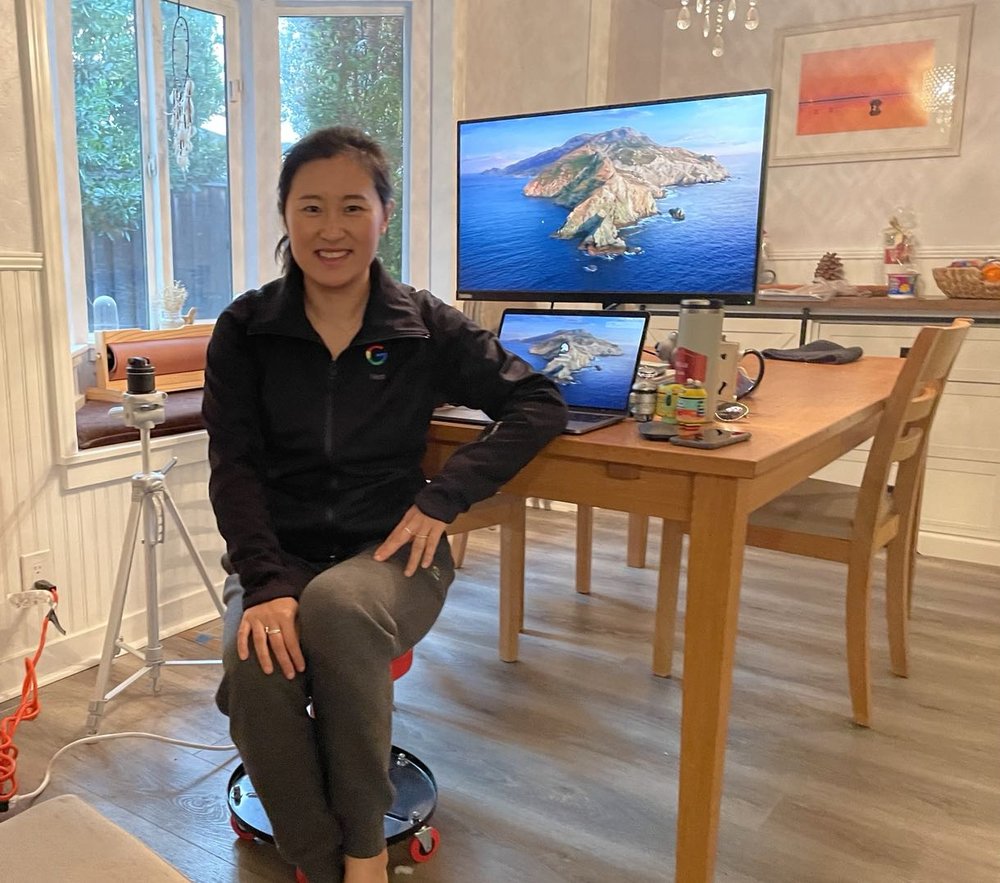
Today’s post is all about Belle Sun, one of the Googlers behind the packaging design for Google products. Belle deep dives into her role and shares how her career has taken her from Shanghai to the U.S. and from working on baby products to high tech.
What’s your role at Google?
As a Packaging Engineering Program Manager I facilitate Google consumer products packaging design — from engineering to manufacturing. We design packaging that not only protects the product, but also provides the best experience for people as packaging is the first interaction our customers have with a product. No matter how challenging the development phase is, nothing beats the sense of achievement when I see our products packaged on the shelf.
What does a typical workday look like for you?
I first check my emails and sort out the priority level. I then set up meetings to share project status, analyze risks and impact due to the changes requested — changes can be everything from adding a warning label to packages to adding additional screws so people can secure something like the Nest Cam onto their walls. Besides my daily work, I enjoy reading daily newsletters from the company to know what exciting things other Googlers are doing. I’m also a part of the “Dogfood” program where I test out new features and products and provide feedback.

LA RICETTA DELLA FELICITÀ, L’AFFASCINANTE LIBRO DI LUCIANO MANCINI
Un viaggio per il Pianeta per arrivare a conoscere se stesso e rifiorire libero dalle catene mentali Mercoledì 9 giugno in Piazza Duomo 21 si è tenuta la presentazione nazionale…
L’articolo LA RICETTA DELLA FELICITÀ, L’AFFASCINANTE LIBRO DI LUCIANO MANCINI scritto da Paolo Brambilla proviene da Assodigitale.

OnePlus Nord CE 5G già in pre-ordine. Prezzi e specifiche