
Amazon, donati 4 milioni di euro alle scuole italiane
Grazie all’iniziativa “Un click per la Scuola”, l’iniziativa di Amazon.it a supporto delle realtà scolastiche sul territorio nazionale, la società di Jeff Bezos ha donato oltre 4 milioni di Euro in credito virtuale alle scuole in Italia

Microsoft Build of OpenJDK, Java secondo Redmond

Una galleria fisica di New York spiega al pubblico l’arte digitale
Una galleria fisica a New York spera di rispondere a una domanda nella mente di molte persone: cosa fai con l’arte digitale? La galleria mostra come l’arte digitale, i cui prezzi ora rivaleggiano con quelli dei dipinti antichi, può adattarsi alla casa o all’ufficio. L’artista digitale Beeple ha fatto notizia a marzo quando la sua opera video “Everydays: The First 5000 Days” è stata venduta per oltre 69 milioni di dollari da Christie’s. Il video…
L’articolo Una galleria fisica di New York spiega al pubblico l’arte digitale scritto da Michele Ficara Manganelli ✿ proviene da Assodigitale.

Audius porta le gallerie NFT al servizio dello streaming musicale
Audius, un servizio di streaming musicale decentralizzato con grandi numeri di utenti per un progetto Web 3.0, ha lanciato una funzione di presentazione di token non fungibili (NFT) per i suoi artisti residenti. Rivelata a CoinDesk giovedì, la nuova funzionalità consente agli artisti di mostrare il loro merchandising NFT in una galleria consolidata, facilitando la consultazione dei fan irriducibili. La mossa arriva in un momento in cui atti come Kings of Leon e altri stanno…
L’articolo Audius porta le gallerie NFT al servizio dello streaming musicale scritto da Michele Ficara Manganelli ✿ proviene da Assodigitale.

Cosa sono gli NFT e la Cryptoart?
Parlare di gettoni non fungibili è difficile da evitare negli ultimi tempi. Ma perché tutto questo trambusto? Cosa sono esattamente e quali applicazioni del mondo reale hanno? Demistificare questa criptovaluta nuova di zecca sarà la chiave per integrarla e garantirne il successo a lungo termine. La prossima tecnologia futuristica di cui tutti parlano sono i token non fungibili (NFT). Questa unità di dati, posizionata in un libro mastro digitale o blockchain, sembra aver permeato tutti…
L’articolo Cosa sono gli NFT e la Cryptoart? scritto da Redazione Assodigitale proviene da Assodigitale.

Playboy rivoluziona il mercato da collezione digitale NFT
La rivista di lifestyle e intrattenimento Playboy ha annunciato che lancerà oggetti da collezione digitali sotto forma di NFT, tramite una partnership con il mercato dei token non fungibili (NFT) Nifty Gateway. La rivista intende attingere al suo archivio di 67 anni di fotografia e opere d’arte classiche e collaborare con artisti moderni su nuove opere d’arte da vendere come cripto-collezionabili. Intende inoltre offrire sovvenzioni per “sostenere gli artisti emergenti e sottorappresentati che entrano nella…
L’articolo Playboy rivoluziona il mercato da collezione digitale NFT scritto da Redazione Assodigitale proviene da Assodigitale.

Paris Hilton crypto hodler da anni è entusiasta degli NFT
Paris Hilton – un crypto hodler da anni che è anche entusiasta degli NFT Paris Hilton, l’erede della fortuna degli hotel Hilton, afferma di essere molto entusiasta dei Bitcoin È un’investitrice di lunga data di Bitcoin ed è stata entusiasta quando è diventata protagonista delle politiche economiche tradizionali Ha anche rivelato che sta lavorando a un progetto NFT previsto per il rilascio nel prossimo futuro Il supporto e il clamore per le criptovalute sono aumentati…
L’articolo Paris Hilton crypto hodler da anni è entusiasta degli NFT scritto da Michele Ficara Manganelli ✿ proviene da Assodigitale.
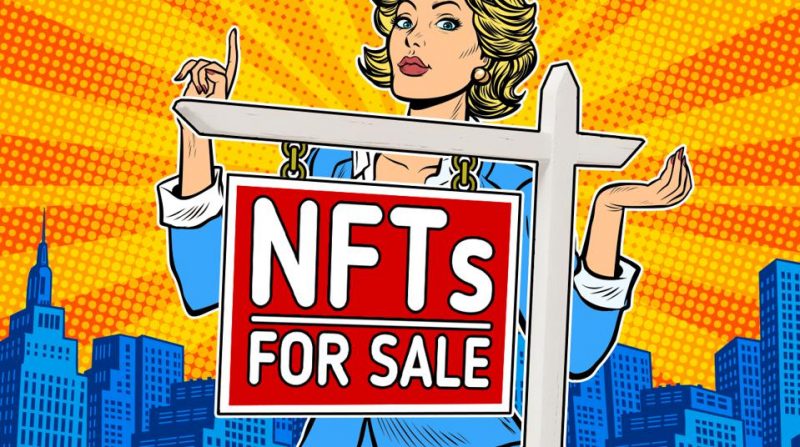
Gli NFT funzionano perfettamente anche per il settore immobiliare
Gli NFT lavorano per l’arte digitale. Funzionano perfettamente anche per il settore immobiliare.Propy Inc. Il recente annuncio di Elon Musk secondo cui le persone possono ora acquistare una Tesla TSLA con bitcoin, insieme a un acquisto di $ 69 milioni di dollari di un’opera d’arte digitale , e una scenetta sugli NFT di Saturday Night Live hanno messo di nuovo criptovaluta e blockchain nelle notizie. In effetti, solo questa settimana ho ricevuto più di 10…
L’articolo Gli NFT funzionano perfettamente anche per il settore immobiliare scritto da Michele Ficara Manganelli ✿ proviene da Assodigitale.

10 cose da sapere sui primi NFT CryptoPunks
Per la prima volta, 5.184 pixel di un rivoluzionario progetto NFT saranno messi all’asta presso una tradizionale casa d’aste, per gentile concessione dei creatori del progetto e degli stessi pionieri Tre anni fa, due sviluppatori di software hanno creato un bizzarro progetto artistico chiamato CryptoPunks che ha posto una domanda seria e provocatoria: poche righe di codice potrebbero tradursi in una sensazione di proprietà significativa? Era un’idea folle che avrebbe richiesto, nelle loro parole, “un…
L’articolo 10 cose da sapere sui primi NFT CryptoPunks scritto da Michele Ficara Manganelli ✿ proviene da Assodigitale.

Immuni: gli utenti possono caricare i codici di positività
L’app Immuni si aggiorna e aggiunge al suo interno una nuova sezione attraverso cui gli utenti potranno inserire in autonomia il codice di positività. La nuova funzionalità è stata aggiunta alla versione 2.4.0 rilasciata per dispositivi Android e iOS a circa un mese dal via libera ottenuto dal Garante per la Privacy. Inizialmente, la procedura per l’aggiornamento del database era inizialmente appannaggio solo degli operatori sanitari, ma sappiamo bene che il tracciamento con l’app da quando la stessa è stata lanciata, è stato un disastro completo.
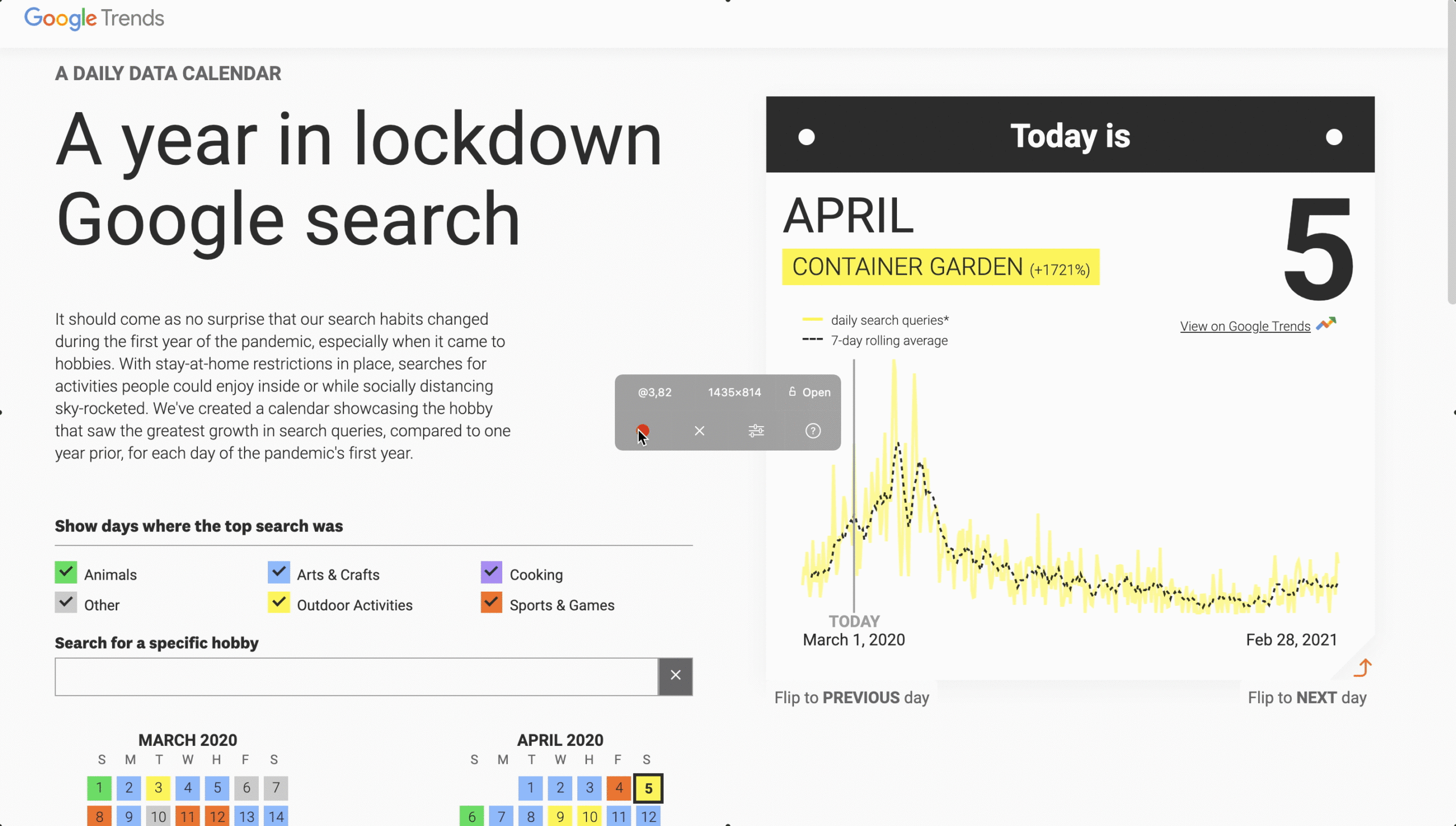
Take a look at these pandemic pastimes
I’ve never spent as much time at home as I have in the last year. Of course, I’m not the only one. Over the past year or so of quarantine, I’ve found myself searching for new things to do. I searched for “cheesemaking” when my kids asked me to play sous chef, and for “bird watching” and “how to create container gardens” when we started spending more time outside. Like so many people, I looked up recipes for baking bread. My quarantine search history feels like a bingo card for hobbies.
This made me wonder what other people were searching for during the pandemic — and how have these interests changed over time?
To get an idea, we worked with design studio Polygraph (creators of The Pudding) to create a new interactive tool that allows us to dig deeper into what captivated our year of social distancing. With this new calendar view, you can see what hobbies and interests were trending on any specific day a year ago in the U.S. Each day reflects the topic that saw the greatest growth in search queries compared to one year prior. You can also learn more about a specific topic by visiting the Google Trends website.
News Brief: March updates from the Google News Initiative
Three years ago we created the Google News Initiative to build a stronger future for news. The upheaval of the last year has accelerated the demand for journalism, as well as the need for news businesses to transition to digital and sustainable businesses. As we continue to learn from our news partners around the world, we remain committed to working closely with the journalism community to build the constructive and sustainable news industry that’s necessary for our open societies to thrive. For March updates, keep reading.
Supporting the first diversity guide for German media
Based on research in 2020, our partner Neue Deutsche Medienmacher*innen (NDM) launched the Diversity Guide for German Media, the first comprehensive handbook for German publishers and broadcasters that aims to provide diversity data, local and international best practices and checklists on team culture, recruiting and reporting. We announced the launch during a press conference with 150 journalists and on the Google Germany blog.
Gathering for a conference on diversity in journalism in Spanish-speaking Latin America
More than 2000 journalists from 18 countries attended the first Latin American Conference on diversity, gender and race in journalism, created in partnership with the Knight Center. A follow-up ebook with articles by the speakers will be published in May.
B2B Marketing News: B2B Site Visitor Study, Trust In Tech Falls, Ad Spending Rebounds, & Pinterest’s First B2B Ad Campaign
B2B Myopia: Brands And Visitors Disagree On What Works On Websites
59 percent of B2B marketing customers say they like reviews and testimonials on websites, compared with just 37 percent of B2B marketers, while 44 percent of marketers viewed compelling brand messaging as important when it comes to creating a powerful website experience, compared to only 24 percent of website visitors — two of several findings of interest to digital marketers contained in recently-released survey data. MediaPost
Pinterest Kicks Off ‘Be Their Next’ B-to-B Campaign
Pinterest has launched its first global B2B campaign aimed at advertisers is the U.S. and five other countries, seeking to bolster B2B brand involvement on the visual-oriented social media platform, and shared survey data showing that Pinterest users are 25 percent more likely to tell others about new products, the firm recently announced. Adweek
Magna Predicts Faster Than Expected Rebound, With 2021 Ad Spend Set To Hit $240B
U.S. advertising revenue is expected to climb by 6.4 percent year-over-year in 2021, reaching $240 billion, with digital ad sales up by 13 percent, as the pandemic continued to speed a shift to digital, according to newly-released forecast data. AdExchanger
Consumers Reboot, From Brands To Relationships, Data Shows
The pandemic has made consumer more mindful of the brands they do business with, and millennials are some 24 percent more likely to now feel optimistic about business travel — two of several statistics of interest to online marketers contained in recently-released data from a report that examined over a billion social and search behaviors. MediaPost
YouTube Expands Monetization To More Types of Content
Google has implemented less restrictive advertiser-friendly guidelines on its YouTube platform, including replacing several instances of previous partial monetization with full revenue-earning capability for advertisers, YouTube recently announced. Search Engine Journal
What Metrics Are Creative Teams Tracking?
67 percent of creative teams track completed projects, 42 percent count requested projects, 38 percent measure time spent, while some 36 percent keep track of projects by work type, according to newly-released survey data digging in to the most-tracked metrics among creative teams. MarketingCharts
Google starts trialing its FLoC cookie alternative in Chrome
Google has begun testing its web-browser cookie tracking replacement system, Federated Learning of Cohorts (FLoC), within its popular Chrome browser, the search giant recently announced. TechCrunch
Study Finds Women Hold Brands Accountable For Inaccurate Portrayals In Ads
Just 15 percent of the Gen Z demographic have said that the media does an accurate job when portraying women, according to recently released survey data of U.S. adults of interest to digital marketers, which also showed that baby boomers and Gen Z are the most likely to hold brands accountable for accurate presentation of women. MediaPost
Facebook Launches New Dynamic Ads for Video Streaming Platforms
Facebook has rolled out a new variety of advertisements with the launch of its Dynamic Ads for Streaming option, which offers personalized previews and other new features aimed at brands that offer streaming services, the social media giant recently announced. Social Media Today
Trust Belt: Why We’re Losing Confidence In Technology [Edelman Trust Barometer]
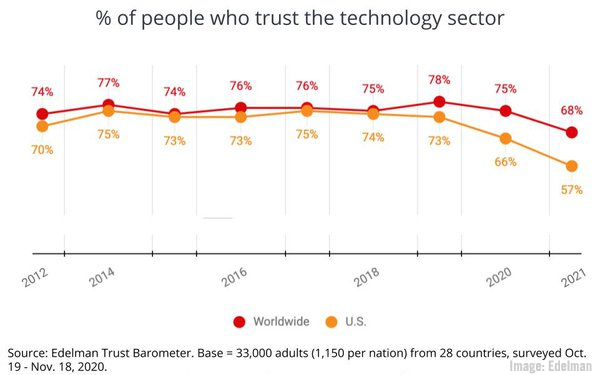
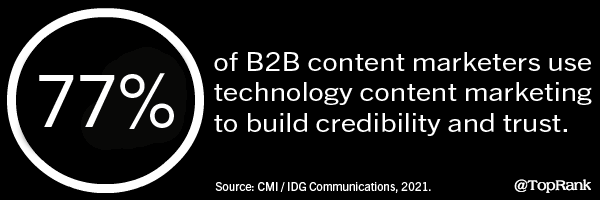
Public trust in the technology sector has diminished, falling from 78 percent worldwide in 2019 to 68 percent in 2021, with an even larger decrease seen among those in the U.S., who had trust in the technology sector drop from 73 percent to 57 percent — one of several findings of interest to digital marketers in recently-released survey data. MediaPost
ON THE LIGHTER SIDE:
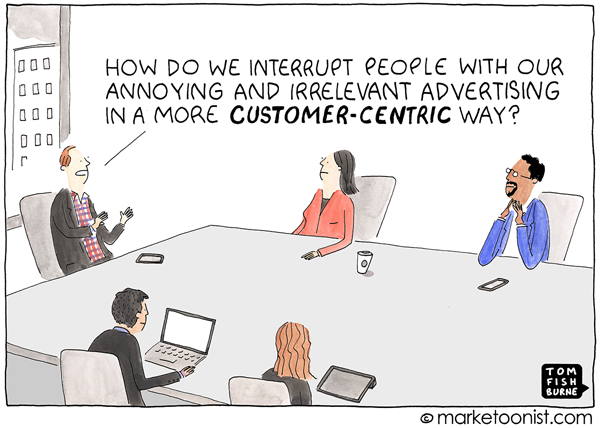
A lighthearted look at “customer-centric culture” by Marketoonist Tom Fishburne — Marketoonist
April Fools’ Day: BMW’s self-driving car and Heinz and Innocent create ‘smoup’ — The Drum
TOPRANK MARKETING & CLIENTS IN THE NEWS:
- LinkedIn — Making an Impact with Executive Thought Leadership: 3 Cornerstones — LinkedIn (client)
- Lee Odden — A Sneak Peek of Chapter 8 of The Common Path to Uncommon Success?!? — Entrepreneurs On Fire
Have you come across your own favorite B2B marketing story from the past week of industry news? Please let us know in the comments below.
Thanks for joining us for the TopRank Marketing B2B marketing news, and we hope that you’ll return again next Friday for more of the week’s most relevant B2B and digital marketing industry news. In the meantime, you can follow us at @toprank on Twitter for even more timely daily news.
The post B2B Marketing News: B2B Site Visitor Study, Trust In Tech Falls, Ad Spending Rebounds, & Pinterest’s First B2B Ad Campaign appeared first on B2B Marketing Blog – TopRank®.
The U.S. and Europe should launch a trade and technology council
Two decades ago, countries saw global trade in technology goods and services as an on-ramp to the economy of the 21st century. International agreements to eliminate barriers to trade in technology goods and services helped enable dramatic increases in technology trade, while countries looked to promote foreign investment in the cutting-edge technologies of the future. Consumers everywhere got access to new, lower-priced technology, millions of jobs were created and businesses from Paris to Pittsburgh have been able to reach new customers around the world, generating trillions of dollars in sales.
Times have changed: We’re all using digital tools, and recognizing the risks of abuse and the need for responsible innovation. But while well-crafted regulation can help unlock the benefits of technology, an explosion in national policies is detering trade in technology. Those barriers include not just tariffs (which have also beset other sectors), but also trade controls, discriminatory taxes, investment restrictions and novel digital regulations aimed straight at foreign-headquartered companies. In short, we’re seeing the erosion of a carefully nurtured global trading system that has contributed to progress and prosperity in the U.S. and around the world.
This erosion of trade norms isn’t limited to the U.S.-China relationship. Even more concerningly, the technology trade relationship between the U.S. and Europe — once one of the closest in the world — is fraying.
In Washington, in recent years, “transatlantic tech policy” has been largely reduced to pressing Europe to follow U.S. supply chain initiatives. Meanwhile Europe has undertaken a broad series of unilateral initiatives in areas ranging from digital taxes to market regulation. Transatlantic coordination has largely become an afterthought, if it’s thought of at all.
These policy trends hurt both the U.S. and European economies, risking the 16 million jobs on both sides of the Atlantic linked to transatlantic trade and investment. They also make it harder for the U.S. and the EU to address new global technology challenges and partner with emerging economies in Asia.
But there’s a better path forward. Coming out of the pandemic, with new momentum behind bilateral cooperation, we have a chance to revitalize the transatlantic technology trade relationship.
The European Commission recently proposed an EU-US Trade and Technology Council (TTC). The United States should accept the invitation — and build on it. An expedited high-level trade dialogue on technology issues is critical to avoid unilateral approaches on pressing issues like data flows that are essential to commerce, regulation of digital platforms that we all use every day, and other essential components of a modern economy. A TTC could also prevent divergence on emerging areas like artificial intelligence and other advanced technologies and promote cooperation on third-country technology challenges.
Of course a TTC needs to be set up for success. When entering trade negotiations, each side typically avoids preemptive or unilateral actions that might foreclose meaningful alignment. In entering a TTC, both sides should commit to meaningful consultation before taking any further actions harming transatlantic tech trade. The U.S. should not enact new privacy or technology trade control regulations without consulting with the EU; the EU should pursue bilateral consultation to ensure technology initiatives like the Digital Markets Act reflect the EU-U.S. values-based alliance. Quickly forming a TTC can help drive a consistent and non-discriminatory approach on these challenging new areas of technology regulation.
The need for alignment has never been greater or more urgent. An aligned approach will promote more tech-enabled economic growth; tech-supported measures to tackle other shared challenges like climate change; and new norms to ensure that technology will — in the words of U.S. Secretary of State Antony Blinken — “protect your privacy, make the world safer and healthier, and make democracies more resilient.”
The historic partnership between Europe and the U.S. faces a profound challenge — but also an opportunity to re-build based on shared values of openness and connectivity. As European Commission Executive Vice-President Dombrovskis said recently: “The bottom line is simple: whatever challenges the EU and U.S. face, there is no stronger values-based alliance in the world … So, even if the current crisis feeds the temptation to look inward, this is not the answer.” We couldn’t agree more.

Podcast del Disinformatico RSI del 2021/04/09: Extortionware, Instagram, backup
È disponibile il podcast di oggi de Il Disinformatico della Rete Tre del Radiotelevisione Svizzera, condotto da me insieme a Tiki. Questi sono gli argomenti trattati, con i link ai rispettivi articoli di approfondimento:
- C’è un’app “nascosta” in iOS 14
- Come liberare spazio sulla rete informatica universitaria: basta cancellare tutti i dati e gli account
- Le parole di Internet: extortionware
- Miniguida per usare Instagram e vivere felici
- MacOS parla e dice qualunque cosa, basta dare il comando giusto
Il podcast di oggi, insieme a quelli delle puntate precedenti, è a vostra disposizione presso www.rsi.ch/ildisinformatico (link diretto) ed è ascoltabile anche tramite feed RSS, iTunes, Google Podcasts e Spotify.
Correzione: nel podcast ho detto che Wellington è in Australia, ma in realtà è ovviamente in Nuova Zelanda. Nell’articolo corrispondente l’ho scritto giusto.
Buon ascolto!