
Charting a course towards a more privacy-first web
It’s difficult to conceive of the internet we know today — with information on every topic, in every language, at the fingertips of billions of people — without advertising as its economic foundation. But as our industry has strived to deliver relevant ads to consumers across the web, it has created a proliferation of individual user data across thousands of companies, typically gathered through third-party cookies. This has led to an erosion of trust: In fact, 72% of people feel that almost all of what they do online is being tracked by advertisers, technology firms or other companies, and 81% say that the potential risks they face because of data collection outweigh the benefits, according to a study by Pew Research Center. If digital advertising doesn’t evolve to address the growing concerns people have about their privacy and how their personal identity is being used, we risk the future of the free and open web.
That’s why last year Chrome announced its intent to remove support for third-party cookies, and why we’ve been working with the broader industry on the Privacy Sandbox to build innovations that protect anonymity while still delivering results for advertisers and publishers. Even so, we continue to get questions about whether Google will join others in the ad tech industry who plan to replace third-party cookies with alternative user-level identifiers. Today, we’re making explicit that once third-party cookies are phased out, we will not build alternate identifiers to track individuals as they browse across the web, nor will we use them in our products.
We realize this means other providers may offer a level of user identity for ad tracking across the web that we will not — like PII graphs based on people’s email addresses. We don’t believe these solutions will meet rising consumer expectations for privacy, nor will they stand up to rapidly evolving regulatory restrictions, and therefore aren’t a sustainable long term investment. Instead, our web products will be powered by privacy-preserving APIs which prevent individual tracking while still delivering results for advertisers and publishers.
Privacy innovations are effective
alternatives to tracking
People shouldn’t have to accept being tracked across the web in order to get the benefits of relevant advertising. And advertisers don’t need to track individual consumers across the web to get the performance benefits of digital advertising.
Advances in aggregation, anonymization, on-device processing and other privacy-preserving technologies offer a clear path to replacing individual identifiers. In fact, our latest tests of FLoC show one way to effectively take third-party cookies out of the advertising equation and instead hide individuals within large crowds of people with common interests. Chrome intends to make FLoC-based cohorts available for public testing through origin trials with its next release this month, and we expect to begin testing FLoC-based cohorts with advertisers in Google Ads in Q2. Chrome also will offer the first iteration of new user controls in April and will expand on these controls in future releases, as more proposals reach the origin trial stage, and they receive more feedback from end users and the industry.
This points to a future where there is no need to sacrifice relevant advertising and monetization in order to deliver a private and secure experience.
First-party relationships are vital
Developing strong relationships with customers has always been critical for brands to build a successful business, and this becomes even more vital in a privacy-first world. We will continue to support first-party relationships on our ad platforms for partners, in which they have direct connections with their own customers. And we’ll deepen our support for solutions that build on these direct relationships between consumers and the brands and publishers they engage with.
Keeping the internet open and accessible for everyone requires all of us to do more to protect privacy — and that means an end to not only third-party cookies, but also any technology used for tracking individual people as they browse the web. We remain committed to preserving a vibrant and open ecosystem where people can access a broad range of ad-supported content with confidence that their privacy and choices are respected. We look forward to working with others in the industry on the path forward.
Un nuovo approccio per certificare l’energia pulita
Affrontare il cambiamento climatico richiede una rapida decarbonizzazione della fornitura di elettricità nel mondo. In pratica, ciò richiederà la ricerca di modi per abbinare le risorse senza emissioni di carbonio alla domanda di elettricità in ogni ora del giorno, su tutte le reti elettriche di un’area specifica. Tuttavia, i sistemi che Google e altri grandi acquirenti di energia utilizzano oggi per certificare l’approvvigionamento di energia pulita funzionano solo su scala mensile o annuale, non giornaliera né oraria. Costruendo sistemi di tracciamento energetico più dettagliati, possiamo incentivare approcci per fornire energia priva di emissioni di carbonio esattamente quando e dove è più necessario.
Ecco perché, sia negli Stati Uniti che in Danimarca, Google sta ora sperimentando un concetto noto come T-EAC (Time-based Energy Attribute Certificates), un nuovo approccio per la verifica della corrispondenza dell’energia pulita nei nostri data center su base oraria. Allo stesso tempo, stiamo collaborando con altri operatori del settore per modernizzare gli standard e le politiche che sono alla base dei sistemi di certificazione dell’energia pulita in tutto il mondo.
Come vengono certificati oggi gli acquisti di energia pulita
Per capire come funziona attualmente la certificazione dell’energia pulita, si consideri un parco eolico sul territorio. Ogni volta che l’impianto produce un megawattora di elettricità, produce anche qualcosa noto come Certificato di Energia Rinnovabile (REC). Questo REC verificato da terze parti (in Europa è chiamato Garanzia di Origine, o GO) non rappresenta l’effettiva elettricità prodotta, ma piuttosto i suoi attributi ambientali.
Le aziende possono acquistare questo REC in un unico “pacchetto” (bundle) con l’elettricità sottostante (un approccio ad alto impatto utilizzato di solito da Google) oppure in forma “disaggregata” (il che significa che il REC e l’elettricità sono venduti separatamente). Un’azienda di elettricità che voglia soddisfare il mandato di un governo sull’energia pulita può utilizzare il REC per contribuire ad adempiere ai propri obblighi. Oppure, se un’azienda ha fissato un obiettivo volontario, può utilizzare il REC per certificare che sta progredendo verso il suo obiettivo. REC e GO sono il modo in cui Google ha confermato di aver raggiunto l’obiettivo di abbinare il 100% del consumo globale di elettricità annuale con fonti rinnovabili, ogni anno dal 2017.
Ma per affrontare un problema che diventa sempre più articolato, i REC rappresentano un approccio obsoleto. I certificati ci dicono quanta elettricità totale produce un parco eolico in un dato mese, ma non l’ora esatta in cui è stata prodotta quell’elettricità. Di conseguenza, un’azienda che acquisti un determinato REC potrebbe vantare un utilizzo di energia eolica che in realtà è meno rilevante dal punto di vista dell’impatto di carbonio, per esempio se si trattasse degli orari in cui sulla rete è già presente principalmente energia priva di emissioni di carbonio. Idealmente, i sistemi di tracciabilità dei certificati incentiverebbero le risorse che aiutano a colmare le lacune nella fornitura di energia pulita 24 ore su 24.
 |
| REC / GO a confronto con T-EAC associati all’acquisto di energia rinnovabile da parte di Google. Nota: I volumi dei riquadri non sono in scala. Google attualmente acquista più energia eolica totale negli Stati Uniti, nella regione del Midwest, rispetto al solare in Danimarca. |
I certificati REC / GO indicano quanta energia eolica o solare viene prodotta in un mese, ma non esattamente quando viene generata. Al contrario, ciascuna delle 744 ore in un mese di 31 giorni ha il proprio T-EAC, con una corrispondente quantità di elettricità prodotta. Inoltre, gli strumenti di certificazione esistenti sono poco adatti per monitorare l’output di nuove tecnologie per l’energia pulita. Ad esempio, senza approcci di misurazione granulari, non possiamo garantire che le nuove batterie immesse in una rete elettrica siano caricate con energia carbon-free, o scaricate nei momenti in cui sostituiscono i combustibili fossili.
Un nuovo approccio
I T-EAC sono strumenti che, oltre a tracciare come e dove viene prodotta l’elettricità, certificano anche in modo specifico quando questa elettricità è stata prodotta. Tornando al nostro esempio del parco eolico, un’azienda potrebbe così acquistare un T-EAC per ogni singola ora di produzione.
Negli Stati Uniti, nella regione del Midwest, Google sta ora sperimentando questo concetto in collaborazione con M-RETs, un’organizzazione no profit che tiene traccia dei certificati degli attributi energetici e li convalida. Quando acquistiamo elettricità da impianti eolici, ora acquistiamo e ritiriamo certificati che includono i dati orari associati, un primo passo verso la formalizzazione in questa regione di un sistema di tracciamento su base oraria. Allo stesso modo, abbiamo iniziato a lavorare con l’operatore di rete danese Energinet per testare la loro piattaforma Project Origin, che simula le transazioni di certificati GO orari per i progetti di energia senza emissioni di carbonio che supportano il nostro data center in Danimarca.

Insieme a EnergyTag e altri, stiamo anche esplorando opportunità per progettare i T-EAC in modo che codifichino altre informazioni oltre agli orari, come l’uso finale dell’energia o le emissioni di carbonio associate. In sostanza, vorremmo raggiungere una condizione di “informativa completa”, in cui i T-EAC possano tracciare l’elettricità da tutte le diverse fonti di generazione, che siano carbon-free o meno.
La strada davanti
La missione di Google è organizzare le informazioni mondiali e renderle universalmente accessibili e utili: nel settore energetico sarebbero senz’altro utili informazioni più accessibili e meglio organizzate.
I T-EAC porteranno trasparenza alle reti elettriche nel mondo e, nel farlo, abiliteranno un’ondata di soluzioni software che aiuteranno le organizzazioni a comprendere e ottimizzare il loro consumo energetico. Per Google, prevediamo di utilizzare sempre di più certificati basati sul tempo nelle aree in cui operiamo. Forniremo presto aggiornamenti su questi progressi.
Più in generale, mano a mano che i T-EAC evolvono, i certificati negoziabili e basati sul tempo costituiranno la base per segnali di prezzo che premiano chi riesce a produrre energia senza emissioni di carbonio quando questa è più scarsa sulle reti. Andando avanti, lavoreremo per aiutare ad accelerare l’adozione di tali strumenti, verso un futuro in cui le reti siano del tutto decarbonizzate.
Create a space for yourself in Chrome
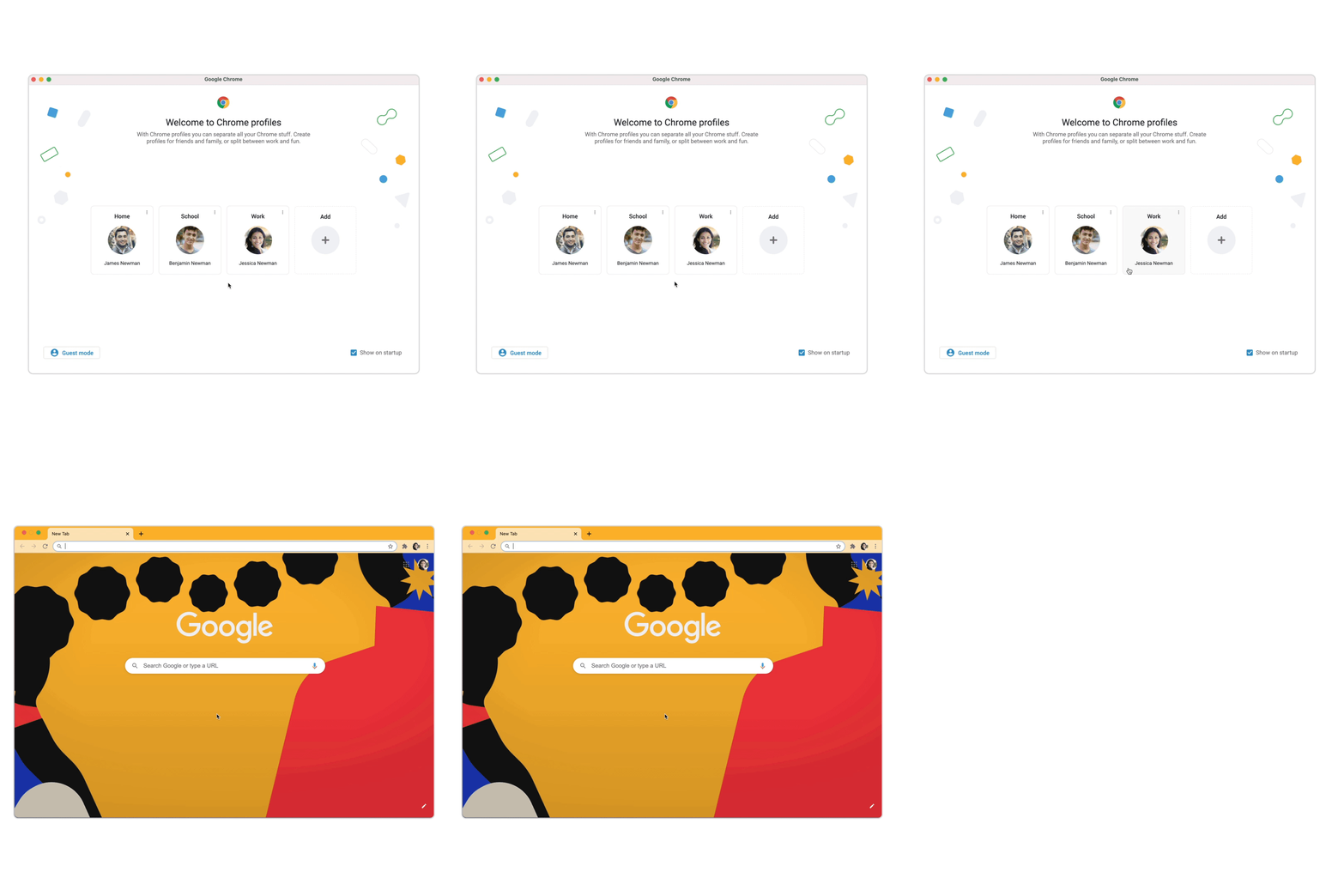
If you’re one of the many families who share a computer in your home, or someone who uses their computer for both work and personal browsing, these stories may be familiar: You spent the previous day hand-picking your favorite browser colors and theme, only to discover that someone changed everything up. Or, you’re trying to login to a retailer site to buy a saved pair of shoes, but autofill keeps suggesting the wrong password (your partner’s, you guess?). It can be frustrating and messy, and that’s why Chrome is revamping its profiles experience, making it even easier to create, customize or switch to your personal space within Chrome.
Hear how digital businesses grew in our new podcast, PubCast
PubCast is a new podcast by Google that explores the stories of website creators and app developers who turned their passions into profit with Google. In this four-part miniseries, you’ll hear from founders and small business leaders about how they got started, how they grew their businesses and the challenges they faced along the way.
You can listen to the miniseries on the Talks@Google podcast channel anywhere you find podcasts — just look for PubCast in the episode title.
Here’s a peek into our 2021 season:
1.Shankar Uprety | Creating community and Nepal’s most popular app: Shankar Uprety is the CEO and Founder of Hamro Patro, the most popular app in Nepal. After building the app as a side project to stay connected to Nepal, Shankar has grown Hamro Patro to six million monthly active users and created a global Nepali community.
2. Doug Hexter | Transforming ad dollars into animal shelter donations: Doug Hexter is the CEO and Founder of WoofTrax, the dog-walking app that supports animal organizations with every step. Since launching the app, dog walkers have contributed over 50 million walks supporting more than 8,500 animal shelters.
3. Kevin Binkley | Taking old-school card games digital: Kevin Binkley is the CEO and Founder of NeuralPlay, a card-game app builder that has brought together over 500,000 bridge players globally. With a passion for old-school games, Kevin has transported them into the future using AI-based gaming.
4. Peter Kim | Finding your niche and following your dreams: Peter Kim is a cofounder at SBLY (formerly Shareably), a company he started with his longtime friend Kevin Chen in their living room after graduating college. SBLY has been using media and technology to build digital brands and audiences since 2015.
Are you a digital business owner who uses AdSense, AdMob or Ad Manager and interested in being featured on PubCast? Fill out our feedback form and share your contact information and few sentences about your business. If you’re interested in learning how you can earn money from your site or app, see how Google AdSense and AdMob could help you.
Our 2020 environmental report
Today, we released our 2020 Environmental Report that outlines how we’re reducing the environmental footprint of our operations and working to help people everywhere live more sustainably.
This work has been part of Google’s DNA since our founding in 1998. Part of our culture after we’ve hit a milestone is to ask ourselves “what more can we do?”, and we are applying that to our climate objectives. So for example, after becoming carbon neutral in 2007 — the first major company to do so — we later set a goal to match 100% of our electricity consumption with renewable energy and accomplished that for the first time in 2017.
We’re proud of the environmental work we’ve done. Our recent achievements include:
-
Neutralizing our legacy carbon footprint, making us the first major company to be carbon neutral for our entire operating history.
-
Issuing $5.75 billion in sustainability bonds, the largest sustainability or green bond issuance by any company in history.
-
Achieving a spot on CDP’s Climate Change “A List” for the seventh straight year with our CDP Climate Change Response.
We’re in the early innings of this fight. That’s why we’ve committed to building upon this solid foundation with our most audacious set of goals yet, which we announced in September. By 2030, we’re aiming to operate on 24/7 carbon-free energy and add 5 GW of carbon-free energy through investments across key manufacturing regions. We’re also keenly focused on empowering people and communities to take action. By 2022, we aim to help 1 billion people make more sustainable choices through our products (think bike shares and electric charging stations listed on Google Maps), and by 2030 we plan to help more than 500 cities and local governments reduce a total of 1 gigaton of carbon emissions annually.
It’s critical to regularly track our environmental commitments and share updates with stakeholders. Data and transparency are important markers of the progress we’re all making to protect our planet, so we’ll continue to publish reports like this one and our Supplier Responsibility Report.
We are committed to leading the fight against climate change and will keep working to help people, cities and governments make important choices that will result in positive change.

Samsung Galaxy S21+, uno smartphone (quasi) perfetto. La recensione

Twitter: sanzioni a chi diffonde fake news sui vaccini
I tweet degli utenti che insisteranno con la diffusione di fake news sui vaccini anti Covid-19, saranno etichettati come fuorvianti. Twitter ha deciso di dare una nuova stretta contro chi sta cavalcando una campagna contro la cura del coronavirus, alimentando il sentimento contro i vaccini e di conseguenza rendendosi responsabile di influenzare l’opinione pubblica in un momento assai delicato della pandemia. In Israele e Gran Bretagna, in cui vi è stata una vaccinazione di massa, i risultati sono ottimi ed è per questo che anche i social network si sentono in dovere di scendere in campo a difesa della campagna di vaccinazione nel mondo. Senza i vaccini, non si tornerà alla normalità affatto presto e le conseguenze sarebbero negative per tutti.

Iliad rilancia Flash 100: a 9,99€, 5G, 100GB e il resto illimitato
Iliad ha deciso di rilanciare la sua offerta Flash 100 “aprendola” anche a coloro che sono interessati ad utilizzare le reti di nuova generazione. L’operatore telefonico, infatti, ha ufficializzato oggi Flash 100 5G, una tariffa che aggiunge di fatto a quella originale il 5G, e dunque offre ancora di più rispetto alla Flash 70 5G lanciata alla fine dello scorso anno.
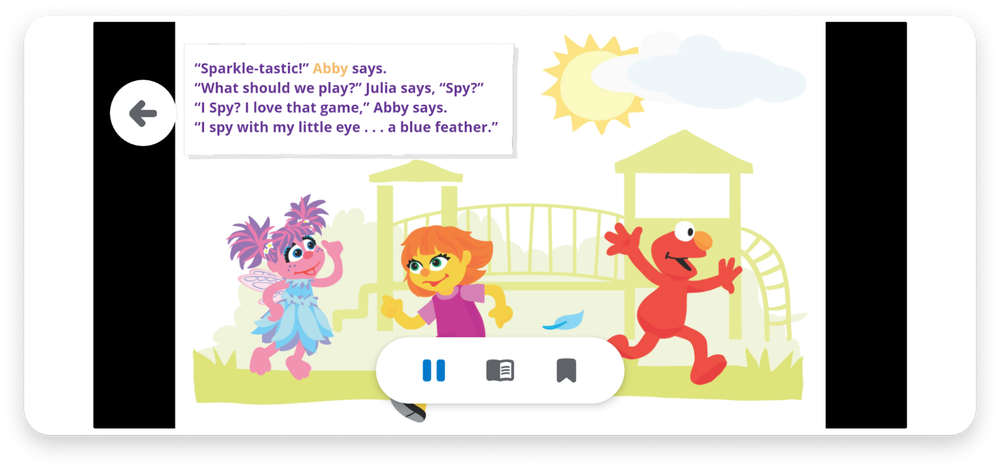
New tools make children’s books easier to read
As a parent to two young kids, bedtime stories are a big part of our evening ritual. My daughter, who’s almost 4, can now recognize all the capital letters, but she’s still learning how to identify lowercase letters and put them all together in a complete word. As we celebrate National Read Across America Day in the United States, I’m reminded of aspiring readers like my daughter, who experiences both the joys and the challenges of books. Google Play Books recently introduced a set of tools to help new readers and their families enjoy the process of learning how to read.
Thinking about those who are learning to read
Until recently, the Google Play Books user experience was primarily designed for proficient readers. With the launches of Teacher Approved Apps and Google Kids Space in 2020, we had an opportunity to rethink what learning to read means for younger readers, their parents and anyone else who may be a beginning reader.
New reading tools to help you
Here are more details about the reading tools now available to you:
Read & listen:Listen to a book read out loud, with a choice of whether the pages turn automatically or manually.
A global community for news product experts
Digital products for news consumers are becoming increasingly more important for the success of news organizations, whether you’re a well-established publisher like The New York Times, or a relatively new player like Nexo Jornal in Brazil. As more users shift their news habits to digital platforms, a growing number of journalists are learning how to become product experts to help their organizations diversify revenue. A product expert in a newsroom can help disparate areas work together with the goal of serving both audience needs and business growth.
Because product expertise in newsrooms is an emerging field, product professionals in newsrooms can struggle to find peers in similar roles. Google is a product-driven company, with many product engineers who have refined best practices and are eager to support journalism and connect with journalists working in this field. Today, we’re announcing our support for the News Product Alliance, a global community of product experts that is aimed at building communities of practice and support for product professionals in newsrooms.
Our first collaboration will be around the News Product Alliance Summit, the first global annual event dedicated to connecting product professionals from across the news industry. The summit will bring 300 participants virtually together and feature two programming tracks: Support and Practice. In the Support track, participants will connect with peers and discuss topics like navigating a unique career path, confronting challenges in their work and building confidence as a leader and change-maker.
In the Practice track, attendants will learn new skills, share case studies and insights and collaborate to define best practices for news product management. In this track, William Vambenepe, our product management director for news, will lead a session to share lessons about product management at Google.You can apply to participate until March 5.
Finding the right people to fill product roles within news organizations can be very difficult, according to a 2019 survey of more than 130 publishing executives. There is a big skill gap and these are not positions that can be easily filled with product experts from other industries. The challenge can be especially acute for small newsrooms, which can often have limited resources. It’s also important for newsrooms to diversify their staff and find product experts who have different perspectives and backgrounds.
That’s why we’re also supporting the News Product Alliance Summit with diversity, equity and inclusion scholarships, to broaden access to underrepresented communities. If you are part of a historically marginalized group and want to attend the summit, make sure to note that in the application.
Supporting associations like the News Product Alliance is key to help product experts, newsrooms and tech companies connect, share skills and collaborate to build a better future for news. We hope our support will help create even more vibrant connections in the community.
A modern mobile strategy for today’s hybrid work reality
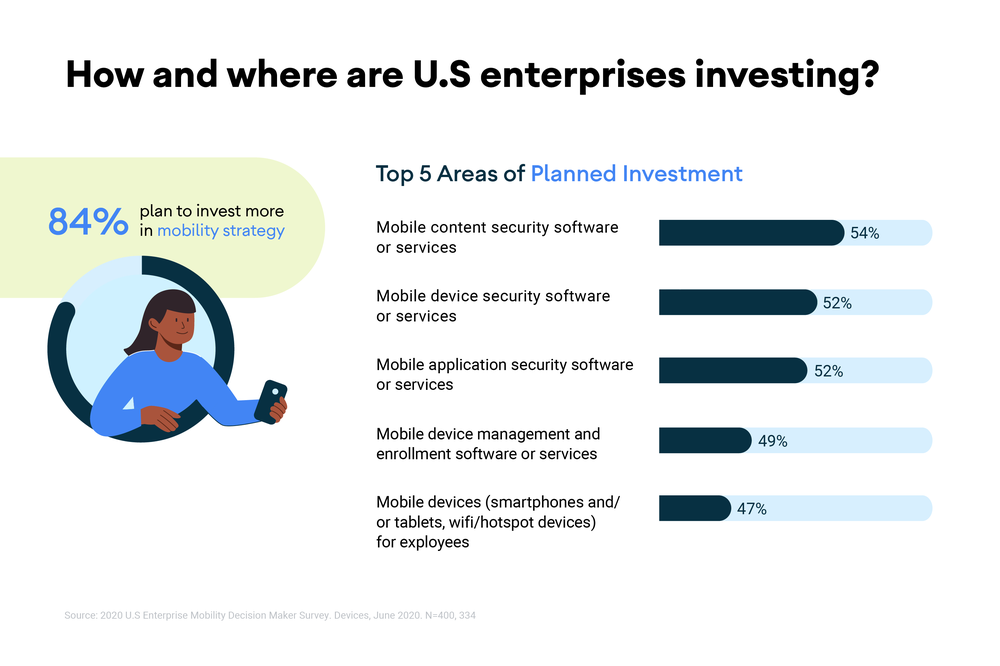
During a turbulent year grappling with COVID-19, businesses leaned heavily on mobility to adapt to hybrid and work-from-home environments. As we look ahead, it’s clear that mobility will be pivotal to how businesses thrive in this new workplace reality.
Recent market data from IDC found 84 percent of IT professionals planned to invest more in enterprise mobility, with mobile security and device management topping the list of investment priorities, according to The State of U.S. Enterprise Mobile Workers Webinar: Information, Frontline, and Work-from-Home Trends in 2020.

Il nostro Rapporto sull’ambiente 2020
Siamo orgogliosi del lavoro che abbiamo svolto per l’ambiente. I nostri recenti risultati includono:
- Abbiamo neutralizzato la nostra impronta di carbonio storica, diventando la prima grande azienda a realizzare un obiettivo di carbon neutrality che si estende per l’intero periodo di esistenza dell’azienda stessa.
- Abbiamo emesso 5,75 miliardi di dollari in obbligazioni sostenibili, la più grande emissione di obbligazioni sostenibili o verdi di qualsiasi azienda nella storia.
- Per il settimo anno consecutivo siamo entrati nella lista “A” per il cambiamento climatico di CDP (Carbon Disclosure Project), grazie alla nostra CDP Climate Change Response.
La lotta al cambiamento climatico è solo agli inizi. Stiamo costruendo su queste solide fondamenta per raggiungere obiettivi ancora più audaci, come abbiamo annunciato a settembre. Entro il 2030, miriamo a operare con energia priva di emissioni di carbonio 24 ore su 24 e 7 giorni su 7, e ad aggiungere 5 Gigawatt di energia carbon-free attraverso investimenti in aree produttive chiave. Siamo inoltre fortemente impegnati per supportare le persone e le comunità: entro il 2022 vogliamo aiutare 1 miliardo di persone a fare scelte più sostenibili attraverso i nostri prodotti (per esempio grazie alla possibilità di trovare su Google Maps le biciclette condivise oppure altri servizi green). Inoltre, entro il 2030 prevediamo di aiutare più di 500 città e governi locali a ridurre in totale 1 miliardo di tonnellate di emissioni di carbonio ogni anno.
Per noi è fondamentale verificare periodicamente il progresso di questi impegni per l’ambiente e condividere gli aggiornamenti con le persone e le organizzazioni interessate. I dati e la trasparenza sono indicatori importanti del lavoro che tutti stiamo facendo per proteggere il nostro pianeta, motivo per cui continueremo a pubblicare rapporti come questo e come il Rapporto relativo ai nostri fornitori.
Ci impegniamo a guidare la lotta contro il cambiamento climatico e continueremo a lavorare per aiutare le persone, le città e i governi a fare scelte importanti che si tradurranno in un cambiamento positivo.
5 B2C Content Marketing Techniques that B2B Marketers Should Steal (And 5 They Shouldn’t Touch)
B2B marketers, are we over the B2C envy yet?
We used to have a legitimate reason to be envious. B2C marketers got to be more creative, personal, emotional, and interactive. We were stuck with dry, logical appeals with no-frills presentation.
These days, though, B2B marketers can be just as dynamic and creative as our B2C counterparts. And we not only can, we should.
Yet we still hear that drumbeat: “B2B marketing needs to be more like B2C.”
Does it really?
I would argue yes, but only to a certain point. B2B is its own discipline with its own best practices. There are a few recent developments in B2C that we should borrow, but there are just as many strategies and tactics that don’t translate as well.
In the interest of continually evolving B2B marketing to be more sophisticated, more useful, and more effective: Here are five B2C trends to steal, and five to leave to our esteemed peers on the other side.
5 B2C Content Marketing Techniques to Steal — And 5 to Leave Alone
The central thesis for using B2C techniques in B2B is the realization that there’s no such thing as a “B2B buyer.” They’re not a distinct species. People are people, whether they’re at work or at home. As the lines between home life and work life continue to blur, that distinction gets even fuzzier. However, that doesn’t mean we need to take on B2C techniques that don’t work, or don’t work as well as what we’re already doing.
Steal These:
1 — Take a Stand
Historically, B2B brands have stayed out of broader societal discussions. This is a holdover from the idea that B2B marketing should be exclusively logical, dealing with facts rather than emotion, delivered in a neutral tone. After all, why should B2B buyers care if their cloud server provider supports Black Lives Matter? Why not focus on your solution’s speed, bandwidth and low latency?
Here’s why taking a stand matters: A recent study found that 77% of consumers buy from brands who share the same values as they do. Another global study found consumers are four to six times more likely to purchase, protect and advocate for brands who have a larger purpose. In this climate, a neutral stance is more risky than taking a principled stand.
We should point out that it’s not enough to talk about your brand’s values or put them in a mission statement. Consumers will be looking for consistent, meaningful action that expresses your values.
2 — Embrace Diversity
I’m old enough to remember the first TV ad with a gay couple, way back in 1994. The controversy was enormous. But Ikea weathered the storm and continued to push for diversity of representation in their advertising. Over time, the rest of media gradually caught up with them.
As a whole, B2B marketing hasn’t been as aware of diversity. How many old eBooks and white papers feature pictures that are overwhelmingly white and male? As the executive audience grows more diverse, we can’t afford the ongoing mental stereotype of a B2B buyer as a heterosexual, middle-aged white man.
As you select images for your marketing materials, look for the audiences you might be missing. We want people to see themselves in our content, recognize themselves as the target audience and be moved to action. If we fail at diverse representation, we’re locking out potential buyers.
3 — Be Visually Stunning
It says a lot to me that one common unit of B2B marketing is the “white paper.” What a bland and utilitarian thing — it brings to mind a list of features and benefits in black text on a plain white page.
There’s no reason B2B marketing shouldn’t be beautiful to look at. General Electric’s Instagram proves that you can find gorgeous imagery in the most industrial settings. Communication company (and client) Mitel draws you into their latest interactive guide with a fanciful futuristic home office.
In a quick-scrolling online world, brands need to have visually arresting content that grabs attention.
4 — Embrace Multimedia
Friends, Romans, B2B marketers, I come here not to praise the static PDF but to bury it. There may still be a place for old-school gated eBooks, but their role should be a lot less prominent in a modern marketing environment. We have the ability to create video cheaply and easily. We have live-streams and podcasts, countless platforms with a quick click-to-publish.
Our agency is seeing great success for clients with interactive assets like the Mitel one I linked above. Tools like Ceros make it easy for a designer to create something dynamic and engaging. What might have been just another PDF becomes an experience that unfolds, comes to life, and looks great on mobile and desktop alike.
At the very least, multimedia can serve to augment more traditional content. For example, our client Prophix turned a report into a long-scrolling, influencer-activated, bright and engaging power page. But they also provide a static download of the report in PDF form to cover all the bases.
5 — Get Personal
I can bring to mind a dozen B2C ads that have made me either laugh or cry. The same can’t be said for B2B. Tim Washer’s Fast Innovation and the Slow Waiter ads are funny, but I can’t think of many more examples of ads that moved me on a personal level.
We can’t afford to hold people at arm’s length anymore, focusing on just the intersection of our solution and their workplace. The thing is, work is personal. What we do for a living is tied up in our identity, our sense of self, our security, our families, and our future. B2B marketers should feel empowered to address all of those entanglements, a whole person rather than a “B2B buyer.”
Let B2C Keep These:
1 — Transactional Influence
Influencer marketing in B2C tends to be more of an endorsement model. Whether it’s Kim Kardashian hawking beauty cream, or a micro-influencer holding an energy drink, the focus is bringing an audience’s attention to a product.
For B2B, influence is more about providing value and building relationships. Influencer content shouldn’t be product-focused. It should be designed to highlight the influencer’s expertise, provide real utility, and strengthen the brand by association with credible and thoughtful content.
2 — Snarky Social Media
Look, I love the ferocious sarcasm of the Wendy’s Twitter account as much as the next guy. Ditto the absurd and frequently bleak Moon Pie account. But that type of attention-grabbing, potentially off-putting weirdness only makes sense when your product costs less than $10.
B2B content should be emotional, human, and even humorous, but it should always aim to provide value. Leave the roasts, call-outs and memes to our B2C counterparts.
3 — Vanity Virality
B2B marketing isn’t a numbers game anymore. It’s a relevance game. Would you rather have a million views on a video, but no conversions, or 500 views that lead to 100 closed sales? I don’t know many marketers who would pick the former.
Yet we still tend to measure effectiveness in terms of numbers rather than relevance. We know that hitting the right audience is better than hitting the biggest possible audience — it’s high time we quit chasing vanity metrics.
4 — Every Channel Advertising
Is your brand on TikTok? Instagram? Snapchat? LinkedIn? Facebook? Should you be?
Better question: Where is your audience? If you find that your most valuable decision makers are on TikTok, fire away. If you never get any engagement on Facebook, let it fade away. B2B marketers should feel free to focus their efforts where they’re getting the most results.
5 — Top of Funnel Focus
For many B2C brands, awareness is everything. Like the Moon Pie and Wendy’s examples above, it’s about keeping the brand top-of-mind for the next checkout-line impulse buy or fast-food lunch. You don’t see a lot of, say, 1500-word blog posts on why Wendy’s hamburgers are better than McDonald’s.
Even as B2B content gets more creative, emotional, and personal, we can’t let lower-funnel content slide. B2B solutions are rarely impulse purchases; we need conversion content as well as awareness-building content.
Let B2B Be
I’ll admit it: Every time I see an awesome B2C ad, I do feel a little twinge of envy. There’s a degree of creative freedom in B2C that will never fly with a big B2B brand. At the same time, I’ve come to appreciate how B2B content can be deeper, more meaningful, and more useful than a lot of B2C can aspire to.
So the next time you hear, “B2B marketing needs to be more like B2C,” take it with a grain or two of salt. As much as B2C gets the glory, B2B is its own discipline, and we get to blaze our own trail.
The post 5 B2C Content Marketing Techniques that B2B Marketers Should Steal (And 5 They Shouldn’t Touch) appeared first on B2B Marketing Blog – TopRank®.

Cannabis terapeutica in Lombardia, ancora silenzio.
A più di due anni dalla proposta. Usuelli (Più Europa/Radicali): “Ci sono aziende pronte a investire per la produzione, non si può più ignorare il tema” Sono trascorsi oltre due anni dall’approvazione all’unanimità, il 4 dicembre 2018, della mozione n. 115 “Iniziative per la piena attuazione della normativa in materia di derivati della cannabis a uso medico” a firma Michele Usuelli, consigliere regionale di Più Europa/Radicali. In quell’occasione, la mozione aveva impegnato la giunta lombarda…
L’articolo Cannabis terapeutica in Lombardia, ancora silenzio. scritto da REDAZIONE TRENDIEST proviene da Assodigitale.