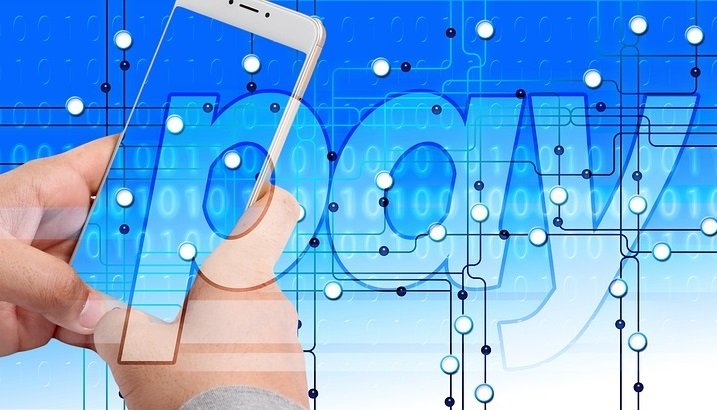
La digitalizzazione dei pagamenti
— – di Francesco Megna – Trendiest News – – Quando parliamo di digitalizzazione dei pagamenti con riferimento al mondo finanziario in genere dobbiamo in primo luogo riferirci ai cambiamenti normativi indotti dalla autorità di mercato che hanno significativamente accelerato il processo di trasformazione dell’industria continentale. In primo luogo è in corso la migrazione dal bonifico tradizionale al pagamento istantaneo che forza il mondo bancario a digitalizzare e automatizzare i processi interni relativi alla filiera…
L’articolo La digitalizzazione dei pagamenti scritto da REDAZIONE TRENDIEST proviene da Assodigitale.

Prime immagini straordinarie da Perseverance su Marte

Questa non è un’illustrazione digitale: è una foto reale. State guardando un robot grosso come un’automobile mentre viene calato su Marte dalla gru volante a razzo che lo sta trasportando. Il robot è Perseverance, atterrato ieri, e l’inquadratura è presa da una fotocamera montata sulla gru e rivolta verso il basso.
La foto è stata ripresa mentre Perseverance era ancora appesa alla gru volante. Si notano le striature nel terreno prodotte dai getti dei razzi della gru che stanno spostando la polvere. I tre cavi rettilinei sono quelli che reggono il rover e lo calano dalla gru che rimane fermo a mezz’aria; il cavo spiralato è quello che trasporta i dati dalla gru a Perseverance. Se volete la versione a massima risoluzione, è qui.
La foto qui sotto, invece, mostra Perseverance mentre è ancora appesa al paracadute che la sta portando verso il sito di atterraggio. L’immagine è stata scattata dalla fotocamera HiRISE montata a bordo della sonda orbitante Mars Reconnaissance Orbiter da una distanza di circa 700 chilometri, mentre MRO si spostava a circa 3 chilometri al secondo. La precisione e abilità necessarie per riuscire a sincronizzare e orientare un veicolo orbitante in modo che riesca a fotografare l’altro mentre sta scendendo — e fare tutto questo su Marte — sono straordinarie.

Questa (tratta da qui) è la prima immagine a colori ad alta risoluzione trasmessa da una delle telecamere montate a bordo di Perseverance:

La foto qui sotto mostra una ruota del rover e le rocce estremamente porose sul suolo marziano.

Pensiamo un momento al fatto che riceviamo queste immagini da un altro pianeta, situato attualmente a duecento milioni di chilometri di distanza (11 minuti-luce), e le vediamo tutti insieme su Internet grazie alla tecnologia creata dall’ingegno di tantissime persone di enorme talento.
Le immagini di Perseverance vengono pubblicate man mano a questi indirizzi:
- https://mars.nasa.gov/mars2020/multimedia/images/
- https://mars.nasa.gov/mars2020/multimedia/raw-images/
Moltissimo materiale, compresi i modelli 3D interattivi del veicolo, è disponibile nel Resource Kit.
Questo articolo vi arriva gratuitamente e senza pubblicità grazie alle donazioni dei lettori. Se vi è piaciuto, potete incoraggiarmi a scrivere ancora facendo una donazione anche voi, tramite Paypal (paypal.me/disinformatico), Bitcoin (3AN7DscEZN1x6CLR57e1fSA1LC3yQ387Pv) o altri metodi.

Inner strength and inspiration: Dav Pilkey shares his story
Growing up, Dav Pilkey struggled with feeling like he didn’t fit in. “When I was in second grade, I was diagnosed with dyslexia and what is now widely known as ADHD. Because of my behavioral challenges, I was often sent out in the school hallway and separated from my friends and classmates,” Dav, who’s one of the 2021 Doodle for Google guest judges, says. “I often felt alone and like a misfit.” Fortunately, Dav’s parents encouraged him to read anything and everything — and to draw and create his own stories. Today, Dav is an international best-selling author and artist widely known for his graphic novels “Dog Man” and “Cat Kid Comic Club,” and his illustrated chapter book series “Captain Underpants.” His lifelong love of art and reading helped him find a career that allows him to connect with and inspire kids everywhere. As a Doodle for Google judge, Dav Pilkey will review submissions from students across the country for their artistic merit, creativity and interpretation of this year’s theme “I am strong because…” We recently talked to Dav about what inspires him creatively, his experiences building inner strength and what advice he has for young artists entering the Doodle for Google contest this year. Do you have a specific memory of what inspired you to start drawing?There are a few moments that stand out. When I was in elementary school, I loved making comics, and my friends would laugh at my stories — which encouraged me to keep making them. And in college, I met a teacher who noticed my work and told me I should think about being a children’s book author and illustrator. Later, I entered and won a national competition and the prize was the publication of my first book. Through it all, my biggest champion has been my mom, and her love and support made all the difference.What do you want students to take away from your books? I hope they’ll associate reading with fun, and maybe be inspired to write and draw their own books. There are many ways to be creative and it’s OK to make mistakes. In writing and illustrating the “Dog Man” and “Cat Kid Comic Club” books, I want kids to see that you can improve if you keep practicing.What inspires you? I’m inspired by the kids I’ve met all these years who have shown me their stories and their drawings. Their creativity and enthusiasm keep me going.What does inner strength mean to you? Overcoming fears, especially the fear of failure. It can be difficult to try again once you’ve made mistakes, but difficult things are what makes us strong. Do you have any advice for kids looking for inner strength during this pandemic?Read for fun as often as you can. Take a break and find something creative to do. You can use simple materials — pencils, pens, crayons — whatever you have at home. Create stories, doodle and let your imagination soar.What advice do you have for young artists? I read as much as I can. Through books, I learn from other artists. And of course, practice and persistence are always important. Do you have any words of encouragement for students entering the Doodle for Google contest this year? This could be one of the most fun experiences, whether you win or not. You may also learn something new about yourself in the process.For more creative inspiration and drawing tips, check out Dav’s collaboration with the Library of Congress, Dav Pilkey At Home. The 2021 Doodle for Google contest is open for submissions until February 26 at 11:59 p.m. PT. Dav and the Doodle for Google team are waiting on your submissions, so grab your pencils, crayons, paint and any other materials you have and show us what inner strength means to you! Related ArticleDoodle for Google is back for its 13th yearThe 2021 Doodle for Google contest is open for submissions.Read Article
Puntata del Disinformatico RSI del 2021/02/19: è la numero 666
È disponibile la puntata di stamattina del Disinformatico della Radiotelevisione Svizzera, condotta da me insieme a Tiki. Argomenti trattati: Puntata numero 666 del Disinformatico: informatica e numerologia Alle origini del complotto dei microchip sottopelle chmod 666, il “comando di Satana” Le parole di Internet: input validation. La storia di un uomo alto 6,2 cm Podcast solo audio: link diretto alla puntata; link alternativo. App RSI (iOS/Android): qui. Video (con musica): è qui sotto. Podcast audio precedenti: archivio sul sito RSI, archivio su iTunes e archivio su TuneIn, archivio su Spotify. Archivio dei video precedenti: La radio da guardare sul sito della RSI. Buona visione e buon ascolto! Scritto da Paolo Attivissimo per il blog Il Disinformatico. Ripubblicabile liberamente se viene inclusa questa dicitura (dettagli). Sono ben accette le donazioni Paypal.

Amazon Build It: cos’è e come funziona
Si chiama Amazon Build It ed è la piattaforma per il crowdfunding lanciata dal colosso di e-commerce e che sostanzialmente ripercorre le orme di Xiaomi YouPin , Indiegogo e Kickstarter. Ovviamente, l’obiettivo è quello di differenziarsi dalla concorrenza e sfruttare tutto l’universo Amazon proponendo solo i propri prodotti ed interfacciarsi al meglio le altre piattaforme del marchio. Il funzionamento è molto semplice: Build It propone delle idee e le stesse vengono votate tramite i pre-ordini. La realizzazione dei prodotti, dunque, è collegata direttamente ad un obiettivo relativo agli ordini e all’interesse degli utenti. Nulla di nuovo, insomma, ma a differenza delle altre piattaforme simili, non ci saranno prodotti di terze parti.Leggi il resto dell’articolo
<div>B2B Marketing News: New Influencer Marketing & Social Reports, LinkedIn’s B2B Engagement Study, & Google My Business Gets Messaging</div>
LinkedIn Provides New Tips on How to Create Engaging B2B Content [Infographic] LinkedIn (client) has launched a new 17-page guide offering B2B marketers tips, statistics and a variety of insight and examples surrounding the production of successful B2B creative on the Microsoft-owned platform, the firm recently announced. Social Media Today
2021 Social Media Industry Benchmark Report
Overall social media posting frequency has fallen, while engagement has declined on Instagram, according to newly-released report data from Rival IQ, which also found that platform-specific hashtags have seen growing success. Rival IQ
Dentsu Finds ‘Social Good’ Branding Attitudes Index High Among Most Nations, Less So In Japan
Brands that actively promote a variety of social good initiatives garner positive attitudes towards those brands, according to recently-released global survey data of social media users, examining how social media user attitudes differ in various nations. MediaPost
Facebook is Reportedly Developing its Own Clubhouse Clone
Facebook has begun development on its own incarnation of the popular new Clubhouse audio-call-based communication app, according to The New York Times, in a move that aims to bring Clubhouse’s functionality to the social media giant’s platform. Social Media Today
What B2B Marketers Need to Know About LinkedIn [Infographic] 45 percent of those who read articles on LinkedIn are high-level decision makers, and the social platform generates 80 percent of overall B2B social media leads — two of several statistics of interest to digital marketers contained in a new infographic focused on LinkedIn for B2B sales and marketing. MarketingProfs
Media buying’s ‘race to the bottom’ on price may be over, finds study
Quality purchases of advertising are more valued among marketing professionals than commodity ad buys, with 92 percent of marketing and media professionals noting that advertisers that treat media as not just a commodity buy are at an advantage, according to recently-released survey data. The Drum
State lawmakers override veto, become first in nation to tax online ads
Maryland has imposed a tax on digital advertising, becoming the first state in the U.S. to implement such a tax, in a move that could both affect B2B marketers and be a harbinger of similar taxes from other states, and Ars Technica takes a look. Ars Technica
Apple Tests New Search Ad, Moves To Become Safe Advertising Supplier
Apple had begun testing digital advertisements in its app store, in the form of search ads that appear as suggested items before a search is conducted, a move that comes as part of the technology giant’s app tracking transparency policies. MediaPost
Google My Business adds messaging to desktop interface
Google has incorporated messaging into the Google My Buusiness desktop version, which had previously only been available via mobile. With the new communication feature rollout, businesses can chat with customers from within the standard web Google My Business interface, the search giant recently announced. Search Engine Land
The State of Influencer Marketing 2021: Benchmark Report
A greater number of brands have shifted their influencer marketing focus to generating tangible results, with 38.5 percent of marketing professionals saying campaigns should be gauged by resulting conversions and sales, while 32.5 percent are most interested in the engagements generated from influencer marketing campaigns — two of many insights of interest to digital marketers contained in newly-released influencer marketing report data. Influencer Marketing Hub
ON THE LIGHTER SIDE:
A lighthearted look at “the status quo and resistance to change” by Marketoonist Tom Fishburne — Marketoonist
Guy Who Summarizes Pay-Walled Articles in the Comments Nominated for Pulitzer Prize — The Hard Times
TOPRANK MARKETING & CLIENTS IN THE NEWS:
LinkedIn — LinkedIn Launches ‘Return to Growth’ Digital Magazine, Outlining Marketing Tips and Notes — Social Media Today
Lee Odden — The Juice newsletter by Jaffe AKA Jaffe Juice — Joseph Jaffe
Lee Odden — 2021 B2B Marketing Exchange Gears Up To Help Marketers Refresh, Renew & Remix Their Strategies For A Digital-First World — Demand Gen Report
Have you found your own top B2B marketing story from the past week of industry news? Please let us know in the comments below.
Thank you for joining us for the TopRank Marketing B2B marketing news this week, and we hope that you’ll return next Friday for more of the most relevant B2B and digital marketing industry news. In the meantime, you can follow us at @toprank on Twitter for even more timely daily news.The post B2B Marketing News: New Influencer Marketing & Social Reports, LinkedIn’s B2B Engagement Study, & Google My Business Gets Messaging appeared first on B2B Marketing Blog – TopRank®.

Startup advice from our Accelerator: Europe graduates
Despite all of its challenges, 2020 was a year of rapid development and expansion for the inaugural class of the Google for Startups Accelerator: Europe, an intensive three-month program designed to help growth-stage companies build their businesses. Dialing in from six countries across Europe and Israel, the nine participating startups each spent over 150 hours working with 75 industry mentors and Google experts, sharpening their skills in technology, product design, customer acquisition and leadership. While much of the support from the Accelerator catered to their specific business and technology needs, the startups received training and mentorship to develop their leadership and organizational management skills. Read on to see what they learned about themselves along their startup journeys, and their advice for those just starting out.1. Listen to people who’ve walked your road before.This tip comes from Tomasz Domino, the COO of Infermedica, a health tech company whose diagnostic engine collects data, checks symptoms and guides patients to the right care. “Do not reinvent the wheel!” he says. “Make use of someone else’s experience and, if possible, learn from their mistakes! It will help you not only save precious time, but also allocate your resources in a more effective way.” 2. Seek more data.“Build your business on data, not on intuition,” advises Attila AlGharawi, the cofounder and CEO of Xeropan, which motivates language learners through an intuitive AI-powered game. “Bring on Google Analytics, A/B testing and surveys, anything that will help you validate the effectiveness of your product. But remember to allocate time to understand these measurements. It’s the only way to make sure your startup responds to the right needs of the right customers.”3. Your customers can tell you more about your business than a trends analysis.“Feedback is a blessing,” declares Marta Czarnecka, the VP Marketing of Sundose, which manufactures data-driven diet supplements tailored to each customer’s unique needs. “Customers are the best source of information on how to improve your products, what next steps to take as a company, and ultimately how to grow! The only thing you need to do is listen carefully and observe their reaction.”4. Build the right team.Cristian Mezei, the cofounder of Deepstash — an educational platform that aims to change how we consume and work with information — has learned the value of a smart hiring plan. “The most valuable resource of any business isn’t a great strategy, or a big round of financing, or even a top-notch technology; it’s the people you hire who share key concepts and values of the company,” Cristian says. “A good working team is much greater than the sum of its parts. After all, it’s an investment that can pay off for years.” 5. Accept the unknown.“Startups navigate uncharted territory,” notes Katarzyna Dorsey, founder & CEO of Yosh.AI, which uses AI to automate the communication between companies and their users. “The sooner you accept the unknown, the better. Sometimes, relentlessness and a bit of luck are the best allies of those who don’t stop starting, so believe in your ideas and just…try!”6. Stay curious. “Remember the old saying ‘learning never ends?’ Well, the adage holds up, especially when it comes to startups,” says Avital Beck, the CEO and cofounder of Diagnose Stick, which offers a test strip to check the ingredients and quality of breast milk. “Yes, you can find everything on Google, but don’t be afraid to ask people for help or a word of explanation when in need. Stay curious about the world, and it will pay off.” 7. “Personalization” isn’t jargon; it means getting to know your users.Martin Pentenrieder, the cofounder of SQIN, is aiming to change the world of beauty retail by creating the world’s number-one beauty community app. “While ‘segmentation,’ ‘personalization’ or ‘user personas’ may sound a bit jargony at first, they are super important in the later stage of your business,” he says. “Offering each visitor a unique experience tailored to what’s important to them is the only way to make sure they will come back for more!”8. Great tech is not enough — you also need a clear message for your target audience. “When starting a business, many founders think about checking boxes like artificial intelligence or machine learning, but that won’t make your business automatically successful,” says Marius Taft Mathisen, CEO of Appfarm, a no-code development platform that helps users quickly create business apps. “If you don’t have a credible story behind your business and an identified audience, you can easily lose your purpose. Define the two in the first place before you start working on sophisticated tech solutions!”9. “Listen to Your Heart” isn’t just a ‘90s hit by Roxette.Last but not least comes a tip from László Békéssy, the cofounder and CEO of Codeberry, a fully localized and gamified coding school for non-English speakers. “Building a business is hard work that requires dedication, time and energy,” László says. “So when thinking about starting something of your own, make sure that you are truly passionate about the idea. Listen to yourself — if your heart isn’t in it, then it’s not the right time.“Curious how Google can help take your idea or new business to the next level? Learn more about Accelerator and other Google for Startups programs on startup.google.com.

<div>OPPO X 2021 è il futuro! Ecco l’anteprima dello smartphone che si ”allarga”</div>
OPPO è da sempre una tra le aziende più innovative e il primo smartphone con display estendibile ne è certamente la conferma. Si allarga e si restringe a differenza di altri device che invece si piegano. Lo abbiamo provato a Milano e queste sono le nostre impressioni.

chmod 666, il “comando di Satana”
Può sembrare comico oggigiorno, ma agli albori dell’informatica c’era parecchia gente che vedeva questa scienza come una sorta di stregoneria. A loro volta, gli informatici dissacranti rispondevano introducendo terminologie ispirate apparentemente all’horror o alla stregoneria, come daemon (demone in italiano) in Unix e negli altri sistemi operativi analoghi. Erano gli anni Sessanta e molti degli informatici più in vista dell’epoca avevano stili di vita decisamente non convenzionali e amavano essere irriverenti. A chi ci vedeva segnali di perdizione era inutile spiegare che il termine daemon derivava dalla mitologia greca, nella quale i demoni erano servitori degli dei che svolgevano compiti di cui gli dei in questione non potevano occuparsi. I demoni informatici, analogamente, eseguono compiti di cui l’utente non vuole o non può occuparsi.Un altro esempio di pseudosatanismo informatico è il 666 presente nel comando chmod dei sistemi Unix e simili (anche in Linux e MacOS): il comando chmod serve per cambiare i permessi a un file o a una cartella, e il parametro 666 serve a specificare che tutti gli utenti possono leggere e scrivere quel file o cartella ma non possono eseguirlo. Tutto qui, ma è bastato a farlo diventare per alcuni “il comando di Satana”.Per i gamer, invece, è famosa la storia della porta TCP/UDP 666, assegnata al gioco Doom. Dato che il gioco contiene creature demoniache, ovviamente la scelta non è stata casuale; ma si tratta di irriverenza, non di satanismo.Scritto da Paolo Attivissimo per il blog Il Disinformatico. Ripubblicabile liberamente se viene inclusa questa dicitura (dettagli). Sono ben accette le donazioni Paypal.

Alle origini del complotto dei microchip sottopelle
Ormai la tesi di complotto dei chip sottopelle che sarebbero strumenti segreti per il controllo mondiale della popolazione è diventata un classico e un tormentone. Se ne era parlato per esempio già nel 2013, quando si sosteneva che l’allora presidente Obama aveva un piano per rendere obbligatori i microchip sottopelle e un parlamentare italiano sosteneva che questi chip servivano “per registrare, per mettere i soldi, quindi è un controllo di tutta la popolazione”. Ultimamente è tornata alla ribalta in una nuova variante, secondo la quale i vaccini conterrebbero dei microchip segreti controllati nientemeno che da Bill Gates. Ovviamente la tesi circola senza alcuna prova concreta a sostegno.Ma l’idea di un complotto mondiale per impiantare microchip nelle persone risale ad almeno venti anni fa (Rense.com) e ha origini religiose: l’impianto del microchip (più specificamente un RFID, simile a quello che si usa per l’identificazione dei cani e dei gatti) sarebbe un “marchio della Bestia”, cioè di Satana, secondo un’interpretazione della Bibbia che cita il libro dell’Apocalisse, nel quale si parla di un “marchio sulla mano destra o sulla fronte” messo dalla Bestia su “tutti, piccoli e grandi, ricchi e poveri, liberi e schiavi” in modo che “nessuno potesse comprare o vendere senza avere tale marchio”. Pazienza che fra marchio (cosa visibile) e chip sottopelle (per definizione non visibile) ci sia un abisso.A quell’epoca questa tesi prendeva di mira specificamente due marche di RFID impiantabili: Mondex e VeriChip. Se volete, c’è uno sbufalamento meticoloso delle asserzioni riguardanti il caso Mondex qui su Urban Legends, che si applica pari pari al caso VeriChip. Ma la smentita più forte è che sono appunto passati vent’anni e di questo fantomatico imminente obbligo di chipparsi non c’è alcuna traccia.Scritto da Paolo Attivissimo per il blog Il Disinformatico. Ripubblicabile liberamente se viene inclusa questa dicitura (dettagli). Sono ben accette le donazioni Paypal.
Puntata numero 666 del Disinformatico: informatica e numerologia
In occasione della seicentosessantaseiesima puntata del Disinformatico radiofonico ripesco questa storia del 2007 che mescola informatica e numerologia.Ci sono persone che sostengono che i codici a barre presenti sulle confezioni dei prodotti contengano il numero 666, che secondo alcuni sarebbe legato alla “perdizione satanica.”Il “666” si anniderebbe nelle coppie di righe sottili all’estrema destra, all’estrema sinistra e al centro di ogni codice esistente, perché nel codice a barre due righe sottili affiancate rappresenterebbero il 6.Non è così: queste righe estreme e centrali, infatti, non rappresentano alcuna cifra ma sono semplicemente le linee di riferimento che servono allo scanner che legge il codice per capire dove inizia e dove finisce il codice stesso.La teoria è talmente diffusa che George J. Laurer, inventore del codice, aveva pubblicato anni fa un commento esasperato su questa storia; il commento sopravvive solo negli archivi di Archive.org.Fra l’altro, l’attribuzione del numero 666 come simbolo di Satana è tutt’altro che conclamata ed è in effetti una leggenda metropolitana dentro la leggenda metropolitana: una credenza tramandata per sentito dire, ma di cui nessuno va a controllare le origini.Infatti, come si può leggere per esempio sulla Wikipedia in inglese, le primissime fonti bibliche usavano invece il numero 616 o 665, e molti studiosi ritengono che la Bestia non sia Satana, ma l’imperatore Nerone o Domiziano (il cui nomignolo derisorio era, guarda caso, “la bestia” fra i romani, i greci, i cristiani e gli ebrei). Scritto da Paolo Attivissimo per il blog Il Disinformatico. Ripubblicabile liberamente se viene inclusa questa dicitura (dettagli). Sono ben accette le donazioni Paypal.

Le parole di Internet: input validation. La storia di un uomo alto 6,2 cm
Liam Thorp è un trentaduenne britannico in ottima salute. Normalmente dovrebbe essere in fondo alla lista d’attesa per le vaccinazioni anti-Covid, che vengono fatte prioritariamente a chi è più avanti negli anni o ha problemi di salute, ma la BBC racconta che gli è arrivato l’invito a vaccinarsi perché risultava clinicamente obeso. Aveva infatti un indice di massa corporea di 28.000, quando i valori normali di questo indice oscillano fra 18 e 24. Il disguido è avvenuto perché la sua statura era stata registrata nei sistemi informatici della sanità britannica immettendo piedi e pollici in un campo fatto per contenere un valore espresso in centimetri. Thorp è alto 6 piedi e 2 pollici (187 cm), e così qualcuno ha immesso 6,2 (anzi, 6.2 secondo la notazione anglosassone). Risultato: il sistema ha accettato senza batter ciglio che Thorp avesse una statura di 6,2 centimetri ed è poi andato a calcolare il suo indice di massa corporea prendendo il suo peso e la sua statura e ha quindi deciso che il soggetto era incredibilmente obeso. Il sistema ha poi preso questo dato di obesità impossibile e lo ha usato come criterio per l’emissione dell’invito a vaccinarsi. Thorp l’ha presa bene, ma se il sistema può commettere errori di questo genere potrebbe anche commetterli nell’altro senso e negare una vaccinazione a chi ne ha bisogno. Questo genere di problema tipicamente informatico nasce dal fatto che chi programma i computer non fa controlli di buon senso sui dati immessi. Un programma fatto bene non dovrebbe nemmeno accettare una statura di 6,2 centimetri. Questo tipo di controllo va sotto vari nomi: input validation o input sanitization sono fra i più frequenti. La validation consiste nel controllare che in un campo venga immesso un dato pertinente (per esempio soltanto cifre in un campo destinato ad accogliere un numero) e sensato (una statura deve avere limiti massimi e minimi, per esempio). La sanitization, invece, consiste nel verificare che i dati immessi non contengano caratteri che possono causare problemi nell’elaborazione successiva (per esempio qualcosa che possa essere interpretato come comando anziché come dato). Può sembrare banale, ma il mancato controllo dei dati immessi è la tecnica tipica di intrusione nei siti: si chiama SQL injection. Cito in proposito l’ormai storica vignetta di xkcd: Scritto da Paolo Attivissimo per il blog Il Disinformatico. Ripubblicabile liberamente se viene inclusa questa dicitura (dettagli). Sono ben accette le donazioni Paypal.
Huawei, ridotta del 60% la produzione di smartphone?
Secondo quanto riportato dal portale asiatico Nikkei, che cita come fonti alcuni degli stessi clienti della popolare azienda cinese, Huawei Technologies avrebbe comunicato ai suoi fornitori una diminuzione, per quest’anno, degli ordini di componenti per smartphone pari a oltre il 60%.Leggi il resto dell’articolo
Non solo Starlink: aziende, costi e servizi di Internet via satellite
Ultimamente si è parlato spesso di Internet satellitare grazie in particolare al nuovo progetto di Elon Musk e della sua azienda aerospaziale SpaceX, ovverosia Starlink. Ma quella del fondatore e CEO di Tesla non è né il primo, né l’unico progetto che si propone di diffondere la navigazione in Rete attraverso una costellazione di satelliti orbitanti intorno alla Terra.Leggi il resto dell’articolo

WhatsApp ci riprova: ecco la nuova informativa sulla privacy
Whatsapp ci riprova: dopo il caos legato all’annuncio della nuova informativa della privacy e la decisione di rinviare tutto di tre mesi, il servizio di messaggistica di Facebook torna alla carica presentando in modo differente i cambiamenti inevitabili che gli utenti dovranno accettare per continuare ad usare il servizio. Leggi il resto dell’articolo