
Trendiest News 16-03-2021
ULTIM’ORA – Vaccini, accordo Ue-Pfizer per anticipo 10 milioni di dosi entro giugno. VACCINI 1 – AstraZeneca, prenotazioni bloccate. Quasi un milione di persone in attesa della seconda dose. In Italia sono state fatte circa 900mila dosi di vaccino AstraZeneca, meno della metà di quelle consegnate dall’azienda produttrice. Prima della seconda dose devono passare tre mesi e le prime persone hanno ricevuto il vaccino nella seconda settimana di febbraio. “Confidiamo che riceveranno il richiamo nei…
L’articolo Trendiest News 16-03-2021 scritto da REDAZIONE TRENDIEST proviene da Assodigitale.
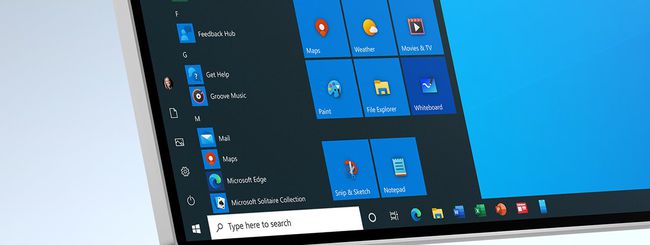
Windows 10, risolto bug che bloccava i PC con la stampa
Microsoft sta risolvendo il grosso problema che mandava in tilt i computer con Windows 10, causando una blue screen, ogni qualvolta si tentasse di lanciare la stampa. Nel caso in cui foste incappati in questo grattacapo, l’aggiornamento di oggi dovrebbe consentirvi di riprendere a stampare senza alcun problema.

These global projects expand the reach of fact-checks
All over the world, a massive immunization effort is underway.
The rapid nature of the COVID-19 vaccine development process and the great anxiety caused by the pandemic have made the topic of vaccination particularly susceptible to misinformation. Journalists can play a fundamental role supporting an evidence-based discourse by listening to their audiences’ concerns and providing corrective information about misconceptions that circulate online and offline.
To support this work, the Google News Initiative launched a $3 million Open Fund in January. Over a three-week window, we received more than 309 applications from 74 countries.
Today, we are announcing the 11 projects that were selected through an extensive review process that included a 17-person project team and an expert jury reviewing the highest-scoring applicants.
These projects stood out for their attempt to reach underrepresented audiences, explore new formats for fact checks and rigorous strategies to measure their impact. Each recipient will be sharing more details on their own channels in the upcoming weeks. Here’s a brief overview of the projects:
Africa Check, in partnership with Theatre for a Change, will produce a series of interactive radio drama shows in Wolof in Senegal and Pidgin in Nigeria to present fact checks in a more participatory format.
Agência Lupawill provide COVID-19 vaccine fact checks to a network of community radios covering Brazilian “news deserts” and work with digital influencers to promote media literacy on the topic.
Aleteia, I.Media and Verificat.cat will work with a scientific committee and two research centers to source misinformation and create a database of related fact checks available in seven languages for Catholic media outlets around the world.
Chequeado will continue spearheading the collaborative project Latam Chequea that includes more than 20 fact-checking organizations across Latin America. It will aim to reach senior citizens, indigenous populations and 18-to-26-year-olds through dedicated formats.
The hyperlocal digital site Escenario Tlaxcala, assisted by local doctors, will produce fact-checking content and distribute it across the Mexican state in Nahuatl and Otomí through various formats including by using “perifoneo” loudspeakers to reach offline audiences.
Katadata will provide a platform debunking COVID-19 vaccine misinformation and work with the Indonesia Traditional Wet Market Merchants Association (Asparindo) to disseminate this content to wet markets across the country.
In Uruguay, la diaria will publish fact checks and co-created content around COVID-19 misinformation, broadening its reach by partnering with trap music performer Pekeño 77 and screenwriter Pedro Saborido.
Servimedia and Maldita.eswill join force to create fact-checking content relevant for Spaniards with disabilities, in formats that are accessible to them.
Stuff will work in partnership withMāori Television and thePacific Media Network to fact-check misinformation about the COVID-19 vaccine in New Zealand.
A broad collaborative project led by The Quint in India will seek to source hyper-local misinformation and distribute fact checks through a grassroots network of rural women.
Univision Noticias andFactCheck.org will work together to produce fact checks about COVID-19 immunization as short bilingual video explainers, with a plan to measure their impact systemically and reach a majority of U.S. Hispanic households.
Our goal is for the lessons learned from these initiatives to support our collective understanding of how best to combat misinformation about health topics, whether it’s through new audience strategies or new approaches to measuring the impact of fact checks. Stay tuned for more updates from us as these projects get underway.
A path forward for sustainable news startups
Camille Padilla Dalmau and Mackenzie Clark are doing similar work, 2,244 miles apart.
In San Juan, Puerto Rico, Camille creates stories for the 9 million Puerto Ricans who live around the world through 9 Millones. Mackenzie recently launched the Lawrence Times in Kansas, funded by an online campaign that brought in more than $8,000 over six days.
Camille and Mackenzie are part of a new wave of local news sites launching across the U.S. and Canada. Some 266 local news organizations have started over the last five years, at a rate of 50 per year. That’s explosive growth in the field and it’s happening with no coordinated support, even though — as we know — this is hard work.
Today LION Publishers and theGoogle News Initiative are announcing the findings of Project Oasis, first-of-its-kind research which provides information about the paths these entrepreneurs take — and points to the way forward to a sustainable future for local news. This project was undertaken in partnership with the UNC Hussman School of Journalism and Media, Douglas K Smith (architect of Table Stakes), and with support from Michelle McLellan (creator of Michelle’s List). The results are a database and research report that illustrate the state of the local news industry, as well as a step-by-step guide for aspiring news entrepreneurs on how to get started.
The Project News Oasis database features rich information on 711 publishers across the U.S. and Canada, including breakdowns of their distributional, editorial and financial operations. We’ll use it to help existing publishers, who can add or update their information at any time, as well as to inform the next generation of news entrepreneurs.
Next, the Project Oasis research report puts our research findings in context — it highlights the revenue streams publishers use to fund their newsgathering, the communities they aim to serve and the size of the teams they hire to do the work. It also provides benchmarks designed to help new startup publishers develop their own practical goals for what their operation can look like three years out.
So how might we encourage responsible growth in the local news industry? That brings us to the third resource we’re releasing today: The GNI Startups Playbook. The playbook will demystify the process of launching a digital news startup and, by tackling key activities such as building a product, growing an audience and developing a revenue stream, it will help news entrepreneurs build a business that’s financially viable and has a positive journalistic impact on local communities.
This comprehensive resource, which will soon be available in Spanish, Portuguese, Japanese, Korean and Indonesian, includes contributions from GNI, LION and a small army of experts. The playbook itself will provide the basis for much of GNI’s and LION’s joint programming moving forward, including the GNI Startups Lab and Boot Camp, as well as our collaboration with Tiny News Collective, a low-cost platform and set of shared services aimed at helping news entrepreneurs build a news organization from scratch.
The database, the research report and the playbook are intended to be living resources that will be updated regularly. We’re committed to working with the Google News Initiative to fully capture the experiments and learnings of this rapidly evolving field, and over the coming months we’ll collaborate once again to help the GNI conduct a global series of live workshops for aspiring entrepreneurs on the Digital Growth Program site. After you’ve looked at these resources, we’d love your input: What’s valuable? What would you like more information about? We’ll incorporate your feedback into the next editions.
Our goal is to ensure the next Camille and the next Mackenzie will have a smoother, better-lit road ahead of them. We’re confident that as this work continues, and the path is made clearer, we’ll build a sustainable future for local digital news by focusing on what founders and organizations need along the way.

Need a better night’s sleep? Meet the new Nest Hub
A little over two years ago, I was part of the team that created Nest Hub, Google’s first smart display. Since then, we’ve been exploring ways to make these devices even more helpful. We know people already come to Google for information and tools to help them live healthier, happier lives, and we’ve specifically noticed more and more questions about sleep, exercise and health. So we decided to bring these kinds of solutions to our second-generation Nest Hub, while also improving what people already love about it.
The Nest Hub you love, but better
The new Nest Hub’s speaker is based on the same audio technology as Nest Audio and has 50 percent more bass than the original Hub. Fill any room with music, podcasts or audiobooks from services like YouTube Music, Spotify, Apple Music and Pandora — or enjoy your favorite TV shows and movies with a subscription from providers like Netflix, Disney+ and YouTube TV. With Quick Gestures, you can pause or play content at any time by tapping the air in front of your display.

Elon Musk si battezza “Technoking” di Tesla
Elon Musk ha messo nuovamente in mostra il suo estro, aggiungendo un titolo di lavoro piuttosto bizzarro al suo curriculum. Come se essere amministratore delegato di più di una società non fosse abbastanza, adesso, per qualche motivo, è diventato anche “Technoking” di Tesla. Nel frattempo Zach Kirkhorn, CFO della società, ha la nuova posizione di Master of Coin, probabilmente ispirata al Maestro del Conio (vale a dire il tesoriere) di Game of Thrones.
4 Ways B2B Marketers Can Spring Forward And Grow Content Marketing Success
We’re more than a year into the pandemic, and things are looking up. Vaccines are rapidly rolling out, states are dialing back restrictions, and a massive government stimulus is about to be distributed across the country. There is a hope, if not an expectation, that the economy will get on a roll this summer.
Nothing can be taken for granted, but the outlook is bright. Numerous industries may experience rises in demand during the months ahead. This is a good time for companies serving those industries to be positioning themselves with smart growth strategies and ambitious marketing plans.
With that in mind, here are some ideas and recommendations to springboard your B2B marketing into the summer months:
Spring Ahead: 4 Tips to Drive Fast Marketing Growth
#1. Let your raving fans guide you forward
During the economic slowdown of the past year, it was common for organizations to look inward, immersing themselves in customer research and refocusing on relationships.
Taking a curious approach to understanding your best customers, and what they value most in your product, can really pay off.
In a recent writeup at The Next Web on surprising growth strategies for 2021, one suggestion from Andrea Hak is to tap into engaged and loyal users. She points to the example of SYLVAIN, a strategy and design consultancy hired by Spotify to help fend off an advance from Apple’s streaming music platform.
Hak shares this insight from SYLVAIN’s Managing Director, Sherry (Sherzad) Rahmatian, who argues that a narrow focus on acquiring new users and expanding to new audience segments is misguided:
“Power users and super fans often hold the secret sauce for a brand’s future growth. What we see is that smaller brands actually have an advantage in that they don’t have to dilute their marketing for the masses.
Instead, they can focus on decoding what exactly makes people obsess over them, and use that to continuously iterate a better and better experience. This will naturally filter out to a wider audience, without losing what made it special.”
Hak later notes that, “By the end of 2020, Spotify increased its number of premium subscribers by 29%, bringing it to a whopping 124 million.”
The size of your company and its customer base will dictate the extent you’re able to lean into this strategy. But most marketing departments today have some method of gauging the loyalty and strength of their customer relationships. Identify and study those most avid fans. Center your marketing on that which drives their affinity.
[bctt tweet=”“Identify and study those most avid fans. Center your marketing on that which drives their affinity.” — Nick Nelson @NickNelsonMN” username=”toprank”]#2. Strategize around trust, purpose and empathy
It might be time to rethink your marketing messages of the past. More than ever, brands in the new era need to ensure they are aligning and resonating with their most valuable audiences, and developing connections that move beyond the traditional problem-solution framework.
In a recent study from Iterable, 87% of brand marketers “said their company felt the need to change its marketing strategies to better build consumer trust” amidst the turmoil of 2020. Ninety-one percent indicated that they plan to stick with this altered approach in 2021.
Trust is built, first and foremost, by demonstrating a keen understanding of your audience: circumstances, aspirations, pain points. It’s also strengthened by demonstrating that you share their values and priorities. This is where communicating a deeper purpose comes into play.
“Even before the pandemic, 74% of B2B companies considered purpose to be relevant in business growth,” writes Norman Guadagno in an article at MarketingProfs. “In 2021, leading with purpose is even more important … Show customers what your brand’s values are and how your company is living up to those values through its actions, whether by implementing institutional change within the company, supporting a social cause, or demonstrating an environmental commitment.”
I’ve written here in the past about why and how today’s B2B brands should take bold stands while avoiding costly missteps. More recently, our Lane Ellis provided a look at the desired end result of these efforts, sharing 10 ways trust creates standout B2B marketing experiences.
#3. Merge personalization and relevancy
On the Customer Think blog, Uberflip CMO Randy Frisch recently argued that in B2B marketing, personalization and relevancy must be the same. He did a nice job of articulating a problematic disconnect in content marketing today: Too often, “personalization” is treated as plugging in a custom name via merge fields, or mentioning someone’s company or industry in a subject line. As Frisch writes, these things are fine but essentially the bare minimum. It’s all about connecting through acute relevancy.
There are ways to do this at scale. I especially like the comparison Frisch draws here, given that large-scale live marketing events probably still won’t be a thing for a while:
“Remember at events how marketers strove to offer specific content tracks from curated speakers in order to attract their audience and engage them? Think about mirroring that level of personalization (relevance) in the digital mix of content you’re now using. The variety of blogs, ebooks and videos being sent online should feel every bit as tailored to your audience as the breakout sessions and VIP talk tracks you would invite them to at an event.”
[bctt tweet=”“Remember at events how marketers strove to offer specific content tracks from curated speakers? Think about mirroring that level of personalization (relevance) in the digital mix of content.” — Randy Frisch @RandyFrisch” username=”toprank”]#4. Engage through new video and audio channels
“Video and audio in recorded or live formats have emerged as a top preference for customer engagement,” wrote TopRank Marketing CEO Lee Odden in a blog post earlier this month. “Whether live-streaming on LinkedIn, Twitter and Facebook or publishing podcasts and hosting rooms on breakout audio social network, Clubhouse, content marketers have a significant opportunity to create more engaging experiences to meet the evolving expectations of their customers in 2021.”
You’ll find no bigger advocate than me for the enduring value and staying power of text-based content, but the rise of these immersive mediums is undeniable. Forced indoors, people started consuming more digital content than ever in 2020, and these newly formed habits will surely stick to some extent.
Brands should seek to experiment with live-streaming, innovative audio platforms, virtual events, and interactive experiences. Clubhouse, which has been valued at a staggering $1 billion in its nascent startup state, represents an opportunity to get ahead of the curve. If you can get an invite.
More Resources and Guidance to Drive You Forward
Generally speaking, an empathetic content marketing approach that dabbles with emerging channels, leads with purpose, and is shaped by customer insight will put B2B brands in excellent position to score big in 2021. The time is now to invest and lean in.
For more tips and advice on leveling up your marketing efforts this summer, here’s some addition reading to carry you forward:
- 5 B2C Content Marketing Techniques that B2B Marketers Should Steal (And 5 They Shouldn’t Touch), by Josh Nite
- Why Influencer Marketing Should Be a Priority 2021 Tactic for B2B Brands, by Lane Ellis
- 5 Ways B2B Marketers Sabotage Influencer Marketing Success, by Lee Odden
- 6 Eye-Opening B2B Content Marketing Statistics for 2021, by me
- Supercharge Your 2021 B2B Marketing With High-Octane Online Courses, by Lane Ellis
The post 4 Ways B2B Marketers Can Spring Forward And Grow Content Marketing Success appeared first on B2B Marketing Blog – TopRank®.

Xbox Series X|S: attivo il FPS Boost per cinque titoli Bethesda
Come promesso la settimana scorsa, dopo aver completato l’acquisizione della società madre di Bethesda Softworks, Microsoft ha annunciato, attraverso un blog post dedicato su Xbox Wire, novità su alcuni vecchi titoli del gruppo. Da oggi verrà infatti abilitato il FPS Boost su Xbox Series X|S per cinque titoli di Bethesda – tutti attualmente disponibili con Xbox Game Pass. I giochi sono:
A guide to Google Meet for parents and guardians
When the COVID-19 pandemic required students worldwide to transition to distance learning, many parents and guardians suddenly found themselves in the role of part-time teachers — and even IT technicians — on top of their existing responsibilities at work and home. If this describes your family’s situation these days, you’re definitely not alone. Many students and schools use Google Workspace for Education for teaching and learning – which includes tools for organizing classwork, like Google Classroom, and for video conferencing, like Google Meet. If you’re new to using Google Meet, we created the below guide to help make things easier while you juggle your many roles at home.
What is Google Meet?
Google Meet is Google’s secure and easy-to-use video conferencing solution that is available to schools for free through Google Workspace for Education. Educators use Meet to connect with your child one-on-one, to facilitate remote instruction and to hold virtual meetings and conferences with parents and guardians.
Meet works with all modern web browsers (like Chrome, Safari, etc.), meaning you don’t have to install or download software to your desktop computer in order to use it. For those looking to join from a mobile device like a tablet or smartphone, Meet has a dedicated mobile app that optimizes the video conferencing experience for mobile conditions. If you are using Meet on a Chromebook, we recently made significant performance improvements like audio and video optimizations and the ability to handle multitasking better.
How do I join a Google Meet?
There are a variety of ways to join a call or meeting, including joining from Google Classroom, or via a meeting link or invitation that your teacher has shared via email or Calendar.
How does Meet protect my child’s safety and privacy?
Google is committed to building products that help protect student and teacher privacy and security.
We designed Meet with industry-leading built-in protections that help keep calls safe by default. Here are a few examples:
-
Encryption by default:In Meet, all data is encrypted in transit by default between your device and Google.
-
Unique meeting IDs:Each Meeting ID is 10 characters long, with 25 characters in the set, so it’s difficult to make an unauthorized attempt to join the meeting by guessing the ID.
-
Protection against reusing finished meetings:Students can’t rejoin meetings once the final participant has left, unless they have meeting creation privileges to start a new meeting. This means if the instructor is the last person to leave a meeting, students can’t join again until an instructor restarts the meeting.
-
No plug-ins required:To limit the attack surface and eliminate the need to push out frequent security patches, Meet works entirely in your web browser, eliminating the need to download and update plug-ins.
Meet also gives educators powerful controls to help keep virtual classes safe and secure.
-
Safety locks: Educators can decide which methods of joining (via calendar invite or phone, for example) require users to obtain explicit approval to join.
-
Block anonymous users by default:Engaging safety locks will block all attempts to join a meeting from anonymous users (users not logged in through a Google Account), and enforce the requirement that the host joins first.
-
Host moderation controls:Educators can control the level of participant interactivity in the meeting. The chat lock and present lock will let hosts control which attendees can chat and present content within the meeting. Educators can also access these controls on mobile devices.
-
End a meeting for all participants:Prevents students from staying on after the teacher has left — including in breakout rooms.
How does Meet help keep my child engaged during class?
Over the past year, we’ve launched a number of features to help engage students by bringing some of in-classroom magic to the virtual classroom:
-
Hand raise, to help students indicate if they have a question or want to speak without disrupting the class.
-
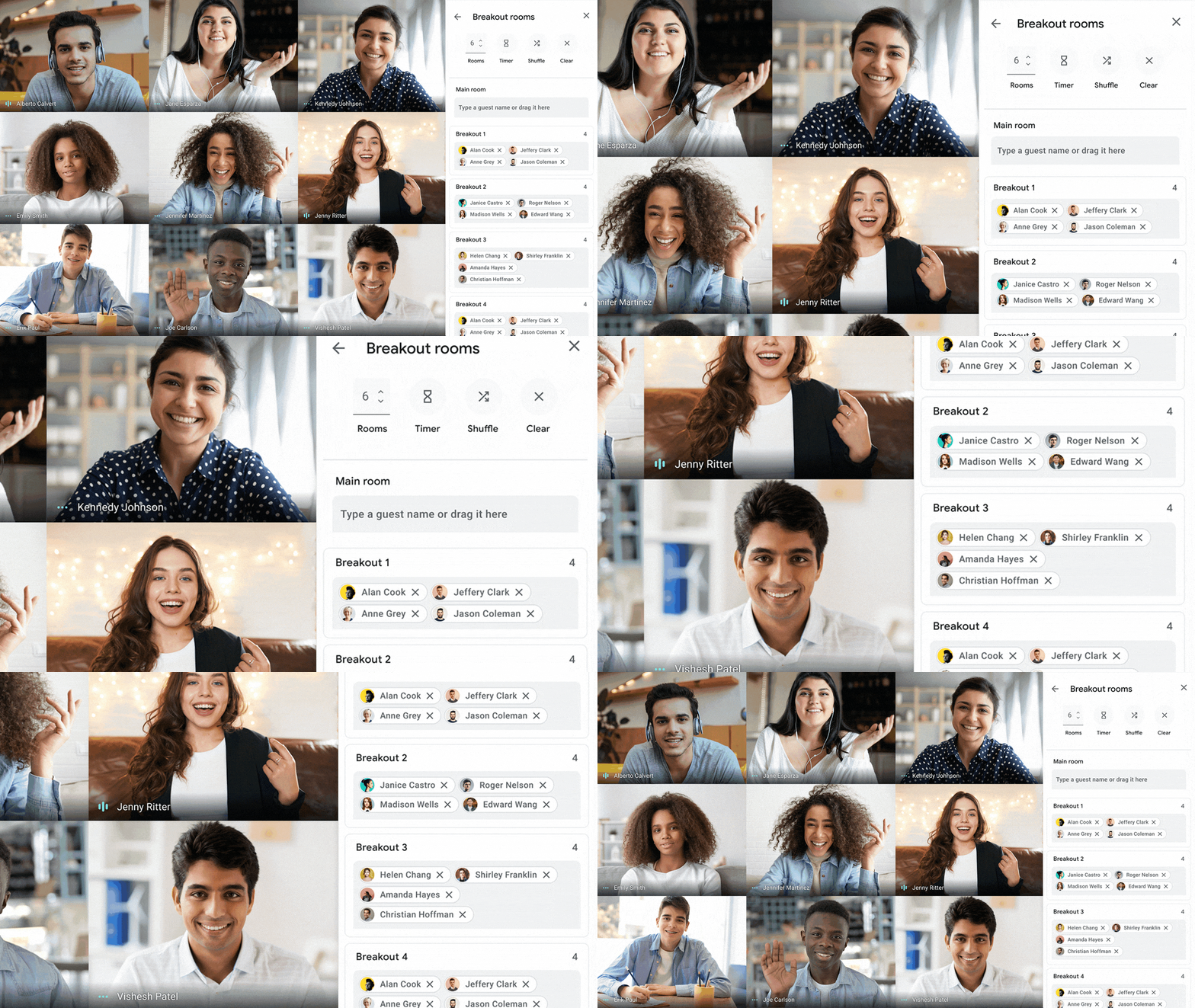
Breakout rooms, used by educators to host small group discussions or working time. Teachers can easily jump between the different breakout rooms before bringing everyone back to the main discussion.
-
Q&A, allowing students to submit and upvote questions from the teacher for better group engagement.
-
Polls, used by educators to quickly gather feedback from their students, oftentimes using it to identify topics that need more discussion or to test comprehension of a certain topic.
-
Captions, allowing participants to follow along with live closed captions in Meet. Captions are now available in English, Spanish, French and Portuguese.
-
Tile view in mobile, allowing you to see up to 48 people on a screen when using a mobile device or a tablet.
-
Customizable backgrounds, to let students and teachers express themselves creatively while in class, and background blur to help reduce background distractions and keep the focus on the participant.
-
Advanced safety locks, to block anonymous users from joining and let teachers control who can chat and present in a meeting. We will launch more controls in the upcoming weeks, like muting all, and ending meetings for everyone.

Covid-19, sospese le vaccinazioni con AstraZeneca in Italia
L’Aifa, Agenzia italiana del farmaco, ha deciso di estendere il divieto di utilizzo del vaccino AstraZeneca su tutto il territorio nazionale. La decisione è stata presa dopo che, a seguito della morte di un professore di clarinetto di Cossato poche ore dopo la somministrazione del vaccino, i carabinieri del Nas avevano sequestrato le dosi del lotto ABV5811. Sul decesso, infatti, la procura di Biella ha aperto una inchiesta le cui indagini sono coordinate dal procuratore Teresa Angela Camelio e dirette dal sostituto procuratore Paola Francesca Ranieri, che ha disposto il sequestro delle dosi del lotto.

Internazionalizzazione e Canada: quello che l’imprenditore italiano deve sapere
Paolo Quattrocchi, equity partner di Nctm Studio Legale, specializzato in diritto commerciale e societario, assiste gruppi italiani e stranieri in transazioni internazionali. Dal 2017 ha fondato e dirige il Centro Studi Italia-Canada, un luogo d’incontro fisico e virtuale che sostiene il dialogo e promuove la conoscenza reciproca tra Italia e Canada attraverso l’organizzazione di eventi e attività di studio, analisi e ricerca nei settori dell’economia, della società, della scienza e della cultura. Intervistato dal magazine…
L’articolo Internazionalizzazione e Canada: quello che l’imprenditore italiano deve sapere scritto da MercurPress proviene da Assodigitale.

Motorola Edge 5G col 43% di sconto su Amazon
Se siete alla ricerca di uno smartphone Android con specifiche di alto livello senza però spendere un occhio della testa, oggi vogliamo segnalarvi che uno dei gioiellini targati Motorola, Motorola Edge 5G viene proposto ad un prezzo mai visto prima: 399,90 euro invece di 699,99 euro, con un risparmio del 43%.

Chrome e incognito: Big G finisce in tribunale
Google finisce in tribunale. A quasi un anno dall’accusa di tracciare gli utenti di Google Chrome anche quando hanno abilitato la modalità Incognito, che dovrebbe essere privata e non registrare l’attività degli utenti che la utilizzano, un giudice in California ha respinto ogni tentativo di Google di far cadere nel vuoto la questione.

Google Maps: gli utenti possono aggiungere foto e strade
Google sta lavorando per consentire agli utenti di contribuire all’accuratezza di Maps. Nello specifico, anche chi utilizza il servizio di mappe targato Big G potrà aggiungere foto e altre informazioni per strade mancanti, luoghi e anche gli orari dell’apertura delle attività commerciali. A darne notizia è la stessa società americana, che definisce anche una delle nuove funzionalità “drawing”, ovvero uno strumento simile a Microsoft Paint.
B2B Influencer Marketing Strategy: 5 Questions to Ask First
It’s no mystery that we’re big fans of influencer marketing where B2B brands engage with industry experts and key opinion leaders to drive conversations, consideration and conversions.
Marketing leaders at B2B companies large and small are realizing how much influence can play a role in virtually every customer communication. As 2021 picks up steam, the practice of influencer marketing presents unique opportunities to optimize digitally transformed B2B marketing.
That said, while the role of influence can be universally present in content and communications, the approach that will work for any given B2B brand is by no means cookie cutter. Influencer engagement is not simply an advertising buy or some kind of programmatic marketing tactic. It’s simultaneously dynamic and open to certain kinds of optimization and scale through process, operations and expertise.
Before embarking on a pilot, campaigns or an evolved always-on influencer program, it’s important for B2B marketers to answer a few key questions to make sure the rationale is sound, the approach has merit and the expectations line up with resources and goals.
At TopRank Marketing we’ve helped numerous B2B brands run their very first influencer marketing pilot projects and campaigns. Our work with B2B brands like LinkedIn, SAP and Dell over the past 9 years has taught us that there are many key questions to be answered in order to ensure
- Influencer marketing makes sense for a particular B2B brand
- That a specific approach matches goals, resources and expectations
- The tactics of identifying and engaging influencers are appropriate to content formats, channels and audience
- The program reaches expected KPIs and drives value both for the business and influencers
- Early efforts set the stage for future success
To help B2B brands thinking about launching an influencer marketing initiative, here are 5 of the most important questions to answer:
1. What is a B2B influencer for our brand? Our customers?
Success with B2B influence means avoiding falling into the popularity trap and thinking that all influencers must have a massive following.
An influencer in the B2B world is someone that has domain expertise, is recognized by peers for that expertise, creates content or communicates about that expertise, and has attracted the attention and trust of a network.
B2B influencers are also often called subject matter experts, key opinion leaders, or simply experts about a certain topic. This differs than in B2C where popularity and being able to publish influencer-created content on their own channels to a large audience reigns supreme. B2C influencers are most often very self aware of their actual or aspirational influence and bring content creation, personality, persuasion and publishing skills to the situation.
For B2B influencers, the idea of being an “influencer” may not be a priority, so B2B brands need to find ways to activate and engage them in ways that might be new to the influencer. Fortunately, there are best practices around how to nurture both external and internal subject matter experts to collaborate with marketing in ways that can drive authentic conversations amongst a desirable audience.
There are several key characteristics to look for in a B2B influencer: Proficiency, Popularity, Personality, Publisher, Promoter. For a deeper dive into what top B2B influencers look and sound like, check out Season 3 of Break Free B2B in progress.
Understanding that everyone has some degree of influence is as important for a new influencer marketing effort as is understanding that B2B brands need to be clear about what topics they want to be influential about. Finding B2B influencers for a specific brand means identifying the topics that matter to customers in the context of the B2B brand’s marketing narrative. Topics of importance to customers relative to the B2B brand’s key messages, products and solutions helps us understand whether a particular influencer has the attention and ability to influence their network. We do that by using software that helps evaluate a given influencer’s audience for topical relevance, resonance and reach.
There are different types of influencers to engage according to the type of influencer marketing project being implemented. Some programs might call for celebrity level “brandividuals“, others might focus more on those with industry analyst level expertise, or niche influencers that have deep product expertise and specific media creation skills that align with the content preferences of a B2B brand’s audience. At the same time, some influencers might already be fans of your B2B brand and others might be strong advocates of ideas that align with your brand but not be advocates yet.
The opportunity in identifying what a B2B influencer looks like for your brand starts with understanding the topics of influence that matter to your customers and that are most relevant to your solutions. That topic understanding can be extended to the creation of an ideal influencer profile and the matching of influencer types to the expectations and experiences created for customers.
To answer, “Where can I find B2B influencers?” marketers need to look beyond their own opinions and experiences and towards data. Influencers that create evidence of their expertise through digital content can be identified with influencer marketing software or social media software. However, keep in mind that many B2B influencers do not focus solely on social media to proclaim their expertise and more in-depth research into industry associations, special interest groups, events, publications, email newsletters and emerging formats like Clubhouse should be conducted.
2. What can we expect to achieve working with influencers?
Virtually all B2B brand communications with customers is a consideration for including 3rd party expertise for credibility and help with distribution.
Fundamentally, influencers can create value for B2B brands in a few different ways:
- Add credibility to brand content
- Help brand content reach new audiences through promotion
- Provide B2B brands with advisory services
- Perform as a brand advocate through ongoing content engagement
- Help create content for thought leadership and demand gen purposes
- Add signals of credibility to content for SEO
- Facilitate content distribution and brand social network growth
- Provide expertise for earned media, events and marketing content
In our research as reported in the State of B2B Influencer Marketing Report, we found that the measurable benefits for B2B brands to work with influencers included:
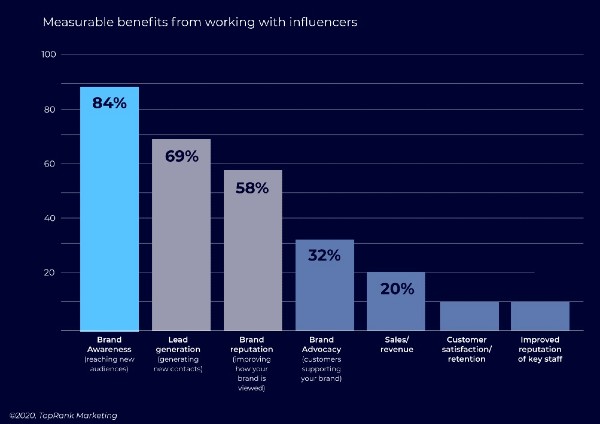
What’s important for B2B marketers to understand when it comes to what’s possible with influencers is that we’re talking about partnering with people, not simply using them to some brand end. Rather than thinking of influencers only as a means to an end or a tool for content creation and distribution, it is more valuable for all when B2B brands think of influencers as partners they can work with to achieve mutual goals. That partnership can turn to authentic and enthusiastic brand advocacy more quickly than a transactional approach.
For more specific ideas, check out this list of 25 B2B influencer marketing campaign and engagement ideas.
3. What are some good influencer engagement models?
Many early stage influencer programs start with micro-activations as part of a nurturing effort to develop relationships between brand and influencer. In many cases, an agency is tasked with creating these connections because they have unique expertise at influencer outreach and/or may already have the desired influencers in the agency network.
The right engagement model really depends on the approach.
For a pilot influencer content marketing campaign designed to create a business case for potential expansion of an influencer marketing program that has some lead time, it might be best to develop quick rapport with influencers by recognizing their expertise publicly. Then follow up and invite them to collaborate on small asks with great exposure. Through these early micro-activations, the right influencers can be sorted for a larger contribution to the pilot content project. See this case study on how LinkedIn has taken a relationship building approach to their always-on influence program working with sales and marketing influencers.
Alternatively, if there is not much lead time for organic relationship building with a pilot, then professional influencers can be engaged for their services to contribute to the pilot. The cost and perceived authenticity of content disclaimed as sponsored may be worth it to get a pilot out quickly. Or some combination of organic relationship building and paid influencer engagement might be most appropriate.
Understanding the right engagement model can be helped in part by reviewing solid B2B influencer marketing examples and case studies to understand what goes into successful B2B influencer marketing campaigns.
Also, it’s important to understand that working with influencers for an industrial or manufacturing business might be a bit different than how influencer marketing for tech companies might work. The topics of interest to customers and of most relevance to influencers and the brand will help identify the right influencer program approach, influencer identification and engagement.
Many pilots lead to sequences of campaigns which may engage the same influencers or different influencers each time. Lack of engagement in between campaigns will make securing influencers more difficult. B2B brands that are more mature in their influencer marketing efforts engage in always-on influencer programs. In fact, the State of B2B Influencer Marketing Report found that 12X more B2B marketers using an always-on approach were very successful with their influencer marketing compared to those marketers that implementing periodic campaigns.
Working with a small group of influencers can be a great place to start, but that small group should be backed by a much larger list of researched candidate influencers. As relationships develop through the course of different collaborations, B2B marketers will refine and find the right influencers. A VIP group of influencers might be created as Adobe has with its 60+ Adobe Insiders being activated at individual, small group or large group levels depending on the situation.
4. How does “dark influence” fit in our mix?
Understanding the channels where customers are spending time discovering, consuming and engaging with content is central to identifying sources of influence. But not all B2B influencers are social media rockstars. To understand where and how the right experts are influential to the customers of a B2B brand, thoughtful research must be conducted to identify customer preferences for content and people that they trust, subscribe to and are influenced by.
In some cases, the social media connection to B2B influence is indirect. While many business people are doing business during their 9-5, increasing numbers of business people are following industry experts on social channels. They access those channels before and after work as well as periodically during the day.
For those influencers and customers that are not engaging via social media, content discovery, consumption and engagement preferences research will reveal the email newsletters, publications, associations, events, groups and even search terms they use to connect. These non-social media channels are opportunities for influence as well. B2B marketers need to do the research to map these sources of engagement and identify influencers that might be good partners for those channels.
Another consideration is the role that LinkedIn plays in terms of influencer performance tracking. Since the vast majority of LinkedIn is not public nor do they provide easy access via API, the social data cannot be crawled in the way that Twitter, some Facebook content and other social networks are. Influencer engagement on LinkedIn may require use of tools made available from LinkedIn like Sales Navigator. Here are some ideas on how to engage influencers on the LinkedIn platform.
Working within the world of dark social for influencer marketing means connecting with influencers that use these channels and engaging them on collaborations where they exert influence.
5. What are the most important operational considerations for a B2B influencer marketing program?
For large enterprise organizations, there is often a debate about how much influencer marketing should be centralized in the organization vs. with business units, divisions and regions. When influencer marketing is new to an organization, there is centralization and programs are dictated as such. Some influencers may be universally relevant across and organization but within each market where a B2B brand operates, there will likely be more niche influencers specific to those markets.
How an influencer marketing program is defined will often include both the universal truths that are relevant for the brand overall and specific programs with unique goals, topics and measures of success.
Some of the most important operational considerations for an influencer marketing program include:
- What department owns influencer marketing?
- What processes will be used to to perform the functions of influencer marketing to ensure consistency and quality?
- What software will be used to identify, engage, communicate with and measure influencers?
- What budgets, staffing and external resources will be needed short and long term?
Beyond measures of success, software and ownership with the B2B brand of an influencer program is how to work with a specialist B2B influencer marketing agency to help develop strategy and planning, influencer identification and recruitment, collaboration and creation of influencer / brand content assets. In the State of B2B Influencer Marketing Report that surveyed hundreds of B2B marketers, the top tasks handled by agencies included:
- Identifying influencers 79%
- Managing influencer relationships 76%
- Developing the strategy 71%
- Measuring effectiveness 66%
- Integrating with other marketing efforts 63%
- Implementing campaigns 60%
- Managing influencer marketing technology 44%
While there are many B2B marketing resources out there to help brands with everything from research and strategy to planning, implementation and measurement, there are simply not that many B2B influencer marketing agencies that have:
- Established influencer marketing strategy frameworks based on years of experience
- Extensive relationships with a network of B2B influencers in various verticals
- Tried and true tactics for accelerating B2B brand and influencer relationships
- Content creation and repurposing capabilities that are unique to influencer collaborations
- Influencer marketing measurement and reporting expertise
- Savvy on how to maintain ongoing influencer relationships in between campaigns
The good news is that the number of B2B influencer marketing agencies with legitimate skills and experience is growing as awareness grows around the role of influence across the entire customer lifecycle for business customers.
There are certainly more questions than these to be considered as well as variations on the questions that have been listed in order for B2B marketers to gain confidence that their particular approach to an influencer marketing effort creates the expected value for all involved. In many cases, marketing missteps can be avoided by ensuring the fundamentals are solid and that’s what this list of questions is meant to do – cover the bases that are essential for a thoughtful, meaningful and productive influencer marketing effort.
Influencer marketing is a relationship focused business and that means it’s dynamic and there are no silver bullet answers.
Remember, influencer marketing is a relationship focused business and that means it’s dynamic and there are no silver bullet answers. B2B brands that stumble blindly into an influencer engagement effort may experience disappointing results without the “been there, done that” and “we do this every. single. day.” type of expertise that is rare, but available through specialist agencies and consultants.
The post B2B Influencer Marketing Strategy: 5 Questions to Ask First appeared first on B2B Marketing Blog – TopRank®.