
Il veliero Amerigo Vespucci compie 90 anni e issa il guidone IYFR
Navigare sul veliero più bello del mondo: Donatella Bianchi, conduttrice di “Linea Blu” su Rai1, sabato 5 giugno ha portato i telespettatori alla scoperta dell’Amerigo Vespucci. La squadra del programma è…
L’articolo Il veliero Amerigo Vespucci compie 90 anni e issa il guidone IYFR scritto da Paolo Brambilla proviene da Assodigitale.

Perché la guida autonoma è così difficile: la bufala dell’“intelligenza artificiale”
Vado subito al sodo per chi ha fretta:
- Il machine learning è semplicemente un riconoscimento di schemi (pattern recognition) e non costituisce “intelligenza” in alcun senso significativo della parola.
- Il riconoscimento di schemi fallisce in maniera profondamente non umana e in situazioni che un umano invece sa riconoscere in maniera assolutamente banale. Questo rende difficilissimo prevedere e gestire i fallimenti del machine learning.
- Qualunque sistema di guida autonoma o assistita basato esclusivamente sul riconoscimento degli schemi è destinato a fallire in maniera imbarazzante e potenzialmente catastrofica.
Sono asserzioni molto forti, e le faccio sapendo di non essere un esperto di questi settori ma semplicemente un loro osservatore con un pizzico di esperienza personale: se vi fidate di me, lo fate a vostro rischio e pericolo, e sono disposto a cambiare idea di fronte a smentite documentate. Però temo che ignorare queste riflessioni possa essere un grosso problema per molti.
Provo a spiegare cosa mi ha portato a queste conclusioni.
Prima di tutto riassumo cosa si intende per machine learning: in estrema sintesi, si dà in pasto a un software tantissimi esempi di una cosa, tantissimi esempi di cose differenti e lo si “premia” quando riconosce correttamente la cosa in questione. Questo apprendimento automatico può raggiungere livelli di affidabilità altissimi e in molti casi funziona egregiamente. Il riconoscimento ottico dei caratteri (OCR) e il riconoscimento vocale sono esempi di grande successo del machine learning.
Ma si può dire che un sistema di OCR sia intelligente? Capisce che sta leggendo un sonetto di Shakespeare o una mail di spam, e può adeguarsi di conseguenza? È in grado di considerare il contesto e capire che magnifica e magni fica sono due letture molto differenti e potenzialmente imbarazzanti, ma che la seconda potrebbe essere valida se lo scrivente si esprime in romanesco? Un lettore realmente intelligente lo capirebbe dal contesto. Un OCR no. Non è intelligente, perché non ha conoscenza del mondo reale, ma conosce soltanto delle forme (le lettere) e assegna loro una probabilità di corrispondere a uno dei modelli che conosce. Non sa nulla del loro significato e quindi non può correggersi di conseguenza. E non importa quanti miliardi di campioni di lettere o di parole gli dai: non acquisirà mai la comprensione del testo.
Ogni tanto questi sistemi di riconoscimento sbagliano, ma non è un problema. Se un sistema di OCR “legge” una parola al posto di un’altra non muore nessuno. Se Alexa crede che l’abbiate chiamata mentre stavate pronunciando il nome della vostra spasimata Alessia durante un momento di passione, il peggio che può succedere è che la registrazione del vostro amplesso finisca nel cloud di Amazon e venga scambiata fra i dipendenti dell’azienda che fanno il monitoraggio dei campioni audio. Imbarazzante, ma probabilmente non letale.
La ragazza che si chiama Alessia è un cosiddetto edge case: un caso limite, una situazione rara che però fa sbagliare il sistema di riconoscimento.
Questi sbagli avvengono in modi strani perché l’addestratore umano, quello che insegna al software a riconoscere una forma, non riesce a calarsi nella “visione del mondo” che ha quel software e non riesce ad anticipare tutti i modi possibili nei quali potrebbe prendere un granchio e a insegnargli a riconoscere tutti questi casi limite. Lo spiega benissimo uno che di queste cose ne capisce a pacchi, Andrej Karpathy, direttore del reparto di intelligenza artificiale di Tesla, in questa lezione magistrale del 2018. Due esempi fra tanti: un’auto caricata a coda in avanti su una bisarca è un’auto in contromano? Una bici montata sul retro di un’auto è una bici che mi sta tagliando la strada e devo quindi frenare?
Di recente su Reddit è stato pubblicato un bell’esempio di questi edge case: un camion ha dei cartelli di stop dipinti sul portellone posteriore, e il sistema di riconoscimento ottico dei cartelli di una Tesla li etichetta e li mostra come se fossero cartelli reali.
Cosa succede se il sistema di decisione dell’auto ritiene che quei cartelli siano reali e quindi inchioda in mezzo alla strada, creando la situazione perfetta per un tamponamento a catena? Ìl sistema è sufficientemente sofisticato da tenere conto del contesto e quindi “sa” che i cartelli stradali normalmente non si muovono lungo le strade, per cui rigetta il riconoscimento e lo ignora nelle sue decisioni di guida?
Un conducente umano, avendo conoscenza del mondo, non avrebbe la minima esitazione: sono cartelli dipinti sul retro di un camion, li posso tranquillamente ignorare. Un sistema di guida autonoma o assistita sarà altrettanto consapevole? E il conducente saprà anticipare questi possibili errori che lui non farebbe mai?
Beh, direte voi, dai, una cosa del genere sarà un caso raro. Poi succede questo:
Una Tesla Model 3 viaggia a 130 km/h e mostra un flusso costante di semafori che appaiono dal nulla sulla corsia del conducente.
Un essere umano sa in un millisecondo che questo è impossibile; il sistema di guida assistita di Tesla no, perché non “sa” realmente che cosa sono i semafori nel mondo reale e quindi non “sa” che non possono apparire dal nulla a 130 km/h.
Che cosa ha causato questo clamoroso errore di riconoscimento? Un camion che trasportava semafori.
Questo è esattamente il tipo di errore che un conducente umano non farebbe mai e che invece un sistema di guida basato esclusivamente sul riconoscimento delle immagini farà, e farà in circostanze imprevedibili. Con conseguenze potenzialmente mortali. Se state valutando un’auto dotata di questi sistemi, pensatevi bene. Se ne avete una, pensateci ancora di più.
Certo, gli umani commettono altri tipi di errori, per cui alla fine l’obiettivo non è creare un sistema di guida assolutamente infallibile, ma semplicemente uno che fallisca mediamente meno (ossia causi meno incidenti) della media dei conducenti umani.
Tutto questo vuol dire che la guida autonoma basata sul riconoscimento puro degli schemi è impossibile? No. Può darsi che estendendo il concetto di riconoscimento degli schemi all’asse del tempo (ossia imparando a riconoscere come cambia un oggetto nel corso del tempo) ed estendendo il concetto di schema a oggetti complessi (incroci, rotatorie, attraversamenti pedonali) si riesca a ottenere risultati accettabili. Ma questo richiede un database di esempi colossale, una classificazione vastissima e una potenza di calcolo ancora più colossale. Nessuno dei sistemi attualmente in commercio ci si avvicina. Siate prudenti.
Questo articolo vi arriva gratuitamente e senza pubblicità grazie alle donazioni dei lettori. Se vi è piaciuto, potete incoraggiarmi a scrivere ancora facendo una donazione anche voi, tramite Paypal (paypal.me/disinformatico) o altri metodi.

Resident Evil Village: la recensione

Nuova identità digitale europea, cos’è e come funziona?
World Environment Day, tra le iniziative c’è il Green Game Jam

Samsung presenta il nuovo Galaxy Book Go

Python 4 non ci sarà, lo dice il suo creatore

Huawei Matebook D 15 2021: ora con piattaforma Intel Gen-11

How this vegan chef is empowering the disability community
Food and cooking have been the backdrop to so many special moments for me — after all, it’s what connected me and my wife when we first met. That made it hard not to smile when seeing videos of Alexis Hillyard, a LGBTQ+ chef with limb difference and the creator behind the YouTube series Stump Kitchen, with her partner and family sharing what she loves: cooking.
Six years ago, Alexis found out she was gluten intolerant and soon became vegan, so she had to learn how to cook for herself. When her partner saw how much fun she was having using her stump in the kitchen, she suggested that Alexis film herself. To learn how to film a video for YouTube, she turned to, well, YouTube. Stump Kitchen was born, becoming not only an award-winning YouTube vegan cooking channel, but also a way for Alexis to reach out to other limb-different people who might also be navigating relationships with their bodies.
Alexis uses her “stump” (hence the program name) as a cooking tool — using it to mash avocados, juice citrus, and scrape batter-filled bowls to create “gluten-free vegan eats and stumptastic treats.” As her program grew, she began featuring local guests who were missing limbs as co-hosts — many of whom she met through the comments section of her videos. She also uses Google Meet to bring people from all over the country into her kitchen to learn to cook.
For me, the spirit of Pride is about celebrating and recognizing the LGBTQ+ community and its voices, history and continued challenges. Alexis’ channel and teaching sessions connect a broad intersection of people, cultures, and communities — from limb-different youth to LGBTQ+ new parents to aspiring chefs from all walks of life. And to me, that’s something worth sharing and celebrating.
B2B Marketing News: Key Remote Team Motivators, Google’s New Marketing Features, & Twitter’s New Blue Subscription Service
Ad Exec Vaccinations Reach 87%, Plans For Business Travel Improve Dramatically
In May 77 percent of U.S. advertising industry executives said they were willing to travel domestically for business, a sharp increase from the 23 percent figure in February, while 87 percent said that they have been vaccinated against the coronavirus, according to newly-released survey data of interest to digital marketers. MediaPost
Key Takeways From the Google Marketing Livestream
Google’s Marketing Livestream event saw the search giant reveal an array of new features and product upgrades, including wider availability of its Google Ads custom audience functionality, new conversion tracking for Google Tag Manager, and updated Google Analytics insights, along with other changes, Google recently announced. Search Engine Journal
Twitter: Social media giant lists new ‘Blue’ subscription service
Twitter has make moves to begin its Twitter Blue subscription offering, which has been viewed by some Twitter observers as likely to contain an array of potentially enticing new features including the ability to undo a tweet for a period of time after it’s been posted, an improved TweetDeck interface for power users seeking to keep tabs on multiple brands or topics in real-time, and custom subscriber-only color theme options. BBC
More People Report Leaving Reviews Online for Positive than Negative Experiences
56 percent of U.S. consumers say they leave online reviews because of product excellence, while 41 percent do so after finding a product unsatisfactory — two of several statistics of interest to online marketers contained in recently-released survey data. MarketingCharts
Facebook Now Enables You To Embed Facebook Videos at a Chosen Time in the Playback
Facebook has added functionality to share and embed video content that begins playing at any chosen spot — a feature YouTube has long offered — the social media giant recently announced. The new Facebook feature brings greater flexibility to marketers looking to utilize various portions of their videos on the platform. Social Media Today
Twitter’s Fleets are getting Stories-like ads
Twitter has begun rolling out a new advertising format for its Fleets story-format content, offering full-screen Fleet billboard ads up to 30 seconds long, the firm recently announced. The Verge
4 in 10 US Internet Users Say They Check Their Phone Every Few Minutes
39.1 percent of U.S. adult Internet users turn to their phone for research instead of their computer, while 38.3 percent say that they check their phone every few minutes, with 23.1 percent often having 10 or more web browsing tabs open at any one time, according to newly-released global survey data. MarketingCharts
How to Keep Your Team Motivated, Remotely
How businesses have kept their remote teams motivated is examined in new survey data and analysis from the Harvard Business Review, which takes a look at the key motivators that are able to energize remote teams, along with an equally-important group of negative motivators that present challenges to employers. Harvard Business Review
Facebook and Instagram will now allow users to hide ‘Like’ counts on posts
Testing complete, Facebook and its Instagram platforms have both begun to roll out options for hiding public like counts, the firm recently announced — a change which may eventually impact how some content creators measure the success of marketing efforts. TechCrunch
ANA: Black-Owned Suppliers Still Are The Minority Of Ad Industry’s Diversity Mix
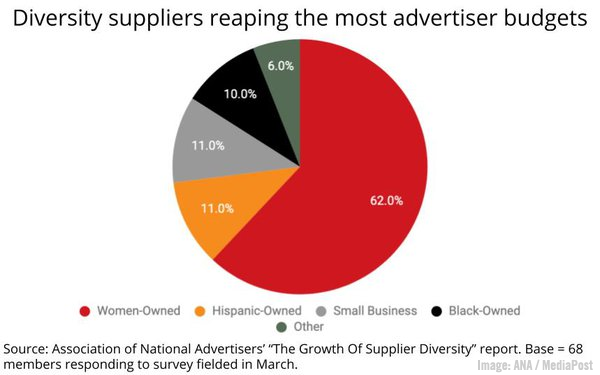
The Association of National Advertisers (ANA) most recently report on diversity in advertising revealed that black-owned suppliers were the minority, with a 10 percent figure that came in slightly less than the 11 percent Hispanic-owned figure, while 62 percent were women-owned, according to the association’s ad budget survey data. MediaPost
ON THE LIGHTER SIDE:
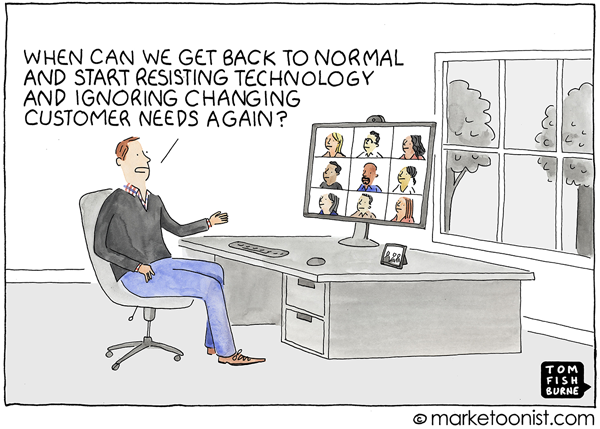
A lighthearted look at the “back to normal” by Marketoonist Tom Fishburne — Marketoonist
How the Commodore Amiga Powered Your Cable System in the ’90s — Hard Drive
TOPRANK MARKETING & CLIENTS IN THE NEWS:
- SAP — Influencer Marketing and Building Customer Relationships: Ursula Ringham on Marketing Smarts [Podcast] — MarketingProfs
- Lee Odden — Pubcon Florida Social Influencer and Neuromarketing Workshop — Pubcon
- LinkedIn — AdExchanger Talks: The Lowdown On LinkedIn Marketing Solutions With Product VP Gyanda Sachdeva — AdExchanger
- Lee Odden — Marketing in unsicheren Zeiten [In German] — LinkedIn (client)
Have you uncovered your own most important B2B marketing article from the past week of industry news? Please drop us a line in the comments below.
Thanks for taking the time to join us for the TopRank Marketing B2B marketing news, and we hope you’ll return again next Friday for more of the week’s most relevant B2B and digital marketing industry news. In the meantime, you can follow us at @toprank on Twitter for even more timely daily news.
The post B2B Marketing News: Key Remote Team Motivators, Google’s New Marketing Features, & Twitter’s New Blue Subscription Service appeared first on B2B Marketing Blog – TopRank®.

Podcast del Disinformatico RSI di oggi (2021/06/04) pronto da scaricare

È disponibile il podcast di oggi de Il Disinformatico della Rete Tre della Radiotelevisione Svizzera, condotto da me insieme a Tiki. Questi sono gli argomenti trattati, con i link ai rispettivi articoli di approfondimento:
- “Muore a 84 anni Carla Frozi, ballerina espressa italiana”: un perfetto esempio di sham news
- Guida a TikTok per genitori, in italiano
- WhatsApp cambia idea di nuovo
- Trading online fasullo, illusione completa
Il podcast di oggi, insieme a quelli delle puntate precedenti, è a vostra disposizione presso www.rsi.ch/ildisinformatico (link diretto) ed è ascoltabile anche tramite feed RSS, iTunes, Google Podcasts e Spotify.
Buon ascolto!

WhatsApp, presto si potrà condividere un account su più dispositivi

WEEDCOIN lancia un Utility token insieme a CAD SOCIALE
Fintech Italiana:Accordo WEEDCOIN-CAD SOCIALE INTERNATIONAL La CBD-therapy per malattie come la sclerosi multipla, la SLA e il morbo di Parkinson e diverse altre patologie è fondamentale. Ecco perché nasce questo…
L’articolo WEEDCOIN lancia un Utility token insieme a CAD SOCIALE scritto da Paolo Brambilla proviene da Assodigitale.
A Matter of Impact: May updates from Google.org
While many countries appear to be rounding the corner on COVID-19, our global humanitarian crisis is far from over. India, Brazil, and other regions of Latin America are experiencing high levels of COVID-19 infections and deaths, propelled in part by inequities in vaccine distribution and healthcare infrastructure. In this month’s digest we share updates on our relief efforts in India and Latin America, as well as other projects happening around the world.
Lately, friends and family have asked me how they can most effectively contribute to global COVID-19 relief. In the short run, all generosity is needed and quickly getting resources to those who are affected should be the top priority. That’s why we’ve made it easyto donate vaccines and critical supplies through vetted charities. But recovery is a long process, so at Google.org we think about crisis response in three phases:
- Responding to the immediate need. In this case, providing critical supplies — like rapid testing, protective equipment, and oxygen — to bend the COVID-19 curve.
- Addressing the inevitable knock-on effects to family incomes that come from loss of life and work. Through our grantees, we’re directing support to cash assistance organizations, food relief, and other resources that help families stay afloat.
- Supporting recovery and resilience. Crisis relief doesn’t stop when the headlines quiet down. When attention turns away, local organizations are often left struggling to rebuild and prepare for the next crisis. We’re focused on investing in technologies, like data monitoring about the disease spread, that will help organizations to react to this crisis and improve readiness for the next one.
We’ve still got a ways to go, but the global outpouring of support makes me optimistic that recovery and renewal lies near ahead.
In case you missed it
On May 26, Google.org and the Satcher Health Leadership Institute at the Morehouse School of Medicine announced the launch of the Health Equity Tracker (HET), a public facing data dashboard that displays and contextualizes health disparities facing communities of color throughout the U.S. Google.org also joined celebrations for Teacher’s Appreciation week. We continued our support for the DonorsChoose #ISeeMe campaign and matched donations up to $500,000 for projects created by teachers of color and projects from all teachers requesting culturally responsive and antiracist resources.
Hear from one of our grantees: DonorsChoose
Lo smartphone consiglia il dentifricio della mamma. Per quelli che pensano che il telefonino li ascolti: no, non ne ha bisogno

Newsweek ha segnalato un thread diventato virale su Twitter che spiega benissimo il reale potere dei sistemi di tracciamento pubblicitario e ribadisce il concetto che la paura diffusa che gli smartphone ascoltino le nostre conversazioni per proporci i prodotti di cui parliamo è infondata per una ragione molto semplice: non hanno bisogno di farlo perché hanno già tutto quello che serve, e glielo abbiamo fornito noi.
Il thread è stato pubblicato da Robert G. Reeve, che lavora nel settore della tecnologia informatica relativa alla privacy e conosce da vicino la questione.
In sintesi: Reeve è stato a casa di sua madre per una settimana, e si è visto comparire sul telefonino la pubblicità del dentifricio usato da lei e che ha usato anche lui. Non hanno mai parlato del dentifricio in questione. Allora come fa lo smartphone a proporglielo?
Oltre a raccogliere sistematicamente dati come la geolocalizzazione, l’uso delle tessere fedeltà, le prenotazioni e gli acquisti, le applicazioni installate sui telefonini usano la geolocalizzazione correlata: prendono nota di chi si trova regolarmente nelle sue vicinanze e ricostruiscono così la rete dei suoi contatti (amici, colleghi, famiglia).
I pubblicitari usano questa correlazione per mostrargli pubblicità basate sugli interessi di chi gli sta intorno. Cose che non vuole, ma che qualcuno dei suoi contatti potrebbe volere. Lo scopo, dice Reeve, è istigare subliminalmente a parlare di quel prodotto (nel suo caso, il dentifricio). “Non ha mai avuto bisogno di ascoltarmi per farlo. Sta semplicemente confrontando metadati aggregati”.
Reeve conclude notando che questi fatti tecnici sono noti e pubblicati da tempo, ma non indignano nessuno. Tantissime persone hanno rinunciato alla propria privacy. “Conoscono il dentifricio usato da mia madre. Sanno che ero da mia madre. Sanno che io sono su Twitter. Ora ricevo pubblicità su Twitter per il dentifricio di mia madre. I tuoi dati non riguardano soltanto te: riguardano anche il fatto che possono essere usati contro tutte le persone che conosci e anche quelle che non conosci, per plasmare inconsciamente i comportamenti”.
Reeve conclude segnalando gli ultimi aggiornamenti di Apple, che consentono di bloccare buona parte di questo tipo di tracciamento. “Se non altro, rendiamoglielo difficile”, conclude.
Questo è il thread completo originale:
I’m back from a week at my mom’s house and now I’m getting ads for her toothpaste brand, the brand I’ve been putting in my mouth for a week. We never talked about this brand or googled it or anything like that. As a privacy tech worker, let me explain why this is happening.
First of all, your social media apps are not listening to you. This is a conspiracy theory. It’s been debunked over and over again. But frankly they don’t need to because everything else you give them unthinkingly is way cheaper and way more powerful.
Your apps collect a ton of data from your phone. Your unique device ID. Your location. Your demographics. Weknowdis. Data aggregators pay to pull in data from EVERYWHERE. When I use my discount card at the grocery store? Every purchase? That’s a dataset for sale.
They can match my Harris Teeter purchases to my Twitter account because I gave both those companies my email address and phone number and I agreed to all that data-sharing when I accepted those terms of service and the privacy policy.
Here’s where it gets truly nuts, though. If my phone is regularly in the same GPS location as another phone, they take note of that. They start reconstructing the web of people I’m in regular contact with.
The advertisers can cross-reference my interests and browsing history and purchase history to those around me. It starts showing ME different ads based on the people AROUND me. Family. Friends. Coworkers.
It will serve me ads for things I DON’T WANT, but it knows someone I’m in regular contact with might want. To subliminally get me to start a conversation about, I don’t know, fucking toothpaste. It never needed to listen to me for this. It’s just comparing aggregated metadata.
The other thing is, this is just out there in the open. Tons of people report on this. It’s just, nobody cares. We have decided our privacy just isn’t worth it. It’s a losing battle. We’ve already given away too much of ourselves [link a due articoli che ne parlano].
So. They know my mom’s toothpaste. They know I was at my mom’s. They know my Twitter. Now I get Twitter ads for mom’s toothpaste. Your data isn’t just about you. It’s about how it can be used against every person you know, and people you don’t. To shape behavior unconsciously.
Apple’s latest updates let you block apps’ tracking and Facebook is MAD. They’re BEGGING you to just press accept and go back to business as usual. Block the fuck out of every app’s ads. It’s not just about you: your data reshapes the internet [link ad articolo sull’argomento].
The internet is never going to be the wacky place it was when I had a Livejournal and people shared protean gifs in the form of YTMNDs. Big business has come to suck the joy (and your dollars) out of it. At least make it hard for them.
Questo articolo vi arriva gratuitamente e senza pubblicità grazie alle donazioni dei lettori. Se vi è piaciuto, potete incoraggiarmi a scrivere ancora facendo una donazione anche voi, tramite Paypal (paypal.me/disinformatico) o altri metodi.