
Huawei rischia di fallire a causa delle sanzioni contro la Russia?

Multipresa da scrivania, 6 prese (ITA/Schuko)+2 porte USB, IMPERDIBILE

Agcm, chieste informazioni alle compagnie petrolifere sui prezzi dei carburanti

Migliori giochi Nintendo nelle Offerte di Primavera Amazon

Migliori giochi Xbox nelle Offerte di Primavera Amazon

Migliori giochi PS4 e PS5 nelle Offerte di Primavera Amazon
Finding more focus this Ramadan
Ramadan is one of the most special times of the year. For me, it has always been about extended family (a lot of them!) and food (my favorite being the dates that would be at the table for breaking iftar — I loved starting with something we’d normally have as dessert). I’ve always found that one of the most important things about Ramadan is that it’s a chance to focus on the things that matter, and this year Google is making it easier to find prayer times, greetings and even that multicooker that will help those who observe prepare iftar. Here’s a glimpse at what you can expect from us this year.
- Easier access to useful and reliable Ramadan information on Search
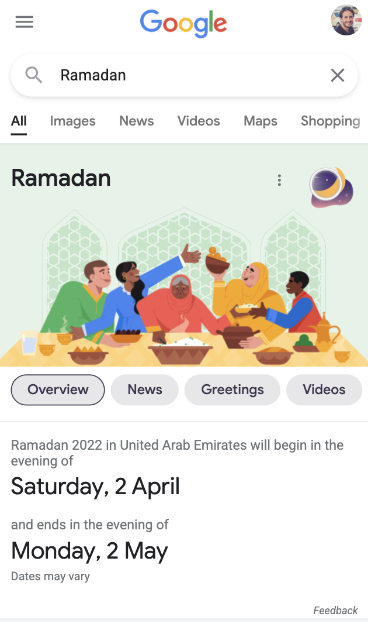
Searches for Ramadan-related queries have grown by 25% over the past two years, and we’ve made it easier to find everything you’re looking for in one place. Simply search for “Ramadan” and you’ll find a dedicated section spanning prayer times
If you’d like a “101” experience of moonsighting, look out for our interactive game on Google where you can search for the crescent to know if Ramadan has started or not. You may find a few other surprises along the way, too! (Can you spot the astronaut?)
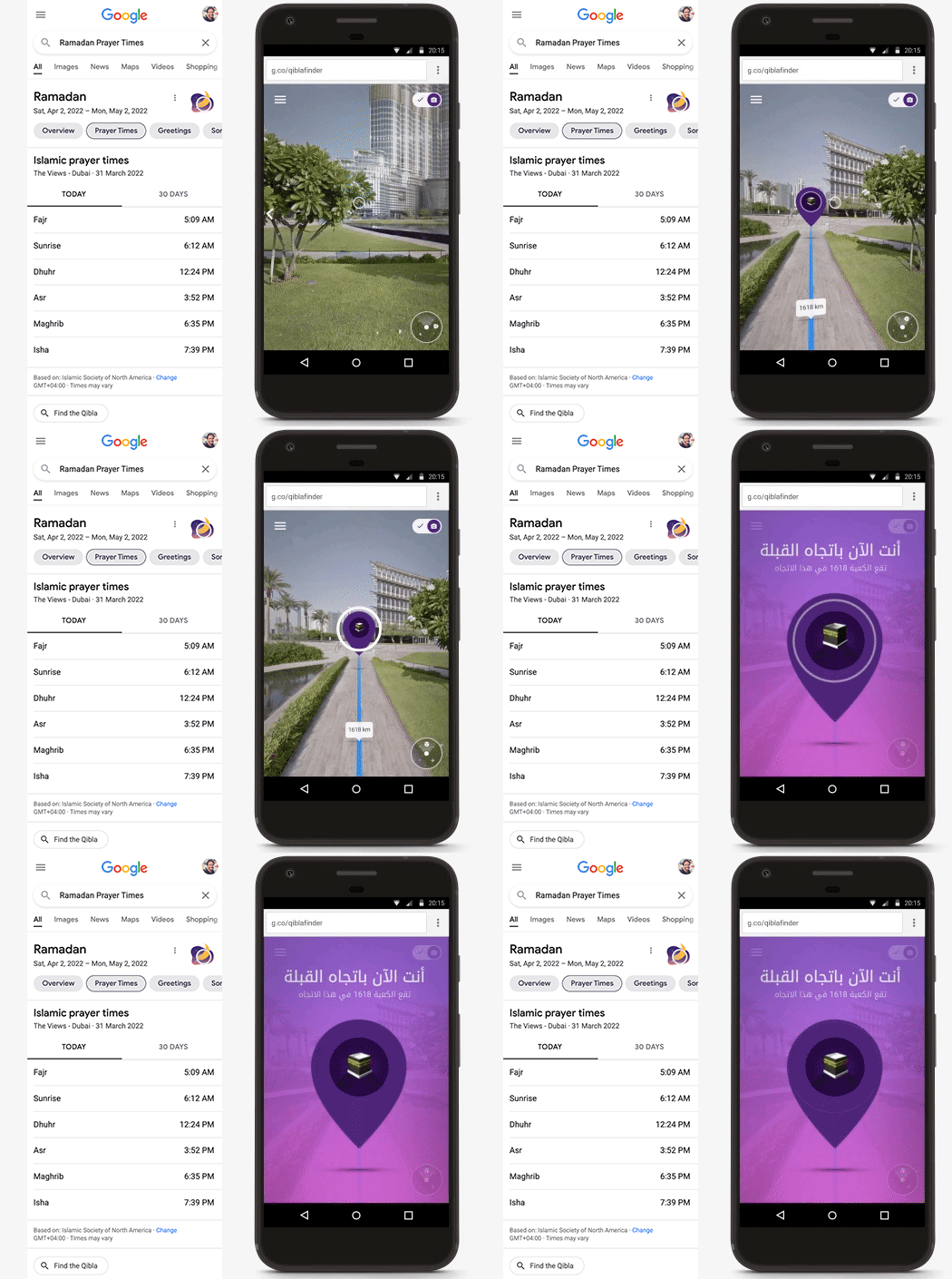
2. Find the Qibla & Iftar timings wherever you are
A big part of Ramadan is managing your time, and that means checking prayer times and finding the Qibla (direction of prayer). You can easily find prayer times
3. Browse through the Ramadan Shopping Guide for inspiration
We’ve found that shoppers start planning up to 8 weeks ahead of Ramadan, with a 50% increase in interest around cooking fryers and 160% increase in Ramadan decorations. Whatever you’re looking for, the Ramadan Shopping Guide will help you explore the top trending Ramadan products and browse product options.

4. Embrace your inner artist with Ramadan-related artworks
We’re also bringing our interactive digital Ramadan Coloring Book from Google Arts & Culture to more countries, including Indonesia, Turkey and India. It showcases a range of beautiful Islamic art, enabling anyone to add a personal touch to popular artwork or simply practice mindfulness through coloring. Select your favorite art from the platform and create your own interpretation of a masterpiece that you can easily share with friends and family.

We hope this Ramadan brings you and your loved ones joy — and that this year’s features from Google help you find the information you need to make the most of this special time of the year.

Un paio di chicche di Star Trek: Picard, seconda stagione (SPOILER)
Questo articolo contiene anticipazioni sugli avvenimenti della seconda stagione di Star Trek: Picard. Se non volete conoscerle, non leggete oltre. Non ci saranno ulteriori avvertimenti :-).
Nella quinta puntata Q mostra a… qualcuno un biglietto da visita sul quale c’è un numero di telefono:

Diversamente dai numeri usati abitualmente nei telefilm, che sono quasi sempre finti (iniziano col prefisso 555), questo corrisponde a un numero reale. Cosa succede se lo si chiama? Questo (ho provato personalmente, essendo oggi il primo d’aprile temevo si trattasse di una burla):
La voce inimitabile di John DeLancie (che interpreta Q) dice: “Hello! You have reached the Q Continuum. We are unable to get to the phone right now, because we are busy living in a plane of existence your feeble, mortal mind cannot possibly comprehend. Furthermore, it’s pointless to leave a message, because we of course already knew that you would call, and we simply do not care. Have a nice day.”
Sempre nella stessa puntata, a 1m46s, c’è un bel riferimento nascosto alle missioni Apollo (che verranno poi citate esplicitamente nel corso dell’episodio):

L’allarme 1202 è quello che storicamente, durante il primo allunaggio nel 1969, causò non poche preoccupazioni agli astronauti: indicava un sovraccarico del computer di bordo, causato da un eccesso di compiti da svolgere (executive overload), a sua volta provocato da un errore di impostazione degli strumenti di bordo. Il computer era progettato così bene che riuscì a risolvere il problema con una serie di riavvii istantanei senza perdere il controllo del veicolo di allunaggio. A Terra il Controllo Missione sapeva di questa cosa e disse agli astronauti di proseguire lo stesso la manovra di discesa. Trovate una spiegazione più dettagliata in italiano qui su Tranquillity Base.

Auricolari Bluetooth: a 16€ su Amazon dove tutto è possibile

Set mouse e tastiera WIRELESS: silenziosi, moderni, completi di tutto (17€)

Offerte di Primavera Amazon: si continua ALLA GRANDE con questo speaker

BMAX Y13 Notebook 2 in 1 Touchscreen e Convertible ad un prezzo SUPER su Amazon

Apple vuole espandere i suoi servizi per ridurre la dipendenza da terzi

Huawei Mate X3: certificato e pronto al lancio
