WhatsApp, come impedire di essere aggiunti ai gruppi?

Calcio: cosa è cambiato in serie A nel corso degli anni
Con il campionato di serie A 2021-2022 sono trascorsi precisamente vent’anni da quando la Roma vinceva il suo terzo scudetto. Un dato che in termini statistici ha un significato importante e speciale, dato che quella fu l’ultima volta che una squadra non appartenente all’asse Torino-Milano vinceva il titolo di campione d’Italia. Dal 2001-2002 fino a quest’anno compreso, lo scudetto è stato assegnato solo a tre squadre: Juventus, Inter e Milan. Naturalmente la parte più importante è toccata alla Juventus con undici titoli, a seguire l’Inter con sei successi e il Milan con tre vittorie. Un dato statistico che è la cartina tornasole rispetto a quello a cui abbiamo assistito in questi anni.
Un dominio delle squadre del Nord, come del resto è sempre stato, ma senza alcuna sosta, nonostante Roma, Napoli e Lazio abbiano tentato più volte di conquistare il tricolore. Quest’anno il Napoli di Luciano Spalletti ha occupato per lungo tempo i piani alti della classifica, ma dopo la seconda metà del girone d’andata sono emerse Milan e Inter come squadre più forti del torneo. Un duello che è durato fino all’ultima giornata e che per certi versi ha dato la sensazione nostalgica di come venivano disputati i tornei più di 30 anni fa, quando la proclamazione della squadra campione d’Italia arrivava proprio nelle ultime giornate, dato che le formazioni si davano battaglia fino alla fine. In particolare questo si verificò proprio l’anno del secondo scudetto del Napoli, nel 1990, quando alla penultima giornata il Verona batteva il Milan di Sacchi mentre Maradona e compagni espugnavano il Dall’Ara di Bologna.
Al Napoli bastava un pareggio interno contro la Lazio, ma arrivò la vittoria grazie a una rete realizzata da Marco Baroni, oggi tecnico del Lecce. In una certa misura però il campionato di serie A e la sua competitività ha riacceso un’attenzione che mancava da tempo, non solo per merito di Milan, Inter, Napoli e Juventus, le prime quattro forze del campionato, ma anche grazie alle squadre di media e bassa classifica. Non capiva spesso infatti che una big del torneo venga fermata, addirittura in casa da chi sta lottando per non retrocedere. Quest’anno abbiamo assistito a uno spettacolo diverso che è indice di un ritrovato equilibrio tra le parti, dove anche le neopromosse, vedi lo Spezia, ma in generale ogni squadra può incidere sulla stagione con i tre punti a disposizione. Un aspetto che di fatto ha reso più coinvolgente e appassionante anche il discorso legato al betting, alle scommesse sportive.
Ogni gara, specialmente nel corso del girone di ritorno, ha avuto un significato e non era così scontato il risultato finale, visto che questa cosa è successa anche in partite come Empoli-Napoli, Genoa-Juventus e Roma-Venezia, con il Venezia già retrocesso che blocca la Roma di Mourinho in corsa per un piazzamento valido in Europa. Naturalmente i pronostici di queste partite erano a favore delle tre big coinvolte, con un risultato sorprendente che ha dato gioia a chi invece ha piazzato la scommessa sulla formazione data come sfavorita. Stava già accadendo da qualche tempo che una squadra di livello medio creasse grandi problemi a chi invece lottava per la Champions League o addirittura per il titolo.
Molti ricorderanno ad esempio le battute d’arresto del Napoli di Sarri contro il Chievo e contro una all’epoca modesta Fiorentina. Tuttavia quest’anno il divario tra il Milan e la Salernitana è apparso meno evidente, rispetto alle stagioni passate. Un segnale che qualcosa sta cambiando e che stiamo nuovamente assistendo a un campionato di serie A equilibrato e coeso, come non avveniva da qualche tempo. Ne trae sicuramente vantaggio lo spettacolo, il coefficiente di difficoltà e la capacità ridotta di indovinare una scommessa e un pronostico sportivo.
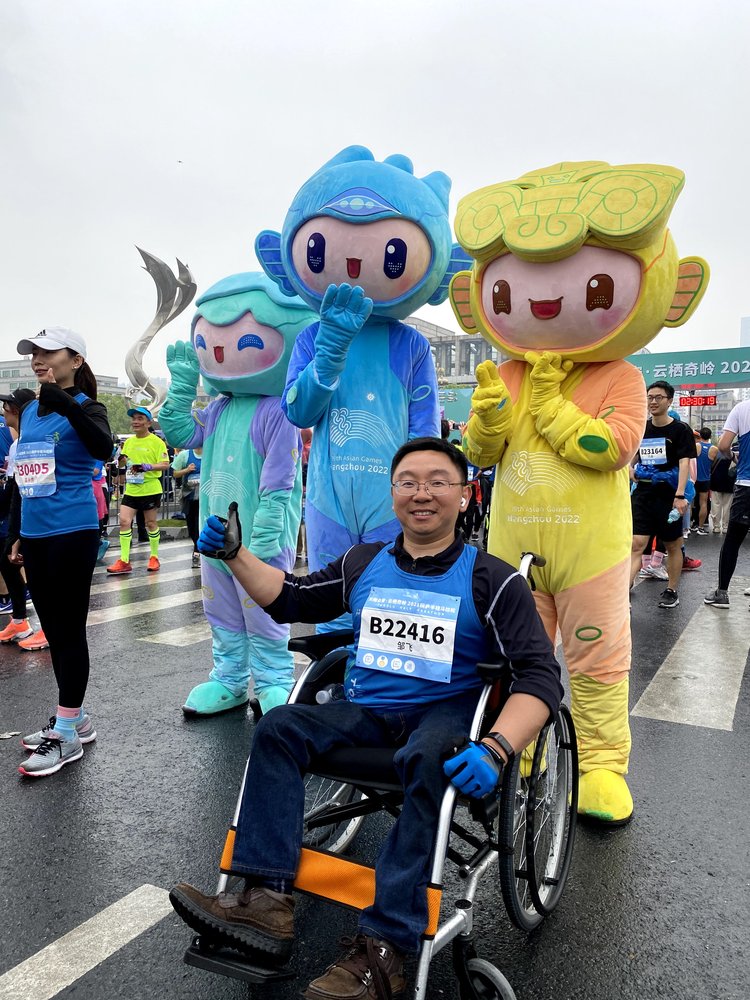
Fostering inclusive spaces through Disability Alliance
I was 2 when my parents discovered I had polio, which impacted my ability to stand and walk. Growing up in China, I still remember the challenges I faced when I wanted to go to college. Back then, all potential candidates had to pass a physical test, which posed a challenge. Knowing this, my parents, my teachers and even the local government advocated for me. Thanks to their support, I was granted an exception to attend college, where I graduated with a degree in computer science.
When I joined Google in Shanghai in 2011, the real estate team was working to open a new office space. I was part of the planning process to ensure we designed an inclusive workspace, especially for individuals with physical disabilities. When I discovered the desks at the office were too high, or if the meeting space was not designed wide enough for someone in a wheelchair to enter, I worked with the team to solve the problem. I also suggested building wheelchair-accessible restrooms when they were not available on the floor I was working on.
These experiences showed me everyone has the voice to drive change — including myself. I decided to co-lead our Disability Alliance (DA), one of Google’s resource groups in China, with other passionate Googlers. We wanted to create a space to help address challenges Googlers with disabilities face, and build allyship among the wider Google community. We also wanted to create a platform to increase awareness of different forms of disabilities. For example, some people don’t think about invisible disabilities, but it’s equally important to build awareness of disabilities you might not immediately see. I’m incredibly excited to see how we continue to grow our community in the coming year across China.
Having a disability doesn’t limit me, and I’ve been fortunate to be surrounded by people who value my abilities instead of my disability. Over the years, I’ve achieved my goals and dreams from leading an incredible team of 50 at Google, taking on physical activities such as skiing and marathons, and driving change for the broader disability community.
I was ready to compete in a marathon in China back in 2021
As we commemorate Global Accessibility Awareness Day, I also spoke to Sakiko, a fellow member of our Disability Alliance chapter in Japan, to learn more about what drives her, and why it’s important that we provide equal opportunities for all.
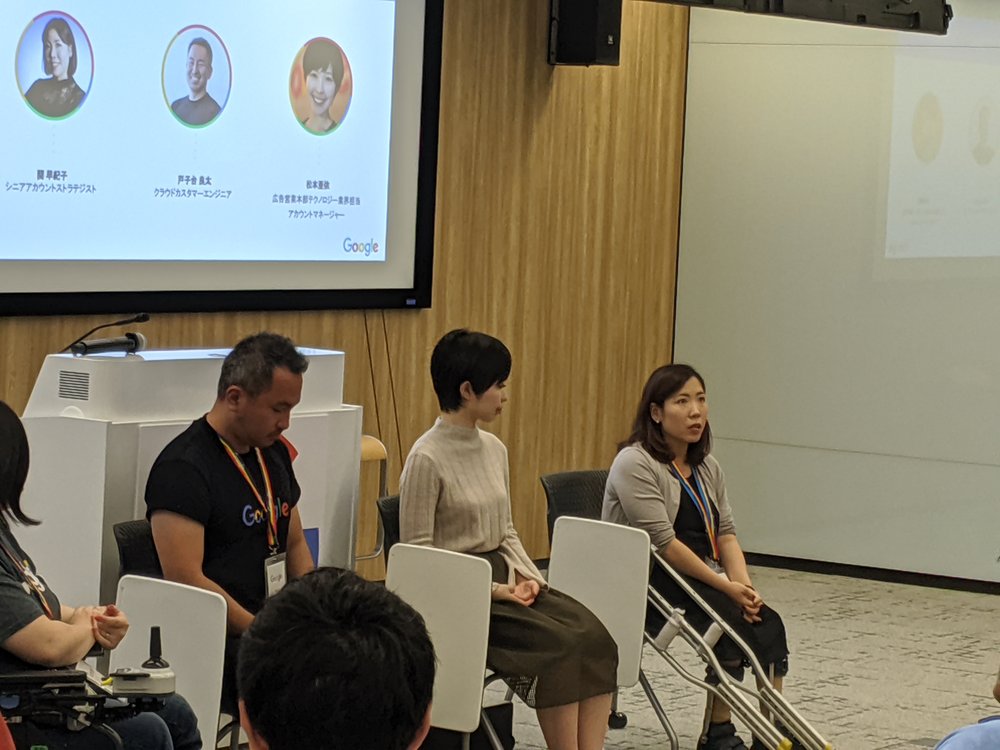
Sharing my personal experience at an external event. I’m seated at the extreme right in a gray sweater.
Tell us more about yourself. What keeps you going at Google after more than nine years?
I was born with spina bifida, and I move around with crutches. I’ve always wanted to work in sales, but when I was job hunting, I was turned down by several companies because of my disabilities. I knew I had the ability and knowledge to sell, and I enjoy interacting with people, so I didn’t give up. When I interviewed at Google, the interviewers focused on my potential and abilities, and not my disability. That surprised me, because I’ve never experienced that. I recalled asking one of my interviewers if my disability would impede this opportunity, but he said, “if you have the ability to sell, it shouldn’t stop you from doing that.” It was amazing and encouraging to hear that. I currently work in the Google Ads team and have experienced various roles. When my clients shared how grateful and thankful they are for my dedicated support, that really keeps me going.
What is a memorable experience you’ve had with the Disability Alliance?
I once hosted a workshop where we invited students with disabilities to have hands-on experience coding their own web application, giving them the confidence to pursue their interest in engineering. At the end of the event, several parents shared that they didn’t know their children had the potential to code and create applications all by themselves. I still remember this day vividly, because it demonstrates everyone has the chance to shine when they are given the right opportunities to learn and develop new skills.

Propongo un nuovo hashtag: #checcevoismo
Oggi mi è stato segnalato un tweet di Carlo Calenda che proponeva, per l’ennesima volta, l’obbligo di identificarsi presso i social network: “Unica soluzione l’obbligo di registrarsi con identità verificata! Basta ragazzini di 10 anni che si espongono, profili falsi/anonimi che insultano. La libertà è responsabilità. A questo ho dedicato un capitolo nel mio libro “la libertà che non libera” [link al suddetto libro su Amazon]”.
Ho provato pacatamente a rispiegare quali sono i problemi di questa proposta, ed è iniziata la fiera dei commentatori che pensavano di risolvere con un tweet problemi che hanno messo in crisi gli esperti e le menti migliori del settore. Per cui propongo di adottare un hashtag che riassuma concisamente questo comportamento: #checcevoismo.
Checcevoismo, s.m. Atteggiamento delle persone che credono che il lavoro altamente professionale e sofisticato di qualcun altro sia facile e che sarebbero in grado di farlo anche loro e pure meglio. Etim. Romanesco “che ce vo’”, “che ci vuole”, sarcasmo usato per affermare che un dato compito è ritenuto facile.
Credo di averlo coniato io l’anno scorso; non ne trovo altri usi precedenti online, ma potrei sbagliarmi.
Mental health resources you can count on
When you or someone you care for is going through a mental health situation, it can feel isolating, overwhelming and distressing. To get through those moments, access to the right resources can make all the difference.
Anxiety and depression increased by 25% across the globe during the first year of the COVID-19 pandemic, and hospitals and doctor groups recently called mental health a national emergency for adolescents. With these issues on the rise, searches for “mental health therapist” and “mental health help” reached record highs this year in the U.S.
Against the backdrop of the global pandemic, geopolitical crises and economic concerns also hit home for many Americans. To help support mental health challenges stemming from these issues, our goal is to surface authoritative information you can trust, create access to helpful resources you need in the moment and show empathy for everyone facing mental health issues. So in recognition of Mental Health Awareness Month in the U.S., here are tools built to support you when you need it most.
Resources for those in crisis
We know that many people turn to Search to get actionable information during a personal crisis, whether it’s related to suicide, sexual assault, substance abuse or domestic violence. In the coming weeks, we’ll update Search to use our AI model MUM to automatically and more accurately detect personal crisis searches in order to show you the most relevant information when you need it.
We’ve also made it easier to access clinically-validated mental health self-assessments from Search for conditions such as depression, anxiety, postpartum depression and post-traumatic stress disorder (PTSD). These self-assessments, frequently used by medical professionals, are meant to help people understand how their self-reported symptoms might map to known mental health conditions.
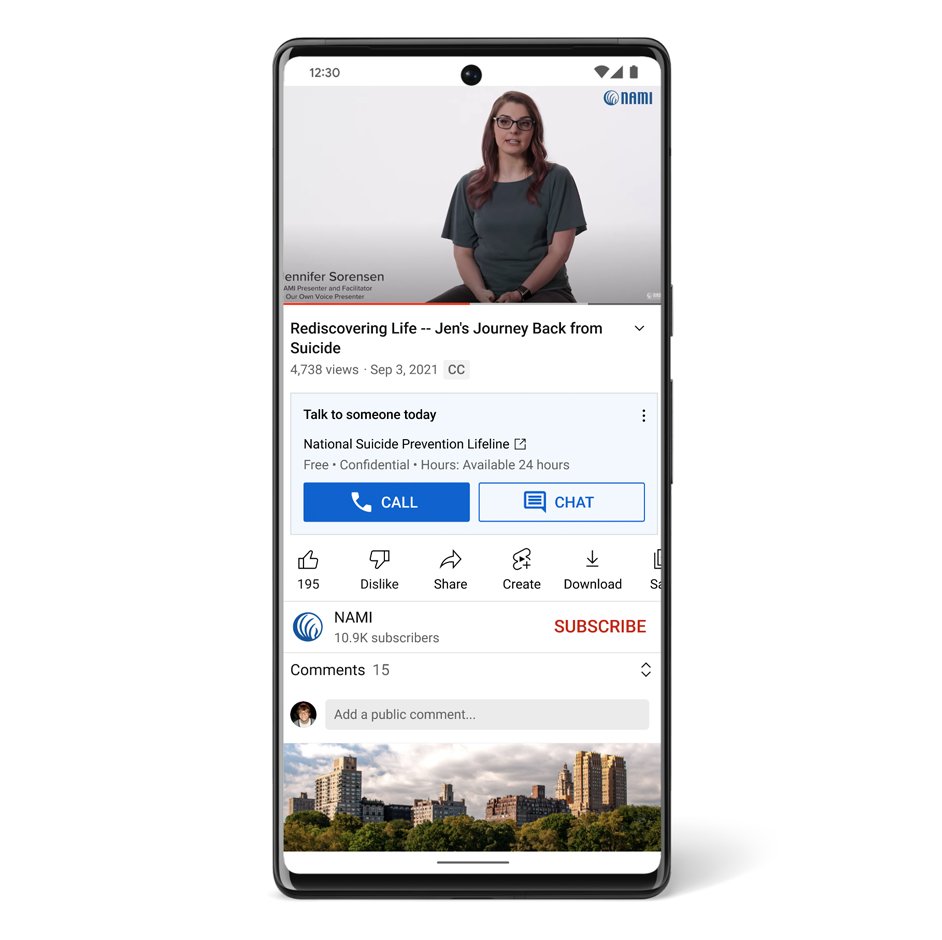
On YouTube, updates to our crisis response panels better connect you with timely and important resources. For years, YouTube has shown crisis resource panels on certain search queries to connect people with local organizations that can help them through a moment of critical need. Now, crisis resource panels appear on the Watch Page and in search results. The number of topics that display crisis resources in YouTube search results has also expanded to include issues like depression, sexual assault and substance abuse.
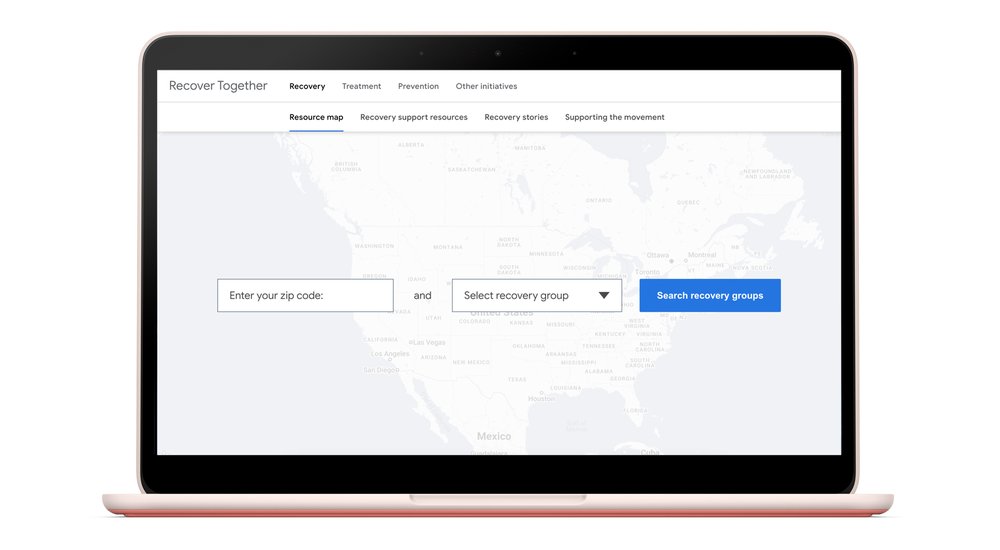
In the past month, searches for “local drug rehab centers near me” reached an all-time high in the U.S. As part of our ongoing commitment to help people find useful and accurate information related to addiction and recovery and to support the newly instituted Fentanyl Awareness Day, our Recover Together resource has a new section. Here you can find more information about the prevalence of fentanyl in illegally-made pills and the importance of naloxone, a legal drug that can reverse overdose from opioids like fentanyl, heroin, morphine and oxycodone.
Building empathy and reducing stigma
Sharing stories about mental health can normalize the issue and reduce stigmas that deter people from getting help. Working with the National Alliance on Mental Illness, YouTube created a guide for creators with tips on how to speak from personal experience, work with experts and use inclusive language.
To listen to supportive community stories and helpful information on mental health, you can watch videos in this playlist on YouTube. For younger audiences, the YouTube Kids app features mental health content on expressing emotions and building coping skills through music, art and more. For more on what YouTube is doing when it comes to mental health, check out this blog.
Personal moments of managing stress
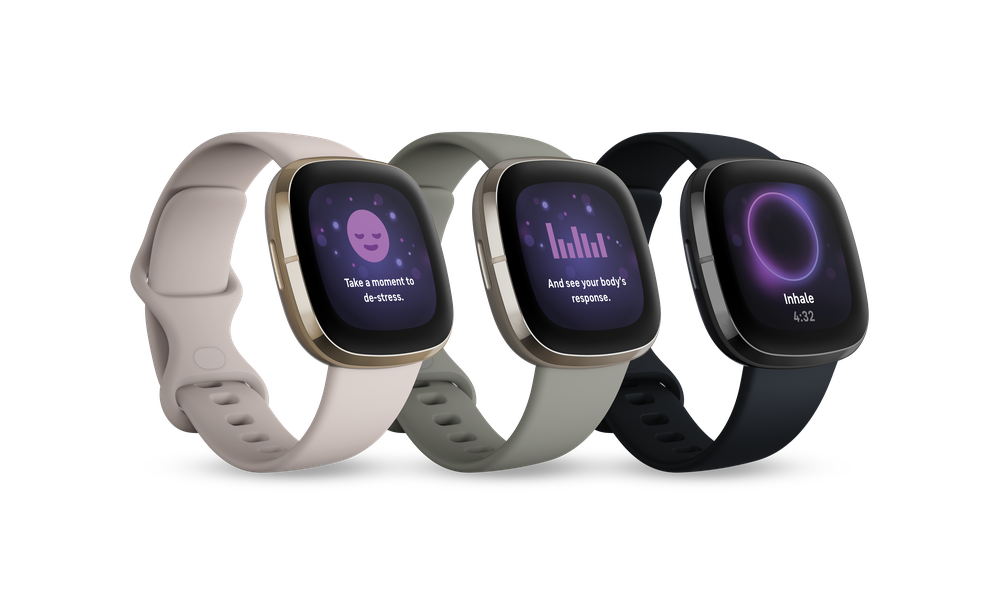
In moments when you need a hand managing your stress levels, Fitbit can help. SelectFitbit devices include a Relax app for deep breathing or an EDA (electrodermal activity) sensor so you can better understand how your body responds to stress — which is especially important as we all cope with the stress of the pandemic. From there, you can take steps to adjust your activity levels, improve your sleep or practice mindfulness to help manage the impact on your wellbeing.
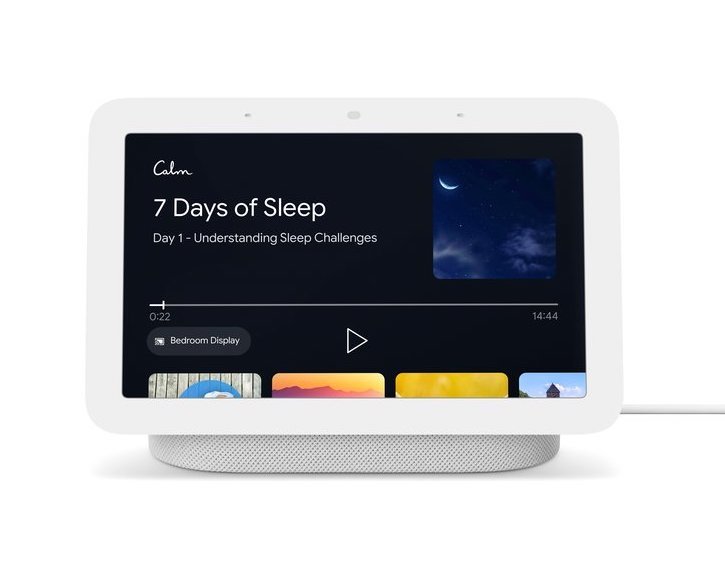
Over the past year in the U.S., searches for “5 minute meditation for anxiety” more than doubled. Using Google Assistant, you can find and play meditations from Calm on your Google Nest display to help relax during the day or fall asleep at night. Just say, “Hey Google, show me meditations from Calm” or “Hey Google, start a meditation.”
Contributing to community wellbeing
Beyond providing resources to people using our products, we’re also helping organizations and researchers that contribute to mental health.
Since 2019, we’ve provided $2.7 million and nearly 30 Google.org Fellows to help The Trevor Project use AI to support LGBTQ+ youth in crisis. Most recently, Trevor and a team of Fellows built the AI-powered Crisis Contact Simulator (CCS) that lets volunteer trainees practice realistic conversations with digital youth personas. The Trevor Project recently introduced a new persona to expand their counselor training.
Ask for help when you need it
It is always okay to ask for help — whether that’s going to Google or YouTube with questions you’re not comfortable asking anyone else or opening up to your friends and family or connecting with experts who can help you through the difficult moments. We need to support each other however we can.

This Googler hopes his team is one day obsolete
I first met Keawe Block a few years ago, and something he said has stuck with me ever since: “In an ideal world, my team wouldn’t exist.” Keawe, who works remotely in Washington state, is the head of all diversity tech recruiting efforts across North America — his team is dedicated to building a more equitable and representative Google.
His team has made major strides over the years, but we know there’s always more to be done. I recently had the chance to catch up with Keawe to learn more about his team’s approach to finding talent and creating community, every day and especially this May — Asian Pacific American Heritage Month.
How did your team start?
Our team started around 10 years ago out of a desire to put an emphasis on building a more representative pipeline for Google. It came out of a need. We didn’t look like the communities that use these products. Our team works to challenge bias within our interview process, to influence systems and process changes to increase equity, and to advocate for candidates that come from historically underrepresented groups
Why motivates you to show up every day?
This work is more than a passion for me — it’s personal. My motivation consists of two parts: First is leading and developing my team by helping them grow and expand their impact, and second is effectively changing the landscape of Google and tech by building a more representative workforce.
These both have immediate and long-term effects. Google has helped create a life for myself and my family that I didn’t think was possible. If I can use my platform to walk others through that path, that’s a win that can potentially have generational impact.
What would you like to see your team work on next?
Over the years the emphasis on diversity, equity and inclusion have expanded across Google and become a part of everyone’s job. More specifically, every recruiter plays a part in building inclusive pipelines and making Google more representative. We intend to educate and share what we’ve learned to the point where our work is no longer needed, because it is embedded in everything everyone does.

Beelink U59: mini PC potente e versatile ad un prezzo incredibile su Amazon

Il tablet migliore? Ha quasi 100 euro di sconto ora su Amazon
Stepsize: un issue tracker per i problemi di codice
Soluzione FRESCA ed economica: il mini ventilatore USB che ti salva

ROG Strix SCAR 17 SE e ROG Flow X16: ASUS annuncia due notebook gaming top
App Store, Ok ai rinnovi abbonamenti automatici anche se aumentano i prezzi

Smart Plug Compatibile con Alexa e Google Home ad un prezzo FOLLE su Amazon

Wi-Fi SFONDA muri con il ripetitore FRITZ!: ora a 39€