
The history of the Pride flag
On June 4th 2021, a piece of LGBTQIA+ history that we thought was long lost resurfaced: the original rainbow pride flag that was first raised on June 25, 1978 in San Francisco’s United Nations Plaza. The Gilbert Baker Foundation uncovered this priceless artifact in 2019 and donated it to the GLBT Historical Society of San Francisco to make it accessible to all. Today, 43 years after the flag was first raised, we are partnering with Google Arts & Culture – along with 12 other cultural institutions – to make stories about this iconic rainbow flag available to anyone, anywhere in the world.
As part of the “Beyond the Rainbow” hub, everyone can dive back into the history of the LGBTQIA+ movement through the colors of the iconic Pride flag whose design and many iterations led it to become a symbol that would represent the full spectrum of the LGBTQIA+ community and carry the memory of the fights for LGBTQIA+ rights and a better representation of all the LGBTQIA+ identities around the world, until today.
You will learn how, created in 1978 by Gilbert Baker with a team of artists under the impulsion ofHarvey Milk’s iconic speech, the original flag displayed 8 colors and for each, a specific meaning. For example Red represents Life, Orange means Healing, and Pink represents Sex.
Queer British writer, Jake Hall, author of “The Art of Drag,” will further explain each detail you need to know about thedifferent Pride flags and the communities they represent – including the Bisexual Pride flag and Trans Pride flag, while the artist Rigel Gemini’ shares his reflection about what it means to be a non-binary mixed artist in the music industry.
We at the GLBT Historical Society hope that these online resources will help everyone in the world better understand the historical significance of the rainbow flag and feel welcome to see it in real life within our walls in San Francisco!
Want to learn more? Visit g.co/beyondtherainbow, or download Google Arts & Culture’s Android or iOS app. Happy Pride to everyone!

Libertà, dati e violazioni: l’importanza della figura del Garante
YouTube compra una location a Inglewood per eventi dal vivo

Further measures to help fight financial fraud in the UK
As part of ongoing cross-industry efforts to help tackle the issue of financial fraud, we recently announced that we were the first major technology firm to join Stop Scams UK. We also pledged $5 million in advertising credits to support public awareness campaigns in the UK, helping to ensure that consumers are better informed about how to spot the tactics of scammers both online and offline.
Today, we are announcing a significant additional measure to protect users and legitimate advertisers, and help prevent scammers exploiting our platforms. The Google Ads Financial Products and Services policy will be updated from 30th August to introduce new certification requirements for financial services advertisers targeting the UK.
Financial services advertisers will be required to demonstrate that they are authorised by the UK Financial Conduct Authority or qualify for one of the limited exemptions described in the UK Financial Services verification page. This new update builds on significant work in partnership with the FCA over the last 18 months to help tackle this issue.
Today’s announcement reflects significant progress in delivering a safer experience for users, publishers and advertisers. While we understand that this policy update will impact a range of advertisers in the financial services space, our utmost priority is to keep users safe on our platforms — particularly in an area so disproportionately targeted by fraudsters.
Here’s what you need to know about the policy update:
- The policy will be updated on August 30, 2021, and enforcement will begin seven days later, on September 6, 2021.
- Advertisers must successfully complete the updated verification process by the time enforcement begins in order to show financial services ads to UK users. This will include showing ads to UK users who appear to be seeking financial services.
- As part of the verification process, advertisers must demonstrate that they are authorised by the UK Financial Conduct Authority or qualify for one of the limited exemptions described in the UK Financial Services verification page.
- This requirement covers financial services products both regulated by and not regulated by the UK Financial Conduct Authority.
This new policy update is only the latest step in our commitment to tackling online financial crime in the UK. Our teams continue to use a mixture of machine learning and human review to analyse user experiences and take action.
For the last 18 months, we have worked with the FCA to receive notifications when additions are made to the FCA warning list. Based on feedback from the FCA, we have also updated policies, such as our unreliable claims policy. This update restricted the rates of return a firm can advertise and banned the use of terms that make unrealistic promises of large financial return with minimal risk, effort or investment.
Globally, we have also introduced new advertiser identity verification which requires advertisers to submit personal legal identification, business incorporation documents or other information that proves who they are and the country in which they operate.
We are committed to adapting and collaborating with industry and government organisations to lead on necessary changes to help fight evolving tactics by scammers.
Cause and effect: The outlook for American news media
The outlook for American news journalism has significantly shifted over the years. To shed light on what caused this shift, my team at Accenture recently completed an analysis of newspaper revenues over two decades. And while some suggest that tech companies like Google have taken the ad revenue from news publishers, our analysis reveals a more complex story.
Smartphones and high-speed broadband brought the wonders of the internet to our fingertips. With technological advances have come tremendous volumes of content from around the world — academic sources, specialist and topic-specific news and other content — offering consumers choice about how, where and in what format they access content.
This availability of digital news and other content has fragmented audiences and, in turn, advertiser revenue and balance sheets shrunk. Thousands of American journalists have been laid off, and the industry has consolidated as publishers cut costs.
Now, with a growing debate about how tomorrow’s news industry should be shaped, it’s important to consider how digitization brought change to the news business of today.
Americans are deepening their engagement with news
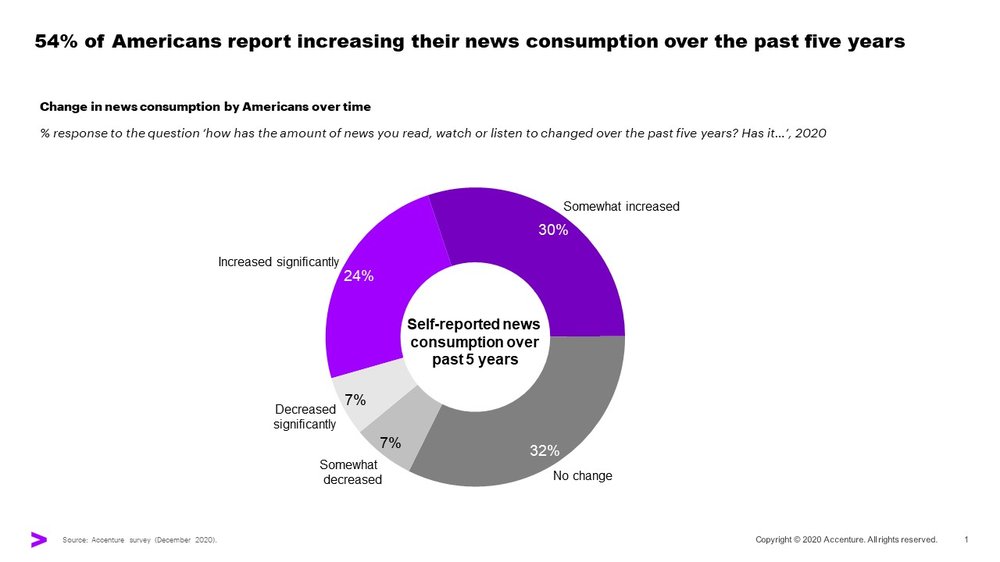
In our report, we found the underlying consumer demand for news is growing. A quarter of Americans report a significant increase in the amount of news they consume and more Americans are paying for news.

Doppio sconto su Honor Band 6 col coupon di 10 euro su Amazon
Nest’s commitments to privacy and security
Two years ago Nest shared our commitments to privacy to give you a better understanding of how our products work in your home. Today, we’re publishing new security commitments and putting it all in one place: Nest’s new Safety Center. The Safety Center is meant to give you a clear picture of the work we do each day to build trustworthy products and create a safer and more helpful home.
Our new security commitments include standards Google has long held as well as updates that are specific to Nest’s connected home devices and services. Finally, we want to acknowledge the way this technology is evolving — for example, our recent announcements on Matter and our work on Project Connected Home over IP ). That’s why we’ve updated a small section in our privacy commitments to better reflect our focus on openness. Here are the details:
- We will validate our Google Nest devices using an independent security standard. Google Nest connected smart home devices introduced in 2019 or later are now validated using third-party, industry-recognized security standards, like those developed by the Internet of Secure Things Alliance (ioXt). And we publish the validation results so you can see how our products hold up according to those standards. Before new products launch we’ll assess them against these standards to make sure they’re meeting or exceeding them.
- We invest in security research to keep raising our standards.Google Nest participates in the Google vulnerability reward program. This provides monetary rewards for security researchers outside of Google who test our products and tell the Nest Security team about any vulnerabilities they find. This helps the Nest Security team learn about and get ahead of vulnerabilities, keeping Nest devices in your home more secure for the long run.
- We help protect your account security as the first step in safety.Your Google Account is your way into your Nest devices, and we take account security seriously. That’s why we help keep your Google Account secure with tools and automatic protections like suspicious activity detection, Security Checkup and two-step verification.
- We issue critical bug fixes and patches for at least five years after launch. We work hard to respond to the ever-changing technology and security landscape by building many lines of defense, including providing automatic software security updates that address critical issues known to Google Nest.
- We use verified boot to protect your devices. All our devices introduced in 2019 and after use verified boot, which checks that the device is running the right software every time it restarts. This helps make sure that no one has access to your account or control of your devices without your permission.
- We give you visibility into which devices are connected to your account.All the devices that you’re signed into will show up in your Google Account device activity page. That way, you can make sure your account is connected only to the devices it should be.
A helpful home is a safe home, and Nest’s new safety center is part of making sure Nest products help take care of the people in your life and the world around you.

Come MUM ha migliorato la ricerca di informazioni sui vaccini su Google
Comprendere le ricerche di informazioni sui vaccini
| Come vengono mostrate le informazioni affidabili sui vaccini anti COVID-19 nella Ricerca Google |
Trasferire conoscenza attraverso le lingue
Migliorare la Ricerca Google con MUM
9 lessons from our 2021 commerce partner summit
What is the future of retail media? Earlier this month, Google hosted more than 100 leaders from nearly 50 global retailers to discuss how e-commerce platforms are transforming digital advertising. The two-day session featured inspiring talks from Google’s retail partners as well as industry experts from Forrester, Tinuiti, Merkle and eMarketer/Insider Intelligence. Here are nine of the most important lessons from the event:
1. Retail media has gone mainstream
Ad spend on e-commerce properties is expected to double over the next four years. Retail ad spend grew nearly 50% in 2020 and will reach more than $40 billion by 2024, per Nicole Perrin at eMarketer. It’s the fastest growing sector of the digital ad market, exceeding even connected TV.
2. Retail media benefits brands, merchants and consumers
Merchants can monetize their traffic and generate incremental income with minimal investment. Brands can sell more by reaching shoppers as they’re making purchase decisions. Consumers are exposed to relevant products without having to surrender more personal information. It’s a win-win-win, says Forrester’s Sucharita Kodali.
3. Post-pandemic e-commerce and ad spend will continue to grow
eMarketer projects that U.S. e-commerce sales in 2021 will grow 18% to $933 billion. By 2024, more than 20% of all retail sales will be transacted online. As retail sales increase, ad spending is expected to follow.
4. Retail media is grabbing a bigger slice of the marketing pie
Retail media started with search placements, such as Sponsored Products, but advertisers are starting to incorporate a full funnel experience, driving conversion, consideration and awareness through display ads. Marketing budgets initially earmarked for other purposes are shifting to paid media, bought programmatically, using data at scale to reach audiences and measure results.
5. Non-endemic budgets are becoming increasingly important
Non-endemic ads — ads run by brands whose products are not sold in the online stores in which they’re advertising — have been purchased by more than half of all CPG brands, according to Merkle. These advertisers are finding retail sites an effective way to reach potential customers, especially as third-party cookies are phased out. Even then, some retailers still must be convinced that accepting non-endemic ads is the right move, says Merkle SVP Janine Flaccavento.
6. Display and video formats can help build brand loyalty
Retail media networks’ display and video ad formats are growing faster than Sponsored Products, per eMarketer’s Nicole Perrin. Brand advertisers prefer these display formats because they can highlight multiple products, getting customers interested in more options and building loyalty.
7. First-party data activation is critical
As cookies are deprecated, first-party data becomes crucial to a brand’s ability to make meaningful connections with customers and drive measurable outcomes, notes Best Buy’s Director of Ad Platforms Strategy, Mark Heitke. Using ads driven by first-party data, Best Buy boosted conversion rates up to 45% and delivered a ten-times return on ad spend for the consumer electronics retailer.
8. Agencies play a vital role
Dealing with multiple retail media networks adds complexity for brands. Agencies can help manage that complexity, but they could benefit from tools that make it easier to execute across multiple networks.
9. Retailers need to take action
- Stop: Watching and waiting. If you’re a retailer not yet involved in this space, it’s time to offer brands options for formats and personalization.
- Start: Developing audience insights. Understand which insights might be interesting to particular brands, both endemic and non-endemic.
- Continue: Focusing on ad experiences that are a win for advertisers and consumers. Consumer attitudes towards ads on retailer sites tend to be more positive, especially when they are helpful and relevant. Make sure your ads are appropriately targeted.
The time for retailers to take action on retail media is now. To learn which considerations should be included in your strategy or to find out how Google can help power your retail media offering, download our Building a Retail Media Business with Google report.
How MUM improved Google Searches for vaccine information
Soda, pop; sweater, jumper; soccer, football. So many things go by different names. Sometimes it’s a function of language, but sometimes it’s a matter of cultural trends or nuance, or simply where you are in the world.
One very relevant example is COVID-19. As people everywhere searched for information, we had to learn to identify all the different phrases people used to refer to the novel coronavirus to make sure we surfaced high quality and timely information from trusted health authorities like the World Health Organization and Centers for Disease Control and Prevention. A year later, we’re encountering a similar challenge with vaccine names, only this time, we have a new tool to help: Multitask Unified Model (MUM).
Understanding searches for vaccine information
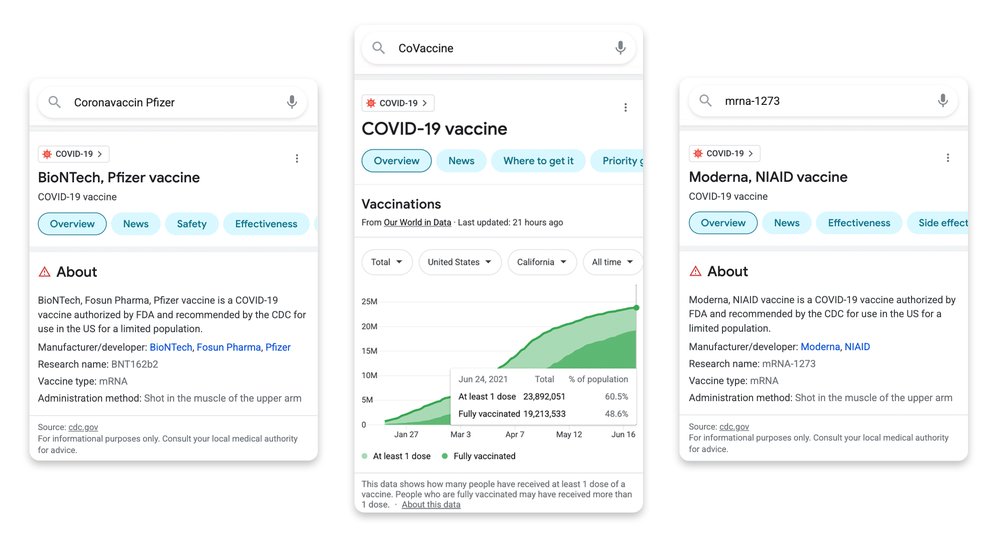
AstraZeneca, CoronaVac, Moderna, Pfizer, Sputnik and other broadly distributed vaccines all have many different names all over the world — over 800, based on our analysis. People searching for information about the vaccines may look for “Coronavaccin Pfizer,” “mRNA-1273,” “CoVaccine” — the list goes on.
Our ability to correctly identify all these names is critical to bringing people the latest trustworthy information about the vaccine. But identifying the different ways people refer to the vaccines all over the world is hugely time-intensive, taking hundreds of human hours.
With MUM, we were able to identify over 800 variations of vaccine names in more than 50 languages in a matter of seconds. After validating MUM’s findings, we applied them to Google Search so that people could find timely, high-quality information about COVID-19 vaccines worldwide.
Safer learning with Google for Education
When the Google for Education team designs products, we put the safety, security and privacy needs of our users first. This means keeping schools’ data safer with built-in security features that provide automated protection, compliance visibility and control, to ensure a private, safe and secure learning environment. We aim to support and protect the entire education community, and particularly teachers and students, so they can focus on what matters most: teaching and learning.
Everything we build is guided by three important principles:
-
Secure by default: Protecting your privacy starts with the world’s most advanced security. Even before you set up security controls for your school’s digital environment specific to your needs, our built-in security is automatically protecting you from threats, like ransomware.
-
Private by design: We uphold responsible data practices designed to respect your privacy. Our products can be used in compliance with the most rigorous data privacy standards, including FERPA, COPPA and GDPR. Google does not use data from Google Workspace for Education Core Services for advertising purposes, and users’ personal information is never sold.
-
You’re in control: You own your data in Core Workspace Services, which means that you retain full intellectual property rights over your customer data, and you control who can download it, and when. You can get real-time alerts so you can act immediately if an incident occurs, and customize the security dashboard to get reports on your security status at any time.
Introducing new features to provide more visibility and control
To help admins and teachers as they build safe digital learning environments, we’re adding additional features to provide more visibility and control. We are also updating ourprivacy notice to to make it easier for teachers, parents and students to understand what information we collect and why we collect it. Nothing is changing about how your information is processed. Rather, we’ve improved the way we describe our practices and privacy controls with a simpler structure and clearer language.
Tailor access based on age
We’re launching a new age-based access setting to make it easier for admins to tailor experiences for their users based on age when using Google services like YouTube, Photos and Maps. Starting today, all admins from primary and secondary institutions must indicate which of their users, such as their teachers and staff, are 18 and older using organizational units or groups in Admin Console. After September 1, 2021, students who are under 18 will see changes in their experience across Google products.
For example, after September 1, students designated as under 18 in K-12 domains can view YouTube content assigned by teachers, but they won’t be able to post videos, comment or live stream using their school Google account. Administrators should ensure that Google Takeout is turned on so that end users can download their data, like previously uploaded videos, using Google Takeout.
If admins don’t make a selection by September 1, primary and secondary institutions users will all default to the under-18 experience, while higher-education institutions users will default to the 18-and-older experience. These age-based settings are not locked and admins can always adjust them according to the age of their users.
New default experiences for Chrome users in K-12 institutions
Many schools already have policies in place for SafeSearch, SafeSites, Guest Mode and Incognito Mode, and we are updating their defaults to ensure a safer web browsing experience for K-12 institutions. Now, SafeSearch and SafeSites will be on by default, and Guest Mode and Incognito Mode will be off by default. Admins can still change each of these policies on Chrome OS for individual organization units, for example allowing the use of Guest Mode for users in their domain.
The Google for Education team is committed to creating tools and services that are secure by default and private by design, all the while giving you complete control over your environment.

Douglas Coupland fuses AI and art to inspire students
Have you ever noticed that the word art is embedded in the phrase artificial intelligence? Neither did we, but when the opportunity presented itself to explore how artificial intelligence (AI) inspires artistic expression — with the help of internationally renowned Canadian artist Douglas Coupland — the Google Research team jumped on it. This collaboration, with the support of Google Arts & Culture, culminated in a project called Slogans for the Class of 2030, which spotlights the experiences of the first generation of young people whose lives are fully intertwined with the existence of AI.
This collaboration was brought to life by first introducing Coupland’s written work to a machine learning language model. Machine learning is a form of AI that provides computer systems the ability to automatically learn from data. In this case, Google research scientists tuned a machine learning algorithm with Coupland’s 30-year body of written work — more than a million words — so it would familiarize itself with the author’s unique style of writing. From there, curated general-public social media posts on selected topics were added to teach the algorithm how to craft short-form, topical statements.
Once the algorithm was trained, the next step was to process and reassemble suggestions of text for Coupland to use as inspiration to create twenty-five Slogans for the Class of 2030.
“I would comb through ‘data dumps’ where characters from one novel were speaking with those in other novels in ways that they might actually do. It felt like I was encountering a parallel universe Doug,” Coupland says. “And from these outputs, the statements you see here in this project appeared like gems. Did I write them? Yes. No. Could they have existed without me? No.”
A common theme in Coupland’s work is the investigation of the human condition through the lens of pop culture. The focus on the class of 2030 was intentional. Coupland wanted to create works that would serve as inspiration for students in their early teens who will be graduating from universities in 2030. For those teens considering their future career paths, he hoped that this collaboration would trigger a broader conversation on the vast possibilities in the field and would acquaint them with the fact that AI does not have to be strictly scientific, it can be artful.
Unveiled today, all 25 thought-provoking and visually rich digital slogans are yours to experience on Google Arts & Culture alongside Coupland’s artistic statement and other behind-the-scenes material. This isn’t Douglas’ first collaboration with Google Arts & Culture; in 2019 Coupland’s Vancouver art exhibition was captured virtually. In 2015 and 2016, he joined theGoogle Arts & Culture Lab residency in Paris where he collaborated with engineers to develop many works including theSearch book andthe Living Internet.
In an effort to celebrate local talent and culture, multiple venues across Canada have signed on to project the slogans, for a limited time, on larger-than-life digital screens allowing curious minds to experience them in an immersive way. The screens include the Terry Fox Memorial Plaza at BC Place Stadium in Vancouver B. C., the TELUS Len Werry building in downtown Calgary, TELUS Harbour in downtown Toronto and select Pattison digital screens across Canada.
Technology has always played a role in creating new types of possibilities that inspire artists — from the sounds of distortion to the electronic sounds of synths for musicians for example. Today, advances in AI are opening up new possibilities for other forms of art and we look forward to seeing what the crossroads of art and technology bring to life.
Connecting people to food support in their community
The COVID-19 pandemic and the economic crisis that followed exacerbated hunger for millions of people. Feeding America estimates that the number of those without reliable access to a sufficient quantity of affordable food grew to 45 million people in 2020, including 15 million children. That equates to one in seven Americans and is a nearly 30% increase from 2019.
Connecting people to community food services
We know people are looking for ways to get help, including on Google Search. Over the past year, searches for “food bank near me”, “Supplemental Nutrition Assistance Program (SNAP)”, “food stamps application” and “school lunch pick up” reached record highs.
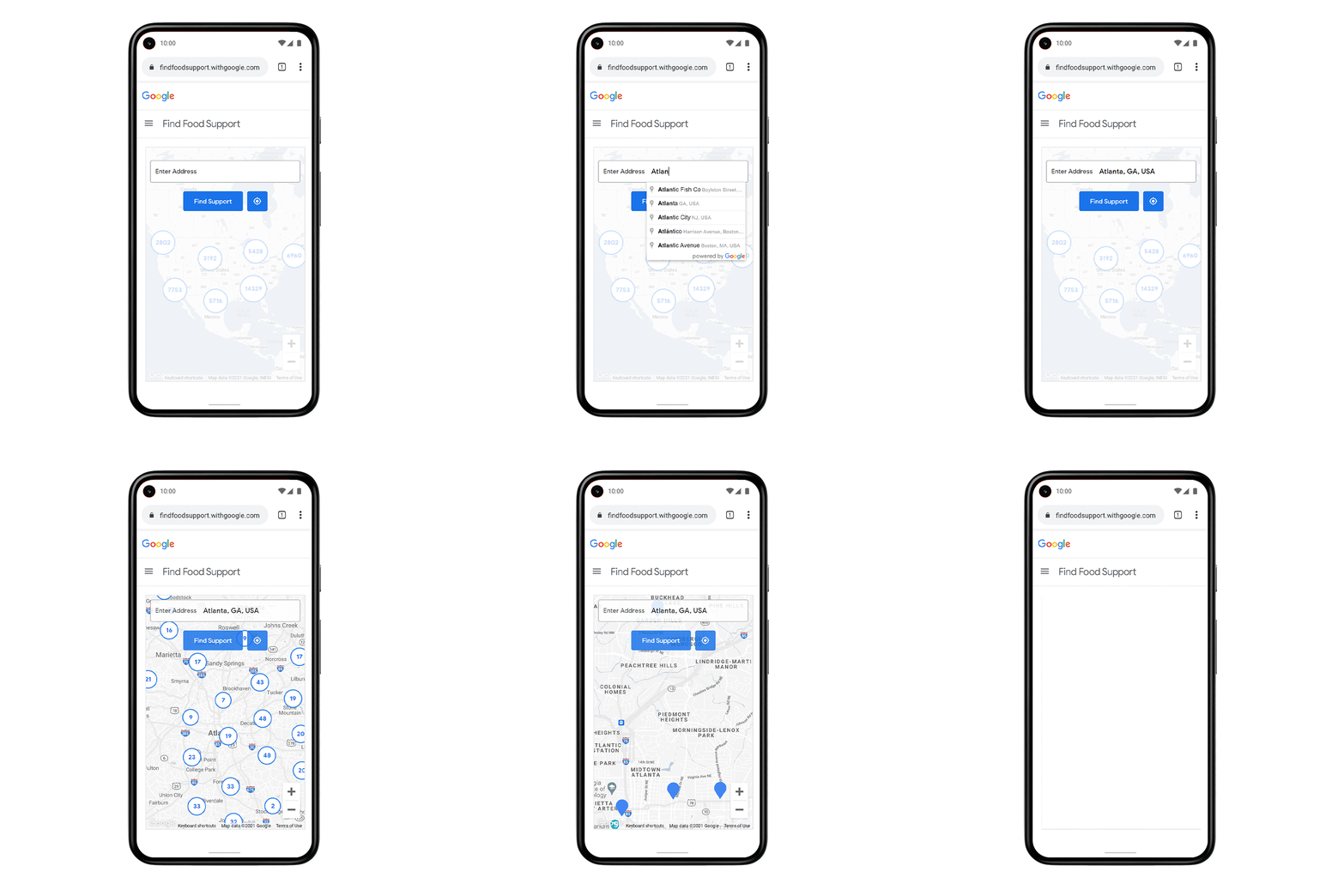
Starting today, you can find free food support all in one place on our new Find Food Support site. The site features a Google Maps locator tool to help you find the nearest food bank, food pantry or school lunch program pickup site in your community. We worked with No Kid Hungry, FoodFinder and the U.S. Department of Agriculture to capture 90,000 places with free food support across 50 states — with more locations to come.

MSI GP76 Leopard: tanta potenza con RTX 3070 e Core gen-11

I robot di Boston Dynamics ballano in gruppo. Siamo spacciati
La Boston Dynamics è stata acquisita dalla Hyundai. Questo è il nuovo video che mostra il meglio delle capacità di Spot, il robot quadrupede.
Se vi interessa sapere come è stato realizzato questo video, trovate la spiegazione qui in inglese: non ci sono trucchi digitali convenzionali, ma viene usata un’altra tecnica di cui ci dimentichiamo spesso: il montaggio selettivo. Splendido e impressionante comunque. Ringrazio @Rainmaker1973 per la segnalazione.