
Instagram lavora alla sua versione dei Super Follows di Twitter
Immagini strepitose e audio impeccabile con le soluzioni di Logitech per il business

UE, no all’uso della biometria per la videosorveglianza
Samsung presenta One UI Watch, OS basato su Android Wear

Google: basta AMP, largo ai Core Web Vitals

ENDOMETRIOSI: Grazie a Kiko prosegue il progetto per conoscerla e prevenirla
KIKOnonosce l’Endometriosi: un progetto per conoscere e prevenire. Dal 15 giugno in tutti i negozi KIKO dell’area metropolitana di Milano è in corso di svolgimento un’importante campagna di sensibilizzazione verso…
L’articolo ENDOMETRIOSI: Grazie a Kiko prosegue il progetto per conoscerla e prevenirla scritto da Paolo Brambilla proviene da Assodigitale.

Qualcuno sta cancellando i dati dai dischi My Book Live di Western Digital connessi a Internet. Scollegateli

Da alcuni giorni, chiunque abbia un disco rigido esterno My Book Live o My Book Live Duo della Western Digital sta sudando freddo. Qualcuno, non si sa bene chi, sta prendendo il controllo via Internet di questi dischi e li sta azzerando (facendo un factory reset da remoto).
Visto che questi dischi rigidi vengono usati per conservare grandi quantità di dati, per molti utenti il risultato è catastrofico: perdita di tutti i documenti digitali, di tutte le foto e i video di famiglia, di tutta la musica e altro ancora.
Fra gli utenti che stanno sudando freddo ci sono stato anch’io, visto che ho ancora un paio di questi dischi e li uso come archivi temporanei (circa 9 terabyte in tutto, spesso piuttosto pienotti).
Il consiglio di Western Digital è stato molto drastico: scollegare questi dischi da Internet. Punto. Si tratta infatti di dischi rigidi dotati di porta Ethernet al posto delle consuete porte USB, che si collegano alla rete locale e fanno da archivio condiviso per tutti i dispositivi presenti sulla rete. Possono essere configurati in modo da affacciarsi a Internet e quindi essere consultabili o gestiti via Internet, a patto di conoscerne la password di amministrazione. Ma qualcuno ha trovato il modo di scavalcare questa protezione e devastarli. Brrr.
L’azienda precisa che il problema riguarda soltanto i suoi dischi della serie My Book Live e non i suoi prodotti successivi. Aggiunge inoltre che non fornirà aggiornamenti che correggano le due falle software (CVE-2018-18472 e CVE-2021-35941) che consentono queste cancellazioni di massa. Noterete che una di queste falle è nota dal 2018.
In alcuni casi, a chi ha perso dati offrirà servizi di recupero dati e degli sconti di permuta (trade-in) con altri dischi rigidi analoghi più recenti. Western Digital fa notare che i dischi vulnerabili sono stati messi sul mercato nel 2010 e hanno ricevuto il loro ultimo aggiornamento firmware nel 2015. In altre parole, sono obsoleti e non più supportati.
L’unico rimedio per chi, come me, ha ancora questi dischi è isolarli da Internet, impostandoli in modo che non siano accessibili da fuori della rete locale (niente port forwarding o simili). Questo non protegge da eventuali attacchi locali (o anche remoti, messi a segno attaccando prima qualche altro dispositivo che faccia da testa di ponte sulla rete locale), ma è meglio di niente.
La tecnica di attacco è stata scoperta: l’aggressore trova un disco rigido My Book Live accessibile via Internet (con un port scanning) e usa una delle due vulnerabilità per scavalcare la password e installare un trojan, mentre l’altra vulnerabilità viene usata successivamente per azzerare il disco.
Sappiamo anche che la falla che consente di eseguire l’azzeramento senza digitare password è colpa di Western Digital, un cui sviluppatore ha commentato via le righe di codice che proteggevano con la password il comando di reset. Un errore madornale e imperdonabile.

Quello che resta da capire è chi abbia scatenato questo attacco, e soprattutto perché: manca infatti un movente. Non viene chiesto un pagamento, non vengono sottratti dati. È pura e semplice distruzione, una cosa rara in questi tempi di attacchi informatici motivati sistematicamente dal denaro.
Una teoria è che le vittime di questi attacchi si siano trovate coinvolte in una lotta fra due gruppi di criminali informatici che si contendevano il controllo di questi dischi rigidi. Uno dei gruppi, secondo questa teoria, aveva preso il controllo di un grande numero di dispositivi My Book Live per trasformarli in una botnet (un esercito di dispositivi comandabili a distanza e usabili per altri attacchi). L’altro gruppo avrebbe cercato di rubare il controllo di questa botnet.
Ars Technica approfondisce gli aspetti tecnici di questa teoria, se volete saperne di più. Quello che conta è che quel disco rigido che molti di noi tengono sulla scrivania, silenzioso e apparentemente innocuo, è in realtà un probabile teatro di guerra fra bande informatiche rivali.

Perché non ci si può fidare delle testimonianze ufologiche? Un caso personale
Mi chiedono spesso perché sono così scettico sul fenomeno UFO e soprattutto sulle testimonianze di avvistamenti. Provo a spiegare perché: in una parola, esperienza. Chi non ha esperienza di avvistamenti e segnalazioni tende a credere che le persone siano testimoni affidabili e precisi; chi ce l’ha sa che le testimonianze sono spesso incredibilmente distorte, anche nei casi apparentemente più banali. Faccio un esempio.
Alcuni anni fa (nel 2015) mi scrisse una persona, dicendomi che un suo conoscente, quindi una persona di sua assoluta fiducia, aveva ripreso e fotografato direttamente un oggetto misterioso.
Il testimone stava tornando a casa dopo una serata passata in compagnia quando
“si è trovato di fronte a questo oggetto, che si “dondolava” ed emetteva una strana luce ed era collocato in un campo adiacente a casa sua. […] stando al racconto del mio amico, non c’era un filo di vento a casa sua questa sera. Dopo averlo filmato e fotografato dalla lontananza, ha provato ad avvicinarsi all’oggetto, ma questo schizzava verso l’alto per poi tornare a terra una volta che lui si allontanava, fino a quando, dopo l’ennesimo tentativo di avvicinarlo, è sparito nel cielo.”
Il caso sembra interessantissimo: un oggetto sconosciuto che si muove spontaneamente, addirittura decollando, in un campo a poca distanza dall’osservatore, ed emette una luce. Cosa potrà mai essere?
Provate a fare qualche ipotesi prima di continuare la lettura. Immaginatevi la scena sulla base delle parole della descrizione, che ho riportato testualmente, omettendo solo i riferimenti personali per tutelare l’identità delle persone coinvolte.
—
Avete fatto le vostre ipotesi? Avete fissato bene nella vostra mente cosa avete immaginato? Bene, allora siete pronti per il resto della vicenda.
Se ci fosse soltanto questa testimonianza dell’evento, l’episodio rimarrebbe inspiegabile, misterioso e affascinante. Ma c’è un dettaglio che cambia tutto: il testimone ha appunto “filmato e fotografato” questo oggetto, e mi ha mandato foto e video.
Nel video, la voce del testimone dice, mentre sta riprendendo l’oggetto che si dondola ed emette luce:
“Oh beh, ragazzi, guardate questo. Io non so cosa sia. Io non so che animale sia questo. È nel mio campo, e questo è un UFO. Non vi dico una balla, questo è un UFO, ragazzi. Non so se ci credete o no, ditemi voi che cos’è.”
Sia il testimone, sia la persona che mi ha mandato il video e le foto dell’avvistamento, sono convinte di aver visto qualcosa di straordinario che non riescono a spiegare.
Ma il video, che per ora non vi posso mostrare, riprende molto chiaramente un oggetto molto normale.
Un palloncino.
Un palloncino metallizzato semisgonfio, appoggiato sul campo e mosso dal minimo refolo di vento. È a pochi metri dalla persona che lo sta riprendendo. Emette una “strana luce” semplicemente perché è illuminato dai fari dell’auto del testimone. E non “schizza verso l’alto”: si limita a oscillare leggermente.
Tutto qui. È un palloncino, lo si vede chiaro come il sole.
Senza questo video e senza le foto, la narrazione sarebbe appunto perfettamente ufologica. Conosco ufologi e conduttori di programmi TV che ci ricamerebbero su a non finire. Ma il video ridimensiona completamente la vicenda.
I testimoni, insomma, sono incredibilmente inattendibili. Ma la cosa ancora più interessante è che quando spiego che si vede lontano un miglio che si tratta di un palloncino, la persona che mi ha contattato non accetta la spiegazione. Non vuole arrendersi all’evidenza. Fatica a pensare che la spiegazione possa essere così ovvia, e forse gli ho rovinato quella che per lui era un’esperienza straordinaria.
Io ricevo un gran numero di segnalazioni di avvistamenti di oggetti ritenuti misteriosi, e posso dire che queste reazioni emotive alle spiegazioni sono comunissime e umanissime. Questi sì che sono gli aspetti umani e psicologici che dovremmo considerare e investigare quando si parla di ufologia.
—
Ma c’è anche un altro fattore comunissimo, un errore di metodo che l’astrofisico e divulgatore scientifico Neil DeGrasse Tyson riassume egregiamente in questo video da 00:56 in avanti:
“Qualcuno vede delle luci lampeggianti in cielo. Non le ha mai viste prima. Non capisce cosa siano. Dice ‘Un UFO!’ La U sta per Unidentified [non identificato]. E così dice ‘Non so cosa sia. Devono essere alieni dallo spazio che ci visitano da un altro pianeta!’. Ma se non sai cosa sia, è a questo punto che la tua conversazione dovrebbe fermarsi!”
An exploration of art, nature and technology
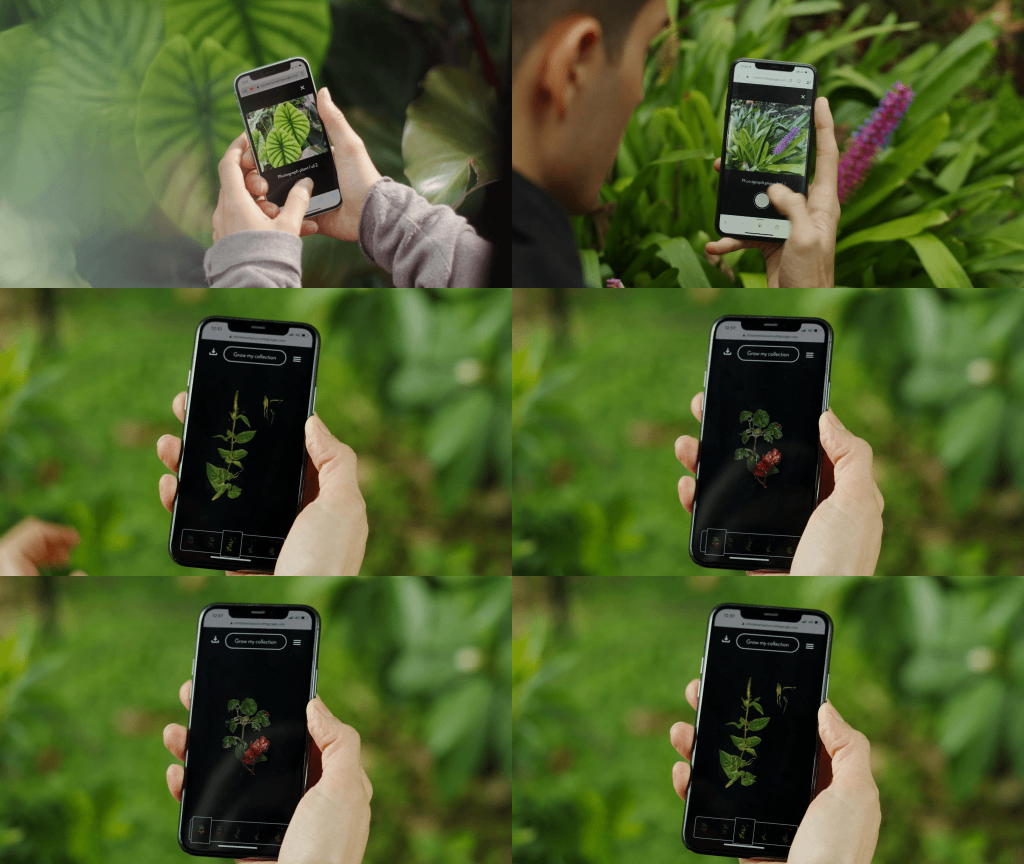
Caroline Rothwell is a Sydney-based visual artist whose work tackles important conversations about human interactions with nature throughout history — and their lasting effects. In her latest body of work, she hopes to bring attention to the plants around us we so often take for granted.
She wanted to see if technology could help her use botanical data from historical archives to educate people about the natural world. So with the help of Google Creative Lab Sydney, she began exploring how machine learning could interpret archives and datasets to create new art. Together, we built Infinite Herbarium, a web application as well as a participatory art installation, in which users can explore an infinite number of machine-learning-generated plants, creating their own artwork while learning more about the plants in their own backyard.
It’s a hot one: How heat waves have trended over time
I live in the Pacific Northwest, a part of North America known for cooler weather and notoriously gray skies. So imagine my surprise when temperatures hit 116 degrees Fahrenheit over the past few days. And did I mention that, like many other PNWers, I don’t have air conditioning? Every morning lately, my Google Assistant delivers the slightly worrying news that the temperature is ticking up.
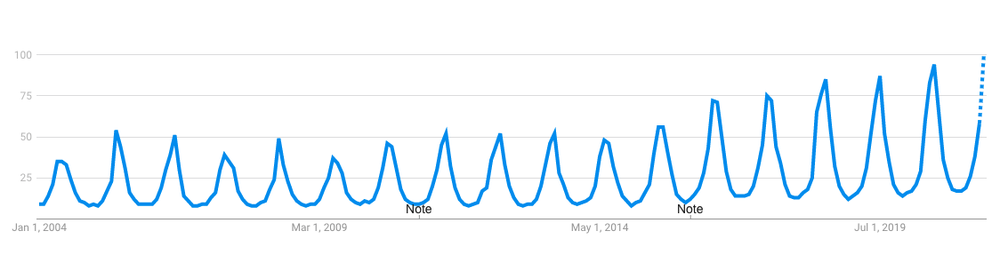
The heat wave is all anyone here — and in other affected areas — can talk about. U.S. searches about heat waves and sunscreen reached all time record highs this month, and “air conditioner installation service” spiked more than 2,150% over the same period of time. (To little surprise, search interest in air conditioning peaks every summer — but you can see that they’ve been rising every year.)
Navigating uncertainty with Google Marketing Platform
When we introduced Google Marketing Platform in July 2018, the world was a different place. A royal wedding, the World Cup and Hurricane Florence were among the top news stories. A global pandemic was not the first thing on everyone’s minds.
Much has changed over the past three years. We’ve all learned how to unmute ourselves on video chats and attend meetings in our sweatpants. But one thing that hasn’t changed is Google Marketing Platform’s commitment to helping marketers navigate periods of change.
It’s not just the pandemic. With an intensified focus on privacy, driven in part by shifting consumer expectations, new regulations, and technology platform changes, brands need to find new ways to connect with their customers and measure marketing performance. And as we move into the recovery, Google Marketing Platform is here to help marketers adjust to the new normal.
Addressing rapid change, with help from first-party data
In our research, we’ve seen that using first-party data helps brands build stronger relationships with customers, create additional value, and boost ad performance. Brands using first-party data for key marketing functions have lifted revenueup to 2.9 times and decreased costs by 1.5 times, compared to companies that failed to fully integrate first-party data. And the most successful have invested more heavily in technology and organizational enablers, such as a unified advertising and analytics platform like Google Marketing Platform.
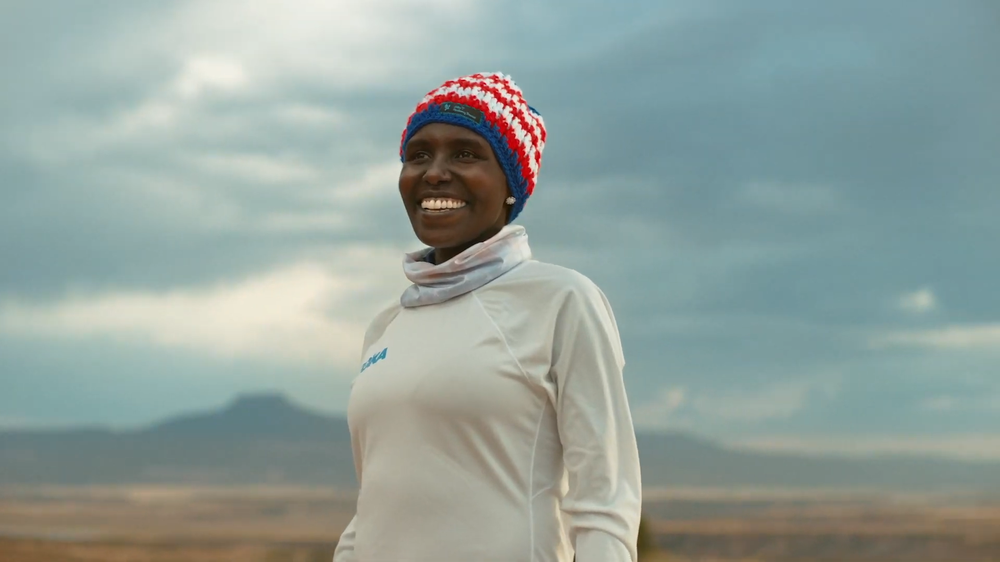
One business that used Google Marketing Platform and first-party data to successfully navigate the pandemic is Deckers Brands, makers of active lifestyle footwear featuring brands like UGG, Teva and HOKA.
Google Marketing Platform: Deckers Brands Case Study
Founded in 1973, Deckers Brands grew rapidly over the years, but eventually growth began to slow. The company’s channel-oriented strategy – which featured separate marketing teams for search, display, video and other channels – created silos.
The company knew it needed to become more customer-centric and to connect customer data across multiple touch points. To achieve that goal, Deckers Brands partnered with digital marketing specialists Jellyfish and adopted Google Marketing Platform as its integrated advertising and analytics solution. Jellyfish helped Deckers Brands use tools within Google Marketing Platform to apply machine learning to its first-party data, then activate the insights obtained from that data.
When countries around the world implemented stay at home orders in early 2020, Decker Brands’ found that its new strategy was essential to helping them quickly spot and react to customer trends. In the United States for example, the company exported data from its Analytics 360 account into BigQuery, a data warehouse solution part of Google Cloud, to better understand customer buying behavior. They found an increase in the sale of UGG slippers, which helped them quickly learn that people were interested in more comfortable footwear for the home. When people began venturing outside, Deckers Brands saw that trend very early through increased interest in HOKA running shoes and Teva hiking sandals and was able to quickly respond.
Using Google Marketing Platform and Google Cloud together, Deckers Brands was able to continue putting people into products they loved – and grow their business. To learn more, read the full case study here.

Season 3 of the ‘Founded’ podcast is here
In October 2020, Women Techmakers, in collaboration with Google for Startups, launched Founded, a podcast highlighting women entrepreneurs from all over the world. This week, the series returns with six new episodes, sharing advice and experiences from women who’ve lived the entrepreneurial journey. Ahead of the new season, we took time to chat with one of our podcast interviewees, Lateesha Thomas.

Asus ROG Strix LC RTX 3080 Ti OC alla prova: dissipatore ibrido per tenere a bada Ampere
Why this Google engineer is teaching students to code
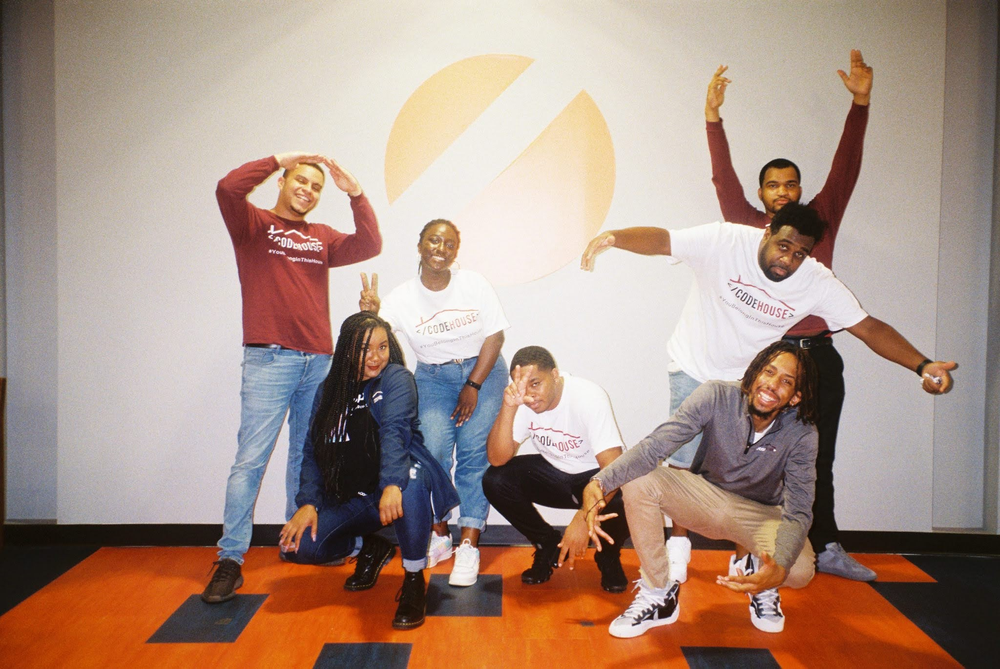
San Francisco-based Googler Ernest Holmes first started coding when he was in high school. “From then on, I was hooked and knew I wanted to become an engineer,” he says. By the time he was a freshman at Morehouse College, Ernest was participating in the Google in Residence program (GIR). That program introduced him to the Google internship program which he took part in for three consecutive summers before joining us as a full-time engineer.
Early exposure to coding helped set Ernest up for success, but some of his classmates weren’t as lucky. During his first computer science course in college, he realized many of the students were only then getting their first coding experience.
“There were some students who, like me, had their interest piqued early on, while others had never coded before in their lives, and they just wanted to take a computer science class to figure it out,” Ernest says. “For that second group, it was like they were starting at a disadvantage because they’d never been exposed to the concepts, and they were entering into college life at the same time. That can be overwhelming.”
Ernest started tutoring sessions for his classmates and quickly learned that if they’d been exposed even just a few years earlier, it could have changed their paths. Inspired by this idea, in 2019 — at the same time Ernest began his career as a full-time engineer at Google — he founded the nonprofit CodeHouse to fulfill his personal goal of bringing the joy of coding to the next generation.
“CodeHouse is a nonprofit that partners with schools across the U.S. to introduce students to careers in tech through exposure to large tech companies, hands-on training and financial assistance,” Ernest says.
An update on our progress in responsible AI innovation
Over the past year, responsibly developed AI has transformed health screenings, supportedfact-checking to battle misinformation and save lives, predicted Covid-19 cases to support public health, and protected wildlife after bushfires. Developing AI in a way that gets it right for everyone requires openness, transparency, and a clear focus on understanding the societal implications. That is why we were among the first companies to develop and publish AI Principles and why, each year, we share updates on our progress.
Internal Education
In the last year, to ensure our teams have clarity from day one, we’ve added an introduction to our AI Principles for engineers and incoming hires in technical roles. The course presents each of the Principles as well as the applications we will not pursue.
Integrating our Principles into the work we do with enterprise customers is key, so we’ve continued to make our AI Principles in Practice training mandatory for customer-facing Cloud employees. A version of this training is available to all Googlers.
There is no single way to apply the AI Principles to specific features and product development. Training must consider not only the technology and data, but also where and how AI is used. To offer a more comprehensive approach to implementing the AI Principles, we’ve been developing opportunities for Googlers to share their points of view on the responsible development of future technologies, such as the AI Principles Ethics Fellowship for Google’s Employee Resource Groups. Fellows receive AI Principles training and craft hypothetical case studies to inform how Google prioritizes socially beneficial applications. This inaugural year, 27 fellows selected from 191 applicants from around the world wrote and presented case studies on topics such as genome datasets and a Covid-19 content moderation workflow.
Other programs include a bi-weekly Responsible AI Tech Talk Series featuring external experts, such as the Brookings Institution’s Dr. Nicol Turner Lee presenting on detecting and mitigating algorithmic bias.
Tools and Research
To bring together multiple teams working on technical tools and research, this year we formed the Responsible AI and Human-Centered Technology organization. The basic and applied researchers in the organization are devoted to developing technology and best practices for the technical realization of the AI Principles guidance.
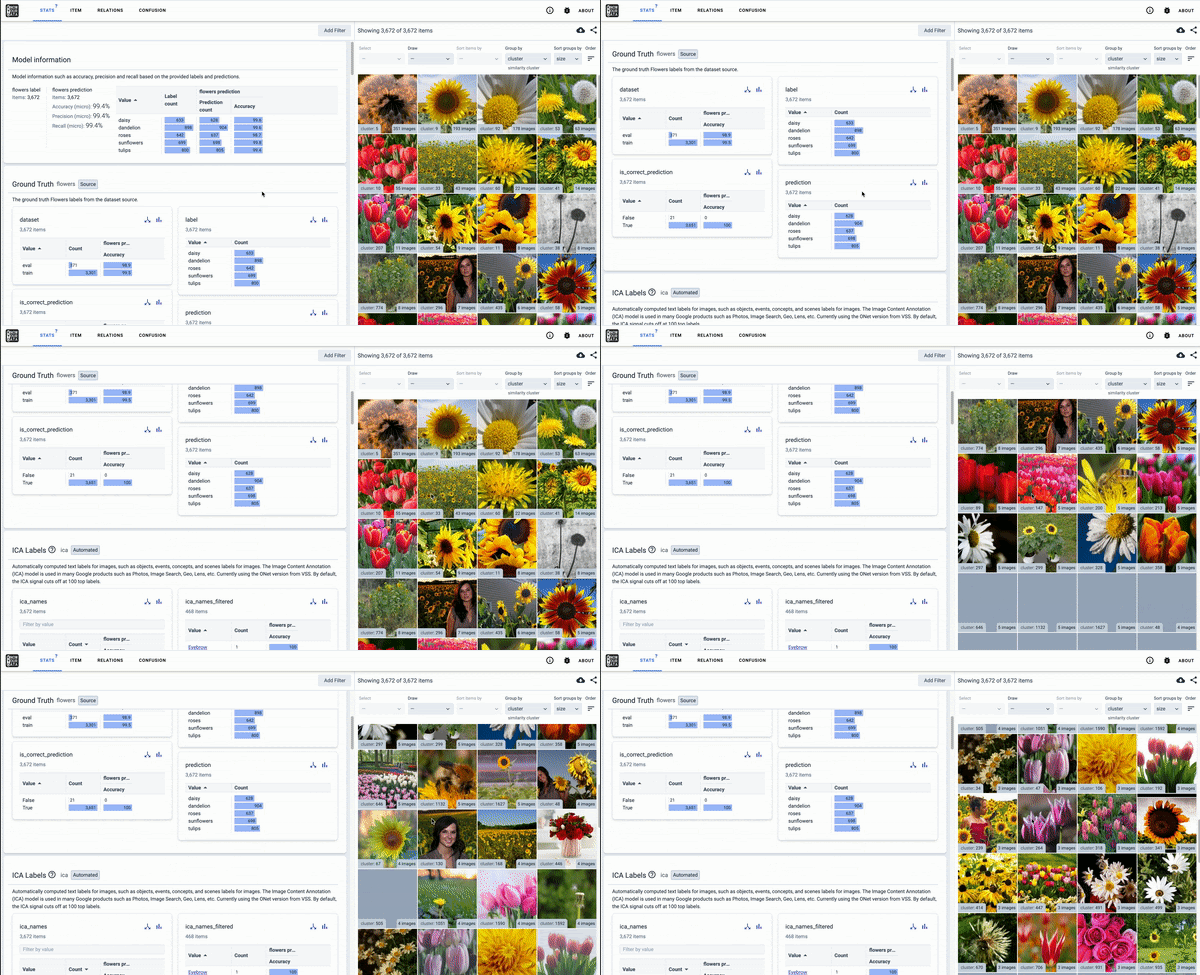
As discussed in our December 2020 End-of-Year report, we regularly release these tools to the public. Currently, researchers are developing Know Your Data (in beta) to help developers understand datasets with the goal of improving data quality, helping to mitigate fairness and bias issues.