Friedkin e la Roma: scopri i proprietari Dan e Ryan, vita e patrimonio
Niente Panico RSI – Puntata del 2024/09/23
Stamattina è andata in onda una nuova puntata in diretta di
Niente Panico, il programma che conduco insieme a Rosy Nervi sulla Rete
Tre della Radiotelevisione Svizzera.
La puntata è riascoltabile
qui
oppure nell’embed qui sotto. Le puntate vengono pubblicate a questo
link:
https://www.rsi.ch/rete-tre/programmi/intrattenimento/serotonina
I temi della puntata
L’account Instagram della settimana: @combophoto.
La bufala della settimana: il falso allarme per il tonno radioattivo (da Bufale.net).
Intelligenza artificiale e musica: Suno lancia la funzione Covers per ricreare le canzoni usando vari stili, “un po’ come applicare un filtro a una foto” e usabile anche partendo da “un canto amatoriale sotto la doccia […] Per i musicisti e i produttori, Covers offre un’opportunità unica di
sperimentare diversi arrangiamenti e stili senza perdere tempo.” (Punto Informatico)
Prova pratica di Suno: ho creato un account gratuito, ho immesso il prompt “una canzone pop dedicata a due conduttori radiofonici, Rosy e Paolo, che portano informazione e allegria”, in italiano, e Suno mi ha generato questo brano, che è quello che abbiamo anche trasmesso in diretta, e anche questa versione alternativa un po’ meno brillante.
Sottolineo che tutto quello che sentite è stato generato pari pari dall’intelligenza artificiale di Suno, senza alcun mio intervento di rifinitura: il testo (in italiano e in rima), la voce del cantante, la melodia e gli strumenti.
L’intervista impossibile: Abbiamo ricordato l’anniversario della nascita di Ray Charles (23 settembre 1930). A titolo dimostrativo, anche qui tutto è stato creato pari pari dall’IA.
Per prima cosa ho chiesto a ChatGPT “leggi questa biografia di Ray Charles https://it.wikipedia.org/wiki/Ray_Charles e prepara quattro domande vivaci e intelligenti per un’intervista a Ray Charles come se fosse ancora vivo”.
La risposta di ChatGPT:
Ecco quattro domande vivaci e intelligenti per un’intervista a Ray Charles:
Ray, sei stato un pioniere nel fondere gospel, jazz e blues, creando il soul.
Come hai trovato il coraggio di rompere le regole musicali e inventare un
suono così unico?Dopo la perdita della vista, la musica è diventata la tua vera visione. In che
modo questa esperienza ha cambiato il tuo modo di sentire e interpretare la
musica?“Georgia on My Mind” è uno dei tuoi brani più amati. Cosa rappresenta per te
questo pezzo e perché pensi abbia toccato così tante persone?Hai affrontato momenti difficili, inclusa la dipendenza. Qual è stato il
momento in cui hai sentito di poter riprendere il controllo della tua vita e
della tua carriera?
Solitamente per queste “interviste” usiamo Character.ai, che però non ha un profilo già pronto dedicato a Ray Charles, per cui ho chiesto a ChatGPT di generare anche le presunte risposte, dandogli l’istruzione “Usando le informazioni che hai su Ray Charles, crea le risposte a queste domande”.
ChatGPT ha risposto così:
Ecco delle risposte immaginate da Ray Charles alle tue domande:
Ray, sei stato un pioniere nel fondere gospel, jazz e blues. Come hai trovato
il coraggio di rompere le regole musicali e creare un suono così unico? “Ho
sempre seguito il mio cuore. La musica è una cosa viva, non puoi rinchiuderla
in scatole. Venivo da una tradizione di gospel, ma il blues e il jazz mi
parlavano, così ho combinato tutto. Non era pianificato, era solo quello che
sentivo.”Dopo la perdita della vista, la musica è diventata la tua vera visione. In che
modo questa esperienza ha cambiato il tuo modo di sentire e interpretare la
musica? “Perdere la vista mi ha fatto ascoltare il mondo in un modo
completamente nuovo. Ogni nota, ogni ritmo aveva un significato più profondo.
La musica è diventata il mio modo di vedere, di comunicare e di esprimere le
emozioni che non potevo vedere ma che sentivo dentro di me.”“Georgia on My Mind” è uno dei tuoi brani più amati. Cosa rappresenta per te
questo pezzo e perché pensi abbia toccato così tante persone? “Georgia è più
di una canzone per me, è come tornare a casa, dove ho iniziato tutto. Credo
che tocchi le persone perché parla di nostalgia, di affetto per le proprie
radici. Chiunque può connettersi con quel sentimento.”Hai affrontato momenti difficili, inclusa la dipendenza. Qual è stato il
momento in cui hai sentito di poter riprendere il controllo della tua vita e
della tua carriera? “Il momento più difficile è stato rendermi conto che la
dipendenza mi stava portando via tutto, ma la musica mi ha sempre dato una
ragione per lottare. Quando ho capito che avevo ancora tanto da dare, è stato
lì che ho deciso di riprendere il controllo, per me stesso e per la mia
musica.”
Ho poi preso questi testi e li ho fatti leggere a une delle voci di ElevenLabs.io. La cosa che mi inquieta è che le domande sono dannatamente pertinenti e probabilmente migliori di quelli che sarebbero venute in mente a me.
Offerte d’Autunno: su Amazon mega sconti fino al -49%
Apple svuotatutto: i migliori iPhone in offerta speciale su Amazon
Chiara Ferragni alla Milano Fashion Week sfila con schiena nuda e vestito a strascico
Offerta di lavoro truffa su WhatsApp via email
Generative Engine Optimization (GEO): A Marketing Primer
The new era of search is here. Artificial intelligence is unlocking new ways for people to find information and solve problems, with greater speed and confidence than ever before. AI-powered engines and platforms are fundamentally changing the nature of online search as we know it.
It’s an exciting time. These emerging AI tools can do some really cool things. But for business leaders, it can also feel like a scary time, with your brand’s visibility and engagement at risk.
Understanding generative engine optimization and the unique (but not radically different) principles it entails will be very helpful in charting your marketing strategy’s future.
The good news is that if you’ve been developing a forward-thinking SEO strategy, you’re already on the right track, and if not, you aren’t yet too far behind.
What is generative engine optimization (GEO)?
Generative engine optimization (GEO) refers to the practice of optimizing content specifically for AI-driven search engines and features, such as ChatGPT, Google AI Overviews, Perplexity AI, Copilot, Gemini, Llama, and more. This involves tailoring your content to show up in AI-generated summaries and results, by incorporating the qualities these search tools prioritize.
Generative engine optimization vs. search engine optimization
They have many overlapping elements, but GEO and SEO are distinct. While SEO largely focuses on traditional web optimization techniques like link-building, keyword placement and site structure, GEO is more narrowly concerned with the substance, makeup and credibility of the content itself.
In essence, GEO is about making your brand’s content stand out to intelligent technologies from a saturated information environment. Luckily, this is what modernized SEO strategies are already striving to do.
Benefits of generative engine optimization
The rise of generative search and GEO best practices can have very positive implications for brands. Here are a few worth mentioning:
Customers have new ways to find your brand. As more and more people start using these AI-powered tools and platforms, you have more pathways to impressions and engagement beyond traditional search engines.
Showing up in AI search makes a strong impression. At TopRank, we often remark that showing up near the top of a search for a target keyword is doubly beneficial: not only are you more likely to earn clicks, but you send a compelling signal to searchers, who recognize that Google heavily weighs credibility and authority of a source as SEO ranking factors. This can be even more true for generative AI engines, which scrutinize the distinct value of cited content as they synthesize and summarize.
Competitors are still catching up. Many companies still don’t have GEO in their marketing lexicon unless they’re talking about geographical regions. Optimizing for generative search as an extension of your SEO helps you stay ahead of the playing field.
GEO rewards audience-centered SEO strategies. If you’ve already been letting customer-centric elements like intent, usefulness, relevance and originality guide your SEO approach, your brand will be well positioned for the age of GEO.
With that in mind, let’s explore some GEO best practices, which are still taking shape but well informed by early data and research.
How to optimize content for generative engines
“Companies will need to focus on producing unique content that is useful to customers and prospective customers. Content should continue to demonstrate search quality-rater elements such as expertise, experience, authoritativeness and trustworthiness.” – Alan Antin, Vice President Analyst at Gartner (Source)
Optimizing content for AI means optimizing for humans first and foremost. At a high level, these are some of the qualities to prioritize in your brand’s content if you want to gain visibility with generative search engines:
- Comprehensiveness: AI-driven engines prioritize detailed, well-rounded content that thoroughly addresses the user’s query. Traditional SEO fixtures like structuring content with clear headings and questions, using schema markup, and including diverse forms of media will help your cause.
- Credibility and Relevance: Since AI engines favor content from trustworthy and relevant sources, it’s essential to build credibility through linking to reputable sources, regularly updating content, and strengthening your online reputation.
- User Intent Alignment: Tailor content to align with user intent by analyzing common search queries and SERP features. This might involve creating various forms of content, such as guides or FAQs, that address different aspects of a topic.
- Structure and Accessibility: While traditional SEO techniques like using meta tags and optimizing for mobile devices remain key, GEO also requires adapting content for newer technologies like voice search, and structuring content in formats friendly to natural language processing models.
You might ask, how can I bring these qualities forward in practical ways? Here are a few specific tips and techniques for GEO success:
Include verifiable statistics, quotes and citations.
A lack of reliable accuracy has been one of the biggest objections raised around AI-driven search tools. Accordingly, there’s a major emphasis on countering this perception. Generative engines want information that sends signals of trust, so the addition of substantiating elements like expert quotes and data-backed insights is powerful.
A research paper found that relevant statistics, quotations and citations can boost content visibility in generative engines by up to 40 percent.
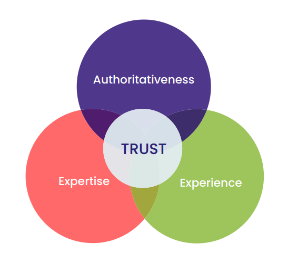
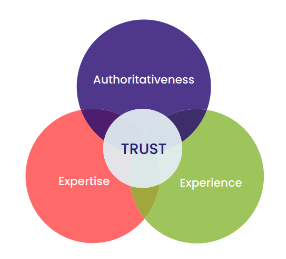
Focus on E-E-A-T principles in your content.
I know, I know: another acronym? But believe us, with respect to GEO, adhering to the principles of E-E-A-T (expertise, experience, authority, trust) is VVI. (Very, very important.)
As Kody Van Sistine shares at Search Engine Land, “The more you sound like a trustworthy, authoritative, experienced expert in your content, the more humans and AI want to read, remember and rank your pieces.”
Fortify your brand’s online presence.
Optimize content for AI and generative engines is about more than the piece of content itself. It’s about the context surrounding it: the author, the domain, the brand itself. If your company has an untrusted reputation, or no real online reputation at all, you’ll find it difficult to gain traction with these engines.
“SEO professionals and businesses should invest in brand-building initiatives, collaborate with influencers, provide exceptional customer experiences, and consistently deliver valuable content,” recommends SEO expert Andrew Chadwick. “A strong brand can help mitigate the impact of algorithm changes and promote sustained visibility and growth.”
Stay adaptive with your strategy.
Generative engines and AI-driven search are still in their early days. This is an area that promises to evolve constantly in the months and years ahead. Keeping track of what’s happening, what’s changing, and what matters most requires a significant level of energy and experience.
At TopRank Marketing, keeping a close eye on the evolution of SEO and AI search trends is what we do, because the success of our client programs depends on it. Check out our SEO services to see how we can help you future-proof your strategy.
The post Generative Engine Optimization (GEO): A Marketing Primer appeared first on TopRank® Marketing.

Google’s Data Commons expands to support more UN agencies

6 Pixel 9 Pro photo features I’ve used on hiking trips

New updates to help you do more with Google TV
