Samsung Galaxy Tab A8, l’offerta SHOCK arriva da eBay: costa solo159€
Look to Speak launches in Ukraine
Nearly two years ago, Google launched Look to Speak, an Android app that allows people to use their eyes to select pre-written phrases and have them spoken aloud. Since then, the app has launched in 18 additional languages. Most recently, we made the app available in Ukrainian to help refugees and veterans of the war.
As a speech and language therapist working at Google, I’ve seen how technology can help people express their everyday needs, feelings and identity. To hear from someone about how Look to Speak can be particularly helpful in Ukraine where people are dealing with the injuries and side effects of war, I spoke with Oksana Lyalka, the founder and president of the Ukrainian Society for Speech and Language Therapy.
What is the situation like for veterans and refugees of the war in Ukraine who have speech and motor impairments?
Due to direct injuries and conditions caused by the war, the number of people with both motor and speech impairments are likely increasing. In addition, indirect impact like stress and malnutrition causes an increased risk of strokes, which can also lead to motor and speech impairments — and access to care remains limited. Also, for many refugees who left Ukraine and are in foreign countries, it’s difficult to get the help they need because many of them already have chronic impairments and their insurance does not cover therapy for communication disorders in another country. Plus, communication is a language-specific impairment. Meaning, it’s difficult to get the help they need in their native language outside of Ukraine.
What are the specific challenges that people are facing?
They are mainly left on their own with speech and motor impairments. Because: 1) There’s a shortage of speech language therapists. 2) There are even fewer who understand what these patients deal with. 3) Therapy is costly and not everyone has the resources to afford it, especially in war time.
How could a tool like Look to Speak be helpful in Ukraine?
When someone has only a speech disorder, they can still write to communicate. But when there are also motor disorders like we’ve discussed, people can end up with no way to communicate. With Look to Speak, even if someone can’t communicate using their mouth, they can communicate with their eyes. This allows caregivers and others in their environment to listen and understand in new ways. Communication is a two-way process, and the Look to Speak app can act as a bridge.
The First Lady of Ukraine Olena Zelenska on the Look to Speak app:
“One of everyone’s fundamental needs is the ability to communicate and interact with those around them. For most people, it is unnoticeable and automatic, similar to breathing. However, due to various factors, a person may lose this ability and be unable to talk or use a computer, tablet, mobile phone, or other devices. Especially now, in times when the war daily multiplies the chances of finding oneself in such conditions, we as a society must unite and help each other as much as we can to overcome these terrible circumstances. One of the examples of Ukraine’s responsible cooperation with world technological leaders is the localization of Google’s Look to Speak app. It helps people with motor and speech impairments to communicate using their eye movements. It is good to know that Ukrainian public organizations in health care, medical institutions, and everyone who needs it can use advanced digital solutions now adapted to the needs of Ukrainian users. I am sure that initiatives like Look to Speak will not only provide new opportunities for our citizens but will also serve as a model for other technological companies that are now supporting Ukraine.”
To learn more about Look to Speak in Ukraine, watch this video in Ukrainian.
Auricolari Bluetooth per svago e SPORT, bassi TOP e controlli touch
Samsung Galaxy A53 5G, display da urlo e super batteria a prezzo PAZZESCO
Casa intelligente con questo termostato WIFI, semplice da usare

Expanding opportunities for Indigenous communities
November is Native American Heritage Month in the U.S. and is an opportune time to educate and raise awareness about the achievements and unique challenges that Tribal Nations face — both historically and presently — and how tribal citizens have worked together to overcome those challenges. One such example is the impact the pandemic has had on tribal economies and Native American-owned businesses.
As the President of the National Congress of American Indians (NCAI) — a long-time partner of Google — I’ve met many Native artisans and small-business owners over the past two years, who once had thriving businesses but now struggle to transition to online platforms to keep their businesses afloat. According to the U.S. Census, Native American-owned businesses contribute over $35 billion to the economy and employ over 200,000 people, yet one in six businesses (16.7%) have reported complete revenue losses due to the lingering impacts of the pandemic. Now, more than ever, our businesses require adequate resources for them to thrive, and there is no denying that technology is helping create that pathway forward.
I’m thrilled to share that the Grow with Google Digital Coaches program, which equips businesses with robust digital skills to unlock growth opportunities, is expanding to train Native-led businesses with the help of a dedicated Digital Coach from the community. We’ll be able to further support Native-led businesses thanks to a new grant from Google.org to help NCAI strengthen digital skill training.

I’m honored to introduce Henry Jake Foreman as Grow with Google’s first-ever Indigenous Community Digital Coach. As a Digital Coach, Jake will empower tribal small businesses with monthly digital skills workshops, local hands-on coaching opportunities, and events for businesses to come together and learn from one another. Jake is an Absentee Shawnee citizen who resides in Albuquerque, New Mexico, and is a Program Director at New Mexico Community Capital. As a trainer for NCAI’s training program, incubated with support from Grow with Google, Jake has helped hundreds of Native American entrepreneurs in New Mexico develop skill sets to support and build their businesses. We’re excited to see Grow with Google build on the success of that collaboration as they expand the Digital Coaches program. Jake will now bring these trainings directly to tribal communities across Indian Country and partner with NCAI to host monthly national webinars beginning in 2023.
In addition, Google.org is providing a $750,000 grant to support NCAI’s own institutional capacity and positioning in the Indigenous digital skilling space. NCAI will directly invest this into IT capabilities to foster a community of learning and distill best IT practices to contribute toward the broader ecosystem. This investment builds on the previous $1.25M in grants used to help support Native-owned businesses — all done in service of helping more Indigenous people to achieve success and help bridge Indian Country’s digital divide.
Because Native-led businesses serve as the backbone for many tribal communities, it was a very special moment to first share this news with tribal leaders, NCAI members and Native youth at our NCAI 79th Annual Convention & Marketplace earlier this week. At the conference, we also had the pleasure of hosting Jake’s first digital skills workshop as a new Digital Coach. Undoubtedly, these tailored workshops and resources will help our businesses thrive online and grow tremendously. To learn more and sign up, visit g.co/grow/digitalcoachIC.

Celebrate Native American artists in Chrome and ChromeOS
It’s Native American Heritage Month in the U.S., a time when we honor the history, traditions and contributions of Native Americans. As a citizen of the Cherokee Nation, I celebrate this month by taking time to reflect and express gratitude for my ancestors, the resilience of my tribe and other Indigenous people, and future generations carrying our tribal traditions forward.
As a product manager at Google, I’m also proud of how we’re celebrating across our products. On Google Assistant, for example, just say “Happy Native American Heritage Month” or “Give me a fact about Native American Heritage” throughout the month of November to hear a collection of historical facts and stories from the Native American community. Meanwhile, a recent Doodle on Google’s homepage celebrated the history of Stickball, a traditional sport created by Indigenous tribes.

We also commissioned five Native American artists to create a collection of themes for Chromebooks and Chrome browser. This collection has a special meaning to me because it showcases important traditions and reminds me of home. Richard D. York’s piece “ᎤᎧᏖᎾ (Uktena, or Horned Serpent)” in particular brings me back to my childhood listening to the stories of Uktena and other tales from my elders. A more solemn work, “A Lot Meant,” reminded me of growing up in Oklahoma and how historical policies like allotment impacted my family and so many others.
Now available globally, these themes reflect the unique experiences and identities of each artist. Here’s what they shared about their work:
To apply one of these themes (or others from Black, Latino and LGBTQ+ artists) to your Chrome browser, visit the Chrome Web Store collection, select a theme and click “Add to Chrome.” You can also open a new tab and click the “Customize Chrome” button on the bottom right to explore background collections. To apply one of these wallpapers to your Chromebook, right-click your desktop, choose “Set wallpaper and style,” then select “Native American Artists.”
Google Chromecast, occasionissima del giorno su Amazon: appena 22€
Google Chromecast è disponibile in super sconto su Amazon, con le spedizioni gratuite e veloci grazie a Prime.
Leggi Google Chromecast, occasionissima del giorno su Amazon: appena 22€
Realme GT 2 Pro, display AMOLED 2K e 5G per avere TUTTO (-23%)
Corso di fotografia: accedi gratis a tempo limitato
Amazfit Bip 3, il nuovo GIOIELLO della gamma a 33€ con la combo sconto/coupon
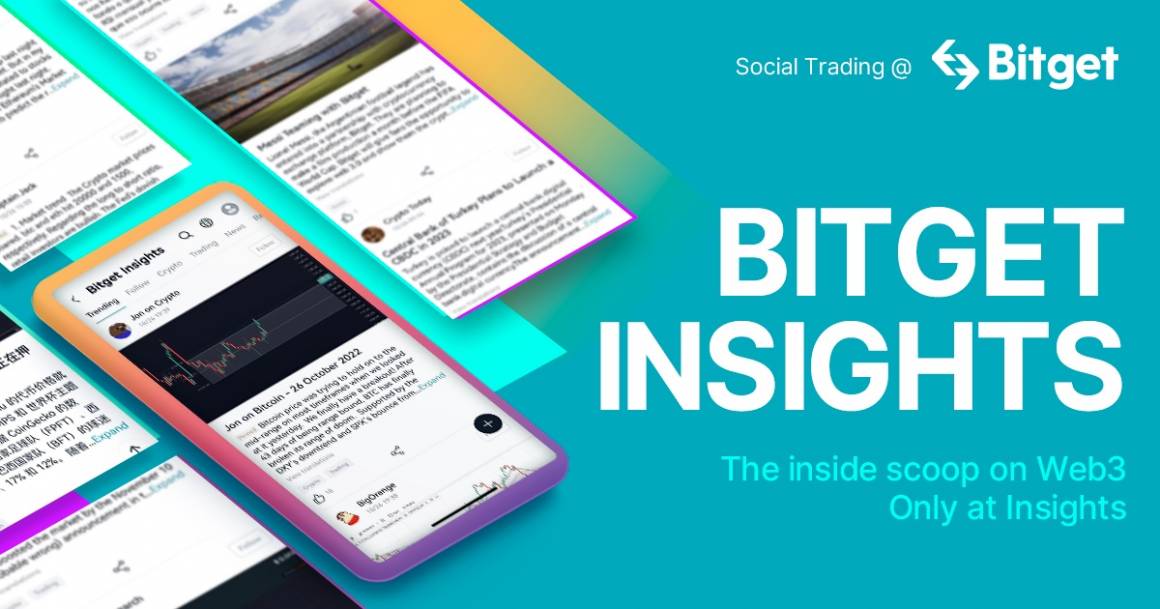
BITGET LANCIA GLI INSIGHTS PER MIGLIORARE IL SOCIAL TRADING
 Una nuova piattaforma all’interno dell’exchange per avere più controllo delle strategie L’exchange di criptovalute Bitget, nella top 5 per quanto riguarda le piattaforme per fare trading al mondo secondo i…
3 ways to keep audiences engaged in a content-driven world
Consumers navigate a widening variety of digital content from text to image to video—and they choose to spend their time in the experiences that feel most natural and intuitive for them. Working with Ipsos, we’ve identified three ways to keep your audience engaged across platforms throughout the holiday season, plus new retail-ready formats and creative tools to help you drive growth into the new year.
1. Create more tailored experiences for deeper engagement
Over half of mobile consumers use Google and YouTube alongside other platforms when researching products or brands to try,
With product feeds for Discovery ads now available in beta, advertisers can show shoppers items based on their interests and intent. Specifically, individual retailers can now use lifestyle images and short text with their Google Merchant Center catalog to deliver more relevant ad experiences. For example, a consumer interested in fitness and fashion might see sneakers in a variety of colors and styles from a new brand in their content feed on YouTube or the Google app.
Puma switched to product feeds from standard Discovery ads to promote its catalog during key seasons, and saw a +46% increase in return-on-ad-spend while lowering costs by 19%. “Product feeds for Discovery ads offered more ways to expand our social-style assets across new platforms,” says Ashley Anderson, Senior Director of Digital Marketing at Puma. “Personalization and great performance made it easy to efficiently scale our spend.”
For tips to help you craft engaging Discovery ads with product feeds, see our creative best practices.
2. Take an asset-first approach for bigger creative impact
Keeping today’s consumer engaged across platforms requires creative finesse at scale—and a multi-asset approach for campaigns like social and video to enable more visual and authentic storytelling. Nearly half of consumers say they are more likely to purchase a new product or brand they see in a video ad.
You can now scale your assets to Shorts, YouTube’s new short-form video experience, to drive visual momentum with consumers watching everything from workout clips to recipe walkthroughs. You can make the most of this mobile canvas by bringing your best vertical video and image assets to the Shorts experience with Video action and now Discovery campaigns for images.
We’ve seen this asset-first creative approach across campaigns drive better results: more than 60% of advertisers who combine Video action campaigns with Discovery ads see incremental conversions at or below their original cost-per-action.

Source: Google/Ipsos, Consumer Feed Behavior Research, August 2022
3. Upgrade your storytelling with authentic and diverse representation
And last, but not least: building assets to scale doesn’t have to mean relying on stock photos and generic visuals. 43% of consumers say that they are more likely to click on ads featuring people from a variety of backgrounds,
We’re committed to helping you build more helpful and relevant ads that help consumers engage with your business. Check out our latest tools and resources below to learn how you can:
- Build compelling creative variations at scale with Ads Creative Studio.
- Adapt your existing assets for YouTube Shorts with our video creation and enhancement tools available in the Asset Library.
- Finally, get richer creative insights to help you optimize your assets for better performance with asset reporting and audience asset insights.
We hope these insights and creative tools help you drive growth now and in the new year with more effective, engaging ads.
Telling powerful African stories through color
African culture is joyful, expressive and vivid, and intrinsically linked to color – from rallying shades of liberation to evocative hues of optimism, color is embraced as an unspoken language. With a vibrant palette and gift for storytelling, as Africans, we tell powerful stories through color, and it is this unique phenomenon that led to the development of the ‘Colors of Africa’ project. This ambitious initiative shares stories from Africa by Africans.
Design Indaba collaborated with Google Arts & Culture on this brand-new, cross-continental project. In order to tell the full story of such a diverse continent, we approached 60 African creatives and asked them each to create a unique work that depicts their home country through the symbolism of color.
At the same time we asked what being African meant to them. The resulting works and thoughts offer personal insights into African lived experience and add the ever evolving kaleidoscope that is the African continent.
The stories of each creative have been woven into a colorful tapestry which is available on Google Arts & Culture. And this bespoke, online exhibit dives into the artist’s experience of their country – as well as navigating the intricacies of life as an African. In addition to the exhibits, you can spin the kaleidoscope to explore and collect the colors of Africa. Experience the different countries and travel through Africa guided by the eyes of local artists.
Each work is a personal and completely unique experience of a country. Discover some of the colors of Africa below:
I invite you to discover more about each artist and artwork on the dedicated hub on Google Arts & Culture, or travel through the kaleidoscope here and share your colors with the world.