MacBook Air 2022 con M2, Amazon fa sul serio: 414€ di sconto
Crolla il prezzo di MacBook Air 2022 su Amazon: acquistandolo adesso puoi averlo con uno sconto superiore ai 400 euro.
Leggi MacBook Air 2022 con M2, Amazon fa sul serio: 414€ di sconto
<div>B2B Marketing News: B2B Brand Awareness Data, New Salesforce & HubSpot Reports, YouTube Adds Guest Streaming, & Rising Digital Ad Spend</div>
B2B brands shouldn’t fear rejection, but being unknown
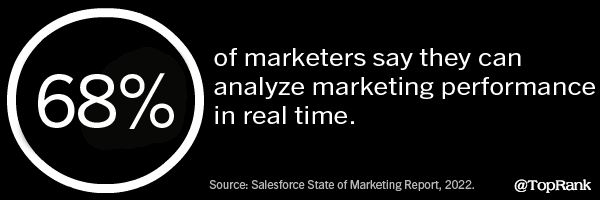
91 percent of potential customers don’t actively reject any B2B brands, while increasing brand awareness remains one of the top challenge that B2B marketers face, as unawareness has significant variability by brand, according to newly-released report data from The B2B Institute. Marketing Week
Overheard at B2B World Fest: ‘Pursue passion and purpose, and profits will follow’
B2B marketing has taken a move towards offering more experimental content including sight, sound, and motion, while B2B organization employees are increasingly seeing improvements to their well-being as more important than career advancement — two of several findings of interest to B2B marketers shared during the B2B World Fest event, as The Drum examines. The Drum
YouTube Announces Expanded Roll-Out of its Live-Stream Guests Feature
Google’s YouTube video platform has announced that soon channels with more than 50 subscribers will have access to a variety of new live guest streaming options, offering greater engagement-building opportunities for B2B influencers and creators, as the platform rolls our its Go Live Together feature. Social Media Today
HubSpot Releases The State of Partner Ops and Programs Report, Detailing the Business Impact of Partner Ecosystems
77 percent of organizations have technology partners, which were ranked as the most important type of partner overall, while 65 percent view partnerships as essential to future growth — three of numerous findings of interest to digital marketers contained in newly-publish HubSpot parner ecosystem report data. HubSpot
Digital will account for 71.8% of US media ad spend this year, up 16 percentage points from 2019—and growing
71.8 percent of total U.S. media spending will be comprised of digital by the end of 2022, up from 55.6 percent in 2019, and will reach $248.7 billion — a 12.5 percent increase from 2021, while search is expected to account for 40.6 percent of digital ad spending, according to newly-published forecast data. Insider Intelligence
LinkedIn Launches New Code Training Integration with GitHub, Enhanced LinkedIn Learning Options
Microsoft-owned LinkedIn (client) and its LinkedIn Learning platform has implemented new integration with developer community GitHub that provides software development learning and practice options, in addition to a new career path process for technology roles, along with additional new features on the platform, LinkedIn recently announced. Social Media Today
Instagram is updating its web interface to take advantage of large screens
Meta’s Instagram social platform has begun rolling out a web interface that better utilizes desktop screen real estate, showing more platform content in areas that previously have been white space when viewed on desktop computers, Instagram recently announced. TechCrunch
Substack Sets Its Sights On Twitter With New Chat Feature
Digital publishing and newsletter platform Substack has rolled out the ability for authors to chat with audiences — a move aimed at better positioning the platform to offer helpful options to consumers who have left Twitter in light of recent ownership changes, Substack recently announced. Search Engine Journal
LinkedIn Shares Key Best Practices to Help Build Your Presence in the App
LinkedIn has launched a newly-published 13-page guide that is focused on content creation aimed at driving positive brand association, including strategy surrounding so-called brand-to-demand and an array of thought leadership insights, the professional social media platform announced recently. Social Media Today
Always look on the bright side of life! Salesforce’s State of Marketing report reveals marketers glasses half full
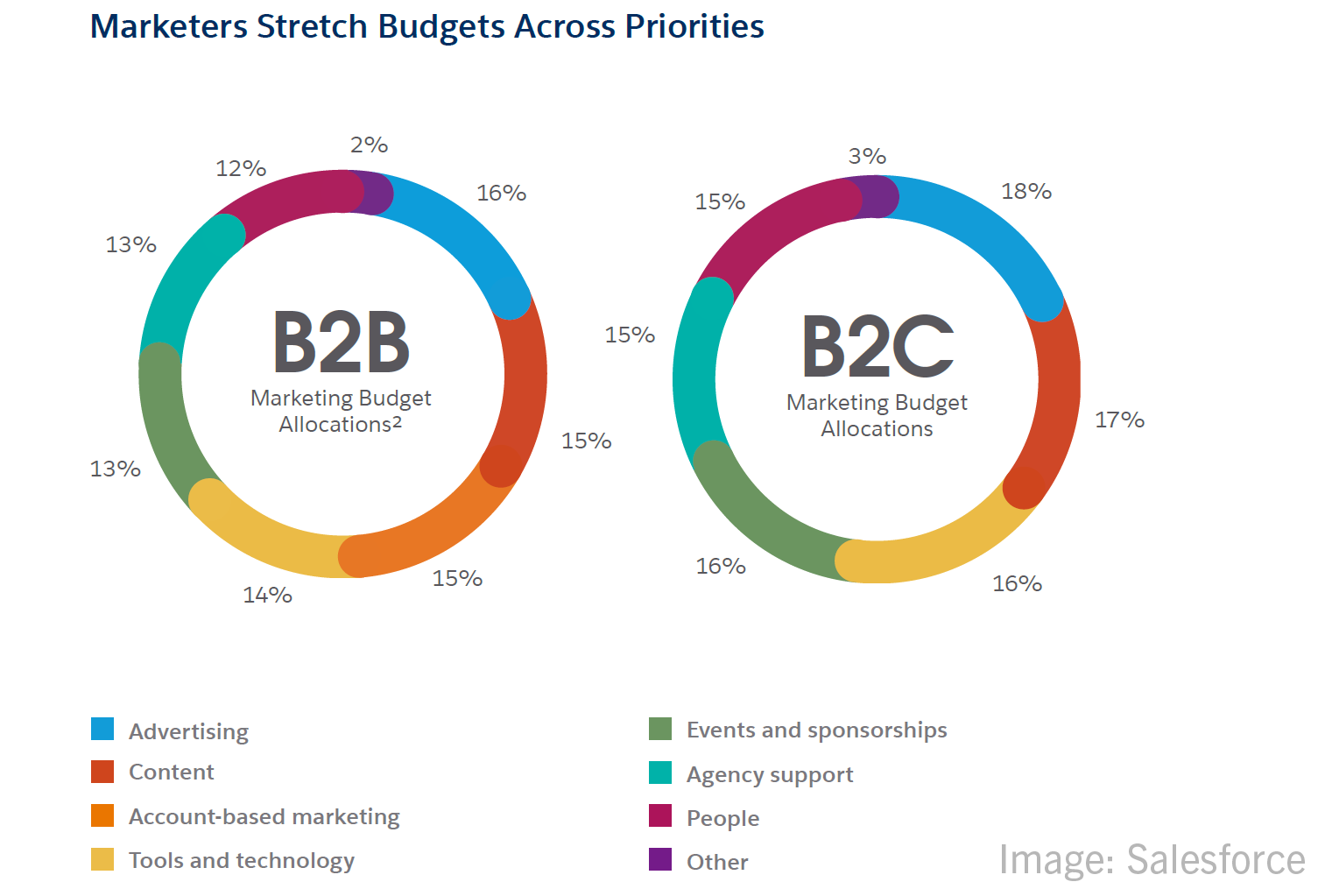
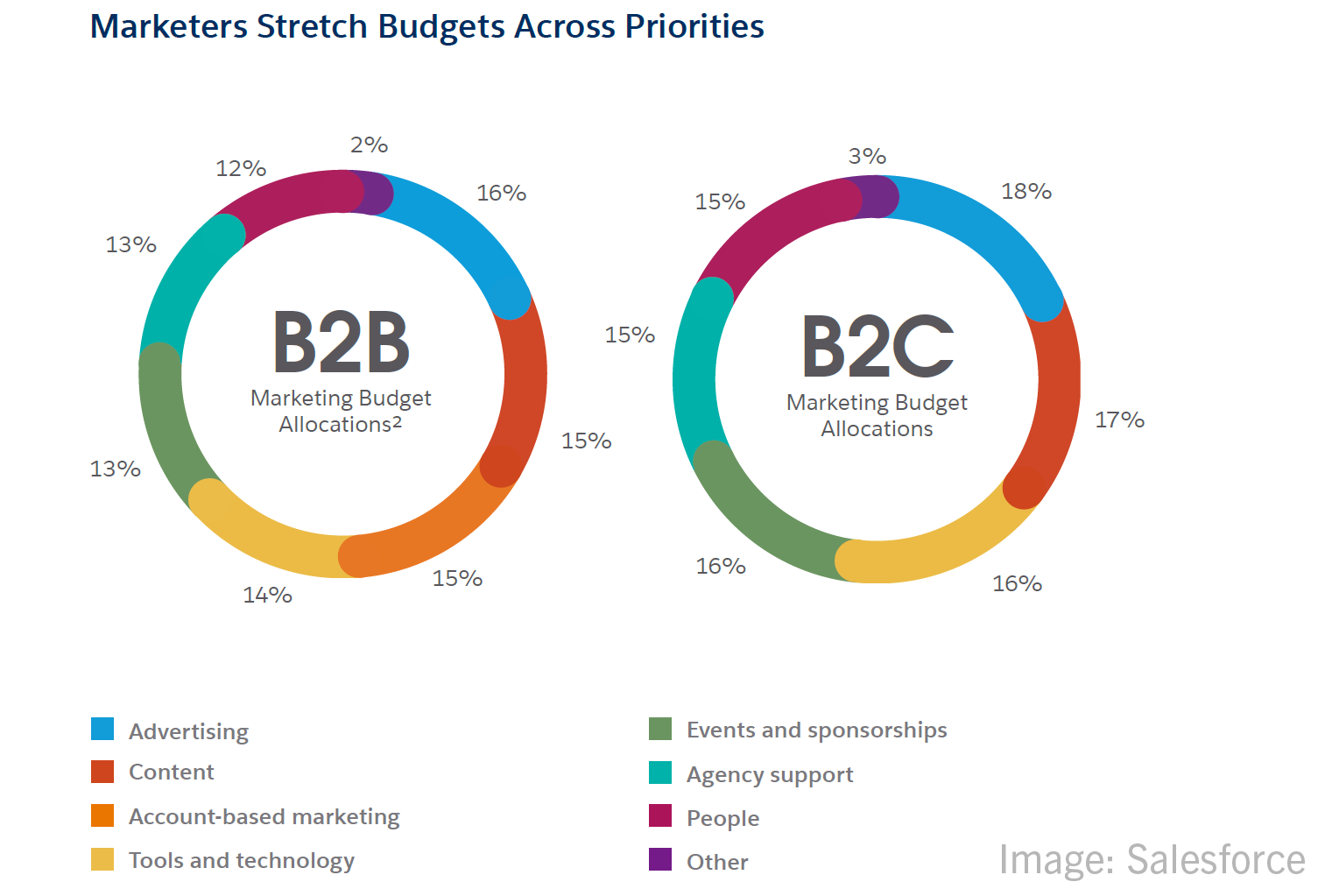
87 percent of marketers have said that they view their efforts as providing significantly more value in 2022 than in 2021, while B2B organizations reported that advertising accounted for some 16 percent of overall marketing spending, with account-based-marketing (ABM) and content each garnering 15 percent of spending — three of numerous findings of interest to B2B marketers contained in newly-published Salesforce report data. Diginomica
ON THE LIGHTER SIDE:
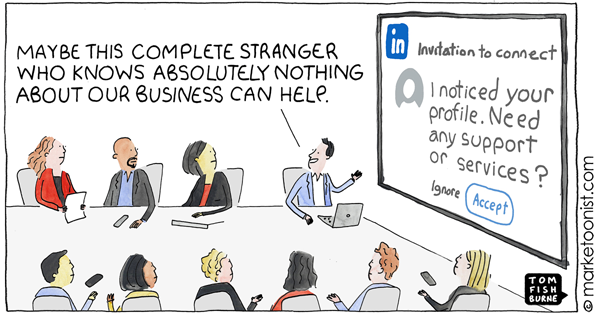
A lighthearted look at “Spray-and-Pray Marketing and Sales” by Marketoonist Tom Fishburne — Marketoonist
Swedish engineer creates playable accordion from 2 Commodore 64 computers — Ars Technica
Google plans giant AI language model supporting world’s 1,000 most spoken languages — The Verge
IBM launches its most powerful quantum computer with 433 qubits — Reuters
TOPRANK MARKETING & CLIENTS IN THE NEWS:
- Lee Odden — The Impact of Building Long-Term Relationships with Influencers with Lee Odden — Justin Levy
- Lee Odden / TopRank Marketing — Influencer Marketing – first, catch your influencer… — diginomica
- TopRank Marketing — B2B Influencers Are On The Rise: What Does This Mean For Brands And The Future of B2B Marketing? — Martech Zone
- TopRank Marketing — 53 Best Marketing Blogs To Follow In 2022 — MarketSplash
Have you come across your own B2B marketing news for the week that we haven’t yet mentioned? If so, please don’t hesitate to drop us a line in the comments below.
Thank you for joining us for this week’s TopRank Marketing B2B marketing news, and we hope you’ll return next Friday for another array of the most up-to-date and pertinent B2B and digital marketing industry news. In the meantime, you can follow us on our LinkedIn page, or at @toprank on Twitter for even more timely daily news.
The post B2B Marketing News: B2B Brand Awareness Data, New Salesforce & HubSpot Reports, YouTube Adds Guest Streaming, & Rising Digital Ad Spend appeared first on B2B Marketing Blog – TopRank®.
Questo Sony Bravia è perfetto per cinema e PS5: oltre 300€ di sconto
Sony Bravia KD-50X80K è uno smart TV di ultima generazione protagonista oggi di una strepitosa offerta su Amazon.
Leggi Questo Sony Bravia è perfetto per cinema e PS5: oltre 300€ di sconto
Hai mai pensato a come ci si senta a indossare un Apple Watch SE? Scoprilo ora
Sony BRAVIA KD-50X80K, lo smart TV da 50” da acquistare subito: prezzo incredibile
MSI RTX 4090 Gaming X Trio alla prova: una Founders in salsa custom
iPad Pro 2022: clamoroso Amazon, il prezzo CROLLA solo per oggi
Non sappiamo se Amazon ha scelto un Black Friday differente, ma il prezzo di iPad Pro 2022 è improvvisamente crollato: che prezzi!
Leggi iPad Pro 2022: clamoroso Amazon, il prezzo CROLLA solo per oggi
Xiaomi Mi Band 6 NFC, Amazon sgancia la BOMBA: soli 38€
L’occasione che stavi aspettando è adesso: lo Xiaomi Mi Smart Band 6 NFC lo puoi acquistare a soli 38€ su Amazon.
Leggi Xiaomi Mi Band 6 NFC, Amazon sgancia la BOMBA: soli 38€
Veterans at Google pay it forward
This Veterans Day, we want to acknowledge and showcase the contributions made by veterans at Google. These Googlers have created opportunities and pathways for servicemembers to ease their transition into civilian careers. They’ve done this through the Department of Defense’s (DoD) SkillBridge fellowship program for transitioning servicemembers, and other resources like the Google Career Certificates and a $10 million Google.org grant to Hiring Our Heroes for their Career Forward program.
We sat down with former U.S. Army members and Googlers James Durago, Larraine Palesky, and Michael St. Germain (MSG) to find out how they brought these resources to Google and how they’re paying it forward to other veterans, servicemembers, and military family members.
What is SkillBridge?
Larraine: SkillBridge provides servicemembers with civilian work experience through a corporate fellowship during their last 180 days of service. Fellows are embedded in companies and continue to receive military compensation and benefits, while industry partners provide the training, work experience, and tools for securing a job. Employers see firsthand the tremendous talent, skill sets, decision-making abilities, and flexibility servicemembers bring to their businesses.
Why did you bring SkillBridge to Google?
James: Larraine, MSG and I met at the 2019 Army/Navy football game and decided to team up to bring SkillBridge to Google. At the time, I was the co-lead for Google’s veteran employee resource group, VetNet. Our goal was to stand out from our competitors and formalize the benefits of working with the military community. And we wanted to make sure Google would be an employer of choice for job seekers transitioning from military careers.
MSG: I got involved because I wanted to pay it forward and create a space and opportunity for the underrepresented veteran community to break stereotypes and prove they can excel in tech — just like they thrived under pressure in the military’s fast-paced environment.
Larraine: And I went through SkillBridge myself when I transitioned out of the military. It’s a great opportunity for veterans to learn tech skills and become more competitive while applying for full-time jobs. SkillBridge also gives people networking connections they lack because all they’ve known is the military.
How do programs like SkillBridge help veterans overcome challenges?
MSG: Individuals with a military background are underrepresented in tech careers. People stereotype them into construction and security jobs, and some veterans aren’t confident that they can succeed in the tech industry. But tech isn’t that different from other fields, and we know that veterans have transferable skills and “get it done” attitudes that allow them to thrive at companies like Google. They just need to get a foot in the door. Having SkillBridge and other programs at Google allows us to give back to the military community by helping break down barriers to successful tech careers.
SkillBridge is just one of many initiatives for veterans and military families. If you’re interested in signing up for Google’s SkillBridge program, you must first apply to the corporate fellowship program through Hiring Our Heroes. For a full list of resources, please see our Grow with Google site, and VetNet career sitefor veterans, transitioning servicemembers, and military families that include Career Forward and information for veteran-owned businesses. If you are a member of the military community seeking support for yourself or a loved one, you can find useful resources at Serving Veterans.
Los veteranos de Google retribuyen el gesto
Este Día de los Veteranos, queremos reconocer y mostrar las contribuciones realizadas por los veteranos en Google. Estos empleados de Google han creado oportunidades y formas para que la transición de los miembros de las fuerzas a sus carreras profesionales civiles sea sencilla. Lo han hecho a través del programa de becas SkillBridge del Departamento de Defensa (Department of Defense, DoD) para miembros de las fuerzas armadas en transición y otros recursos como los certificados profesionales desarrollados por Google y un subsidio de $10 millones de Google.org para contratar a nuestros héroes para su programa Career Forward.
Nos reunimos con exmiembros del Ejército de los EE. UU. y empleados de Google James Durago, Larraine Palesky y Michael St. Germain (MSG) para conocer cómo llevaron estos recursos a Google y cómo les están retribuyendo el gesto a otros veteranos, miembros de las fuerzas armadas e integrantes de la familia militar.
¿Qué es SkillBridge?
Larraine: SkillBridge brinda experiencia laboral en el ámbito civil a los miembros de las fuerzas armadas, a través de una beca corporativa durante sus últimos 180 días de servicio. Los becarios están integrados en las empresas y continúan recibiendo compensación y beneficios militares, mientras que los socios del sector proporcionan la capacitación, la experiencia laboral y las herramientas para asegurar un trabajo. Los empleadores ven de primera mano el enorme talento, las habilidades, las capacidades de toma de decisiones y la flexibilidad que los miembros de las fuerzas armadas aportan a sus negocios.
¿Por qué trajo SkillBridge a Google?
James: Larraine, MSG y yo nos reunimos en el partido de fútbol del Ejército contra la Marina que se llevó a cabo en 2019 y decidimos unirnos para llevar SkillBridge a Google. En aquel momento, era codirector del grupo de recursos para empleados veteranos de Google, VetNet. Nuestro objetivo era destacarnos de nuestros competidores y formalizar los beneficios de trabajar con la comunidad militar. Y queríamos asegurarnos de que Google fuera el empleador elegido por quienes estaban buscando trabajo y realizando la transición a partir de carreras militares.
MSG: Me involucré porque quería retribuir el gesto y crear un espacio y una oportunidad para que la comunidad de veteranos subrepresentada rompiera estereotipos y demostrara que pueden sobresalir en el ámbito de la tecnología, del mismo modo que prosperaron bajo presión en el vertiginoso entorno militar.
Larraine: Y pasé por SkillBridge yo misma cuando hice la transición y abandoné las fuerzas armadas. Es una gran oportunidad para que los veteranos aprendan habilidades tecnológicas y sean más competitivos, al mismo tiempo que solicitan empleos a tiempo completo. SkillBridge también proporciona a las personas las redes de contactos de las que carecen porque todo lo que saben gira en torno a las fuerzas armadas.
¿De qué manera los programas como SkillBridge ayudan a los veteranos a superar los desafíos?
MSG: Las personas con antecedentes militares están subrepresentadas en las carreras profesionales relacionadas con la tecnología. La gente estereotipa a estas personas en trabajos de construcción y seguridad, y algunos veteranos no confían en que puedan tener éxito en el sector tecnológico. Pero la tecnología no es tan diferente de otros campos, y sabemos que los veteranos tienen habilidades transferibles y actitudes de consecución de tareas que les permiten prosperar en empresas como Google. Solo tienen que poner un pie en la puerta. Tener SkillBridge y otros programas en Google nos permite retribuir a la comunidad militar ayudando a romper las barreras para poder construir carreras profesionales exitosas en el sector tecnológico.
SkillBridge es solo una de las muchas iniciativas para veteranos y familias militares. Si está interesado en inscribirse en el programa SkillBridge de Google, primero debe solicitar el programa de becas corporativas a través de Hiring Our Heroes. Para obtener una lista completa de recursos, consulte nuestro sitio Grow with Googley el sitio de empleos de VetNetpara veteranos, miembros de las fuerzas armadas en transición y familias militares que incluyen Career Forward e información para empresas propiedad de veteranos. Si es miembro de la comunidad militar y busca apoyo para usted o un ser querido, puede encontrar recursos útiles en Serving Veterans.

Podcast RSI – Story: Il cielo è pieno di scheletri di robot. La storia degli automi di von Neumann
Questo è il testo del podcast Il Disinformatico della Radiotelevisione Svizzera che uscirà questo venerdì presso www.rsi.ch/ildisinformatico.
—
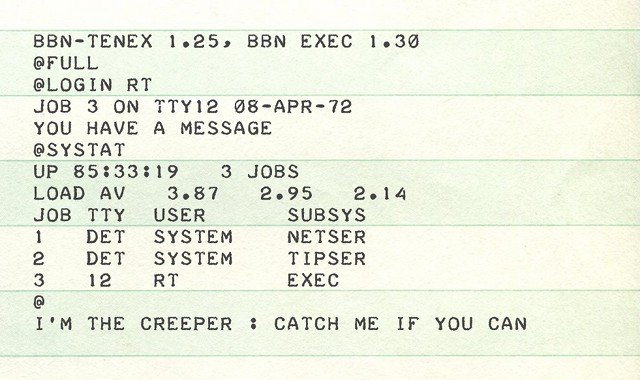
Credit immagine del listato: Rainmaker1973.
[CLIP: Rumore ambientale di sala computer d’epoca]
Siamo nel 1971. A Cambridge, nel Massachusetts, presso la società di ricerca e sviluppo Bolt Beranek e Newman Inc., che lavora per l’esercito statunitense, c’è un giovane programmatore, Robert Thomas, che tutti chiamano Bob. Bob ha appena scritto un programma sperimentale, che verrà battezzato Creeper, che è capace di trasferirsi da un computer a un altro attraverso ARPANET, uno dei precursori di Internet; per l’epoca è un risultato eccezionale.
Creeper diventa il primo worm informatico, ossia il primo programma capace di diffondersi e autoreplicarsi nei sistemi informatici che riesce a raggiungere. Un collega di Bob, Ray Tomlinson, quello che inventerà l’uso della chiocciolina negli indirizzi di mail, modifica Creeper in modo che invece di trasferirsi crei una copia di se stesso e quindi si moltiplichi. In questo modo nasce il primo software autoreplicante, ossia capace di prendere le risorse dell’ambiente per creare un proprio duplicato.
Che cosa succederebbe se questa capacità si applicasse alle macchine? Se per esempio si inventasse un robot, come quello proposto di recente da Elon Musk, e lo si rendesse capace di costruire copie di se stesso? Non è pericoloso?
Questa è la storia degli automi autoreplicanti, di come un uomo li concepì addirittura negli anni Quaranta del secolo scorso, e di come quegli automi potrebbero contenere la risposta alle domande sull’esistenza di vita intelligente extraterrestre.
Benvenuti alla puntata dell’11 novembre 2022 del Disinformatico, il podcast della Radiotelevisione Svizzera dedicato alle notizie e alle storie strane dell’informatica. Scopriremo insieme perché il cielo potrebbe essere pieno di scheletri di robot. Io sono Paolo Attivissimo.
[SIGLA di apertura]
John von Neumann è stato uno dei fondatori dell’informatica moderna. Matematico, fisico, informatico, collaboratore del progetto Manhattan per la realizzazione della bomba atomica durante la Seconda Guerra Mondiale, sviluppatore della dottrina della distruzione reciproca garantita che ha impedito per oltre settant’anni l’uso militare di armi nucleari, Neumann ha contribuito allo sviluppo di moltissimi settori della scienza; troppi per citarli tutti qui.
Fra il 1948 e il 1949, in una serie di conferenze alla University of Illinois, John von Neumann propose il concetto di automa autoreplicante, ossia di una macchina capace di creare una copia perfetta di se stessa usando soltanto le materie prime disponibili nel suo ambiente e una serie di istruzioni.
È quello che fa, in sostanza, ogni essere vivente. Farlo fare a una macchina era solo un’idea, un esperimento di fantasia abbastanza grossolano (almeno per gli standard scientifici di una mente come quella di von Neumann), per capire se una cosa del genere era almeno concettualmente possibile, perché all’epoca mancavano le risorse tecniche per realizzare un robot del genere nel mondo reale.
Ma in campo informatico, dove le cose erano più astratte e semplici, cominciava a essere fattibile una ricerca più approfondita. Così von Neumann formalizzò la sua idea insieme al collega Stanislaw Ulam (un altro personaggio che meriterebbe una storia a parte tutta sua). Propose così gli automi cellulari, ossia dei mondi virtuali ipersemplificati, composti da una griglia di celle e simulabili con un calcolatore, nei quali le celle potevano essere “vive” o “morte” e reagivano in base a regole elementari. Per esempio, se una cella aveva meno di due celle vive adiacenti, moriva, mentre una cella morta con tre celle vive adiacenti diventava viva. Se avete mai giocato a Life, un gioco per computer nato negli anni Settanta ad opera di John Conway e tuttora giocabile online, per esempio presso Playgameoflife.com, avete interagito con un automa cellulare.
La cosa sorprendente di questi automi informatici è che da regole semplicissime emergono comportamenti e strutture di complessità straordinaria. Lo si vede anche in biologia, per esempio nei rapporti fra le cellule, ed è possibile usare questi automi semplici per simulare strutture neurologiche capaci di riconoscimento e apprendimento. L’attuale boom dell’intelligenza artificiale si basa anche su questa ricerca di ormai settant’anni fa, grazie alla quale emerge anche l’ipotesi che i comportamenti complessi che osserviamo in natura siano in realtà la conseguenza di un insieme di regole estremamente semplici ma applicate in massa e per molto tempo.
Se così fosse, qualunque comportamento sofisticato, dalla traduzione al disegno artistico alla composizione di una sinfonia, sarebbe riducibile a poche, semplici istruzioni ripetute tante volte e su vasta scala. I successi di software di generazione di immagini basati su reti neurali, come DALL-E, Stable Diffusion e MidJourney, di cui vi ho già raccontato in questo podcast e la cui versione più recente ha raggiunto ormai livelli di qualità inquietanti, sembrano dimostrare questo principio.
Ma che cosa succede se si prende quel concetto di automa autoreplicante e lo si applica non al software ma al mondo reale? È qui che entrano in gioco nientemeno che gli extraterrestri.
—
I robot capaci di fabbricare altri robot uguali partendo dalle materie prime presenti nell’ambiente sono il sogno e anche l’incubo di qualsiasi imprenditore del settore.
[CLIP Musk presenta una versione preliminare di Tesla Bot]
Per esempio, nel 2021 Elon Musk ha annunciato Optimus, o Tesla Bot, un robot umanoide generalista che a suo dire sarà disponibile sul mercato entro il 2023, sarà gestito da un sistema di intelligenza artificiale e sarà in futuro in grado di fare “qualunque cosa che gli esseri umani non desiderino fare”, secondo la descrizione fatta da Musk. Per ora se ne sono visti soltanto alcuni prototipi parzialmente funzionanti, lontanissimi dall’autonomia e dalle capacità fantasticate da Elon Musk, ma ci sono molte altre aziende che da decenni lavorano alla realizzazione di robot generalisti. In tutto questo tempo i risultati sono stati scarsi, a differenza di quelli dei robot specializzati, che invece sono ormai una realtà consolidata nelle industrie.
C’è poco interesse concreto per un robot generalista per varie ragioni, una delle quali è il fatto che se un robot è in grado di fare qualunque cosa, allora è anche capace di costruire una copia di se stesso e quindi chi li dovesse mettere in vendita si troverebbe con il problema che i suoi primi esemplari venduti sarebbero anche gli ultimi, perché i compratori userebbero i propri robot per costruirne altri e saturare il mercato, a meno che vengano introdotti nel software di questi robot delle regole che vietino l’autoreplicazione. Regole che, come dimostra la storia dell’informatica, sarebbero comunque facilmente aggirabili.
Ma invece di pensare a un robot che porta i sacchetti della spesa si può pensare più in grande. Molto più in grande. Ed è qui che l’idea dell’automa autoreplicante assume un ruolo da capogiro.
Immaginate un robot autoreplicante che venisse mandato, per esempio, sulla Luna e fosse in grado di usare le materie prime locali per costruire un gran numero di copie di se stesso e dei macchinari necessari per costruire una base abitabile permanente. Con l’hardware e il software giusto, insomma, non sarebbe necessario spedire tutte le macchine e le strutture dalla Terra: basterebbe mandare una piccola squadra iniziale di robot che sfruttassero le risorse trovate sul posto.
Uno studio della NASA del 2004 [Toth-Fejel, Tihamer. Modeling Kinematic Cellular Automata: An Approach to Self-Replication] ha proposto proprio questo approccio per l’esplorazione spaziale e per creare miniere di materie prime negli asteroidi. Il costo iniziale è alto, ma una volta realizzato il lotto iniziale tutto il resto è sostanzialmente gratuito, e quando finisce la costruzione di un avamposto o di una miniera i robot possono essere riutilizzati per costruirne altri altrove.
Però questa è una visione ancora poco ambiziosa rispetto a quella delle cosiddette sonde spaziali di von Neumann.
—
Nel 1980 il nanotecnologo statunitense Robert Freitas studiò in dettaglio [A Self-Reproducing Interstellar Probe. J. Br. Interplanet. Soc. 33: 251–264; Comparison of reproducing and nonreproducing starprobe strategies for galactic exploration, JBIS 33, 402-406] l’idea di lanciare una singola, immensa astronave-automa, capace di raggiungere un altro sistema solare vicino e di usare le materie prime trovate all’arrivo per fabbricare altre astronavi che hanno lo stesso, semplice mandato: raggiungere la stella più vicina e sfruttarne i pianeti per costruire altre astronavi, e così via, con una crescita esponenziale del numero di veicoli spaziali in circolazione.
Applicando su scala cosmica i princìpi degli automi cellulari di von Neumann, Freitas arrivò a una conclusione sorprendente: anche senza usare sistemi di propulsione presi dalla fantascienza e restando quindi ben al di sotto della velocità della luce, e dando a ciascuna astronave cinquecento anni per raggiungere la propria destinazione e costruire una copia di se stessa, sarebbe possibile visitare ognuno degli oltre cento miliardi di sistemi solari della nostra galassia nel giro di alcuni milioni di anni. Regole semplici e crescita esponenziale applicata per lunghi periodi hanno effetti decisamente difficili da immaginare.
Probabilmente state pensando che alcuni milioni di anni sono un periodo di tempo un pochino lungo per qualunque ambizione colonialista o di costruzione di imperi galattici. È vero su scala umana. Ma bisogna considerare che l’universo ha circa 13,7 miliardi di anni. Questo significa che qualunque civiltà tecnologica extraterrestre che fosse arrivata, nel lontano passato, a un livello tecnico tale da permetterle di costruire questi automi autoreplicanti interstellari avrebbe avuto tempo assolutamente più che sufficiente per farli arrivare fin nei più remoti angoli della galassia, e per farlo anche più di una volta.
Va ricordato, fra l’altro, che non è necessario che quella civiltà duri milioni di anni: deve solo costruire la flotta iniziale, che poi andrà avanti da sola a riprodursi e a colonizzare lo spazio stella dopo stella, in un gioco di Life inimmaginabilmente vasto, anche dopo che la civiltà che l’ha avviato si sarà estinta.
In altre parole, l’universo è talmente antico che se ci sono state civiltà tecnologiche prima di noi, hanno avuto tempo in abbondanza per disseminare il cosmo di loro emissari robotici, molti dei quali saranno arrivati alla fine della loro vita operativa e giacciono abbandonati su mondi lontani, in attesa di essere trovati da futuri esploratori. Ed è per questo che partendo da semplici regole d’informatica dettate settant’anni fa possiamo dire che il cielo probabilmente è pieno di scheletri di robot.

Fonti aggiuntive: Cybereason, The Generalist Academy.

Dimissioni dei responsabili privacy e sicurezza di Twitter: è ora di proteggere meglio i nostri account

Immagine generata appositamente da Lexica.art.
A quanto risulta da fonti multiple, il responsabile per la privacy e il responsabile della sicurezza di Twitter si sono dimessi.
Sull’azienda pesa anche un consent agreement con la FTC statunitense, che prevede che ogni nuovo prodotto o servizio sia sottoposto a un vaglio documentato di sicurezza consegnato per iscritto. L’impossibilità di fornire questa documentazione a causa delle richieste continue di modifiche fatte da Elon Musk sarebbe la ragione principale delle dimissioni.
In pratica, in questo momento Twitter opera senza un responsabile per la sicurezza. Visti gli sviluppi sempre peggiori della situazione, credo che sia il caso che ciascun utente di Twitter rifletta sul rischio che i suoi DM (messaggi “privati”) possano essere letti da terzi indesiderati e che il suo account possa essere rubato, bloccato o cancellato per errore.
È importante ricordare che i messaggi “privati” su Twitter non sono cifrati end-to-end; non lo sono mai stati. Sconsiglio, oggi più che mai, di usarli per qualunque comunicazione che potrebbe causarvi disagio o imbarazzo qualora diventasse pubblica.
Il rischio principale, in questo momento, è che lo staff di Twitter, ridotto all’osso e sostituito da molti rimpiazzi trovati al volo, faccia qualche scivolone di sicurezza dettato dalle richieste sempre più incoerenti ed estreme di Musk.
Un altro rischio è che il personale neoassunto potrebbe approfittare di eventuali accessi ai DM per scopi personali. Visto che è stato assunto di corsa, non si sa se ci sia stato un vaglio o vetting degli assunti.
In ogni caso, è evidente che il momento di minore sicurezza di qualunque azienda è quello in cui sta avvenendo un grande ricambio del personale. Se poi dall’alto arrivano richieste continue di modifiche da mettere immediatamente in produzione, il rischio di un passo falso è molto alto.
A questo punto credo che sia opportuno dare quattro consigli:
- Fate un backup del vostro account Twitter
- Attivate l’autenticazione a due fattori, se non l’avete già fatto
- Eliminate i DM
- Usate Signal o altre app con cifratura end-to-end per i messaggi non pubblici
Chiedo a chiunque abbia scambiato DM con me di cancellarli, come sto facendo io. Non ho mai usato i DM per cose particolarmente sensibili, ma preferisco fare pulizia totale. Grazie.
Come fare un backup del proprio account
Per fare il backup del proprio account, le istruzioni in italiano sono qui su Twitter.
Si riceve un file ZIP che, una volta scompattato, include un file HTML e delle cartelle contenenti i dati. Il file HTML fa da indice sfogliabile (ma è molto incompleto; leggete i file README.txt inclusi nello ZIP per sapere come sfogliare tutti i dati):

Cliccando sulle voci Tweet e Messaggi Diretti della colonna di sinistra compare un elenco cercabile delle rispettive sezioni. Consiglio comunque di leggere direttamente i file JSON forniti nello ZIP.
Come eliminare i DM
Attenzione: eliminare i DM li cancella dai vostri dispositivi ma non da quelli del destinatario. È meglio di niente. Potete chiedere al destinatario di fare altrettanto, oppure eliminare completamente il vostro account Twitter.
Per eliminare tutti i DM scambiati con un utente, sull’app si può toccare l’icona di info in alto a destra nel thread dell’utente in questione e poi toccare “Elimina conversazione”.

Prigozhin interests and Russian information operations
One of Threat Analysis Group’s (TAG) missions is to understand and disrupt coordinated information operations (IO) threat actors. Our research enables Google teams to make enforcement decisions backed by rigorous analysis. TAG’s investigations do not focus on making judgements about the content on Google platforms, but rather examining technical signals, heuristics, and behavioral patterns to make an assessment that activity is coordinated inauthentic behavior.
In this post, TAG is highlighting four case studies involving Russian IO tied to the Internet Research Agency (IRA) and its financier, Russian oligarch Yevgeny Prigozhin. In several cases, those campaigns served the dual purpose of promoting Russia’s agenda and Prigozhin’s business interests.
These examples underline broader trends we’re seeing: Russian IO groups are increasingly obscuring their role in influence operations, relying on stronger operational security and cutouts (intermediaries to mask their work) to dissociate themselves from user-facing activity. They launder their messages via local media brands, NGOs and PR firms that were in fact created by Russian shell companies. And in some cases, IRA-affiliated actors have responded to platforms’ enforcement efforts by moving to more permissive online spaces and platforms.
IO amplifying Prigozhin’s pro-Russian films
Prigozhin has financed several movies through a partial ownership stake in the film company, Aurum LLC. The company’s movies show Russia — especially the Russian military and mercenaries — in a positive light. The films have high production values and fictionalize Russia’s actions abroad in the style of Hollywood action movies. Storylines in the films include depictions of Russian soldiers in the Central African Republic, soldiers defending native Russians in Ukraine, and even a satire about the IRA and its role in the 2016 US elections. In 2021, they released “Солнцепёк” (“Sunlight” or “Blazing Sun” in English), which takes place in eastern Ukraine and claims to be a story based on true events from 2014 of Russian mercenaries, connected to the paramilitary Wagner Group, protecting Russians in Ukraine against Ukrainian forces.
Shortly after Russia’s invasion of Ukraine, TAG identified several IRA-affiliated news sites hosting ads to drive traffic to the videos including sites like newinform[.]com and slovodel[.]com. While the film was an older release from 2021, the timing of this campaign was notable because the subject matter mirrored newly topical real world events in Ukraine in a way that portrayed Russia positively. Google terminated nine new IRA-linked accounts using Ads to advertise the film and 44 new IRA-linked YouTube channels hosting clips, the full-length film and related comments. Some accounts claimed to be officially affiliated with the film, while others presented themselves as fan accounts.

Advertisement for the movie “Sunlight” on an IRA-affiliated news site
IRA-linked IO campaigns in Africa
In recent years, Russian IO actors tied to Prigozhin and the IRA, have peddled influence campaigns promoting the interests of Russia and Prigozhin’s Wagner Group in Africa. Researchers at Stanford, Graphika, and our colleagues at Meta have documented this trend going back to 2019. These campaigns involved creating NGOs, media brands and news agencies across Africa including a Ghanaian NGO, Sudan Daily, Peace Data and SADC News. These entities presented themselves as independent non-profit organizations and recruited local journalists and subject matter experts to publish content on topics like pro-Russia narratives, African pride and empowerment, and stories suggesting that Western imperialism is destroying Africa. Some authors likely did not realize they were working for a Russia-backed IO and genuinely believed in the content they wrote.
TAG’s investigations align with these earlier findings. Google terminated accounts and channels associated with the IRA’s fake media brands and NGOs throughout 2019 and 2020. This included IRA-linked accounts using Gmail to create profiles on non-Google social platforms, creating YouTube channels affiliated with the so-called news brands, and publishing content to Blogger.
In March 2021, Google shut down activity by several IRA-linked actors who published content promoting Wagner’s operations in Africa along with pro-Russia narratives. These articles appeared on Blogger and a number of non-Google blogging platforms such as Balalaika, Hashtap, Technowar and Voskhodinfo. The blogs amplified false narratives that the United Nations is funding terrorists in the Central African Republic and that Syrians need Wagner protection. The blogs were not backed by a social media presence.

Example of a blog posted by an IRA-affiliated account

Example of a blog posted by an IRA-affiliated account
In September 2022 Google terminated three IRA-linked YouTube channels that were sharing content in French and supportive of Russian policy objectives in Libya, including promoting a film in the Shugaley trilogy, another Aurum LLC film.
IRA influence operations concerning Ukraine
Russia’s agenda in Ukraine has also been a consistent, but not overwhelming, focal point for IRA-linked influence campaigns. In February 2022, Google terminated five YouTube channels and 21 Blogger blogs posting coordinated narratives on Blogger, YouTube and the Ukrainian blogging platform, Hashtap. In addition to domestically-focused content about Russia, several of the narratives focused on maligning Ukraine. These included allegations of Ukrainians deceiving Europe and stories of how Kyiv authorities failed to properly handle the Covid-19 pandemic. This activity spanned multiple blogging platforms and TAG observed the same IRA-linked accounts posted similar commentary across various news sites.

IRA-created blog on Blogger criticizing EU support for Ukraine
IRA IO targeting domestic Russian audiences
Google regularly disrupts activity by IRA-linked accounts targeting Russian domestic audiences. These are often clusters of related accounts that create YouTube channels, upload videos, and comment and upvote each other’s videos. The activity occurs during Russian work hours, with narratives focused on Russian domestic issues and typically targeting political dissidents. In October 2022, Google terminated a cluster of nearly 700 IRA-linked accounts that were posting YouTube Shorts. The Shorts were crafted for a Russian domestic audience, praising Russian soldiers in Ukraine, and had negligible views or subscribers.
Other campaigns have focused on blogs. In July 2021, Google terminated 28 Blogger blogs created by IRA-linked accounts. Narratives in the blogs focused on Russian domestic affairs, including stories dismissing protests supporting anti-corruption activist, Alexei Navalny, denigrating local opposition politicians, criticizing the mayor of St. Petersburg and praising the heroics of Wagner Group. IRA actors also mirrored the same content on Ukrainian blogging platform, Hashtap. In some cases, multiple Blogger profiles published very similar or near-identical content.
The evolution of the Russian IO landscape
These case studies underscore several developments TAG observes in Russian IO activity. The accounts created lack well-developed, and backstopped personas, and increasingly are disrupted before they can gain traction. Russian IO actors also increasingly obscure their role, using stronger operational security and a range of intermediaries to conduct the actual user-facing activity. These proxies include third party PR firms, marketing agents, or unknowing local journalists and creators. Using well-selected proxies launders their legitimacy, and this provides an advantage compared to creating direct personas with little reach.
In our investigations of IRA-backed IO, we have also noted several cases where the narratives pushed by the IRA serve a dual purpose. Not only do they amplify messages supporting Russia, they also promote the business interests of oligarch, Yevgeny Prigozhin. Prigozhin has organized his empire around projects that directly and indirectly support the Russian state, and as the main financier of the IRA, he has cleverly leveraged his IO apparatus to amplify narratives that benefit not only Russia, but his own business interests as well.

Digitale, Sostenibile, Artigiano: si può fare!
 Il 14 novembre A.P.I. alla Milano Digital Week 2022 Il prossimo 14 novembre, nel corso della Milano Digital Week 2022, si svolgerà l’evento “Digitale, Sostenibile, Artigiano: si può fare! La…
Euro digitale. Commissione europea e Banca centrale tengono una conferenza congiunta
 Lunedì 14 novembre la Commissione e la Banca centrale europea terranno una conferenza congiunta ad alto livello sul tema “Towards a legislative framework enabling a digital euro for citizens and…