iPhone 13 mini, il top di gamma CROLLA su eBay: affare d’oro
Samsung Galaxy A23 5G, mediogamma SUPREMO a prezzo REGALO su Amazon
Come scegliere il nome più adeguato per un’azienda
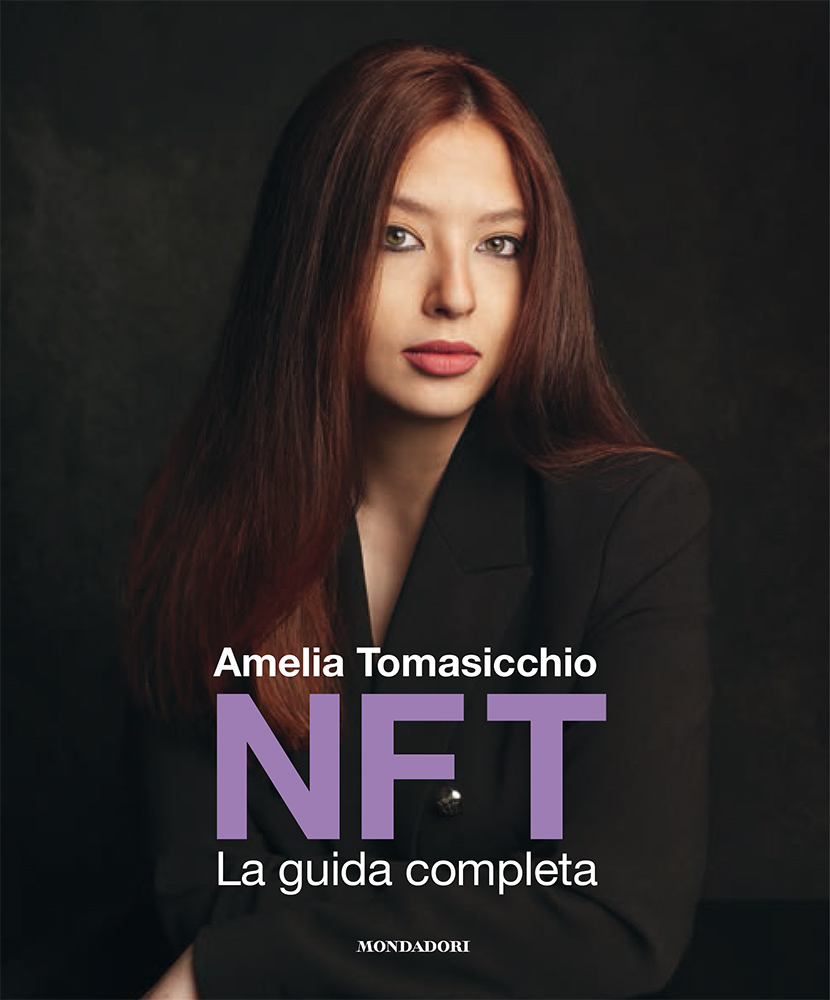
NFT La guida completa DI AMELIA TOMASICCHIO
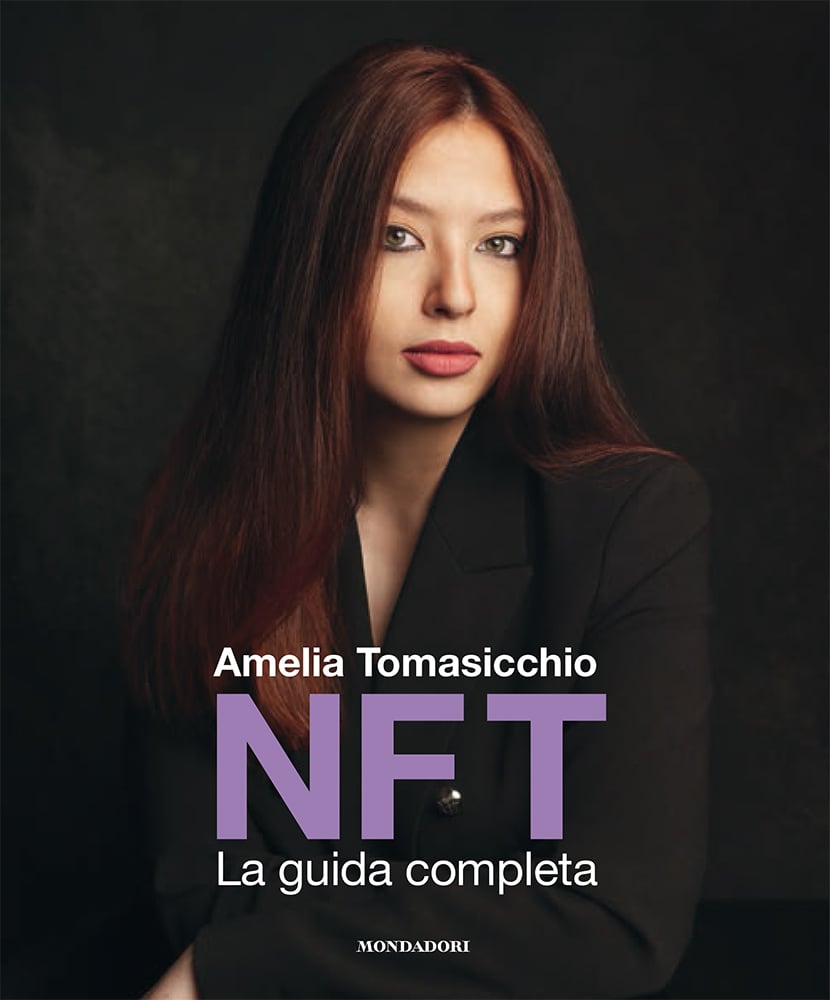 Una guida pratica ed esaustiva per conoscere a fondo tutti i segreti dei non fungible token. La prefazione è di Giovanni Motta e la foto di copertina di Paulo Renftle.…
Il Mini PC BMAX che desideri è al minimo storico: a questo prezzo è un affare
Braun ti fa il baffo, letteralmente: il rasoio elettrico 7 in 1 che cercavi
How we’re restoring native habitats in Silicon Valley
Vast oak woodlands punctuated with lush willow groves once stretched from Palo Alto to San Jose and beyond, long before the rise of Silicon Valley.
“Centuries of agricultural intensification and urbanization have transformed these landscapes,” says Erin Beller, Google’s ecology program lead who studied Silicon Valley’s ecological history and restoration potential for her PhD. “We’ve lost over 99% of these valuable native habitats.”
Now, Google’s real estate and ecology teams are working to bring nature back into the built environment — in part, by restoring critical habitats like oak woodlands and willow groves across our Bay Area campuses. The goal is to revive the area’s ecological heritage and bolster the human experience while creating thriving, functional landscapes for a biodiverse constellation of species.
Already, the team has restored over 15 acres on Google’s campuses and in the surrounding urban landscape, in partnership with local NGOs, ecology experts and government agencies. This work includes everything from creating welcoming habitat patches for pollinators like native bees and monarch butterflies to partnering on larger projects like restoring the Charleston Retention Basin.
Together these efforts drive landscape-scale restoration of historical ecosystems like oak woodlands, willow groves, meadows and grasslands, and creek and wetland habitats. Oaks and willows are especially important to Beller’s team because they play a defining role in sustaining ecosystems. Both support a dizzying array of wildlife and have great potential to adapt to California’s changing climate. “Oaks and willows have superpowers,” says Beller.
Oak canopies: host to a community of creatures
Iconic trees of the California landscape, oaks once dominated Silicon Valley. Oaks are drought-tolerant, fire-resistant, and efficient at removing air pollution and absorbing carbon from the atmosphere.
Oak woodland ecosystems sustain some of the highest plant and animal diversity in California, supporting 2,000 additional plant species and around 5,000 insect species. Hundreds more birds, mammals and other wildlife rely on the richness of oak woodlands for food, shade and shelter.
Oaks can bring powerful benefits to urban areas, like creating wildlife corridors and mitigating the urban heat island effect. Already, Google has planted hundreds of oak trees across our Mountain View and Sunnyvale campuses, with plans to plant hundreds more. These efforts follow guidelines for tree density and spacing laid out in “Re-Oaking Silicon Valley,” a study Beller co-authored with her extended team that also serves as a resource for other businesses and organizations.
Wetland willows: a stop for migratory birds
Whereas oaks thrive on well-drained valley soils, willows flourish in low-lying areas where groundwater is close to the surface. Because willows tap this groundwater, they stay lush and green well into the dry season, reducing the need for irrigation.
Like oaks, willows sequester carbon once mature. They’re also critical for insect biodiversity and can provide high-quality food for insectivorous birds and other wildlife. Silicon Valley has lost nearly all of its willow groves, which once served as essential stopovers for migratory birds heading south.
Thanks to Google’s willow grove restoration initiatives like those around the Charleston Retention Basin and on our Bayview and Charleston East campuses, there are more places for migratory songbirds to rest and find food to replenish their energy en route.
At the Charleston Retention Basin — home to one of the largest willow groves in the region — there are new trails, seats and lookout points so people can immerse themselves in the outdoors and appreciate the biodiversity around them.
Bringing nature back beyond the Bay
In addition to projects in the Bay Area, Google’s ecology team has urban greening projects in the works across several of our campuses, including in the heart of London, Munich and New York.
“Nature and people should be able to flourish together in the campuses and communities that Google calls home,” says Beller.
This work is part of a bigger global movement. The idea that nature in cities is crucial for both people and wildlife is taking root, and high-profile projects like London’s National Park City to The High Line of New York have brought it into the public consciousness.
“We know that access to nature has profound benefits for human health and wellbeing,” says Kate Turpin, director of design performance for Google’s real estate development team. “It can be a place of refuge, from a hot day or the busy pace of working life.”
A field researcher measures the height of native narrow-leaf milkweed on the Google campus, as part of biodiversity monitoring efforts.
To help scale their ideas, Beller’s team supports open-source scientific research, from local guidelines for native planting in Silicon Valley for institutions and residents to academic research about the value of urban nature. “From backyards to businesses, we hope everyone will pitch in to bring nature back into cities,” says Beller. They have also partnered with local scientists to monitor these new habitats on campus, using data to measure the impact of native landscaping on bird and insect biodiversity and inform future campus restoration efforts.
The early signs in the Bay Area are promising. “I can step out of the office and lose myself among the willow groves around the Charleston Retention Basin — enjoy a walk in the shade, spot birds and butterflies, and hear the hum of a functioning ecosystem all around me,” says Beller. “I’ve spent a large part of my career as an ecologist reflecting on what was. It’s awe-inspiring to think about what could be.”

Creating new artistic territories through advanced technologies
Art and technology have a complex but substantial history of influencing one another. Today, technology is increasingly impacting how art is made, displayed and sold — playing a fundamental part in its development and evolution. It’s also giving rise to questions like “How can machine learning algorithms, ambient sensors and new forms of human machine interaction transcend creativity and enable new perceptions?” and “What dialogues will those new tools for expression create?”
Focusing on the intersection of art and technology, we invited four cutting edge creatives from various disciplines — Christelle Koché, Refik Anadol, Mathieu Peyroulet Ghilini and Cyril Lancelin — to experiment with Soli, a miniature radar that captures human motions of varying scales, from your heartbeat to body movement.
“Do hoodies dream of beautiful sunrises?” is the name of the collaboration we undertook with KOCHE, a nod to Philip K. Dick and his dystopian universe. It is a way to ask — as a thought experiment — can clothes be sensitive to the beautiful environment that surrounds them? What is the future of clothes and can we redefine the interaction between clothes, humans and machines?
Driven by those questions, KOCHE created four hybrid pieces combining artisanship, couture and technology, which can transform by reacting to sensors or touch. KOCHE’s vision was to seamlessly blend technology with craftsmanship. In a way, most of the electronics had to be hidden, leaving only the luminous interactive elements, almost as if the elements themselves were part of the textile. For our team at ATAP, this meant making the driving electronics invisible, flexible and robust enough to withstand body movements, and supporting KOCHE’s application of craftsmanship techniques regarding the integration of luminous components.

A model walking in front of Soli radars with data visualization on an LED wall.
We used Soli within the scenography of KOCHE’s Paris Fashion Week show to give it a deeply interactive dimension. We imagined different levels of interaction between the models, the clothes, the audience and the show space; each influencing the others with its presence alone or movement. In this way, the garment becomes connected to its environment; the garment transforms, and is transformed by, its environment. Together with KOCHE, we created visuals that illustrate Soli’s unique and abstract perception of its environment — a digital shadow, as perceived by Soli.
Upcoming collaborations with Refik Anadol, Mathieu Peyroulet Ghilini and Cyril Lancelin will be revealed in 2023. Stay tuned for more magic!
Friggitrice ad aria 10 in 1: questa è la REGINA della tua casa
Set completo di attrezzi da giardino: il tuo terreno sempre curato con appena 16€
Baffo da latte a rapporto: il Montalatte elettrico che manca in cucina

How Googlers helped Afghan newcomers seek asylum
Abdul
We’re at a legal clinic, which was held at Google’s Pier 57 office in New York on September 20. Staffed by volunteers from Google and Accenture, the goal is to help Afghan newcomers like Abdul fill out Form I-589, a key document in the application for asylum in the United States.
The clinic is being hosted by the CEO Council for Welcome.US, an organization that supports people seeking refuge in the U.S. Earlier this year, Google CEO Sundar Pichai and Accenture CEO Julie Sweet took on the roles of co-chairs, and they’ve stopped by to meet Afghan newcomers and thank the volunteers for their efforts.
Form I-589 is a dozen pages long and includes questions about whether an applicant has experienced threats or mistreatment and fears being harmed if they return to their home country.
So, at a table surrounded by people he’s only just met — including Sundar — 20-year-old Abdul shares his story. He speaks English well, but opts to have a translator present to ensure the details are communicated as accurately as possible.
Together, they explain that in 2021, Abdul, a student and dental assistant in Afghanistan, was approached by members of the Taliban who tried to force him to work for them. They knew he had relatives working for the U.S. government, which made him a target. They threatened to kill him if he didn’t do as they asked. Still, Abdul refused. He searched for safe haven outside of Afghanistan, and arrived in the U.S. when the country airlifted thousands of Afghans out in August last year. Since then, the Taliban has repeatedly interrogated Abdul’s parents about his whereabouts, which has forced his family to move to another district in Afghanistan.
“It was incredibly moving to hear his story,” says Ariel Devine, the Google attorney volunteer helping Abdul capture this information in his application. “Applying for asylum is an overwhelming process to navigate, and lending my legal skills is one way I can provide support. We’re part of welcoming these Afghan newcomers into our country, and showing Abdul there are people invested in his application was a tremendous honor and responsibility.”

Volunteers helping Afghan newcomers fill out Form I-589 at Google’s Pier 57 office.
More than 80 people from Google and Accenture volunteered for the legal clinic and participated in a comprehensive training created by partner organization Human Rights First, to familiarize them with the situation in Afghanistan, the asylum application process and special considerations for this community.
“Attorneys are paired with non-attorney volunteers, who can help provide administrative and logistical support, as well as an interpreter,” explains Googler Mistral Myers, one of the lead organizers of the event. “We have newcomers joining in person and virtually on Meet. When the application is completed, it’s dropped off to additional volunteer attorneys in a separate room for an extra review. This allows them to remain unbiased, having never met the applicant, and ensure the information is filled out correctly.”
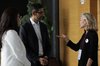
Google and Alphabet CEO Sundar Pichai speaks with Welcome.US leaders, including CEO Nazanin Ash (left) and President and COO Anya McMurray (right).
Then, applicants have their picture taken. On the other side of the room, Googler Thani Chettiyar is snapping passport photos of newcomers, a necessary component for each person on an asylum application.
He shares what brought him here today. “I found out about it on the internal volunteering opportunities site,” he says. “Though I didn’t have to do anything like this, the immigration process was extremely complicated. I wanted to do what I could to help.”
He takes the passport photos on his Pixel and prints them on a compact photo printer. Next to it is a list of typed instructions — and another page full of handwritten ones. “The person who did this in the morning session wrote these out to make the process easier,” Thani says. “It’s complicated — you have to download two different apps — but I figured it out eventually. Did you see the one I took of the baby?”
He points to an adorable photo paperclipped to the top of an application form. A few feet away, the baby is still there — sound asleep in her stroller beside her mom in an area surrounded by children’s toys. The Pier 57 events team had set up the area for kids to play while their parents participated in the legal clinic, getting toys, books and games donated — and even donating some toys from their own children.

The play area at the legal clinic.
By the end of the clinic, volunteers had helped 22 Afghan applicants and their families with their asylum applications. “We’re hopeful that Welcome.US and Human Rights First can use this clinic partnership as a model to help future newcomers, including those from Ukraine when they arrive on our shores,” Mistral says.
Google.org is continuing to provide support to Welcome.US with funds, volunteers and digital tools. “We’re contributing an additional $250,000 and technical assistance to help Welcome.US build a legal platform to scale much-needed asylum application support to vulnerable new arrivals,” says Google.org Senior Manager Kelsey Ford. “And, we’re already planning to host more virtual legal clinics and hiring fairs where Googlers can volunteer.” Google.org has also contributed 30,000 Pixel devices and 10,000 laptops that are being distributed to resettlement agencies to be given to newcomers.
It’s something that makes you a better Googler, a better team player and better at the work that you do every day.
As Googler Rana Ibrahem reflects on the day at the clinic, she’s proud to have been able to make an impact, especially as a non-attorney: “My parents are Egyptian immigrants, and when they came to New York, they were aided entirely by other regular people just doing their bit.”
Rana’s “bit” was assisting a newcomer with their asylum application virtually. “I knew the Afghan people were resilient, but what I saw so clearly was people who have suffered so much and still have so much hope and courage to fight for their right to live a life of self-determination and freedom,” she says.
The experience has taught her a lot about Google, too. “I recently hit my one-year mark here, and the thing that impressed me the most is that this company really values taking opportunities to give back,” Rana says. “It’s something that makes you a better Googler, a better team player and better at the work that you do every day.”
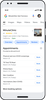
7 ways to help make better sense of your health information
When I’m sick or someone I care about is sick, one of the first things I do — even as a doctor myself — is seek out more information, whether it’s searching for answers to questions online, making an appointment with a doctor or connecting with others in similar situations. At Google, we’re committed to connecting people in those moments to reliable, easy-to-understand information so they can make more informed health decisions for themselves and others.
For Health Literacy Month in the U.S., here are 7 ways our products and services can help you better find and understand health information.
- Quickly access easy-to-understand health information.
Many of us come to the internet first to look for information about different health conditions and symptoms. When you’re looking for this information on Google Search, you’ll find helpful information panels. These information panels are available in a number of countries and provide details on dozens of conditions — from the common cold to headaches and more.
2. Learn more about your source.
When you’re searching for a topic or condition you’re unfamiliar with, you can use Search tools to learn more about the information you see online. Through the About this result tool — accessed by clicking on the three dots next to most results on Search — you can find information like, descriptions of the source, and what others on the web say about a source or topic. With this added context, you can make more informed decisions about the sites you visit and the health information you rely on.
3. Find an appointment with a care provider — and check your in-network options.
Booking a doctor’s appointment can be an overwhelming and complex process because of the different types of appointments available to you. On Google Search, we have updated our experience to make it easier for tens of millions of people who use Search everyday to find local health information. This includes showing appointment availability for some local providers and facilities and giving you search filters and information to help you identify providers who might take your insurance, including Medicare and Medicaid.
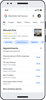
4. Find answers from authoritative health sources.
YouTube has made it easier for people to find reliable information to help answer their health questions. We’ve added health source information panels on videos to help viewers identify videos from authoritative sources, and health content shelves that more effectively highlight videos from these sources when you search for specific health topics. These context cues are aimed at helping people more easily navigate and evaluate authoritative health information.
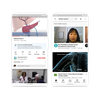
5. Connect with a community that understands your health journey.
If you’re looking for support, empathy or shared experiences related to certain health conditions, YouTube’s new Personal Stories feature makes it easier to connect with others who have similar experiences. This feature elevates stories from those who are sharing their lived experiences relevant to common health conditions like anxiety, depression and cancer.

6. Understand your health and wellness health information.
Fitbit is designed to give you better and more actionable insights about health and wellness. For example, among its most popular features is Daily Readiness Score that takes multiple inputs — such as sleep patterns, activity levels and heart rate variability — and combines them into one singular number that you can refer to when deciding whether to workout or recover.
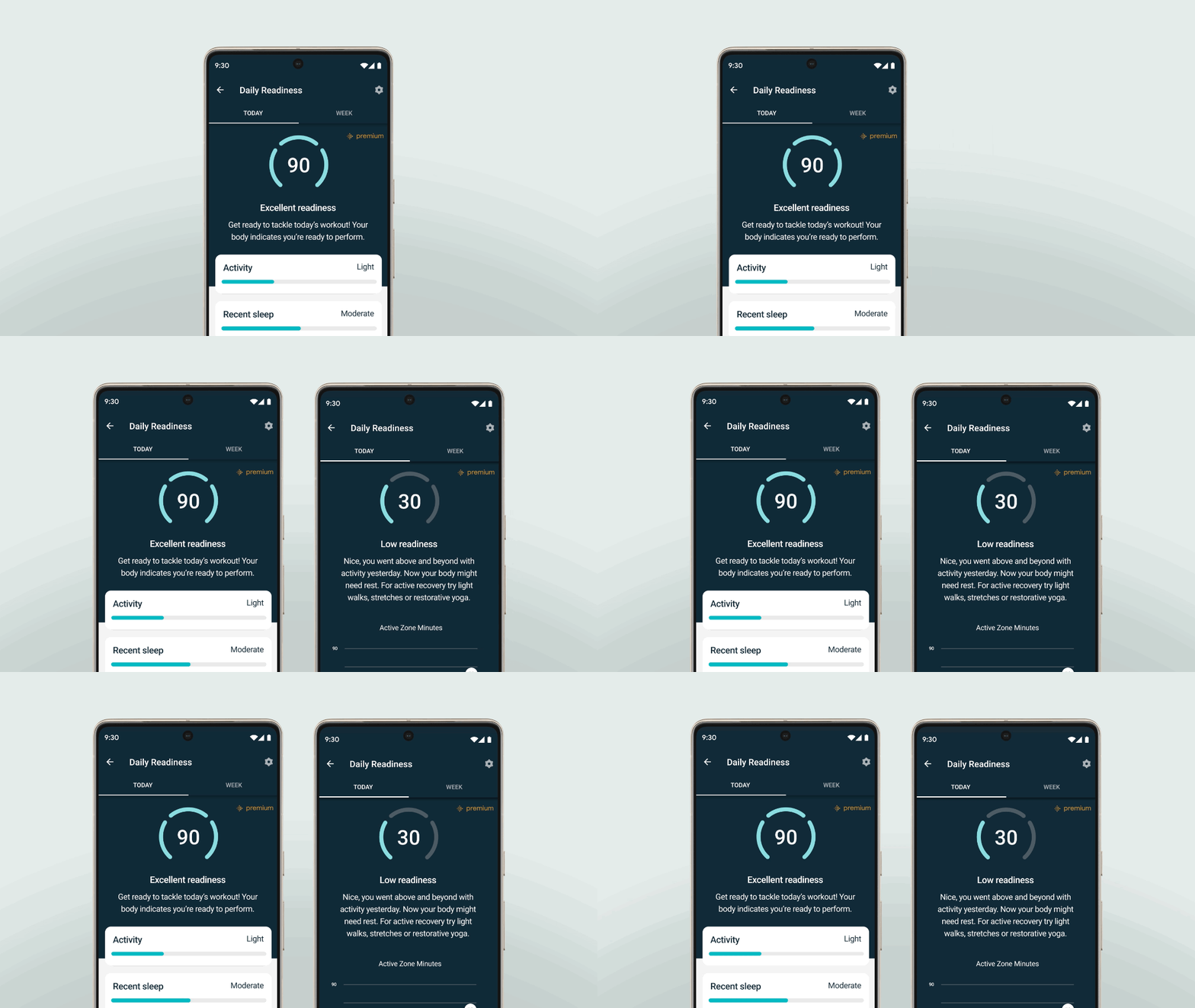
7. Get to know (and improve) your ZZZs…
Track your sleep habits to understand patterns that might impact your health and wellbeing. With Fitbit, you can track your sleep each night right from the wrist so you can better understand your patterns, track over time, and make changes to improve your sleep. With Fitbit Premium, you can see an even more in-depth analysis of your sleep with the Sleep Profile feature that offers monthly sleep analyses and an associated Sleep Animal that makes your sleep data even easier to interpret. If you use Nest, Sleep Sensing gives you a daily personalized sleep summary along with tailored bedtime schedules and other suggestions that can help you improve your sleep.
We’re committed to connecting people with the tools, voices, and experiences they need to act for themselves and others on their health journey. After all,organizations have an important role to play in helping people understand and use health information.
How Googlers are honoring Hindu Heritage Month
This year, the Hindu chapter of Google’s Inter Belief Network (IBN) employee resource group is honoring Hindu Heritage Month and the many important festivals happening this month, including Navaratri (Sept. 26 – Oct. 5), Dussehra (Oct. 5) and Diwali (Oct. 24).
To help bring more awareness to key moments like Diwali, Google Registry partnered withCoHNA, a coalition representing the Hindu community of North America, earlier this year to launch Diwali.day — a secure domain to learn more about the history and traditions surrounding Diwali.
I sat down with fellow members of the IBN Hindu chapter to learn a bit more about their traditions, and how they are celebrating the festive season.