Google Pixel 6a: piccolo ma potente come uno grande! La recensione
Lampadina smart con 16 milioni di colori: mai stata così ECONOMICA
Aspirapolvere portatile 3 in 1, piccolo ma perfetto OVUNQUE
LinkedIn è il brand preferito per il phishing
Check Point Software ha diffuso un nuovo report relativo agli attacchi di phishing che sfruttano brand noti, LinkedIn è quello più colpito.
Upgrade to Performance Max to prepare for the holidays
Today’s consumers are always-on, where curiosity and inspiration can strike them anytime and anywhere. They’re also kicking off their holiday buying earlier than in previous years to find the best deals and avoid supply chain issues. As of June, 26% of shoppers in the US reported already having started their 2022 holiday shopping.
To win customers throughout the extended season, look no further than Performance Max campaigns. They find the right mix of inventory and formats across all of Google’s advertising channels to help you drive more sales both online and in-store.
Earlier this year, we shared the timeline and process for upgrading your Smart Shopping and Local campaigns to Performance Max using the “one-click” upgrade tool in Google Ads. The tool started rolling out in April for Smart Shopping campaigns and is available now for most advertisers. We strongly recommend using the tool to upgrade your campaigns as soon as you can to get a head start on the holiday season. The self-upgrade tool for Local campaigns will be available soon. More information is coming in the next few weeks, stay tuned for updates published to the Help Center.
Starting automatic upgrades for Smart Shopping campaigns
If you use Smart Shopping campaigns you’ll have advance access to the self-upgrade tool for two months on average to give you time to upgrade yourself before automatic upgrades begin. Automatic upgrades are happening on a rolling basis for Smart Shopping campaigns that have not already been self-upgraded using the tool. Keep these details in mind as automatic upgrades begin:
- Automatic upgrades will gradually progress and finish in September for most advertisers. You’ll receive a notification in Google Ads two to three weeks before your campaigns are automatically upgraded. The notification will provide a specific date when your campaigns will start automatic upgrades.
- Some Smart Shopping campaigns using features like vehicle ads that are not yet available in Performance Max will complete automatic upgrades in early 2023. For campaigns not yet eligible for upgrades, advertisers will receive more specific information later this year about their automatic upgrades coming in early 2023.
- When your campaigns are self-upgraded using the tool or automatically upgraded, learnings from your previous Smart Shopping campaigns carry over to your new Performance Max campaigns to maintain consistent performance. Your campaign settings will also automatically transfer to Performance Max. Find more details in our Help Center.
Engage shoppers with new video formats on YouTube
YouTube has over 2 billion monthly logged-in users and attracts a generation that has grown up watching what they want, when they want, on any screen.
Once you’ve upgraded to Performance Max, upload your own video assets to drive better results on YouTube. It’s never been easier to create video ads! With video ad creation now available in Google Ads, you can build a high-quality video ad in a matter of minutes and then add it to your campaigns including Performance Max.
See how retailers are succeeding with Performance Max
At first we were hesitant to use automation to make such important decisions. But the results spoke for themselves. Automation stays on top of customer trends and behavior faster than we can.
Performance Max outperformed our existing Smart Shopping campaigns. We’ve increased our quality traffic and our overall efficiency.
Upgrade to Performance Max as soon as you can to make sure you’re well positioned for the holiday season. Visit the Help Center for best practices and mark your calendars for Think Retail on August 30. Join us at this virtual event to hear Google product leaders and industry experts share the latest holiday trends and ways you can get your business ready.
Samsung Flash Drive USB-A 3.1 da 256GB, sconto 46%: ORA O MAI PIÙ
Tripla fotocamera e display da 6,6”, il Samsung Galaxy M13 è il BEST BUY su eBay
Samsung Galaxy S21 Ultra: -49% su Amazon
Questa soundbar smontabile ha dei bassi che SFONDANO i muri e costa appena 69€
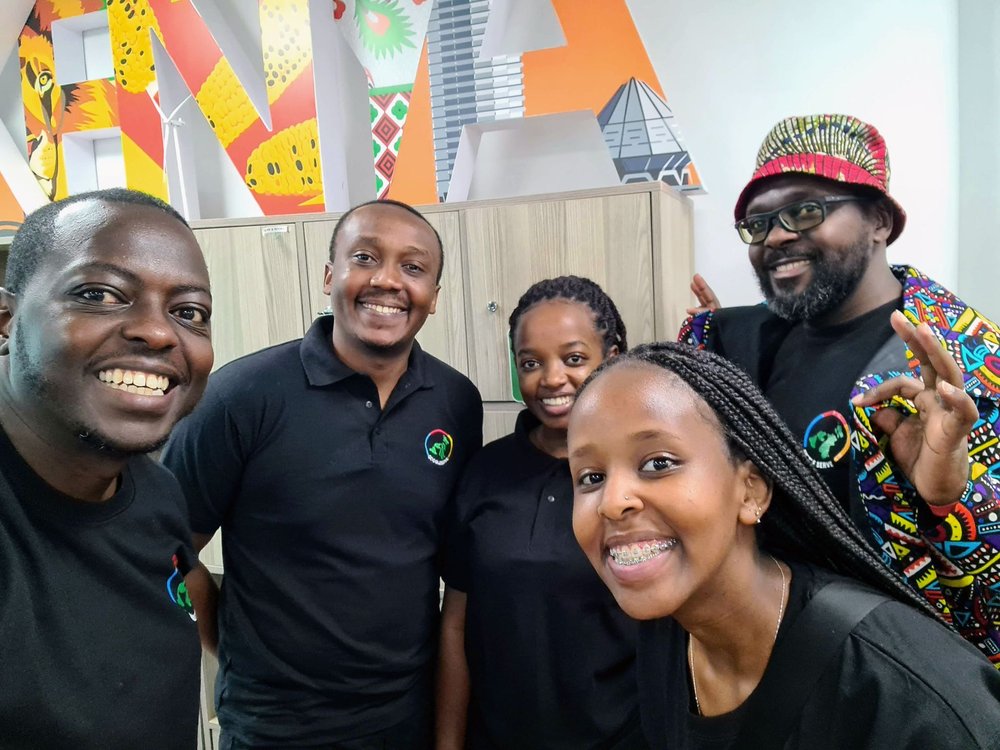
How this intern’s passion for Africa led her to Google
Welcome to the latest edition of “My Path to Google,” where we talk to Googlers, interns, apprentices and alumni about how they got to Google, what their roles are like and even some tips on how to prepare for interviews.
Today’s post is all about Angela Kagabo, a Kenya-based intern working on marketing projects for the Ads sales team.
Can you tell us a bit about yourself?
I was born and raised in Kigali, Rwanda in a family of four children and a super mom. Two words that best describe me are authentic and funny (I might be exaggerating the funny part but my own jokes crack me up). I’m a rising junior, studying international business and trade at the African Leadership University in Kigali. I’m very passionate about women’s rights, my country and the African continent — particularly her stories, people, history and, most importantly, her future.
What do you work on at Google?
I’m an intern with Google’s Sub-Saharan Africa (SSA) marketing team, and I’m working out of our Nairobi, Kenya office this summer. I support marketing projects for our Ads sales team, like planning client events. So far, I’ve had a blast working with the SSA marketing team because of all the new things I get to learn every day. I even got to meet most of my team at a recent offsite in Cape Town, South Africa.
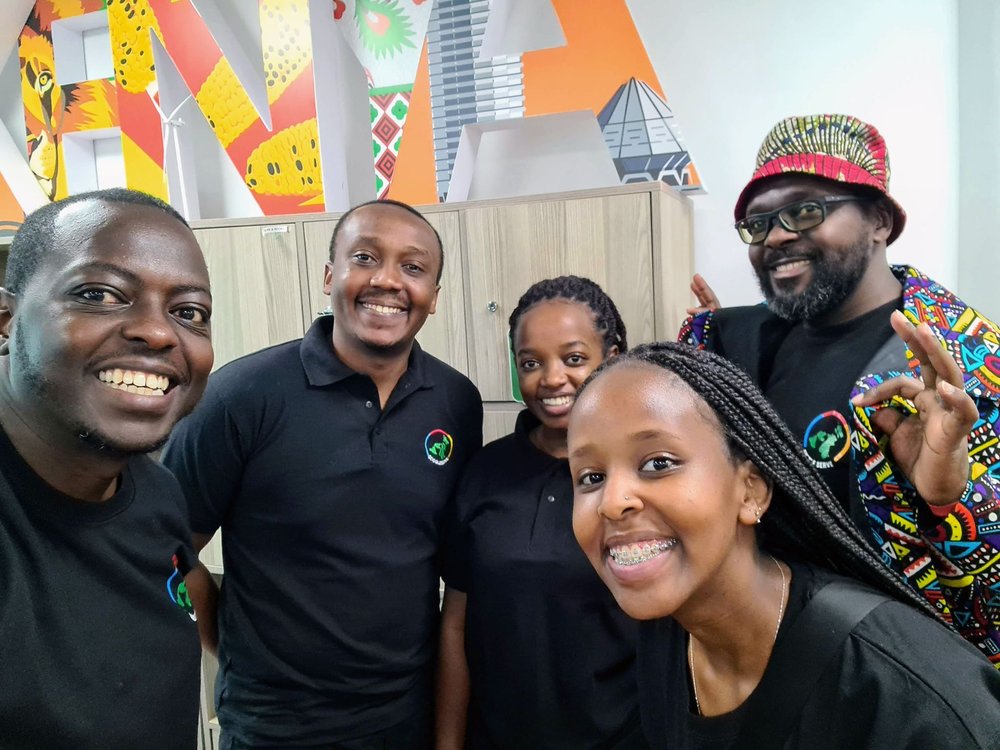
Angela and her teammates participating in a community service project
Why did you apply to Google?
I applied because I was inspired by all the Google products that have made my life easier — like Google Forms and Google Sheets, my go-to tools for collecting feedback and organizing data. And I wanted more people, especially those in lower-income communities, to know about and have access to these products. Google’s company culture was another big draw for me, as was the opportunity to work on projects specifically focused on Africa.
How did your interview process go?
Honestly, it couldn’t have been a smoother process. Although I went into the interviews feeling nervous, my interviewers put me at ease. In one of my interviews, I remember not understanding one of the questions. However, I felt comfortable enough to tell my interviewer (and now manager), “I’m not sure I understand that. May I have more context?” And she happily explained. As it turns out, not knowing the answer right away doesn’t mean automatic rejection — it actually means there’s an opportunity to learn something new.
How did you prepare for your interviews?
While the interview process was different from what I was used to, my recruiter shared a lot of resources to help me better understand the process and team I was interviewing for. I also spent a lot of time watching YouTube videos from previous Google interns and the Google Students team, and about overall interview etiquette.

Angela and her mother
Any advice for aspiring Google interns?
First, be yourself. Don’t try to fit into a box you think Google expects you to be in — because there is no box. Second, if you’re thinking about applying, watch videos on the Google Students YouTube channel. They’ll teach you how to create a strong resume and give you insight into the recruitment process. Also, spend time on Google’s career site because there’s a lot of important information to help you better understand the company.
And finally, just apply! I almost didn’t, because I didn’t think I’d actually get this internship, but I’m so glad I pushed myself to do it. If you’re worried about the interview process, Google is rooting for you and will share all the resources you need to be prepared. So go for it!
Power Bank da 10000mAh con ricarica wireless: RISPARMIA SUBITO 20€
Chiavetta USB da 2TB a 12€: FOLLIA totale su Amazon
Come creare un portfolio gratis con Canva
Tra le opzioni che mette a disposizione Canva, c’è anche la possibilità di realizzare un portfolio creativo gratis: ecco una guida.
Samsung Galaxy S22+ con caricatore, il best buy del momento ora costa 100€ in meno

Dispositivi di tracciamento colabrodo mettono a rischio le flotte di trasporto su strada

La gestione elettronica dei veicoli è una gran bella cosa, con tanti vantaggi, ma va fatta bene: se fatta male, può avere conseguenze catastrofiche e inattese. Un esempio in questo senso arriva nientemeno che dalla Cybersecurity and Infrastructure Security Agency del governo statunitense, che si occupa di sicurezza informatica delle infrastrutture ai più alti livelli.
Il CISA ha pubblicato un avviso a proposito della pericolosità di un dispositivo di tracciamento GPS con ricetrasmettitore cellulare molto usato dalle flotte di veicoli commerciali, l’MV720 della MiCODUS, che ha una serie di difetti informatici che possono permettere a un aggressore addirittura di prendere il controllo del veicolo, per esempio disattivandone l’antifurto e anche interrompendo l’erogazione di carburante oltre a tracciarne la posizione e i percorsi.
Fra questi difetti spicca un classico: una hardcoded password, ossia una password di amministrazione fissa e non modificabile, una sorta di passepartout, che permetterebbe a un aggressore di accedere al server di controllo e mandare comandi ai dispositivi di tracciamento tramite SMS.
Come se non bastasse, un altro difetto consente a un malintenzionato di mandare comandi SMS senza aver bisogno di autenticarsi. E poi c’è un’altra falla che permette di accedere ai dati degli altri utenti perché il server non verifica l’identificativo del dispositivo che viene inviato dall’utente. Il problema, quindi, rischia di riguardare tutti i dispositivi di tracciamento di questa marca.
Un vero disastro di incompetenza, insomma, che apre la porta ad attacchi di vario tipo: a parte quelli strategici o politici e ideologici, ci sono quelli del crimine informatico organizzato. Con falle di questo livello, un’organizzazione criminale potrebbe per esempio ricattare un’azienda di trasporti, minacciando di fermare tutta la sua flotta di veicoli se non viene pagato un riscatto, oppure acquisire i dati delle spedizioni e compiere furti mirati.
La scoperta è stata fatta dai ricercatori della società di sicurezza informatica statunitense Bitsight e descritta in un rapporto pubblico molto dettagliato, dopo aver tentato inutilmente di avvisare la casa produttrice del dispositivo, la cinese MiCODUS, e dopo aver comunicato il problema alle autorità governative statunitensi per la sicurezza informatica.
Circa un milione e mezzi di utenti privati e di aziende che usano questi dispositivi in quasi 170 paesi, compresi forze militari, agenzie governative e corrieri, a questo punto hanno una sola strada per eliminare il rischio: assicurarsi che i tracciatori non siano accessibili da Internet e usare accessi remoti sicuri, protetti da VPN. O, meglio ancora, rimuovere completamente questi dispositivi e sostituirli con alternative meno vulnerabili.
Il problema è ovviamente capire quali lo sono e quali no, ma grazie ai ricercatori adesso si sa che questo, perlomeno, è da evitare.