Motorola Edge 20: PREZZO FOLLE su Amazon (sconto di 154€)
Mac Mini con M1 a soli 709€ (sconto del 13%) su Amazon
Pixel creators document what it means to be truly seen
Back in February, many of you saw our Super Bowl ad, “Seen on Pixel.” The spot told the story behind Real Tone, Google’s years-long effort to ensure all our camera and imaging products accurately represent all skin tones.
“Seen on Pixel” doesn’t just represent Google’s commitment to image equity, it’s an invitation for all Pixel owners to take more beautiful, more equitable images. So for Season 6 of Creator Labs, we invited 23 artists to tell their stories.
While these 23 artists — our largest Creator Labs incubator to-date — come from varying backgrounds, identities and places, common themes emerged from their respective interpretations of “Seen on Pixel” as their prompt. They focused on things like individuality, community and identity.
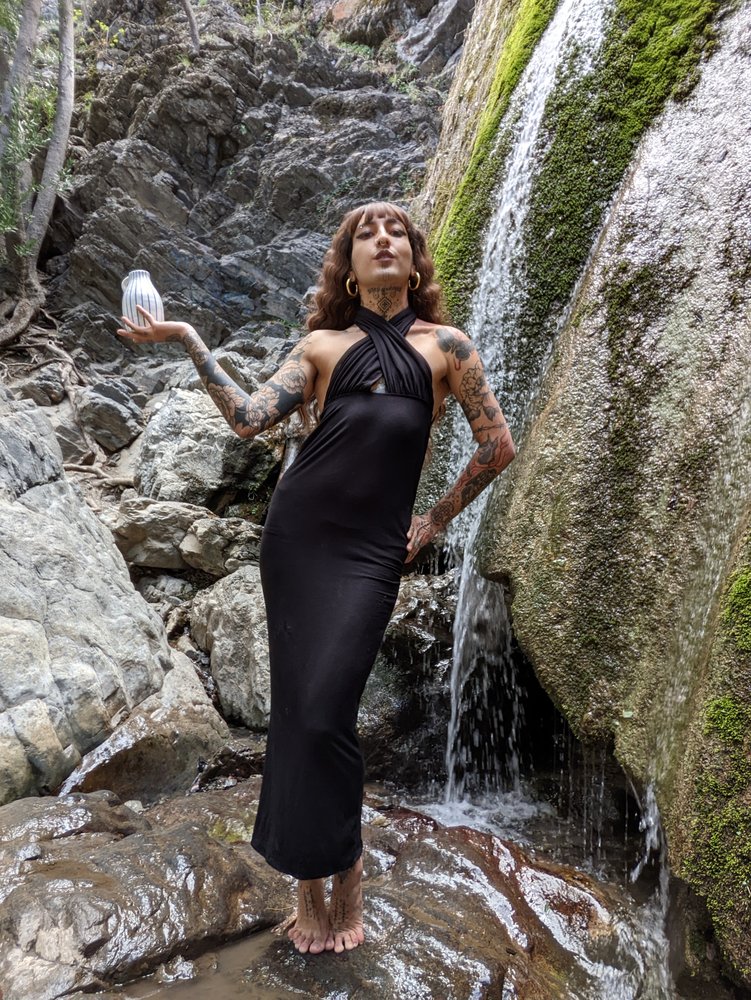
MaryV, Coyote Park and Anthony Prince Leslie turned the camera on themselves, exploring what it means to be “seen” through your own lens. New artist Coyote Park says they want their work to speak to trans, Indigenous youth. “I want them to know that we are powerful and beautiful,” Coyote says. “For me, the act of shapeshifting is spiritual and a mode of self love. It allows me to embrace myself in my entirety.”
Coyote Park
Chiara Gabellini and Tim Kellner also wanted to capture a sense of vulnerability in their projects, while Natalia Mantini and Andy Jackson took intimate portraits of their chosen families.
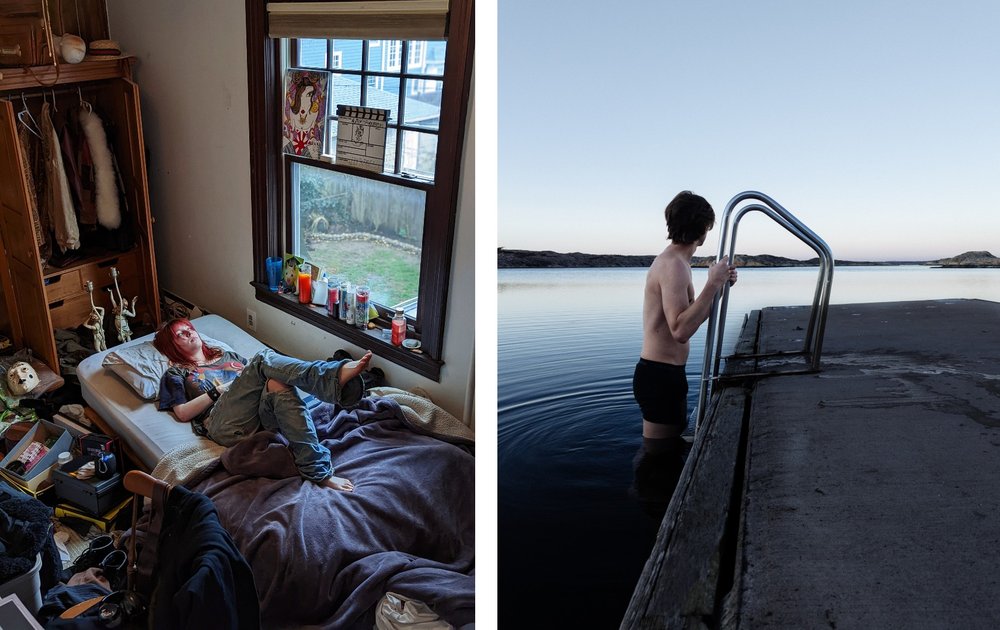
At right: Chiara Gabellini’s work; at left: Tim Kellner’s work
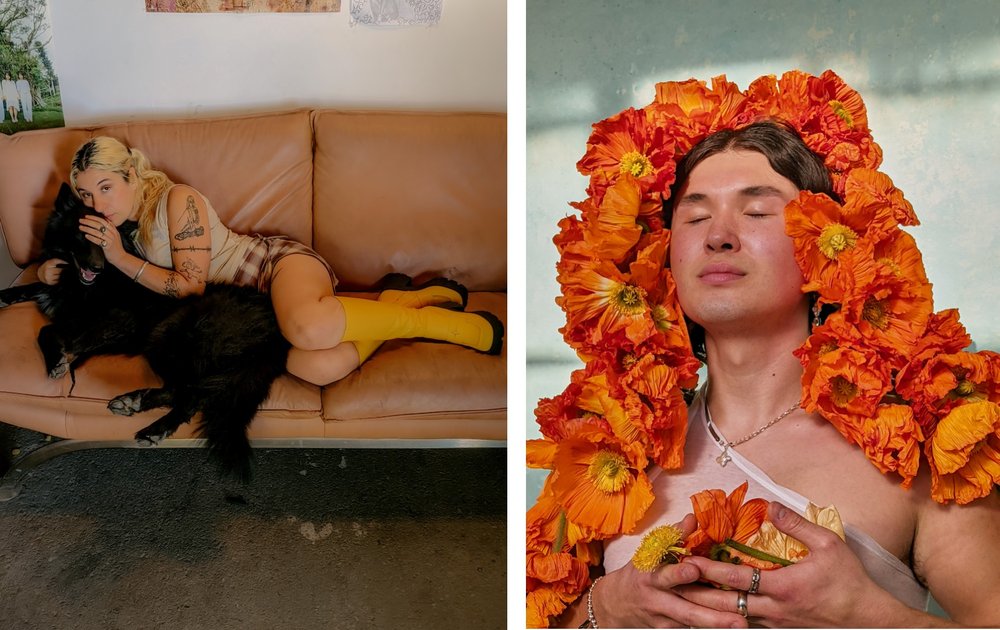
At right: Andy Jackson’s work; at left: Natalia Mantini’s work
Shikeith and Lawrence Agyei photographed churches, as well as the youth boxers of The Bloc Chicago. They both focused on the idea of what it means to be Black, queer and spiritual
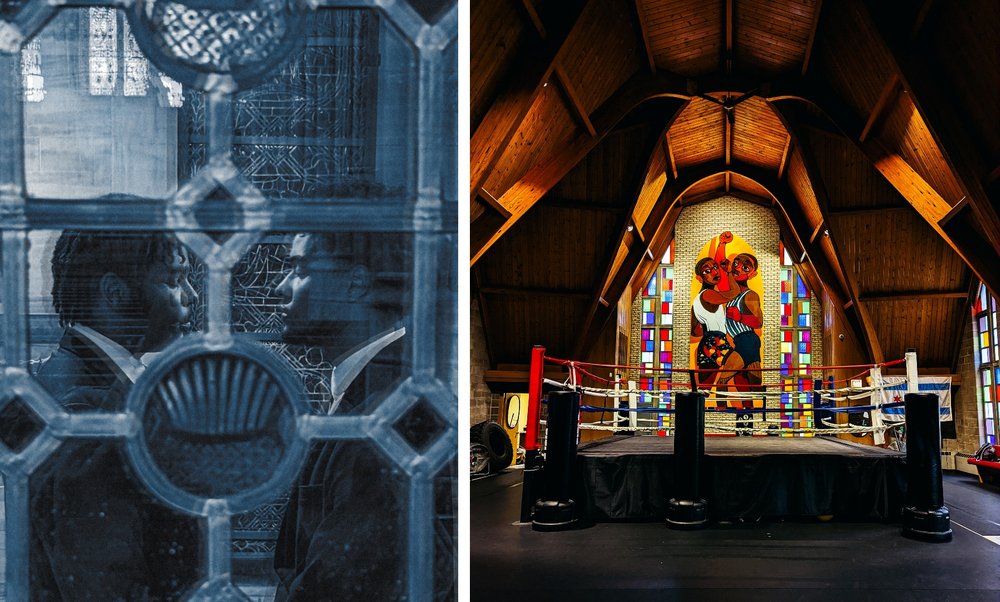
At left: Shikeith’s work; at right: Lawrence Agyei’s work
Andre Wagner documented Black skate culture. He photographed his subject, Ant Lava, who finds reprieve in the roller rink, where he says he feels safe.
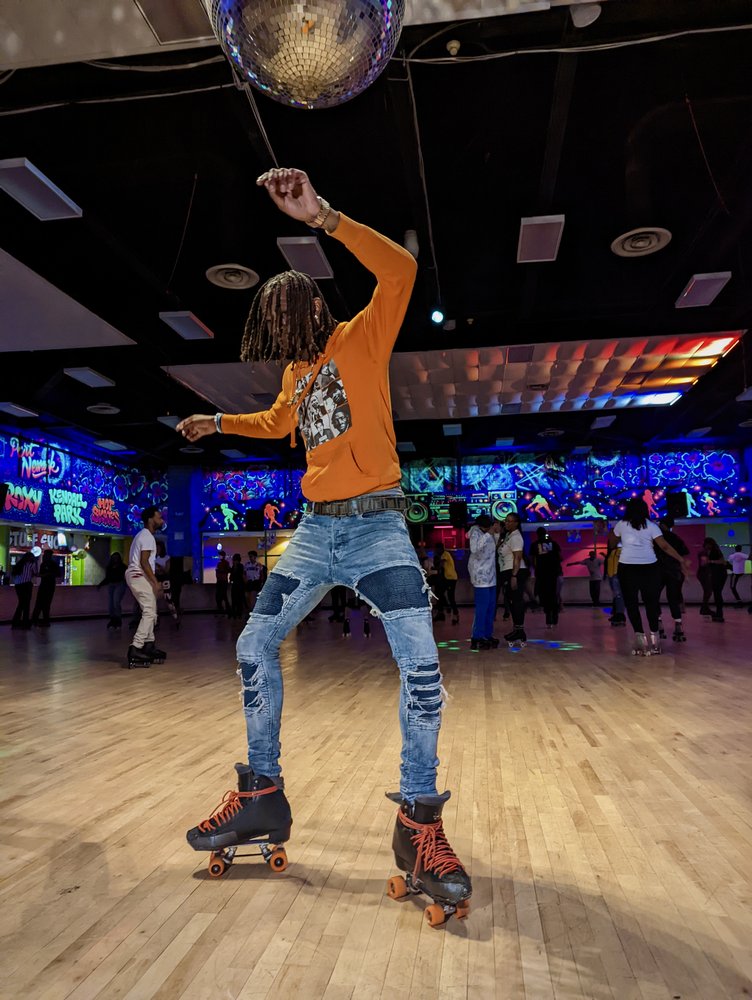
Andre Wagner
Myesha Evon Gardner, who photographed her hometown of Cleveland, was inspired by a childhood memory: “My mother had a kitchen towel set that depicted a honey bear with a variation on the phrase ‘home is where the honey is,’ which inspired and shares the name of this project,” Myesha says. “I wanted to show the complexities of Cleveland in a light that goes against its negative associations.”
Ultimately, that’s what Season 6 is about: Celebrating what it means to truly be yourself in spaces that feel sacred to you — where you feel seen.
Other artists who were part of this season include: Kennedi Carter, Glassface, MaryV, Adrian Octavius Walker, June Canedo, Anthony Prince Leslie, Aidan Cullen, Zamar Velez, Chiaara Gabellini, Pegah Farahmand, Neva Wireko and Myles Loftin.
NOW Smart Stick disponibile a metà prezzo!

Telecamera esterno: sicurezza a COSTO ZERO con solare
Lampade smart per TV e gaming: effetto FUORI DAL NORMALE in sincro
Elon Musk lancia la sua offerta per Twitter: pronti 43 miliardi di dollari
AFFARE COLOSSALE? Su Amazon questi Auricolari Bluetooth a 11€
Buongiorno caffè? Ovunque tu vada con questa macchinetta PORTATILE
Creative Week Domestika: corsi da 9,90€

Register for Google Marketing Live: May 24, 2022
It’s almost time for Google Marketing Live, our annual event showcasing the latest product innovations to help your business thrive. This year’s virtual event will take place on Tuesday, May 24 — starting with a keynote from 9:00 – 10:30 a.m. PT that will be livestreamed across the globe.
After the keynote, you’ll be able to join a variety of on-demand breakout sessions designed to help you meet your business goals. Here’s a sample of what’s in store:
- Supercharge your full funnel video strategy on YouTube
- Be ready for the future of commerce
- Achieve better business results today with measurement that prioritizes privacy
And here’s a sneak peek into our speaker lineup:
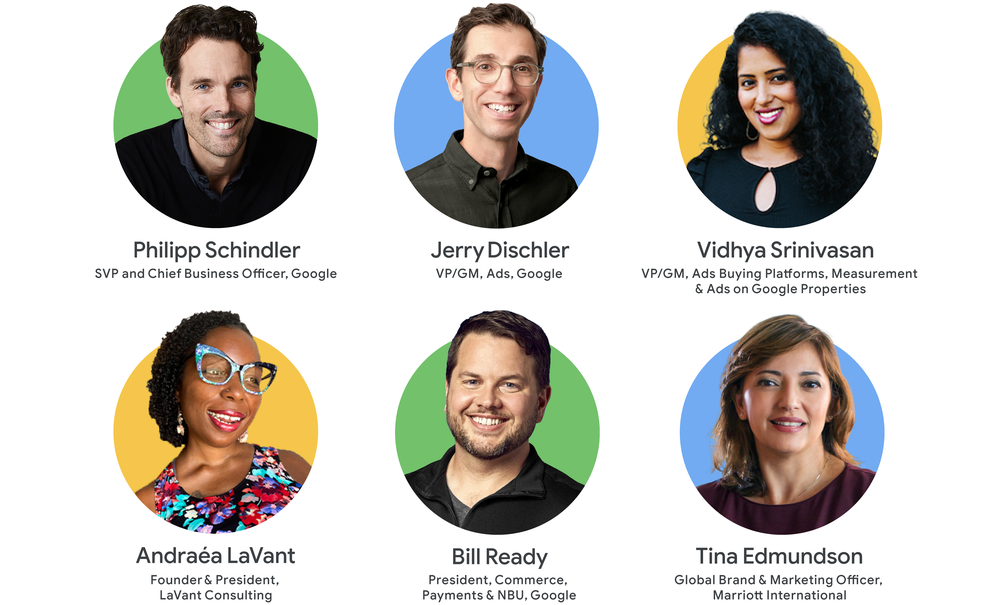
Register now to reserve your (virtual) front-row seat. And keep up with the conversation on social media at #GML2022. See you on May 24th!
<div>A space for connection in King’s Cross</div>
Once at the heart of the industrial revolution, today London’s King’s Cross is a hub for innovation and entrepreneurship. We’re proud to be part of this community, where thousands of Googlers work on products like Android and Google Business Profile that people around the world use.
We believe in the area’s future growth and potential, which is why it’s so exciting to see our newest development take shape. We’re partnering on our first ground-up development in EMEA with British designer Thomas Heatherwick and Bjarke Ingels Group. When finished, our new location will include more than one million square feet of office and ground-floor retail space, and it will be a resource not just for Googlers but Londoners, too. We want the spaces and experiences we offer to create opportunity for local people and businesses, and contribute to the culture of entrepreneurship and vibrancy of the area.
A space curated by — and for — the local community
One of the ways our ambition will come to life is via our office’s ground floor, which runs along King’s Boulevard. To ensure it meets the needs of our local area, we’re listening to residents’ and small businesses’ views and ideas through partnerships with organisations like Camden Giving, which works to end poverty and inequality in Camden, and local media startup Camdenist. We’ll continue this work to ensure the place we create is relevant and meaningful, and has a positive local impact, complementing our wider community outreach in the area.
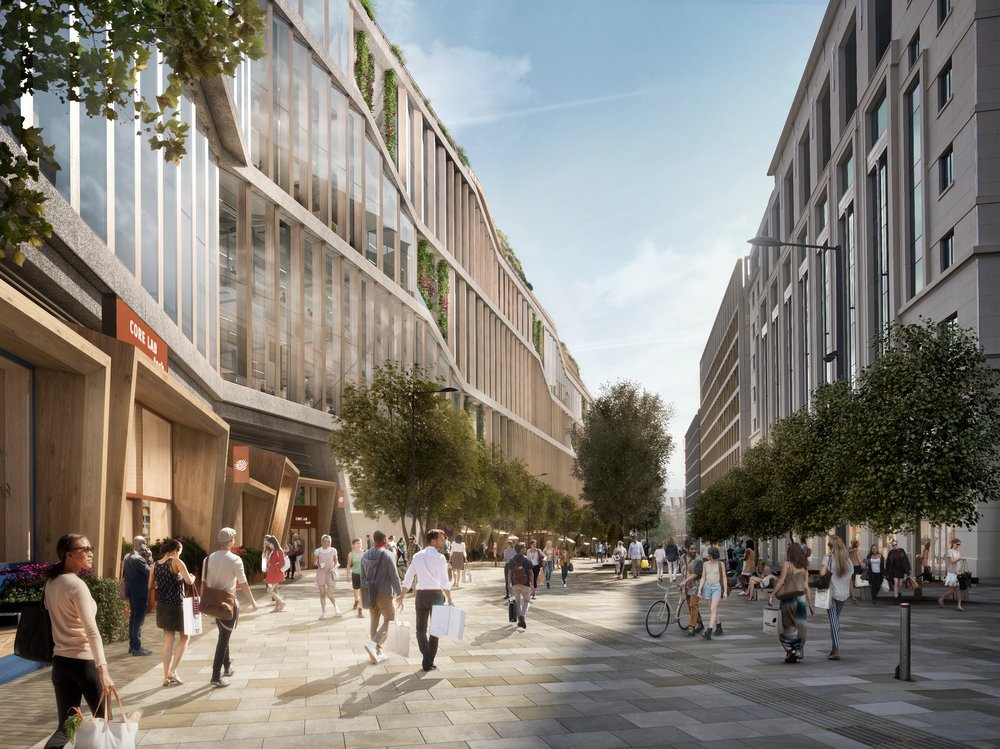
A visualisation of King’s Boulevard featuring a mix of different shops and spaces
A mix of local makers and established and growing brands
We recently submitted plans for a redesigned ground-floor space that will include more than 250 metres of shop fronts and a flexible space for events and community use. Our ambition is to create a lively, welcoming boulevard that connects communities to an ecosystem of local makers, purpose-driven retailers, and public activities.
We plan to offer the shop units to a mix of established and growing brands, and provide support to help great ideas grow. Alongside the individual retail units, a market hall will offer a launchpad for small businesses, while a community, education and event space will host a changing programme of events all year round.
The new ground floor designs will create a more inviting, creative public space, with a series of playful tilting timber portals and varied shop fronts that each tenant can customise. The designs also incorporate more places for the public to come together — something we’ve heard is important to local residents.
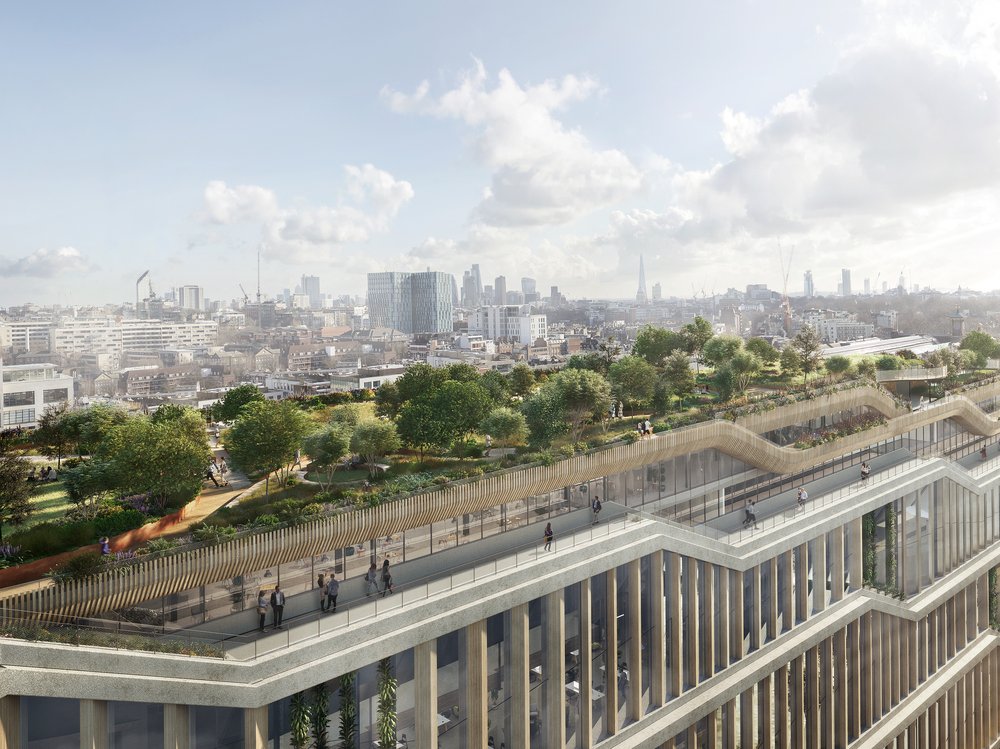
Visualisation of the roof of our newest building in King’s Cross.
A sustainable and flexible workplace
We believe in the value of coming together in person to collaborate, which is why we’re continuing to invest in our offices around the world. As we transition to flexible, hybrid work, we’re introducing new workplace technologies and collaboration spaces to keep our teams connected wherever they’re working.
We’re also emphasising sustainability in all aspects of the building’s design as we work towards a carbon-free future. The kitchens and onsite equipment will be fully electric, which will allow us to track hourly energy usage and match this with local renewable energy. A system of 13,500 interconnected devices around the office will improve energy efficiency in real time, while solar shading will help regulate the building’s temperature by reducing glare from the sun. We’ve prioritised low-carbon, local materials in the construction and interior design to reduce the carbon impact of our building by 20%.
We’ll share the lessons we learn to help other businesses reduce their carbon impact too, building on our partnerships with Camden Clean Air, the Knowledge Quarter and other local groups.
As well as offering a quiet green space for breaks during the work day, a densely planted outdoor roof garden, with a rainwater irrigation system, will provide a habitat for protected species of bats and birds. We’re collaborating with the London Wildlife Trust and the borough of Camden as part of a wider initiative to protect our native species and improve local biodiversity.
How Google supports the local community today
We’re proud to partner with more than 60 grassroots charities across Camden, providing mentoring, skills training and funding to support their work. In the past two years we’ve provided virtual work experience for more than 200 students in Camden schools, and supported over a thousand local residents impacted by COVID with our Community Help Kit. We’ve built strong connections and gained incredible insights from these programmes which, together, bring the voice of local residents and businesses into our long-term plans.
Google’s community-led mentoring really had a profound effect on me and totally changed my approach to building the brand of Comic Mania. I honestly don’t think I could have got better support even if I paid for it.
Our commitment to the U.K.
Our ongoing work on our King’s Cross campus along with our $1 billion investment in our London Central Saint Giles office demonstrates our long-term commitment to the U.K. We‘ll keep working hard to ensure we play a meaningful role in the cities we call home.
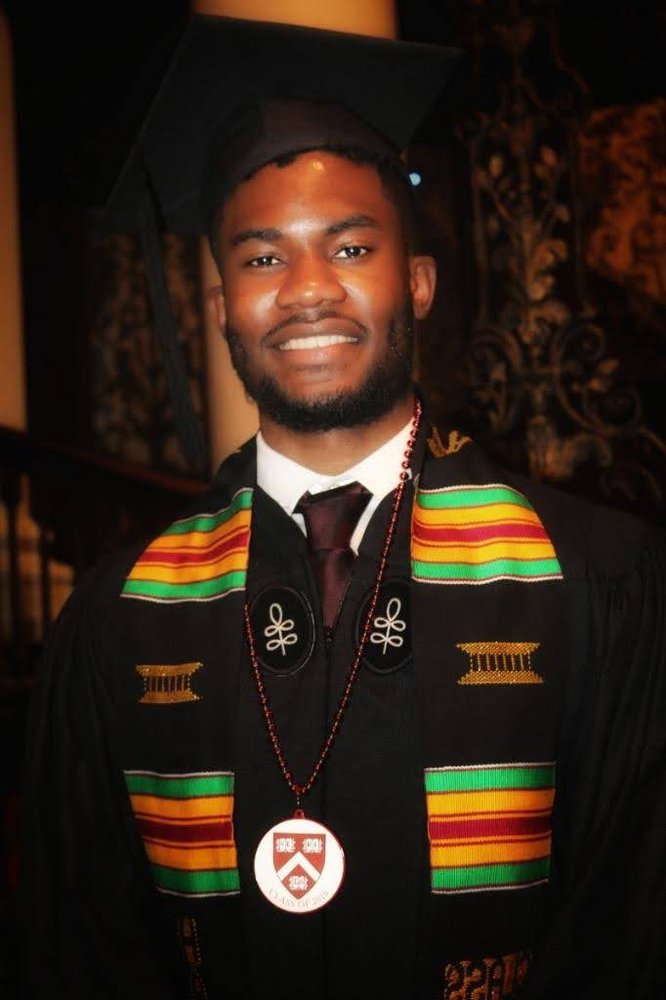
How one summer program led Randy to work at Google
Welcome to the latest edition of “My Path to Google,” where we talk to Googlers, interns, apprentices and alumni about how they got to Google, what their roles are like and even some tips on how to prepare for interviews.
Today’s post is all about Randy Raymond, a software engineer on the Google Docs team. Randy’s path to Google started with our Computer Science Summer Institute (CSSI) — which is now accepting applications until April 29, 2022 at 11:59PM ET.
What’s your role at Google?
I’m a software engineer on the Google Docs team, where I spend most of my days improving the ability to convert different document formats into Google Docs (and vice versa). I also build new Google Doc features — I just finished up a project to “pin” the top row of a table so it repeats on every page. I’ve used this feature in my own documents and it’s really rewarding to know I had a hand in developing it. Outside of that, I write design docs, lines of code and tests to make sure that my code is working properly.
How did you first get interested in software engineering?
Growing up, my brother and I discovered a computer program that let us create our own video games. My brother managed the plot, and I was in charge of programming. It fascinated me that lines of text could bring a game to life. In my 11-year old mind, it was nothing short of magic. Before I knew it, I was picking up books at my local library to learn different programming languages. I started participating in online communities, publishing tutorials on how to code and bringing people together to build interesting games. It wasn’t just the technology that inspired me, but the people I shared it with.
What was your path to your current role?
In my senior year of high school, I applied and got accepted to Google’s CSSI program. During those three weeks, we got a deep dive into introductory web development, learned the programming language Python, worked on our resumes and teamed up to create our own websites. CSSI gave me confidence, a professional network and lifelong friends.
Afterwards, I applied for the Google STEP (Student Training in Engineering Program) internship in Mountain View, California for first and second-year undergraduate students. As my first professional gig, that experience was definitely challenging — but thankfully, I had supportive teammates who helped me become a much better engineer. After a few other Google internships in Boston and Montreal, I started working for the Google Docs team full time.
What was it like interviewing for a full-time position at Google as an intern?
My only official interview was for the STEP internship. After that, my “interviews” were how well I did on each of my internship projects. I’ll never forget towards the end of my first internship, I accidentally deleted my entire project! Thankfully, I had backed it up so I could still submit it in time.
Are you still involved in CSSI?
Actually, it’s sort of a full-circle story. During the pandemic, I relocated to Miami and started working with the CSSI team to try and start a new CSSI cohort there. And we just found out it’s officially happening! South Florida is my home and I’ve always dreamed of a chance to bring more tech opportunities there. CSSI has the potential to change the lives of aspiring computer science students in the area — it certainly changed mine.
Any tips for future Googlers?
It’s OK to ask questions. Googlers are more than willing to help and there is no such thing as a bad question. And if you don’t feel comfortable speaking up in a meeting at first, jot down a list of your questions and sit down with a trusted teammate to go through them.
Stop ai call center anche per i cellulari: come iscriversi al nuovo Registro pubblico delle opposizioni