Intel Core i5-12400, una CPU gaming veloce e con un prezzo davvero competitivo

Podcast RSI – Auto in tilt per un’immagine, Star Wars e deepfake, furto di dati bancari con lieto fine
È disponibile subito il podcast di oggi de Il Disinformatico della Radiotelevisione Svizzera, scritto e condotto dal sottoscritto: lo trovate presso www.rsi.ch/ildisinformatico (link diretto) e qui sotto.
I podcast del Disinformatico sono ascoltabili anche tramite feed RSS, iTunes, Google Podcasts e Spotify.
Buon ascolto, e se vi interessano il testo e i link alle fonti di questa puntata, sono qui sotto.
- Basta un’immagine per far impazzire GPS, telecamera posteriore e infotainment di certe Mazda: 1500 dollari di riparazione
- Le voci deepfake in Star Wars: The Book of Boba Fett
- Una storia di phishing bancario diversa dal solito: il ladro beffato

Our new $100 million Google Career Certificates Fund
Editor’s note:Today Google CEO Sundar Pichai announced a new $100 million Google Career Certificates Fundat an event with U.S. Assistant Secretary of Commerce for Economic Development Alejandra Castillo and the CEOs of Social Finance, Merit America and Year Up. Below is an edited transcript of his remarks. Watch the event above.
One of the best parts of my job is visiting the communities where Google operates. These visits remind me that America is full of people who want to work hard and contribute to their communities.
That sense of purpose and optimism is what brought me to America nearly 30 years ago. And it’s what drew me to Google and its mission to organize the world’s information and make it universally accessible and useful.
We are a company of technology optimists. We believe in what people can do with technology to improve their lives and the lives of others.
That’s what inspired us to launch Grow with Google in 2017, to help all Americans access training to grow their skills, careers and businesses. What we’ve learned over the last five years is what can be accomplished when private-sector companies like ours come together with public-sector institutions and nonprofit partners. Our digital skills program is one example. Together we’ve helped train eight million Americans in all 50 states.
Another example is our Google Career Certificates. Seventy thousand Americans have now completed these certificates. They prepare people for high-paying, high-growth jobs in fields like data analytics, IT support, project management and user experience design. They are available to anyone, no college degree required. Seventy-five percent of graduates report seeing a positive impact on their career within six months, including a raise or a new job.
That includes Natalie Burns, who I met in 2019, and who is here with us today. Natalie earned her Google IT Support certificate while attending community college in Texas. She got a job in cybersecurity and — I’m told — a significant pay increase. Congrats, Natalie!
We want to help more people access these Certificates, especially in underserved communities.
That’s why I’m excited to announce a new $100 million Google Career Certificates Fund. The goal is to enable Social Finance to reach more than 20,000 American workers. This investment in America’s future has the potential to drive $1 billion in wage gains.
This fund is a new kind of financing model. We’ll invest Google capital and Google.org grants and provide our Career Certificate program. Social Finance will provide funding to nonprofit partners like Merit America and Year Up, who in turn will provide services like career coaching, living stipends and job placement support. And we’ll connect students to an employer consortium of more than 150 companies who are looking to hire workers with these skills.
It’s all designed around student success. They will receive all of this at no upfront cost. And will only pay it back once they find a job earning at least $40,000 a year. Social Finance will then redistribute those repayments to future learners, making this model more sustainable.
It’s another promising example of how the entire ecosystem — from private companies to nonprofits — can work together to help more Americans access economic opportunities.
I’m excited to see all the ways this could be transformative for people, their families and their communities. Thank you to our partners again for their efforts and support.
This Googler wants to ‘add every voice’ to AI
Early in his career, Laurence Moroney was working on an equation — not something related to his job in tech, but to his bank account. “At one point, I calculated I was about three weeks away from being homeless,” Laurence says. “My motivation was to put a meal on the table and keep a roof over my head.”
Today Laurence is a developer advocate at Google focusing on artificial intelligence (AI) and machine learning (ML). “It’s my goal to inform and inspire the world about what we can do with AI and ML, and help developers realize these possibilities.” Laurence applied at Google in 2013 after hearing then-CEO Larry Page talk about Google’s vision to make the world a better place. “I was hired on my third attempt — so yes, I failed twice!”
Now he focuses on inviting and introducing more people to roles in the AI and ML fields through coursework, workshops and bootcamps that help developers gain job skills through professional certificates. “I try to meet developers where they are, whether that’s on YouTube, social media or in-person events,” he says. He’s particularly motivated to reach out to groups who have been historically underrepresented in tech. “Often they look and see everyone is one ethnicity and one gender and they think they don’t belong, but that’s not the case: Everyone, all ages, disabilities, whatever your background is, you should be here,” he says. “It’s so important for AI and ML work to include the entire scope of people which is why I’m so motivated to try and make everyone feel like they belong in this work.”
But it wasn’t an easy or straightforward path: his early years were tumultuous. Originally from Cyprus, Laurence and his family were forced to leave their home when a civil war resulted in an invasion. Exposure to chemicals used in the war zone permanently stained Laurence’s teeth, and he was also left with shaky hands. After moving to four different countries before the age of 8 (and learning four different languages), they settled in Ireland. “When you’re young, you don’t notice how difficult these things are, you just think…this is your life and this is normal,” he says.
He didn’t have the luxury to find his “passion” at work. “I needed a job and I needed a career. And around that time, the internet was starting to open up all of these new possibilities and opportunities.” In 1992, while bouncing around between odd jobs after receiving his degree in physics, Laurence heard about a government AI training program in the U.K. — one that worked as a sort of fellowship helping participants earn their master’s degree while also working on ways that AI systems could benefit the country.
“Hundreds of people descended on the testing center, where they looked at things like IQ, reasoning skills and so on,” Laurence says. Laurence also went — and ended up with the highest score. “They signed me up without realizing my background or ethnicity, and I was glad for that because I had experinced a lot of discrimination for being Irish,” he notes. “By that time I had gotten in the habit of disguising my accent. I tried not to talk much when I spoke to the government official who was running the program.” Despite his nerves, Laurence was asked to be the first person to sign on…though, the program itself was short-lived.
Every voice we add enriches what we’re doing — and every voice we lose diminishes it.
Metaverso – Manuale di sopravvivenza giuridica nel web 3.0
Il Metaverso “legale” come non lo avete mai letto. Consigli pratici e operativi per imprese, sviluppatori e consumatori per investire, produrre e vendere contenuti, guardarsi da contraffazioni e truffe, tutelare…
L’articolo Metaverso – Manuale di sopravvivenza giuridica nel web 3.0 scritto da YOUR_DIGITAL_VOICE! proviene da Assodigitale.
Le voci deepfake in Star Wars: The Book of Boba Fett
Questo articolo è disponibile anche in
Allerta spoiler: questo articolo rivela alcuni avvenimenti importanti delle serie TV The Mandalorian e di The Book of Boba Fett.
Se state seguendo le serie TV The Mandalorian e The Book of Boba Fett, conoscerete già una delle loro sorprese più emozionanti: torna un personaggio amatissimo da tutti i fan di Star Wars, e torna ringiovanito, grazie alla tecnologia digitale, con risultati incredibilmente realistici. Non vi preoccupate: non dirò di chi si tratta. Non subito, perlomeno [non è Yoda come l’immagine qui accanto potrebbe far pensare].
Ma a differenza di altri attori e attrici del passato, che sono stati ricreati o ringiovaniti creando un modello digitale tridimensionale dei loro volti e poi allineando faticosamente questo modello alle fattezze attuali dell’attore o di una sua controfigura, con risultati spesso discutibili e innaturali, sembra (ma non è ancora confermato ufficialmente) che in questo caso sia stata usata la tecnica del deepfake.
In pratica, nei deepfake si attinge alle foto e alle riprese video e cinematografiche che mostrano quella persona quando era giovane, si estraggono le singole immagini del suo volto da tutto questo materiale e poi si dà questo repertorio di immagini in pasto a un software di intelligenza artificiale, che le mette a confronto con le riprese nuove dell’attore o della controfigura e sovrappone al volto attuale l’immagine di repertorio, correggendo ombre e illuminazione secondo necessità. Sto semplificando, perché il procedimento in realtà è molto complesso e sofisticato, e servono tecnici esperti per applicarlo bene, ma il principio di fondo è questo.
Sia come sia, il risultato in The Book of Boba Fett, in una puntata uscita pochi giorni fa, lascia a bocca aperta: le fattezze del volto ricreato sono perfette, le espressioni pure, e il personaggio rimane sullo schermo per molto tempo, in piena luce, interagendo in maniera naturale con gli altri attori, mentre in passato era apparso in versione ringiovanita solo per pochi secondi e in penombra, in disparte.
Mentre la prima apparizione di questo personaggio digitale in The Mandalorian nel 2021 aveva suscitato parecchie critiche per la sua qualità mediocre, nella puntata di Boba Fett uscita di recente l’illusione è talmente credibile che fa passare in secondo piano un dettaglio importante: anche la voce del personaggio è sintetica.
Può sembrare strano, visto che la persona che lo interpreta è ancora in vita e recita tuttora (non vi dico chi è, ma l’avete probabilmente già indovinato). Invece di chiamarla a dire le battute e poi elaborare digitalmente la sua voce per darle caratteristiche giovanili, i tecnici degli effetti speciali hanno preferito creare un deepfake sonoro.
Lo ammette candidamente Matthew Wood, responsabile del montaggio audio di The Mandalorian, in una puntata di Disney Gallery dedicata al dietro le quinte di questa serie: delle registrazioni giovanili dell’attore sono state date in pasto a una rete neurale, che le ha scomposte e ha “imparato” a recitare con la voce che aveva l’attore quando era giovane.
La rete neurale in questione è offerta dall’azienda Respeecher, che offre servizi di ringiovanimento digitale per il mondo del cinema, permettendo per esempio a un attore adulto di dare la propria voce a un bambino oppure di ricreare la voce di un attore scomparso o non disponibile.
La demo di Respeecher in cui la voce di una persona normale viene convertita in tempo reale in quella molto caratteristica di Barack Obama è impressionante:
In The Book of Boba Fett, il tono è corretto, le inflessioni della voce sintetica sono azzeccate, ma la cadenza è ancora leggermente piatta e innaturale.
Ci vuole ancora un po’ di lavoro per perfezionare questa tecnologia, ma già ora il risultato della voce sintetica è sufficiente a ingannare molti spettatori e a impensierire molti attori in carne e ossa, che guadagnano dando la propria voce a personaggi di cartoni animati o recitando audiolibri.
Ovviamente per chi ha seguito la versione doppiata della serie tutto questo lavoro di deepfake acustico è stato rimpiazzato dalla voce assolutamente reale del doppiatore italiano (Dimitri Winter), ma a questo punto si profila all’orizzonte la possibilità che il deepfake della voce possa consentire a un attore di “parlare” anche lingue straniere e quindi permetta di fare a meno del doppiaggio. Con il vantaggio, oltretutto, che siccome il volto dell’attore è generato digitalmente, il labiale potrebbe sincronizzarsi perfettamente con le battute in italiano, per esempio.
C’è il rischio che queste voci manipolabili a piacimento consentano di creare video falsi di politici o governanti che sembrano dire frasi che in realtà non hanno detto, come ha fatto proprio Respeecher nel 2019 in un caso molto particolare: ha creato un video, ambientato nel 1969, in cui l’allora presidente degli Stati Uniti Richard Nixon annuncia in televisione la tragica morte sulla Luna degli astronauti Neil Armstrong e Buzz Aldrin (mai avvenuta), mettendo in bocca al presidente parole ispirate al discorso che era stato scritto nell’eventualità che la loro missione Apollo 11 fallisse.
Respeecher non è l’unica azienda del settore. Google, per esempio, offre il servizio Custom Voice, che permette di replicare la voce di una persona qualsiasi mandandole un buon numero di campioni audio di alta qualità. Funziona molto bene: infatti non vi siete accorti che da qualche tempo a questa parte i miei podcast sono realizzati usando la mia voce sintetica, data in pasto a un file di testo apposito.
Tranquilli: sto scherzando. Per ora.
How Ada’s work empowers Black creators and artists
Welcome to the latest edition of “My Path to Google,” where we talk to Googlers, interns and alumni about how they got to Google, what they do in their roles and how they prepared for their interviews.
Today’s post is all about Adrienne (Ada) Hopkins, a Strategic Partner Manager at YouTube and a tireless advocate for Black creatives.
What do you do at YouTube?
I’m a Strategic Partner Manager on YouTube’s Top Creators team, where I focus on amplifying and accelerating the growth of creators from underrepresented backgrounds. I also co-lead efforts to promote inclusion across YouTube’s partnerships, and work to strengthen the relationship between YouTube and aspiring Black creators, artists, executives and creative communities. I’m called to use technology to ensure creatives, particularly those most marginalized, are educated about the businesses they occupy, have equitable access to opportunity, are compensated for their gifts and have safe spaces to use their authentic voices.
Can you walk us through a typical work day?
Part of the reason I love my job is because no two days are the same — my time is dictated by what my creators need and the big ideas they imagine. What is consistent is the fact that most of my days are spent in meetings collaborating with our most influential creators, building YouTube’s approach to driving equity and inclusion in our partnerships (including how we show up authentically in cultural moments), imagining ways YouTube can invest in aspiring creators and serving our employee resource group, Black@YouTube.
What were you up to before YouTube?
If you told me I’d be working in tech 10 years post college graduation, I would have laughed you out of the room! After graduating from Stanford, I started my career in investment banking. However, I realized I needed more purpose, so I took a mini “sabbatical” to join a social enterprise in Nairobi, Kenya. That set me on a path of purpose-driven work that included a stint in social impact consulting, leadership development and philanthropy advising. I wanted to go deeper in this space, so I enrolled at the University of Pennsylvania for my MBA. During this time, I co-founded a social enterprise to bring plant-based, affordable food to low-income, food desert communities.
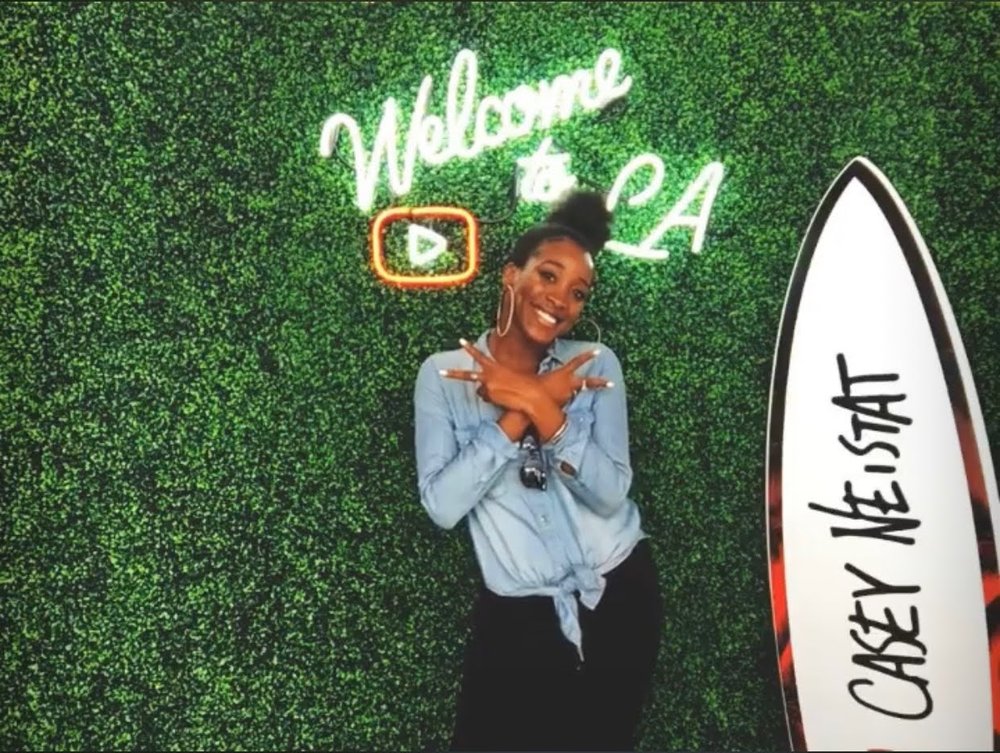
Ada at our Playa Vista office
How did you go from social impact to YouTube?
I began to feel overwhelmed and disillusioned by the magnitude of the problems I was tackling and knew there had to be another path to effect change. Music is a mighty tool for progress and has always played a central role in my life. Plus, I’ve always been struck by the challenges I witnessed artists grappling with. I thought that if I could empower creatives to manage the business side of their work while also tending to the spirit, it would help them create from healed places. That vision led me to Grammy-nominated recording artist Jidenna and other TV and film producers, directors and agencies. I found renewed purpose in this work and wanted to do it on a larger platform, which led me to YouTube.
What inspires you?
I’m inspired to open my computer everyday because at the core, I’m helping historically disenfranchised creators build intergenerational wealth. To do this work for the world’s largest platform is a responsibility and gift I do not take lightly. And with YouTube’s renewed commitment to racial justice, equity and product inclusion, there isn’t a better time. Service is my highest calling, I’m immensely grateful for each and every day.
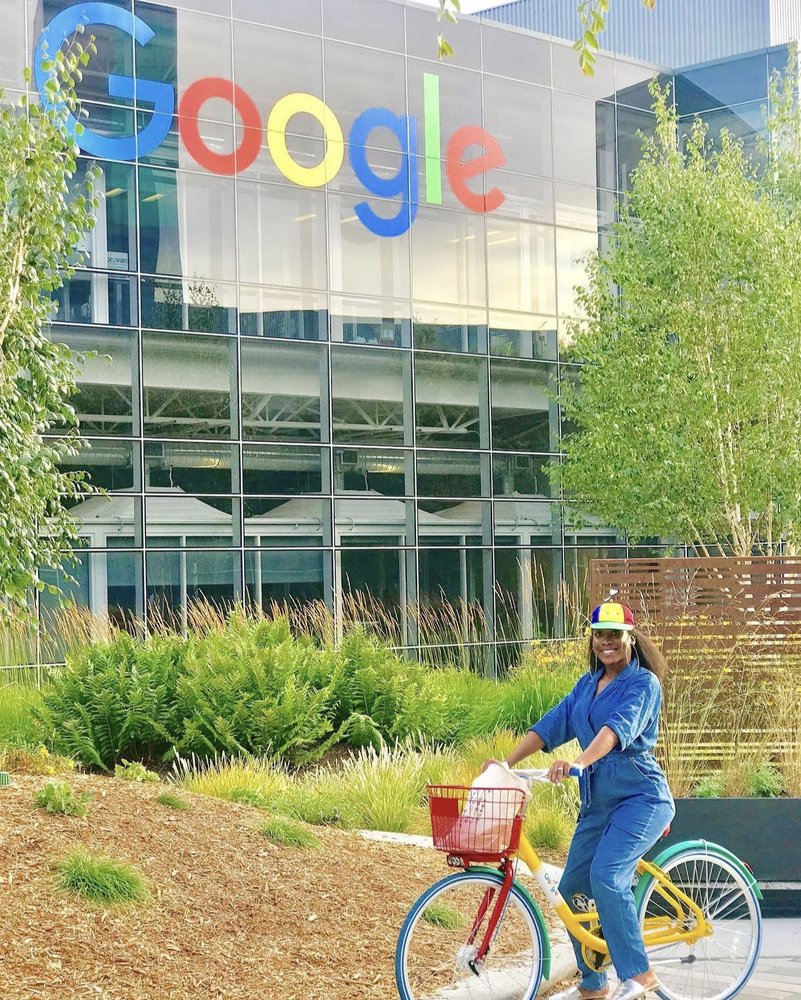
Ada at our Mountain View HQ during Noogler orientation
Any advice for your past self?
Find your why — what you were uniquely put on this earth to do — and focus on just that. When you are aligned with your truest and highest self, things flow and you find the right opportunities. I would tell her difficult seasons are guaranteed but suffering is a choice so find peace within if you hope for peace in the world. Finally I’d tell her not to run from her light. We’re conditioned to play small and devalue our worthiness, but those days are over!
Anything else you’d like to share?
Yesterday I spoke at Google’s Transforming Tech event, a month-long campaign to highlight recent transformative work in tech, the Googlers behind it and their impact on the Black community. I spoke at the “Uplifting Black Voice on YouTube” panel, where we discussed our multi-year effort to center and grow Black creators and artists. You can find it at goo.gle/bhm2022 if you want to watch!

Ryzen 6000, AMD alla ricerca della massima efficienza per notebook gaming potenti e sottili
A watch company founder looks to the future
In 2014, Randy Williams founded Talley & Twine Watch Company with the desire to create beautiful, high-quality watches at a reasonable price point. Since then, he’s grown the business to 16 employees, has expanded to hundreds of styles and gives back to a variety of nonprofits. Digital tools like Google Ads have been critical to growing his business, helping him efficiently build his brand and connect with customers from across the world. As we celebrate Black-owned businesses this Black History Month, we had a few questions for Randy about how he got started and his advice for other aspiring business owners.
How were you inspired by other Black-owned businesses before founding Talley & Twine?
Seeing other successful Black-owned businesses inspired me by showing me what was possible. Black entrepreneurs are more than business owners; they’re leaders in their communities. Seeing them opened my mind and allowed me to be creative and to dream. I’m still inspired daily by the creativity and ingenuity of entrepreneurs from my community.
What do you know now that you wish you had known on Talley & Twine’s first day?
In the beginning stages of starting Talley & Twine, I had no idea of the true power of having a great team around you. The synthesis and growth you can experience with a team versus working solo are unmatched. Knowing what I know now, I would have sought out partners and employees much sooner.
What advice would you give to other aspiring business owners?
View starting a business as a learning process. Allow yourself to be a student of entrepreneurship by synthesizing the lessons you learn along the way. Things won’t always go as planned, but view these challenges as building blocks for your personal and professional growth.
What are some of the future plans you have for the brand?
We have plans to launch our first Swiss-made automatic watch this year and we’re really excited about it. We also plan to expand our philanthropic efforts to support future entrepreneurs and business leaders. In 2021, we launched the first Talley & Twine business scholarship at my alma mater, Albany State University and we plan to extend that to other historically Black colleges and universities as well.
What makes you most proud to be a business owner?
Hearing from other business owners about how they were inspired to start after hearing Talley & Twine’s story makes me the proudest. That means the cycle that inspired me to start continues to multiply and flourish.
Basta un’immagine per far impazzire GPS, telecamera posteriore e infotainment di certe Mazda: 1500 dollari di riparazione
Questo articolo è disponibile anche in
Si fa un gran parlare di automobili “smart”, sempre più connesse e informatizzate, e poi arrivano notizie come questa che fanno capire quanta strada (informatica) c’è ancora da fare.
A Seattle, negli Stati Uniti, centinaia di proprietari di alcuni modelli di auto Mazda hanno perso improvvisamente l’uso del GPS e della telecamera posteriore e si sono trovati con l’autoradio bloccata su una singola stazione radio. La colpa, dice Mazda, è un’immagine che hanno ricevuto, e per sistemare il problema servirà una riparazione da circa 1500 dollari.
Come è possibile che il semplice atto di ricevere un’immagine possa danneggiare così tanto un’automobile?
Cominciamo dall’inizio. Ai primi di febbraio 2022 vari proprietari statunitensi di auto Mazda fabbricate fra il 2014 e il 2017 hanno iniziato a segnalare su Reddit un problema strano: di colpo il navigatore GPS si guastava e la telecamera posteriore diventava inservibile. Il sistema di infotainment, ossia il computer di bordo e lo schermo che mostrava tutte le informazioni del veicolo, continuava a riavviarsi. Spegnere e riavviare l’auto non risolveva il guasto.
C’era anche una coincidenza molto bizzarra: tutte le auto si erano guastate in questo modo dopo che i proprietari avevano sintonizzato la radio di bordo sulla stessa stazione FM, KUOW.
L’emittente radio ha notato pubblicamente la coincidenza ma ha dichiarato di non avere idea del motivo del malfunzionamento.
Over the past couple of weeks, some people who listen to KUOW in their Mazdas say their car radio is permanently stuck on 94.9 FM. It’s only affecting KUOW, Mazdas from 2016, and we have no idea why. https://t.co/ffzJASFNBJ
— KUOW Public Radio (@KUOW) February 9, 2022
Inizialmente la colpa è stata data alla transizione della rete cellulare dal 3G al 5G, ma questa giustificazione era tecnicamente priva di senso. Poi è arrivata la spiegazione reale, che a prima vista non sembra granché sensata neanche lei: il guasto, ha detto Mazda, era stato causato dalla stazione radio.
KUOW, infatti, è una delle tante emittenti radiofoniche del mondo che insieme all’audio trasmette un flusso digitale di dati (specificamente con il sistema HD Radio). Questo flusso viene ricevuto e decodificato dalle autoradio appositamente predisposte, mostrando sullo schermo informazioni come il nome della stazione radio, il titolo del brano trasmesso e il nome del suo interprete, o un’immagine della copertina del brano.
Ma KUOW aveva diffuso un’immagine al cui nome mancava l’estensione standard, per esempio JPG, GIF (in inglese si pronuncia ghif; in italiano gif con la G di “giraffa”) o PNG, e il computer di bordo delle Mazda, che si aspettava che tutte le immagini ricevute avessero un nome completo e corretto, è andato in crash, e ci è rimasto, bloccato in un loop infinito, perché non riusciva a riconoscere e gestire un file d’immagine privo di estensione. Non è riuscito a uscire dal loop perché quando si riavviava, la prima cosa che faceva era tentare di identificare l’immagine, ma falliva e quindi andava di nuovo in crash. Non è un comportamento molto smart.
Mazda ha confermato questa spiegazione, dicendo che la Connectivity Master Unit delle auto colpite da questo problema non è riparabile e dovrà essere sostituita. Questo componente costa 1500 dollari e verrà sostituito gratuitamente, ma al momento è introvabile a causa di ritardi logistici.
Riferisce Gizmodo:
Between 1/24-1/31, a radio station in the Seattle area sent image files with no extension (e.g., missing .jpeg or .gif), which caused an issue on some 2014-2017 Mazda vehicles with older software,” Tamara Mlynarczyk, a public affairs manager at Mazda North American Operations, wrote to Gizmodo. “Mazda North American Operations (MNAO) has distributed service alerts advising dealers of the issue.
In sintesi, ancora nel 2017, quindi solo cinque anni fa, una casa automobilistica metteva sul mercato un computer di bordo che poteva essere danneggiato permanentemente, in modo fisico, mandandogli semplicemente un’immagine con un nome leggermente diverso da quello che si aspettava. Il software di quel computer era scritto così male da non saper riconoscere un’immagine se l’immagine non si presentava esattamente con il nome giusto.
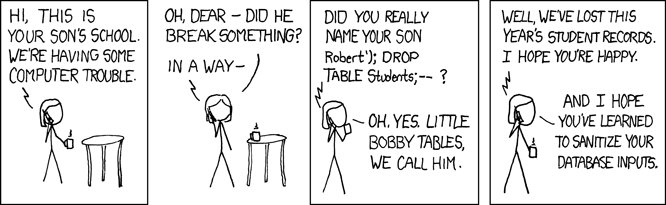
E non è neanche la prima volta che succede. Nel 2019 alcune Mazda erano impazzite quando i loro proprietari avevano cercato di ascoltare uno specifico podcast. La colpa, ancora una volta, era del software, che non sapeva gestire una cosa banale come un carattere non alfabetico nel nome del podcast. Il podcast, infatti, si intitolava 99% Invisible, con il numero scritto in cifre e accompagnato dal simbolo di percentuale. Quel simbolo veniva interpretato male, causando un crash.
Va sottolineato che questo incidente con la stazione radio KUOW non riguarda delle auto connesse a Internet: il “malware”, se vogliamo chiamarlo così, ossia l’immagine involontariamente ostile, viene ricevuto via radio. Oggi molti utenti, soprattutto informatici, sono preoccupati per la nuova tendenza a collegare le auto a Internet e credono che quelle non connesse siano più sicure. Ma questo episodio dimostra che non è necessariamente così.
Il problema di fondo, qui, non è la connessione a Internet o meno: è il modo in cui viene scritto il software che oggi gestisce praticamente qualunque automobile. Se non è scritto bene, rispettando regole elementari come “non fidarti ciecamente di quello che ti arriva” (la cosiddetta input sanitization) e isolando bene le funzioni di intrattenimento da quelle necessarie per la guida, come il GPS o la telecamera di retromarcia, incidenti come questo continueranno a succedere.
Quasi quasi come titolo della prossima puntata del podcast scelgo apice UNION SELECT username, password FROM users trattino trattino. E vediamo che succede :-)
Fonti aggiuntive: Portswigger, Geekwire, Driving, BBC, KUOW, Seattle Times, Gizmodo, Ars Technica.
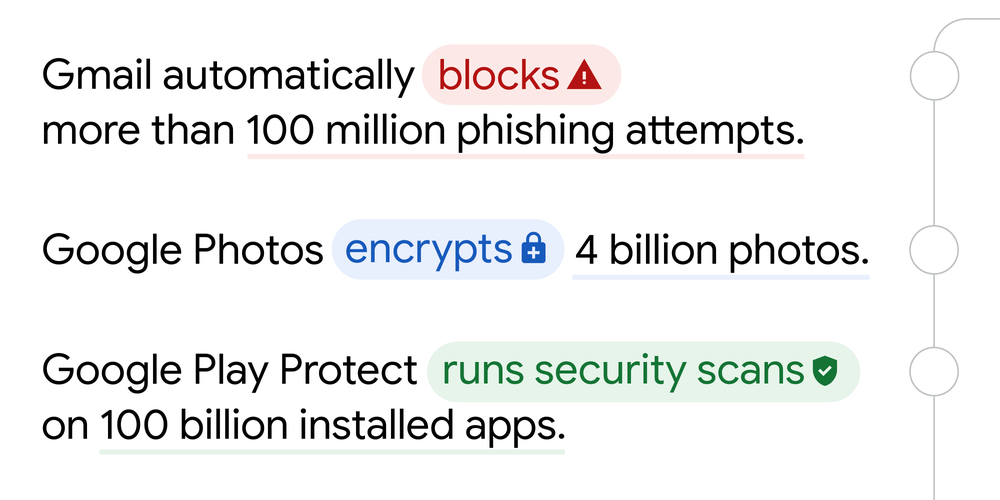
Google at the Munich Security Conference
Since its inception in 1963, the Munich Security Conference has been a vital venue for policymakers, experts and transatlantic leaders tackling the most pressing security issues of the day. Today, against the backdrop of an ongoing pandemic, geopolitical tensions, and increasingly sophisticated cyber attacks, the stakes for these discussions feel particularly high — with many participants perceiving this as a time of heightened risk.
Google’s mission statement has always been to “organize the world’s information and make it universally accessible and useful.” We provide tools that make people more informed, more connected, more productive — and more secure. That’s why I’m traveling to Munich this week and joining conversations about promoting and protecting the public square.
Fighting misinformation online and safeguarding elections
In the last few years, we’ve seen a marked uptick in online disinformation campaigns, attempts to influence democratic elections, and cyber attacks on democracies’ critical infrastructure.
Google and YouTube have specialized teams of intelligence and security experts who work around the clock and around the world to thwart these threats and protect the people using our products. When it comes to the content we host on YouTube, our “4R’s” approach includes not just Removing violative content and Reducing the spread of borderline content, but also Raising up authoritative content, and Rewarding trusted creators. And we continuously assess our approach and look at changes we can make to promote thoughtful engagement.
During election cycles, we equip campaigns with best-in-class security features and protect their operations from attack. We work to help voters find high-quality, authoritative election information directly in our products. We employ teams who monitor elections from India to Europe to the United States. We use advanced technology to detect coordinated disinformation networks. And we work with partners like Defending Digital Campaigns and organizations in Europe to give political campaigns access to free Titan Security Keys — the strongest form of two-factor authentication — as well as the International Foundation for Electoral Systems to develop global security programming, protecting those who work to safeguard human rights.
Advancing cybersecurity and moving towards collective standards
When it comes to cybersecurity, we have first-hand, real-world experience. Our systems stop attacks every single day, including attacks from sophisticated nation state actors. But it wasn’t always that way. In the past, when our defenses weren’t strong enough, we rebuilt our entire security infrastructure, sometimes inventing new technologies when state-of-the-art simply wouldn’t do. We know that “high walls” are not enough to stop bad actors, and we’ve learned to use “defense in depth” — creating access controls throughout our services and using multi-factor authentication as part of a zero-trust security approach, in which every node has to authenticate itself. As a result, today we keep more people safe online than any other company in the world.
We design our products to go beyond “security by design” to provide security by default. When that’s not enough, we invent new ways to keep our users more secure.
In Munich, I will be urging policymakers to work together on establishing collective security standards including those that move democratic governments toward secure cloud services and zero-trust architecture.
In the last fifty years, democratic governments helped advance some of the world’s most important innovations — including the Internet, microchips, computers, global positioning systems, and revolutionary vaccines against COVID. In the next fifty, I’m optimistic about the ability of science and advanced technology to help solve some of the world’s biggest challenges, like climate change, health care, and global development. To do that, we need to partner with governments and civil societies to rebuild trust and confidence in our institutions. Realizing the promise of tomorrow requires protecting the public square today.
Una storia di phishing bancario diversa dal solito: il ladro beffato
Questo articolo è disponibile anche in
Giulio non è caduto nella trappola: anche se il messaggio era confezionato in modo da ingannare, con quel mittente falsificato, e creare ansia all’idea del blocco del conto corrente, il link contenuto nell’SMS era chiaramente sospetto per chiunque lo esaminasse a mente fredda. Infatti Pay-stub.com non sembra proprio un nome da sito bancario.
“Che faccio? Compilo?” mi ha chiesto ironicamente Giulio.
Visitando il link con le opportune precauzioni ho visto che il falso sito bancario era ancora attivo e conteneva la schermata di richiesta credenziali di una nota
La cosa era piuttosto sorprendente, dato che di solito questi siti-truffa vengono identificati e rimossi dalle autorità nel giro di poche ore, ma il bello doveva ancora arrivare.
Infatti il truffatore stava ancora agendo indisturbato, raccogliendo le credenziali bancarie dei malcapitati correntisti che non si accorgevano dell’inganno. Avrei dovuto quindi allertare la banca in questione e le autorità, ma mi è arrivata una segnalazione confidenziale che ha ribaltato allegramente tutta la situazione.
Una persona, che chiamerò Alex, mi ha segnalato che aveva visitato il sito del truffatore e ne aveva esaminato la struttura, che era pubblicamente accessibile. Aveva notato per esempio il
Ho provato io stesso, immettendo naturalmente dati fasulli, e puntualmente in fondo al file *.txt è comparsa una riga nuova contenente il mio indirizzo IP e i miei dati.
31.10.147.234 user -> '37803130' | password -> 'sgomberonte' | tel -> '' |
Purtroppo, però, alcuni dei dati immessi da altre persone erano probabilmente reali e quindi ho contattato alcune delle vittime per avvisarle. Molte non erano al corrente della situazione e sono state giustamente sospettose nel ricevere la mia telefonata di avviso, nella quale ho spiegato chi ero e non ho chiesto dati personali ma li ho comunicati io a loro, ossia il contrario di quello che fa un truffatore: ho detto cose del tipo “Buongiorno, sono un giornalista informatico, se lei è il signor Taldeitali ed è correntista presso la Banca Cosìecosà e la sua password inizia con queste lettere, tenga presente che la sua password è stata rubata e rinvenuta in un archivio di password trafugante e le conviene cambiarla immediatamente”.
Come sempre in questi casi, non è facile raggiungere le vittime una per una, e quando le si raggiunge è molto difficile spiegare tutta la situazione. Del resto, se vi telefonasse uno sconosciuto dicendovi le vostre password bancarie, come la prendereste?
Per fortuna le pagine-trappola sono state rimosse due giorni dopo (oggi pomeriggio, insomma) e quindi i dati rubati non sono più reperibili pubblicamente. Ma ne ho conservato una copia, ed esaminandola è venuta fuori la beffa: a un certo punto molte vittime si sono accorte che si trattava di un tentativo di truffa e quindi hanno inondato il ladro di dati fasulli, rendendo praticamente inutilizzabile la raccolta di credenziali iniziata dal truffatore.
Anzi, alcune delle vittime hanno scelto di immettere dei dati apparentemente plausibili insieme a dei nomi utente o password decisamente scurrili, che non posso riferire qui, per far capire al ladro che non si erano fatte ingannare. Se il ladro conosce alcuni dialetti italiani, avrà trovato alcune descrizioni molto colorite delle attività personali di sua madre e numerosi suggerimenti pittoreschi su pratiche anatomicamente impegnative a cui poteva dedicarsi.
Ma non è finita: all’inizio del file che conteneva le credenziali c’erano anche i dati delle prove fatte dal ladro, che includevano anche il suo indirizzo IP.
Si tratta di un indirizzo IP italiano, specificamente della rete cellulare Vodafone. Ho comunicato questi dati alla Polizia Postale italiana, che a questo punto dovrebbe avere tutto il necessario per identificare l’aspirante ladro.
—-
Una volta tanto è andata bene, insomma: ma truffatori come questi compaiono tutti i giorni, per cui conviene imparare da questi incidenti a lieto fine come riconoscere i tentativi di inganno.
- Prima di tutto, non bisogna mai fidarsi dei mittenti degli SMS, perché possono essere falsificati facilmente.
- Poi non bisogna mai cliccare sui link presenti negli SMS, specialmente se si tratta di messaggi di allarme che riguardano conti bancari o spedizioni postali o vincite inaspettate.
- Infine bisogna ricordare che nessuna banca seria allerterà i propri clienti tramite dei messaggini contenenti dei link o chiederà telefonicamente di confermare codici di accesso.
Siate prudenti. E se siete informaticamente ben protetti (la cosa più semplice è usare Browserling.com, che vi offre tre minuti di tempo su un computer remoto sacrificabile), potreste provare a visitare questi siti-trappola e riempirli di informazioni sbagliate: aiutereste a proteggere le vittime nascondendo le loro credenziali vere in una selva di credenziali fasulle. In alternativa, se vi imbattete in uno di questi siti potete segnalarlo a Google presso Safebrowsing.google.com, cliccando su Report phish. Google a sua volta allerterà gli utenti se lo visitano.