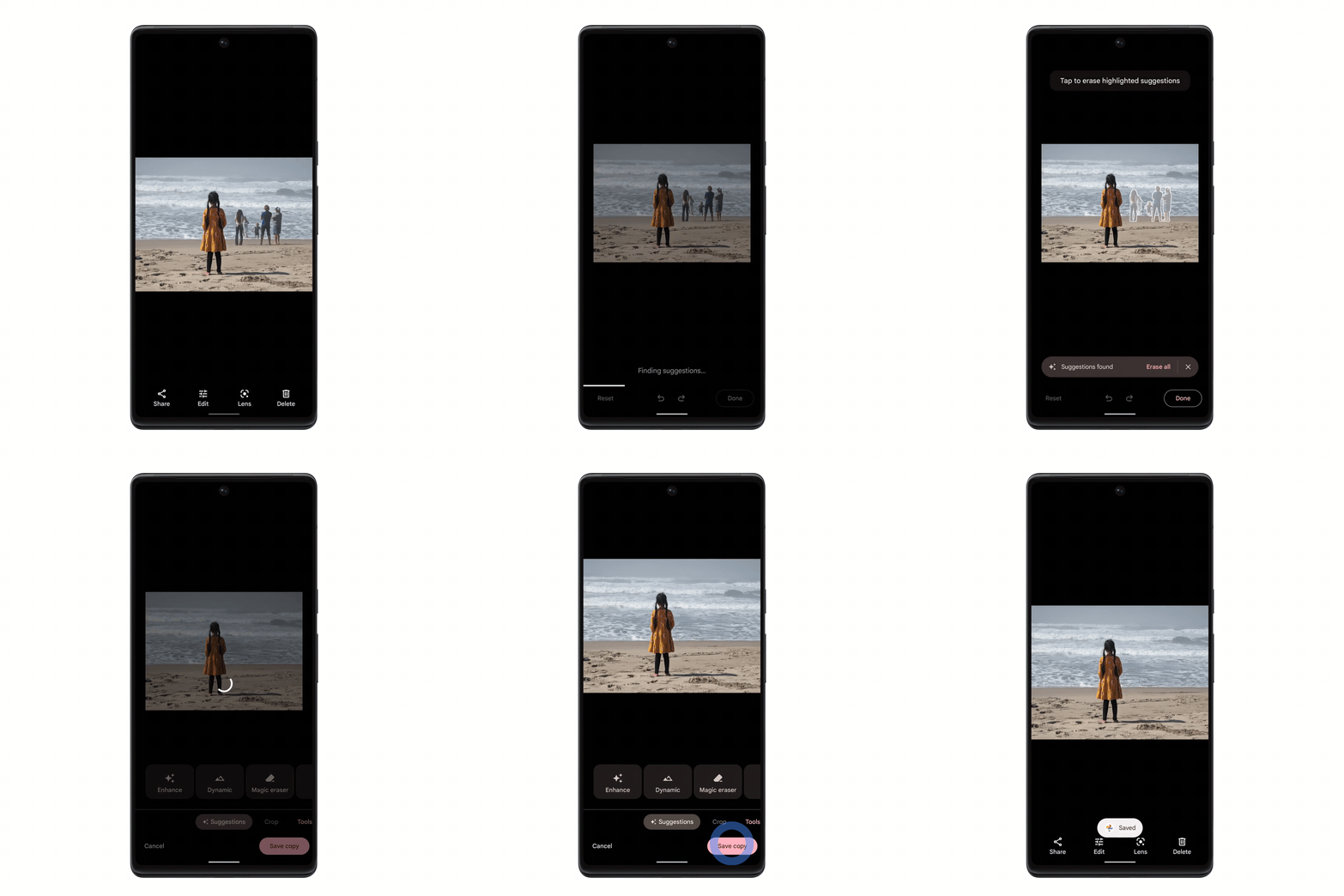
Photobombs begone with Magic Eraser in Google Photos
Sometimes things get in the way of the perfect photo — like an accidental photobomb or power lines you didn’t notice. They can distract from the photo, pulling attention from what you were really trying to capture. Removing distractions from photos isn’t an impossible task, but it typically requires sophisticated editing tools, know-how and time.
That’s why we’re launching Magic Eraser on Pixel 6 to help you remove those distractions in just a few taps right in Google Photos. And you’re not limited to newly captured photos — you can clean up all your photos, even those taken years ago or on non-Pixel phones.
Magic Eraser can detect distractions in your photos, like people in the background, power lines and power poles, and suggest what you might want to remove. Then, you can choose whether to erase them all at once or tap to remove them one by one.

What’s next for YouTube, from Advertising Week New York
The pandemic accelerated two changes already underway — the move to streaming, and the move to ecommerce. As the number one streaming platform for ad-supported reach, YouTube is the place where hard-to-reach audiences come to be entertained and connect with creators and content they love. It’s also where audiences come to shop.
Today at Advertising Week New York, we’re sharing new ways to help marketers get ready for what’s coming next in streaming and commerce. We’re also hosting a week-long live shopping event on YouTube starting November 15, featuring must-have holiday gifts from Samsung, Verizon and Walmart.
Inspire customers in real time with live shopping
The line between in-store and digital commerce has blurred, and shoppers are looking for inspiration and advice in new places. YouTube creators are at the forefront of this shift, sharing helpful, honest and entertaining shopping content that cuts through the noise. According to a study we ran in partnership with Publicis and TalkShoppe, 89% of viewers agree that YouTube creators give recommendations they can trust. As a result, people who shop on YouTube make faster, more confident purchase decisions — a win-win for both shoppers and brands.
Earlier this year, we started testing an integrated shopping experience that allows viewers to tap into the credibility and knowledge of trusted creators to make informed purchases on YouTube. We initially experimented with shoppable on-demand videos, and now we’re testing shoppable livestreams, too.
A shoppable livestream hosted by Simply Nailogical on a mobile phone
We recently partnered with several top YouTube creators to test our new live shopping features, including Simply Nailogical, who launchedher new nail polish collection to 2.8 million fans on herSimply Not Logical channel, andHyram, who droppedhis new ‘Selfless’ skincare line to 4.5 million fans.
We’ve also tested shoppable livestreams with leading retailers on their channels. Raven Elyse went live to sell her favorite home workout gear and morning routine essentials from Walmart, Sephora beauty directors hosted a live Q&A about makeup foundations, and Target performed a live style haul celebrating fall style.
“We think about YouTube as a connector to our customers — reaching people through inspiration, entertainment, and creativity,” says William White, Chief Marketing Officer, Walmart. “At Walmart, we continue to innovate on behalf of the customer, and we are excited about our work together. Through our partnership with YouTube, we will continue to evolve how we link inspiration and commerce.”
Building on the success of these pilots, the YouTube Holiday Stream and Shop will kick off on November 15 with a week of shoppable livestreams. Fans tuning in will be able to score new products, unlock limited time offers, and get their product questions answered through live Q&A and polls with creators and other viewers. To start the week, the Merrell Twins will share their holiday wish list featuring products from Walmart, Samsung and Verizon. Stay tuned for more details as the holidays approach!
Reach more shoppers with connected TV
Last year, streaming households outnumbered cable TV households in the United States for the first time. And according to Comscore, 40% of all ad-supported streaming watch time is happening on YouTube.1
With 60% of YouTube CTV viewers watching with others2, people are connecting more deeply with each other by sharing YouTube content they love on the big screen. This means brands can easily extend the overall reach and impact of their campaigns. And as of this month, U.S. advertisers are able to fully measure their YouTube CTV video investments across YouTube and YouTube TV for an accurate view of true incremental reach and frequency in Comscore Campaign Ratings (CCR). Nielsen Digital Ad Ratings (DAR) CTV measurement is available for YouTube TV and will also be available soon for YouTube CTV in the U.S.
To make YouTube CTV ads more helpful for viewers and drive more online sales or leads for brands, we also recently upgraded Video action campaigns to automatically include CTV inventory. Learn more about how Video action campaigns on TV screens can help grow your business.
A lot has changed in the past year, but our commitment remains the same: we’re here to help your business grow and get ready for what comes next. To learn more about YouTube’s latest viewer insights and product innovations, watch our Advertising Week keynote.
1. Comscore, OTT Intelligence, Dec. 2020, U.S. (According to Comscore, YouTube represents 40% of watch time of all ad-supported streaming services analyzed)
2. Google/Talk Shoppe, United States, whyVideo 2021 study, n=2,000 A18-64 GenPop video users, Survey in field March 26th to April 4th, 2021. (According to Talk Shoppe, 60% of YouTube CTV viewers watch with other people)

Image equity: Making image tools more fair for everyone
Pictures are a big part of how we see each other and the world around us, and historically racial bias in camera technology has overlooked and excluded people of color. That same bias can carry through in our modern imaging tools if they aren’t tested with a diverse group of people and inputs, delivering unfair experiences for people of color, like over-brightening or unnaturally desaturating skin. We acknowledge that Google has struggled in this area in the past, and are committed to continuing to improve our products accordingly. As part of Google’s Product Inclusion and Equity efforts, our teams are on a mission to build camera and imaging products that work equitably for all people, so that everyone feels seen, no matter their skin tone.
Pixel 6: A more equitable camera
Building better tools for a community works best when they’re built with the community. For the new Pixel 6 Camera, we partnered with a diverse range of renowned image makers who are celebrated for their beautiful and accurate depictions of communities of color—including Kira Kelly, Deun Ivory, Adrienne Raquel, Kristian Mercado, Zuly Garcia, Shayan Asgharnia, Natacha Ikoli and more—to help our teams understand where we needed to do better. With their help, we’ve significantly increased the number of portraits of people of color in the image datasets that train our camera models. Their feedback helped us make the key improvements across our face detection, camera and editing products that we call Real Tone.
Let’s take a deeper look at how we approached these improvements:
- In computational photography, making a great portrait depends on the camera’s ability to detect a face. We radically diversified the images that train our face detector to “see” more diverse faces in a wider array of lighting conditions.
- Auto-white balance models help determine color in a picture. Our partners helped us make better decisions about how to render the nuances of skin for people of color.
- Auto-exposure models help determine the brightness of an image. Feedback from our experts helped us ensure that our camera shows you as you are — not unnaturally darker or brighter.
- Our teams noticed that stray light had a tendency to disproportionately wash out darker skin tones, so we developed and implemented an algorithm to reduce its effect in our images.
- Blurriness in portraits is a consistent concern for people with darker skin tones, so our teams used the Tensor chip’s processing power to make our portraits sharper through motion metering, even in low light conditions.
It was important for us to be sure that our adjustments were resonant with our collaborators as well, and we’re proud that they rated Pixel 6’s rendering of skin tone, brightness, depth and detail as best for people of color in a device-agnostic survey comparing top smartphone cameras.
Google Photos: More nuanced auto enhancements
Our partners’ expertise also helped our teams improve Google Photos’ popular auto enhance feature, so you can achieve a beautiful, representative photo regardless of when you took the photo, or which device you used. The updated auto enhance is designed to improve your picture’s color and lighting with just a tap, and works well across skin tones. It will roll out in Google Photos across Android and iOS devices in the coming weeks.
A mission, not a moment
We’re committed to building a more equitable experience across all of our camera and image products. To improve the visibility of meeting participants, we recently launched automaticlighting adjustments in Google Meet, and tested it across a range of skin tones to ensure it works well for everyone. And our Research teams are identifying more inclusive ways to handle skin tone in AI systems, both in Google products and across the industry. We’ll continue to partner with experts, listen to feedback and invest in tools and experiences that work for everyone. Because everyone deserves to be seen as they are.
Learn more about our efforts on Real Tone at http://g.co/pixel/realtone.

Say hello to better phone calls
Our smartphones can do amazing things: They can capture great photos, and they act as our alarm clock, our camera, our stereo, our library, our game console and more, all in one. But making phone calls, the original “feature” of our devices, has mostly remained the same for decades. When we call businesses to get something done, we’re often met with long, automated systems and endless elevator music. And as we go about our days, we’re often distracted by calls from unknown numbers, spammers and scammers. That’s why we are always seeking improvements with phone calls, and so today we’re excited to announce our latest advancements in calling assistance to make them better.
A better way to call businesses
Starting today on Pixel 6 and Pixel 6 Pro devices in the U.S. our latest Phone app features, Wait Times and Direct My Call, make calling businesses easier. Before you even place your call to a toll-free business number, you’ll see the current and projected Wait Times for the rest of the week. That can help you decide whether you have time to call now, or plan when to call later to avoid long waits. Wait Times are inferred from call length data that is not linked to user identifiers.
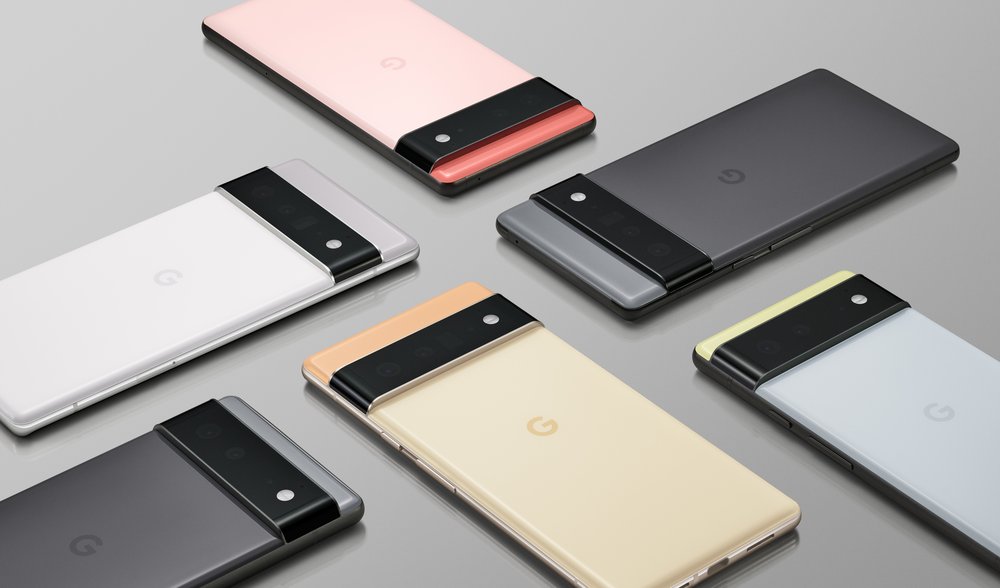
More personal, more powerful: Meet Pixel 6 and Pixel 6 Pro
The wait is over: Pixel 6 and Pixel 6 Pro, the completely redesigned Google phones, are here. Powered by Google Tensor, Google’s first-ever processor, and shipping with Android 12, both phones are fast, smart, secure and designed to adapt to you.
Pixel 6 is an outstanding all-around phone and it starts at only $599. If you want all the advanced capabilities and upgraded finishes, Pixel 6 Pro is the right phone for you, starting at $899.
Powering the new Pixel lineup is Google Tensor, a mobile system on a chip designed specifically around Google’s industry-leading AI. Google Tensor enables entirely new capabilities for your smartphone, and makes Pixel 6 and Pixel 6 Pro more helpful and more personal.
Distinct design
Pixel has a bold new design this year with a cohesive look across the software on the inside and the hardware on the outside. The first thing you’ll notice is the Camera Bar, giving the phone a clean, symmetrical design that puts the camera front-and-center.
Pixel 6 has a distinctive graphic and vibrant look. The matte black metal band complements the expressive, versatile color options. Pixel 6 Pro was inspired by the finishes you see in luxury jewelry and watches. It’s made with a polished metal unibody and transitions into gorgeous curved glass in colors that complement the metallic frames.
Speaking of color, Android 12 brings a full redesign to the OS, with Material You.
Android 12 on Pixel 6
Android 12 builds on the best features of Android so your phone can really beyour phone: It can adapt to you, it’s secure by default and private by design. And Android 12 looks especially stunning on Pixel 6.
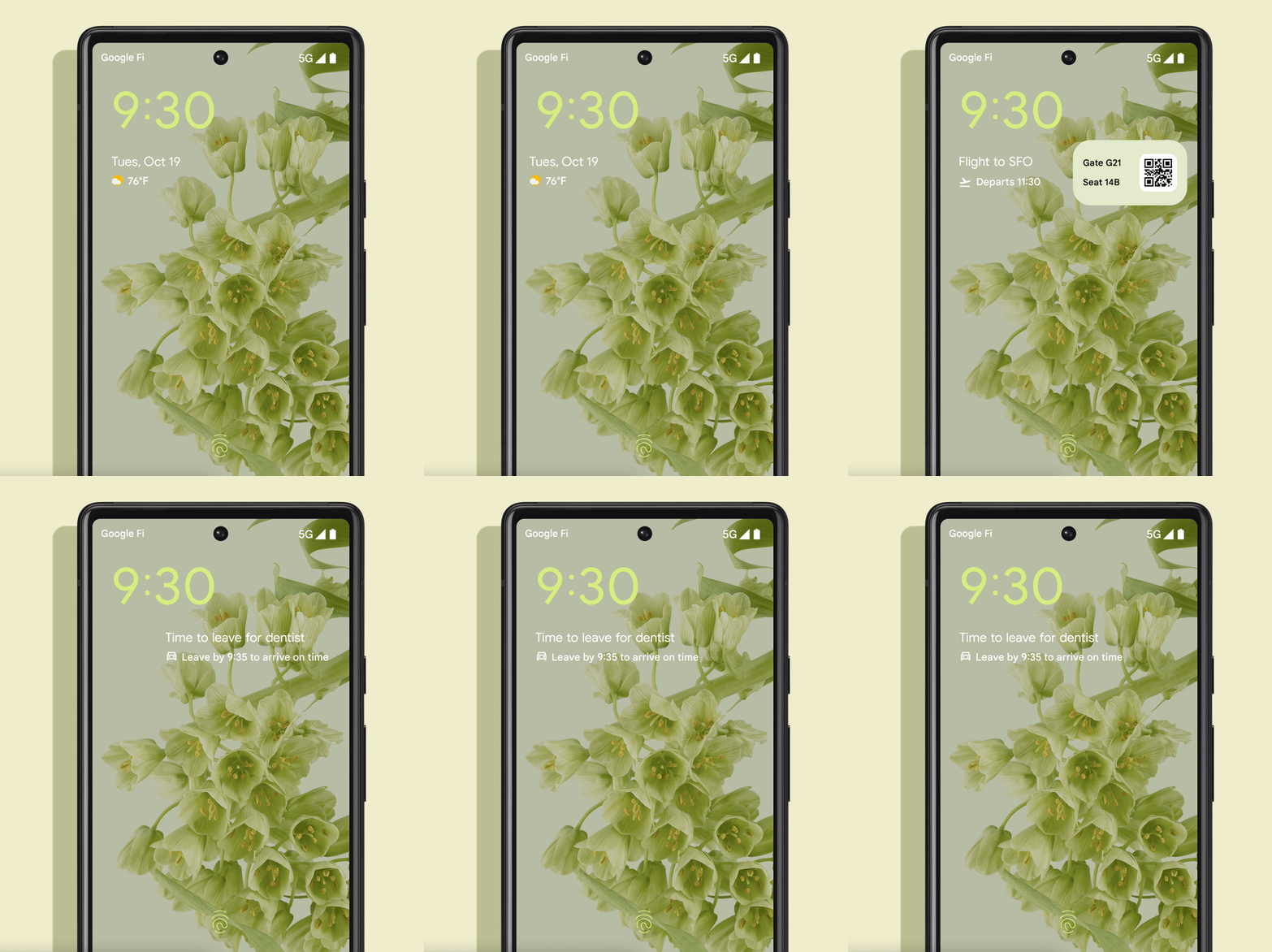
When you choose your wallpaper, your entire UI will update to reflect that choice. Everything will feel more responsive and smoother. At a Glance, which shows up on the home and lock screen, has a fresh new look and some new capabilities. Here, you’ll find what you need, right when you need it — like your boarding pass the day of your flight or stats from your current workout.
And Pixel 6 is again the highest rated phone for security. It includes the next generation Titan M2TM, which works with Tensor security core to protect your sensitive user data, PINs and passwords. We’ve also extended our support window to at least five years of security updates, so your phone has the most up-to-date protection.
New Pixel, new camera
Pixel 6 and Pixel 6 Pro have the most advanced cameras we’ve ever built. The entire camera experience is improved from the hardware to Pixel’s revolutionary computational photography.
Both Pixel 6 and Pixel 6 Pro have a new 1/1.3 inch sensor on the back. This primary sensor now captures up to 150% more light (compared to Pixel 5’s primary camera), meaning you’re going to get photos and videos with even greater detail and richer color. Both phones also have completely new ultrawide lenses with larger sensors, so photos look great when you want to fit more in your shot.
Pixel 6 Pro also has an amazing telephoto lens with 4x optical zoom and up to 20x zoom with an improved version of Pixel’s Super Res Zoom. There’s also an upgraded ultrawide front camera that records 4K video. You can make use of that wider front camera in Snapchat’s new ultrawide selfie feature. Plus, for instant Snapchat access, the new Quick Tap to Snap feature is coming exclusively to Pixel 6 and Pixel 6 Pro later this year.
Magic Eraser makes distractions in your photos disappear, just like that. With a few taps in Google Photos, remove strangers and unwanted objects.

Motion Mode features options like Action Pan and Long Exposure, which bring movement to your shots. You can use Action Pan to take photos of your kids riding their scooter or landing crazy skateboarding tricks against a stylish blurred background. Or create beautiful long exposure shots where your subject is moving, like waterfalls or vibrant city scenes.
Another significant advancement in photography across Pixel and Google Photos is Real Tone. Going back decades, cameras have been designed to photograph light skin — a bias that’s crept into many of our modern digital imaging products and algorithms. Our teams have been working directly with photographers, cinematographers and colorists who are celebrated for their beautiful and accurate imagery of communities of color. We asked them to test our cameras and editing tools and provide honest feedback, which helped make our camera and auto enhancement features more equitable.
Smarts and speech
Pixel 6 and Pixel 6 Pro also have improved speech recognition and language understanding models, so it can make everyday tasks easier. For instance, you can now use your voice to quickly type, edit, and send messages with Assistant voice typing in Messages, Gmail and more. Let Google Assistant help with adding punctuation, making corrections, inserting emojis and sending your messages.
You might find yourself occasionally trying to decide if you have time to call a business now, or if you should call later to avoid waiting on hold. Now, Wait Times and Direct My Call, available in the U.S. and in English, make that decision easier: Before you even place your call to a toll-free business number, you’ll see the current and expected hour-by-hour Wait Times for the rest of the week.
And when you call the business, Direct My Call helps you get to the right place. Powered by Duplex technology, Google Assistant transcribes the automated message and menu options for you in real-time and displays them on your screen for you to see and tap. For more information about these advancements in calling assistance, please see our blog post.
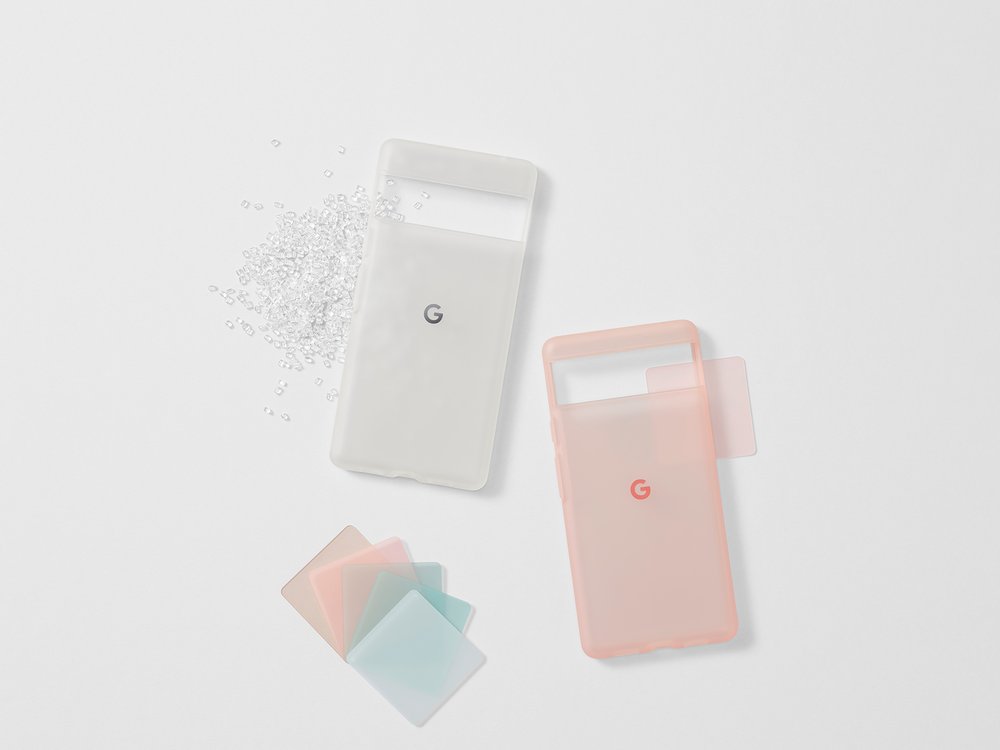
New cases and more for the Pixel 6 and Pixel 6 Pro
The latest generation of Pixel cases are here with a whole new look. They are built to protect your Pixel 6 and Pixel 6 Pro, and they’re designed to pair beautifully with it, too. These new cases aren’t just good looking: They are made with our dual-layered construction and raised edges to guard your Pixel when it matters most. Shock-absorbing materials wrap around each corner, helping protect your screen and camera visor from scratches and drops.
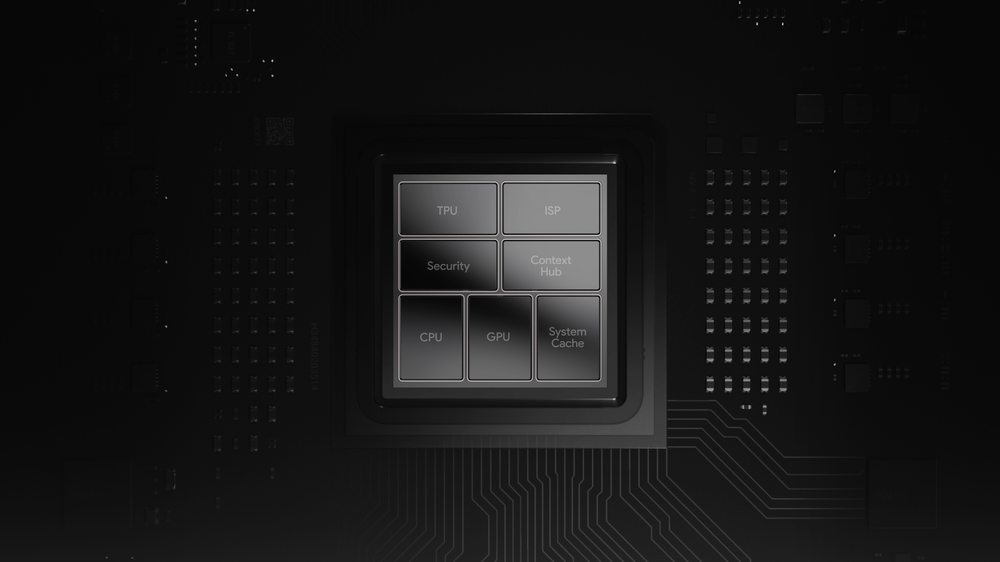
Google Tensor is a milestone for machine learning
Every few years, machine learning (ML) completely changes the way we use tech. And we’re proud to say that sometimes, Google products are part of that. We’ve seen Google Assistant make your devices more helpful and Google Translate break down language barriers, but we haven’t always been able to bring the best of ML to the smartphone.
That’s why we made Google Tensor. A chip that can deliver totally new capabilities for Pixel users by keeping pace with the latest advancements in ML.
Built with Google Research
A few years ago, Google’s team of researchers came together across hardware, software and ML to build the best mobile ML computer to finally realize our vision of what should be possible on our Pixel smartphones.
Co-designing Google Tensor with Google Research gave us insight into where ML models are heading, not where they are today. This allowed us to build an AI/ML platform that could keep up with our work at Google.
With Google Tensor, we’re unlocking amazing new experiences that require state of the art ML — including Motion Mode, Face Unblur, Speech enhancement mode for videos and applying HDRnet to videos (more on these later). Google Tensor allows us to push the limits of helpfulness in a smartphone, taking it from a one-size-fits-all piece of hardware into a device that’s intelligent enough to respect and accommodate the different ways we use our phones.
Designed differently

Ubuntu 21.10 “Impish Indri” rilasciato: tutte le novità
An overview of our rater guidelines for Search
At Google, we like to say that Search is not a solved problem: We’re constantly making improvements (more than 4,800 last year alone). These changes can be big launches or small tune-ups, but they’re all designed to make Search work better for you, and to make sure you can find relevant, high quality information when you need it.
One of the key ways we determine if an improvement to Search works well is through the help of search quality raters. This group of more than 10,000 people all over the world work from a common set of search quality rater guidelines used to evaluate the quality of search results — which are publicly available. Today, we wanted to give you an idea of how these guidelines work, and how — just like Search itself — they improve over time.
What are the search quality rater guidelines?
The quality rater guidelines are more than 170 pages long, but if we have to boil it down to one phrase, we’d say they help make sure Search is returning relevant results from the most reliable sources available.
Information quality is at the heart of Search, and our systems fundamentally work to surface high-quality information. The rater guidelines help raters determine if a planned improvement is meeting that goal by providing a clear, uniform definition that all raters use to assess the results they see.
More specifically, high-quality information is content which demonstrates expertise, authoritativeness and trustworthiness on a topic, or E-A-T for short. For example, a health site with content from doctors and produced by a medical institution would have a high level of what many would consider to be expertise, authoritativeness and trustworthiness. The rater guidelines also define low-quality content on the web, such as content that spreads hate or seeks to deceive users.
Who uses the guidelines?
As we noted, the changes we make to Search are rigorously tested and evaluated by real people. Our search quality raters provide us with insights and evaluate pages against our guidelines to help make sure our systems — and proposed improvements — are working as intended.
What that looks like in practice is often a “side-by-side” test where a rater will look at two sets of Search results, one from the current version of Google and the other from an improvement we’re testing. Raters will review the pages in each set of results, and evaluate if the pages are a helpful match for the query based on our rater guidelines.
The ratings they provide don’t directly impact how a page or site appears in Search. Instead, they help us measure how well our systems are working to deliver great content.
Su Ethereum il primo magazine in NFT: cover da collezione e top 10 per scoprire tutti i leader del settore
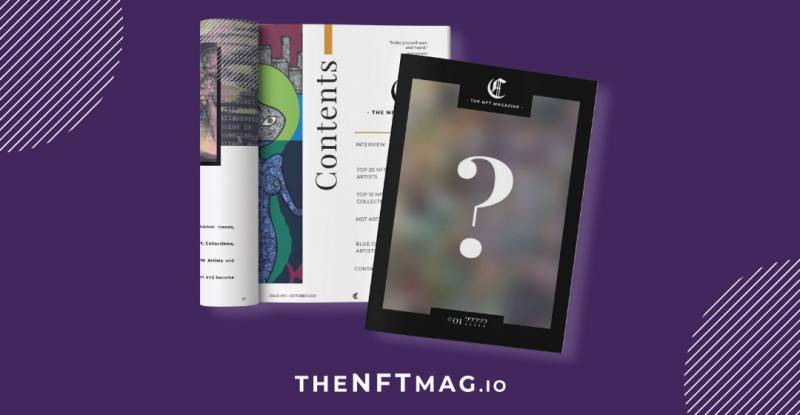
Oggi è stato annunciato il lancio di The NFT Magazine, la prima rivista online sotto forma di NFT da collezionare e leggere in Ethereum. La rivista sarà su Opensea 12 uscite all’anno con cadenza…
L’articolo Su Ethereum il primo magazine in NFT: cover da collezione e top 10 per scoprire tutti i leader del settore scritto da YOUR_DIGITAL_VOICE! proviene da Assodigitale.

Google, sulla scatola del Pixel 6 c’è l’italiano! Annuncio in arrivo?

OPPO entra nella board della CSA per il futuro dell’IoT

Panasonic Toughbook A3, un tablet indistruttibile per chi non lavora in ufficio

Sempre più persone guardano YouTube tramite TV connessa
Il modo in cui interagiamo con i video è ormai cambiato: non solo nel modo in cui guardiamo un contenuto, ma in ciò che guardiamo e perché lo guardiamo. Questa evoluzione ha un impatto non solo sugli spettatori, ma anche sui brand inserzionisti, creatori di contenuti e artisti. E se alcune di queste tendenze sono in atto da anni, la pandemia ha accelerato drasticamente la loro evoluzione nelle nostre vite.

Ordine dei Giornalisti di Lombardia. Domani si vota
Paolo Brambilla, “editor in chief” di Assodigitale, candidato consigliere per i pubblicisti ORDINE DEI GIORNALISTI. Con Paolo Brambilla si candidano come consiglieri dell’OdG Lombardia per i pubblicisti anche Francesco Caroprese e Roberto…
L’articolo Ordine dei Giornalisti di Lombardia. Domani si vota scritto da REDAZIONE TRENDIEST proviene da Assodigitale.