
Supporting media literacy with new partnerships
From the COVID-19 pandemic to the climate crisis, we’ve seen how misinformation can have catastrophic consequences. Misleading information can spread among family and friends, impacting not only the way people see the world and relate to each other, but the decisions they make for their health, and for their loved ones and communities.
Separating fact from fiction online has gotten more difficult, and no generation is immune: A 2019 Pew Research study found that only 26% of U.S. adults could identify a factual statement from an opinion. A Stanford University study from the same year found that two-thirds of high school students surveyed couldn’t tell the difference between news stories and sponsored content.
Communities need to be able to spot a fake story when they see it and stop it in its tracks. That’s why today, the Google News Initiative (GNI) is building on our commitment to strengthen media literacy in the U.S. through partnerships with PBS NewsHour’s Student Reporting Labs, the News Literacy Project, and Poynter’s MediaWise program.
Bridging generations with PBS NewsHour Student Reporting Labs
Started in 2009, PBS NewsHour Student Reporting Labs (SRL) is a leader in the youth media landscape, currently operating in more than 160 classrooms and after-school programs across the U.S. Thousands of teachers have used SRL’s journalism, civic engagement and video production resources, which train students on the ins and outs of producing reliable news, learning journalism ethics, fact checking and engaging with their communities.
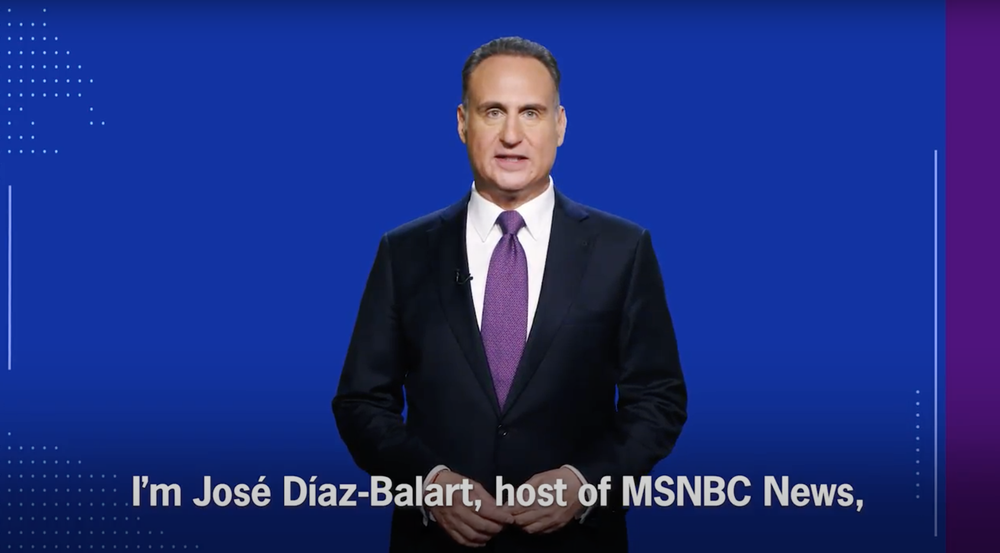
As part of our partnership, Student Reporting Labs will build educational resources to help teach young people how to have conversations about misinformation with older family members and friends. The hope is that new audiences, and those already familiar with PBS NewsHour and local public media station partners, will come together to help tackle misinformation.
“Through storytelling and co-production with students, we’ll explore the media literacy needs of different communities and generations, and how they can connect with each other to find solutions,” says SRL Founder Leah Clapman.
Expanding to rural communities with News Literacy Project
Through online classes, events and in-person visits to schools, the News Literacy Project (NLP) provides media literacy education to students, educators and the public. More than 300,000 students have completed lessons on NLP’s virtual classroom platform, Checkology, since its launch in 2016.
The Google News Initiative’s partnership will help the NLP bring their Newsroom to Classroom program to even more journalists and educators. NLP is now expanding into rural areas of California, Colorado, Texas, Iowa and Nebraska — places hit particularly hard by the decline in local news.
“News literacy is an essential skill for everyone everywhere in a healthy democracy,” Claudia Borgelt, Vice President of Development at NLP says. “Access to news literacy education should not be limited by a community’s zip code.”
Expanding Spanish-language resources with Poynter’s MediaWise
Our efforts extend beyond students and educators. The GNI was the original supporter of Poynter’s MediaWise project, which was initially focused on students and has since expanded to seniors. Launched in 2020, the MediaWise for Seniors program has trained more than half a million Americans to date.
We’re joining forces with the team again to translate their “How to Spot Misinformation Online” course into Spanish, and create a text-based version of the course that will be delivered via SMS, which is how many seniors find and share news.
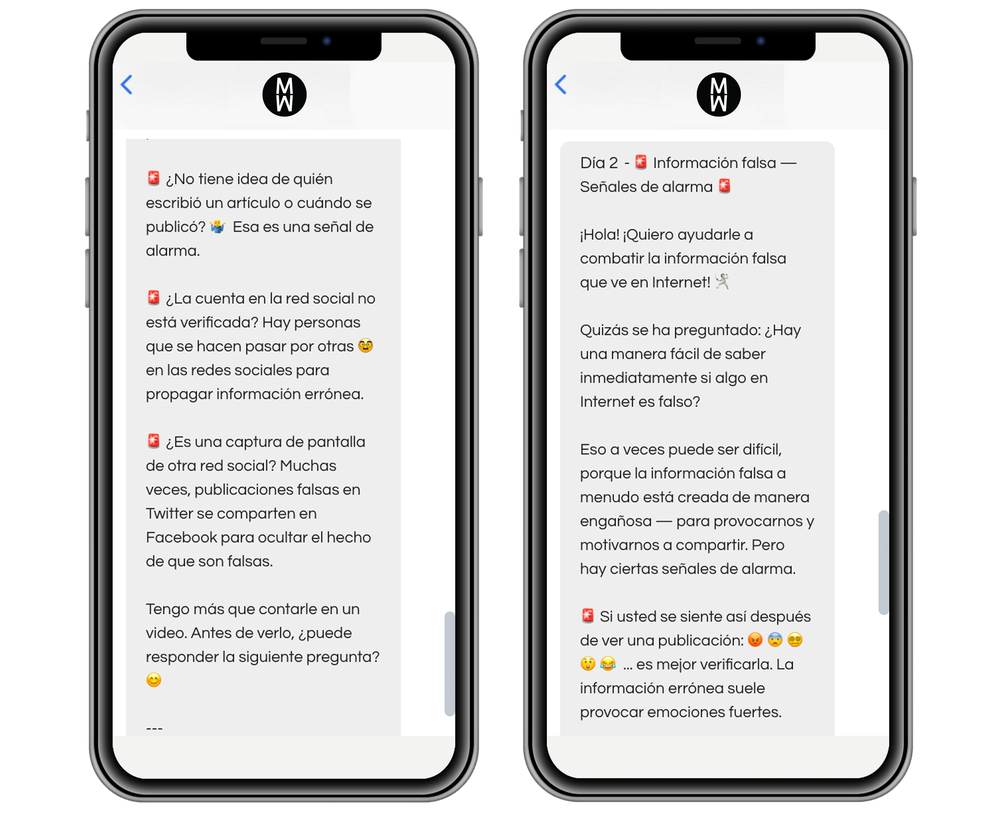
“More than 41 million people in the U.S. speak Spanish at home,” says MediaWise Director Katy Byron. “Research shows that health and vaccine-related falsehoods and conspiracy theories are some of the most pervasive forms of misinformation targeting Hispanic communities. Making these Spanish-language educational resources available in multiple formats, on platforms popular with the 50+ Hispanic population, will help combat the Spanish language misinformation gap.”
These partnerships build on Google’s other media literacy efforts around the world, including a €25 million contribution to the European Media and Information Fund. Along with products like Fact Check Explorer and the “about this result” feature in Search, Google is committed to equipping people with the skills they need to stop the spread of misinformation and sort fact from fiction online.

Recensione MacBook Pro 16 con M1 Pro: quanta potenza, anche a batteria

Roberto Re: le nuove date del seminario live “Sviluppa l’intelligenza emotiva”
Gli eventi formativi del mental coach tornano in presenza fino a dicembre nelle principali città italiane Il noto esperto di formazione personale Roberto Re è tornato a incontrare il proprio pubblico con la…
L’articolo Roberto Re: le nuove date del seminario live “Sviluppa l’intelligenza emotiva” scritto da Paolo Brambilla proviene da Assodigitale.

Learning on the go with Classroom on Android
The past two years have seen a rapid rise in the use of educational tools by teachers and students everywhere – driven primarily by the need for distance learning. Now that educators and schools have experienced the benefits of these tools, their use continues to grow, even as many schools return to in-person and hybrid learning.
While this industry-wide shift to more hours online can be an opportunity for many, it can also be a challenge for some teachers and students, especially in places where communities rely heavily on mobile phones or because of limited internet connectivity.
Google Classroom and other Google Workspace for Education tools are designed to be used anytime, anywhere and on any device. In many countries around the world, the investments we’ve made in our mobile apps have already helped tens of millions of students keep learning remotely by using personal or shared phones.
With this in mind, we’ve launched three new features to improve access to Classroom in mobile-first and limited internet conditions.
Use Classroom when you’re offline
With the Classroom Android app, students can now continue to work and learn, even when offline or when faced with spotty internet connections. Now students have the option – when they are online – to download assignment attachments to their phone for viewing and editing later when they are offline.
Although the ability to submit and download assignments, or pose questions and get answers, still requires an internet connection, offline mode gives students the flexibility to take schoolwork anywhere and keep learning on the go.
Scan and upload multiple pictures with ease
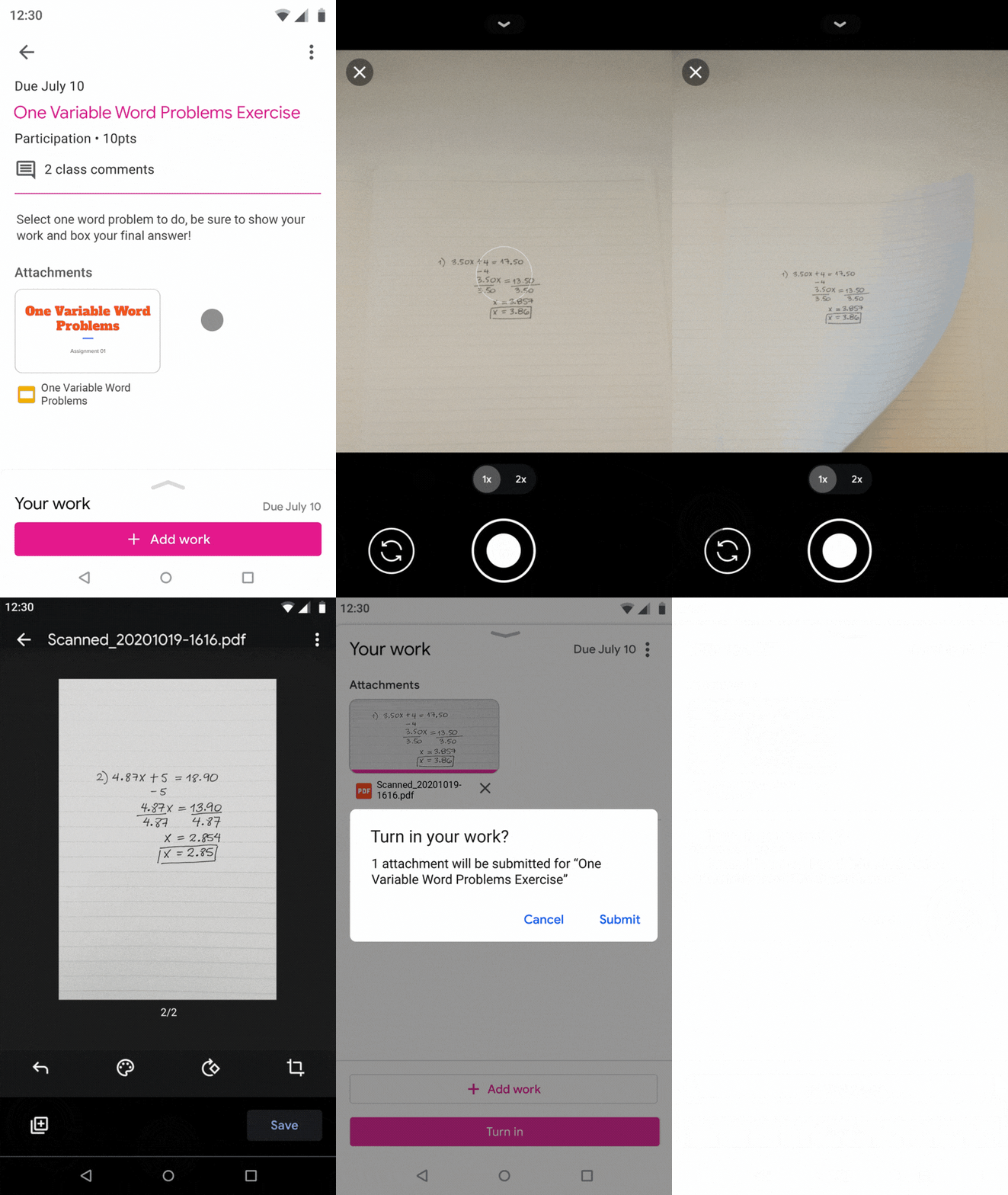
Many more students today are taking and submitting photos of assignments that are easier and more ideal to complete by hand — like math or science homework.
The Classroom Android app now has a handy scan feature, which students can use to capture and combine multiple pictures into a single file. The upload action in the app now allows for easy selection and submission of multiple different types of files in a single step.
These improvements will help students submit their assignments more efficiently, even if they’re in a rush to meet a deadline.
Easier grading on mobile for teachers
For teachers who are primarily using a phone, we’ve made big updates to the experience of viewing and grading assignments on the Classroom Android app.
Teachers can now seamlessly swipe between students and assignments and add grades on the app. Teachers can also give feedback to students by enabling comments on individual files, even if there are multiple files in an assignment. They can comment on a file or highlight specific passages to leave more targeted feedback pinpointing improvement areas for students.

The vast majority of people who are new to the internet today use phones rather than computers. With these new Classroom Android app features, we’re providing students and teachers everywhere with a better mobile experience.
We are fully committed to investing in helping educators and schools spark learning and close equity gaps with more supportive, inclusive, and productive educational tools
These 25 publishers want to know their communities
We can’t write about our communities without understanding them and being part of them. We don’t want to just parachute ourselves in and stick the microphone under their mouths, we really want to come at this as a way to serve them.
The third North America Innovation Challenge has selected 25 projects out of 190 from Canada and the U.S. to receive a share of more than $3.2 million USD to help build their ideas that address the need for research in local news.
This latest Challenge, part of a program designed to stimulate forward-thinking ideas focused on the news industry, was launched in June to support news innovators looking to research how they could better understand the local communities they serve. The selection process involves a rigorous review, a round of interviews and a final jury selection effort.
Among the successful applicants are:
- Documented, a non-profit newsroom from the Brooklyn Community Foundation, which provides local news for and about New York City’s 3.1 million immigrants. They will use research to define, test and pilot a product and messaging strategy to expand their reach to Chinese and Caribbean immigrant communities.
- Metroland, the community news media branch of Canadian national publisher Torstar brings Metroland Indigenous: Truth Through Storytelling — a dedicated effort to address a deficiency in news coverage of and for Indigenous peoples in Ontario.
- A group of nonprofit and for-profit organizations based in Georgia coordinated by the women-led local publisher The Current is building a framework for organizers to collaborate on online local news delivery in the interest of better serving their community.
- Minnesota-based news startup Sahan Journal is collaborating with three community media outlets to launch Citizen Lab, a series of public editorial meetings to check in with the communities they collectively serve and produce news in Somali, Hmong and Spanish.
- La Converse in Quebec will be testing new approaches in order to broaden their French language offering in terms of stories and formats — for example, they’re testing things like text-based news service and audio formats.
- Wick Communications, a family-owned local news company, will partner with ASU’s Walter Cronkite School of Journalism and Mass Communication to research new products and strategies to facilitate healthy online discourse in small Arizonan communities.
Read the full list of the successful recipients at newsinitiative.withgoogle.com. We extend our sincere thanks to everyone who took the time to apply .
Trends and learnings
Today’s North American winners brings our total of Innovation Challenges to nine running across 93 countries over the past three years. The program initially launched in Asia Pacific with a call for applications looking at new ideas to generate reader revenue. Across all these challenges, we’ve received over 2,500 project applications, creating 227 projects covering Latin America, the Middle East, Turkey and Africa and North America and resulting in over $30 million USD in funding. While there’s been much to learn along the way, the selected news organizations have reported results beyond expectations, with 75% of projects bringing a measurable increase in audience growth and engagement and more than 50% of the recipients already seeing a measurable increase in monetization.
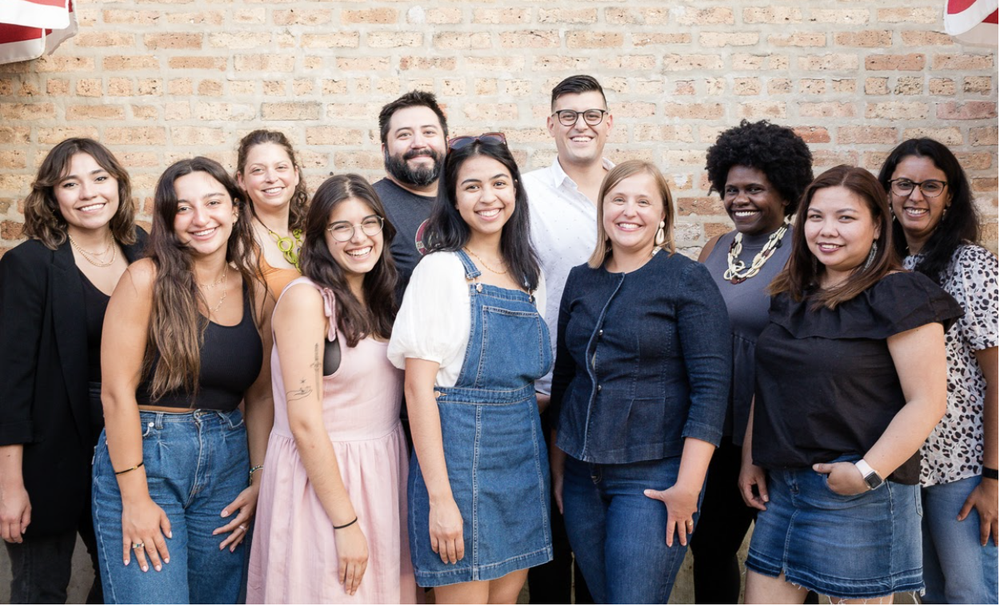
The team from successful Innovation Challenge recipient Borderless Magazine from Illinois, which serves a diverse audience of people mostly under 40 years of age. They will be experimenting with new distribution and engagement strategies for their Spanish and English audiences.
Over 50% (1,301) of the applications we received across all Innovation Challenges were focused on audience engagement and monetization. Many North American local or regional publishers recognized the need for direct reader revenue, and over time their focus has shifted to optimization and retaining subscribers .
North American online-only publishers, and local or regional publishers from other areas such as Africa, Asia and Latin America, are still focused on scale, but they are also beginning to experiment with reader revenue and understand the need for improved engagement.
We’re also seeing a need for cultural change, in newsrooms and in coverage, becoming an area of focus for these Innovation Challenges. Diversity, Equity and Inclusion (DEI) have been necessary elements for applicants’ projects since early 2020. As a result it drove 1,000 applications, 223 interviews and over $13 million in funding. Over 60% of applicants reported that DEI was of strong importance to their organization.
You can read more about the successful recipients around the globe. The Innovation Challenges program will continue in 2022, with application dates to be announced on the Keyword blog and through the GNI Newsletter.
And over the next week, we’ll be highlighting a series of stories from news innovators who have launched projects in France, Indonesia, India, the U.S. and Chile — stay tuned to this space for more.

C# 10 introduce il costrutto CallerArgumentExpression
Looking at the impact of the Google News Initiative
When we launched the Google News Initiative in 2018 with a mission of helping to create a sustainable landscape for journalism, the news industry and the world were in very different places. Now, more than three years later, we are reflecting back on what we’ve accomplished together with news organizations, nonprofits and journalists at the same time as we deepen our commitment to these challenges.
Publishers have shared with us that adapting their business models to digital is immensely difficult. So together with industry associations and thought leaders worldwide we introduced the Digital Growth Program to help news organizations accelerate growth in advertising and consumer revenue and strengthen their core foundations in audience development, product and data. The feedback we received from partners also encouraged us to grow our investment in our audience insight tools, including our flagship experience, News Consumer Insights, and build resources for aspiring news entrepreneurs like our Startups Labs and Boot Camps.
Reporters and editors have told us that building digital journalism skills using technology to advance the practice of journalism and combating misinformation are critical priorities. That’s why we’ve expanded our News Lab trainings and made commitments to efforts like the European Media and Information Fund and supporting the fact check community
The increasing pressure the pandemic has put on the business of journalism cannot be overlooked given the knock on effect on newsrooms and their ability to cover the news. That led us to create the Journalism Emergency Relief Fund, putting much-needed funding of nearly $40 million into the hands of over 5,600 local newsrooms. Covid was also the impetus for the Support Local News campaign in the U.S. and Canada to encourage people to support their local paper.
Throughout, we strive to ensure our work touches a diverse group of publishers and audiences — from ourInnovation Challenges which have supported over 200 news organizations around the world, to our first Ad Transformation Lab with 28 Black- and Latino-owned publications in the U.S.
This is just a snapshot of our work. Over the last three years we’ve accomplished a lot, but there’s much more to do. Achieving a healthy, sustainable and diverse news industry isn’t something Google or any single entity can or should do alone. This is a shared responsibility across publishers, companies, governments, civic society and more. Today we remain as committed as we’ve always been to playing our role in adeep and meaningful way.
You can read more about our work in this year’s GNI Impact Report, but below we wanted to highlight some publishers and partners we have worked with along the way.
Quality journalism
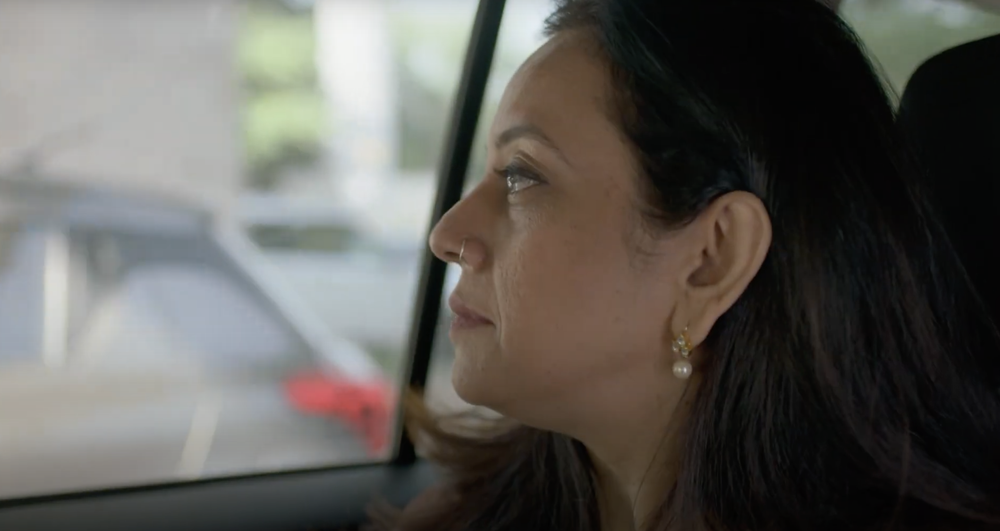
Quality journalism plays a central role in connecting people and communities. Across our products we work to provide people with access to essential reporting. We partner with organizations to help people grow their media literacy skills to sort fact from fiction online, and we provide tools and training to help newsrooms in their work. One of our partners is DataLEADS, who we worked with to provide verification training for thousands of reporters across India.
Sustainability and business models
The business of news is changing rapidly. We’ve developed products and programs to support publishers of all sizes in their ongoing journey to sustainability, such as Startups Labs and Bootcamps focused on a community of aspiring news entrepreneurs. That includes Alma Preta, which has grown from a small collective to a fully fledged operation to address the lack of Black representation in Brazilian media.
Community
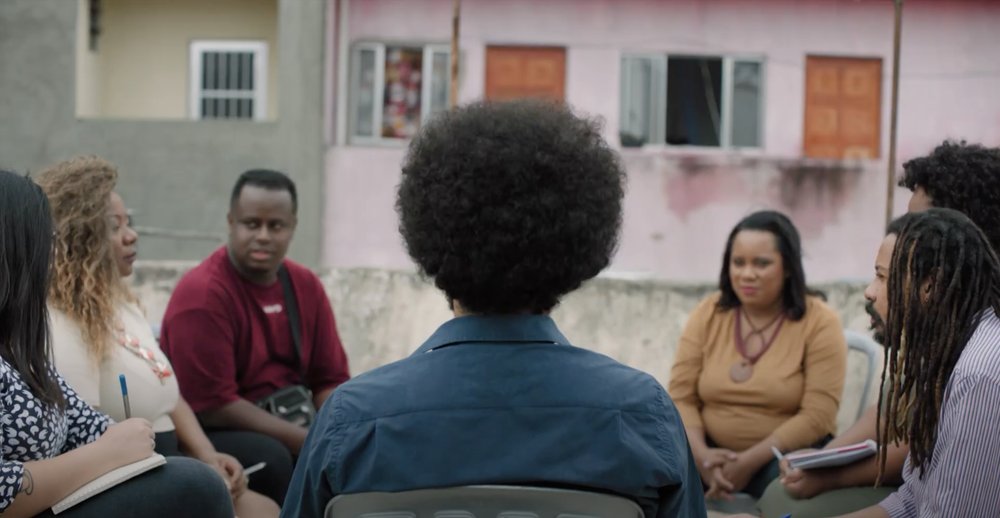
Collaboration is at the heart of everything we strive to do with the GNI. It’s essential to bring everyone together to tackle the most pressing issues facing journalism and to hear directly from you on how we can solve these challenges together. It’s key we ensure we include a wide range of voices and range of ideas and opinions to build this community and support diversity in as many corners of the news ecosystem as possible. That approach underpins the GNI’s support forFood for Mzansi’s Sinelizwi citizen journalism project focused on training people to tell the untold stories of rural communities in South Africa.


Le videocamere Blink al minimo storico per il Black Friday di Amazon

9 mistletoe-tally helpful Google Maps tips
With November well under way, we candycane’t help but get excited for the holidays! Whether you’ve been naughty or nice this year, Google Maps has your back. We’ve compiled nine of our favorite tips — no matter what your holiday persona is — so you can sleigh your plans and to-do list this season.
For the person who already made their list and checked it twice:
1. Figure out the best time to leave: Holiday traffic can be unpredictable. To make sure you’re on time, get driving directions on Google Maps and tap the three dots on the right side of your screen. Set the time you’d like to arrive by to see how long it’ll take you to get to your destination.
2. Save money on gas: With eco-friendly routing, you can now choose the most fuel-efficient route to your destination. A quick search for “gas prices” shows you prices for nearby stations so you can pick the cheapest one.
3. Save time grocery shopping: Whether you’re grabbing a missing ingredient or stocking up before your in-laws arrive, pickup with Google Maps is the new grocery pickup experience that can get you in and out of the parking lot in less than five minutes. Simply place an online order from a participating Kroger Family store, then add it to Maps from your order confirmation page. This is currently available in the US only.
For the spontaneous shopper:
4. Search along your route: Forget a hostess gift? If you’re on the road, use Google Maps to search for malls, grocery stores and other places along your drive so you can tackle your tasks without going out of your way.
5. Tap and go with contactless payments: Avoid pulling out your wallet or touching a parking meter by paying for street parking or public transit right from Google Maps. When you’re out and about, just type in your meter number, hit pay and refill. If you’re taking public transit, you’ll see an option to pay as soon as you arrive at the station.
6. Find your way around malls, airports and transit stations fast: With the new Directory tab, you can easily see where all of the places are within a large building — like where the jewelry store is inside your local mall. With just a few taps, get helpful information about the place — such as if it’s open now, what floor it’s on, and how highly it’s rated — so you can get in and out in no time.
For the holiday party hopper:
7. Find people and places with ease: If you’re strolling through a new neighborhood, let Live View guide your way with augmented reality arrows and directions overlaid right on top of your world. Meeting up with a friend who shared their location with you? Just tap on their icon and then on Live View to see where and how far away they are — and quickly follow the arrows to find them.
8. Share your ETA: ‘Tis the season to run between Friendsgiving meals and holiday parties. You can use Google Maps to let friends and family know exactly when they can expect you to arrive with just a few taps.
9. Find the fun (or hibernate far away from it) with live busyness information: Before you head out, search for a place on Google Maps and scroll down to see how busy it is right now so you can plan your social life accordingly. This holiday season, we’re also launching Area Busyness, a new tool stemming from the existing busyness feature, that shows you when parts of town are busier than usual, so you can know how to avoid those packed streets near hot brunch spots or see which neighborhoods are bustling with activity.

Come proteggere la casa col sistema Ring Alarm (ora col 51% di sconto)

Twitter, ufficiale la nuova API v2 per gli sviluppatori

La Corea del Sud investe sulla realtà virtuale del metaverso

Milioni di dati vaccinali italiani in vendita su Internet? Si cercano conferme e fonti
Un noto forum di hacking ha pubblicato un annuncio, al momento non verificato, secondo il quale sarebbero in vendita sette milioni e mezzo di dati vaccinali italiani risalenti a giugno 2021. Il venditore dice che i dati includono indirizzi di mail, password (per lo più hashed), “nomi, indirizzi, numeri di telefono, codici fiscali, date di nascita e altre informazioni personali”.
Il venditore ha pubblicato due campioni di questi dati, di cui riporto qui soltanto le strutture e i nomi dei campi:
Per il primo campione (circa 900 record): mail, nome, ruolo, cognome, data_nascita, gia_positivo, verificato_2, codice_fiscale, tel cellulare.
Per il secondo campione: anno, mese, nome, email, giorno, status, cognome, altre_asl, privacy_1, privacy_2, verificato, data_nascita, verificato_2, cap_domicilio, cap_residenza, codice_fiscale.
Come sempre in questi casi, non è possibile verificare l’autenticità di queste asserzioni e un controllo a campione dei dati richiede tempo che non ho (anche perché quando ci provo le vittime si allarmano, si offendono o proprio non rispondono). Il riferimento vaccinale potrebbe benissimo essere stato aggiunto dal venditore per rendere più vendibili i dati sottratti.
Se le strutture e i nomi dei campi vi sono familiari perché siete fra i gestori di questi dati, prendete le misure opportune. Adesso sapete che siete stati probabilmente vittima di una sottrazione di dati personali.
Questo articolo vi arriva gratuitamente e senza pubblicità grazie alle donazioni dei lettori. Se vi è piaciuto, potete incoraggiarmi a scrivere ancora facendo una donazione anche voi, tramite Paypal (paypal.me/disinformatico) o altri metodi.

Xbox celebra il suo 20° compleanno con tante novità

Our commitment to Australia’s digital future
Today, speaking virtually at an event in Sydney, Google CEO Sundar Pichai announced the Digital Future Initiative: a $1 billion, five-year commitment to Australia, including initiatives to strengthen digital infrastructure, develop Australian technology and talent, and solve global and local challenges. Below is an edited transcript of his remarks.
Google’s growing presence across Australia reflects our deep confidence in the future — and the profound opportunities ahead.
Growing up in Chennai, I remember listening to the cricket test series between Australia and India on the radio, and was glad to see the rivalry continue in that amazing series last summer.
Over time, I would come to realize the important role Australia has played in some of the world’s most significant technologies, including Wi-Fi.
Australia has helped shape Google itself, from early work on Google Maps to progress on Chromebooks, Photos, Payments and Fitbit today. During the bushfires and pandemic, our priority has been making sure Australians can turn to Google for information to stay safe, work and learn from home, and keep their businesses running.
When bushfires brought tourism to a halt in 2020, Melissa Stone, owner of Bliss Gifts and Homewares in New South Wales, attended a Grow with Google virtual training. There she learned the digital skills which helped her set up her Google Business Profile, advertise online, and improve her SEO.
With these skills, she was able to grow her online presence and reach new customers. As a result, her revenues grew fifty percent after the bushfires, and today ninety percent of her sales come from digital channels.
At the same time, Australian startups are providing important digital services, like Sonder, which offers mental health and safety support to workers around the clock.
And Australian researchers are pushing technology in new directions. The Westmead Applied Research Centre, for example, is exploring how AI can help prevent heart disease — with support from Google.org.
Looking ahead, we want to help Australia shape the next wave of innovations, and bring the benefits of technology to more people. To help, today I’m proud to announce our biggest investment in Australia yet: a five-year, A$1 billion commitment to launch the Digital Future Initiative.
This investment will focus on three areas.
- First, it will help develop Australia’s digital infrastructure, focused on cloud computing. Cloud is helping Australian companies innovate and grow in every part of the economy.
- Second, it will broaden the opportunity we provide for local tech talent — including the launch of our first research hub in Australia. At Google Research Australia, we will build a team of local researchers and engineers to help tackle important issues, creating jobs and providing education and training.
- Third, we will create new technology partnerships to help solve Australian and global challenges. That includes working with the CSIRO team to explore clean energy and protecting the Great Barrier Reef, and with Macquarie University to advance quantum computing.
Partnerships like these will be at the heart of the Digital Future Initiative.
We believe a strong digital future is one where everyone has access to technology and the skills to use it, where the internet economy fulfills its immense potential, and Australia’s long tradition of innovation can grow and thrive.
We look forward to working together as Australia builds that future, and we can’t wait to be part of it.