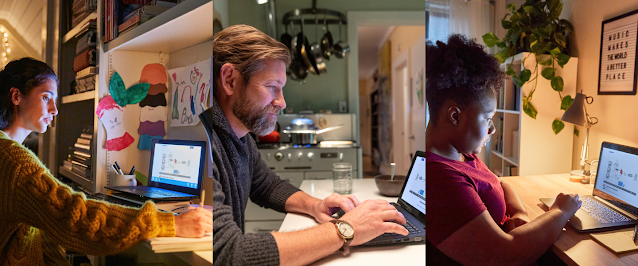
Nuove soluzioni di formazione professionale per l’Europa, il Medio Oriente e l’Africa
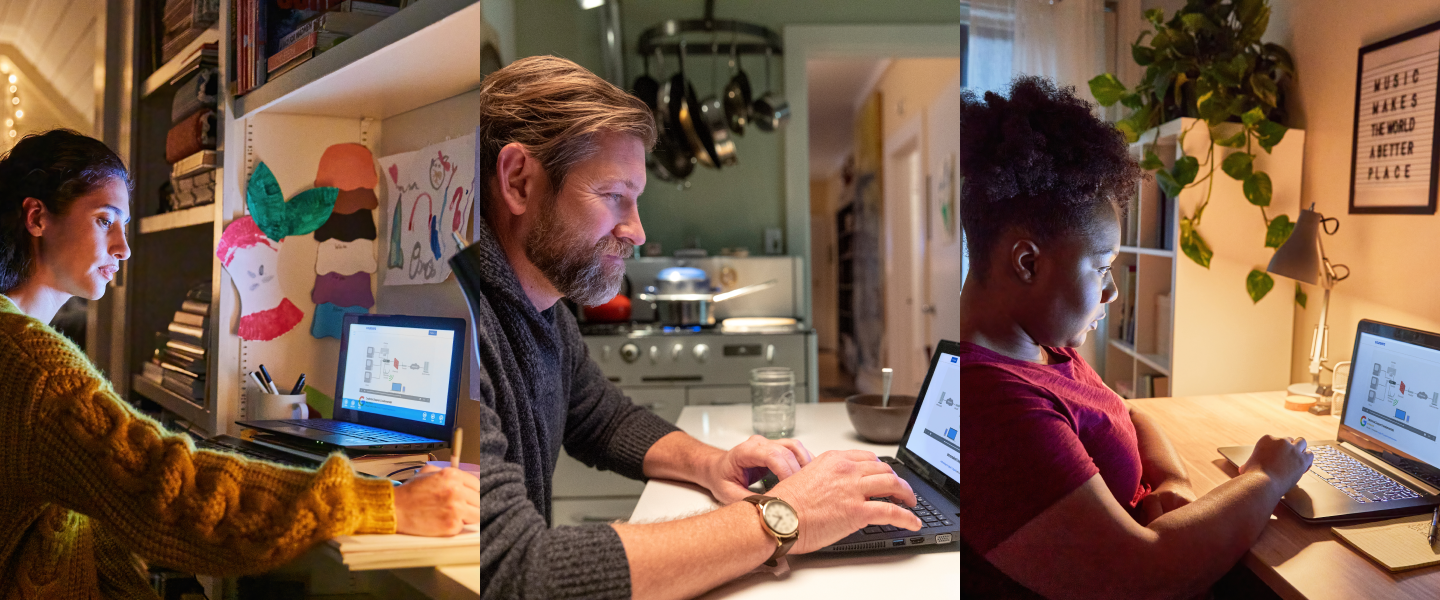
La pandemia ci ha portati a cambiare le nostre abitudini su come e dove lavoriamo, e per questa ragione molti di noi potrebbero aver bisogno di acquisire nuove competenze o dover cambiare professione. Nel corso degli ultimi sei anni grazie a Grow With Google abbiamo contribuito a formare oltre 17 milioni di persone in Europa, Medio Oriente e Africa: oggi il nostro impegno continua con un ulteriore passo avanti in questa direzione, grazie alla collaborazione con enti specializzati e settore pubblico.
Ancor prima del diffondersi della pandemia, una ricerca condotta da Google e McKinsey mostrava come più di 90 milioni di lavoratori in Europa avessero necessità di sviluppare nuove competenze utili per la propria professione e, per circa 21 milioni di persone in Europa, si ipotizzava una perdita di occupazione in campi come l’agricoltura o la vendita al dettaglio, settori che già registravano un netto calo della domanda. La crisi sanitaria globale ha accelerato molte di queste previsioni: secondo McKinsey infatti ci sarà un incremento del 25% nel numero di persone che avrà necessità di trovare un nuovo lavoro dopo la pandemia. Molti lavoratori inoltre avranno bisogno di acquisire nuove competenze, poiché la crescita della domanda di manodopera riguarderà principalmente quei lavori che, sebbene abbiano salari più alti, richiedono un livello maggiore di specializzazione professionale.
Oggi annunciamo tre nuovi Google Career Certificates disponibili online su Coursera, che aiuteranno le persone a perfezionare e aumentare le proprie competenze in aree come IT Support, Project Management, UX Design e Data Analytics. Questi programmi low cost permetteranno di studiare online con i propri tempi, e aiuteranno quelle persone che potrebbero voler cambiare professione ma che non hanno il tempo o i mezzi per accedere all’istruzione tradizionale. I programmi possono essere completati in meno di sei mesi, non richiedono un’esperienza significativa o una laurea, e sono riconosciuti da esperti del settore e datori di lavoro.
Questi certificati aiutano a soddisfare la sempre maggior necessità da parte dei lavoratori di acquisire le competenze necessarie per ottenere un ottimo impiego. Nell’ultimo anno abbiamo riscontrato che la domanda nei confronti dell’apprendimento online è triplicata, sia perché molti lavoratori hanno perso il proprio impiego, sia perché le persone vogliono sviluppare le competenze che i datori di lavoro cercano oggi nei propri dipendenti, e continueranno a cercare in futuro.
Affrontare le sfide del futuro del lavoro richiede una collaborazione concreta tra governi, aziende e organizzazioni comunitarie. Per questo siamo orgogliosi di sostenere il Pact for Skills della Commissione Europea, e, come parte del nostro impegno nel supportare le persone a superare eventuali barriere all’istruzione, forniremo borse di studio per i certificati a 100.000 persone in tutta EMEA. Le borse di studio saranno distribuite attraverso le organizzazioni locali, come Fundae e SEPE in Spain, APDC e IEFP in Portogallo, il London Borough of Camden nel Regno Unito, OAED in Grecia, Czechitas in Repubblica Ceca e Slovacchia, Agency for Digital Development (ADD) in Marocco e RootHub in Nigeria. Annunceremo presto nuove collaborazioni che vedranno protagonisti altri paesi.
Tra le nostre priorità c’è anche quella di contrastare le disuguaglianze economiche e di genere che la pandemia ha purtroppo accentuato. I gruppi sottorappresentati, i lavoratori a basso reddito e le donne sono più esposti ai settori duramente colpiti come la ristorazione o l’hospitality, e sono quindi più a rischio di perdita del posto di lavoro. Inoltre, i lavoratori che hanno poche competenze informatiche e tecnologiche dovranno affrontare sfide peculiari, dal momento queste lacune porteranno maggiori difficoltà nel reinserimento nel mondo del lavoro. Google.org assegnerà 50.000 di queste borse di studio a persone provenienti da comunità svantaggiate, dando così la possibilità di accedervi a persone con diversi background.
Google.org attraverso un iniziale grant di 5 milioni di euro a INCO, un’organizzazione no profit globale, collaborerà con più di 50 organizzazioni no profit locali per fornire servizi come consulenza professionale, preparazione per un colloquio, voucher per l’assistenza all’infanzia e supporto linguistico. Tra queste organizzazioni c’è anche Riga Tech Girls, un’organizzazione lettone no profit guidata da donne che distribuirà borse di studio a donne svantaggiate per incrementare la presenza femminile nelle professioni nel settore tecnologico.
Se da un lato spesso le persone non riescono a trovare un lavoro perché non hanno le competenze idonee, allo stesso tempo è interessante notare che il 40% dei datori di lavoro in Europa fatica a trovare persone qualificate rispetto alle proprie esigenze. Unendo gli sforzi pubblici messi in campo dalla Commissione Europea, e non solo, per contribuire a colmare il divario di competenze ricercate dai datori di lavoro e quelle possedute dai lavoratori, ci impegniamo a riunire aziende e organizzazioni che, come noi, riconoscono i Google Career Certificates ed esprimono interesse nel ricevere candidature da chi li consegue. Una volta ottenuti certificati le persone potranno inoltre fare domanda per i nostri programmi di apprendistato.
La tecnologia deve supportare tutti, indipendentemente da dove si trovino, dall’etnia, dall’età o dal livello di scolarizzazione. I governi e le aziende devono ripensare alle modalità utili per fornire alle persone i mezzi necessari per abbattere le barriere all’apprendimento, investendo in partnership innovative. In caso contrario, purtroppo, le disuguaglianze continueranno a crescere. Ci auguriamo che grazie a questi sforzi e al supporto dei partner pubblici, sempre più persone abbiano la possibilità di sviluppare le competenze necessarie per crescere professionalmente grazie alla tecnologia.
Scritto da: Matt Brittin, President, Google Europe, Middle East and Africa
Job-training solutions in Europe, the Middle East and Africa
As the pandemic accelerates changes in how and where we work, many of us will need to upgrade our skills or even change careers. Today we’re announcing more help, in partnership with expert organizations and with the public sector, building on our experience in training over 17 million people in Europe, the Middle East and Africa over the last six years through Grow with Google.
Even before COVID-19, research by Google and McKinsey showed that more than 90 million European workers may need to develop significant new skills within their current roles, while up to 21 million may have to leave occupations with declining labor needs like agriculture or in-person retail. The global crisis has sped up many of these predicted changes: McKinsey now estimates that 25% more people in Europe may need to transition to new jobs after the pandemic. Many people will need to learn new skills, as almost all growth in labor demand will continue to be for higher skill, higher wage jobs.
Today, we are announcing three new Google Career Certificates available online on Coursera, which enable people to become job-ready for growing career areas such as IT Support, Project Management, UX Design and Data Analytics. These low-cost programs help people who want to learn online at their own pace, or who may want to change careers and don’t have the time or means to access traditional education. They can be completed in under six months, do not require relevant experience or a degree, and are recognized by industry experts and employers.
These certificates help meet surging demand by workers to get the skills they need to secure good jobs. At the start of the lockdowns, we saw atripling of demandfor online learning, and the interest has been mostly sustained throughout the year, as people need to find new jobs or learn new skills that employers are looking for today — and in the years ahead.
These certificates help meet surging demand by workers to get the skills they need to secure good jobs. In the last year, we’ve seen increased interest in online learning as more workers lose their jobs or as they seek the skills employers are looking for today — and in the years ahead.
Addressing the challenges of the future of work requires collaboration between governments, companies and community organizations. We are proud to support the European Commission’s Pact for Skills, and, as part of our commitment to help people overcome barriers to learning, we will provide scholarships for the certificates for 100,000 people in EMEA. Scholarships will be distributed through local organizations like Fundae and SEPE in Spain, APDC and IEFP in Portugal, the London Borough of Camden in the UK, OAED in Greece, Czechitas in Czech Republic and Slovakia, the Agency for Digital Development (ADD) in Morocco and RootHub in Nigeria. Additional local collaborations will be announced soon.
We’re also focused on ways to address gender and economic inequalities, which have been further widened by the pandemic. Underrepresented groups, low-income workers and women are more exposed to hard-hit sectors, like food service or hospitality, and are therefore more at risk of losing their jobs. Older workers without computer experience also face unique challenges as they struggle more to get back into work. Google.org will allocate 50,000 of these scholarships for people from underserved communities, providing access to people from all backgrounds.
Google.org through an initial €5 million grant to INCO, a global nonprofit organisation, will work with over 50 local nonprofits to provide services like career advice, interview preparation, childcare vouchers and language support. These organisations include Riga Tech Girls, a woman-led nonprofit in Latvia that will distribute scholarships to underprivileged women to help get more women into tech jobs.
While there are people that cannot find a job because they don’t have the right skills, 40% of employers in Europe also struggled to find qualified people. Joining policy efforts led by the European Commission and others to help bridge the skills gap between employers and workers, we’re committed to gathering companies and organizations who, like us, recognize the Google Career Certificates and openly express their interest in receiving applications from graduates. Certificate graduates can also apply for our apprenticeship programs.
Technology must help everyone, no matter their location, race, age or education level. Governments and companies must rethink how we equip people with new skills by removing barriers to learning and investing in innovative partnerships — otherwise these inequalities will only grow. We hope that with these new efforts and the support of our public sector partners, even more people can develop the skills to thrive and continue growing their careers through technology.

Twitter e Facebook nel mirino delle autorità russe
Da ieri, 10 marzo 2021, Twitter ha subìto un forte rallentamento sul 100% degli apparecchi mobili e sul 50% di quelli fissi in Russia. Lo ha annunciato Vadim Subbotin, vice capo del Roskomnadzor, il Servizio federale per la supervisione nella sfera della connessione e comunicazione di massa. Motivo? Secondo l’agenzia che controlla le telecomunicazioni nel Paese, la nota piattaforma social avrebbe ripetutamente violato le leggi russe in tema di pubblicazione – e successiva mancata rimozione – di contenuti giudicati illegali, nello specifico si parla di 3.000 post relativi a suicidio, droga e pornografia non censurati.

WhatsApp, scarpe Adidas in regalo? La nuova truffa
Attenzione a una nuova truffa che si sta diffondendo a macchia d’olio su WhatsApp: si riferisce a una presunta campagna di marketing di Adidas, lanciata in occasione dell’appena trascorsa Festa della Donna, secondo cui verrebbero regalate agli utenti un paio di scarpe. I vincitori avrebbero soltanto le spese per la spedizione a proprio carico.
WordPress 5.7 “Esperanza”, le novità

As CTV viewership surges, YouTube is people’s Main Stream
The last year marks a massive paradigm shift on the TV screen, as more people than ever turn to YouTube on connected TVs (CTV) not only to find happiness and be entertained, but to feel connected and fulfill their needs. Whether it’s leaning back with a good movie, dancing along to the hottest music video with roommates or finding their zen with a guided meditation, YouTube is people’s Main Stream — with over 120 million people streaming YouTube and YouTube TV on their TV screens in December 2020 in the US.1
Today we’re sharing new consumer trends and insights, and spotlighting new measurement solutions to help brands tap into the streaming boom on YouTube.
YouTube CTV watch time continues to grow fast
People are choosing to watch YouTube on connected TVs more than any other ad-supported platform because it has the content that is relevant to their lives and passions. According to Comscore, YouTube is #1 in reach and watch time among ad-supported streaming services, and is #1 in growth by watch hours over the past two years.2
This is driven in part by a new wave of viewers who choose to watch YouTube primarily on the TV screen. In December 2020, a quarter of logged-in YouTube CTV viewers watched content almost exclusively (more than 90%) on the TV screen.3 For brands, this underscores the importance of connected TV campaigns to reach larger and incremental audiences across YouTube, and engage audiences with bigger creative formats.
How we’re supporting startups combating climate change
Combating climate change requires action from everyone—businesses, governments, cities and people. We believe that by investing in technology we can help build novel solutions and empower people to take action. Which is why we’re focused on elevating people using technology to combat climate change and create a healthier planet for everyone.
This month we launched the Google for Startups Accelerator: Climate Change for climate-focused technology startups across Canada and the United States. This 10-week program helps bring the best of Google to startups using artificial intelligence and machine learning to combat climate change. In addition to mentorship and technical project support, the accelerator will focus on product design, customer acquisition, and leadership development for founders. If you or someone you know would be a great fit for the Google for Startups Accelerator: Climate Change, encourage them to apply by April 1, 2021.
This program builds on the success of last year’s Google for Startups Accelerator: Sustainable Development Goals which supports startups from across Europe, the Middle East and Africa. Through this program, we supported Everimpact from France, a company that combines satellite imagery and ground sensing to monitor air quality and carbon emissions in cities, and Ororatech from Germany, a commercial supplier of infrared satellite data used for early detection and real-time monitoring of wildfires.
Supporting startups focused on climate change is just one way we’re taking action as a company. Last September, our CEO Sundar Pichai announceda set of ambitious sustainability commitments, including a vision for a carbon-free future for everyone and our mission to empower people and communities to realize their own potential for impact. Recently, we released our 2020 Climate Report and reaffirmed our ongoing commitment to making sure that everyone—people, cities, governments and businesses—have the tools to be part of the solution. We’re optimistic that technology and entrepreneurship can help avert climate change.
10 Ways Trust Creates Standout B2B Marketing Experiences
What does trust bring to the B2B marketer’s strategy table in 2021?
While it may be simpler to ask what trust can’t do for B2B marketers and brands seeking to develop successful strategies for our eventual post-pandemic professional landscape, savvy marketers are best served by taking a close look at all the things that trust can do.
Research has shown the power of trust in developing successful marketing, which is why the theme of trust is a central tenet running through our own State of B2B Influencer Marketing Research Report, featuring survey data, case studies from B2B brands of all sizes, insights from top B2B marketing experts, plus a list of 20 top influencer marketing practitioners from B2B brands.
Brand trust, advocacy and customer experience are among today’s most important goals for B2B brands, but why is trust so important, and how can brands build trust?
Here are 10 ways trust creates standout B2B marketing experiences, from building better brands to providing measurable performance, and so much more.
Let’s step right up to a virtual cavalcade of marketing approaches that benefit from a greater focus on trust, and look at what we can do to build greater trust into our B2B marketing efforts.
1 — Trust Builds & Strengthens Relationships
You can’t top trust when it comes to building and strengthening relationships, whether it’s creating powerful new customer connections or nourishing your existing business partnerships.
Relationships with little trust won’t blossom, and usually won’t last very long either.
By consciously making trust a cornerstone of marketing efforts — and dedicating the time and effort necessary to do so — brands can make a concerted effort to build trust into every facet of operations.
[bctt tweet=”“If you want to be a trustworthy company, it can’t be just a marketing philosophy. It has to be a business philosophy.” — Margaret Magnarelli @mmagnarelli” username=”toprank”]2 — Trust Delivers Dedicated Customers & Fans
Brands that earn trust have already won most of the battle to gain dedicated customers and fans.
Trust helps turn customers into true brand advocates and impassioned fans.
The effort and time to build trusting relationships between brands and customers can be daunting for B2B marketers, which is one of the reasons why more brands are turning to influencer marketing, with subject matter experts who have already built time-tested trust.
[bctt tweet=”“It’s hard to create a great experience if customers don’t trust brand communications.” — Lee Odden @LeeOdden” username=”toprank”]3 — Influence Is Build On Trust
Intertwined with trust is influence, and the two serve to reinforce one another in the push to deliver the best B2B marketing possible.
Industry experts rely on the trust they’ve earned over time with their following, using their influence to help brands build trust.
Using the power of influence to build trust is one of our specialties at TopRank Marketing, and to help you learn more about the processes involved, here are several recent articles we’ve published detailing how influence grows trust:
- 5 Ways B2B Marketers Sabotage Influencer Marketing Success
- Why Influencer Marketing Should Be a Priority 2021 Tactic for B2B Brands
- How to Scale B2B Influencer Marketing: Operations, Process and Technology
- How Successful B2B Marketers Integrate Influence in the Marketing Mix
4 — Trust Grows Great Content Marketing
Great B2B content marketing is also underpinned by trust, as information that is worthy of being shared is most often the type that best answers the questions customers are asking — solutions that will only succeed when they are based on share-worthy trust.
Creating articles, videos, podcasts or any other manner of today’s digital asset that customers will want to share and keep coming back to get more of is a difficult task, but one that thrives when trustworthy information is delivered.
Best-answer content’s role in building trust is covered in the following articles we’ve published:
- In Search of Trust: How Authentic Content Drives Customer Experience
- How A Best Answer Content Strategy Drives B2B Marketing Results
5 — Influence-Built Trust Combats Increased Skepticism
The past several years have seen an increase in customer skepticism, especially when it comes to the marketing they have traditionally relied on to learn about potential new solutions.
Trust can be the element that differentiates one brand’s success from another’s disappointment.
The issue of brand trust made the list of 2021’s top trends in our CEO Lee Odden‘s “Top B2B Marketing Trends for 2021,” in which he observed, “With an ‘epidemic of misinformation and widespread mistrust of societal institutions,’ 70 percent of respondents to the 2021 Edelman Trust Barometer study said brand trust is more important today than it was in the past.”
[bctt tweet=”“Once trust has been lost, it’s nearly impossible for brands to rebuild sustainable, honest relationships with their customers.” — Kevin Cochrane @kevinc2003″ username=”toprank”]6 — Always-On Efforts Thrive On Trust
2021 may be the year of always-on marketing, as the strength of ongoing programs over one-off campaigns has been shown to be a key success differentiator. Building thriving always-on programs requires earning and maintaining trust, however, rather than the kind of stop-and-start efforts that interrupt truly lasting business relationships.
Always-on marketing efforts need to be based on trust in order to be sustainable.
To help you build a sustainable always-on strategy with an eye for building ongoing trust, the following articles explore always-on influence:
- For Successful B2B Marketers The Engine of Influence is Always On #B2BIMReport
- Always On Influence: Costs Less and Better ROI – Here’s Why
- Always On Influence: Short Term vs. Long Term for Success During a Crisis
- Always On Influence: Definition and Why B2B Brands Need it to Succeed
7 — Trust Is Platform Agnostic
In today’s diverse social media platform landscape, B2B marketers are keen to use elements that provide value in a platform-agnostic way, and trust is one of the key ingredients that works just as well on Clubhouse, LinkedIn, Twitter, or Instagram.
When a brand has built a legacy of trust, it translates to whichever platform or content vehicle its marketing messages are delivered through, making trust one of the few fundamental qualities that endure over time, even as social platforms come and go.
How can B2B brands boost confidence using some of these various platforms, especially live-stream video, podcast and Clubhouse marketing? Lee recently explored how partnering with influencers who understand innovative content formats creates more relevant, meaningful and effective B2B content marketing experiences, in “How B2B Brands Can Boost Confidence in Livestream Video, Podcast and Clubhouse Marketing.”
[bctt tweet=”“When an organization can deliver strong content that helps inform people, it only builds that trust. Ultimately, people just want information that’s helpful to them.” — Emily Thompson @BosCreativeCopy” username=”toprank”]8 — Trust Is SEO Friendly
Not only is trust search engine optimization (SEO)-friendly, trust is one of the most important and oftentimes overlooked elements in creating the type of best-answer B2B content that can organically feature in search rankings.
In essence, a core facet of all search engine firm efforts is the ability of their algorithms to surface the content that is the most trustworthy.
How trust plays into the changes 2021 has brought about in SEO efforts is among the subjects 12 top industry experts explored in our annual trends and predictions article, “12 Top B2B SEO Trends & Predictions for 2021.”
[bctt tweet=”The biggest overarching trend in SEO in recent years which will undoubtedly continue in 2021 is the focus on E-A-T: expertise, authoritativeness, and trustworthiness. — Lily Ray @lilyraynyc” username=”toprank”]9 — Trust Provides Measurable Performance
When your efforts are built on trust and the content you’re producing reinforces trustworthiness, B2B marketers can chart their success using any number of engagement metrics.
While it may be hard to specifically pinpoint which particular brand engagement metrics are solely the result of having built customer trust and loyalty, trust is the kind of all-encompassing element that — although it may not have its own line item — delivers performance increases.
Here are several helpful articles we’ve written that help B2B marketers collect and interpret the right engagement metrics:
- Spotlighting Organic Social Media Video Success: Your Guide to Metrics and Specs
- What B2B Marketers Need to Know about Optimizing Content with Video Analytics
- Break Free B2B Series: Hal Werner on the Intersection of Marketing Creativity and Analytics
- Measuring Content Marketing Success: Analytics Advice & Insight from the Experts
10 — Trust Builds Better Brands, Brand Advocates, & Teams
It’s not just marketing and social media efforts that benefit from a trust-first approach to business — entire brand structures from bottom to top stand to achieve greater performance when trust is valued, encouraged, and implemented throughout an organization.
Trust has been touted for decades as an important element in any brand’s strategy, yet it sometimes stalls when taking the leap from a company’s mission statement to what was posted on social media an hour ago.
Building not only trust but empathy into the fabric of a B2B organization was the recent subject of a B2B Marketing Exchange conference keynote by Miri Rodriguez, storyteller and internship program head at Microsoft, and I covered the presentation in, “Microsoft’s Miri Rodriguez on How B2B Marketers Are Embracing Empathy For Better Customer Storytelling #B2BMX.”
[bctt tweet=”“Trusting relationships aren’t built with brands, but rather with the human beings behind those brands. Attaching a face and voice to your content can drastically magnify the impact and relatability of that content.” — Nick Nelson @NickNelsonMN” username=”toprank”]Let Trust’s Energy Surround Your Marketing Efforts
The power of trust can bind customers and brands in meaningful and lasting relationships, filled with the type of energy that even Star Wars’ Yoda would be envious of, and we hope that your own B2B marketing efforts will benefit from the 10 elements of trust we’ve explored here.
A single article can only begin to touch on the vast power of trust in marketing, which is why we’re also happy to share with you the follow additional guides to brand trust:
- In Search of Trust: How Authentic Content Drives Customer Experience
- 5 Things to Know About Building Trust in the Age of Social Media
- Trust in Marketing: How to Build Influence with the C-Suite and on the Street with Customers
- How Authentic Content Builds Brand Trust in Uncertain Times
- How B2B Marketers Can Enter the Circle of Trust
- Break Free B2B Series: Margaret Magnarelli on the Psychology of Trust for Better Content Marketing
- SEO is Not Enough: Why B2B Marketers Need to Optimize for Trust with Influence
Crafting trustworthy and award-winning B2B marketing takes significant time and effort, which leads many firms to choose working with a top digital marketing agency such as TopRank Marketing. Contact us today and let us know how we can help, as we’ve done for businesses ranging from LinkedIn, Dell and 3M to Adobe, Oracle, monday.com and others.
The post 10 Ways Trust Creates Standout B2B Marketing Experiences appeared first on B2B Marketing Blog – TopRank®.

Huawei FreeBuds 4i arrivano anche in Italia
Huawei ha lanciato anche in Italia i nuovi auricolari True Wireless In-Ear con cancellazione intelligente del rumore, HUAWEI FreeBuds 4i, disponibili in tre colorazioni – Ceramic White, Carbon Crystal Black e Honey Red – a partire dal 24 marzo prossimo, ma già da oggi in pre-ordine su Amazon e sullo store ufficiale di Huawei.

Cercare casa in affitto con TikTok
Il mercato immobiliare sbarca su TikTok. Sono sempre di più, infatti, i video-annunci attraverso i quali vengono messe in bella mostra case in affitto sul social network nato principalmente per far divertire i giovani. Secondo i dati di febbraio, quella di TikTok è stata l’app “non game” più scaricata, a conferma che nonostante le polemiche per le sfide fin troppo spinte che si organizzano e i dubbi sulla privacy, gli utenti continuano a dare fiducia al social network. E le aziende studiano come sfruttarlo al massimo.

ROG Phone 5, audio e video pazzeschi e più potente che mai. La recensione
Music, Makers & Machines
In 1895, Thaddeus Cahill, an inventor from Iowa, started work on the world’s first electromechanical musical instrument. Weighing in at 200 tons and measuring 60 feet long, the Telharmonium was a colossal machine for producing and sharing music on the telephone.
In the 126 years since, electronic music has evolved in similarly bold and ingenious ways, a testament to the magic that occurs when human beings build and interact with machines. We listen to it while working out, riding the subway, studying for exams — and hopefully soon again at the clubs and festivals that have made it what it is today.
Music, Makers & Machines, the new exhibit from Google Arts & Culture and YouTube, celebrates the history of electronic music: its inventors, artists, sounds and technology. More than 50 international institutions, record labels, festivals and industry experts have come together to capture the crucial role electronic music plays within wider culture, from the WDR Studio for Electronic Music to Blacktronika to the “Diva of the Diodes” Suzanne Ciani. There are more than 250 online exhibitions, an extensive archive of photos, videos, 360° tours and 3D-scanned objects, including synthesizers and the door of Berlin’s legendary Tresor techno club.
In the spirit of pioneers like Cahill, you can also compose your own electronic music. Use the augmented reality feature of AR Synth to mix and match five famous synthesizers in a virtual electronic music studio.
MUSIC: Let’s get to know some of the legendary tracks and artists:
MAKERS: Go behind the scenes in studios and see iconic inventors in action:
MACHINES: Play with the instruments that made the tunes:
Electronic music brings people together from all walks of life and from all over the world. Its community has always been one of creativity and shared experiences. And while it may take a while until club doors open again, fans and musicians keep connected through new online forums and formats.
We hope that Music, Makers & Machines will let you explore and appreciate the stories of electronic music and celebrate the creativity of its makers. Find the project on the Google Arts & Culture app for iOS and Android and at g.co/musicmakersmachines .
Irish retailers can build an online presence with Pointy
As a Dublin native who started a company to help small retailers get online, I’ve seen local retailers adapt to many situations. It’s safe to say that the pandemic has brought challenges unlike any other, and we’ve seen it directly affect many of our favorite local shops.
Due to lockdown restrictions, it’s become critical for brick-and-mortar retailers to be visible online. I also know firsthand how helpful it is to be able to search online and see what a store has in stock prior to heading out of the house.
But sharing in-store inventory online can be challenging for smaller businesses, as they may not have the resources to build and maintain an e-commerce platform. Pointy from Google meets that need by creating an online presence for these retailers to help them showcase their product offering and potentially reach new customers.
Starting today for a limited time, Pointy from Google will offer free Pointy devices to qualifying small and medium retailers in Ireland, enabling them to display their in-store products online. Irish retailers who connect with Pointy within the next six months will also get €100 ad credit to trial Pointy’s Product Ads feature.
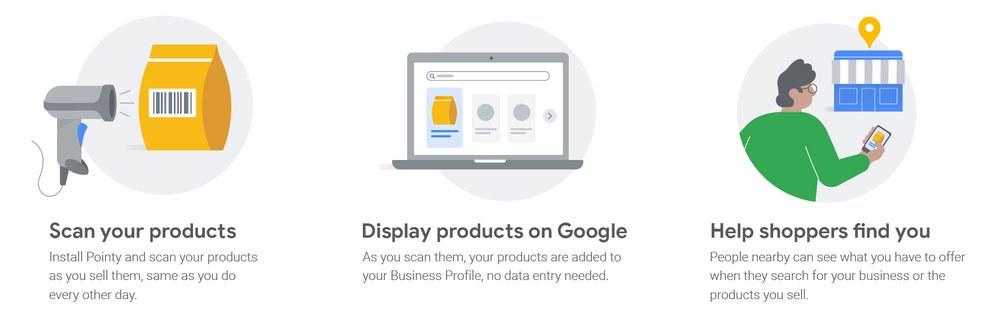
Pointy works by creating a connection between physical stores and Google so that their products can appear in local Google search results, which can help attract shoppers in the surrounding area to the store. Retailers don’t have to do any extra work: As they scan items to be sold, the products are added to their Business Profile on Google Search and Maps so that potential customers can easily see them.

Cosa dobbiamo aspettarci dalla Stagione 6 di Fortnite?
Ci siamo quasi. La Stagione 5 di Fornite sta per volgere al termine e l’inizio della Stagione 6 sarà consecutivo, senza pausa per milioni di giocatori in tutto il Mondo. La data che dobbiamo segnarci è il 16 marzo 2021, una manciata di giorni da oggi.

SpaceX si fa ambiziosa: ora punta alla connettività dei trasporti
SpaceX, continua a lanciare nello spazio i suoi Falcon 9 per portare in orbita terrestre bassa nuovi carichi di satelliti per arricchire la già corposa costellazione che sta ultimando di posizionare nei nostri cieli per Starlink, il servizio internet che sta approntando per portare Internet in qualsiasi angolo della Terra a basso costo.