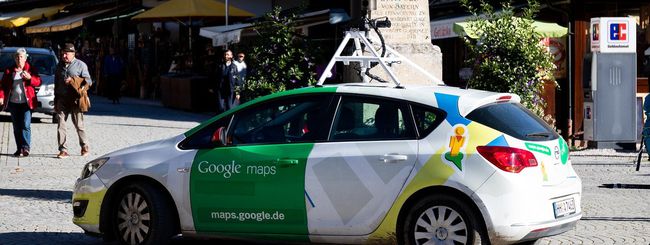
Google Maps: gli utenti possono aggiungere foto e strade
Google sta lavorando per consentire agli utenti di contribuire all’accuratezza di Maps. Nello specifico, anche chi utilizza il servizio di mappe targato Big G potrà aggiungere foto e altre informazioni per strade mancanti, luoghi e anche gli orari dell’apertura delle attività commerciali. A darne notizia è la stessa società americana, che definisce anche una delle nuove funzionalità “drawing”, ovvero uno strumento simile a Microsoft Paint.
B2B Influencer Marketing Strategy: 5 Questions to Ask First
It’s no mystery that we’re big fans of influencer marketing where B2B brands engage with industry experts and key opinion leaders to drive conversations, consideration and conversions.
Marketing leaders at B2B companies large and small are realizing how much influence can play a role in virtually every customer communication. As 2021 picks up steam, the practice of influencer marketing presents unique opportunities to optimize digitally transformed B2B marketing.
That said, while the role of influence can be universally present in content and communications, the approach that will work for any given B2B brand is by no means cookie cutter. Influencer engagement is not simply an advertising buy or some kind of programmatic marketing tactic. It’s simultaneously dynamic and open to certain kinds of optimization and scale through process, operations and expertise.
Before embarking on a pilot, campaigns or an evolved always-on influencer program, it’s important for B2B marketers to answer a few key questions to make sure the rationale is sound, the approach has merit and the expectations line up with resources and goals.
At TopRank Marketing we’ve helped numerous B2B brands run their very first influencer marketing pilot projects and campaigns. Our work with B2B brands like LinkedIn, SAP and Dell over the past 9 years has taught us that there are many key questions to be answered in order to ensure
- Influencer marketing makes sense for a particular B2B brand
- That a specific approach matches goals, resources and expectations
- The tactics of identifying and engaging influencers are appropriate to content formats, channels and audience
- The program reaches expected KPIs and drives value both for the business and influencers
- Early efforts set the stage for future success
To help B2B brands thinking about launching an influencer marketing initiative, here are 5 of the most important questions to answer:
1. What is a B2B influencer for our brand? Our customers?
Success with B2B influence means avoiding falling into the popularity trap and thinking that all influencers must have a massive following.
An influencer in the B2B world is someone that has domain expertise, is recognized by peers for that expertise, creates content or communicates about that expertise, and has attracted the attention and trust of a network.
B2B influencers are also often called subject matter experts, key opinion leaders, or simply experts about a certain topic. This differs than in B2C where popularity and being able to publish influencer-created content on their own channels to a large audience reigns supreme. B2C influencers are most often very self aware of their actual or aspirational influence and bring content creation, personality, persuasion and publishing skills to the situation.
For B2B influencers, the idea of being an “influencer” may not be a priority, so B2B brands need to find ways to activate and engage them in ways that might be new to the influencer. Fortunately, there are best practices around how to nurture both external and internal subject matter experts to collaborate with marketing in ways that can drive authentic conversations amongst a desirable audience.
There are several key characteristics to look for in a B2B influencer: Proficiency, Popularity, Personality, Publisher, Promoter. For a deeper dive into what top B2B influencers look and sound like, check out Season 3 of Break Free B2B in progress.
Understanding that everyone has some degree of influence is as important for a new influencer marketing effort as is understanding that B2B brands need to be clear about what topics they want to be influential about. Finding B2B influencers for a specific brand means identifying the topics that matter to customers in the context of the B2B brand’s marketing narrative. Topics of importance to customers relative to the B2B brand’s key messages, products and solutions helps us understand whether a particular influencer has the attention and ability to influence their network. We do that by using software that helps evaluate a given influencer’s audience for topical relevance, resonance and reach.
There are different types of influencers to engage according to the type of influencer marketing project being implemented. Some programs might call for celebrity level “brandividuals“, others might focus more on those with industry analyst level expertise, or niche influencers that have deep product expertise and specific media creation skills that align with the content preferences of a B2B brand’s audience. At the same time, some influencers might already be fans of your B2B brand and others might be strong advocates of ideas that align with your brand but not be advocates yet.
The opportunity in identifying what a B2B influencer looks like for your brand starts with understanding the topics of influence that matter to your customers and that are most relevant to your solutions. That topic understanding can be extended to the creation of an ideal influencer profile and the matching of influencer types to the expectations and experiences created for customers.
To answer, “Where can I find B2B influencers?” marketers need to look beyond their own opinions and experiences and towards data. Influencers that create evidence of their expertise through digital content can be identified with influencer marketing software or social media software. However, keep in mind that many B2B influencers do not focus solely on social media to proclaim their expertise and more in-depth research into industry associations, special interest groups, events, publications, email newsletters and emerging formats like Clubhouse should be conducted.
2. What can we expect to achieve working with influencers?
Virtually all B2B brand communications with customers is a consideration for including 3rd party expertise for credibility and help with distribution.
Fundamentally, influencers can create value for B2B brands in a few different ways:
- Add credibility to brand content
- Help brand content reach new audiences through promotion
- Provide B2B brands with advisory services
- Perform as a brand advocate through ongoing content engagement
- Help create content for thought leadership and demand gen purposes
- Add signals of credibility to content for SEO
- Facilitate content distribution and brand social network growth
- Provide expertise for earned media, events and marketing content
In our research as reported in the State of B2B Influencer Marketing Report, we found that the measurable benefits for B2B brands to work with influencers included:
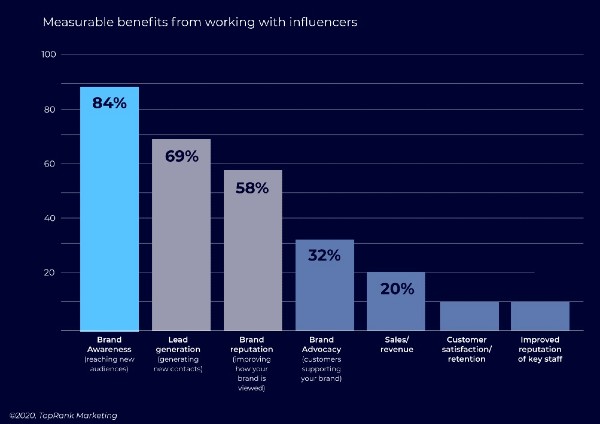
What’s important for B2B marketers to understand when it comes to what’s possible with influencers is that we’re talking about partnering with people, not simply using them to some brand end. Rather than thinking of influencers only as a means to an end or a tool for content creation and distribution, it is more valuable for all when B2B brands think of influencers as partners they can work with to achieve mutual goals. That partnership can turn to authentic and enthusiastic brand advocacy more quickly than a transactional approach.
For more specific ideas, check out this list of 25 B2B influencer marketing campaign and engagement ideas.
3. What are some good influencer engagement models?
Many early stage influencer programs start with micro-activations as part of a nurturing effort to develop relationships between brand and influencer. In many cases, an agency is tasked with creating these connections because they have unique expertise at influencer outreach and/or may already have the desired influencers in the agency network.
The right engagement model really depends on the approach.
For a pilot influencer content marketing campaign designed to create a business case for potential expansion of an influencer marketing program that has some lead time, it might be best to develop quick rapport with influencers by recognizing their expertise publicly. Then follow up and invite them to collaborate on small asks with great exposure. Through these early micro-activations, the right influencers can be sorted for a larger contribution to the pilot content project. See this case study on how LinkedIn has taken a relationship building approach to their always-on influence program working with sales and marketing influencers.
Alternatively, if there is not much lead time for organic relationship building with a pilot, then professional influencers can be engaged for their services to contribute to the pilot. The cost and perceived authenticity of content disclaimed as sponsored may be worth it to get a pilot out quickly. Or some combination of organic relationship building and paid influencer engagement might be most appropriate.
Understanding the right engagement model can be helped in part by reviewing solid B2B influencer marketing examples and case studies to understand what goes into successful B2B influencer marketing campaigns.
Also, it’s important to understand that working with influencers for an industrial or manufacturing business might be a bit different than how influencer marketing for tech companies might work. The topics of interest to customers and of most relevance to influencers and the brand will help identify the right influencer program approach, influencer identification and engagement.
Many pilots lead to sequences of campaigns which may engage the same influencers or different influencers each time. Lack of engagement in between campaigns will make securing influencers more difficult. B2B brands that are more mature in their influencer marketing efforts engage in always-on influencer programs. In fact, the State of B2B Influencer Marketing Report found that 12X more B2B marketers using an always-on approach were very successful with their influencer marketing compared to those marketers that implementing periodic campaigns.
Working with a small group of influencers can be a great place to start, but that small group should be backed by a much larger list of researched candidate influencers. As relationships develop through the course of different collaborations, B2B marketers will refine and find the right influencers. A VIP group of influencers might be created as Adobe has with its 60+ Adobe Insiders being activated at individual, small group or large group levels depending on the situation.
4. How does “dark influence” fit in our mix?
Understanding the channels where customers are spending time discovering, consuming and engaging with content is central to identifying sources of influence. But not all B2B influencers are social media rockstars. To understand where and how the right experts are influential to the customers of a B2B brand, thoughtful research must be conducted to identify customer preferences for content and people that they trust, subscribe to and are influenced by.
In some cases, the social media connection to B2B influence is indirect. While many business people are doing business during their 9-5, increasing numbers of business people are following industry experts on social channels. They access those channels before and after work as well as periodically during the day.
For those influencers and customers that are not engaging via social media, content discovery, consumption and engagement preferences research will reveal the email newsletters, publications, associations, events, groups and even search terms they use to connect. These non-social media channels are opportunities for influence as well. B2B marketers need to do the research to map these sources of engagement and identify influencers that might be good partners for those channels.
Another consideration is the role that LinkedIn plays in terms of influencer performance tracking. Since the vast majority of LinkedIn is not public nor do they provide easy access via API, the social data cannot be crawled in the way that Twitter, some Facebook content and other social networks are. Influencer engagement on LinkedIn may require use of tools made available from LinkedIn like Sales Navigator. Here are some ideas on how to engage influencers on the LinkedIn platform.
Working within the world of dark social for influencer marketing means connecting with influencers that use these channels and engaging them on collaborations where they exert influence.
5. What are the most important operational considerations for a B2B influencer marketing program?
For large enterprise organizations, there is often a debate about how much influencer marketing should be centralized in the organization vs. with business units, divisions and regions. When influencer marketing is new to an organization, there is centralization and programs are dictated as such. Some influencers may be universally relevant across and organization but within each market where a B2B brand operates, there will likely be more niche influencers specific to those markets.
How an influencer marketing program is defined will often include both the universal truths that are relevant for the brand overall and specific programs with unique goals, topics and measures of success.
Some of the most important operational considerations for an influencer marketing program include:
- What department owns influencer marketing?
- What processes will be used to to perform the functions of influencer marketing to ensure consistency and quality?
- What software will be used to identify, engage, communicate with and measure influencers?
- What budgets, staffing and external resources will be needed short and long term?
Beyond measures of success, software and ownership with the B2B brand of an influencer program is how to work with a specialist B2B influencer marketing agency to help develop strategy and planning, influencer identification and recruitment, collaboration and creation of influencer / brand content assets. In the State of B2B Influencer Marketing Report that surveyed hundreds of B2B marketers, the top tasks handled by agencies included:
- Identifying influencers 79%
- Managing influencer relationships 76%
- Developing the strategy 71%
- Measuring effectiveness 66%
- Integrating with other marketing efforts 63%
- Implementing campaigns 60%
- Managing influencer marketing technology 44%
While there are many B2B marketing resources out there to help brands with everything from research and strategy to planning, implementation and measurement, there are simply not that many B2B influencer marketing agencies that have:
- Established influencer marketing strategy frameworks based on years of experience
- Extensive relationships with a network of B2B influencers in various verticals
- Tried and true tactics for accelerating B2B brand and influencer relationships
- Content creation and repurposing capabilities that are unique to influencer collaborations
- Influencer marketing measurement and reporting expertise
- Savvy on how to maintain ongoing influencer relationships in between campaigns
The good news is that the number of B2B influencer marketing agencies with legitimate skills and experience is growing as awareness grows around the role of influence across the entire customer lifecycle for business customers.
There are certainly more questions than these to be considered as well as variations on the questions that have been listed in order for B2B marketers to gain confidence that their particular approach to an influencer marketing effort creates the expected value for all involved. In many cases, marketing missteps can be avoided by ensuring the fundamentals are solid and that’s what this list of questions is meant to do – cover the bases that are essential for a thoughtful, meaningful and productive influencer marketing effort.
Influencer marketing is a relationship focused business and that means it’s dynamic and there are no silver bullet answers.
Remember, influencer marketing is a relationship focused business and that means it’s dynamic and there are no silver bullet answers. B2B brands that stumble blindly into an influencer engagement effort may experience disappointing results without the “been there, done that” and “we do this every. single. day.” type of expertise that is rare, but available through specialist agencies and consultants.
The post B2B Influencer Marketing Strategy: 5 Questions to Ask First appeared first on B2B Marketing Blog – TopRank®.

Facciamo chiarezza sulla nostra tecnologia pubblicitaria
Tuteliamo la privacy delle persone e mettiamo a loro disposizione controlli specifici affinché possano prendere decisioni sull’uso delle proprie informazioni relativamente agli annunci pubblicitari. Abbiamo investito nella rilevazione e rimozione di annunci dannosi che violano le nostre norme. Abbiamo creato strumenti che permettono il caricamento dei contenuti e degli annunci in modo più veloce, strumenti che bloccano esperienze pubblicitarie fastidiose come i pop-up, e strumenti che limitano le pubblicità indesiderate, attraverso innovazioni come la possibilità di saltare gli annunci (“skippable ads”). Oltre alla loro utilità, questi strumenti ci permettono di instaurare un rapporto di fiducia più solido con le persone, permettendo a internet di restare aperto e accessibile a tutti liberamente.
Ci siamo impegnati per essere diretti e trasparenti con gli operatori del settore, in particolare per quanto riguarda le modifiche che apportiamo alle nostre tecnologie. Cerchiamo di fare la cosa migliore nel trovare un equilibrio tra le esigenze degli inserzionisti, dei publisher – chi ospita la pubblicità sul proprio sito – e delle persone che utilizzano i nostri servizi.
Falso mito #1 – Google è dominante nel settore della pubblicità online.
Realtà – il settore della tecnologia pubblicitaria è incredibilmente affollato e competitivo.
La competizione nel settore pubblicitario online ha reso gli annunci più economici e pertinenti, ha ridotto le tariffe per la tecnologia pubblicitaria e ha ampliato le opzioni a disposizione di publisher e inserzionisti.
Come è noto, il mondo della pubblicità online è molto affollato. I nostri concorrenti sono società affermate come Adobe, Amazon, Facebook, Oracle e Twitter. Facebook, per esempio, è il maggiore venditore di annunci display, mentre qualche mese fa Amazon ha preso il nostro posto come piattaforma per l’acquisto di annunci preferita dagli inserzionisti negli Stati Uniti. C’è un’intensa competizione tra noi e queste aziende, così come tra noi ed Emerse, Adform, Outbrain, Criteo, Mediaocean, Amobee, MediaMath, Centro, Magnite, The Trade Desk, Index Exchange, OpenX, PubMatic e moltissime altre. Inoltre, sia negli Stati Uniti che nel resto del mondo, sempre più brand del settore retail offrono le proprie soluzioni di tecnologia pubblicitaria, come Walmart, Walgreens, Best Buy, Kroger, RelevanC e Target. La competizione è in continua crescita: le società di questo settore in Europa hanno raccolto complessivamente 403 milioni di dollari in capitale tra gennaio e giugno 2020.
Falso mito #2 – Google toglie ai publisher una grossa percentuale delle entrate pubblicitarie.
Realtà – le nostre tariffe sono inferiori rispetto alla media stimata del settore
Le nostre tariffe sono più basse della media stimata del settore. Quando usano i nostri prodotti, i publisher ottengono circa il 70% delle entrate. E per alcuni tipi di annunci ottengono anche di più: quando usano Ad Manager, per esempio, gli editori di notizie trattengono oltre il 95% dei ricavi generati attraverso la nostra piattaforma. Questo si traduce in più fondi a loro disposizione per finanziare la creazione di contenuti di alta qualità.
Falso mito #3 – Google trae vantaggio dalle preoccupazioni sulla privacy
Realtà – Le persone si aspettano che Google protegga le loro informazioni, ed è ciò che facciamo
Ci impegniamo a gestire la pubblicità online in modo da offrire alle persone trasparenza e controllo sull’utilizzo dei propri dati. Le persone si aspettano controlli rigorosi sulle tecnologie di tracciamento, come i cookie e altri identificatori, controlli che sono richiesti anche dalle leggi sulla privacy in Europa e nel resto del mondo. La nostra priorità è quindi quella di soddisfare prima di tutto le richieste delle persone e questi requisiti legali. Per farlo, abbiamo creato soluzioni che proteggano la privacy e che allo stesso tempo abilitino il lavoro di altre società ad tech. Per esempio, abbiamo avviato un’iniziativa aperta, collaborativa e dedicata al settore pubblicitario chiamata Privacy Sandbox, con l’obiettivo di trovare soluzioni alternative ai cookie di terze parti per una maggiore tutela della privacy, sempre mantenendo sostenibili i siti finanziati dalla pubblicità. Questa iniziativa di Chrome si aggiunge a quella di altri browser web che hanno adottato misure simili per limitare l’uso dei cookie e proteggere la privacy degli utenti.
Falso mito #4 – Obblighiamo i partner a usare gli strumenti di Google.
Realtà – I nostri strumenti possono essere utilizzati facilmente insieme ad altre tecnologie.
Spesso publisher e inserzionisti utilizzano contemporaneamente molte tecnologie diverse. Infatti, alcune ricerche mostrano che, in media, un publisher di grandi dimensioni utilizza sei diverse piattaforme per la vendita di annunci sul proprio sito, un numero che sembra essere aumentato nel corso del 2020. Inoltre, per acquistare annunci, i 100 inserzionisti più importanti usano in media quattro o cinque piattaforme.
Questo è il motivo per cui progettiamo le nostre tecnologie in modo che siano interoperabili con quelle dei nostri concorrenti, ovvero oltre 700 piattaforme non-Google per gli inserzionisti e oltre 80 piattaforme non-Google per i publisher. Lavorare in entrambe le direzioni, cioè sia con i publisher che con gli inserzionisti, è la prassi. Molte delle nostre aziende concorrenti nel settore ad tech, come per esempio Amazon, Twitter, Verizon, Adform e altre, offrono piattaforme simili alle nostre e si rivolgono sia a publisher che inserzionisti. Non chiediamo ai nostri partner di utilizzare la nostra intera gamma di prodotti, e infatti molti non lo fanno. Gli inserzionisti e i publisher possono scegliere di utilizzare solo ciò che ritengono più adatto alle loro necessità.
Inoltre mettiamo gli inserzionisti nelle condizioni di pubblicare campagne su piattaforme concorrenti. Search Ads 360 aiuta gli inserzionisti a gestire le proprie campagne pubblicitarie Google e a pubblicare le loro campagne su altri motori di ricerca, come Microsoft Bing. (Altri motori di ricerca non offrono strumenti simili.) La nostra API AdWords, inoltre, permette agli inserzionisti di esportare le proprie campagne pubblicitarie Google per pubblicarle su Microsoft Bing. Non abbiamo nessun obbligo in questo senso, ma investiamo molto proprio per rendere disponibili questi strumenti.
Per maggiori informazioni
Xiaomi esce dalla black list USA, ma andrà a processo
Xiaomi non è più nella black list del governo statunitense relativa alle aziende cinesi considerate in qualche modo pericolose per la sicurezza nazionale, in quanto legate al governo o all’esercito cinese. A stabilirlo è stata una sentenza emessa dal giudice federale Rudolph Contreras, che ha sancito come al momento non sia possibile stabilire con assoluta certezza uno stretto legame tra l’azienda e i poteri militari statali della Cina.

Twitter, ad aprile arriva il rivale di Clubhouse
Arriverà il prossimo aprile il primo, vero rivale di Clubhouse, il social network dove ogni tipo di interazione si basa solo ed esclusivamente sulla voce. A realizzarlo è Twitter, che di fatto ha superato la concorrenza di altre aziende, come per esempio Facebook, impegnate sullo stesso fronte.

Alessandra Basile intervista Gianmarco Tognazzi … il vinificattore
INTERVISTA A GIANMARCO TOGNAZZI, IL VINIFICATTORE – – di Alessandra Basile – Trendiest Media – – Intervista telefonica avvenuta in due momenti: il 22 gennaio e l’8 marzo 2021. Foto di copertina: Gianmarco Tognazzi in un bellissimo scatto un po’ … “green“. Per gentile concessione di Gianmarco Tognazzi. In questo 2021 le mie interviste sono iniziate nel nome dell’eccellenza, infatti, con due telefonate, fra l’altro da parte sua, perché è oltre tutto generoso e dotato…
L’articolo Alessandra Basile intervista Gianmarco Tognazzi … il vinificattore scritto da REDAZIONE TRENDIEST proviene da Assodigitale.
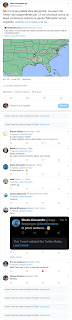
Twitter sta bannando per 12 ore chiunque twitti la parola “Memphis” da sola. Non si sa perché

Non ho la più pallida idea del perché, ma pare che Twitter stia sospendendo per 12 ore chiunque scriva un tweet contenente soltanto la parola “Memphis” senza virgolette, come mostrato nello screenshot qui accanto e da siti come Ladbible e The Independent e account Twitter come SwiftOnSecurity.
The Independent alle 21 circa (ora italiana) di stasera ha scritto che il problema era stato risolto, ma a me risulta che persista.
È tutto quello che so al momento.

La collezione Luxury di Angelo Caroli
— – di Iuliana Ierugan – Trendiest Media – – Dopo una decennale esperienza nel mondo del fitness, soprattutto negli Stati Uniti, Angelo Caroli ha creato un personale percorso di successo che ha portato all’affermazione della propria realtà aziendale sulla base del suo METODO concettuale e organizzativo da cui derivano le collezioni esclusive. Grazie ad un prodotto totalmente hand made, che miscela sapientemente la tradizione artigianale tipica delle migliori produzioni Made in Italy con l’innovazione tecnologica e le più moderne strategie di…
L’articolo La collezione Luxury di Angelo Caroli scritto da REDAZIONE TRENDIEST proviene da Assodigitale.

Scadenze rinviate per la revisione di veicoli, patenti, ecc.
— – di Greta V. Galimberti – Trendiest Media – – I termini per la revisione dell’auto sono slittati ancora a causa dell’emergenza coronavirus che, come recita il Ministero, ha posto “nuove difficoltà nello svolgimento dei controlli tecnici periodici. A seguito delle circostanze straordinarie causate dal protrarsi della crisi Covid-19 dopo il 31 agosto 2020 – recita il regolamento – i controlli tecnici periodici che avrebbero dovuto essere effettuati nel periodo compreso tra il primo…
L’articolo Scadenze rinviate per la revisione di veicoli, patenti, ecc. scritto da REDAZIONE TRENDIEST proviene da Assodigitale.

Rinnovata attenzione al mercato immobiliare
— – di Francesco Megna – Trendiest Media – – Il 2020 è stato contrassegnato dalla pandemia ma, parallelamente, ci ha svelato il valore di quello che molte volte diamo per scontato e che, quasi sempre, poniamo in secondo piano: la casa. L’isolamento a cui siamo stati obbligati ci ha fatto capire il suo valore e immaginare i requisiti ideali che dovrebbe avere. Il mercato immobiliare post lockdown Francesco Megna La ripresa del mercato immobiliare…
L’articolo Rinnovata attenzione al mercato immobiliare scritto da REDAZIONE TRENDIEST proviene da Assodigitale.

Come Funziona L’Algoritmo Di TikTok Per Creare Interesse
Chiedo aiuto: ho una chiavetta USB protetta da password ma non ho la password. Il proprietario è deceduto senza lasciarla
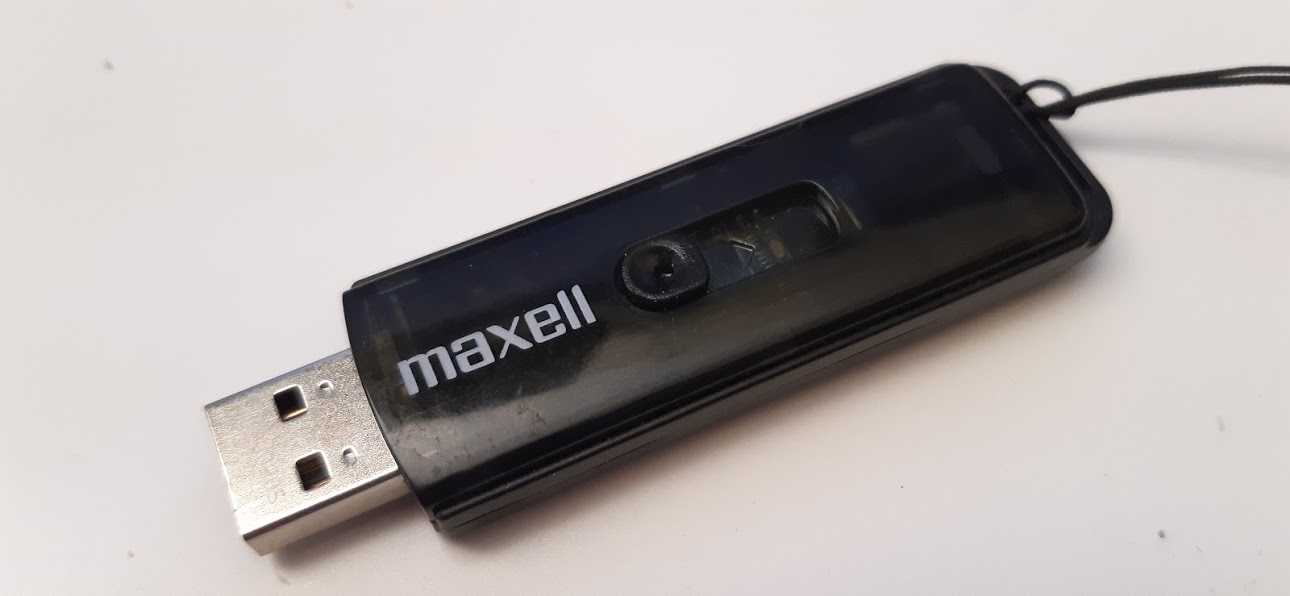
Questa chiavetta USB che ho ricevuto in eredità ha un piccolo mistero. Mi aiutate a risolverlo?
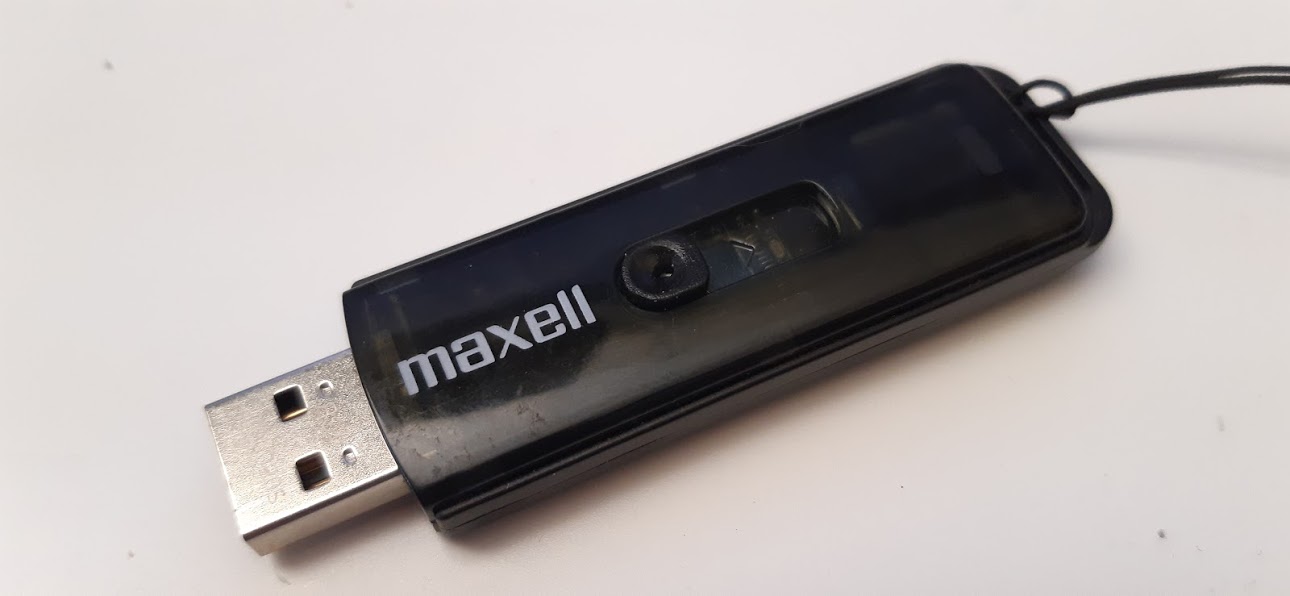
È una normale chiavetta USB marchiata Maxell, di quelle con il connettore retrattile (il pulsante in centro serve a questo). Ma esaminandola con i miei computer risulta avere due megabyte di spazio complessivo. La cosa mi ha sorpreso parecchio.

La chiavetta contiene apparentemente due soli file che praticamente la riempiono: LOCKv100 (mode 7).pdf e LOCKv223.exe.
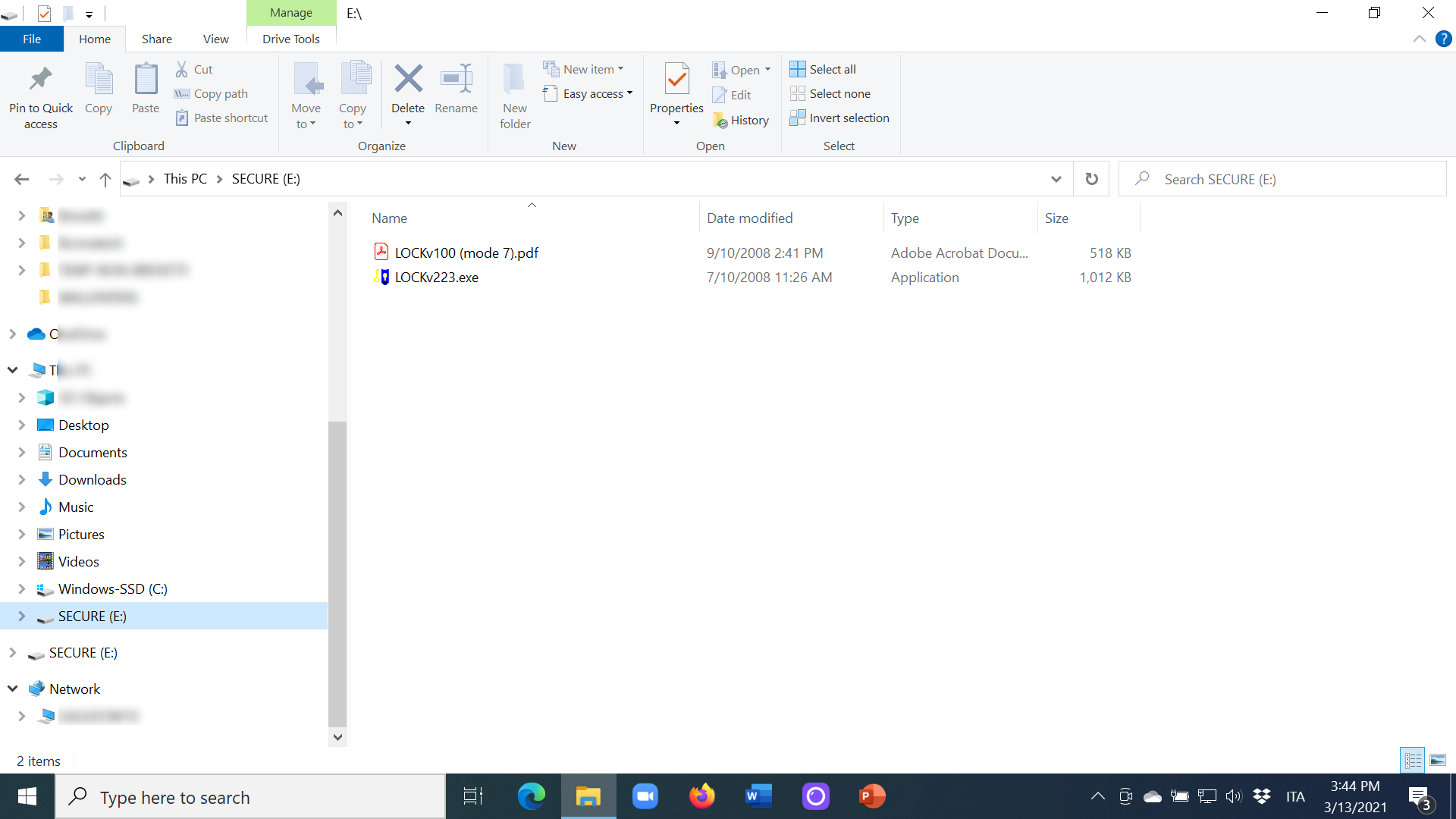
Il primo file è un manuale di istruzioni di un software di crittografia per la chiavetta, che si intitola Security application program – LOCK user manual v1.00 ed è in formato PDF. Non riporta alcun indirizzo o riferimento del produttore del software.
Il secondo file è un eseguibile che, se lanciato su un PC Windows, mi dice quello che vedete qui sotto: una password è presente e il dispositivo è bloccato dalla password. Ho pubblicato il manuale e il software qui, se li volete esaminare.

Purtroppo mio padre, che me l’ha lasciata in eredità insieme a tutti i suoi supporti e dispositivi digitali, non ha lasciato informazioni riguardanti la password di questa chiavetta (mentre ha lasciato istruzioni per tutte le altre sue password). Non c’è neppure un suggerimento per la password:

Il manuale dice che dopo sei tentativi sbagliati di immissione della password i dati protetti verranno cancellati (“You have six chances to enter the password correctly, before your device gets formatted.”).
Non so neanche quale sia il software usato: l’unico indizio che ho trovato è questo sito russo che mostra lo stesso tipo di interfaccia grafica e lo chiama Phison LOCK v2.45.00 [Oct 25 2012] – USB DISK Pro Security App. Il sito include il manuale della versione 1.00, datati 2008.
Un fdisk-l sotto Linux mi dice questo della chiavetta:
Disk /dev/sde: 2 MiB, 2097152 bytes, 4096 sectors
Disk model:
Units: sectors of 1 * 512 = 512 bytes
Sector size (logical/physical): 512 bytes / 512 bytes
I/O size (minimum/optimal): 512 bytes / 512 bytes
Disklabel type: dos
Disk identifier: 0x00000000
Device Boot Start End Sectors Size Id Type
/dev/sde1 32 4095 4064 2M 1 FAT12
Anche l’utility Linux testdisk non rivela nulla:
Disk /dev/sde – 2097 KB / 2048 KiB – CHS 64 2 32 (RO)
Current partition structure:
Partition Start End Size in sectors
check_FAT: Unusual number of reserved sectors 8 (FAT), should be 1.
check_FAT: Unusual media descriptor (0xf8!=0xf0)
1 P FAT12 0 1 1 63 1 32 4064 [SECURE]No partition is bootable
Non ci sono partizioni visibili a parte quella da 2 megabyte. Le dimensioni esigue dichiarate dalla chiavetta mi fanno pensare che ci siano dei dati nascosti che occupano posto.
Ho smontato la chiavetta: queste sono due foto dei suoi componenti interni:


1. Come faccio a sapere se ci sono o no dei dati cifrati (o almeno a sapere se la chiavetta ha davvero solo 2 megabyte di capienza)?
2. Se ci sono, avete idea di come recuperarli?
I commenti sono a vostra disposizione.
Questo articolo vi arriva gratuitamente e senza pubblicità grazie alle donazioni dei lettori. Se vi è piaciuto, potete incoraggiarmi a scrivere ancora facendo una donazione anche voi, tramite Paypal (paypal.me/disinformatico), Bitcoin (3AN7DscEZN1x6CLR57e1fSA1LC3yQ387Pv) o altri metodi.

DooG Reporter lancia “ENTIENDO”
— – di Greta V. Galimberti – Trendiest Media – – “ENTIENDO”, UNA MISSIONE CHE DIVENTA DOCUFILM” Due mesi di viaggio, partendo il 29 gennaio da Roma per concludersi il 30 marzo a Lima, in Perù: 14 persone, 9 moto, 2 furgoni attraversando la Cordigliera delle Ande, percorrendo la sterminata Patagonia fino a nord, nelle foreste della Bolivia alle alture terra degli Inca. Sabato 13 marzo, alle ore 18, la piattaforma YouTube ospita la Première…
L’articolo DooG Reporter lancia “ENTIENDO” scritto da REDAZIONE TRENDIEST proviene da Assodigitale.

Indire, Giunti Scuola e Microsoft Italia presentano A Scuola con Minecraft
In occasione di Didacta, l’importante appuntamento fieristico italiano dedicato al mondo della scuola, che quest’anno si svolgerà in modalità completamente digitale, Indire, ovverosia l’Istituto Nazionale di Documentazione, Innovazione e Ricerca Educativa, e Giunti Scuola, in collaborazione con Microsoft Italia presenteranno il 19 marzo alle ore 11:30 il libro A scuola con Minecraft. Progettare un mondo a cubetti.