Chrome can now caption audio and video
Captions make online content more accessible. If you’re in a noisy environment, trying to keep the volume down, or are part of the 466 million people in the world who are deaf or hard of hearing, having captions lets you follow along to whatever content you are watching — whether it’s viral feta pasta videos, breaking news or a scientist discussing their latest research.
Unfortunately, captions aren’t always available for every piece of content. Now with Live Caption on Chrome, you can automatically generate real-time captions for media with audio on your browser. It works across social and video sites, podcasts and radio content, personal video libraries (such as Google Photos), embedded video players, and most web-based video or audio chat services.
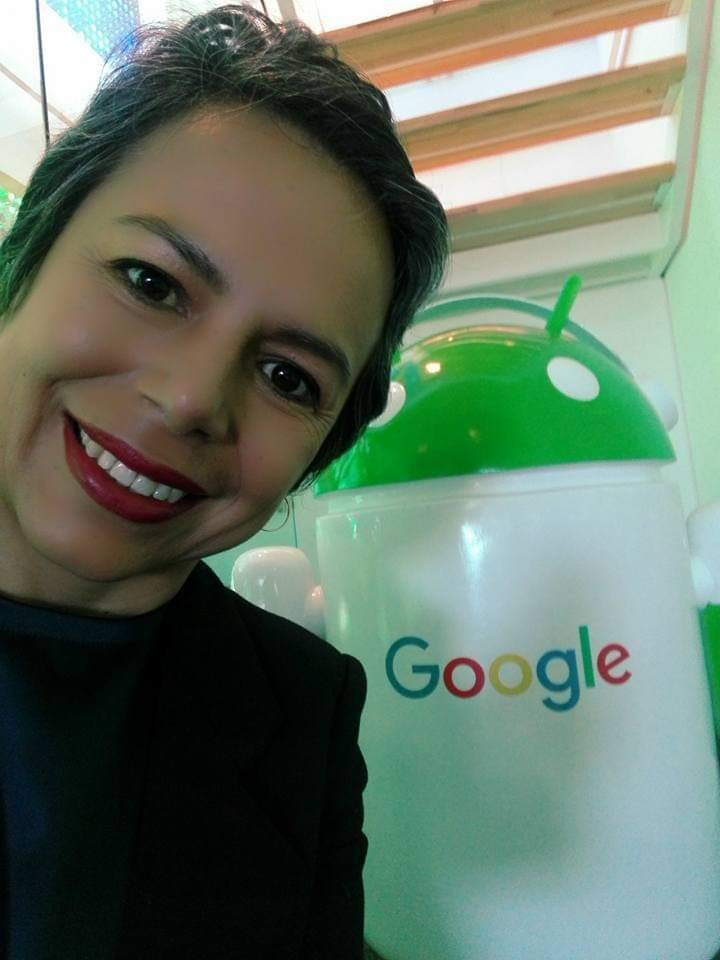
Why Monica Gómez left her role as a CEO to work at Google
Welcome to the latest edition of “My Path to Google,” where we talk to Googlers, interns and alumni about how they got to Google, what their roles are like and even some tips on how to prepare for interviews.
Today’s post is all about Monica Gómez, who left a very comfortable job as CEO of one of the world’s leading media agencies to take a risk and pursue a dream of working at Google in a role that directly impacts the development of Colombia and the Central America Region.
How would you describe your role at Google?
As a Head of Agencies, I work with outside partners and ad agencies in the region to develop business models based on the newest data and technology. I am also an activist in the search for female inclusion and empowerment in the digital industry.
Can you tell us a bit about your early studies and career?
I grew up in a small city in Colombia, in a huge family. (I have 20 uncles!) In our country, education is a privilege, it is not a right, and that made my parents work hard to give me the opportunity to go to a university. I actually started my studies in optometry, but in the second semester I got pregnant and had to leave the university to take charge of a new life with my daughter. This both rescued me and gave me a new purpose.
I worked during the day, and at night I began my studies in marketing and advertising. My professional career started at the bottom, making phone calls, filling in database fields and doing basically what no one else wanted to do. My passion and determination were the keys to quickly scale up and become CEO of one of the world’s leading media agencies.
In parallel, my daughter and I decided to start a new family — so today, my husband, my two daughters and I are indestructible.
What made you decide to apply to Google?
I attended a wedding and there, after dancing all night, a good friend who worked at Google told me about an opportunity that would open up soon at the company that she thought would be perfect for me.
My first reaction was an immediate, “No thanks. This position is not for me, it is for someone younger.” It’s amazing how your biases from the past come to your mind and sabotage you to the point of taking away great opportunities. At the time, in my 40s and in a comfortable place as an agency CEO, I was scared. I was happy at my job and competing with new talent in the industry to show that I was the best candidate terrified me.
After three weeks of introspection I realized I wanted to participate in the process, and that I was ready to face my insecurities and go full energy for my dream: work at Google.
How would you describe your path to your current role at Google?
My experience in the advertising ecosystem in Colombia was vital for my participation in the selection process. Knowing the advertising ecosystem and having worked in different roles in agencies and as a client made the difference.
What inspires you to come in (or log on) every day?
I never thought that I would experience a disruption as big as COVID-19. Overnight the consumption habits of people around the world changed, and the reacting capacities of all of us in the industry were put to the test. The pandemic dramatically challenged our agility, commitment, consistency and leadership to make decisions in a context where there are no instruction manuals.
For that reason, it motivates me to encourage my partners to build strategies that accelerate the business of the brands they represent and contribute to the development of our country.
I also find happiness in helping my team achieve personal fulfillment. I’m a facilitator for I am Remarkable, where I help other women recognize and celebrate their accomplishments. It is a way to return what I have received from Google
What’s one thing you wish you could go back and tell yourself before applying?
You don’t have to worry about explaining the reasons why you want to change jobs, or justifying your work decisions in the past.
“No salgas antes de entrar,” Do not leave before entering — great words from Adri Noreña.

Oggi partono i Surface Days: tanti sconti sul Microsoft Store
Il Microsoft Store annuncia anche quest’anno il consueto appuntamento con i Surface Days, due settimane di sconti e offerte imperdibili che, da oggi fino al 31 marzo, offriranno agli amanti dei dispositivi Surface la possibilità di acquistare una selezione dei prodotti della gamma a prezzi vantaggiosi con sconti fino al 29%. Protagonisti della promozione di primavera lanciata dal Microsoft Store, i 2 in 1 Surface Go 2 e Surface Pro 7 e i laptop Surface Laptop Go e Surface Laptop 3.

Sony svela i nuovi controller del PSVR per PS5
La promessa è stata mantenuta. Sappiamo ormai da settimane che Sony sta lavorando ad un nuovo visore per la realtà virtuale PSVR per la nuova PlayStation 5, ma sappiamo anche che il nuovo dispositivo non arriverà prima del 2022.
How we built a new tool without ever meeting in person
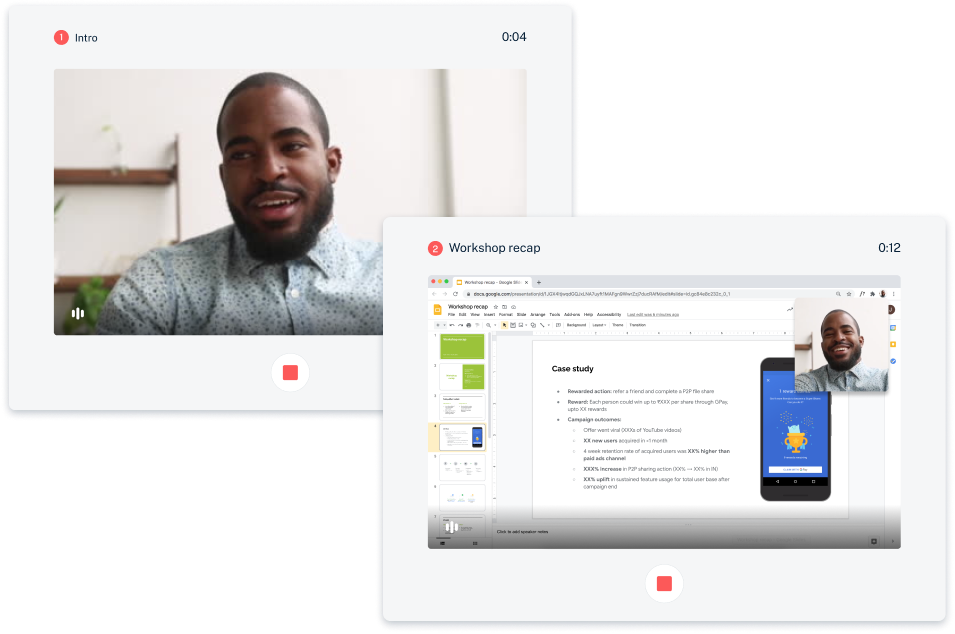
A little over a year ago, a group of us within Area 120, Google’s internal incubator, wanted to explore whether recorded video could help remote teams work better. Little did we know at the time that COVID-19 would soon send us all home, and we’d actually have to build the product remotely as well. That project became Threadit, short video recordings to share your work and connect with your team.
Once we had a working prototype, we started using Threadit to take back control of our working hours. Threadit, available from your browser or as a Chrome extension, helps you say and show more with a video message than with an email or chat. We use Threadit to show each other our progress, ask questions or request feedback without needing to coordinate schedules. This helps us reduce unnecessary meetings while still becoming a tighter-knit team. We have more time to think and do focused work, and the meetings we keep are more effective and easier to schedule for everyone.
Today, Threadit is available to anyone who wants to try it.

Advice from a Google engineer: Join a coding competition
Google’s Coding Competitions are back for 2021 with multiple opportunities for participants to improve their programming skills by solving algorithmic problems designed by Google engineers. Sadia Atique is a Site Reliability Engineer (SRE) based in Munich, Germany who works on the Corporate Engineering team and actively contributes to competitions like Code Jam and Kick Start. We recently sat down with Sadia to learn how she got involved in coding competitions and why she thinks you should consider doing the same.
Do you remember your first coding competition?
When I decided to pursue a degree in Computer Science at my university in Bangladesh, I had very little computing experience. Once I was familiar with coding, I started participating in competitions to build my skills while also having fun. I attended a programming camp which really drew me into the world of algorithmic problem solving and contests. Competitive coding is just like any other sport where you get that rush of adrenaline from trying to solve extremely challenging problems.

OPPO Find X3 Pro: sa fare tutto (anche il microscopio) e fa tutto al top! La recensione

Nuove sfide sociali ed economiche nel terzo settore. Le alleanze di scopo
— – di Greta V. Galimberti – Trendiest News – – Una nuova e dirompente tipologia di azione nel Terzo settore è costituita dalla costituzione di reti associative. Stanno nascendo a un ritmo imprevedibile le “alleanze di scopo”. Fino ad ora si parlava di “Alleanza Permanente di Scopo” (APS) in ambito di formazione professionale, università, aziende, associazioni datoriali, ecc. Pur essendo qualcosa di simile, nel settore del volontariato, occorre comprendere quali siano le modalità e…
L’articolo Nuove sfide sociali ed economiche nel terzo settore. Le alleanze di scopo scritto da REDAZIONE TRENDIEST proviene da Assodigitale.
Break Free B2B Marketing: Nicole Brady of SAHM Reviews on the Importance of Empathy in Reaching Your Niche
For over a decade our team at TopRank Marketing has fostered a strong community of leading influencers, developing close relationships with subject matter experts in a wide variety of industries.
When it comes to B2B influencer marketing, it’s natural to wonder just what an industry influencer actually looks like?
In our third season of Break Free B2B Marketing video interviews, we’re continuing in-depth conversations with a selection of top B2B influencers, and taking a close look at the issues that each expert is influential about in their own industry.
Each successful B2B influencer has a rare mix of the 5 Ps — proficiency, personality, publishing, promotion, and popularity — as our CEO Lee Odden has outlined in “5 Key Traits of the Best B2B Influencers.”
Featuring all of these qualities and many more is Nicole Brady, publisher at SAHM Reviews, who we’re delighted to be profiling today.
According to a study done by G2, 92% of B2B buyers are more likely to purchase after reading a trusted review. A different study tells us that 91% of customers between the ages of 18 and 34 trust online reviews just as much as they would a personal recommendation. Long story short: buyers care about reviews, whether they’re a business or an individual consumer.
Some people understand this more than others. One of those people is Nicole Brady. Nicole Brady is the founder and force behind SAHMReviews.com, a successful site known for it’s engaging story-based reviews of products and services. Knowing how to tap into stories and find your own niche storytelling techniques are skills integral to any B2B marketer, which is why we invited Nicole to speak with us for today’s episode of our Break Free B2B marketing video series.
Break Free B2B Interview with Nicole Brady
If you’re interested in checking out a particular portion of the discussion, you can find a quick general outline below, as well as a few excerpts that stood out to us.
- 1:15 – Introduction to Nicole
- 2:38 – Building empathy and trust with an audience
- 4:12 – What are story-based reviews and why are they important?
- 7:15 – Signs of progress in Nicole’s space – and where things are going
- 12:12 – Why are individual reviews more impactful than brand content?
- 15:22 – How important is technology and thinking outside the box to consumers?
- 19:16 – You create board games?! Tell us more!
- 25:43 – What do you see as the key qualities that make something fun?
- 28:08 – How did Nicole find her niche and what advice does she have for others on a similar journey?
- 30:40 – Any tips for working with brands as an influencer? Tips for brands working with influencers?
- 34:02 – What advice would you give to B2B marketers looking to break free?
- 36:04 – How to get in touch with Nicole
Nick: If you try to look ahead one year, how do you envision the space where you’re working? What do you think is going to change? And what do you think is sort of the main trend line that’s going to carry it forward?
Nicole: I think moving forward from here, people are realizing the importance of not only technology and the integration of that technology, whether it’s companies being able to do curbside pickup, people not being able to come into their businesses, but they’re still being able to function in eCommerce, in digital learning, and you have so much distance learning and telecommuting. I think companies are going to have to embrace all of those things over the next year, that it’s caused them to have setbacks this year. I think, had we been more prepared with telecommuting, with distance learning, and had we been more prepared for those things? I think this entire quarantine that we’ve had would not have been such a problem to our economy. I think moving forward in the next year, that’s really what people are going to have to adapt to — finding ways to think outside the box, and different ways to engage with their consumers, whether it’s on social media, allowing them to purchase through social media, allowing them to use curbside pickup or whatever it is, and finding ways to do things without having people walk in the door, or even traditionally, the way they’ve been doing it, I think we just have to really look outside the box and find new ways.
[bctt tweet=”“I think companies are going to have to embrace all of the things over the next year that have caused them to have setbacks this year.” — Nicole Brady @SahmReviews” username=”toprank”]Nick: What do you think makes the content from that third party individual, an influencer, or even just a consumer giving a product review? What makes that so much more powerful than brand content?
Nicole: Because it’s real. It’s someone who is sharing their opinions. It’s not scripted. It’s not a commercial. And I guess that’s one of the things that if you are hiring content creators or influencers: do not pin them down and say you can or cannot say something, you need to just give them free reign. They are creative, they’re creative individuals. That’s why they have a fantastic audience. Usually, that’s why you know about them, you know. Just say, “Do your thing.” If a company comes in and says, “Hey, here’s these ingredients, create a recipe,” and you’re going to somebody who is good at creating recipes, you don’t want to say oh, by the way, we want it to be this, this this, and this. You don’t want to say that, you want to give them the information.
[bctt tweet=”“If you are hiring content creators or influencers, do not pin them down and say you can or cannot say something. You need to just give them free reign.” — Nicole Brady @SahmReviews” username=”toprank”]Keep your eye on the TopRank Marketing Blog and subscribe to our YouTube channel for more Break Free B2B interviews. Also check out episodes from season 1 and season 2.
Take your B2B marketing to new heights by checking out out previous season 3 episodes of Break Free B2B Marketing:
- Episode 1: Kevin L. Jackson, GC GlobalNet — The Future of Cloud Computing
- Episode 2: Tim Crawford, AVOA — The New Normal
- Episode 3: Oliver Christie, PertexaHealthTech — The Future of Artificial Intelligence
- Episode 4: Liam McIvor Martin, Time Doctor — Trends in Remote Work
- Episode 5: Sarah Barnes-Humphrey, SHIPZ — The Future of Supply Chain
- Episode 6: Eric Vanberburg, TCDI — The Changing Cybersecurity Landscape
The post Break Free B2B Marketing: Nicole Brady of SAHM Reviews on the Importance of Empathy in Reaching Your Niche appeared first on B2B Marketing Blog – TopRank®.
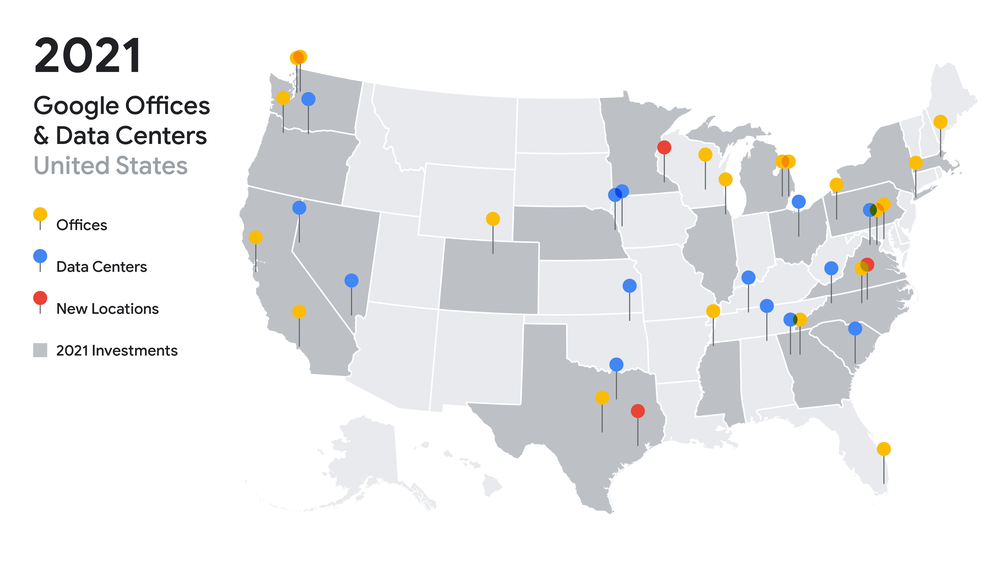
Investing in America in 2021
One of the best parts of my job is getting the opportunity to visit the communities that Google is a part of across the U.S. Whether it’s meeting small business owners in Pittsburgh, congratulating graduates of our Google Career Certificates in Dallas, or visiting a classroom of kids learning to code in Oklahoma, these trips have always filled me with optimism and insight.
Obviously in-person visits haven’t been possible over the past year. Yet I continue to be inspired by the stories I’ve read of teachers moving to virtual classrooms, local shops taking digital orders, and job seekers enrolling in online courses to sharpen their skills. It’s why I believe a lasting economic recovery will come from local communities, and the people and small businesses that give them life.
Google wants to be a part of that recovery. That’s why we plan to invest over $7 billion in offices and data centers across the U.S. and create at least 10,000 new full-time Google jobs in the U.S. this year. This includes investing in communities that are new to Google and expanding in others across 19 states.
Investing in our offices
Coming together in person to collaborate and build community is core to Google’s culture, and it will be an important part of our future. So we continue to make significant investments in our offices around the country, as well as our home state of California, where we will be investing over $1 billion this year. Outside of the Bay Area, we’ll keep growing our offices across the U.S., including plans to add thousands of roles in Atlanta, Washington, D.C., Chicago and New York. This will help bring more jobs and investment to diverse communities as part of our previously announced racial equity commitments. We’re already making progress: 2020 was our largest year ever for hiring Black and Latinx Googlers in the U.S., both overall and in tech roles.
Expanding our data centers
In addition to Google offices, we’re investing in data center expansions in Nebraska, South Carolina, Virginia, Nevada and Texas. Our existing data center sites in Nebraska, Ohio, Texas and Nevada will be fully up and running in 2021. Our data centers are what powers your searches, emails, photos and the maps that help you find the fastest way home; they’re also important to the fabric of local communities, from providing opportunities for supply chain partners and small businesses to supporting distance learning in South Carolina and Nevada.
Creating more economic impact
Not only will these investments enable us to create new opportunities in the places where we operate; they’ll also make it possible to provide products and services that help boost economic recovery. In 2020, Google Search, Google Play, YouTube and Google advertising tools helped provide $426 billion of economic activity for more than 2 million American businesses, nonprofits, publishers, creators and developers, according to our2020 U.S. Economic Impact Report, released today. For example, Corinna relies on the reviews on her Business Profile to attract new customers to Celsious, an eco-friendly laundry service and public space in Brooklyn, NY. In South Carolina, Tay and Sarah use YouTube for business tips and inspiration daily, helping Bobby’s BBQ draw lines around the block for its famous all-purpose seasoning.
In addition to helping businesses adapt and recover during the pandemic, the Android app ecosystem, including Google Play, helped support 1.9 million jobs in 2020—from software engineers and mobile applications developers, to marketing and human resources teams. And YouTube creators started and grew their businesses on the YouTube platform, creating over 345,000 jobs for Americans last year. That’s in addition to the more than 84,000 Googlers we employ full-time throughout the U.S.
Where we’re investing in 2021
Across offices and data centers, here are more details on where our investments will be focused in 2021.
South
We’re increasing our investment in our South Carolina data center, establishing our newest Cloud engineering site in Durham, North Carolina, and opening the first U.S. Google Operations Center in Southaven, Mississippi. In Virginia, we’ll open our new Reston office building and expand our Loudon County data center. In Texas, the new data center in Midlothian is now operational, we’re opening our first Houston office and continue to invest in our campuses in Austin. We’re continuing to invest in our Atlanta campus as well.
Midwest
Earlier this year, we established Google’s first Minnesota office in Rochester, and our data centers in New Albany, Ohio and Papillion, Nebraska, are now operational. We’ll expand our data center footprint in Nebraska with an additional investment, and make further improvements to our Detroit, Ann Arbor, and Chicago offices.
East
In 2018 we made a commitment to double our workforce in New York by 2028, and this year, we will continue to invest in building out our campus presence to meet that goal. We’ll continue to invest in our Cambridge, Massachusetts, and Pittsburgh, Pennsylvania offices, as well as increase our workforce in Washington, D.C.
Central + West
Our growth continues in Boulder, Colorado, and we will open our new office in Portland, Oregon, this year. We continue to invest in our Kirkland and Seattle campuses in Washington State. In California, we will continue to invest in our offices in the state and support affordable housing initiatives in the Bay Area as part of our $1 billion housing commitment. We project that our $250 million investment fund will help create 24,000 housing units by 2029. In Nevada, our data center in Henderson is now operational, with plans to expand it, along with our Storey County data center, in 2021.

Covid-19, l’UE dà l’ok alla green card per viaggiare?
Dopo Cina e Israele, anche l’UE si prepara a dare l’ok al passaporto vaccinale per viaggiare. Grazie a questo certificato, presentato dalla Commissione europea per rilanciare i viaggi nel Vecchio Continente, i cittadini europei potrebbero tornare a viaggiare quest’estate in assoluta libertà, ma a patto di fornire la prova di essersi sottoposti alla vaccinazione, oppure di essere risultati negativi ai test o, ancora, di essere definitivamente guariti da un eventuale contagio da Covid-19, e avere di conseguenza sviluppato i relativi anticorpi.

Falla Microsoft: migliaia di aziende italiane sotto attacco hacker
Centinaia di aziende di tutto il mondo sotto attacco hacker per una falla nei sistemi Microsoft. Nel mirino dei pirati informatici anche diverse società italiane, i cui computer e server aziendali sono finiti sotto controllo di un gruppo di malintenzionati. Secondo quanto riferisce l’Ansa, sarebbero in corso indagini da parte della Polizia Postale italiana, in seguito alle segnalazioni ricevute da Microsoft stessa. Sono giorni caldissimi per le più importanti aziende mondiali, poiché di recente l’Eba, l’Autorità bancaria europea è stata vittima di un attacco proprio sfruttando una falla sui server di Microsoft Exchange. Comunicando la notizia, nel suo comunicato la stessa Eba ha sottolineato che altre istituzioni sono state vittima nei giorni scorsi di attacchi simili.
4 ways web creators are monetizing their blogs now
Most bloggers start out writing about passions, whether it’s fashion, travel, pets, food…whatever inspires them. And the most successful among them are as devoted to their blogs as they are to their passions and produce rich content on a weekly or even daily basis.
But what does it take to turn a blog from a fun hobby into a source of income? We asked web creators who focus on a range of topics how they’re monetizing their blogs and websites to shed some light on the process.
Let advertising work for you

Quanto è carbon-free il vostro cloud? Nuove informazioni per scoprirlo
Decarbonizzare completamente la fornitura di elettricità dei data center è il prossimo passo cruciale per realizzare un futuro carbon-free e sostenere i clienti di Google Cloud con il cloud più pulito del settore. Per raggiungere questo obiettivo, ogni region di Google Cloud sarà alimentata sempre di più da un mix di energia priva di emissioni di carbonio e sempre meno da energia di origine fossile. Misuriamo i nostri progressi lungo questo percorso con Carbon Free Energy Percentage (CFE%). Oggi condividiamo la CFE% media oraria per la maggior parte delle region di Google Cloud qui e su GitHub.
Clienti come Salesforce stanno già integrando l’impatto ambientale nella loro strategia IT mentre lavorano per decarbonizzare i servizi che forniscono ai propri clienti. Patrick Flynn, VP of Sustainability di Salesforce, si impegna a fare leva sulla cultura aziendale dell’innovazione per affrontare il cambiamento climatico.
“In Salesforce crediamo nel potere dell’innovazione e della tecnologia nel rapporto con i clienti, per affrontare le sfide legate al cambiamento climatico”, afferma Patrick Flynn, VP of Sustainability in Salesforce. “Con Carbon Free Energy Percentage di Google, Salesforce può dare la priorità alle region che massimizzano l’energia carbon-free, riducendo l’impronta di carbonio mentre continua a offrire a tutti i clienti un cloud privo di emissioni ogni giorno”.
La condivisione di queste informazioni consente ai clienti, come Salesforce, di prendere in considerazione anche il dato relativo alle emissioni di carbonio quando devono decidere del collocamento dei propri servizi nell’infrastruttura di Google Cloud. Proprio come le potenziali differenze nei costi o nella latenza di una region, ci sono differenze anche nelle emissioni di carbonio associate alla produzione di energia elettrica proveniente da ciascuna delle region di Google Cloud.
CFE% mostrerà quanto spesso una regione viene alimentata con energia priva di emissioni di carbonio in media su base oraria. Massimizzare la quantità di energia carbon-free che rifornisce un’applicazione o un carico di lavoro aiuterà le aziende a ridurre le emissioni di carbonio. Naturalmente, tutte le regioni sono compensate dal 100% di energia carbon-free su base annuale, quindi CFE% mostra quanta sia la fornitura di energia carbon-free rispetto alla nostra domanda. Una regione con un valore più basso registrerà quindi un numero maggiore di ore nell’anno senza un rispettivo ammontare di energia carbon-free.
Google Cloud sta lavorando per fornire i dati relativi a CFE% di ciascuna delle region e oggi è possibile comunque indirizzarsi verso le località con una percentuale più alta di energia carbon-free. La scelta della region è anche legata a dove si trovano i propri dati, alle prestazioni e ai requisiti di ridondanza. Alcuni metodi per ridurre le emissioni di carbonio associate al carico di lavoro sono:
- Scegliere una region a basse emissioni di carbonio per le nuove applicazioni. Le applicazioni cloud hanno la tendenza a rimanere stabili una volta costruite, quindi si consiglia di costruire ed eseguire le nuove applicazioni nella region con la più alta percentuale di CFE a disposizione.
- Eseguire i lavori batch in una regione a basse emissioni di carbonio. I carichi di lavoro batch sono spesso pianificati in anticipo, quindi scegliere la region con la più alta percentuale di CFE aumenterà l’energia carbon-free che alimenta il lavoro.
- Impostare una politica organizzativa per le regioni a basse emissioni di carbonio. È possibile circoscrivere le proprie risorse cloud a una particolare regione o a un sottoinsieme di regioni utilizzando le politiche organizzative. Per esempio, se si volessero prendere in considerazione solo le region basate negli Stati Uniti, circoscrivere i carichi di lavoro a Iowa e Oregon, rispetto a Las Vegas e Carolina del Sud, permetterebbe di godere nel tempo di un’alimentazione derivante da energia priva di emissioni di carbonio in media del 68% in più in media.
Aumentare l’efficienza delle applicazioni cloud si tradurrà nell’utilizzo di meno energia, e spesso in meno emissioni di carbonio. Per trarre un ulteriore vantaggio è possibile optare per i prodotti serverless che scalano automaticamente con il carico di lavoro e seguire i consigli di ridimensionamento per le istanze di calcolo.
L’energia priva di emissioni di carbonio 24/7 è l’obiettivo che Google Cloud sta perseguendo per tutte le region in tutto il mondo. Google Cloud sta continuando a lavorare accanto ai propri clienti per identificare e promuovere nuove misure a basse emissioni e per ridurre l’impronta di carbonio della Google Cloud Platform.
Ulteriori informazioni sono disponibili qui.
Scritto da: Carbon free for GCP team

Echo Show 10 finalmente disponibile in pre-ordine
La famiglia Echo di Amazon si allarga. Il colosso dell’e-commerce e non solo ha annunciato che a partire da oggi anche gli utenti italiani possono pre-ordinare l’ultimo arrivato della serie Echo Show, svelato in anteprima da Amazon lo scorso anno.