
Come scegliere il Kindle: la guida all’acquisto

Quicksave: Celebrating two years of Play Pass
Play Pass launched two years ago to offer a new way to experience Google Play. Subscribers have enjoyed all-you-can-play access to hundreds of games and apps, completely free of ads or in-app purchases, with new titles added monthly. And we’ve been pretty busy since then. Play Pass is now available in 90+ countries and after launching with 350+ titles, we’ve added nearly 600 more to make your subscription even better with new content to discover every month. This includes 100+ teacher-approved titles, giving parents and kids access to great games and learning apps completely free of ads or in-app purchases.
To celebrate the past two years, we’re highlighting 10 titles we think best show what Play Pass has to offer. If you want to keep the party going, you can dive into our full catalog of 950+ titles, and check out the new additions every month.
10 titles we ❤️
Adidas e Microsoft insieme per le prime sneakers ufficiali Xbox
HMD Global lancia il tablet Nokia T20: ecco tagli, prezzo e info
Optimizing Digital Assets: How B2B Marketers Can Combine the Best of External & Internal Search Findability
How can B2B marketers optimize a digital asset workflow that combines best practices for search findability both externally and within your organization?
With the global Digital Asset Management (DAM) market valued at $3.4 billion in 2019, and expected to reach $8.5 billion by 2025, according to study data from IMARC, it’s little wonder that more B2B marketers are looking at and utilizing solutions that help with search findability. Another recent report shows that the global DAM market size is expected to climb to $10.2 billion by 2027, representing a rise of 18.3 percent from 2021 levels.
From better external search engine findability to increased internal search efficiency, let’s take a look at just what digital assets are, and explore some of the solutions B2B marketers are using to manage ever-expanding digital content.
What Are Digital Assets In B2B Marketing
Just what is a digital asset, anyhow?
As we first explored in Why B2B Marketers Should Give a DAM: Top Tips on Digital Asset Management, digital assets are simply any computer files, stored anywhere — whether on your phone, tablet, desktop, network, or in the cloud.
Digital Asset Management — known as DAM, is a category of software that runs either on a local computer network or in the cloud, and is built to ingest and make it easy to organize an unlimited number of files — all those digital assets that business marketers create and use daily.
The more complex your marketing strategies and brand or business are, the greater the benefits of DAM will be, especially when accumulated over time.
The pandemic has also brought to light certain weaknesses for some businesses, as remote workers have placed additional strains on internal systems not necessarily designed for unified online access to digital asset libraries.
So how does DAM technology help with getting your content found?
Better Search Findability Externally
Most of the same signals search engines use to determine which online content is the best for solving the questions people are asking also help organizations with internal findability efforts, which means that well-optimized content successfully serves both purposes.
This dual power makes optimizing content and the individual elements that make up digital assets a smart choice for B2B marketers.
When potential customers can find your content through search, digital asset optimization has more often than not played an important role in ranking well within search engine result pages (SERPs).
Search marketers also benefit from a powerful and properly optimized DAM system, being able to systematically find internal search campaign assets, analytics data contained in spreadsheets or other formats, in ways that help make more data-informed search marketing efforts easier.
In many ways, the so-called findability of search marketing goes naturally well with a smart DAM solution, as both are centered around finding things — whether in the form of search engine query answers or finding a file you know you have but haven’t been able to quickly find until the arrival of a DAM system.
Better Findability For Your Organization
If your organization is like most others in the digital technology and B2B marketing sector today, you’re faced with more data in more locations than ever before — information that is likely ripe for optimization using digital asset management best-practices and techniques.
By nature B2B marketing involves large quantities of content in all its various digital forms, and a powerful DAM system enhances marketing by making it easy to find all the digital assets a business has ever created, both for current campaigns and when gathering past performance and return on investment (ROI) data.
DAM helps businesses elegantly and efficiently keep track of the entirety of their digital assets going back to their earliest files, preserving digital histories, and allowing teams to:
- Organize in multiple ways using many different views, such as timelines and maps
- Perform advanced searches such as “show me all photos from 2018 taken in winter that contain both our old spokesperson and our new one, and which contain a blue car and which were taken at night using a Canon camera older than 2015, which we haven’t yet used in a public campaign.”
Trying to do this could take ages to do manually, but a good DAM can make the task a snap, and ends up saving a great deal of time in the long run.
[bctt tweet=”“The more complex your marketing strategies and organization are, the greater the benefits of digital asset management (DAM) will be, especially over time.” — Lane R. Ellis @lanerellis” username=”toprank”]Bringing It All Together With A Digital Asset Management Solution
It’s entirely possible to implement and consistently use your own digital asset management plan, making use of your organization’s existing software and processes, however this approach will have a hard time matching the efficiency and effectiveness of making the jump to a dedicated and purpose-built digital asset management solution.
I took a look at over 30 of the leading players in the DAM world in our Why Digital Asset Management Matters in B2B Marketing, with solutions running the gamut from popular photo-centric consumer-oriented packages such as Adobe Lightroom, to enterprise workflow DAM systems including Canto and Adobe Experience Manager Assets.
That list was only a sampling of the many DAM solutions available, and with new or revised DAM providers entering the market regularly, such as Pics.io, if you’re searching for the ideal DAM match it can pay off to test both the established players and newcomers.
Jump Through The Digital Looking Glass
It doesn’t take a fairy-tale mirror to create your own digital adventures in wonderland, just the proper planning, implementation, and consistent use of your own DAM system.
We hope the digital asset optimization areas we’ve touched on here will help guide you as you move ahead into 2022 and beyond, to a future that’s more findable than ever.
No matter how you slice it, creating award-winning B2B marketing takes considerable time and effort, which is why many firms choose to work with a top digital marketing agency such as TopRank Marketing. Contact us today to learn how we can help, as we’ve done for businesses ranging from LinkedIn, Dell and 3M to Adobe, Oracle, monday.com and others.
The post Optimizing Digital Assets: How B2B Marketers Can Combine the Best of External & Internal Search Findability appeared first on B2B Marketing Blog – TopRank®.
Our $1 billion investment in Africa’s digital transformation
Editor’s note: Today at Google for Africa, Google CEO Sundar Pichai announced a $1 billion investment in Africa over five years to cover a range of initiatives, from improved connectivity to investments in startups. Below is an edited transcript of his remarks. Watch the full event above or on YouTube.
There is so much momentum happening across Africa, and we’re excited to showcase it at our first Google for Africa event.
Of course, there are also significant challenges. The pandemic continues to deeply impact communities across the continent and around the world. I hope everyone is taking care during these difficult times.
One thing we’ve seen is how technology can be a lifeline, whether you are a parent seeking information to keep your family healthy, a student learning virtually or an entrepreneur connecting with new customers and markets. Being helpful in these moments is at the core of our mission: to organize the world’s information and make it universally accessible and useful.
Expanding opportunity through technology is deeply personal to me. That’s because I grew up without much access to it. Every new technology — from the rotary phone to the television — changed my family’s life for the better. That’s why I’m a technology optimist. I believe in how people can harness it for good.
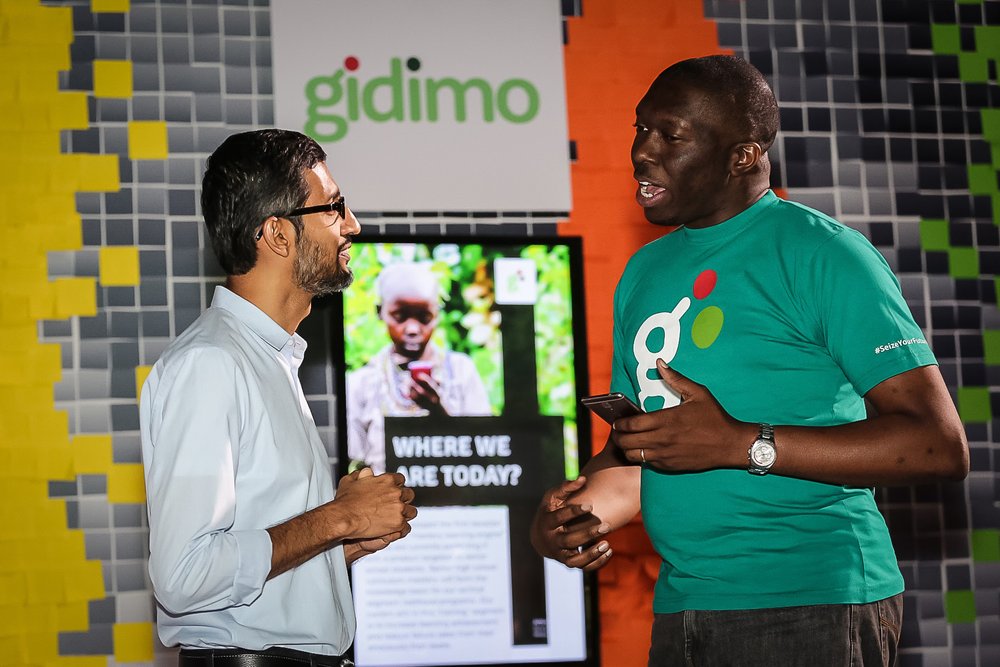
I see so many examples across Africa today, whether it’s startups like Tambua Health that are using machine learning to help doctors diagnose and treat diseases, or entrepreneurs like Tunji, whom I had the chance to meet when I was in Lagos in 2017. His company, Gidi Mobile, is helping low-income students in Nigeria access online learning.
Sundar Pichai and Gidi Mobile’s Tunji Adegbesan at Google for Nigeria in 2017
Increasingly we are seeing innovation begin in Africa, and then spread throughout the world. For example, people in Africa were among the first to access the internet through a phone rather than a computer. And mobile money was ubiquitous in Kenya before it was adopted by the world.
This momentum will only increase as 300 million people come online in Africa over the next five years. Many of them are young, creative and entrepreneurial, and they’re ready to drive new innovation and opportunity across the region.
It’s been incredible to see the rapid pace of change in a short amount of time, and be a partner on that journey. Since we opened our first offices in Africa, we’ve enabled 100 million Africans to access the internet for the first time and empowered millions of businesses and creators with digital tools.
A big focus has been on expanding opportunity through digital skills. In 2017, we committed to help 10 million Africans get the digital skills they need to grow their careers and businesses. So far, we’ve trained six million people. We’ve also trained 80,000 developers from every country in Africa and supported more than 80 startups to raise global venture capital funding, creating thousands of jobs.
In 2018, we opened an artificial intelligence research center in Accra. The team is focused on solving challenges relevant to Africa and the world, like using AI to map buildings that are hard to detect using traditional tools and adding 200,000 kilometers of roads on Google Maps.
And we continue to build for Africa’s unique needs. Products like Android Go and Files Go ensure that everyone can have a great smartphone experience. On YouTube, we are supporting Black creators and artists with our Black Voices Fund.
These are just a few examples of how we’re investing in, and building for, Africa. We know there’s more we can do to help bring the benefits of technology to more Africans.
So today I’m excited to announce that we plan to invest one billion dollars in Africa over five years. It will cover a range of initiatives, from improving connectivity to investing in startups.
These investments will support the continent’s digital transformation in four key areas:
- Enabling affordable access and building products for every kind of African user.
- Helping businesses with their digital transformation.
- Investing in entrepreneurs to spur next-generation technologies.
- Supporting nonprofits working to improve lives across Africa.
As we make these investments, we know we can’t do this alone. We look forward to partnering with African governments, policymakers, educators, entrepreneurs and businesses. We have so much opportunity ahead as Africans shape the next wave of innovation. Thank you for the chance to be a part of it.

Explore the Cradle of Creativity on Google Arts & Culture
Creativity in Africa is not something new — it dates back thousands of years and continues into the present day. In fact, some of the earliest paintings by humans were found engraved in a cave in South Africa 20,000 years ago. The Cradle of Creativity, a new project on Google Arts & Culture, explores how creativity evolved in Africa from rock art to contemporary brush strokes. In collaboration with the Yemisi Shyllon Museum of Art (YSMA) in Nigeria and the Origins Centre in South Africa, you can now explore 50 expertly-curated stories, featuring over 60 high-resolution Gigapixel images of artworks digitized using the Google Art Camera, 17 Street View virtual tours and, for teachers and students, a dedicatedlesson plan.
Here are 4 fun ways to get you started on a journey of creativity in Africa:
Early human inventions
Ochre, paint and the past
There is evidence that humans became culturally modern, or cognitively complex, around 100,000 years ago and the beginnings of creativity this brought about originated in Africa. It is also possible that the world’s first artists and their workshops can be found in Africa, with evidence of art and ochre production found in the Blombos Cave in South Africa, Porc Epic in Ethiopia, Sibudu in South Africa and Twin Rivers in Zambia.

NOK Head
How sculptures evolved
Did you know that in Yoruba Philosophy, the head is seen as the shell that houses the essence of an individual? Or that the occupational and political status of the deceased determined the material that was used in making bronze heads? You can now explore these and more interesting facts about Nok, Benin, and Ife art. You can also walk around the YSMA and explore the evolution of sculptures using Google Street View.
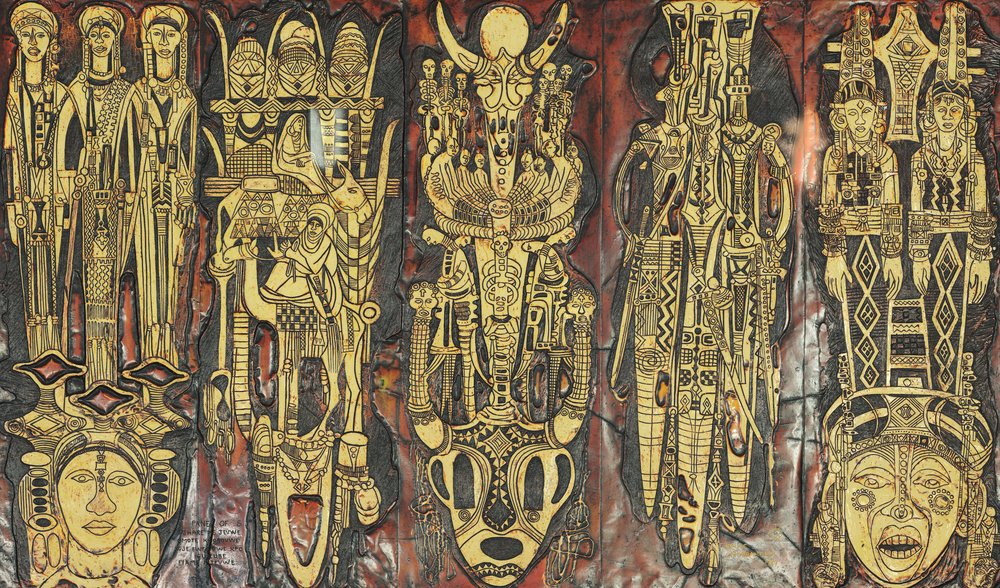
Bruce Onobrakpeya, Panel of 5: Oshare Me jevwe, Omote kporovwe, Adje Ewenvwe kpo, Igurube, Eyame Jevwe.
Storytelling through art
People across the continent have explored different methods to pass on their stories and express themselves through art and creativity for thousands of years. Whether it is to tell stories of the spirit world through the communal trance dance of the San People, or to raise awareness about urgent issues and arguing for change today, Africans continue to find creative ways to tell their story.
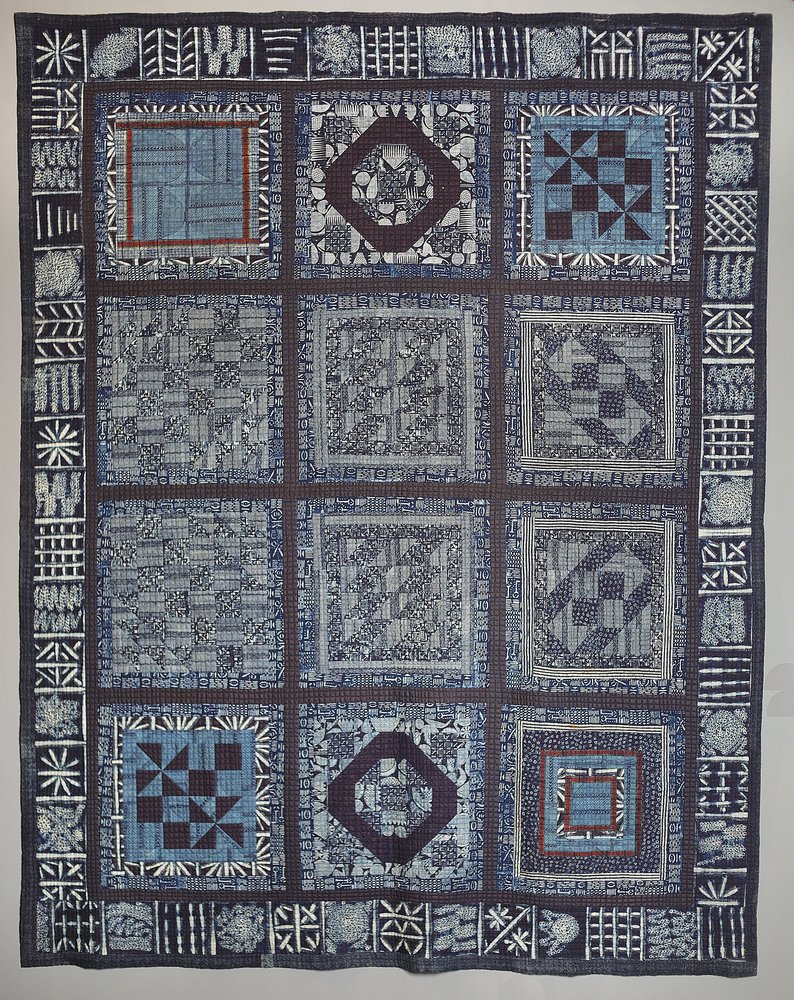
Nike Davies-Okundaye, Cycle of Life
Learning from the brushstrokes
Paintings can hold so much meaning and symbolism behind colors, figures, style and brushstrokes. Thanks to the experts at the YSMA and the giga-pixel resolution images captured by Art Camera, you can now learn more about the masterpieces of renowned artists like Ben Enwonwu, Bruce Onobrakpeya and Nike Davies-Okundaye. Zoom into the details to spot the onlookers in Uche Okeke’s ‘The Conflict’, and explore how Ben Osaghae depicts spiritual contradictions in his painting ‘Miracle for Sale‘.
Are you a student or a teacher? We have also created a dedicatedlesson plan for you. Visit g.co/google4africa21 if you want to continue your exploration, or download Google Arts & Culture’s Android or iOS app to further immerse yourself in the cradle of creativity!
Aiutare le persone a fare scelte più sostenibili con Google

Viaggiare e fare acquisti in modo più sostenibile
Spostarsi in auto in modo più sostenibile
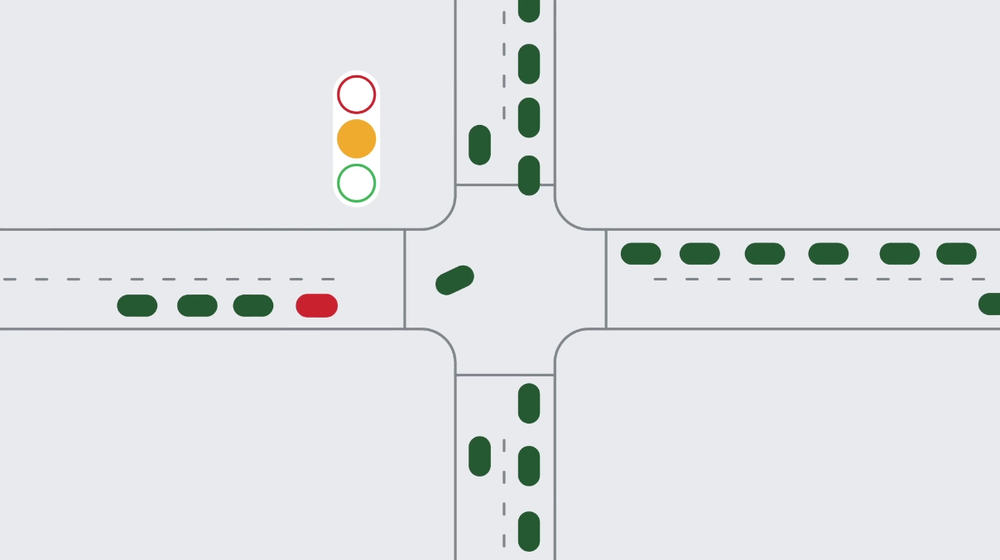
L’AI per rendere i semafori più efficienti
Più sostenibili con Google
Nokia annuncia il tablet Nokia T20: ecco tagli, prezzo e info.

Google annuncia nuove funzioni a favore della sostenibilità
Nest Cam con cavo di 2° generazione disponibile in Italia
Find flights with lower carbon emissions
Last month, we shared new sustainability initiatives from our travel team, including ways you can find eco-certified hotels on Google. Now, we’re bringing information on carbon emissions directly into Google Flights.
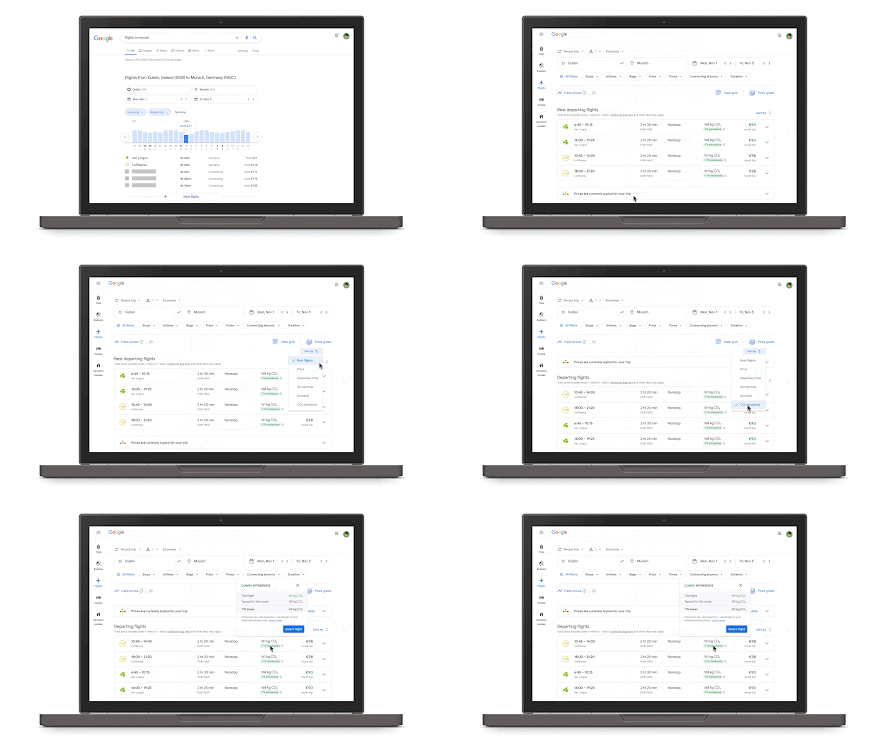
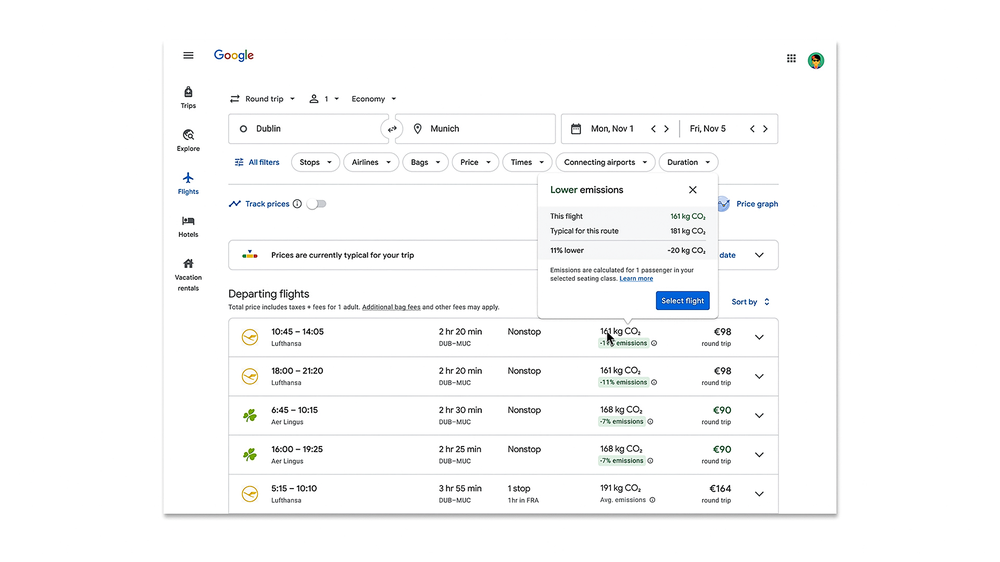
Beginning today, you’ll see a carbon emissions estimate for nearly every flight in the search results — right next to the price and duration of the flight. So when you’re choosing among flights of similar cost or timing, you can also factor carbon emissions into your decision.
Google Flights shows estimated carbon emissions in the search results.
These emissions estimates are flight-specific as well as seat-specific. For instance, newer aircraft are generally less polluting than older aircraft, and emissions increase for premium economy and first-class seats because they take up more space and account for a larger share of total emissions.
To put these estimates in context, flights with significantly lower emissions will be labeled with a green badge. And if you want to prioritize carbon impact, you can sort all of the results to bring the greenest flights to the top of the list.
You can sort results by carbon emissions and see how each flight compares to the average.
To produce these estimates, we’re combining data from the European Environmental Agency with the flight-specific information we get from airlines and other providers such as aircraft type, trip distance and the number of seats in each seating class. To learn more on how we estimate emissions, visit our Help Center.
It’s critical that people can find consistent and accurate carbon emissions estimates no matter where they want to research or book their trip. That’s why we recently joined the Travalyst coalition, where we’ll help develop an open model for calculating carbon emissions from air travel and promote standardization across the travel industry using this framework.
This update to Google Flights is just one of the many ways we’re helping people make sustainable choices in their everyday lives. Read the latest in this post from Sundar Pichai.
Support clean energy right from home with Nest Renew
Many people are eager to live more sustainably and help address one of our generation’s most profound challenges: climate change. At Nest, we believe taking small, simple actions every day is a great way to start. Homes are some of the largest consumers of energy in the U.S., and over the past decade, Nest thermostats have helped people save over 80 billion kWh of energy at home — enough to power 23 million electric cars for a year.
But we know people want to do even more at home to help our planet. The problem is that it can be hard to know where to start and whether you’re making a real difference.
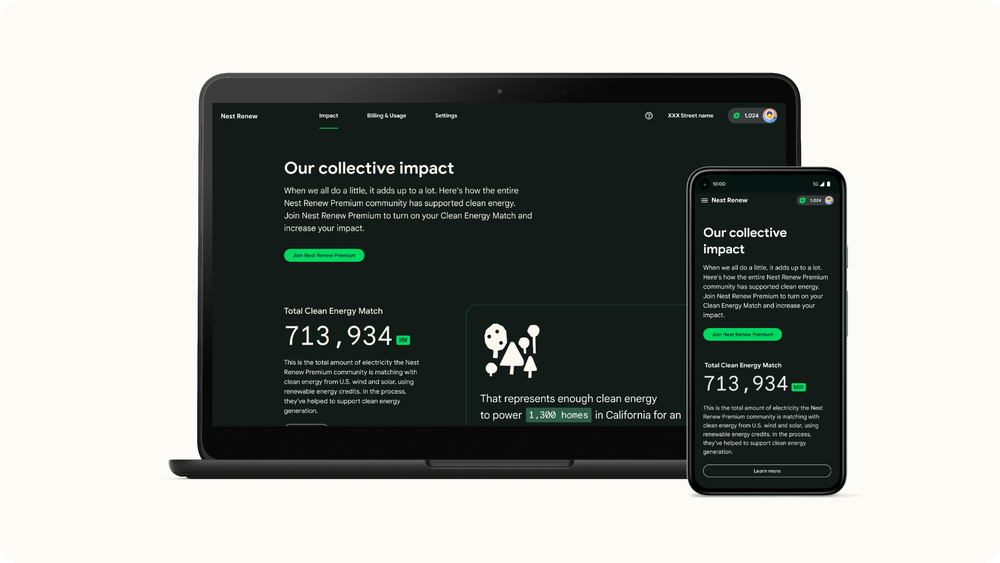
That’s why today we’re announcing Nest Renew — a service for your Nest thermostat that makes it easy to support a clean energy future, right from home.
Support clean energy with your Nest thermostat
Nest thermostats have always helped you heat and cool your home more efficiently, while also keeping you comfortable. They can now do even more with a Nest Renew feature called Energy Shift.
The electricity that powers our homes comes from different energy sources that vary based on the time of day — often a mix of clean energy (like solar and wind farms) and not-so-clean, fossil fuel-based energy (like gas and coal). Energy Shift works with your thermostat to help you automatically shift your heating and cooling electricity usage to times when your grid is cleaner, without sacrificing comfort. It can also adjust your thermostat’s schedule to run even more efficiently in both summer and winter.
Some electricity providers have time-of-use rates, where costs vary by time of day. If you’re on a plan like that, Energy Shift can help you save by automatically shifting usage to less expensive energy times.
We make these shifts while maintaining the comfort in your home — but you always have the ability to adjust your thermostat directly.
See your impact and your power
Nest Renew comes with monthly impact reports, so you can track the difference you and the Nest Renew community are making. It also shows you when the electricity coming into your home is cleaner and when it’s not so clean throughout the day, so you can make more informed choices — like running the washing machine a little earlier or later, when your grid is cleaner.
How we’re partnering with the energy industry on Nest Renew
Today, Google announced Nest Renew — a service built on the premise that to address climate change, we need a more flexible electricity grid. And that grid should be integrated with a wide range of distributed energy resources, like those found in smart homes.
But we can’t accomplish this without engaged consumers and a broad coalition of both local and national partners working together. That’s why today, we’re partnering with a number of energy providers and nonprofits that are committed to collaborating to create a clean energy future.
How we’re partnering with energy providers
To start, we’re partnering with AES, Consumers Energy, Duke Energy, NRG, Portland General Electric, Southern California Edison and Southern Company — some of the most innovative energy providers in the country that are committed to the Nest Renew vision and a carbon-free, resilient energy grid. These partners have provided invaluable insight and feedback as we’ve defined the Nest Renew service.
Through Nest Renew, energy providers will have new opportunities to engage consumers with time-of-use rates, increase demand response program participation and facilitate consumer support for renewable energy. For customers, it will be an opportunity to better understand and control their energy usage and prioritize the use of carbon-free energy.
Nest Renew also will increase enrollments in energy provider-sponsored Rush Hour Rewards programs, which let customers earn rewards for using less when energy consumption is high and make it easier for utilities to manage the grid during times of peak demand. We’re already working with a number of partners to deliver these programs in over 80 utility territories and wholesale markets, covering more than 40% of consumers in the U.S.
We’re also partnering with Uplight to make it easier in the future for customers to link their utility accounts to unlock personalized energy savings insights, program recommendations and device rebates. Together, we aim to help customers and utilities reach their load management goals.
This is just the start of our collaboration on Nest Renew. We’re always looking to partner with more energy providers on our work towards decarbonization.
How we’re partnering on Clean Energy Match
We’re also working with partners to support the growth of clean energy with Nest Renew Premium’s Clean Energy Match. During early preview, we will source Nest Renew’s renewable energy credits from the Southern Company Bethel Wind plant in Castro County, Texas. In 2023, they will also come from the future Roseland Solar project in Falls County, TX. These plants will both help meet Google’s ongoing commitment to match 100% of its global annual electricity use with renewable energy and support its goal to operate entirely on24/7 carbon-free energy by 2030. You can learn more about Clean Energy Match in our deep dive article.
We’re also partnering with AES and NRG to identify or develop the wind and solar that can generate RECs for Clean Energy Match, as well as collaborating with Consumers and SCE with the aim of supporting their renewable deployment efforts.
How we’re partnering with nonprofits
Through the Energy Impact Program, customers earn Leafs by actively using Nest Renew and taking actions at home that can save energy and help the environment. As they reach certain Leaf milestones, in certain states they can vote to direct Nest Renew funds to their choice of nonprofits from our list of partners across the U.S. Our founding nonprofit partners are GRID Alternatives and Elevate. We’ll work with them to understand how Nest Renew can have the most impact.
And we’re always looking to collaborate with more local partners to expand the reach of the Energy Impact Program.
Learn more
You can learn more about Nest Renew in our blog post, as well as our deep dive into the service. You can also read a white paper by RMI, formerly the Rocky Mountain Institute, which concludes that products like Nest Renew could significantly reduce the carbon emissions associated with household energy use.
According to RMI, if 10 million households participate, Nest Renew could address approximately 7% of the gap between today’s level of household emissions and a 50% reduction in line with the current overall U.S. policy target. That’s the equivalent of powering about 50 million EVs with a cleaner grid each year, as opposed to today’s fossil-fuel heavy grid.
Giving you more sustainable choices with Google
Climate change is no longer a distant threat — it’s increasingly local and personal. Around the world, wildfires, flooding and other extreme weather continue to affect our health, our economies and our future together on our planet. We need urgent and meaningful solutions to address this pressing challenge. That’s why last year we committed to bold action to run our data centers and campuses on 24/7 carbon-free energy by 2030.
Companies aren’t the only ones asking what more we can do to help the planet — increasingly people are asking themselves those questions, too. So today we’re sharing several new ways people can use Google’s products to make sustainable choices. Among them, we’re introducing new features to book flights or purchase appliances that have lower carbon footprints, a Nest program to support clean energy from home, and eco-friendly routing on Google Maps — which is rolling out today. And when people come to Google Search with questions about climate change, we’ll show authoritative information from sources like the United Nations, in addition to the existing news sources that we currently raise up in the carousel. It’s all part of our goal to help one billion people make more sustainable choices by 2022.
You can now see carbon emissions per seat for every flight in Google Flights.
Travel and shop more sustainably
We’re adding new features to help make decisions about travel — from what flights to book to where to stay. Launching globally today, we’re bringing carbon emissions information to Google Flights. You’ll be able to see associated carbon emissions per seat for every flight, and quickly find lower-carbon options. And when you search for hotels, you’ll see information on their sustainability efforts, from waste reduction and water conservation measures to whether they’re Green Key or EarthCheck certified.
We’re also helping people make more sustainable choices when they shop, starting with home appliances. When you search for energy-intensive products like furnaces, dishwashers or water heaters, suggestions in the Shopping tab will help narrow your search to cost-effective and sustainable options.
Supporting clean energy from home
For over a decade, Nest thermostats have helped people save energy at home. Today we are taking these efforts a step further with a new service called Nest Renew. Using a feature called Energy Shift, compatible Nest thermostats can help users automatically shift electricity usage for heating and cooling to times when energy is cleaner or less expensive. For those who want to do more to help support the growth of clean energy, we will offer a paid subscription option, Renew Premium, that will match your fossil fuel electricity at home with high-quality renewable energy credits generated from the same projects in Google’s energy portfolio.
Getting around more sustainably
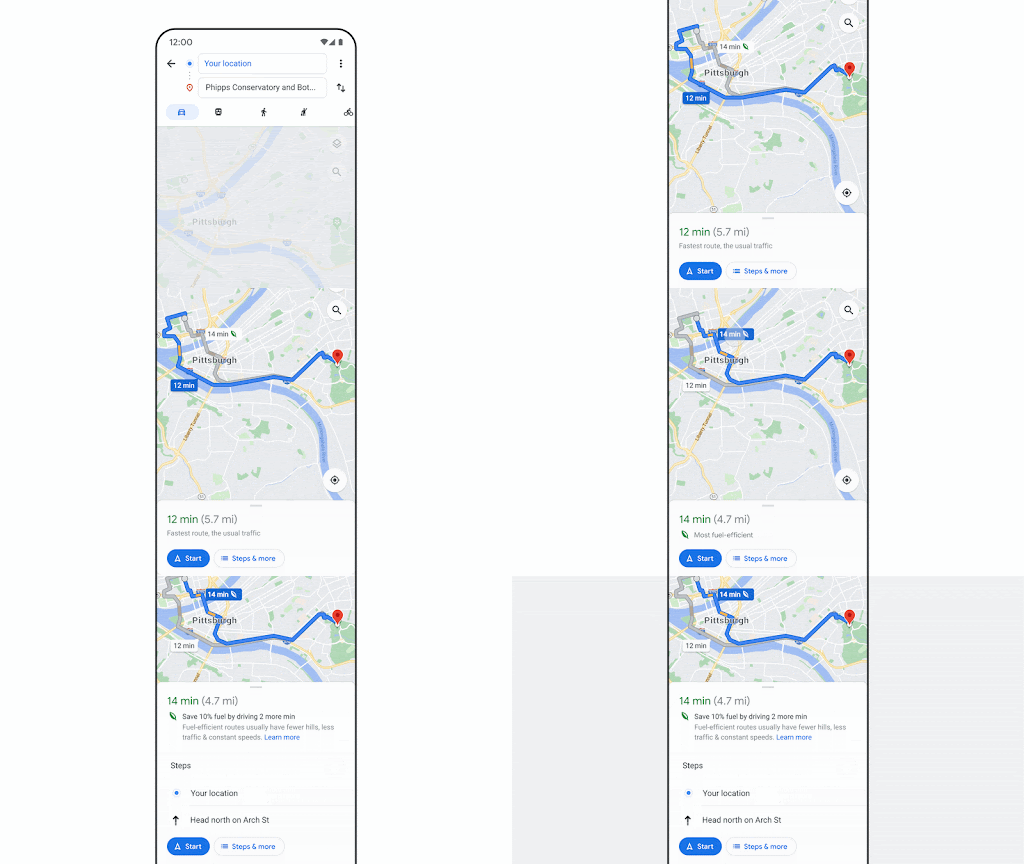
Traveling by car is one of the more carbon-intensive choices people make on a daily basis. Starting today in the U.S., and in Europe in 2022, Google Maps will let you choose the most fuel-efficient route if it isn’t already the fastest one. We estimate that this could save over one million tons of carbon emissions per year — the equivalent of removing over 200,000 cars from the road — and save you money by reducing fuel consumption.
You can choose the most eco-friendly route in Google Maps.
We’re also working to make sure the cars that remain on the road are eco-friendly. On Search, we’re making it easier to see hybrid and electric vehicle options, compare them against gas-powered models, and find rebates so you know the true cost before you buy. These features will start to roll out in the U.S. this year, with more to come in 2022.
Of course, the most sustainable choice often doesn’t involve a car at all. That’s why we’re introducing lite navigation for cyclists on Maps, and making it simpler to find bikes and scooter shares in over 300 cities around the world.