Ready for a gourd time? Google Maps guide to Halloween
Where are my ghouls at? With Halloween coming, it’s time to carve out some time for fall fun. We’ve rounded up top searched destinations for spooky haunts, pumpkin patches and corn mazes across the U.S. that you’re sure to die for!
Go big or gourd home
Autumn leaves and pumpkins please? On Google Maps, there’s a 375% increase in pumpkin-related searches between September and October — with the most popular search being “pumpkin patch,” which increases nearly 470%. So whether you’re looking to spice up your fall decor or carve the spookiest jack-o-lantern, here’s some of the top-searched spots to find the best pick of the pumpkin patch.
Here are some of the top-searched pumpkin patches on Google Maps in the U.S.:
- Goebbert’s Pumpkin Patch and Apple Orchard, Pingree Grove, IL
- Bengtson’s Pumpkin Farm and Fall Fest, Glen, IL
- Bishop’s Pumpkin Farm, Wheatland, CA
- Bob’s Corn & Pumpkin Farm, Snohomish, WA
Boo-ya! Halloween haunt spots
If you got it, haunt it! Pumpkin patches aren’t the only frequented destinations during Halloween season. Nationally, searches for corn mazes increase 270% between September and October, and haunted house searches spike more than 500%.
Here are some of the top-searched destinations for spooky season activities on Google Maps in the U.S.:
- Buford Corn Maze in Buford, Georgia
- Field of Screams in Mountville, Pennsylvania
- Piedmont Avenue Pumpkin Patch in Oakland, California
- Howl-O-Scream in Tampa Bay, Florida
- Greenspot Farms in Mentone, California
- Texas Pumpkin Fest in Leander, Texas
- Netherworld Haunted House in Stone Mountain, Georgia
- Cornbelly’s Corn Maze and Pumpkin Fest in Lehi, Utah
- Rutledge Corn Maze in Olympia, Washington
- Pennhurst Asylum in Spring City, Pennsylvania
Spook-tacular recommendations
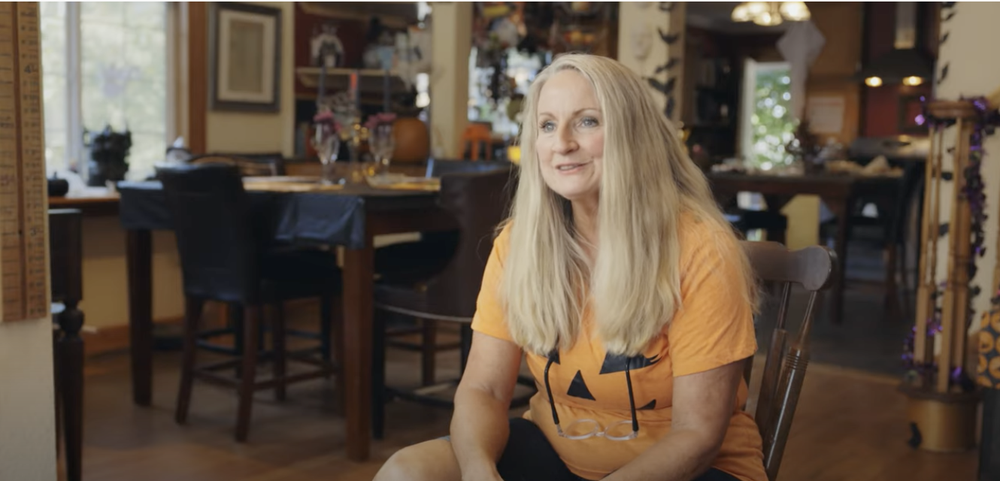
Local Guide Kimbra Kasch knows haunted houses well — especially since she grew up in one in Portland, Oregon! Today, she combines her affinity for the paranormal and her writing talents to share detailed reviews of spooky spots and ghost tours on Google Maps. Check out the video below to learn how Kimbra shares information about her favorite haunted houses, and join her for a haunted tour around Portland — we know we’re dying to!
Explore the spooky side of Google Maps
Here are Local Guide Kimbra’s top five favorite haunted places in the U.S.:
- Ecola State Parkin Cannon Beach, Oregon. From the shore, you can see “Terrible Tilly ” which is the nickname for Tillamook Rock Lighthouse. It’s said to be haunted because it’s seen so many shipwrecks on its rugged coastline. Bonus: Part of the Goonies was filmed here!
- Bachelor’s Grove Cemeteryin Midlothian, Illinois. Some people consider this the most haunted cemetery in the world. If you’re looking for a scary spot in the middle of the woods where you can search for spirits, visit Bachelor’s Grove Cemetery. When Kimbra visited she felt a cold chill run through her body.
- Cedar Grove Cemeteryin Notre Dame, Indiana. This cemetery is across the parking lot from Notre Dame University’s bookstore and is supposedly haunted by a student who died on the stairs of one of the resident halls.
- City Methodist Churchin Gary, Indiana. Similar to the haunted churches across old Europe, the City Church in Gary, Indiana was once a spectacular structure but it has long since been abandoned and forgotten.
- The Pfister Hotelin Milwaukee, Wisconsin. This hotel is famous for where Jeffrey Dahmer, a serial killer, picked up some of his victims. Kimbra had a ‘strange experience’ while visiting this haunted site.
Maybe this fall you want to trick or treat yourself to a night in. We can help with that, too! Dive into more spooky Search trends here — included top-searched costumes, movies and how you can virtually explore the filming locations of cult classics on Google Earth.

Brave, come funziona il browser sicuro e veloce che fa guadagnare criptovalute
Asus ProArt Studiobook: schermo ad alta fedeltà, anche in un portatile

Alexa e CRI insieme per la Giornata Mondiale della Salute Mentale
Google al lavoro sui semafori intelligenti per la sostenibilità
Come il Machine Learning ha fatto rivivere i capolavori di Klimt persi nel tempo
Gli artisti che vantano la fama mondiale di Gustav Klimt sono pochi e la mostra online “
Riportare in vita i quadri di Klimt
L’esperto – Dr. Franz Smola
- Perché i Quadri di Facoltà di Klimt sono così importanti? I tre Quadri di Facoltà di Klimt sono tra le opere più grandi che Klimt abbia mai creato e nel campo della pittura simbolista rappresentano i capolavori dell’artista.
- Cosa ne pensa delle versioni ricolorate? Per l’effetto travolgente di questi dipinti i colori sono stati essenziali e hanno fatto scalpore tra i contemporanei di Klimt. Perciò la ricostruzione dei colori è sinonimo di riconoscimento del vero valore e significato di queste eccezionali opere d’arte.
- C’è qualcosa che la presentazione digitale aggiunge a come Klimt e le sue opere possono essere percepite? Sono profondamente colpito dalle fantastiche immagini scattate con la Art Camera di Google. Ti permettono di esplorare veramente un’opera d’arte, di saltare nella sua applicazione di texture e colori e di scoprire ogni dettaglio nel modo più semplice possibile. Mi piace anche come la tecnologia permetta di dare vita a idee che sono sempre state solo ipotetiche – penso alla Pocket Gallery che abbiamo creato, che contiene una selezione di quadri di Klimt tra cui alcuni che sono andati persi, o la creazione dei Faculty Paintings ricolorati. E il progetto stesso ha aperto molte nuove prospettive e processi creativi.
- Se Klimt fosse ancora vivo – cosa pensa che potrebbe dire del progetto? Klimt era una figura altamente visiva. Raramente commentava il suo lavoro, invitando piuttosto le persone a guardare l’opera da sole e a trarre le proprie conclusioni. Il progetto “Klimt vs. Klimt” usa principalmente strumenti visivi e non verbali per trasmettere il lavoro di Klimt, il che è molto in linea con il carattere di Klimt. Klimt amava condurre una vita piuttosto appartata tra le mura del suo studio, a cui solo pochi avevano accesso. Sono certo che gli sarebbe piaciuta l’idea di saltare da questo luogo remoto e tranquillo al World Wide Web, avere accesso a milioni di opere d’arte e vedere la sua arte distribuita e comunicata in tutto il mondo.
Scritto da: Simon Rein, Senior Program Manager Google Arts & Culture
How machine learning revived long lost masterpieces by Klimt
Few artists enjoy such worldwide fame as Gustav Klimt. The new Google Arts & Culture online retrospective “Klimt vs. Klimt – The Man of Contradictions” puts the spotlight on the artist’s eclectic work and life. A Machine Learning experiment recolored photographs of lost Klimt paintings, while a “Pocket Gallery” brings some of his most iconic works into your living room in augmented reality and 3D. Together with more than 120 stories about his art and personality, a virtual tour of his studio, and many more highlights from the collections of over 30 cultural institutions around the world, “Klimt vs. Klimt” forms one of the most comprehensive online experiences about the artist.
Klimt’s legacy poses many unsolved questions, not least due to the fact that approximately 20% of his artworks were lost over the course of history. Among the most prominent and painful losses are the so-called Faculty Paintings, created on behalf of the University of Vienna and rejected by the latter for being overly critical towards science. In 1945, only days before the Second World War ended, the paintings were lost to a fire at Immendorf Castle in Austria. What these major works looked like could only be guessed at from black and white photographs taken in the early 1900s, unable were they to convey the magic that makes Klimt’s artworks so captivating — the bold colours, the revolutionary approach to textures, the shocking directness of his figures. Until today.
Using the opportunities offered by machine learning, enhanced by the knowledge of internationally renowned Klimt expert and curator at the Belvedere, Dr. Franz Smola, the team at the Google Arts & Culture Lab was able to reconstruct the colours that Klimt might have used for the Faculty Paintings, thus restoring them to their fully colored beauty. For the first time in 70 years, people can experience his artworks in the colors he might have used.
Experience the art of Klimt in new ways online
The paintings are the true centerpiece of “Klimt vs. Klimt”. The retrospective brings together more than 120 of the artist’s most famous masterpieces, as well as lesser known works, and assembles an expertly curated selection in an immersive Pocket Gallery that you can experience in augmented reality on mobile or in 3D on web. This was made possible thanks to a collaboration between Google Arts & Culture and over 30 partners and institutions – with the Belvedere, the Albertina, the Klimt Foundation, the Neue Galerie New York and the Metropolitan Museum of Arts among them. Over 60 masterworks by Klimt have also been captured in ultra high resolution with Google’s Art Camera. Come in closer to see “The Kiss” like never before!

Fire TV Stick 4K Max da oggi disponibile su Amazon.it

Amazon sta lavorando a un frigorifero intelligente?

Netflix, 5 serie TV da vedere se ti è piaciuta Squid Game

CONTRACT MANAGER. CULTURA E MANAGEMENT: LA BATTAGLIA DI TEUTOBURGO
Perché un direttore commerciale dovrebbe conoscere le ragioni della sconfitta romana a Teutoburgo nel 9 d.c.? Di Paolo Brambilla La formazione dei manager della nostra azienda: qui l’innovativa prospettiva offerta da Contract…
L’articolo CONTRACT MANAGER. CULTURA E MANAGEMENT: LA BATTAGLIA DI TEUTOBURGO scritto da Paolo Brambilla proviene da Assodigitale.

Raspberrypi.com: un nuovo sito Web per Raspberry Pi
The ML Glossary: Five years of new language
Over guacamole and corn chips at a party, a friend mentions that her favorite phone game uses augmented reality. Another friend points her phone at the host and shouts, “Watch out—a t-rex is sneaking up behind you.” Eager to join the conversation, you blurt, “My blender has an augmented reality setting.“
If only you had looked up augmented reality in Google’s Machine Learning Glossary, which defines over 460 terms related to artificial intelligence, you’d know what the heck your friends are talking about. If you’ve ever wondered what a neural network is, or if you chronically confuse the negative class with the positive class at the doctor’s office (“Wait, the negative class means I’m healthy?”), the Glossary has you covered.
AI is increasingly intertwined with our future, and as the language of AI sneaks its way into household conversation, learning AI’s specialized vocabulary could be helpful to understanding many key technological advances — or what’s being said at a guacamole party.
A team of technical writers and AI experts produces the definitions. Sure, the definitions have to be technically accurate, but they also have to be as clear as possible. Clarity is rare in a field as notoriously complicated as artificial intelligence, which is why we created Google’s Machine Learning glossary in 2016. Since then, we’ve published nine full revisions, providing almost 300 additional terms.
Good glossaries are quicksand for the curious. You’ll come for the accuracy, stay for the class-imbalanced datasets, and then find yourself an hour later embedded in overfitting. It’s fun, educational, and blessedly blender free.
A journey across Argentina’s culinary culture
Argentina’s table is a journey through Argentina, an atlas of diverse recipes and ingredients with ancient and modern origins, following the many journeys of the immigrants who have brought so many influences and flavors to this special cuisine.
In collaboration with five cultural institutions including Gustar — an initiative of the Ministry of Culture, ArgenINTA Foundation, the Ministry of Agriculture and the Ministry of Tourism and Sports of Argentina — Google Arts & Culture’s latest project brings together all that Argentina’s gastronomic scene has to offer, from traditional fare to contemporary culinary trends.
Few gastronomic cultures in the world have as many globally-recognizable landmarks as Argentine cuisine: from “asado,” with its amazing high-quality beef and flame grilling techniques, or “empanadas,” a true icon that come in so many different recipes across the country to “yerba mate,” a ritual originated from an indigenous plant.
European influences and majestic landscapes
This multicultural country is a melting pot of flavors with surprising culinary encounters, made of traditional native dishes and delectable European influences, like the family favorites pizza and pasta. Over the years, immigrants have shaped Argentine food culture into the diverse field it is today.
But food is also an integral part of the incredible Argentinian landscapes: For example, the astonishingly beautiful views of Patagonia are home to mountains and icebergs, where seafood, lamb, fruit and chocolate are produced. In Argentina’s capital people find the rhythm of tango and the chatter from the cafes of Buenos Aires embedded in the food.
Regional fare
Google Arts and Culture’s latest project not only dives into the lively food scene of Argentina, it also explores the richness of its people. The country is in fact a producer of high quality products that serve as the basis for its notable dishes. See, for example, oranges in the Littoral region, cassava flour in Misiones province in the northeast or honey in Santiago del Estero.
Today, the world has the opportunity to sit down at Argentina’s table, a place for celebrations, gathering and integration of diversity.
I sincerely hope you enjoy it. Bon appetit!