L’investimento nelle startup innovative – webinar gratuito
Lunedì 11 ottobre ore 19 – webinar gratuito L’investimento nelle startup innovative, strumenti bancari, strumenti finanziari.Il caso di studio: Fly Free Airways. A cura di Trendiest Media Agenzia di stampa.…
L’articolo L’investimento nelle startup innovative – webinar gratuito scritto da Paolo Brambilla proviene da Assodigitale.

Contrastiamo la disinformazione online, insieme

Negli ultimi 18 mesi, i servizi digitali sono stati utilizzati come mai prima. Oggi, più della metà degli abitanti globali è online, e l’uso della tecnologia durante la pandemia ha registrato un balzo in avanti pari a cinque o dieci anni. Il web è stato un punto di riferimento e un’ancora di salvezza per molti. Ma l’accelerazione digitale ha portato con sé diverse sfide, tra cui la disinformazione: un problema persistente sia online che offline.
Siamo consapevoli della responsabilità che Google e YouTube hanno nel contrasto alla disinformazione e continueremo a lavorare per una soluzione soddisfacente. Recentemente, insieme all’European University Institute e alla Fondazione Calouste Gulbenkian, abbiamo organizzato il summit europeo “Contrastare la disinformazione online”, un evento che ha lo scopo di unire coloro che lavorano per contrastare la disinformazione, coinvolgendo governi, educatori, organizzazioni non profit, esperti di tecnologia e il mondo dell’informazione. Al summit hanno partecipato Věra Jourová, Vicepresidente della Commissione Europea, Rasmus Kleis Nielsen, Direttore del Reuters Institute for the Study of Journalism dell’Università di Oxford, ed esperti di fact checking come la spagnola Maldita.es e l’agenzia di stampa tedesca DPA.
Cosa abbiamo imparato
Ogni giorno, le persone di tutto il mondo utilizzano Google per accedere a notizie di qualità, verificare informazioni che hanno sentito altrove e saperne di più sul mondo. Ma è anche vero che non possiamo contrastare la disinformazione lavorando da soli. La collaborazione tra accademici, decisori politici, editori e aziende tecnologiche è fondamentale.
Alexander Stubb, Direttore della School of Transnational Governance dell’European University Institute, ha esortato a un comune senso di responsabilità: combattere la disinformazione “è responsabilità dei media, è responsabilità delle aziende e degli imprenditori, è responsabilità delle ONG e della società civile, è responsabilità di accademici, professori e ricercatori”.
Abbiamo anche sentito le opinioni di esperti di fact checking e di media literacy che aiutano le persone a distinguere i fatti dalle fake news. Stefan Voss dell’agenzia tedesca DPA ha parlato di Faktencheck21, una partnership unica che ha fornito ai giornalisti gli strumenti per contrastare la disinformazione durante le elezioni tedesche. Mevan Babakar ha invece presentato Full Fact, mentre Mélanie Jalans ha presentato PlayBac Presse.
Per supportare le attività di fact checking, media literacy e ricerca sulla disinformazione, quest’anno Google ha contribuito con 25 milioni di euro per avviare il Fondo Europeo sulle Notizie e l’Informazione, un progetto dell’European University Institute e della Fondazione Calouste Gulbenkian, sotto la supervisione dell’European Digital Media Observatory. Chi fosse interessato a conoscere il progetto può trovare maggiori informazioni qui.
Cosa sta facendo Google
I nostri partecipanti all’evento, tra cui Sundar Pichai, Neal Mohan e Amanda Storey, hanno raccontato il lavoro di Google nell’affrontare questa sfida.
L’impegno di Google inizia nel dare rilevanza alle fonti autorevoli in tutti i nostri prodotti. Da quando la pandemia è cominciata, abbiamo messo in evidenza le informazioni di 170 organizzazioni attive nella sanità pubblica in tutto il mondo. Sulla nostra Ricerca abbiamo reso più semplice ottenere informazioni sui risultati mostrati e abbiamo offerto maggiore contesto sui siti web prima che vengano visitati. Queste funzionalità sono disponibili in un numero crescente di lingue.
Quando un’informazione non soddisfa i requisiti delle nostre linee guida, la blocchiamo e la rimuoviamo in modo consistente. Ogni giorno, rimuoviamo 8 milioni di annunci ingannevoli per evitare che le persone siano esposte a truffe, e scansioniamo 100 miliardi di app per verificare che siano sicure.
Per quanto riguarda YouTube, seguiamo la regola delle 4 R: “Remove, Raise, Reduce, Reward”. Questa regola prevede: la rimozione tempestiva dei contenuti che violano le norme (Reduce); dare rilevanza alle voci autorevoli mentre gli utenti cercano informazioni o notizie (Raise); ridurre la diffusione di contenuti che non rispettano le linee guida (Reduce); ricompensare i creatori di contenuti affidabili (Reward).
Nel 2018, abbiamo firmato il Codice di condotta dell’UE sulla disinformazione. Ora siamo impegnati insieme agli altri firmatari per aggiornare il Codice e renderlo più solido, efficace e all’altezza delle sfide attuali. Siamo orgogliosi di ciò che abbiamo realizzato, ma crediamo di poter poter fare ancora meglio.
Questo tipo di attività si inserisce nel solco di altri investimenti in questo campo, come la Google News Initiative, che ha formato più di 90.000 giornalisti sulla verifica delle fonti. Sui nostri prodotti, Google mette in evidenza fact-checking indipendenti fino sei milioni di volte al giorno, aiutando le persone a riconoscere i tentativi di disinformazione online.
Inoltre, quest’anno abbiamo annunciato l’apertura a Dublino del nostro Google Safety Engineering Center (GSEC), un centro ingegneristico dedicato al contrasto dei contenuti dannosi o illegali, così come alla valorizzazione delle relazioni con le autorità di regolamentazione, un impegno che rafforza la nostra apertura e trasparenza in questo ambito.
La sfida che stiamo affrontando è significativa. Ma grazie a una ricerca di qualità, a esempi di successo, e al contributo di persone esperte e organizzazioni autorevoli, stiamo trovando modi sempre migliori per contrastare la disinformazione. Ci auguriamo che eventi come il recente summit europeo portino a una collaborazione ancora maggiore. Costruire fiducia significa costruire insieme.

Pazzo confronto! vivo X60Pro vs Zeiss Biotar 58mm F2 e Tessar 50mm F2.8

Prime Video, 5 film da non perdere a ottobre 2021

Xbox: per il 20° anniversario ecco due nuovi hardware a tema

Arrivano le infradito Bluetooth, costano 8000 dollari
Sembra un gadget di un James Bond in versione da spiaggia, ma il sandalo infradito con telefono nascosto nella suola è realtà.
Lo riferisce infatti la polizia dello stato indiano del Rajasthan, dando la notizia dell’arresto di cinque persone che sono state colte con dei piccolissimi ricevitori Bluetooth nelle orecchie mentre indossavano infradito nella cui suola era dissimulato un cellulare parzialmente smontato ma funzionante.
Questa bizzarra scelta di calzature non era dettata da una moda locale, ma dall’intento di barare a un importante esame di selezione per poter diventare insegnanti governativi: un lavoro ambitissimo che fornisce sicurezza d’impiego e vari benefici.
Per questo esame si sono presentati 1,6 milioni di candidati, sparsi su 4000 centri. I posti di insegnante disponibili sono 31.000 e quindi la competizione fra candidati è fortissima e non esclude colpi bassi come l’uso di impostori, l’acquisto delle soluzioni trafugate e la corruzione dei funzionari incaricati di sorvegliare la regolarità della selezione.
Le misure per evitare frodi sono eccezionali. Decine di migliaia di poliziotti sorvegliano le sedi d’esame, e 10 dei 33 distretti dello stato hanno sospeso l’accesso cellulare a Internet e persino gli SMS per l’intera giornata della prova.
Le persone sono state arrestate mentre tentavano di entrare in una sede d’esame indossando questi apparati elettronici: gli agenti si sono accorti dei loro movimenti sospetti e hanno notato la SIM che sporgeva lateralmente da una delle suole.
L’auricolare, in un caso, era talmente piccolo e inserito così profondamente nell’orecchio che la sua rimozione ha richiesto l’intervento di un medico. Da fuori era assolutamente invisibile, ma avrebbe consentito a un complice esterno di dare istruzioni ai candidati. Non è chiaro se il telefono dissimulato nella sottile suola degli infradito includesse anche un microfono per ascoltare.
La polizia del Rajasthan dice che questi sandali infradito vengono progettati da una banda che li commissiona a terzi a circa 400 dollari e poi li rivende ai candidati per circa 8000 dollari.
Per evitare il ripetersi di questa tecnica, la polizia dice che d’ora in poi saranno vietati tutti i tipi di calzatura e anche i calzini. Se i truffatori insisteranno a trovare nuovi anfratti del vestiario in cui nascondere questi dispositivi, sarà forse necessario presentarsi nudi?

Le parole di Internet: Metaverso
La parola Metaverso, o Metaverse nell’originale inglese, con la M maiuscola, indica un insieme di luoghi virtuali digitali nei quali le persone possono interagire come se fossero fisicamente presenti in quel luogo con il proprio corpo.
Immaginate un videogioco che sta tutto intorno a voi invece di essere confinato nello schermo di un telefonino o di una console di gioco, ed è tridimensionale e interattivo. Voi vi muovete e gli altri utenti vedono il vostro movimento, rappresentato da un avatar. Il Metaverso è insomma una sorta di realtà virtuale e come tale richiede un visore apposito.
Il termine fu coniato nel 1992 dall’autore di fantascienza Neal Stephenson per il libro Snow Crash. Nel libro, il Metaverso è una sorta di successore di Internet. Qualcosa di simile si è visto in Ready Player One.
L’idea non è nuova, e il lockdown l’ha resa più interessante come modo alternativo, a volte unico, per socializzare e partecipare a grandi eventi in sicurezza. Epic Games ha già tenuto concerti in Fortnite e Roblox ha già fatto altrettanto, per esempio radunando in tutto 33 milioni di presenze per il concerto virtuale del rapper Lil Nas X.
Finché le immagini restano su uno schermo piatto, il Metaverso sembra semplicemente una riedizione di Second Life (ve lo ricordate? era il 2003) ma con una grafica più ricca. Ma quando si indossa il visore per realtà virtuale tutto diventa molto differente e l’esperienza è fortemente immersiva. O almeno questa è l’intenzione.
Il concetto di Metaverso è tornato alla ribalta in una serie di post, discorsi e interviste di Mark Zuckerberg, che l’ha descritto come “una Internet corporea, dove invece di limitarti a vedere dei contenuti, sei nei contenuti”. Zuckerberg dice che vuole che Facebook si trasformi da una rete di social network in una “società del metaverso”, nel giro dei prossimi cinque anni e secondo lui andremo a lavorare in “uffici infiniti” personalizzabili e potremo incontrare i nostri colleghi e amici nella stessa stanza virtuale e chiacchierare come se fossimo fisicamente vicini, vedendo le espressioni e la gestualità dei nostri interlocutori. Ne ha parlato anche Swisscom, pochi giorni fa, nel keynote di Stefano Santinelli (delegato del CEO per la Svizzera italiana) agli Swisscom Business Days di Lugano. Il Metaverso è business.
Non è un caso che Facebook abbia speso due miliardi di dollari per acquistare Oculus, società specializzata in visori per realtà virtuale, e stia lentamente facendo confluire Facebook e Oculus. Da qualche tempo per poter creare un account Oculus bisogna avere un profilo Facebook.
Le ragioni dell’interesse di Facebook e di molti investitori per il Metaverso sono molto pratiche: permette di raccogliere ancora più dati personali. Oggi viene schedato e analizzato minuziosamente il modo in cui clicchiamo e cosa decidiamo di condividere, ma nel Metaverso vengono analizzati anche i movimenti del corpo, le direzioni dello sguardo, le reazioni ai vari stimoli: una miniera d’oro per chi fa soldi vendendo i nostri dati.
Avranno ragione? Andremo davvero a lavorare e a trovare gli amici indossando scomodi visori e gesticoleremo comicamente agli occhi di qualunque osservatore esterno oppure il Metaverso sarà un flop come lo fu Second Life dopo la febbre iniziale? Forse sì, se la qualità delle immagini migliora e soprattutto i visori diventano più leggeri. E se accetteremo di essere ancora più sorvegliati di oggi, persino nei gesti.
Fonte aggiuntiva: The Verge.

Twitch messo a nudo, diffusi tutti i dati interni, compresi i pagamenti agli streamer
Twitch.tv, il popolarissimo sito di streaming video in diretta di proprietà di Amazon, è stato
Per gli utenti di Twitch si pone subito un problema di sicurezza: Twitch ha annunciatodi aver resettato tutte le stream key, ossia i codici univoci usati dal software di streaming per trasmettere video sugli specifici account Twitter. Quelle nuove sono disponibili presso https://dashboard.twitch.tv/settings/stream.
Anche se per ora non ci sono indicazioni che i file pubblicati contengano password, è prudente cambiare la propria password su Twitch, magari cogliendo l’occasione per sceglierne una difficile e soprattutto differente da quelle usate altrove e per attivare l’antifurto, ossia l’autenticazione a due fattori.
Twitch ha inoltre dichiarato di non custodire i dati integrali delle carte di credito degli utenti, per cui non ci dovrebbe essere il rischio di violazione di queste carte.

Meet the Ph.D. students changing the face of computing
Every day, computer science researchers are working to solve big problems that impact all of our lives — from expanding accessibility in wearable technology to improving the lives of rural farmers through AI. For CS research to explore issues that impact all communities, it’s crucial that the researchers themselves are representative of those communities. However, in 2020, less than 10% of computer science Ph.D. degrees in the United States were awarded to researchers from historically marginalized groups in computing.
As part of our efforts to make CS research careers more accessible, Google Research is continuing our work with the Computing Alliance of Hispanic Serving Institutions (CAHSI) and the CMD-IT Diversifying LEAdership in the Professoriate (LEAP) Alliance to increase the diversity of Ph.D. graduates in computing. Together, we are providing dissertation awards to support Doctoral students from historically marginalized groups as they complete their Ph.D. requirements. This year, we have six winners: Abel Gomez Rivera, Dhruv Jain, Elsa Tai Ramirez, Matthew Anderson, Rodrigo Augusto Silva Dos Santos, and Saadia Gabriel.
We spoke with two of our 2020 award recipients — Amber Solomon from The Georgia Institute of Technology (Ph.D. ‘21) and Oscar S. Veliz from The University of Texas at El Paso (Ph.D. ‘21) — about their computing research journeys and aspirations for the future.
What inspired your interest in computer science research?
Amber: Computer science has reached a critical point in its evolution. Artificial intelligence and machine learning have made major leaps from ideas in a lab to tools in the palm of people’s hands. This increases the urgency to understand its benefits and potential negative effects. Few disciplines have this level of impact on society. For that reason, it’s super important that we have different perspectives in this space.
Oscar: I took a course on Multi-Agent Systems and Game Theory with a professor who later became my advisor. The subject was fascinating, and I dove head first into the latest, cutting-edge research. I felt that this was an area of Artificial Intelligence that had so many possibilities and unanswered questions that I had to get involved.
What were some defining moments in your computer science journey?
Amber: During the second year of my Ph.D. program, I taught introductory programming and human-computer interaction at a private, alternative high school. Students designed and programmed technology to address issues they cared about, including gentrification, racism, and police brutality. They had so many interesting and important things to say. It pushed me to reflect on the impact computer science has on the individual and society, and my role as a researcher.
Oscar: Going to conferences and talking shop with the authors of papers I had read helped put a real person behind the research. Attending research discussions and mentorship panels with senior researchers who looked like me, and shared their similar struggles with me, also struck a chord. I learned that it wasn’t uncommon to feel like an impostor and that I could, and should, seek help.
How has the Google dissertation award impacted your research career path?
Amber: Research from racially and ethnically minoritized researchers often gets ignored or isn’t considered as legitimate as others. So, to win the Google-LEAP Dissertation Award was incredibly validating. It made me feel like my voice mattered and was legitimate.
Oscar: I am quite terrible at giving myself credit. I wouldn’t apply to certain jobs because I believed that I wasn’t good enough. All it took was a mentor who believed in me. After the recognition from Google-CAHSI, I started to build up my confidence and apply to prestigious places. Now, I am a Postdoctoral Fellow at Carnegie Mellon University.
What are some experiences and/or accomplishments you are most proud of?
Amber: I am the first person in my family to get a Ph.D. It wasn’t easy because my family had never been through the process, so they could not understand what I was going through. I’m also proud of how I conducted my dissertation research, which was not typical in my field. I try to learn with and from as many people as possible, including academics, TikTokers, grandmothers, friends, etc. I try to be as willing and open as possible to different perspectives. That made me more open to different methodologies and theoretical frameworks.
Oscar: I was fortunate to do research on AI applications in teaching and learning with college students using a variation on poker. I had just as much fun creating the lesson as I did performing the research. While pursuing my Ph.D., I also became a course instructor and lectured 80-person classes. I was really proud to watch my students master topics that I was teaching. I’m also proud of creating numerical analysis lessons on my YouTube channel.
What advice do you have for others starting their journeys to becoming computer science researchers?
Amber: Remember that your ideas are valid and important. You deserve to take up space.
Oscar: Develop a community of support — whether it’s family, other faculty, or fellow Ph.D. students. You can’t do a Ph.D. alone, no matter what anyone tells you. It is also OK to ask for help, even professional help. It isn’t a sign of weakness, but an indication of self-awareness, with the ability to recognize that change is necessary. That is the hard part.
Read more about our 2021 winners and their dreams for the future below.

Dune: mini-recensione senza spoiler
Ho visto Dune al cinema alcuni giorni fa (il primo film visto al cinema da oltre un anno) e l’uscita del trailer esteso che vedete qui sotto mi ha ricordato quanto mi è piaciuto questo adattamento della saga classica di Frank Herbert, che è una delle narrazioni che più mi ha affascinato da ragazzino e mi affascina tuttora.
Non so come sia il doppiaggio italiano, ma l’audio originale è splendido (la Voce è resa perfettamente, in maniera semplice ma ingegnosa) e gli attori sono perfetti per le rispettive parti. Nonostante la battutina presente in uno dei trailer (ma non in quello qui sotto), questo non è un film Marvel dove ogni azione drammatica deve essere contrappuntata da una trovata sdrammatizzante: Dune si prende molto sul serio, e per farlo oggigiorno bisogna aver lavorato davvero bene, altrimenti la boria e la noia sono dietro l’angolo (vero, DC?).
Il regista Denis Villeneuve e la sua squadra di costumisti, scenografi e maestri degli effetti speciali hanno lavorato davvero bene. Gli ornitotteri sono perfetti nel loro design ibrido fra insetto e macchina, senza strafare. Le navi della Gilda sono colossali, i giganteschi vermi della sabbia sono resi maestosamente e le inquadrature ne rendono perfettamente la scala. Le comunicazioni segrete, non vocali, fra i personaggi sono rese con una soluzione molto elegante. Tutta l’architettura e lo stile visivo, insieme alla musica di Hans Zimmer, si impegnano molto seriamente per far capire che questo non è l’universo di Star Wars (che ha attinto a piene mani dall’universo di Dune, anche se gli spettatori più giovani probabilmente penseranno il contrario), ma è un universo ben differente, ostile, violento, paradossalmente antitecnologico e per nulla a misura d’uomo. I Sardaukar non sono le imbranate truppe d’assalto di George Lucas; le Bene Gesserit sono il vero potere occulto dell’Impero, temute, spietate e lungimiranti, e la scelta di Herbert (sessant’anni fa!) di avere così tante donne in ruoli forti e di potere è perfetta per i nostri tempi in cui finalmente si comincia, a fatica, a discriminare meno.
Chi ha letto i libri troverà un film parecchio fedele all’originale, sia pure con alcune compressioni e omissioni necessarie per esigenze narrative, e apprezzerà il modo in cui Villeneuve ha quasi completamente evitato il problema di spiegare allo spettatore un universo così ricco e diverso dalle ipertecnologie sfavillanti della fantascienza cinematografica contemporanea senza ricorrere a pistolotti esplicativi. Chi arriva al film senza aver letto almeno il primo libro di Dune si perderà forse un po’ nella giungla di termini e nei sottintesi che emergono solo a una seconda o terza visione, ma riuscirà comunque a seguire e apprezzare la storia.
Lasciate perdere il Dune di David Lynch, mezzo massacrato dai tagli e dall’impossibilità di raccontare degnamente le visioni di Frank Herbert senza gli effetti speciali praticamente perfetti di oggi. Guardatelo sullo schermo più grande che potete trovare e con il volume alto. Questo è Dune come me lo immaginavo. Spero che sia come ve lo immaginavate voi.
Questo articolo vi arriva gratuitamente e senza pubblicità grazie alle donazioni dei lettori. Se vi è piaciuto, potete incoraggiarmi a scrivere ancora facendo una donazione anche voi, tramite Paypal (paypal.me/disinformatico) o altri metodi.
Introducing the new Analytics 360
Earlier this week, we announced that the new Google Analytics is ready to help you meet the challenges of an evolving measurement landscape and get better ROI from your marketing for the long term — with privacy-safe solutions and machine learning at its core. Today, we’re introducing the new Analytics 360, which builds on the foundation of Google Analytics 4 properties to address the measurement needs of large advertisers and agencies with more customizations, increased scale, and enterprise-level support.
Flexible tools to fit your organization’s needs
As a large company, you may have multiple teams that need access to different insights, depending on their job function, products and markets. Let’s say your teams in the United States, Canada and Mexico need to view the data about your four product lines to understand what’s driving sales in their markets. With the new Analytics 360, you can create four product line sub-properties for each country team and customize their settings. For example, you can link each of them with your Google Ads and Google Marketing Platform accounts that are used for the campaigns running in these countries.
You may also have analyst teams in each of those countries that need to access the data across all product lines for their markets to understand what’s driving sales for your brand locally. You can easily do that by creating dedicated roll-up properties for the United States, Canada and Mexico across all four product lines. That way, they’ll be able to better understand the audiences that are interested in your products and share insights with other local teams. Roll-up and sub-properties will only be available in Analytics 360 and will launch in the coming months.
You’ll also be able to create your own user roles in Analytics 360 to control feature access for certain groups of users. For instance, you could create a role for an agency partner so they can understand which campaigns are driving conversions on your website, but can’t access data about your revenue or organic traffic. Custom user roles can also be assigned to selected reporting collections, which are groups of reports based on topics like customer acquisition. This way your teams and partners can access the data they need in compliance with your policies. Custom user roles and user assigned reporting collections will launch in the coming months to all Analytics 360 accounts.
Scalable solutions for growing enterprises
The new Analytics 360 can scale as you grow your business and your needs become more demanding. It has higher limits for up to 125 custom dimensions, 400 audiences and 50 conversion types. If you want to run your own analysis, Analytics 360 allows you to export billions of daily events to BigQuery. You can also get more granular insights by accessing unsampled results directly in Analytics 360’s explore module.
In addition to higher limits, you’ll get continuous intraday data via Analytics 360’s interface and the API. Data usually appears within an hour after collection, so you can make faster, near-real time decisions during crucial periods for your business, like Black Friday.
Enterprise-level performance and support
Analytics 360 comes with service legal agreements (SLAs) across many product functionalities such as data collection, reporting, processing and attribution. For the first time, we’ll introduce an SLA for BigQuery daily export to give you peace of mind even for your own analysis.
When multiple teams work together with Analytics 360, you’d like to closely monitor the changes made to your account settings. The new Analytics 360 has a more robust Change History so you can review when settings are edited, like when a new Google Ads account is linked to an Analytics 360 property or a new type of conversion is created. In the future, we’re planning to add more advanced audit functionalities for a better view of who has access to your data and the changes made to your property.
The new Analytics 360 is now in open beta for all existing clients. Follow these instructions to upgrade your Google Analytics 4 Properties to the Analytics 360 beta.

FRITZ!Box 7530 AX e FRITZ!Repeater 6000: AVM introduce il supporto Wi-FI 6
Building enterprise trust and security with Android 12
As the lines between work and private life get blurred in this age of hybrid and remote work, employees increasingly expect their personal data and apps to be protected on their work devices. At the same time, IT teams need to ensure corporate data remains secure while delivering a productive user experience.
With Android 12, we’re focused on helping organizations achieve the right balance between protecting employee privacy and equipping IT with necessary security and controls. For employees, that means additional privacy controls over which work apps can access their device data, similar to their experience with personal apps. For IT admins, it means more controls to apply the right set of management configurations for work devices.
Enhancing employee privacy and transparency
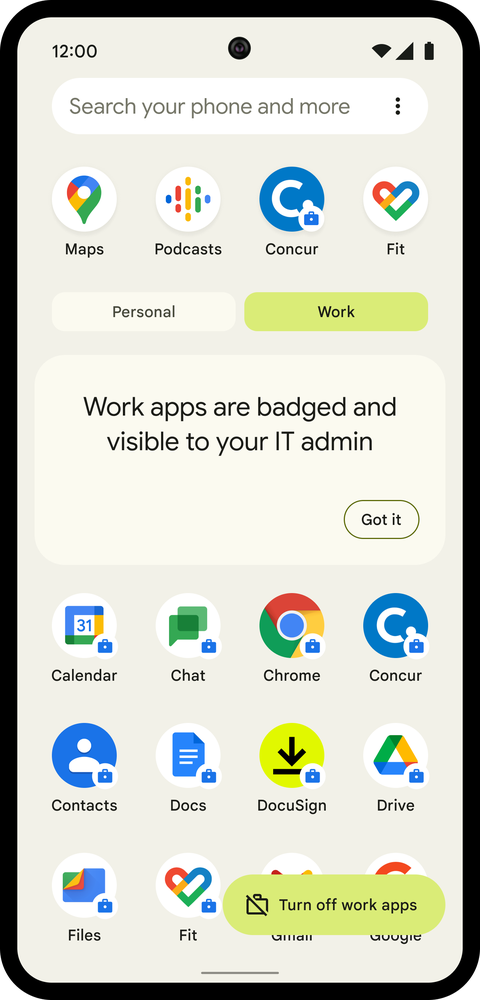
Android 12 introduces user privacy enhancements for all managed devices, including improved transparency of admin controls. Work profile users will be able to approve (if allowed by their IT admin) or deny sensor-related permissions, such as location and camera, to work profile apps. On fully-managed devices, IT admins can choose to give their users this same control.

Moving AdSense to a first-price auction
Creating great content takes time, but earning money from it shouldn’t. That’s why we built AdSense, to help you make money from your site with an easy-to-use advertising platform. AdSense simplifies advertising for you by automatically tailoring ads to your site’s layout, optimizing for mobile web and connecting you to millions of advertisers.
In our continued effort to simplify AdSense, we will be moving the AdSense (AdSense for Content, Video, and Games) auction from second-price to first-price in the coming months. This change will make it easier for buyers to purchase your ad space sold on AdSense. There is no action for you and you will likely not see a change in your earnings. We’re making this announcement now to help our advertiser partners prepare before we change how the AdSense auction works. View our FAQ page for full details across the AdSense product range.
What’s happening:
In the early days of online display advertising, ad space was sold to advertisers in a second-price auction, where the final price paid by the winner was determined by the amount of the second-highest bid. Over time, many ad selling platforms in the display advertising ecosystem, including Google Ad Manager and Google AdMob, switched their auction to first-price. In a first-price auction, the final price reflects the winning bid. In the coming months, AdSense will move to a first-price auction. This will help advertisers by simplifying how they buy online ads and make it easier for them to buy your ad space sold on AdSense.
Benefits to publishers and advertisers:
By streamlining the auction model across AdSense, Ad Manager, and AdMob, we are aligning our process with other ad selling platforms in the display advertising ecosystem. We believe this will help grow advertiser spending confidence in digital advertising and an increase in spending confidence over time will benefit publishers (that’s you).
Preparing for the change
We expect the transition to a first-price auction to be completed later this year. As we said above, you do not need to do anything, because these changes will update automatically.
For more information and future updates, please check out our AdSense first-price auction help page.
Welcome to spooky season
The smell of pumpkin spice is in the air, which means it’s about time to bust out the costumes, stock up on some candy and carve a pumpkin or two. If you need a little inspiration, look no further than these spooky Search and Maps trends we collected.
Pumpkin to Search about
Whether you plan on spending the day watching Halloween classics or trick-or-treating in a clever costume, we’ve got Search trends to give you some ideas. (Be sure to also check out our annual Frightgeist for the most-searched Halloween costumes across the U.S.)
Most-searched Halloween movies over the past week in the U.S.
- Halloween (1978)
- Friday the 13th
- Hocus Pocus
- A Nightmare on Elm Street
- Halloweentown
Already seen these? Grab the popcorn (or the candy corn) and virtually explore the filming locations of your favorite cult classics on Google Earth.
Moving on to costumes! Picking the right outfit — whether it’s just for you, a group or your furry friend — is important. Here are the costume searches that have been trending this week in the U.S.
Trending Halloween costumes:
- Squid Game
- Gorilla
- Britney Spears
- Carnage
- Venom
Trending couples costumes:
- Trixie and Timmy Turner
- Bonnie and Clyde
- Skid and Pump
- Mr. and Mrs. Smith
- Cosmo and Wanda
Trending dog costumes:
- Squid Game
- Race car
- Vampire
- Donkey
- Lobster
If you still aren’t sure what to wear, you can ask Google Assistant for some last-minute costume ideas, too. Just say “Hey Google, what should I be for Halloween?”
Maybe you’d prefer to boo-rowse aisles IRL without a crowd. We checked the most popular times on Google Maps to visit costume shops across the U.S. and found they’re at their busiest on Saturday and Sunday around 2 p.m., and least busy before 2 p.m. on Monday and Tuesday.
But, beware! Last-minute shoppers might be in for a scare. Google Maps searches for costume stores in the U.S. peaked on Halloween day last year — nearly doubling from the week before, and nearly tripling from October 10th. So get your costume and accessory shopping done early for the best chance of finding what you’re looking for.
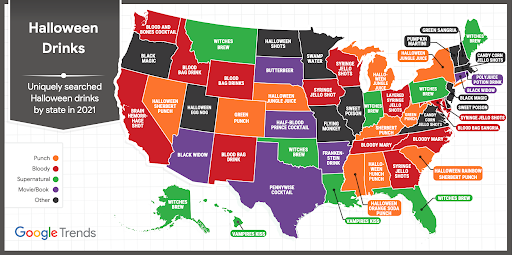
For those interested in refreshments or snacks to follow all that trick-or-treating, you can see which Halloween drinks are being searched for by state. And of course, everyone has to know what their state prefers: candy corn or M&Ms?