
In just a few clicks, GoDaddy merchants can show up across Google
Shoppers get the most choice when they can easily discover businesses and their unique products. And when those products get discovered, businesses can connect with more customers. We see it as a win-win, which is why we’re working hard to make commerce more open online. One way we’re doing this is by teaming up with eCommerce platforms like GoDaddy.
Starting today, we welcome GoDaddy online store customers to more easily integrate their product inventory across Google at no additional cost. This means that GoDaddy merchants can now get discovered across Search, Shopping, Image Search and YouTube in just a few clicks. With this integration, GoDaddy merchants can upload their products to Google, create free listings and ad campaigns and review performance metrics — all without leaving GoDaddy’s Online Store.
By teaming up with platforms like GoDaddy, we are able to help even more businesses make more connections with shoppers who are eager to discover new brands.

PS4 Pro, 3800 unità sequestrate in una criptofarm ucraina

WhatsApp denunciata dalle associazioni consumatori alla CE
Epson EcoTank, risparmia il 90% sul costo dell’inchiostro. Conviene davvero?

ALT-1: il 15 luglio a Torino (e online) si parla di accessibilità

Samsung e Upday presentano Jaxon, nuova app di news sugli eSport

Richard Branson va nello spazio
Ieri il velivolo Unity della Virgin Galactic ha portato a 86 chilometri di quota il fondatore dell’azienda, Richard Branson, insieme ai due piloti Dave Mackay e Michael Masucci e a tre dipendenti (Beth Moses, Colin Bennett e Sirisha Bandla). Non è la prima volta che il velivolo, sganciato a circa 15.000 metri da un aereo-madre, effettua un volo fino a queste quote, raggiungendo una velocità di circa Mach 3 in un ripidissimo arco parabolico (lo ha già fatto almeno tre volte), ma è la prima volta che Unity lo fa trasportando un complemento completo di passeggeri.
Inoltre Branson diventa la prima persona al mondo a raggiungere una quota definibile come “spazio” usando un veicolo finanziato dalla persona stessa.
Se questo viene considerato un volo spaziale, si stabilisce anche un nuovo record per il maggior numero di persone contemporaneamente nello spazio, sia pure per pochi minuti: 16 (tre astronauti cinesi sulla stazione cinese, sette astronauti sulla Stazione Spaziale Internazionale e sei persone a bordo di Unity).
Il profilo di volo non è particolarmente innovativo: questo tipo di arco parabolico fino ad altissime quote fu effettuato già quasi sessant’anni fa, nel 1963, dall’aereo-razzo sperimentale X-15 della NASA, anch’esso portato in quota da un aereo-madre (un bombardiere B-52 appositamente modificato). La differenza è che stavolta lo fa un’azienda privata, e al posto di un singolo, addestratissimo pilota ci sono sei persone, di cui quattro sono semplici passeggeri in comode poltroncine.

Non avendo superato la quota di 100.000 metri normalmente considerata come demarcazione di inizio dello spazio (la cosiddetta linea di Karman), quello di Branson non è formalmente un volo spaziale in senso stretto: è un volo ad altissima quota. Tuttavia il governo statunitense considera la quota di 80 km come confine fra atmosfera e spazio, per cui i membri dell’equipaggio di Unity, partiti da una base nel New Mexico, possono considerarsi ragionevolmente astronauti suborbitali.




L’esperienza di bordo è in effetti molto simile a quella di un volo spaziale suborbitale: il velivolo deve usare razzi di manovra per il controllo d’assetto, perché a 80 km di quota l’atmosfera è troppo rarefatta per consentire manovre usando le superfici aerodinamiche, e la traiettoria consente circa tre minuti di assenza di peso e una visione della Terra paragonabile a quella che si ha dallo spazio, con il cielo nero e una curvatura molto marcata dell’orizzonte.
Il volo è stato presentato come un collaudo finale per il “turismo spaziale” che Branson prevede di offrire commercialmente dal 2022, con biglietti che attualmente costano circa 250.000 dollari a testa.
La più grande differenza rispetto ai voli spaziali tradizionali è in positivo: qui non ci sono mesi di addestramento (ma solo cinque giorni di preparazione) e non ci sono procedure di imbarco o sbarco particolarmente complesse. Si sale a bordo, si vola, si atterra planando e si scende dall’aereo subito, con le proprie gambe. È tutto molto naturale e accessibile. A parte il prezzo.

Fonte aggiuntiva: BBC.
Questo articolo vi arriva gratuitamente e senza pubblicità grazie alle donazioni dei lettori. Se vi è piaciuto, potete incoraggiarmi a scrivere ancora facendo una donazione anche voi, tramite Paypal (paypal.me/disinformatico) o altri metodi.

iPad Air (2020): è ancora lui il miglior compromesso? La recensione
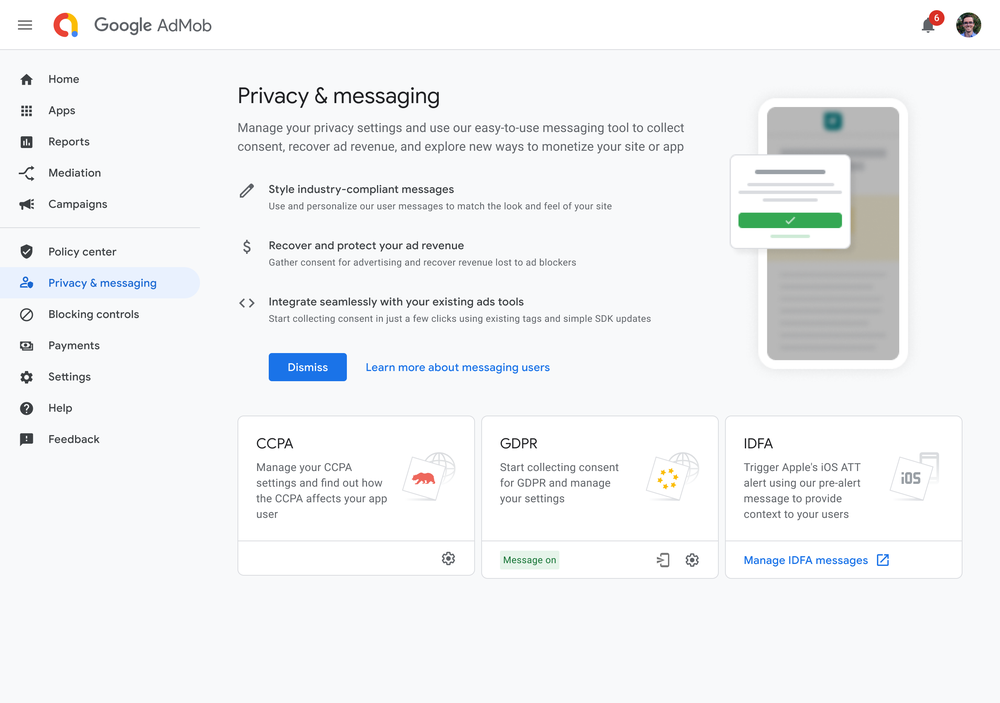
Making it easier for publishers to manage privacy and messaging
The advertising ecosystem is constantly evolving with new privacy regulations, updates to advertising identifiers and ad blocker technologies — all of which give users more transparency and control. But they can be confusing and time-consuming for publishers to manage. To help our partners streamline how they manage global privacy regulations and their user messaging journey, we’re introducing enhancements to the privacy & messaging tab in Google Ad Manager and AdMob.
The privacy & messaging tab will act as a single place for our partners to stay informed about relevant regulations, understand what actions they can take, message their users and navigate the advertising landscape to mitigate impact to their businesses. It’s also the evolution of our Funding Choices solution as we begin to move all of its features into this tab alongside ad serving controls.
New ways to grow your games business sustainably
Mobile gaming has been a popular outlet for people to stay entertained while spending more time at home. A recent Google Play study of mobile gamers shows that 45% of existing players have discovered more games to play in the past year than the year before — and developers need the right tools and insights to capture this opportunity and drive sustainable growth. At the Google for Games Developer Summit, we’re announcing new solutions to help you unlock more growth and navigate privacy changes effectively.
Grow an active player base for your games
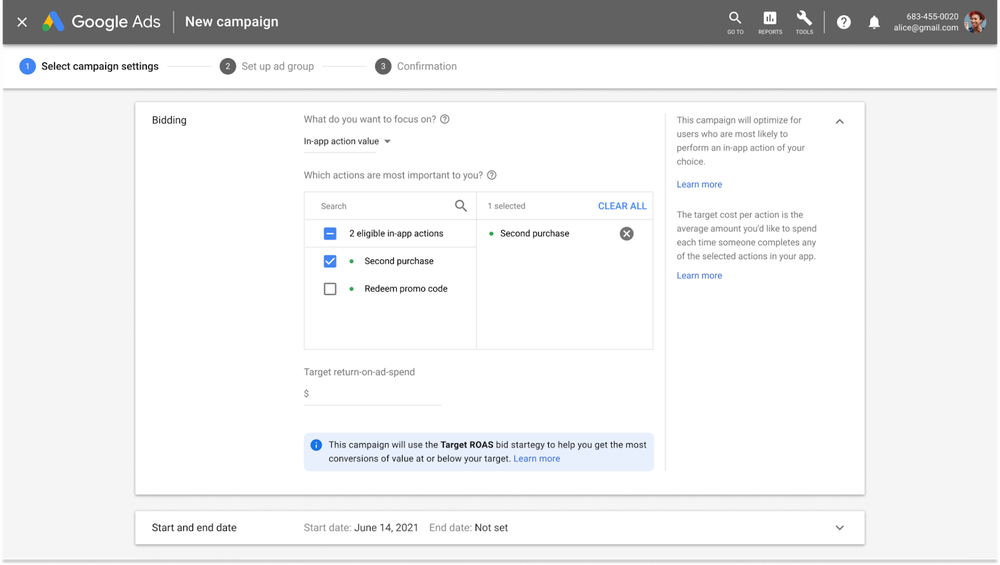
With more players in your game, keeping them active can help you capture more value. Last year we introduced App campaigns for engagement (ACe) in Google Ads to help you re-engage existing players. Soon, you’ll be able to use target return on ad spend (tROAS) bidding for ACe campaigns on Android. You can adjust bids dynamically based on the value each returning player is likely to create when they take in-game actions. This allows your ACe campaigns to maximize profitability by keeping your most valuable players loyal and active. This feature is currently available as a closed beta.
Sync content across all devices with Drive for desktop
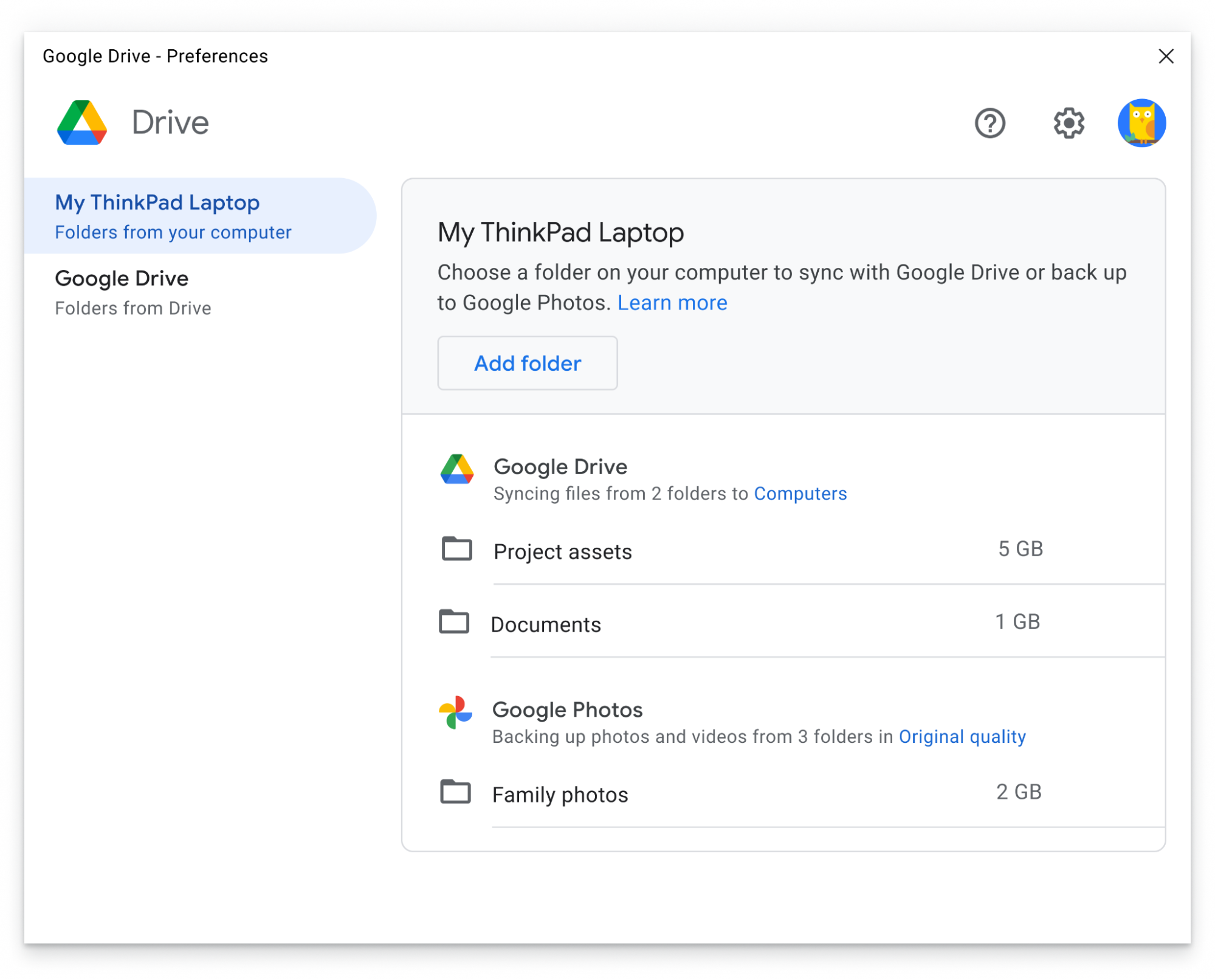
Each year, people are creating more content and using more devices to access that content. So it’s more critical than ever to be able to keep files, folders and photos safe, synced between devices, backed up and organized. To address this, in the coming weeks we’ll be rolling out a number of new features for Drive for desktop (Windows, macOS), our unified sync client that lets you easily sync your content across all your devices and the cloud.
Quickly sync and access content directly from PC or Mac
While many people access Google Drive directly from their web browser or from mobile apps, some people prefer to have access to their files and photos directly on their desktop, just like files that are stored locally on your device. Drive for desktop is an application for Windows and macOS that lets you quickly access content directly from your desktop, helping you easily access files and folders in a familiar location. Drive for desktop also automatically syncs local files to the cloud in the background, which minimizes the time you need to spend waiting for files to sync.
With Drive for desktop, you can access files directly from the cloud on your Mac or PC, which frees up your disk space and saves your network bandwidth. Because Drive files are stored in the cloud, any changes you or your collaborators make are automatically updated everywhere, and you’ll always have access to the latest version.
From Tech to Human: Three Post Pandemic B2B Marketing Trends
For many, the past few months have opened up giving us a taste of “return to normal” but what does that mean?
When most people say normal, what they often mean is comfortable. In the business world pre-pandemic comfortable is a dangerous place to be.
Any company that did not adjust, adapt or pivot over the past year and a half probably isn’t in business or doing as much business as they should. There have been many changes during the pandemic from digital transformation across all aspects of business to evolving expectations of customers. Companies and their marketers must be in tune with all of these changes in order to survive and thrive in a post-pandemic business environment.
One way customers have changed in B2B is that they expect more from the digital experience. Recent research shows 90% of B2B buyers will turn to a competitor if a suppliers digital channel doesn’t meet their needs. The elevation of expectations extends to service as well. “Expectations for experience have gotten so high that our traditional means of customer service simply aren’t sufficient anymore.” says Vivek Ahuja in a piece on Forbes.
Marketing is no different and the experiences companies create through their marketing are more important than ever.
As the former Salesforce chief marketing officer Kraig Swensrud, who is now co-founder of Qualified.com says, B2B marketers must prioritize “personalized, real-time experiences” to win over decision-makers who are increasingly digital-first.
There are important connections to be made between changes born of the pandemic and the trends that B2B brands need to be aware of as we enter the next phase marketing for 2H 2021 and into 2022.
Experience is Everything
“Research shows a strong correlation and interconnectedness between brand experience, customer experience and employee experience.” Forrester
Digital first B2B buyers expect continuity across channels for the information they seek as they pull themselves from awareness to consideration to decision in the sales journey. B2B brands that have adapted their marketing for digital first buyers must deliver best answer experiences that are both findable and credible.
Being the best answer for your customers with content that is comprehensive, relevant, engaging and actionable is more important than ever as competition for digital attention rises in B2B communication channels.
Optimizing best answer content experiences by making them easy to find and relevant is something many B2B marketers are tackling through renewed focus on SEO. Being found is a great start, but being found and trustworthy is even better. That’s why it is more timely than ever for B2B marketers to integrate efforts to optimize content for findability and credibility by incorporating influencers.
Many successful B2B marketers have already made this connection between SEO and influence when creating content experiences for customers. In our research for the State of B2B Influencer Marketing, we found that 50% of B2B marketers surveyed are integrating influencer marketing with SEO. We also found that there is a connection between the elevated credibility of content from trusted industry experts and the experiences B2B brands are so focused on. 74% of B2B marketers believe that influencer marketing impacts both prospect and customer experiences with the brand.
Content Really is King
“The average number of buying interactions has risen from 17 to 27 and 60% of purchases have 4+ people involved.” Forrester
Those interactions are powered by content. As B2B marketers have shifted much of their marketing efforts to digital, content plays a more important role in delivering information and experiences that satisfy the buyer’s intent. And there’s more buyers involved in the process creating even more reasons to produce highly relevant, engaging and trusted content.
While many marketers are already challenged to create enough content, our research found that by partnering with industry experts, content credibility and reach objectives are both positively affected. In fact, 70% of B2B marketers say influencers improve the credibility of brand content and 75% say influencers help drive more views of brand content.
The transformation of B2B to digital means B2B marketers must approach content intelligently and not alone. Partnering with the voices in the industry that have the trust and attention of the customers helps create a quantity of quality content that has credibility and reach that brands are having a hard time achieving on their own.
Executive Influence Drives Sales
“Salespeople must become recognized thought leaders in their fields and contribute to digital conversations in new and provocative ways.” Harvard Business Review
The value of influence for B2B brands is not limited to salespeople. In fact, there’s value in every public facing executive at a B2B brand to grow their influence in the industry and help drive revenue outcomes. Many B2B key opinion leaders and subject matter experts within companies may not have sales responsibilities, but the trust in their expertise can help create confidence in the brand and those who are tasked with sales.
Some B2B marketers area already seeing lift in lead generation and sales by working with industry influencers. For example, our survey of hundreds of B2B marketers found that 53% of B2B marketers have increased leads by working with influencers. 34% say their work with influencers have increased sales.
So why limit the value of influence to only working with external influencers? Why not develop the influence of appropriate subject matter experts and executives within the brand as well?
In fact, many B2B brands are finding the combination of developing social influence of their executives can be facilitated by partnering those internal opinion leaders with external industry experts. Whether it’s content co-creation, a LinkedIn Live event, webinar Twitter Spaces or Clubhouse chat, podcast interview or recorded video, there are many opportunities for B2B brands the create mutual value and lift for their executives in partnership with industry experts that can result in those internal executives having more influence on prospects and customers.
There are more than enough emerging technology trends happening with the transformation of B2B marketing and business to digital first. But there is a human side to B2B marketing that has too often been overlooked in the past. If there’s one thing that past 18 months has taught us as we’ve come to know our business customers better than ever, is that the human connection – the customer experience, the value of content and the power of your own executives being influential all play important roles in connecting with customers in ways they expect and are necessary.
The post From Tech to Human: Three Post Pandemic B2B Marketing Trends appeared first on B2B Marketing Blog – TopRank®.

Monaco Energy Boat Challenge. Bravissimi gli italiani
Alla Monaco Energy Boat Challenge di Monte Carlo, nel Principato di Monaco, la squadra dell’Università di Bologna (UNIBOAT) vince la gara di velocità con la barca FUTURA interamente costruita dagli…
L’articolo Monaco Energy Boat Challenge. Bravissimi gli italiani scritto da Paolo Brambilla proviene da Assodigitale.
Galaxy Unpacked, tutti i prodotti Samsung in anticipo

Le priorità di Android Auto sono gli utenti e la sicurezza, non gli interessi di una singola azienda
Proprio perché queste ricerche e test accurati richiedono tempo e risorse considerevoli, le nostre priorità sono basate sugli utenti e sui servizi che loro ritengono più utili in Android Auto. Sarebbe impossibile per noi soddisfare ogni singola richiesta ricevuta dalle aziende e dagli sviluppatori dei milioni di app per Android. La comunità degli sviluppatori lo sa bene e rispetta questa linea. Proprio per questo motivo, siamo rimasti enormemente sorpresi quando Enel X ha presentato un reclamo all’AGCM, l’Autorità Garante della Concorrenza e del Mercato, chiedendo che la propria app per la ricarica di veicoli elettrici – JuicePass – venisse integrata in Android Auto, quando ancora non era disponibile una categoria per questo tipo di app sul nostro sistema.
È importante chiarire che le persone hanno sempre potuto scaricare e utilizzare JuicePass sul proprio smartphone Android. Ma a causa del numero ridotto di veicoli elettrici nel 2018, Android Auto non aveva ancora condotto un’adeguata ricerca su come permettere agli automobilisti di cercare, trovare e pagare una stazione di ricarica in modo sicuro – e durante la guida – tramite lo schermo dell’auto. Per mettere le cose in prospettiva, a quel tempo in Italia le auto elettriche erano circa una ogni 1.000 auto connesse, e meno di una ogni 10 milioni di dispositivi Android a livello globale.

Abbiamo cominciato a lavorare su questi aspetti nel 2019 e abbiamo invitato Enel a partecipare fin da subito, ma Enel ha preferito non farlo. A ottobre 2020 abbiamo pubblicato un nuovo modello che permette alle app di ricarica di funzionare secondo le linee guida sulla sicurezza di Android Auto. Da quel momento, molti sviluppatori – tra cui ChargePoint, EVMap, PlugShare e evway – hanno usato questo modello con successo e hanno pubblicato le loro app per la ricarica su Android Auto. Ma a differenza loro, Enel X ha scelto di non utilizzare il nuovo modello.
Nonostante i nostri sforzi e le nostre migliori intenzioni, lo scorso aprile l’AGCM ha emesso una decisione che impone una multa molto elevata ad Android Auto, un servizio che Google offre gratuitamente.
Abbiamo a cuore l’ecosistema dell’innovazione italiana, così come il futuro della mobilità e della sostenibilità nel Paese. Ma obbligarci a dare la priorità a servizi fatti su misura per le richieste specifiche di un’azienda, a discapito dell’attenzione necessaria per la sicurezza, le preferenze e i bisogni degli automobilisti, non può essere la giusta soluzione per gli obiettivi ambiziosi che l’Italia si è posta in questi settori.
Lavoriamo costantemente con le autorità di regolamentazione, e continueremo a farlo, ma siamo in forte disaccordo con le conclusioni dell’AGCM. Di conseguenza, oggi faremo ricorso contro questa decisione.