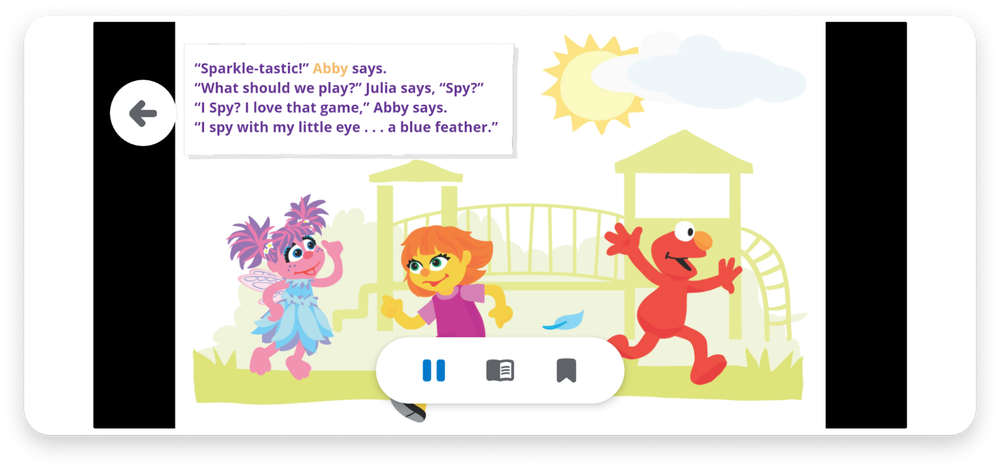
New tools make children’s books easier to read
As a parent to two young kids, bedtime stories are a big part of our evening ritual. My daughter, who’s almost 4, can now recognize all the capital letters, but she’s still learning how to identify lowercase letters and put them all together in a complete word. As we celebrate National Read Across America Day in the United States, I’m reminded of aspiring readers like my daughter, who experiences both the joys and the challenges of books. Google Play Books recently introduced a set of tools to help new readers and their families enjoy the process of learning how to read.
Thinking about those who are learning to read
Until recently, the Google Play Books user experience was primarily designed for proficient readers. With the launches of Teacher Approved Apps and Google Kids Space in 2020, we had an opportunity to rethink what learning to read means for younger readers, their parents and anyone else who may be a beginning reader.
New reading tools to help you
Here are more details about the reading tools now available to you:
Read & listen:Listen to a book read out loud, with a choice of whether the pages turn automatically or manually.
A modern mobile strategy for today’s hybrid work reality
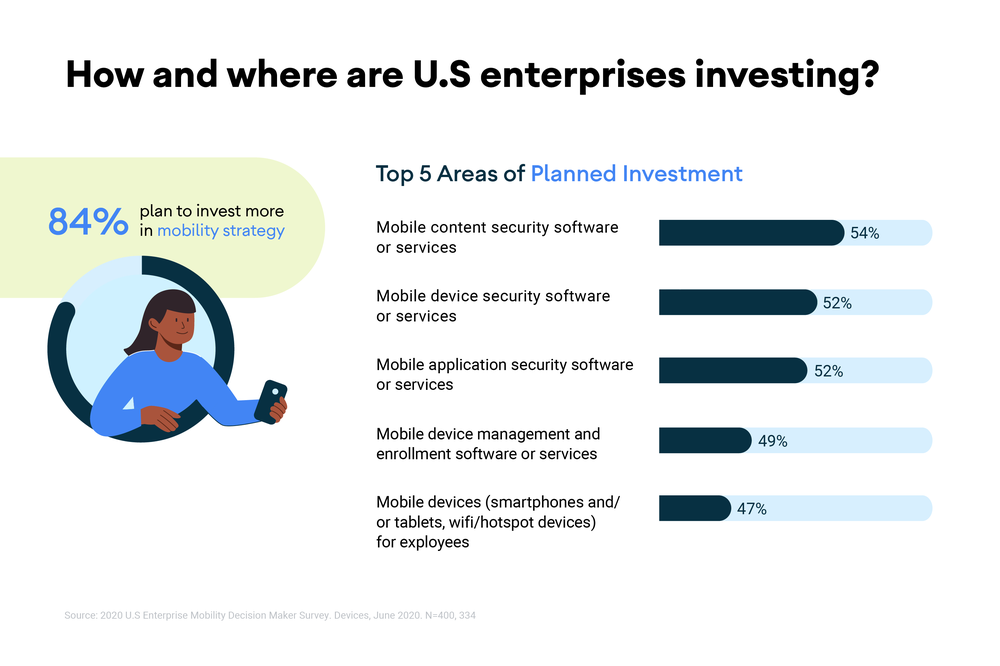
During a turbulent year grappling with COVID-19, businesses leaned heavily on mobility to adapt to hybrid and work-from-home environments. As we look ahead, it’s clear that mobility will be pivotal to how businesses thrive in this new workplace reality.
Recent market data from IDC found 84 percent of IT professionals planned to invest more in enterprise mobility, with mobile security and device management topping the list of investment priorities, according to The State of U.S. Enterprise Mobile Workers Webinar: Information, Frontline, and Work-from-Home Trends in 2020.
A global community for news product experts
Digital products for news consumers are becoming increasingly more important for the success of news organizations, whether you’re a well-established publisher like The New York Times, or a relatively new player like Nexo Jornal in Brazil. As more users shift their news habits to digital platforms, a growing number of journalists are learning how to become product experts to help their organizations diversify revenue. A product expert in a newsroom can help disparate areas work together with the goal of serving both audience needs and business growth.
Because product expertise in newsrooms is an emerging field, product professionals in newsrooms can struggle to find peers in similar roles. Google is a product-driven company, with many product engineers who have refined best practices and are eager to support journalism and connect with journalists working in this field. Today, we’re announcing our support for the News Product Alliance, a global community of product experts that is aimed at building communities of practice and support for product professionals in newsrooms.
Our first collaboration will be around the News Product Alliance Summit, the first global annual event dedicated to connecting product professionals from across the news industry. The summit will bring 300 participants virtually together and feature two programming tracks: Support and Practice. In the Support track, participants will connect with peers and discuss topics like navigating a unique career path, confronting challenges in their work and building confidence as a leader and change-maker.
In the Practice track, attendants will learn new skills, share case studies and insights and collaborate to define best practices for news product management. In this track, William Vambenepe, our product management director for news, will lead a session to share lessons about product management at Google.You can apply to participate until March 5.
Finding the right people to fill product roles within news organizations can be very difficult, according to a 2019 survey of more than 130 publishing executives. There is a big skill gap and these are not positions that can be easily filled with product experts from other industries. The challenge can be especially acute for small newsrooms, which can often have limited resources. It’s also important for newsrooms to diversify their staff and find product experts who have different perspectives and backgrounds.
That’s why we’re also supporting the News Product Alliance Summit with diversity, equity and inclusion scholarships, to broaden access to underrepresented communities. If you are part of a historically marginalized group and want to attend the summit, make sure to note that in the application.
Supporting associations like the News Product Alliance is key to help product experts, newsrooms and tech companies connect, share skills and collaborate to build a better future for news. We hope our support will help create even more vibrant connections in the community.

Il nostro Rapporto sull’ambiente 2020
Siamo orgogliosi del lavoro che abbiamo svolto per l’ambiente. I nostri recenti risultati includono:
- Abbiamo neutralizzato la nostra impronta di carbonio storica, diventando la prima grande azienda a realizzare un obiettivo di carbon neutrality che si estende per l’intero periodo di esistenza dell’azienda stessa.
- Abbiamo emesso 5,75 miliardi di dollari in obbligazioni sostenibili, la più grande emissione di obbligazioni sostenibili o verdi di qualsiasi azienda nella storia.
- Per il settimo anno consecutivo siamo entrati nella lista “A” per il cambiamento climatico di CDP (Carbon Disclosure Project), grazie alla nostra CDP Climate Change Response.
La lotta al cambiamento climatico è solo agli inizi. Stiamo costruendo su queste solide fondamenta per raggiungere obiettivi ancora più audaci, come abbiamo annunciato a settembre. Entro il 2030, miriamo a operare con energia priva di emissioni di carbonio 24 ore su 24 e 7 giorni su 7, e ad aggiungere 5 Gigawatt di energia carbon-free attraverso investimenti in aree produttive chiave. Siamo inoltre fortemente impegnati per supportare le persone e le comunità: entro il 2022 vogliamo aiutare 1 miliardo di persone a fare scelte più sostenibili attraverso i nostri prodotti (per esempio grazie alla possibilità di trovare su Google Maps le biciclette condivise oppure altri servizi green). Inoltre, entro il 2030 prevediamo di aiutare più di 500 città e governi locali a ridurre in totale 1 miliardo di tonnellate di emissioni di carbonio ogni anno.
Per noi è fondamentale verificare periodicamente il progresso di questi impegni per l’ambiente e condividere gli aggiornamenti con le persone e le organizzazioni interessate. I dati e la trasparenza sono indicatori importanti del lavoro che tutti stiamo facendo per proteggere il nostro pianeta, motivo per cui continueremo a pubblicare rapporti come questo e come il Rapporto relativo ai nostri fornitori.
Ci impegniamo a guidare la lotta contro il cambiamento climatico e continueremo a lavorare per aiutare le persone, le città e i governi a fare scelte importanti che si tradurranno in un cambiamento positivo.
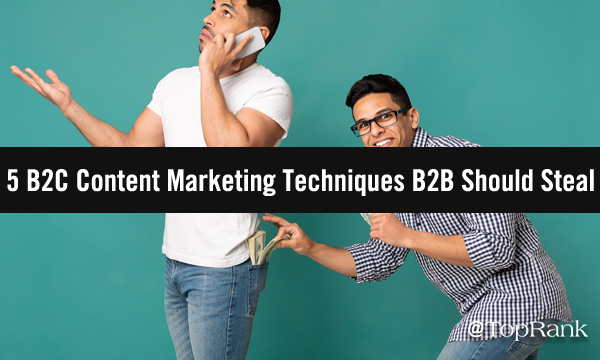
5 B2C Content Marketing Techniques that B2B Marketers Should Steal (And 5 They Shouldn’t Touch)
B2B marketers, are we over the B2C envy yet?
We used to have a legitimate reason to be envious. B2C marketers got to be more creative, personal, emotional, and interactive. We were stuck with dry, logical appeals with no-frills presentation.
These days, though, B2B marketers can be just as dynamic and creative as our B2C counterparts. And we not only can, we should.
Yet we still hear that drumbeat: “B2B marketing needs to be more like B2C.”
Does it really?
I would argue yes, but only to a certain point. B2B is its own discipline with its own best practices. There are a few recent developments in B2C that we should borrow, but there are just as many strategies and tactics that don’t translate as well.
In the interest of continually evolving B2B marketing to be more sophisticated, more useful, and more effective: Here are five B2C trends to steal, and five to leave to our esteemed peers on the other side.
5 B2C Content Marketing Techniques to Steal — And 5 to Leave Alone
The central thesis for using B2C techniques in B2B is the realization that there’s no such thing as a “B2B buyer.” They’re not a distinct species. People are people, whether they’re at work or at home. As the lines between home life and work life continue to blur, that distinction gets even fuzzier. However, that doesn’t mean we need to take on B2C techniques that don’t work, or don’t work as well as what we’re already doing.
Steal These:
1 — Take a Stand
Historically, B2B brands have stayed out of broader societal discussions. This is a holdover from the idea that B2B marketing should be exclusively logical, dealing with facts rather than emotion, delivered in a neutral tone. After all, why should B2B buyers care if their cloud server provider supports Black Lives Matter? Why not focus on your solution’s speed, bandwidth and low latency?
Here’s why taking a stand matters: A recent study found that 77% of consumers buy from brands who share the same values as they do. Another global study found consumers are four to six times more likely to purchase, protect and advocate for brands who have a larger purpose. In this climate, a neutral stance is more risky than taking a principled stand.
We should point out that it’s not enough to talk about your brand’s values or put them in a mission statement. Consumers will be looking for consistent, meaningful action that expresses your values.
2 — Embrace Diversity
I’m old enough to remember the first TV ad with a gay couple, way back in 1994. The controversy was enormous. But Ikea weathered the storm and continued to push for diversity of representation in their advertising. Over time, the rest of media gradually caught up with them.
As a whole, B2B marketing hasn’t been as aware of diversity. How many old eBooks and white papers feature pictures that are overwhelmingly white and male? As the executive audience grows more diverse, we can’t afford the ongoing mental stereotype of a B2B buyer as a heterosexual, middle-aged white man.
As you select images for your marketing materials, look for the audiences you might be missing. We want people to see themselves in our content, recognize themselves as the target audience and be moved to action. If we fail at diverse representation, we’re locking out potential buyers.
3 — Be Visually Stunning
It says a lot to me that one common unit of B2B marketing is the “white paper.” What a bland and utilitarian thing — it brings to mind a list of features and benefits in black text on a plain white page.
There’s no reason B2B marketing shouldn’t be beautiful to look at. General Electric’s Instagram proves that you can find gorgeous imagery in the most industrial settings. Communication company (and client) Mitel draws you into their latest interactive guide with a fanciful futuristic home office.
In a quick-scrolling online world, brands need to have visually arresting content that grabs attention.
4 — Embrace Multimedia
Friends, Romans, B2B marketers, I come here not to praise the static PDF but to bury it. There may still be a place for old-school gated eBooks, but their role should be a lot less prominent in a modern marketing environment. We have the ability to create video cheaply and easily. We have live-streams and podcasts, countless platforms with a quick click-to-publish.
Our agency is seeing great success for clients with interactive assets like the Mitel one I linked above. Tools like Ceros make it easy for a designer to create something dynamic and engaging. What might have been just another PDF becomes an experience that unfolds, comes to life, and looks great on mobile and desktop alike.
At the very least, multimedia can serve to augment more traditional content. For example, our client Prophix turned a report into a long-scrolling, influencer-activated, bright and engaging power page. But they also provide a static download of the report in PDF form to cover all the bases.
5 — Get Personal
I can bring to mind a dozen B2C ads that have made me either laugh or cry. The same can’t be said for B2B. Tim Washer’s Fast Innovation and the Slow Waiter ads are funny, but I can’t think of many more examples of ads that moved me on a personal level.
We can’t afford to hold people at arm’s length anymore, focusing on just the intersection of our solution and their workplace. The thing is, work is personal. What we do for a living is tied up in our identity, our sense of self, our security, our families, and our future. B2B marketers should feel empowered to address all of those entanglements, a whole person rather than a “B2B buyer.”
Let B2C Keep These:
1 — Transactional Influence
Influencer marketing in B2C tends to be more of an endorsement model. Whether it’s Kim Kardashian hawking beauty cream, or a micro-influencer holding an energy drink, the focus is bringing an audience’s attention to a product.
For B2B, influence is more about providing value and building relationships. Influencer content shouldn’t be product-focused. It should be designed to highlight the influencer’s expertise, provide real utility, and strengthen the brand by association with credible and thoughtful content.
2 — Snarky Social Media
Look, I love the ferocious sarcasm of the Wendy’s Twitter account as much as the next guy. Ditto the absurd and frequently bleak Moon Pie account. But that type of attention-grabbing, potentially off-putting weirdness only makes sense when your product costs less than $10.
B2B content should be emotional, human, and even humorous, but it should always aim to provide value. Leave the roasts, call-outs and memes to our B2C counterparts.
3 — Vanity Virality
B2B marketing isn’t a numbers game anymore. It’s a relevance game. Would you rather have a million views on a video, but no conversions, or 500 views that lead to 100 closed sales? I don’t know many marketers who would pick the former.
Yet we still tend to measure effectiveness in terms of numbers rather than relevance. We know that hitting the right audience is better than hitting the biggest possible audience — it’s high time we quit chasing vanity metrics.
4 — Every Channel Advertising
Is your brand on TikTok? Instagram? Snapchat? LinkedIn? Facebook? Should you be?
Better question: Where is your audience? If you find that your most valuable decision makers are on TikTok, fire away. If you never get any engagement on Facebook, let it fade away. B2B marketers should feel free to focus their efforts where they’re getting the most results.
5 — Top of Funnel Focus
For many B2C brands, awareness is everything. Like the Moon Pie and Wendy’s examples above, it’s about keeping the brand top-of-mind for the next checkout-line impulse buy or fast-food lunch. You don’t see a lot of, say, 1500-word blog posts on why Wendy’s hamburgers are better than McDonald’s.
Even as B2B content gets more creative, emotional, and personal, we can’t let lower-funnel content slide. B2B solutions are rarely impulse purchases; we need conversion content as well as awareness-building content.
Let B2B Be
I’ll admit it: Every time I see an awesome B2C ad, I do feel a little twinge of envy. There’s a degree of creative freedom in B2C that will never fly with a big B2B brand. At the same time, I’ve come to appreciate how B2B content can be deeper, more meaningful, and more useful than a lot of B2C can aspire to.
So the next time you hear, “B2B marketing needs to be more like B2C,” take it with a grain or two of salt. As much as B2C gets the glory, B2B is its own discipline, and we get to blaze our own trail.
The post 5 B2C Content Marketing Techniques that B2B Marketers Should Steal (And 5 They Shouldn’t Touch) appeared first on B2B Marketing Blog – TopRank®.

Cannabis terapeutica in Lombardia, ancora silenzio.
A più di due anni dalla proposta. Usuelli (Più Europa/Radicali): “Ci sono aziende pronte a investire per la produzione, non si può più ignorare il tema” Sono trascorsi oltre due anni dall’approvazione all’unanimità, il 4 dicembre 2018, della mozione n. 115 “Iniziative per la piena attuazione della normativa in materia di derivati della cannabis a uso medico” a firma Michele Usuelli, consigliere regionale di Più Europa/Radicali. In quell’occasione, la mozione aveva impegnato la giunta lombarda…
L’articolo Cannabis terapeutica in Lombardia, ancora silenzio. scritto da REDAZIONE TRENDIEST proviene da Assodigitale.

Deep Nostalgia anima le foto d’epoca con il deep learning

Le parole delle artiste, nel museo e online
 |
| Scoprite le artiste e le attiviste oltre le opere, come Tomaso Binga, che ha sempre giocato con la sua identità, firmando i suoi lavori sotto pseudonimo |
 |
| Esplora l’archivio personale della critica d’arte e femminista Carla Lonzi, con alcune testimonianze preziose come questa fotografia sorridente di Carla con un’amica. |
 |
| Partecipa all’inaugurazione di “Io dico Io — I say I” la straordinaria mostra di oltre 40 artiste italiane di diverse generazioni. |
5 Ways B2B Marketers Sabotage Influencer Marketing Success
It is the nature of marketers to continuously evaluate the effectiveness of their efforts. The problem with this approach to marketing optimization is that it assumes effective execution of marketing strategies, which we all know, is often not the case. Poor execution is as often at fault of poor performance as the effectiveness or appropriateness of the tactic.
For nearly 10 years we’ve been engaged in influencer collaboration for B2B content marketing programs and have worked with a wide range of B2B brands during that time. We’ve fielded multiple times that in inquiries and questions from B2B marketers about influencer marketing as well as conducting the first ever dedicated research study into B2B influencer marketing. This depth of experience has provided unique and far reaching insight into how B2B brands understand and implement content marketing efforts in partnership with influencers – good, bad and otherwise.
While the B2B marketing industry has evolved and become more sophisticated with influencer adoption rates on the rise, old habits and bad habits often remain. Our focus on influence as a B2B marketing discipline has enabled us to identify the best practices as well as the ways in which B2B marketers continue to sabotage the success.
Avoiding bad practices is a strong first step to ensuring investments in influencer marketing programs result in expected returns. Here are 5 of the most common things B2B marketers do to sabotage their influencer marketing success:
1. Waiting to Recruit
The best time to recruit an army is not on the first day of the war.
That’s probably not the best analogy, but approaching influencers as an afterthought vs. as part of the planning of a marketing effort is a big mistake. For B2B brands that are new to working with influencers, it is important to understand that influencer recruitment takes time (and skill). Being able to engage the right mix of influencers on a very short timeframe without pre-existing relationships is unlikely. That’s a problem if a B2B marketing effort is counting on those influencers to add credibility and promotion to the campaign.
Best practice: The time to start recruiting influencers is long before you need to activate them for a content collaboration. This is especially true where influencer engagement will be mostly or all organic vs. paid. B2B marketers need to put their empathy hats on and think about how to create value and sense of urgency for the influencer through relationship building vs. thinking influencers are simply waiting to work for free when the B2B marketer emails them.
There are ways to fast-track relationship building with influencers and we use those strategies regularly within our influencer marketing practice at TopRank Marketing. But doing so draws upon many years of experience, established processes, technology and strategy. Without that experience, B2B marketers should think about following, interacting with and creating value for influencers that they want to activate months in the future in order to get the highest quality contributions, and enthusiastic/authentic promotion.
2. Believing the Hype
Follower counts and ability to influence are not the same thing.
With the popularity of influencer marketing across B2C and B2B industries, the attraction to boost network size exists for every person that identifies as an influencer. The reality is, within most B2B verticals, the most influential people don’t always self promote themselves as influencers and may not even pay much attention to growing their networks. Instead, many people who are influential in a B2B industry are focused on doing the work. The lesson to learn is not to rely solely on social network size (fans, friends and followers) or overly self-promotional “influencers” since the hype simply doesn’t translate into action in B2B.
Best practice: Influence in B2B is based on real expertise, respect and third party validation by peers, communities, publications, professional organizations and often, academic institutions. This influence may be a mix of online; which is easier to validate with influencer software, and offline; which is harder to source and validate. Validate the influence of potential experts by qualifying the topics they are known for with how the communities they are expected to influence see them. Topical relevance, resonance with the community and reach are the basic data points for evaluating influencers.
Having a million followers in B2B is very unique and that person could be a great match, but don’t rely on network size alone to evaluate influencers. Do the homework to validate they are topically relevant to your audience and the campaign and that their audience is the audience your B2B brand wants to reach. Otherwise, you’re wasting everyone’s time.
3. Content Mismatch Creates Customer Confusion
B2B marketers may find an influencer that is topically relevant and has the audience the B2B brand needs to reach, but if the content vehicle the B2B brand uses to engage that audience isn’t what the influencer is known for, it may not be trusted or create confusion, “Why is this person known for a podcast doing videos for a B2B brand I’ve never heard them talk about before?”
Best practice: Identify influencers that are topically relevant and also take into consideration the brand mentions and content formats the influencer is most known for. Influencer marketing or social media software can help identify to what degree a potential influencer mentions your B2B brand. You can also see what content formats they publish most and that resonate best with their audiences.
If a podcaster talks about Adobe in a positive way fairly often, then it makes sense to engage that influencer via a brand podcast for an Adobe content activation – assuming they are validated on expertise, topical relevance, resonance and reach of course.
4. Transactional Approach Leads to Little Action
Many B2B marketers view working with influencers through the lens of B2C, which has had much faster and greater adoption so far than in the business world. B2C influence engagements are almost always treated like an advertising buy where the value exchange is about paying an influencer to create content that is hosted and promoted on the influencer’s own social channels.
In B2B, many of the people that are most influential do not monetize their influencer through transactional value exchanges like we see in B2C. Their motivation for engaging in a collaboration on content with a B2B brand might be more about growing the influencer’s own credibility and authority around a certain topic that they write books about, speak professionally about or provide consulting around.
Therefore, B2B brands that treat influencer engagement purely as a transaction will often not get the reaction that they are looking for or not get the emotional investment needed to generate the most credible and authentic content creation/promotion that is needed.
Best practice: Part of the influencer recruiting process is for B2B brands to make an effort to understand what motivates the influencer. Are they brandividuals that solely monetize through paid influencer engagements? Are they an industry expert whose credibility amongst peers would be elevated if they worked with your B2B brand? Are they a respected professional with a high quality audience that believes in the vision of your B2B brand and wants to be a part of it?
Find out what the influencer is motivated by and how a collaboration with your B2B brand can help them achieve their goals. Then focus on creating a great experience for the influencer that is more meaningful than mechanical. If they care, they’ll share!
5. Failure to Communicate
Effective communications is everything to a successful B2B influencer engagement. Whoever is responsible for directly engaging influencers and managing the relationships must have the ability to work with all types of people from high profile industry celebrities to introverted subject matter experts that don’t identify as influencers at all – even though they are. Communications is also about every point of contact from how the influencer outreach is conducted to how activation asks are made to how ongoing engagement is done.
Failure to communicate with empathy and relevance during the first outreach can turn influencers off as much as asking too much too soon or clearly not having done research on who the influencer is and what they are most passionate about.
Best practice: Do the homework to understand influencers before doing outreach. Understand their motivations and how a collaboration will help the influencer vs. only thinking about what’s in it for the B2B brand. Once an influencer has agreed to collaborate, make it easy and enjoyable for them to do so. Set expectations, be organized and helpful, share progress of the program and feedback about their contributions. Most of all, plan for some kind of ongoing communication to keep the relationship warm so the next activation is something the influencer looks forward to vs. only engaging influencers when you need them.
There are many ways to do influencer marketing wrong in B2B, but these are some of the most common ways we see B2B marketers sabotaging their own success. It comes down to understanding that influencers are people with emotions, goals, problems and a desire to be part of something bigger than themselves. Successful Influencer Marketing is also a relationship business, not simply a transaction. When B2B marketers can add a greater level of expertise, empathy and skill to influencer engagement, they will often see how impressive the results for everyone involved can be.
The post 5 Ways B2B Marketers Sabotage Influencer Marketing Success appeared first on B2B Marketing Blog – TopRank®.
Get to know our Women Techmakers Ambassadors
Last March, Google’s Women Techmakers (WTM) community was preparing for International Women’s Day with hundreds of in-person events all across the globe. But as COVID-19 spread and people everywhere went into lockdown, WTM Ambassadors had to change their plans.
Fast forward a year later, our community is preparing for International Women’s Day (IWD) events again — this time, going virtual from the get-go.
2021 marks the ninth year the Women Techmakers global community has celebrated IWD by hosting events to educate, connect and inspire hundreds of thousands of women in technology. This year, Ambassadors are hosting events around the theme #CouragetoCreate. #CouragetoCreate means having the strength to deal with adversity and the passion to make extraordinary things.
In preparation for IWD and the various virtual events, I spoke with several of the WTM Ambassadors about their role models, planning online events and what sessions they’re looking forward to.
Who’s an inspirational woman in your life, or someone you look up to?
Shilpa: My mom is someone I look up to. She always gave me courage and strength to face challenges. She’s always been there for me and is a guiding force in my life. I am who I am because of her.
Diana: I would say WTM ambassador Stacy Devino. She’s a positive influence on so many and definitely a role model to me. She’s not only one of the smartest people I’ve ever met but also someone with a big heart. She’s community driven and she really cares about others.
Hasnet: You might expect to hear the name of a famous person, but my mother is the most inspiring person in my life. She isn’t famous but she sacrificed so much for her family. She inspires and pushes me.
What’s the hardest part about planning online-only events?
Merve: You don’t get that face-to-face communication. Attendees can see us and see our body language and get to know us, but we usually only see their comments on chat.
Diana: Making sure our community has accessible tools that aren’t distracting or more it difficult for them to access our events.
What about the best part?
Priya: The best part of online events is virtually meeting a lot of brilliant, like-minded people and making good networking.
Diana: We can reach and connect to far corners of the world, which would otherwise be impossible in person.
In the spirit of #CouragetoCreate, what project are you working on right now?
Shilpa: I’m working on an e-learning chatbot focused on helping students and teachers.
Hasenat: I’m part of a team working on a project that creates timetables for schools and universities so teachers and administrations can coordinate better.
Diana: I’m working on an open source notification app for diabetic patients — it’s actually already online. The idea is to notify relatives or friends of diabetics — like me! — when someone’s insulin levels are dangerous. I don’t want anyone with diabetes to feel like they are helpless.
What session are you most excited for?
Priya: The session on deploying Machine Learning models on Cloud and a session on API integration definitely interest me most.
Diana: All of them! There’s so much I’m looking forward to learning!
What does IWD mean to you?
Priya: IWD is a joyride! It motivates more women to come forward to speak about their journeys, and for others to find their own paths to success.
Hasenat: This day reminds everyone that women have extraordinary power and are remarkable and respected. It’s a day to reflect on the work that remains: Many women continue to be unheard and don’t have the opportunity to speak out.
Merve: It’s a day for women in tech, and women everywhere, to congratulate ourselves. And it’s a chance to give courage to more women who want to enter this beautiful, limitless area.
You can join our IWD events virtually from anywhere in the world. Take a session with Women Techmakers in your area, or check out a keynote from a speaker somewhere across the globe. We hope you’ll join us from wherever you are.

Catalogo Disney+: serie TV e film marzo 2021
Disney+ continua a crescere mese dopo mese e, complice il recente arrivo del canale STAR con film e serie TV per un pubblico più adulto, per il mese di marzo 2021 si arricchisce di tanti nuovi contenuti interessanti per tutta la famiglia e non solo.

Pubblica Amministrazione e servizi: da oggi accessi anche con la CIE
Da oggi, 1° marzo 2021, le pubbliche amministrazioni dovranno consentire l’accesso ai propri servizi digitali anche con la CIE. E’ quanto si legge in una nota rilasciata dal dipartimento per gli Affari interni e territoriali del ministero dell’Interno che ha richiamato, per il tramite dei prefetti, l’attenzione dei sindaci sull’attuazione di quanto indicato dal Decreto Semplificazioni, e dunque sugli adempimenti necessari per la realizzazione della innovazione nei termini previsti per facilitare il processo di federazione delle Amministrazioni all’uso della CIE per l’accesso ai servizi digitali.
From the seas, to more ZZZs: Your new Pixel features
The best part of your Pixel is that it keeps getting even more helpful, and even more unique. With regular updates, Pixels get smarter, more capable and more fun. This latest drop is no exception, and includes the ability to easily access and share audio recordings, a new way to use the Pixel Camera app underwater and new wallpapers to celebrate International Women’s Day.
A more shareable Recorder
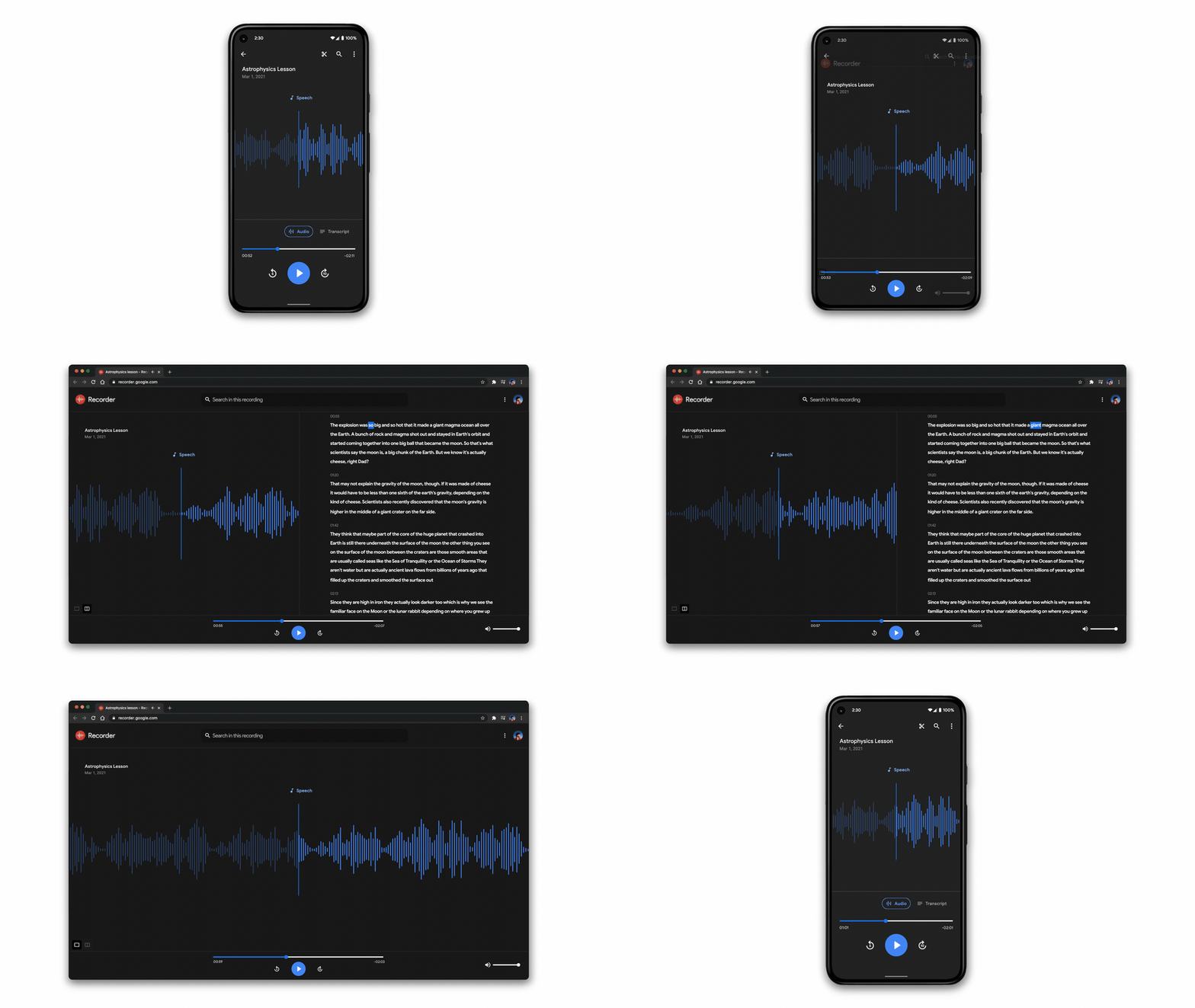
Whether it’s that guitar riff you’ve been working on or reviewing transcripts from a class lecture, Recorder makes it easy for Pixel owners to easily record, transcribe (English only) and search the audio moments that matter to you. Now you can share links to your Recorder audio files, so anyone can listen, even if they don’t have a Pixel. At recorder.google.com, you can hear recordings, see transcripts and even search through files — you get the entire Recorder playback experience in one shareable link.
Instagram raddoppia i live con le Stanze in diretta
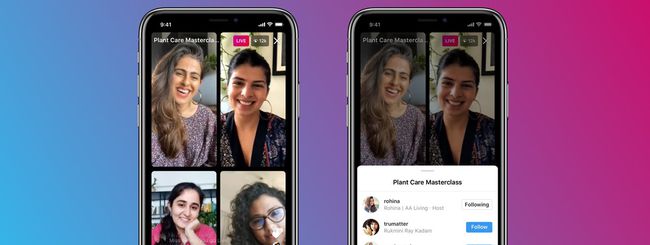
Le dirette sui social network non sono più la moda del momento, ma qualcosa che ormai viene dato per assodato. Tutte le principali piattaforme social permettono agli utenti di trasmettere in diretta e Instagram, già leader su questo fronte, ha deciso di raddoppiare le possibilità di fare le dirette. Oltre alle dirette classiche che conosciamo bene, oggi su Instagram arrivano le Stanze in diretta, una nuova funzionalità che consente di portare il numero totale delle persone collegate in diretta a 4, rispetto ai due partecipanti che possono trasmettere insieme con la modalità classica.

SpaceX, stanotte il lancio di un nuovo carico di satelliti
Doveva partire la notte scorsa alle 2:37 ora italiana, ma all’ultimo momento il lancio della quinta missione Starlink del 2021 è stato rinviato a causa di una serie di problemi tecnici e meteorologici. Il razzo Falcon 9 di SpaceX decollerà quindi da Cape Canaveral, in Florida, stanotte alle 2:15 (sempre ora italiana), per portare in orbita terrestre bassa un nuovo carico di satelliti che andranno ad arricchire la già corposa costellazione che Elon Musk sta ultimando di posizionare nei nostri cieli. Il lancio sarà visibile in live streaming a partire dalle 2:05 seguendo questo link o cliccando direttamente sul video qui in basso.